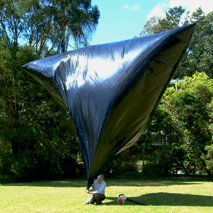
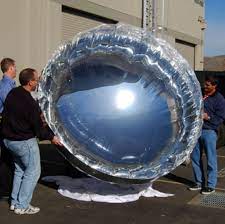
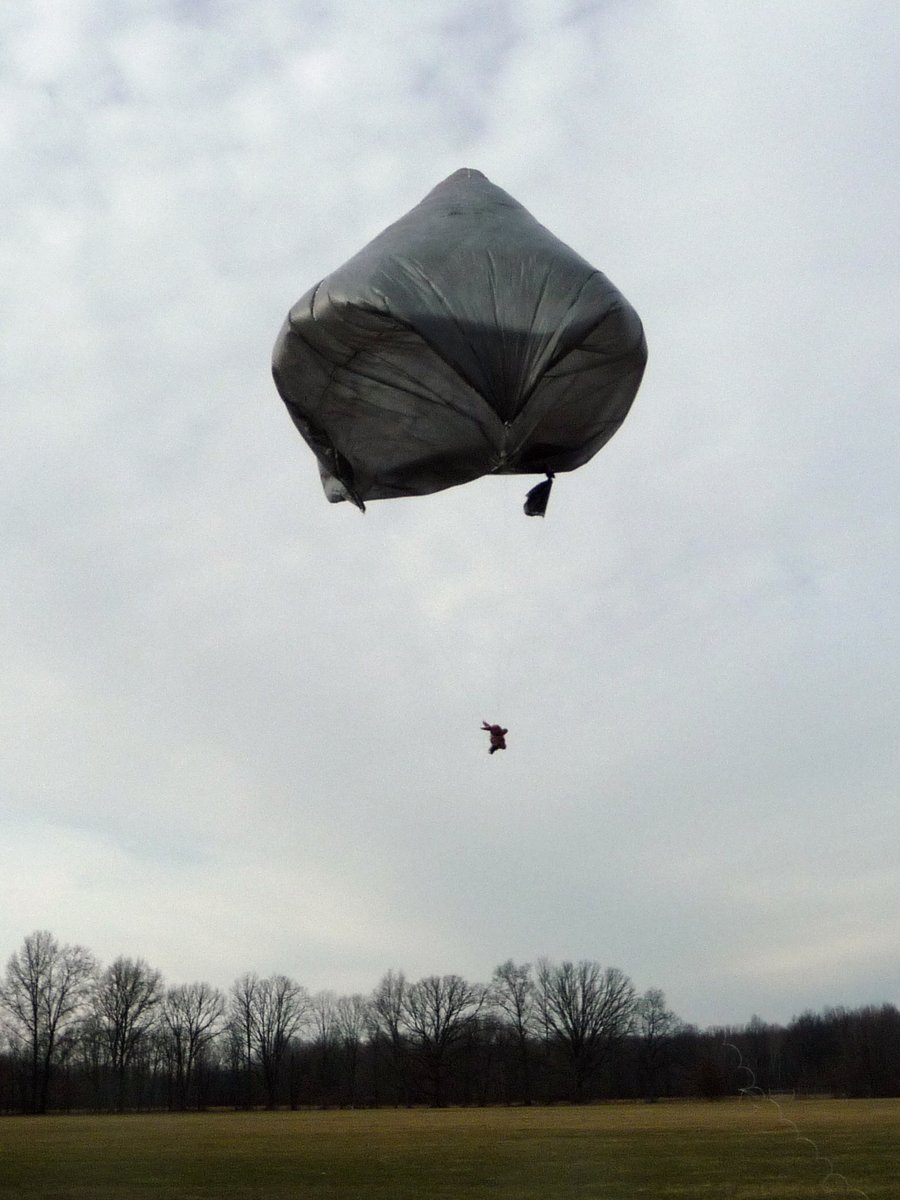
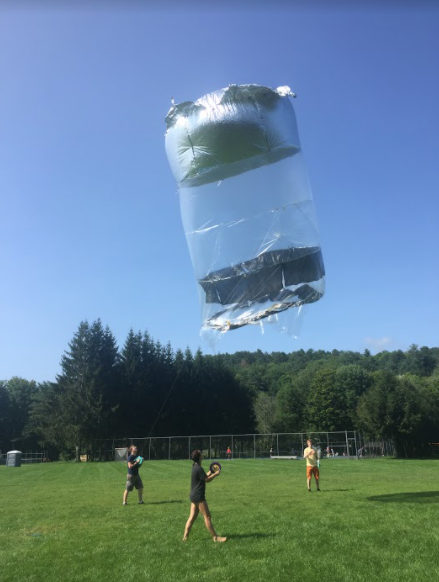
Quick 🧵 on why the last three objects shot down are so hard to find, especially compared to the first. I have had some inquiries on this, so here goes: The Chinese Spy Balloon was very large, with a huge towering envelope and large payload truss...
that included large solar panel arrays. The objects shot down in recent days were much, much smaller, just a fraction of the size, and have been compared to Volkswagen Beatles or ATVs. This makes far less material not only to find, but especially after it has been smoked by...
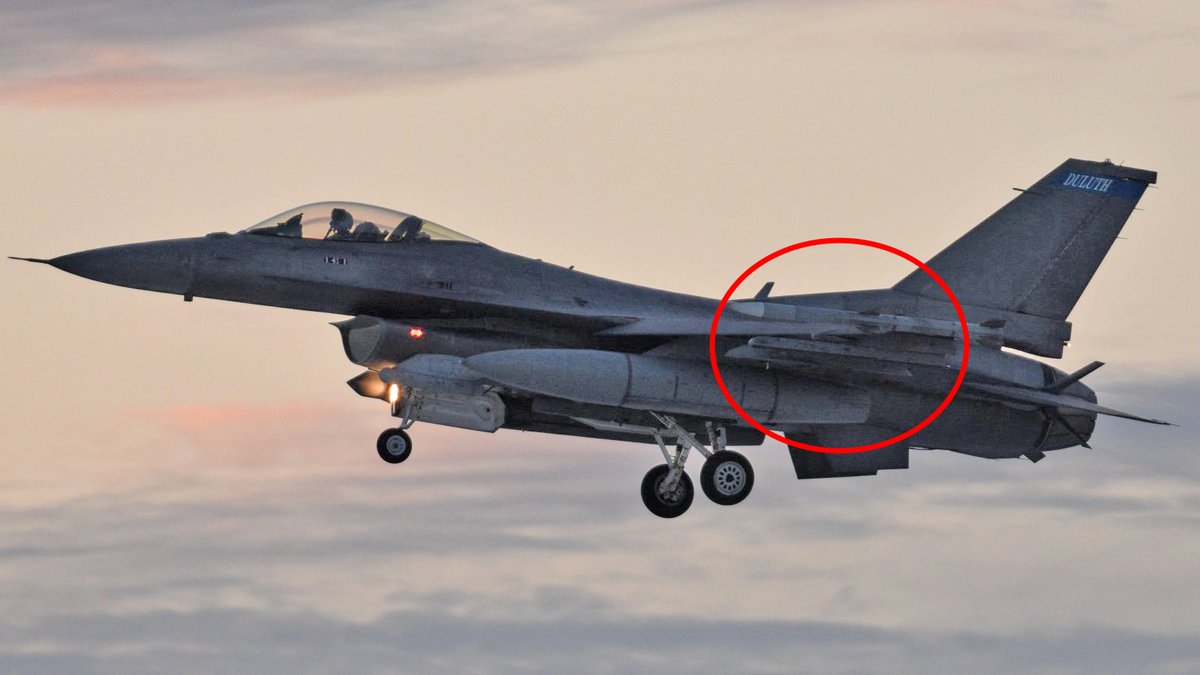
a AIM-9X. If the warhead detonates, it sends a continuous ring of tungsten shrapnel through the object, shredding it. A huge balloon, that's one thing, a small thing, just the shockwave alone would do catastrophic damage etc. Even if it didn't detonate, it would tear through...
the smaller envelope. People do not realize how big an AIM-9X is. It's a large pole moving at over Mach 2 with sharp fins. This is against a small fragile target floating in the wind that is likely similar or not much bigger than its own length... 
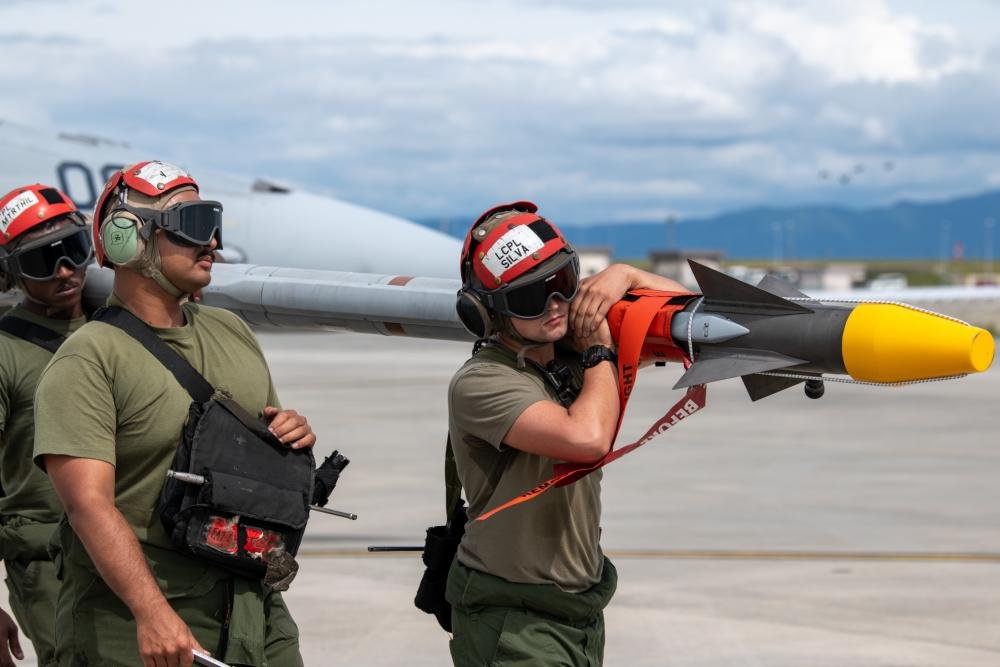
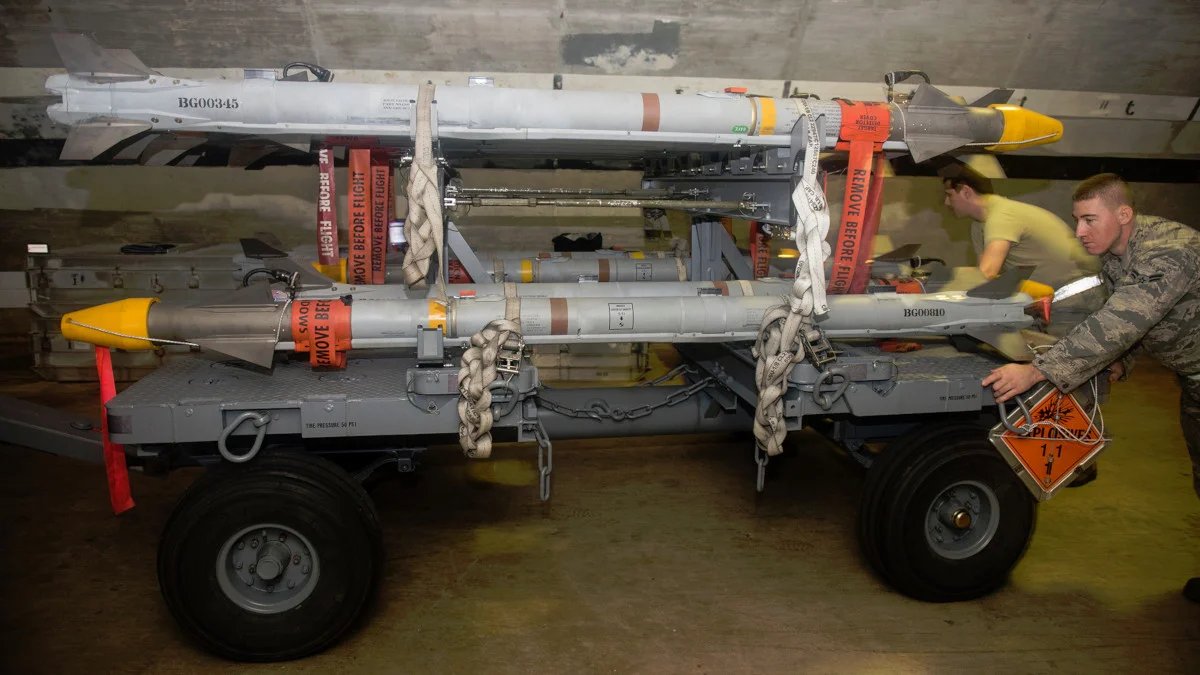
So, as the question is what's left to recover? Possibly not much depending on the target and the dynamics of how the AIM-9X engages it. Then you have the fact that these engagements are happening at 10s of thousands of feet...
So whatever you hit, now is going to by falling down to the ground over a large area, spread out in potentially tiny fragments, all strewn by the wind...
Pair this with the fact that these are only being shot down over large bodies of water or very remote locales, the idea that you will find consolidated wreckage is questionable, at least in many instances, or any wreckage at all. And whatever does come down to earth is...
susceptible to the elemnts, and given how light these things have to be, the debris that is already scattered can be scattered even further or hung up in trees etc. If it's water, it can be carried away by currents or sunk entirely and bodies of water are already full of...
junk and debris that can easily resemble stuff that makes up a lighter than air craft. Payloads would likely sink and are small a light to begin with, so huge problem there. Now maybe the biggest factor, at least beyond size, between the recovery of the Chinese Spy Balloon and...
These smaller craft is preparation. The full federal gov had days to prepare for the operation to take down the Chinese Spy Balloon. It was a totally controlled engagement that was highly surveilled and planned with wide array of assets in the air and at sea waiting...
for the object to arrive and to be brought down with roughly a six mile slice of sky leading up to the 12 mile international airspace boundary. Part of this included F-15C/Ds equipped with Sniper targeting pods that not only documented the shoot down, but worked specifically...
to track large parts of falling debris and where they hit the water using those pods, which can use their laser range finders to grab perfectly accurate coordinates of anywhere on the surface of the earth. A P-8 was also there to assist in this, even dropping smoke where large...
debris fields, which would disappear fast from the surface, appeared. The wreckage was scattered over many miles, with smaller light debris acting like chaff, staying aloft very high for a very long time. Waiting on the surface....
was an armada of ships ready to jump into action once the debris settled and it was safe to do so. Like any recovery operation like this, time is against you. The faster you get to the known areas to recover what's there, the better chances it will actually be there...
These operations have been successful and are ongoing today. There wasn't time for this kind of planning and surveillance for these other instances. Still, in some cases the pods on the fighters could help see if the stuff hit the surface somewhere, but seeing how hard...
these things were to see even in their total form, that seems questionable, although it's possible. Considering one was shot down off one of the most inhospitable bodies of water on earth, in the Arctic, the other in the Yukon during winter, and the other Lake Huron...
Not exactly the coast off S. Carolina, you can imagine how troublesome those environments can be for recovery operations. So, there you have it. Recovering parts of these craft is a VERY challenging proposition indeed. And in some cases, there may not be much to recover at all...
We can hope that recovery efforts, paired with a little luck, can overcome these challenges. And let's remember that there is good visual evidence on these craft recorded by the fighters' optical systems. Even the one over Alaska was supposedly intercepted by F-35s before F-22s..
Took it down, which have similar capabilities as the F-16 and F-15's Sniper pods. It's possible Canadian Hornets, which also carry Sniper pods, or other aircraft got a look at the one over the Yukon before the F-22s took it down, too. So there is evidence beyond what the...
eyeball or commercial cameras in the cockpit could see, these pods are extremely powerful and stabilized. This is in addition to radar data from the fighters, some of which carry very advanced AESA arrays, as well...
Hopefully that helps answer some questions floating around. As always thank you for reading, and forgive any typos, it has been a very long couple of weeks!
@threadreaderapp unroll
Turned the thread into a little article, enjoy!
Why Finding Wreckage From The Shot Down Objects Is So Hard
thedrive.com/the-war-zone/w…
Why Finding Wreckage From The Shot Down Objects Is So Hard
thedrive.com/the-war-zone/w…
• • •
Missing some Tweet in this thread? You can try to
force a refresh