How to use ChatGPT ethically to write a perfect first draft (of your journal article, dissertation chapter, etc.):
Before you start writing your first draft, you'd need to do what I call "Active and Slow Reading."
Take an academic text relevant to your project and start reading it slowly and patiently.
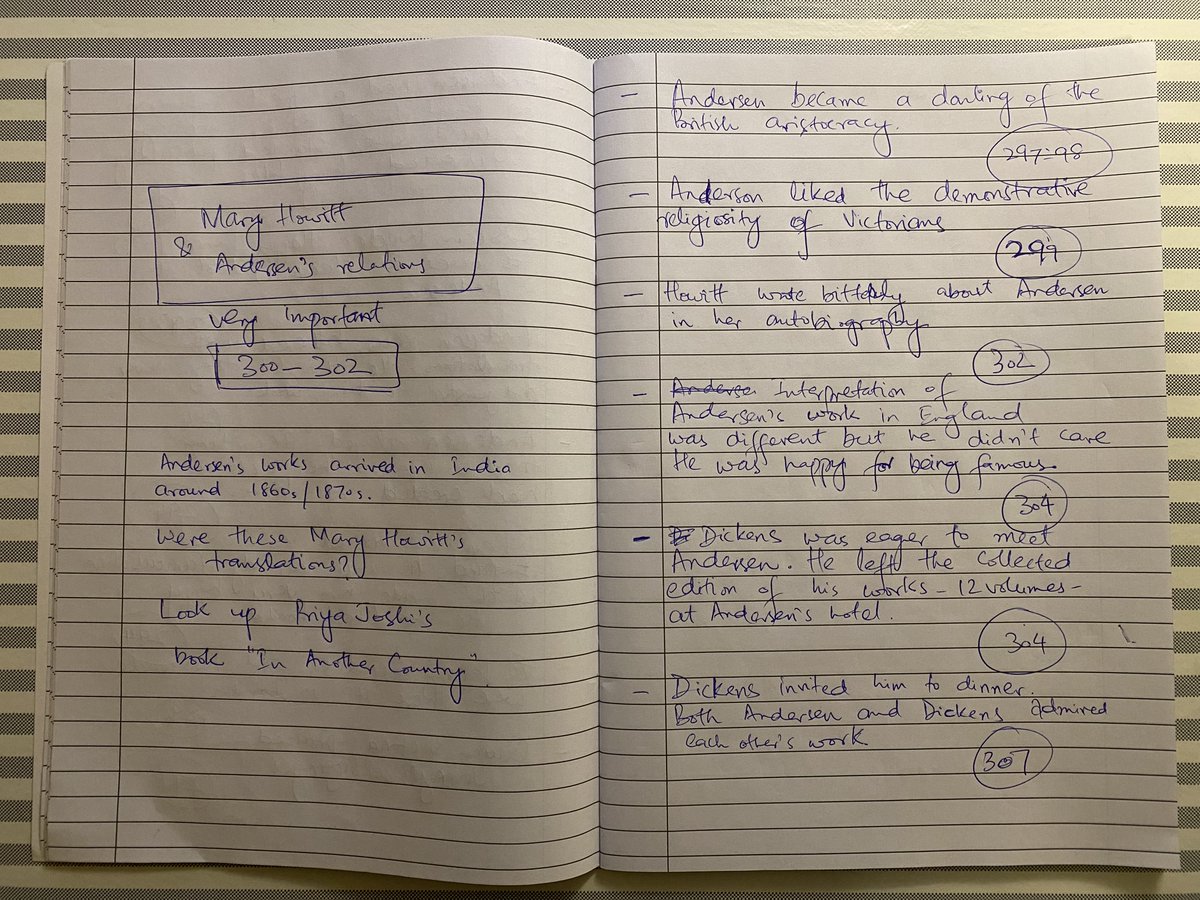
As you read through the text, take notes in a notebook.
Take an academic text relevant to your project and start reading it slowly and patiently.
As you read through the text, take notes in a notebook.
Use only the right-hand page of the notebook.
Note down whatever you find interesting and useful in the text along with the relevant page number.
Leave the left-hand page blank.
Note down whatever you find interesting and useful in the text along with the relevant page number.
Leave the left-hand page blank.
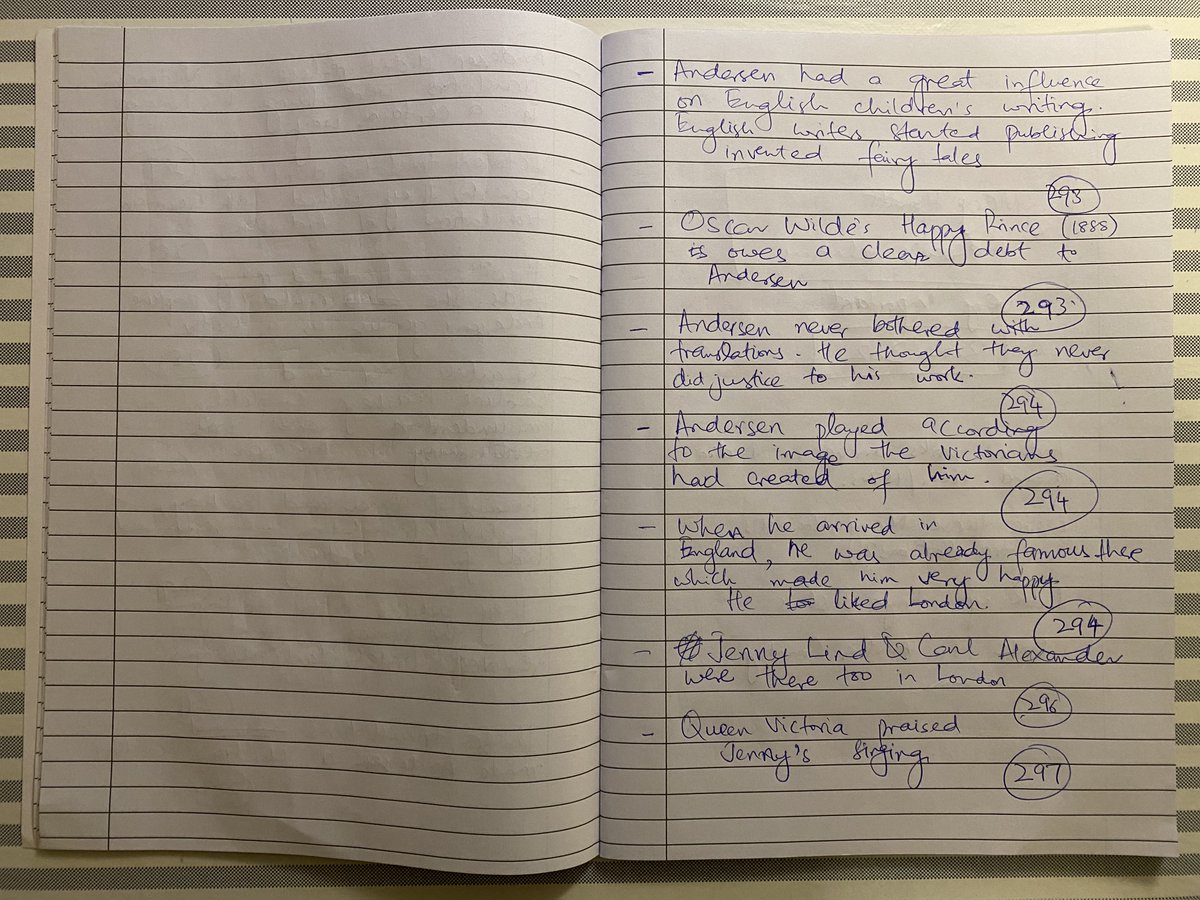
As you read and take notes, a bunch of ideas/questions will come to your mind.
Write down these ideas/questions on the left-hand page.
Right is for writing
Left is for thinking
Write down these ideas/questions on the left-hand page.
Right is for writing
Left is for thinking
This practice of Active and Slow Reading will help you:
1. "Digest" the text
2. Understand how an argument gets constructed through prose
3. Process your ideas
4. Develop your own take on the material
Do this exercise with several texts for a couple weeks.
Then stop reading.
1. "Digest" the text
2. Understand how an argument gets constructed through prose
3. Process your ideas
4. Develop your own take on the material
Do this exercise with several texts for a couple weeks.
Then stop reading.
Pick the time of the day when you are at your productive best — early morning, late afternoon, midnight, doesn't matter.
Pick the time that works for YOU.
Remove distractions. No phone. No internet.
Communicate with your dependents (if any) that you need to work.
Pick the time that works for YOU.
Remove distractions. No phone. No internet.
Communicate with your dependents (if any) that you need to work.
You've been reading actively for a couple weeks. This means you have stuff to write about.
Open a blank document in MS Word or Google Docs.
Set the timer to 25min.
Start writing the moment the timer goes off.
Open a blank document in MS Word or Google Docs.
Set the timer to 25min.
Start writing the moment the timer goes off.
But write what, you ask?
Write whatever comes to your mind.
Write in the first person (I'm thinking, I want to argue, etc. etc.)
Don't worry about spellings, grammar, or punctuation.
Don't delete a single word.
Type nonstop for 25min.
Stop when the timer stops.
Write whatever comes to your mind.
Write in the first person (I'm thinking, I want to argue, etc. etc.)
Don't worry about spellings, grammar, or punctuation.
Don't delete a single word.
Type nonstop for 25min.
Stop when the timer stops.
Congratulate and reward yourself.
Tell yourself you're this amazing person who is creating new knowledge.
Do another stint of 25min if you have the time and/or inclination.
Try to put as many words down as possible.
Do this exercise for a week.
Tell yourself you're this amazing person who is creating new knowledge.
Do another stint of 25min if you have the time and/or inclination.
Try to put as many words down as possible.
Do this exercise for a week.
At the end of the week you will have a document with thousands of words.
This is your zero draft.
There won't be much *structure* to your zero draft and that's perfectly okay.
We'll get ChatGPT to structure it for us.
This is your zero draft.
There won't be much *structure* to your zero draft and that's perfectly okay.
We'll get ChatGPT to structure it for us.
Take a block of text from your zero draft and run it through ChatGPT.
Use the following prompt:
"Please remove redundant words from the following passage and make it coherent and cohesive."
Use the following prompt:
"Please remove redundant words from the following passage and make it coherent and cohesive."
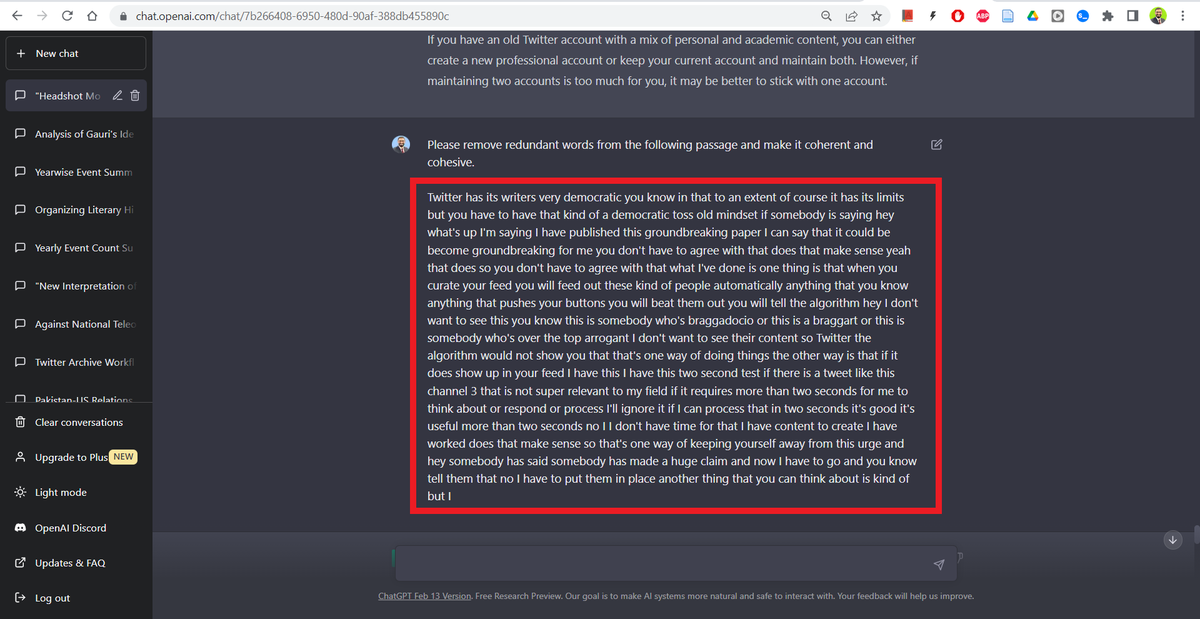
ChatGPT will do the needful, and you will have a coherent paragraph with grammatically correct sentences.

Run all of your zero draft through ChatGPT paragraph by paragraph.
Copy and paste clean paragraphs in a new document: [Project Title] Draft 1 [Date]
Copy and paste clean paragraphs in a new document: [Project Title] Draft 1 [Date]
Now your draft will look something like this.
You can show this draft to a colleague or a supervisor and ask for their feedback.
This is your *perfect* first draft.
A first draft that *exists* is a perfect first draft.
You can show this draft to a colleague or a supervisor and ask for their feedback.
This is your *perfect* first draft.
A first draft that *exists* is a perfect first draft.
Found this thread helpful?
1. Scroll to the top and retweet the first tweet to share it with your friends and colleagues.
2. Follow me @MushtaqBilalPhD for regular threads on how to use AI-powered apps to optimize the academic writing process.
1. Scroll to the top and retweet the first tweet to share it with your friends and colleagues.
2. Follow me @MushtaqBilalPhD for regular threads on how to use AI-powered apps to optimize the academic writing process.
Want tips on ethical use of AI for academic purposes delivered to your inbox?
Sign up below for my free newsletter:
keepwriting.beehiiv.com/subscribe
Sign up below for my free newsletter:
keepwriting.beehiiv.com/subscribe
• • •
Missing some Tweet in this thread? You can try to
force a refresh