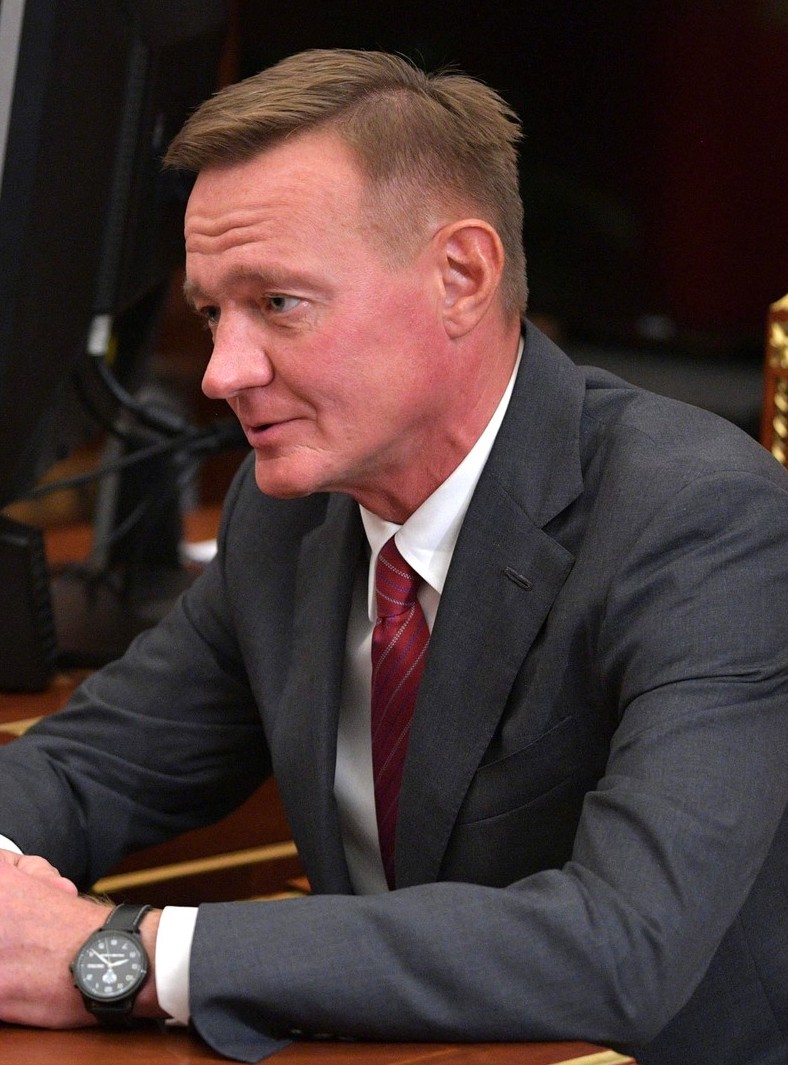
1/ The perpetrators of one of the Wagner Group's most infamous crimes – the 2017 torture and killing with a sledgehammer of a Syrian man and his subsequent dismemberment on camera – have been identified from records apparently taken from Wagner by hackers. ⬇️ 

2/ In June 2017, a Syrian man named as 'Mohammad' was captured by Wagner members near a facility they controlled. He had deserted from the Syrian Army or a pro-Assad militia group after apparently being forcibly conscripted.
3/ After torturing him for a long time with a sledgehammer and other tools, the Wagner men cut off his hands, hung his body up by the legs and burned it, and placed his severed head on public display.
4/ The whole episode was recorded on camera and released on the Internet. The incident is described in the CNN story linked below. edition.cnn.com/2021/07/21/mid…
5/ The Dossier Center and Die Welt have now identified the killers and the circumstances related to the killing. They include "two former employees of the Ministry of Internal Affairs, a petty criminal, a Cossack monarchist and an assistant to a deputy from the Communist Party."
6/ According to the Dossier Center, video of the killing prompted an immediate investigation by Wagner's security department. The killing itself was not a concern; the issue was who filmed and leaked the video, violating a ban on personal mobile phones.
7/ Wagner quickly identified the culprits as members of its 4th Detachment. The killing was likely filmed as a video report for commanders, with that video meant for Wagner use only, but several fighters also recorded it on their personal phones and leaked it on Telegram.
8/ The killing was likely authorised by and recorded for the detachment's commander, Nikolai Budko. According to the Wagner investigation, he received the authorised video before handing it to Wagner's military commander, Dmitry Utkin ('Wagner' himself).
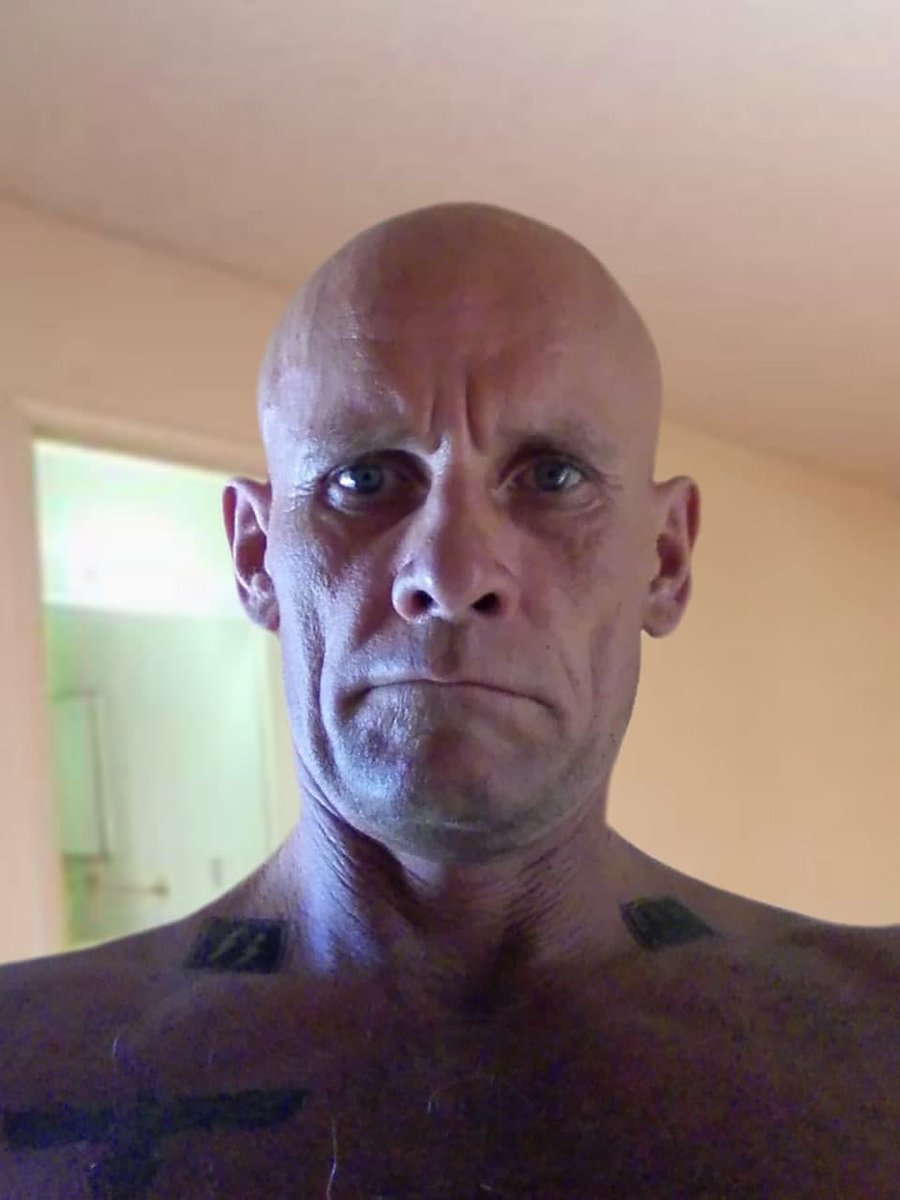
9/ Budko does not seem to have been punished or even interviewed over his role in the incident; indeed, Wagner subsequntly adopted the sledgehammer as its iconic method of execution.
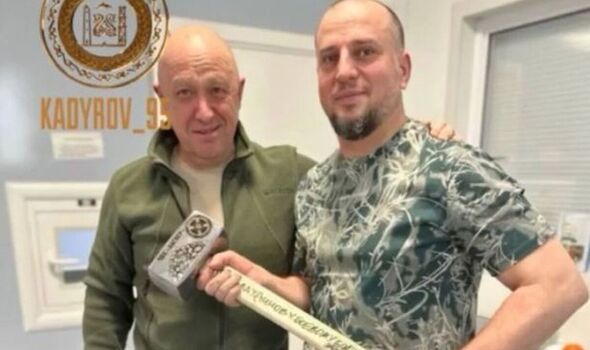
10/ In 2019, Novaya Gazeta identifed one of the killers as Stanislav Dychko (call sign 'Scarab'). A Wagner record states that he was fired "for health reasons" immediately after Novaya Gazeta named him. He died in 2021 in unknown circumstances.

11/ Another of the men is named by the Dossier Center as Jahongir Mirazorov (call sign 'Pamir', a Tajik and former Russian army soldier. He is recorded as having been fired by Wagner in 2018 for drug use.

12/ Vladislav Apostol (call sign 'Wolf'), a Moldovan and former member of the Internal Troops of the Ministry of Internal Affairs, is identified as another of the killers. He was killed in February 2018 by a US air strike during a disastrous attempt by Wagner to attack US forces.
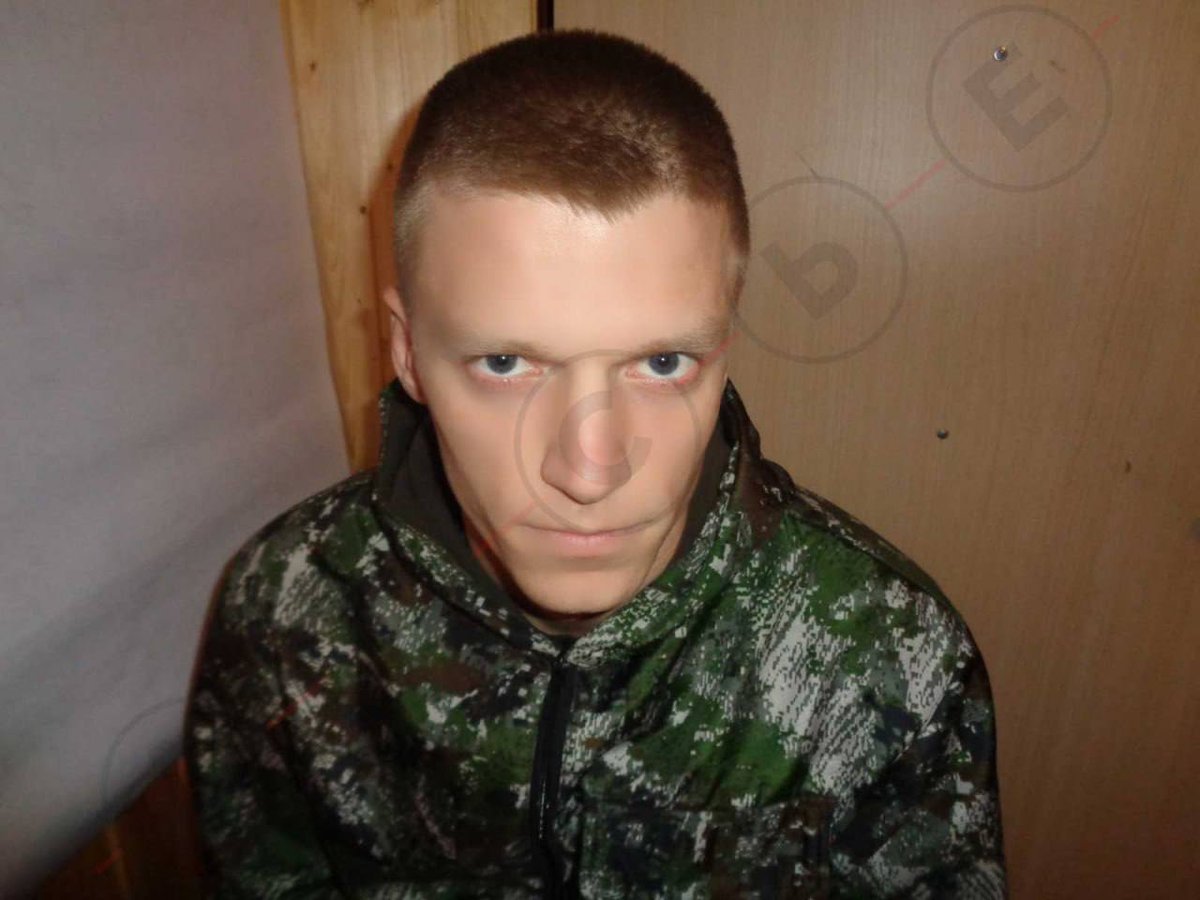
13/ The person who filmed the leaked video is identified as Mikhail Masharov, call sign 'Mavr' ('Moor'). He was a relatively new Wagner recruit, having joined only 6 months before. He was fired and returned to his native Astrakhan to drive Yandex taxis.

14/ Vladimir Kitaev, call sign 'Kitaets' and later 'Iceman', identified himself as a former "assistant to a deputy" (presumably in the Russian parliament) in the Communist Party. A former Special Forces soldier, he was convicted of a stabbing before joining Wagner.

15/ Vladislav Panchuk, call sign 'Roger' (does that make for confusing radio conversations?) is another former member of the Internal Troops of the Ministry of Internal Affairs. He was injured in Syria in February 2018 but returned to duty. His current whereabouts are unknown.
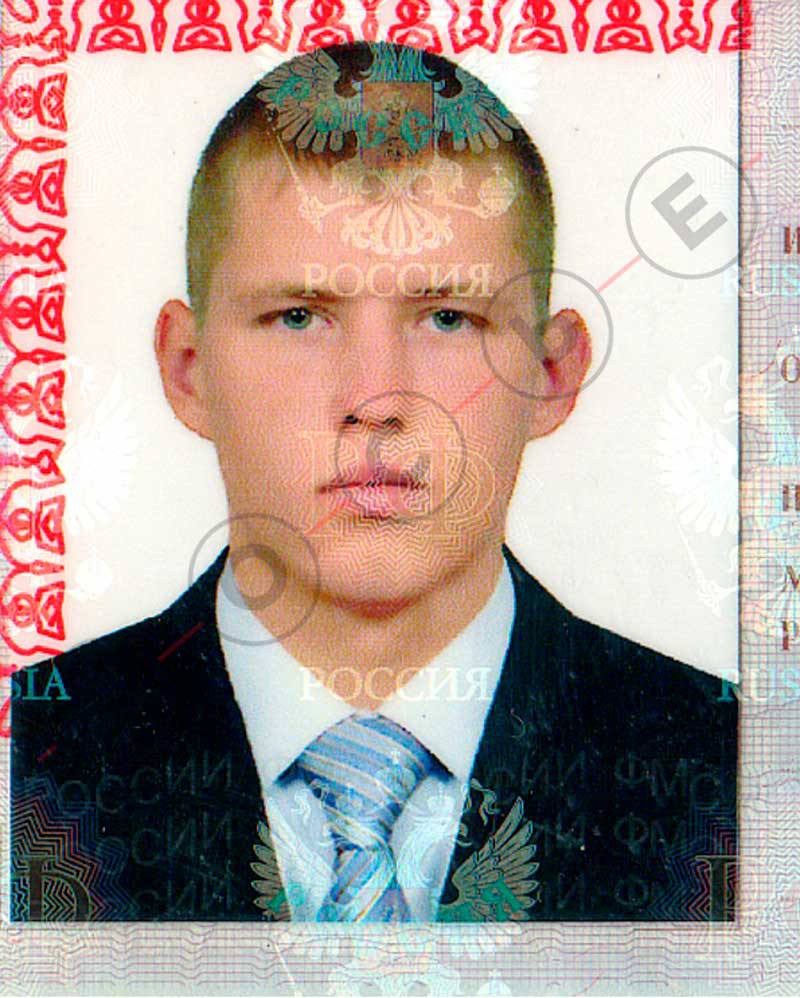
16/ Oleg Kongin, aka Oleg Zavarukha, call sign 'Kong', is a self-style 'Cossack' who appears to have been the 4th detachment's official videographer. Wagner investigators found a hard drive full of videos which he had apparently recorded on the orders of his unit's commander.

17/ Andrey Bakunovich, call sign 'Sling', is a Russian and Belarusian citizen who participated in the killing but was later arrested in Belarus along with 32 other Wagnerites over a suspected coup plot against Alexander Lukashenko. They were subsequently released.
18/ Igor Krizhanovsky, call sign 'Ricochet', was killed by a sniper in Syria only two months after the killing, during a Wagner attack on an oil refinery.

19/ Advocacy groups acting on behalf of the victim's relatives filed a lawsuit against Wagner in 2021. However, unsurprisingly, the Russian authorities have refused to act or even investigate the case. The litigants are now pursuing the case at the European Court of Human Rights.
• • •
Missing some Tweet in this thread? You can try to
force a refresh