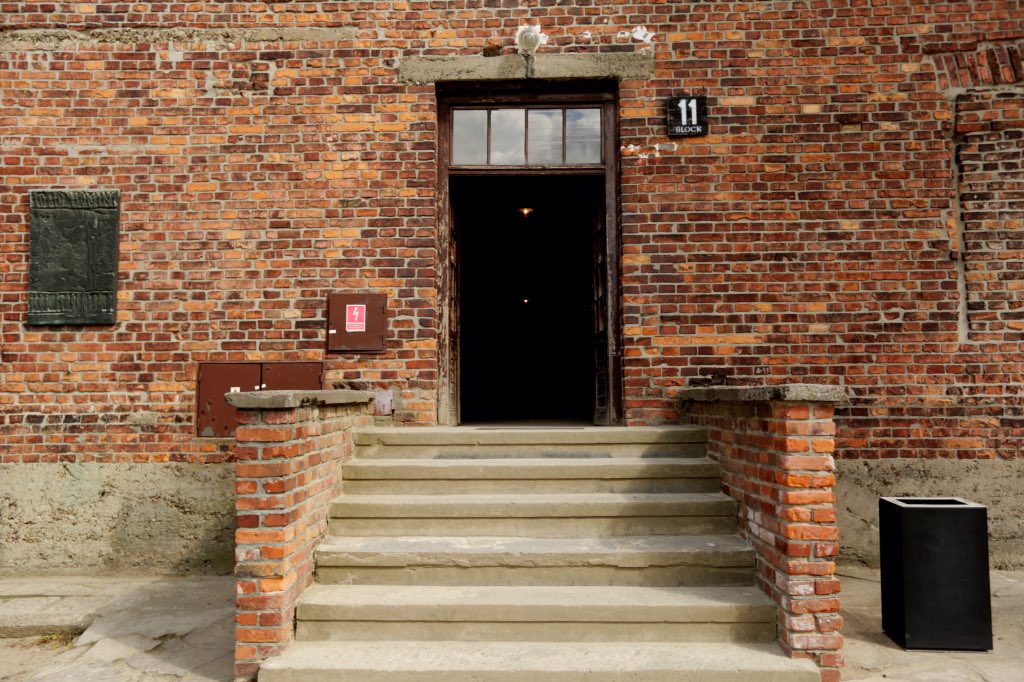
@auschwitzxhibit 1/n Block 11 is one of the buildings located at the Auschwitz I camp. It is referred to as the "death block". First, it was marked as block number 13, later renamed to 11. The building housed the camp Gestapo headquarters and the arrest for prisoners suspected of, among others,
@auschwitzxhibit 2/n activity in the resistance movement, contacts with civilians or an attempt to escape.
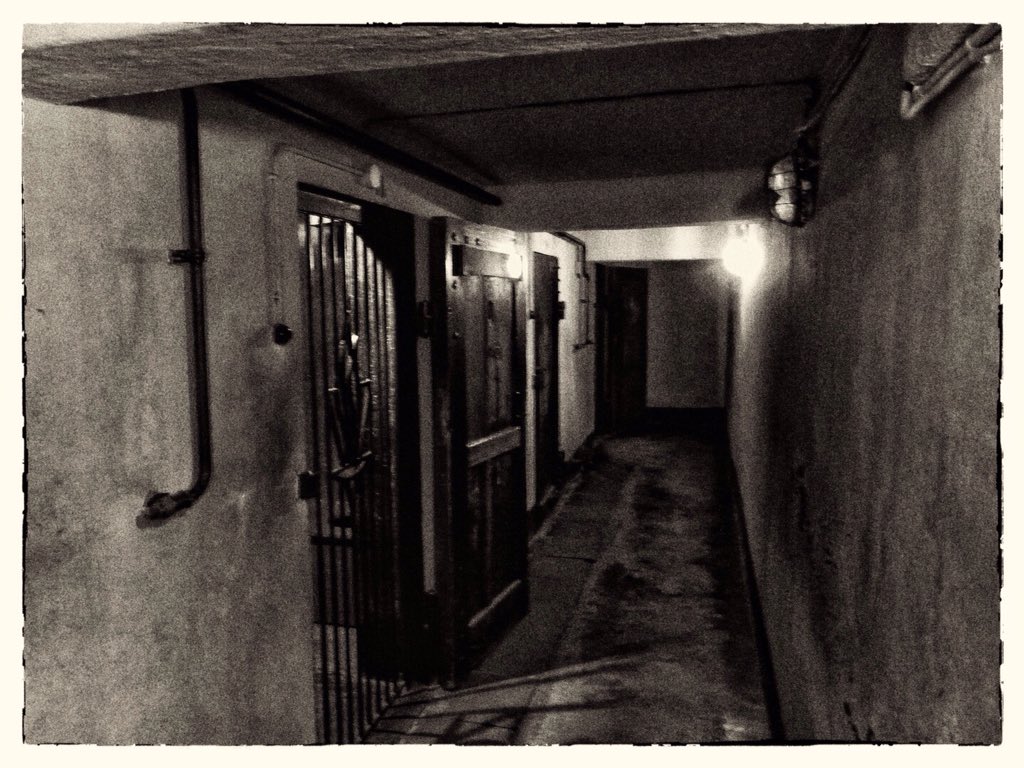
There were special cells in the basement, the so-called "standing cells". They were special bunkers of dimensions about 1 meter by 1meter in which 4-5 prisoners stood for the entire night
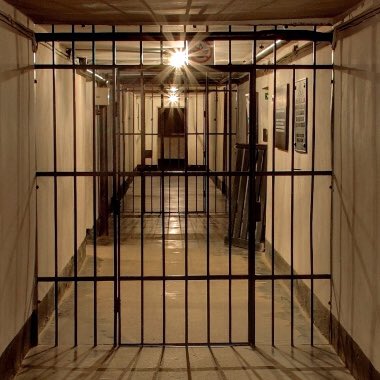
@auschwitzxhibit 3/n as a form of punishment. There were also hunger bunkers where prisoners sentenced to death were slowly starving. Prisoners were also killed with phenol injections. Among them, Father Maksymilian Kolbe, who volunteered to die in exchange for another prisoner, died in Block 11.
@auschwitzxhibit 4/n At the beginning of September 1941, SS men carried out the first mass murder attempt using Cyclone B in the basement of the block. The victims were Soviet prisoners of war and sick Polish prisoners selected from the camp hospital.
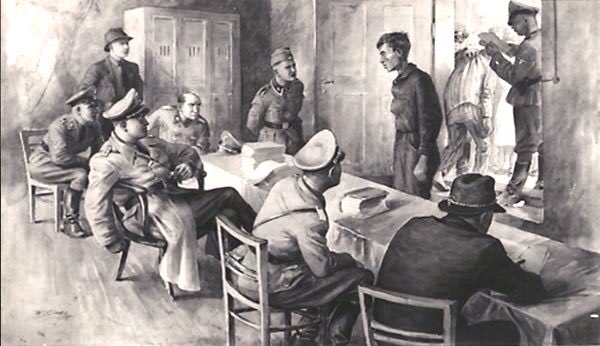
Aquarel scene by Wladyslaw Siwek
@auschwitzxhibit 5/5 In the immediate vicinity of Block 11, there was the so-called "Death Wall", where the prisoners sentenced to death were shot in the back of the head with a handgun. Their corpses were transported to crematorium number 1 and cremated.
• • •
Missing some Tweet in this thread? You can try to
force a refresh

Himmler's healer:
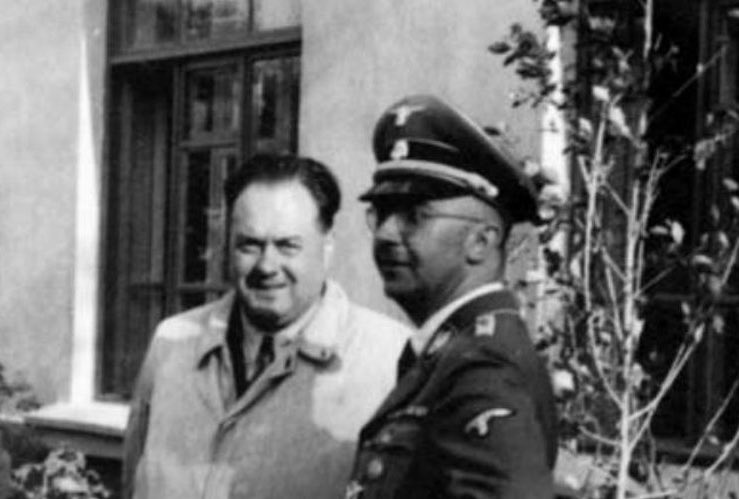
FELIX KERSTEN saved 60,000 Jews from death 1/n As Himmler's personal physical therapist, the only one capable of relieving Himmler's terrible pain, Félix Kersten took advantage of this relationship and this trust to save 60,000 Jews, including Simone Veil.
2/n An incredible and fascinating story of resistance in the heart of Nazi barbarism.
Before the war, Kersten had a number of influential patients, among them Prince Hendrik of the Netherlands and Benito Mussolini's son-in-law, the Italian Foreign Minister Count Ciano.
3/n Kersten accepted Heinrich Himmler's request to become his personal physical therapist, writing later that he feared for his safety if he had refused.
He was able to alleviate Himmler's severe stomach pains with his skills and gained his trust. Kersten used this trust to
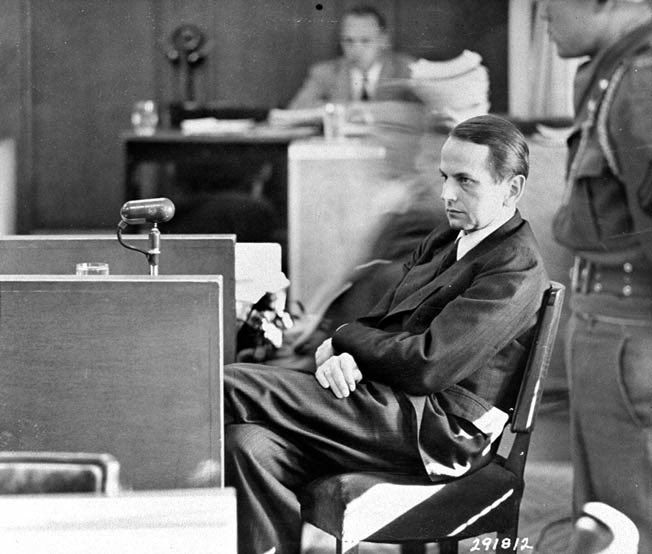
THE TRIBUNAL (Gen. Niktchenko): In your testimony you said that the Einsatz group had the object of annihilating the Jews and the commissars, is that correct?
OHLENDORF: Yes.
@Myrtille801@AuschwitzMuseum 2/n THE TRIBUNAL (Gen. Niktchenko): And in what category did you consider the children? For what reason were the children massacred?
OHLENDORF: The order was that the Jewish population should be totally exterminated.
THE TRIBUNAL (Gen. Niktchenko): Including the children?
@Myrtille801@AuschwitzMuseum 3/n OHLENDORF: Yes.
THE TRIBUNAL (Gen. Niktchenko): Were all the Jewish children murdered?
OHLENDORF: Yes
Thread
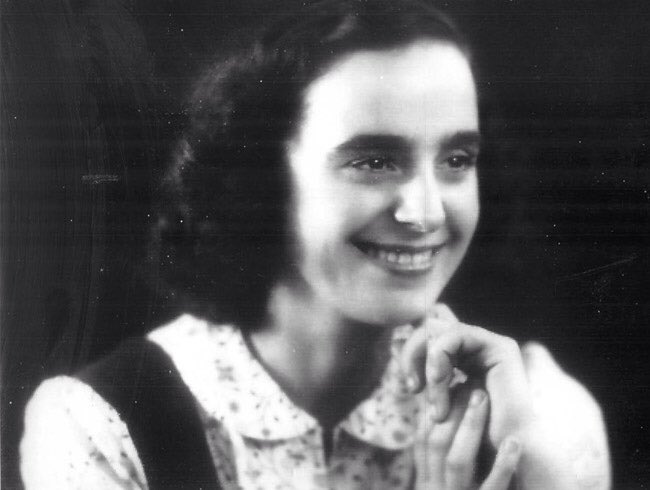
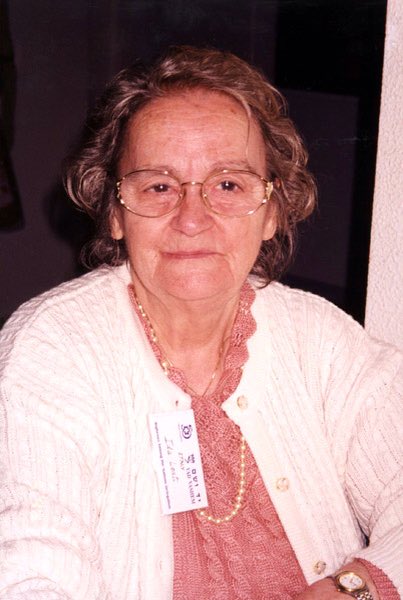
On February 24, 1993, YadVashem recognized Ida Brunelli as Righteous Among The Nations. 1/n During the Holocaust, this 15-year-old Italian will take care of 3 Jewish children entrusted by their dying mother, sparing them deportation and leading them to EretzIsrael.
2/n Ida Brunelli:
"Before the Second World War I worked as a baby-sitter in a Jewish family, whose name unfortunately I can hardly remember.
I had to look after three children called Fiorenza, Lisetta and Alessandro. During the war we moved to Castiglion Fiorentine in Tuscany,
3/n and the father was deported. His wife, Jiuci, died suddenly of a heart disease in 1944, and before dying she entrusted me with the responsibility of the three children.
I took them with me to my mother’s house in Monselice (Padua), where we tried to bring them up with the
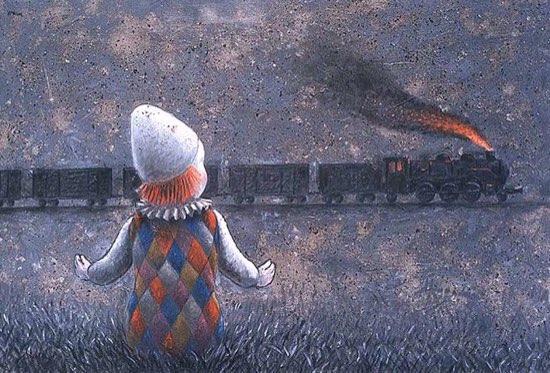
"I still have hope that we will be together again soon, just like before." 1/n The last postcard from Isaac Joseph Kornowski to his wife and children. He was murdered in Auschwitz. One of his sons, Paul Kor, painted this in his memory.
2/n Isaac Joseph Kornowski wrote these words to his wife and sons in a postcard he sent from the Drancy camp in November 1941. In the postcard, he asked them to each send a few words in their own handwriting, so that he would know that they were all well, and that they were
3/n together in the family home in Paris.
Isaac and Chaya Kornowski immigrated to France from the area of Lodz, Poland, and lived in the 20th arrondissement in Paris. They had a small business making clothes to order in a workshop opposite their apartment. Isaac was a tailor, his
Yesterday, February 21, 2023:
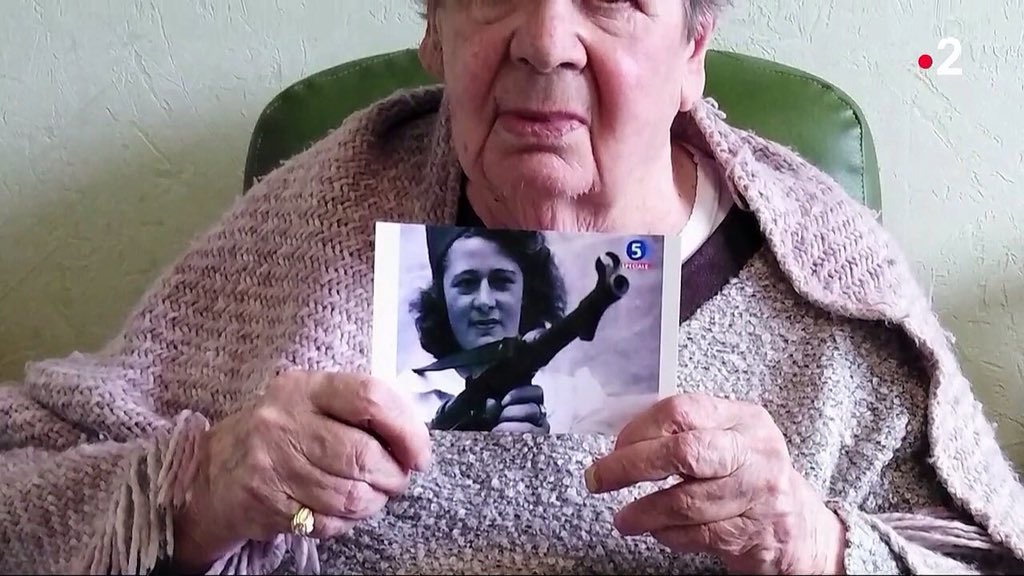
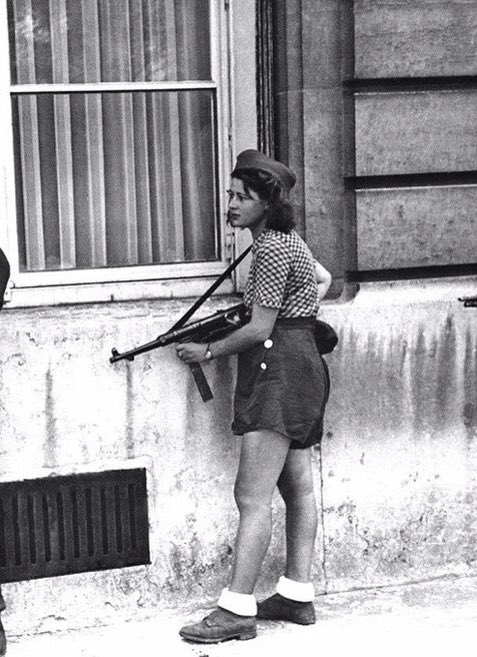
I just learned of the sad passing away of SIMONE SEGOUIN, at the age of 97. 1/3 French resistant, participant in the Second World War, she received the Croix de Guerre 1939-1945.
She was 18 when she joined the resistance.
2/3 During World War II, Simone Segouin, joined the "Francs-tireurs et partisans" (FTP) movement.
It all started with a black and white photograph: a young girl, submachine gun in hand. In 1944, she posed two and a half months after the Normandy landings for a U.S. photographer
3/3 In August 1944, the city of Chartres had just been liberated by the allies. This photo has been around the world, and the one posing is Simone Segouin.
It became a symbol of the French Resistance.
Ronald Freisler - 'Hitler's guillotine' 1/n When Adolf Hitler came to power in 1933 Freisler was appointed chief personnel officer in the Prussian Ministry of Justice. The following year he became state secretary in the Prussian and then the federal Ministry of Justice.
2/n In July 1942, Freisler joined Reinhard Heydrich, Heinrich Muller and at Adolf Eichmann the Wannsee Conference where they discussed the issue of the large number of inmates in Germany's concentration camps. At the meeting it was decided to make the extermination of
3/n the Jews a systematically organized operation. Eichmann was then placed in charge of what became known as the Final Solution. After this date extermination camps were established in the east that had the capacity to kill large numbers of inmates.
Freisler was appointed as