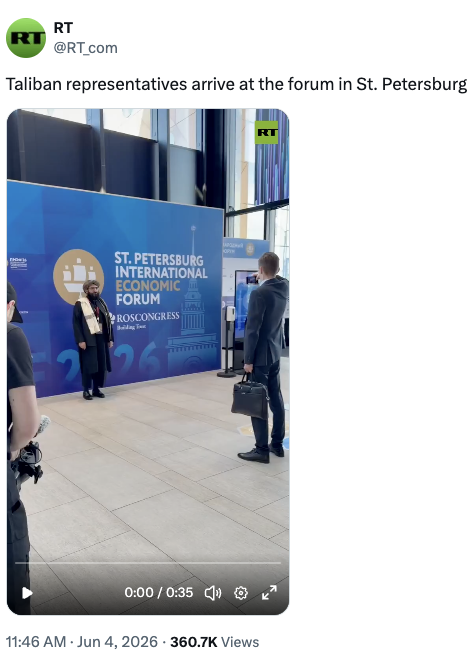
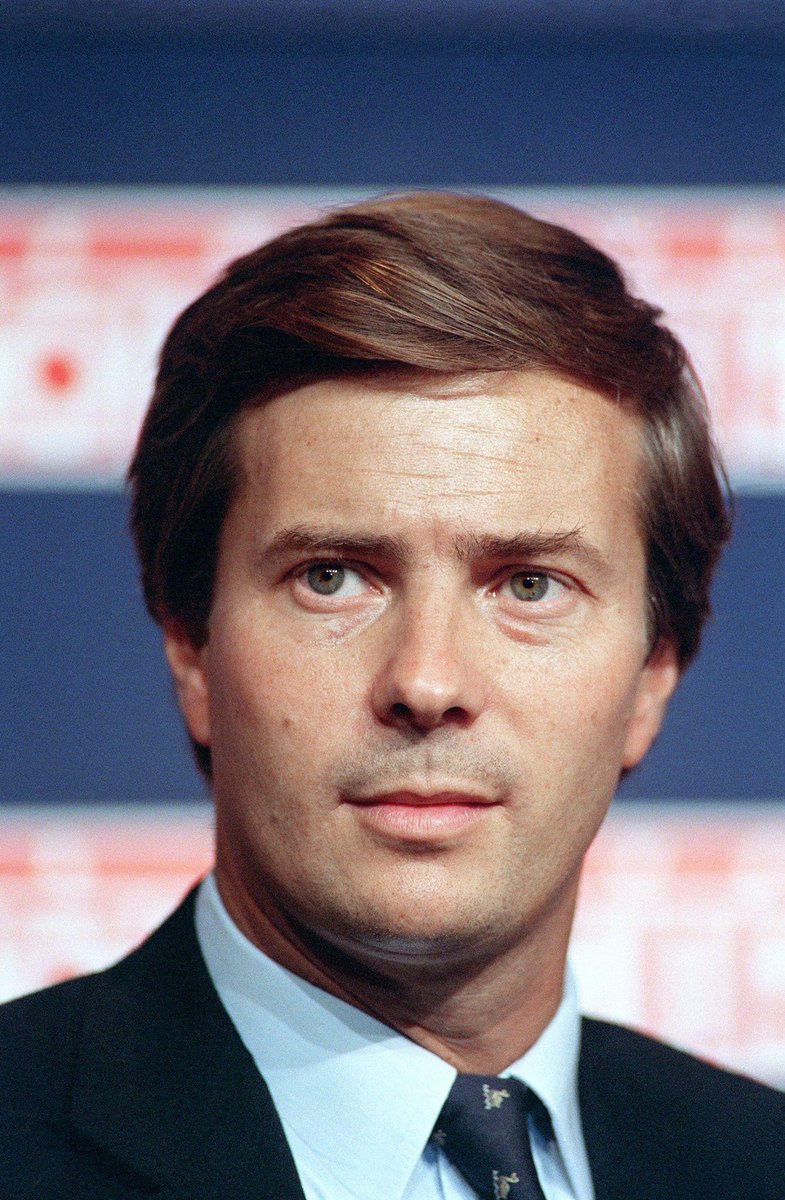
In today's #vatnik soup I'll continue introducing Russian propagandists, and I'll talk about a man named Dmitry Kiselyov. Kiselyov has been the head of Rossiya Segodnya, a Russian state-controlled media group,since 2013 & has a very big role in Russian propaganda narratives.
1/15
1/15

In addition to directing Rossiya Segodnya, Kiselyov serves as the deputy director of the All-Russia State Television and Radio Broadcasting Company. Dmitry started working for TV and radio during the late 80's. In the early 90's he worked as a host for the program called...
2/15
2/15

..."Television News Service", but due to his refusal to read prepared texts regarding Soviet repression of protests in Vilnius, he was sacked.
During the mid-90's, Kiselyov even hosted a program called "Window to Europe" and received an European Commission grant...
3/15
During the mid-90's, Kiselyov even hosted a program called "Window to Europe" and received an European Commission grant...
3/15
...for "supporting democratic institutions in Russia". From the early 2000's, he worked both in Russia and in Ukraine, and was heavily involved in supporting the Moscow-favorite Viktor Yanukovych for presidency during the 2004 election.
4/15
4/15
In Apr, 2016, hackers stole contents of two mailboxes and Whatsapp messages of Kiselyov and his then-wife. These messages covered the time period between 2009 and 2016. These messages included a 2 million USD real estate purchase on the Tsvetnoy Boulevard,...
5/15
5/15

...challenging of the EU sanctions imposed on him and purchase of a diploma thesis and research articles for his wife. That's right, Dmitry bought a diploma for his wife, and the discussion revolving around the issue included Valentina Fedotova,...
6/15
6/15

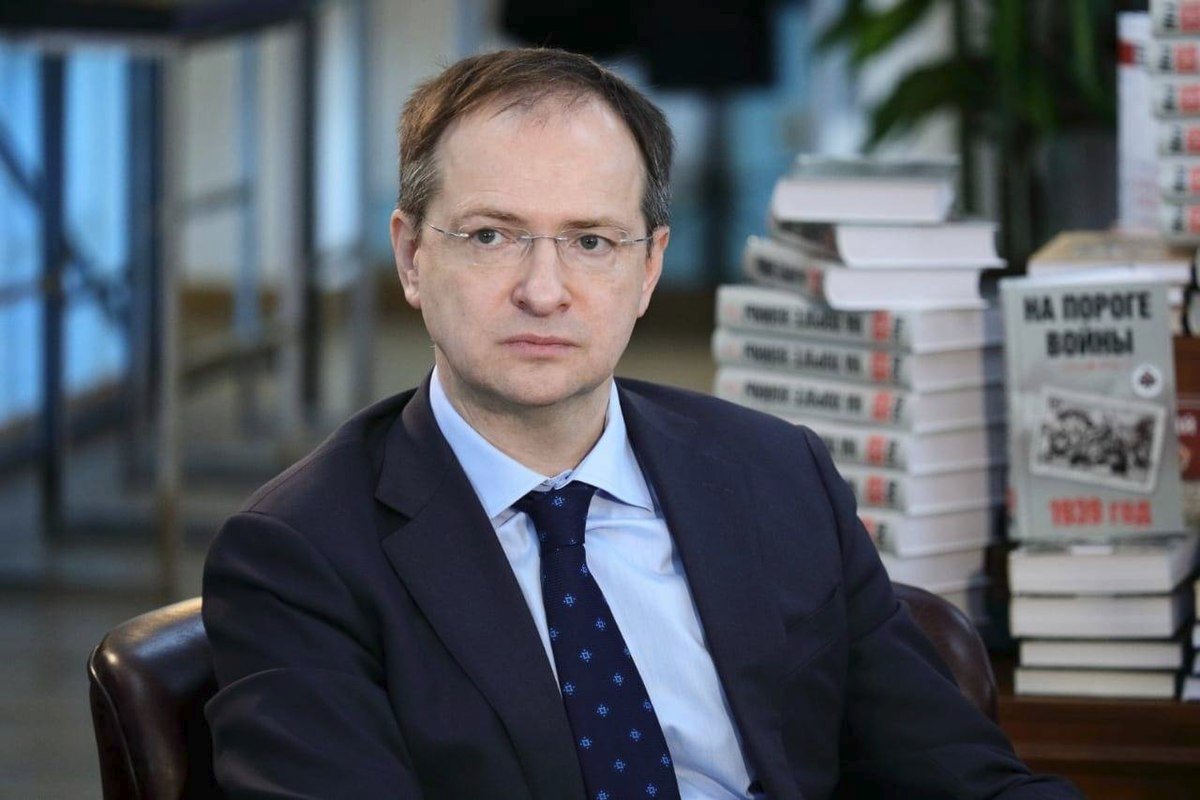
...head of the social philosophy sector of the Institute of Philosophy of the Russian Academy of Sciences, and then-Minister of Culture, Vladimir Medinsky.
7/15
7/15
Kiselyov has ultra-conservative views, and he is a stout proponent of homosexuality. He's said that gays should be banned from "distributing propaganda to children", but also from donating blood and sperm. He's also stated that gay people's internal organs aren't...
8/15
8/15

...suitable as transplants, and their hearts "should be burnt or buried in the ground as unsuitable for the continuation of life". He's said that homosexuality is "simply global practice [...] everywhere except Russia".
9/15
9/15

When Russia was supporting al-Assad regime in Syria, he said that "America stands on the side of the terrorist caliphate [referring to ISIS]. Together they are trying to destroy Syria as a secular state." He also warned the US troops from interfering in Russian activities.
10/15
10/15
Regarding Ukraine, Dmitry has been quite straightforward: "There is no Ukraine. That is only a virtual concept, a virtual country. If you want to live in a virtual world, please do." He's also called Ukraine a "failed state". He never fails to praise Putin's speeches,either.11/15
He's the propagandist who first talked about the "Ukrainian Nazi unit Edelweiss". He's also blamed the Ukrainians for what the Russians have done in the East of Ukraine - abducting Russian-speaking men and sending them to the front to fight.
12/15
12/15
He's called for the "denazification" in Ukraine, threatened the West and especially the US and the UK with nuclear weapons on many occasions, and even used fake documents to defame a Ukrainian officer Roman Kolia, suggesting that he volunteered in a SS-division.
13/15
13/15
Dmitry is a religious man and a big fan of Patriarch Kirill. He even does the Christmas interviews with this old KGB agent-turned-holy man. Kiselyov also loves holy ceremonies - he loves them so much that he's been married at least eight times.
14/15
14/15
Kiselyov was in 2014 one of the first people sanctioned by the EU, which came ″the biggest surprise″ to many international media.
Sources: @TheKremlinYap @francis_scarr @YaroslavConway @maxseddon @Biz_Ukraine_Mag and @wartranslated
15/15
Sources: @TheKremlinYap @francis_scarr @YaroslavConway @maxseddon @Biz_Ukraine_Mag and @wartranslated
15/15

Support my work (and get some AI art!): buymeacoffee.com/PKallioniemi
Past soups: vatniksoup.com
Related soups:
"The Decadent West":
Patriarch Kirill:
Past soups: vatniksoup.com
Related soups:
"The Decadent West":
https://twitter.com/P_Kallioniemi/status/1595329827543949313
Patriarch Kirill:
https://twitter.com/P_Kallioniemi/status/1594965325828820992
Correction: instead of being "a stout proponent" of homosexuality, Dmitry is of course an opponent of it. (tweet 8/15).
• • •
Missing some Tweet in this thread? You can try to
force a refresh