Brian Feroldi Profile picture
Mar 3, 2023 12 tweets 4 min read Read on X
10 timeless investing principles, visualized:

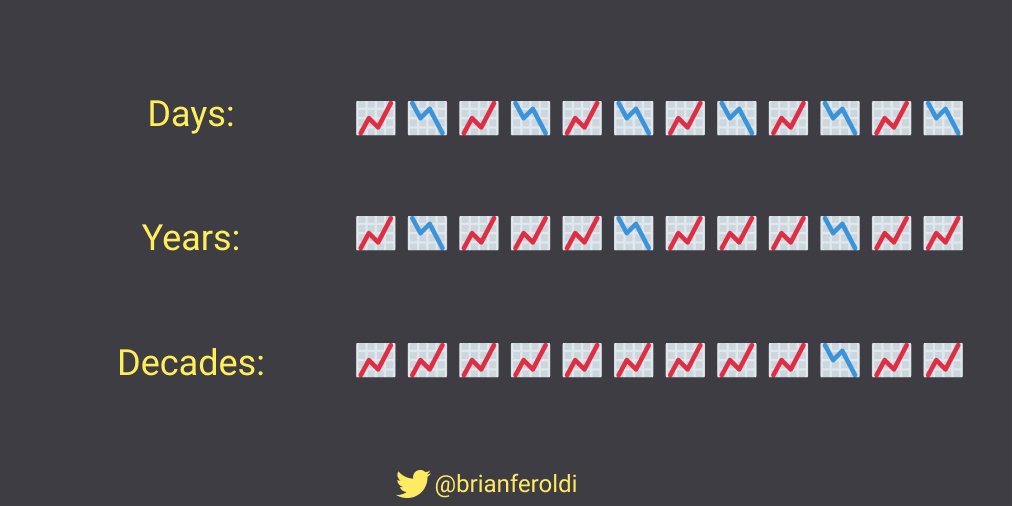
1: Zoom out Image
2: Don't invest until you're ready.

Master your personal finances first. Image
3: In the beginning, your savings rate is all that matters.

Over time, your investment returns become all that matters.

Focus your attention accordingly. Image
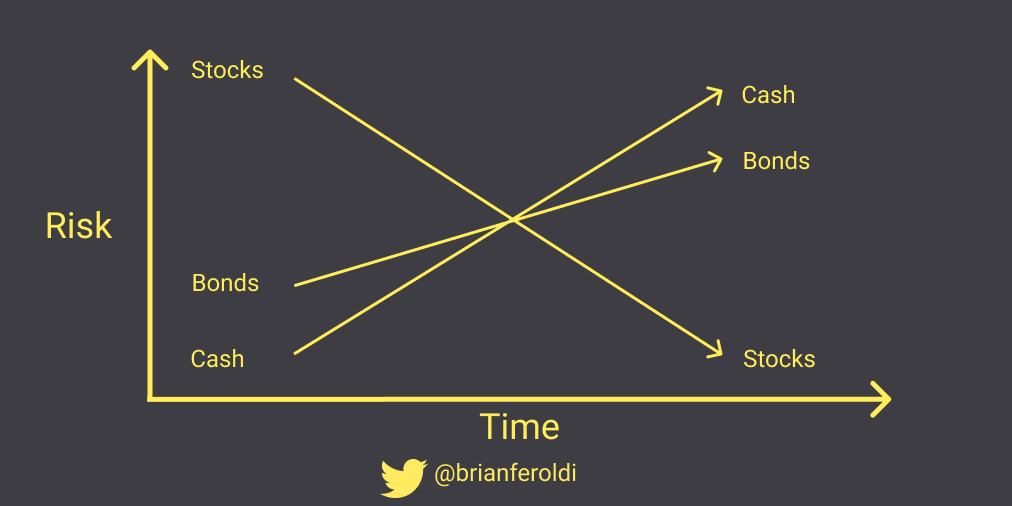
4: What’s risky in the short-term is safe in the long-term.

What’s safe in the short-term is risky in the long-term. Image
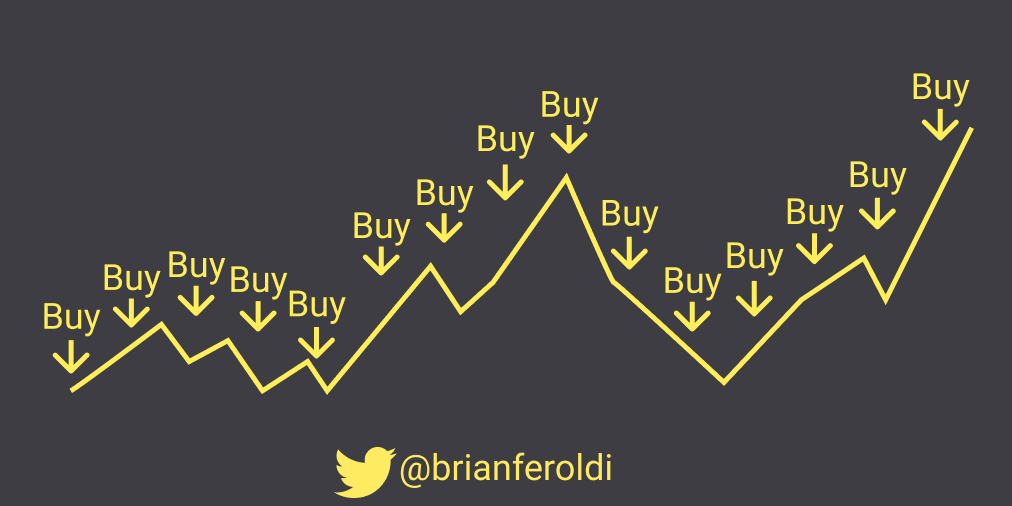
5: Dollar cost averaging makes market timing irrelevant. Image
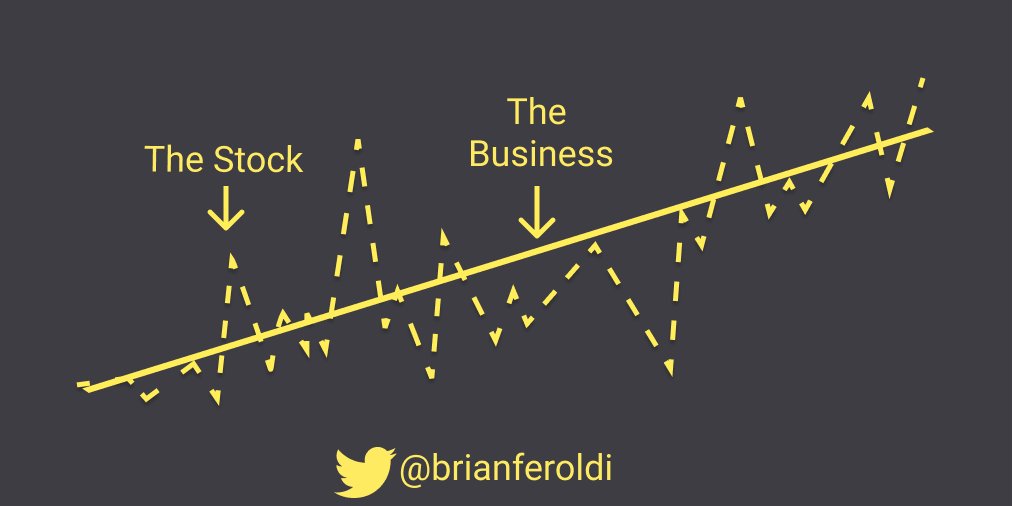
6: A business and its stock are 0% correlated in the short-term but 100% correlated in the long-term Image
7: Humans are born to be bad at investing.

Expect your emotions to play all kinds of tricks on you. Image

8: Handling volatility in bull markets is easy.

Handling volatility in bear markets is damn hard. Image

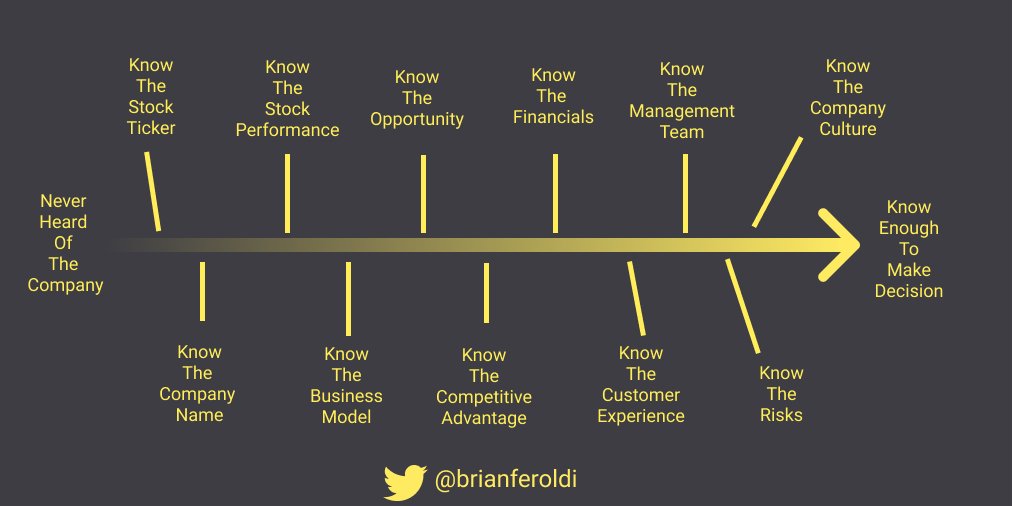
9: You can't know everything.

Define when you know enough to make a decision. Image
10: I love stock investing, but never lose sight of what actually matters Image

Enjoy these images?

You'll love my free newsletter.

Receive five pieces of timeless content each Wednesday.

Read by 50,000+ others from a16z, Amazon, Google, Microsoft and more.

brianferoldi.com
Last one:

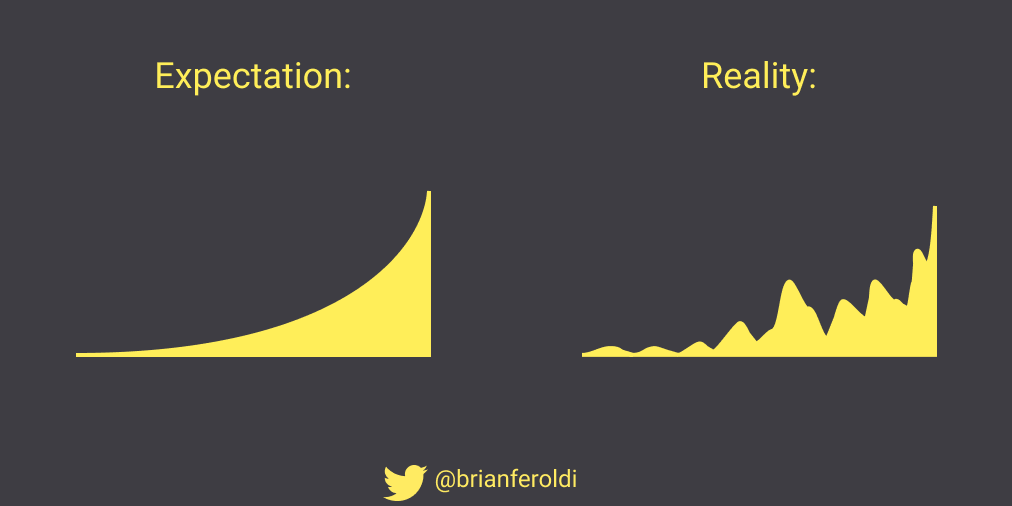
Stocks only provide predictable returns in spreadsheets.

Expect to be surprised (in both directions). Image
• • •

Missing some Tweet in this thread? You can try to force a refresh

 

Keep Current with Brian Feroldi

Brian Feroldi Profile picture

Stay in touch and get notified when new unrolls are available from this author!

Read all threads

This Thread may be Removed Anytime!

PDF

Twitter may remove this content at anytime! Save it as PDF for later use!

Try unrolling a thread yourself!

how to unroll video
  1. Follow @ThreadReaderApp to mention us!

  2. From a Twitter thread mention us with a keyword "unroll"
@threadreaderapp unroll

Practice here first or read more on our help page!

More from @BrianFeroldi

Sep 6, 2025
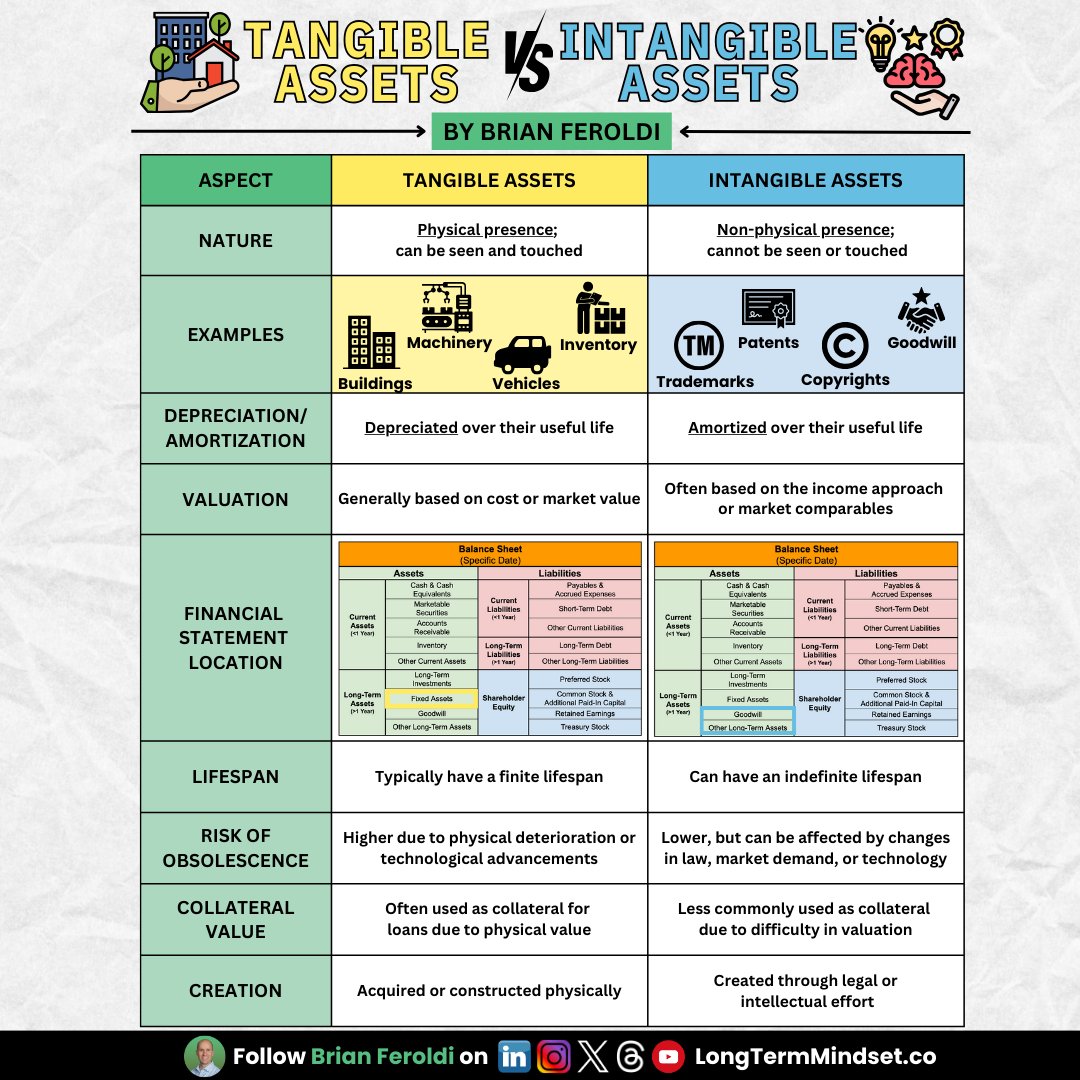
Tangible vs Intangible Assets.

What's the difference?

Here's everything you need to know: Image
They confused me until I discovered an easy way to distinguish them:

𝗧𝗮𝗻𝗴𝗶𝗯𝗹𝗲 𝗔𝘀𝘀𝗲𝘁𝘀 𝗖𝗮𝗻 𝗕𝗲 𝗧𝗼𝘂𝗰𝗵𝗲𝗱

𝗜𝗻𝘁𝗮𝗻𝗴𝗶𝗯𝗹𝗲 𝗔𝘀𝘀𝗲𝘁𝘀 𝗖𝗮𝗻'𝘁 Image
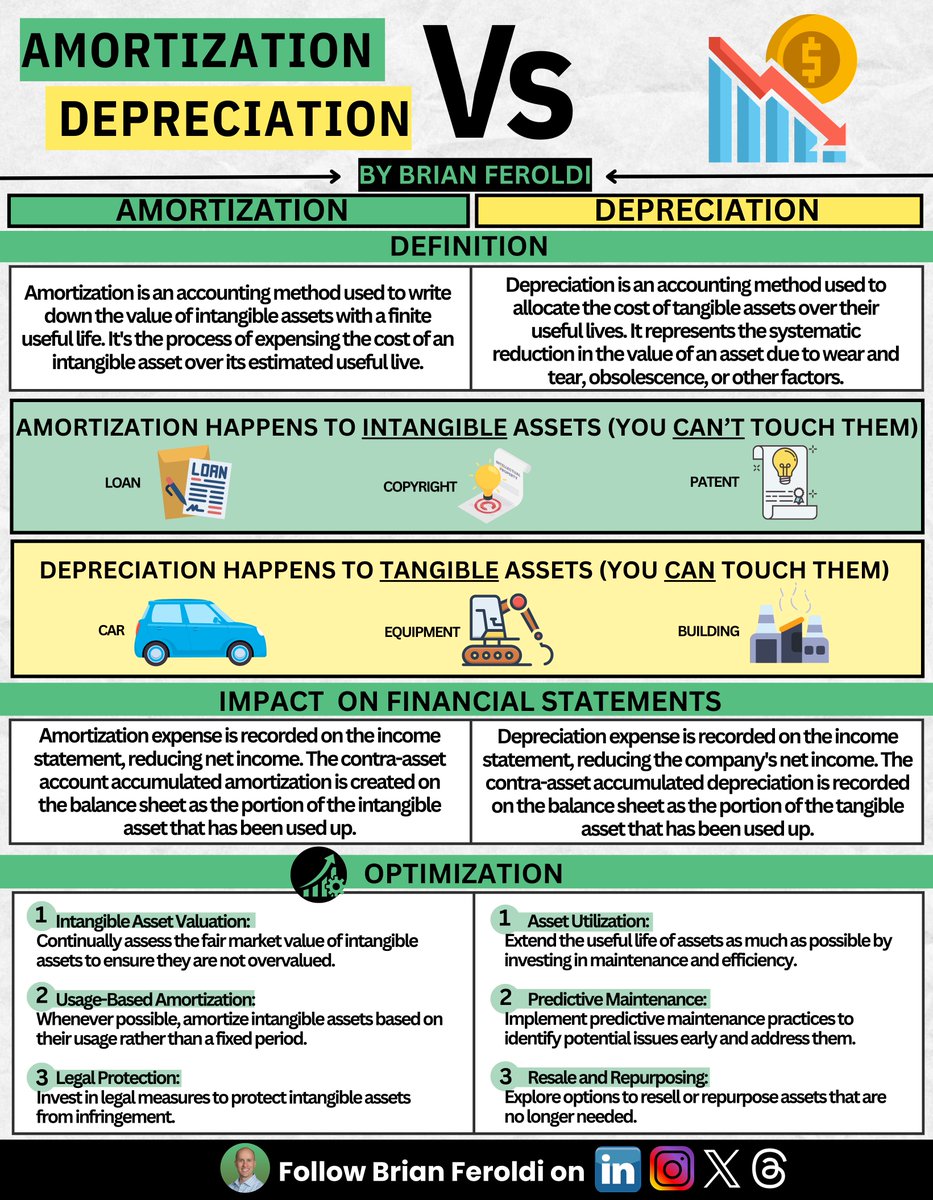
Another major difference.

- Tangible assets are depreciated

- Intangible assets are amortized Image
Read 6 tweets
Aug 31, 2025
How to analyze an Income Statement, FAST.

Warren Buffett’s 8 Income Statement 'Rules of Thumb': Image
1: Gross Margin

🧮 Equation: Gross Profit / Revenue

👍 Rule of Thumb: 40% or higher

🤔 Buffett's Logic: A consistently high gross margin signals that the company isn’t competing exclusively on price. Image
2: SG&A Margin

🧮 Equation: SG&A Expense / Gross Profit

👍 Rule of Thumb: 30% or lower

🤔 Buffett's Logic: Wide-moat companies don’t need to spend a lot on overhead to operate & convince consumers to buy. Image
Read 11 tweets
Aug 30, 2025
Some stocks are STRONG BUYS when they fall

Other stocks are SELLS when they fall

How can you tell the difference?

Watch for these 5 financial yellow flags: Image
1) GOODWILL WRITEDOWN

This represents the premium a company pays for an acquisition above its fair market value.

If there’s a major goodwill write-down on the Income Statement, it means management has wasted a TON of capital. Image
2) GROSS MARGIN DECLINING

1: The competition is forcing me to lower prices
2: Demand is weak
3: My suppliers are raising prices

Either way, it can be a thesis-busting development Image
Read 9 tweets
Aug 29, 2025
Capitalism is brutal.

If you invest, you MUST know how to identify a moat.

Here are 9 financial “rules of thumb” that Warren Buffett uses to tell if a company has one: Image
1: Gross Margin

Found: Income Statement

Formula: Gross Profit / Revenue

Moat: Consistently above 40%

No Moat: Under 40% & volatile Image
Buffett’s logic:

A consistently high gross margin signals that the company isn’t competing exclusively on price.

A high gross margin also provides ample gross profit to pay expenses and leaves money for shareholders.
Read 22 tweets
Aug 27, 2025
How to analyze an income statement in less than 2 minutes: Image
The income sheet is one of the three major financial statements.

It shows a company’s:
▪️Revenue (Sales)
▪️Expenditures (Costs / Expenses)
▪️Net Income (Earnings, Profits)

Over a period of time. Image
Management teams have leeway in categorizing their income statement.

This means that not all income statements look the same.

Here is a typical layout and the meaning of the most commonly used terms: Image
Read 11 tweets
Aug 26, 2025
Financial Statements For Beginners

Want to learn accounting?

Study these 9 simple infographics (a visual thread) ↓ Image
Image
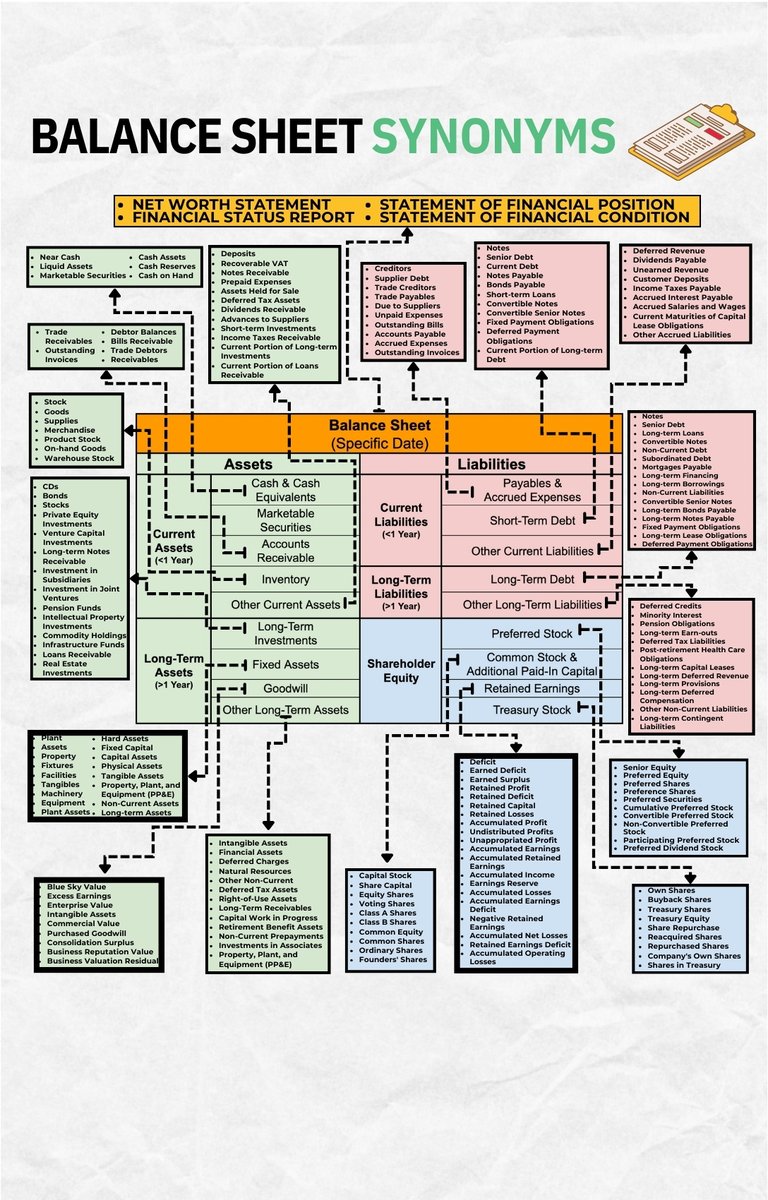
Financial Statements DO NOT have a universal layout

Here are some other balance sheet terms you might see: Image
Read 9 tweets

Did Thread Reader help you today?

Support us! We are indie developers!


This site is made by just two indie developers on a laptop doing marketing, support and development! Read more about the story.

Become a Premium Member ($3/month or $30/year) and get exclusive features!

Become Premium

Don't want to be a Premium member but still want to support us?

Make a small donation by buying us coffee ($5) or help with server cost ($10)

Donate via Paypal

Or Donate anonymously using crypto!

Ethereum

0xfe58350B80634f60Fa6Dc149a72b4DFbc17D341E copy

Bitcoin

3ATGMxNzCUFzxpMCHL5sWSt4DVtS8UqXpi copy

Thank you for your support!

Follow Us!

:(