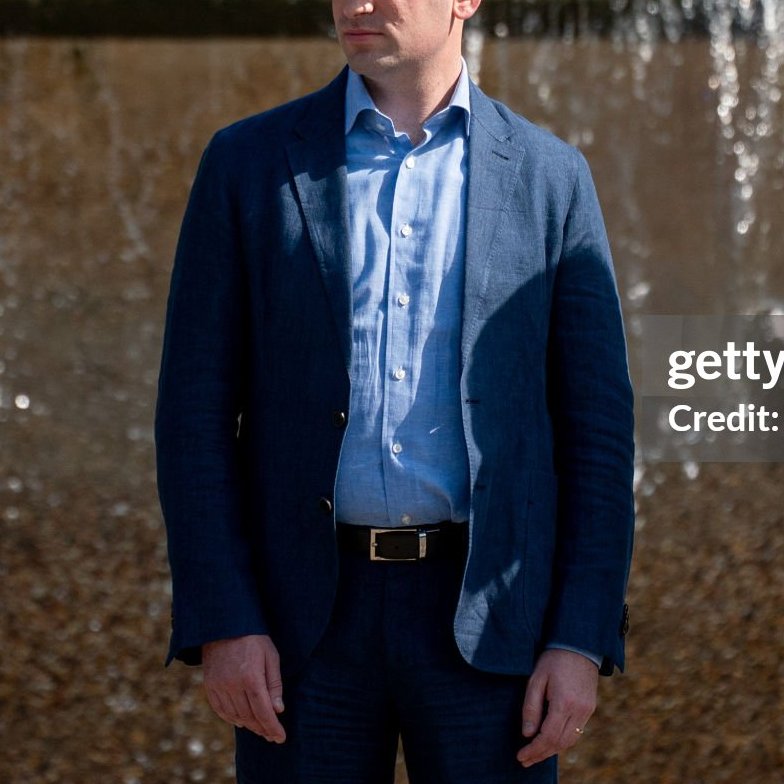
there's been a lot of breathless praise and superlative descriptions for loro piana, given their latest FW23 presentation and media blitz. so i thought i'd share these photos from my friend @Beijing1980, who pointed out to me the ways in which Loro Piana's quality has declined 🧵
LVMH acquired Loro Piana in 2013 for $2.57 billion. @Beijing1980 happens to have two versions of the company's storm system cashmere Roadster jacket: the blue one was bought 15 years ago (pre-LVMH); the tan one was bought in October 2022 (made under LVMH) 

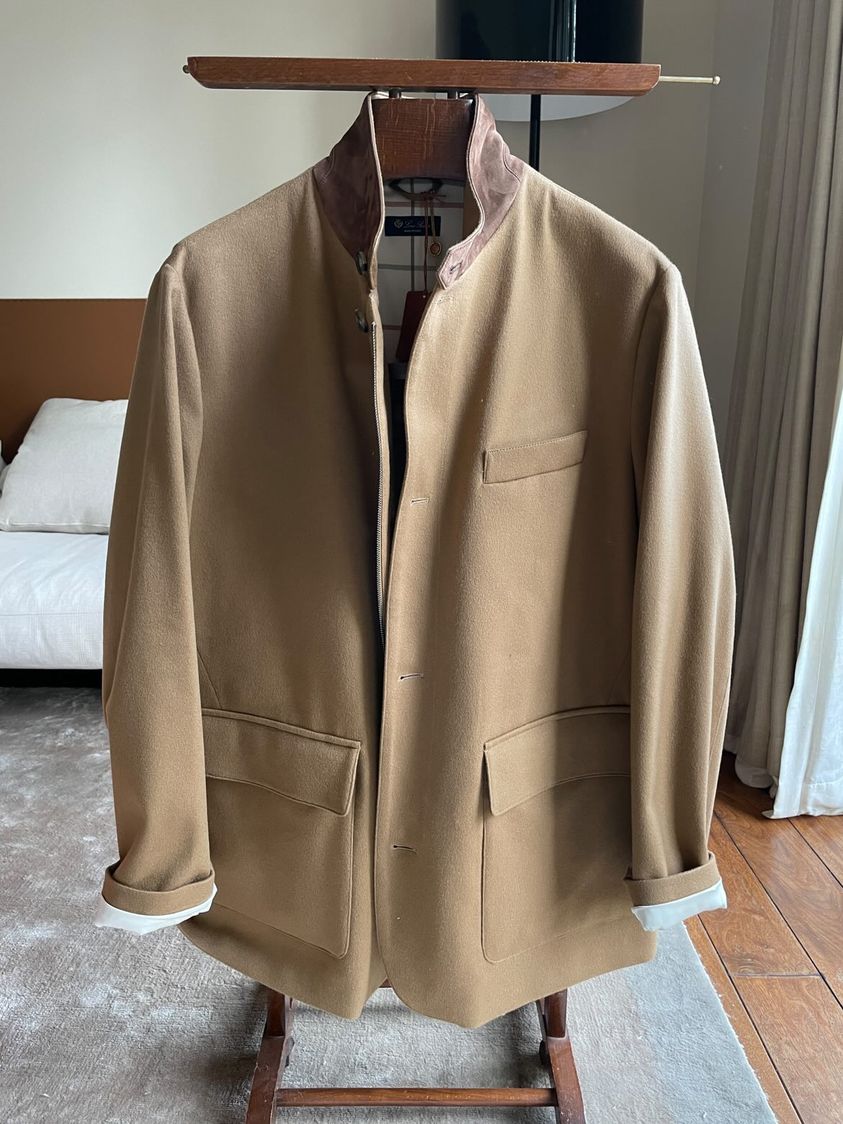
i think a lot of people think of quality in terms of the softness of the material or the straightness of the seams. unless you're buying fast fashion, the seams on almost any garment are going to be straight. quality is more about design elements.
changing design elements allows a company to save time, labor, and material during the production process (and thus scrimp back on "quality" to increase profits). so this is a look at how various design elements have been changed pre- and post-LVMH acquisition.
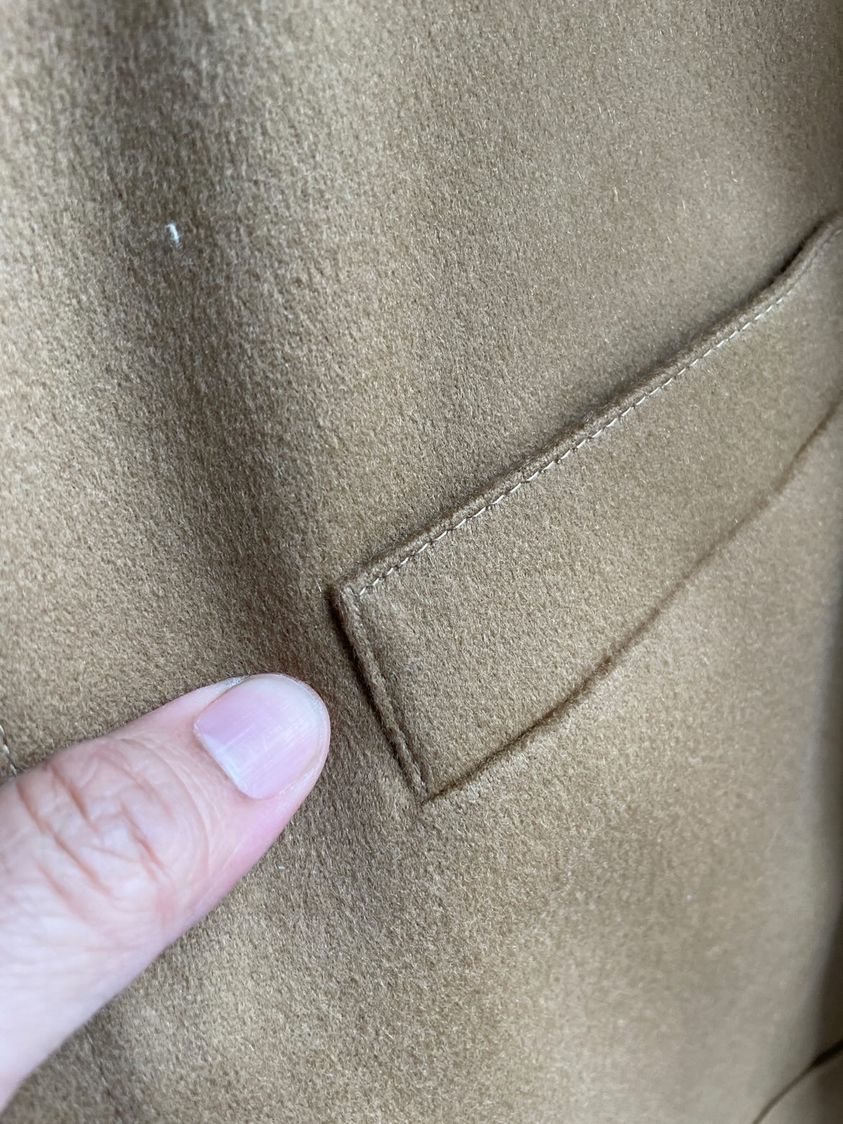
the chest pocket on the old Roadster has an open corner. on the new version, it has been sewn shut, saving the company a little time during the production process.

the old jacket has two inside right pockets, which have been set into applied cashmere. on the new version, there is just a single pocket set into the lining (although made with leather trim).


when you set the internal pocket into the cashmere in this way, it's easier to repair. if the wearer ever accidentally rips the internal pocket, you only have to replace that little bit of cashmere, not the entire lining. relining a jacket is $$$ and u lose the original material
the inside left pocket is also set into applied cashmere. there are again two pockets, one being an "anti-radiation" pocket for smartphones. the new version has just one pocket set into the lining.


the old version has a reverse box pleated lining to allow for more movement. on the new version, the lining is just flat. this not only saves on time and labor, but also material.

old version has double cuffs. new version has just a simple round cuff. (personally, i thought this change was the most surprising)


i dont have photos showing this, but @Beijing1980 also noted that the old jacket has double entry pockets (where you can put your hands in from the top or side), while the new version just has top entry.
@Beijing1980 says the one improvement is the applied suede under the pocket flap. i showed these photos to a bespoke tailor last night and he added that it's a nice detail, but just decorative. if LP wanted to make it functional, they'd add suede trim along the pocket's top edge

a suede trim would prevent the edge of the pocket from fraying. this is useful for pockets made from delicate materials, such as cashmere, since you're constantly taking your hands in and out.
you can see this detail on the bespoke Loro Piana cashmere-silk sport coat @Beijing1980 made for his company (IG atelier_brio_pechino).
(the tailor i spoke with last night doesn't work for @Beijing1980)
(the tailor i spoke with last night doesn't work for @Beijing1980)


IMO, this is just a typical playbook move for LVMH: cut corners, raise prices, mass produce. their Open Walks were once a fun, casual shoe for $400. now they charge over $1,000 for glued footwear. their ad is just status anxiety nonsense


over the years, ive come to feel that real luxury is produced by teeny tiny artisanal companies, often run by just one maker and a small team of highly skilled craftspeople. these are not well-known luxury names, but wonderful if you appreciate craft.
im currently working on a series about how the best bespoke shoes aren't made by the big West End firms, but indie operations run by the lastmaker. i obvs also think my friend @Beijing1980 does incredible work at his company (IG atelier_brio_pechino)
dieworkwear.com/2023/02/25/sol…
dieworkwear.com/2023/02/25/sol…
• • •
Missing some Tweet in this thread? You can try to
force a refresh