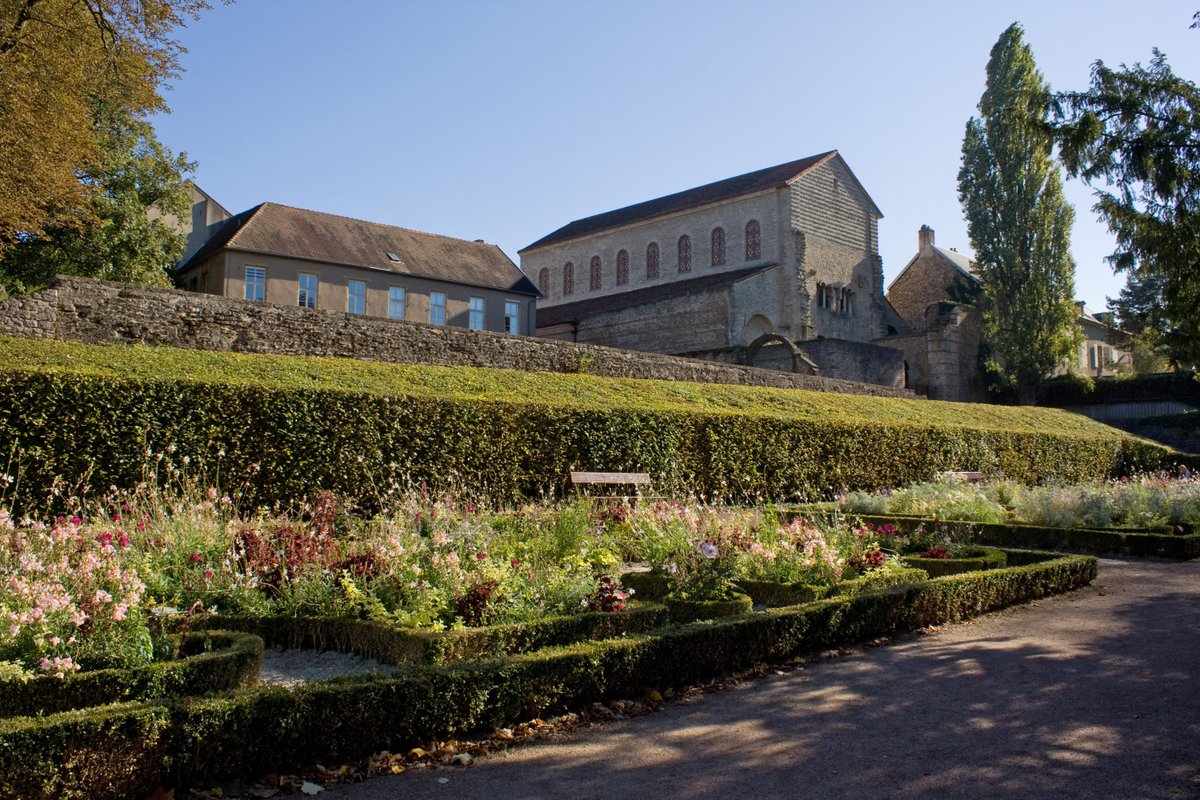
The Basilica of Saint-Pierre-aux-Nonnains in Metz is one of the oldest churches in Europe still standing!

But it was originally built as a gymnasium for a Roman spa complex in 4th century.

It was only converted into a church in 7th century.
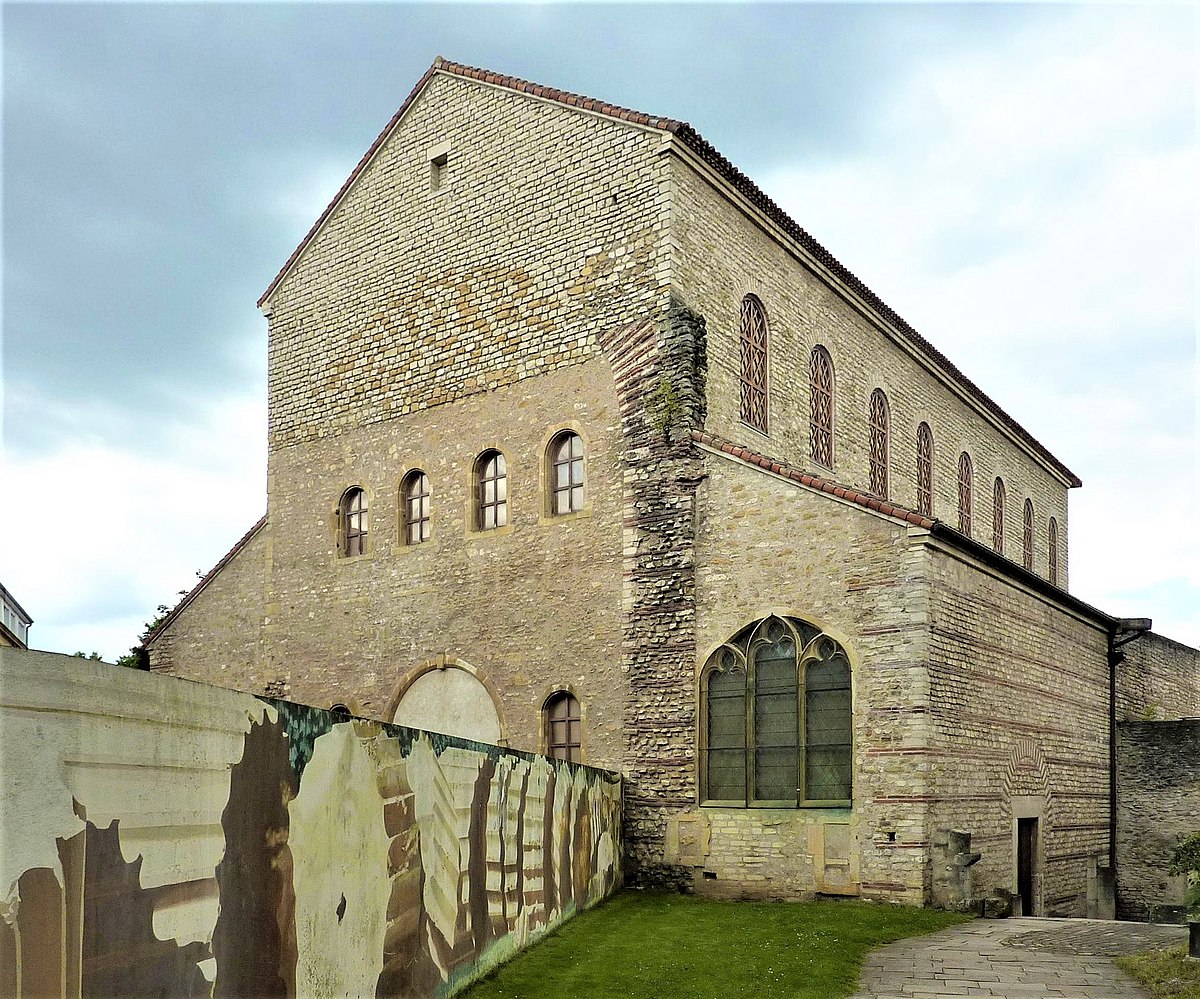
The gymnasium in the style of Greek palaestra was built for teenage boys of wealthy families to train wrestling, gymnastics, running, jumps, javelin and discus throwing there.

But it did not last long.

In 451 Metz was conquered by Atilla and the complex was looted and burned.
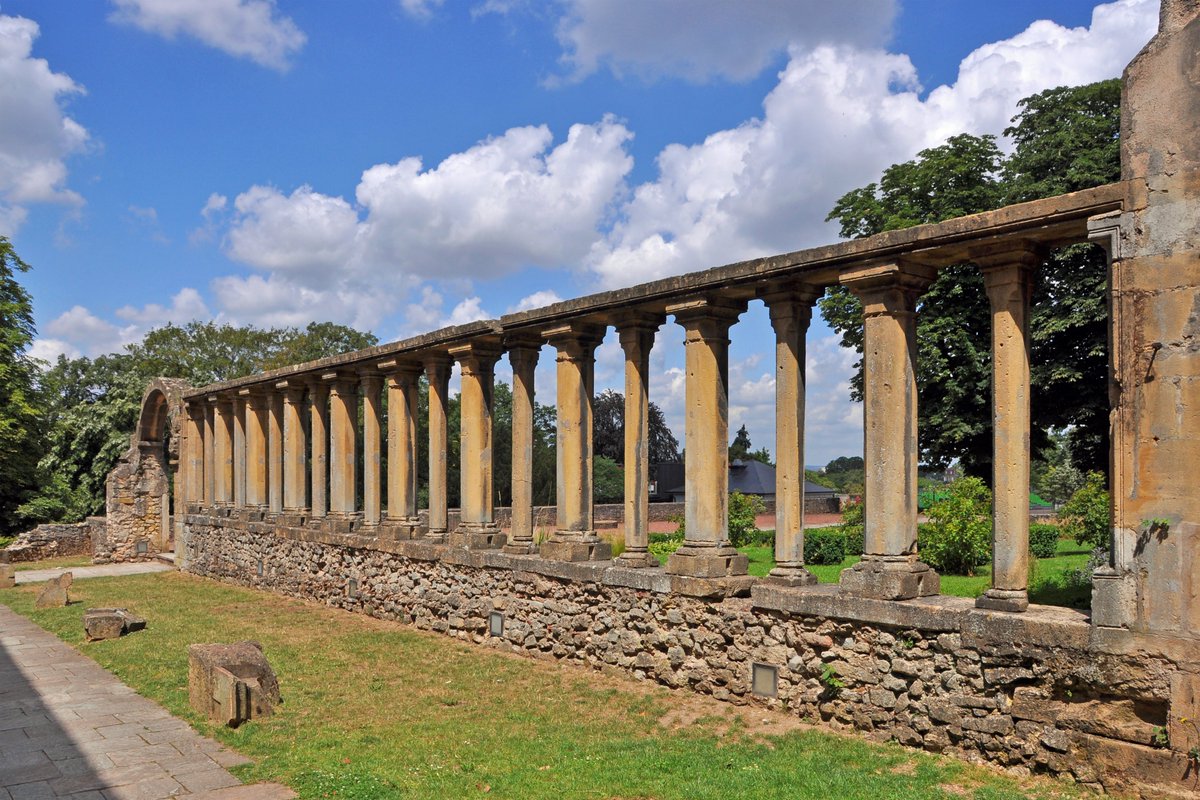
However in 7th century Saint-Pierre-aux-Nonnains was taken over by Benedictine nuns and this remaining building was transformed into a chapel.

It was renovated in 11th century, giving it a characteristic "Ottonian style".
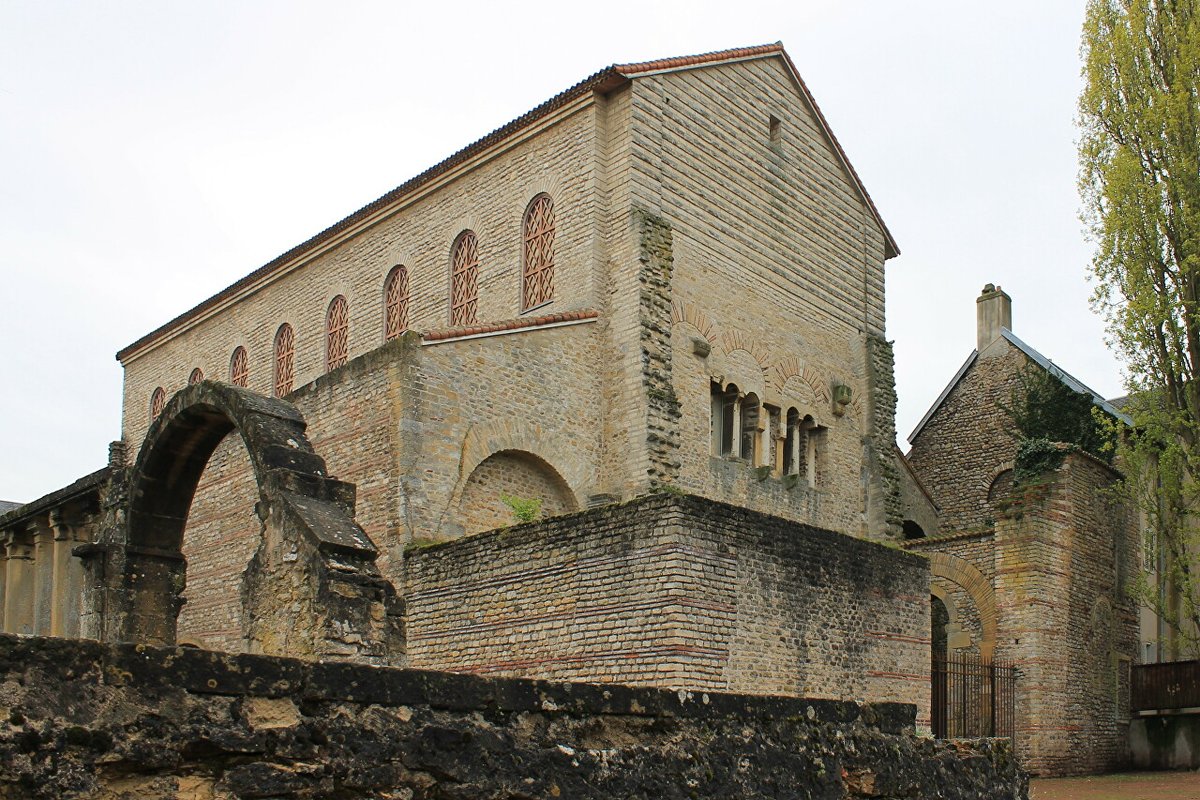
After 1556 the French began using the complex as a military warehouse after they occupied the city and it served this purpose until 20th century.

In the 1970s they wanted to demolish it but following protests they preserved it and restored the building.

• • •

Missing some Tweet in this thread? You can try to force a refresh

 

Keep Current with Aristocratic Fury

Aristocratic Fury Profile picture

Stay in touch and get notified when new unrolls are available from this author!

Read all threads

This Thread may be Removed Anytime!

PDF

Twitter may remove this content at anytime! Save it as PDF for later use!

Try unrolling a thread yourself!

how to unroll video
  1. Follow @ThreadReaderApp to mention us!

  2. From a Twitter thread mention us with a keyword "unroll"
@threadreaderapp unroll

Practice here first or read more on our help page!

More from @LandsknechtPike

Mar 2
Today 2 March is anniversary of the battle of Grandson which happened in 1476.

The forces of Swiss Confederacy defeated the Burgundian army of Charles the Bold during the Burgundian Wars.

A thread on how the Swiss shocked the most feared army in Western Europe at the time.🧵
The battle of Grandson happened during the Burgundian Wars, a conflict between the Duchy of Burgundy against the Swiss Confederacy and its allies.

The war began in 1474.

In 1475 the Bernese Swiss forces devastated the region of Vaud which belonged to Burgundian allies Savoy.
That same year, the Swiss also achieved victory over Duchy of Savoy at the Battle on the Planta.

In 1476 the Burgundians would respond with a campaign against the Swiss.

A huge army was assembled and led by the Duke of Burgundy Charles the Bold himself.
Read 25 tweets
Feb 22
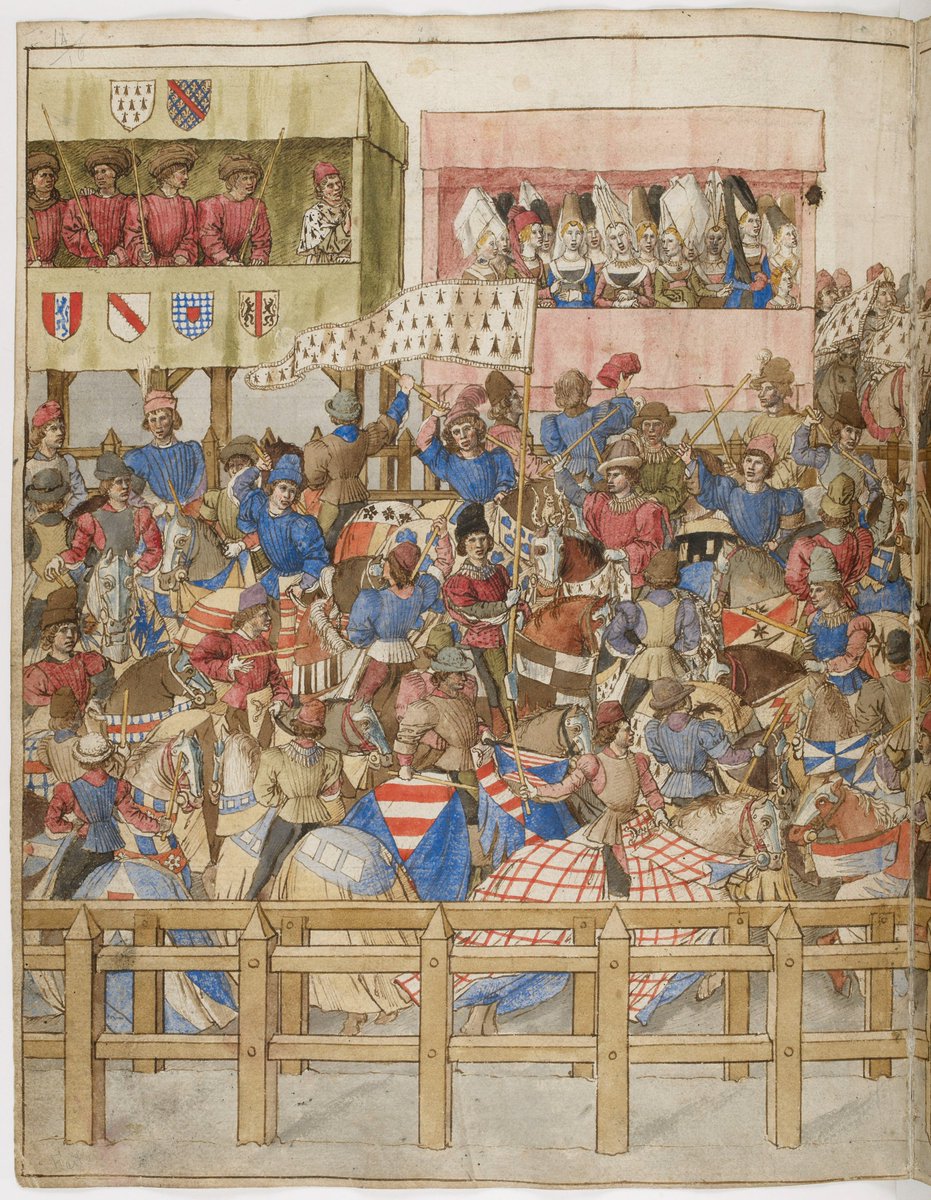
A depiction of a fictional tournament between the dukes of Bourbon and Brittany in King René's Tournament Book from the 1460s.

It was inspired by a real tournament of 50 vs 49 knights held in Bruges in 1393 between Gruuthuse and Ghistelle families. Image
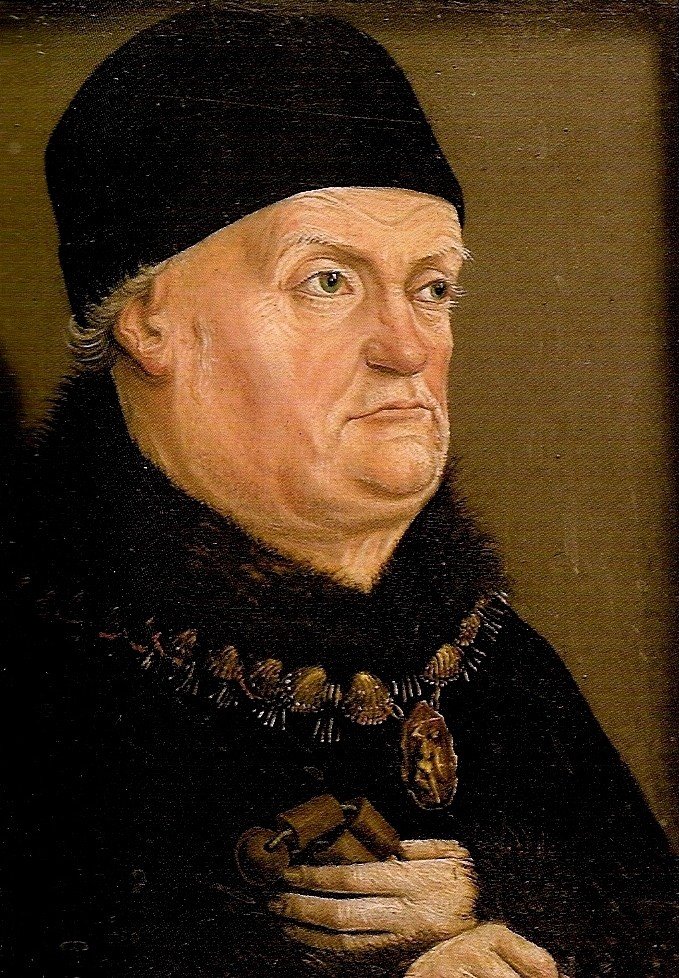
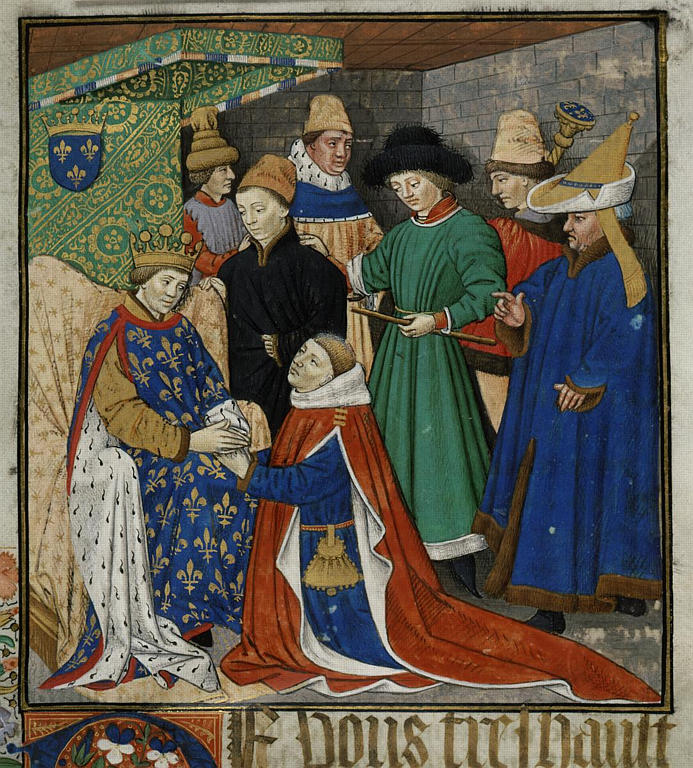
King René's Tournament Book or Le Livre des tournois was written by French prince René Duke of Anjou in 1460s.

In his book he wrote about ancient chivalric tournament customs from France, Germany and the Low Countries. ImageImage
By the time René was writing his book, massive mêlée tournaments between groups of knights like what happened in Bruges in 1393 were already out of fashion.

René wanted to bring them back and suggested how tournaments should be organized as melees between two groups again. Image
Read 4 tweets
Feb 20
There were many heroic battles speeches through history.

Speeches that inspired the soldiers to achieve great glory on the battlefield.

But what was the WORST battle speech?

An example of a battle speech that not only failed to motivate the men but had the opposite effect.🧵
It happened at the battle of Rocroi in 1643.

The Spanish were losing the battle to the French and their commander Francisco de Melo who had already made a lot of terrible decisions decided to step up and rally his men...

But before I go to his speech, a bit more context.
Francisco de Melo was a colorful character who took command of Army of Flanders without significant military experience due to his political ties.

He boasted that he was "a man of destiny called by God to save Catholicism, the Netherlands and the entire Spanish monarchy."
Read 18 tweets
Feb 19
Wars in Early Modern Era offered opportunities to capable and ambitious men of humble origins.

Giorgio Basta rose through the ranks to become a great general for the Habsburgs.

One of the greatest military minds of his time with a reputation of being brutal and ruthless. 🧵
Giorgio Basta was born in southern Italy in 1550.

His family was of Albanian origin and had to flee from the Ottomans.

His father was a soldier and ended up fighting for the Habsburgs in Flanders.

Giorgio followed his father's footsteps and became a soldier as well.
Basta started his military career in Flanders in the Spanish Habsburg Army of Flanders, serving under the great hero of Lepanto John of Austria and his successor Alexander Farnese, another famous commander.

He was a common soldier at first but proved himself.
Read 28 tweets
Feb 18
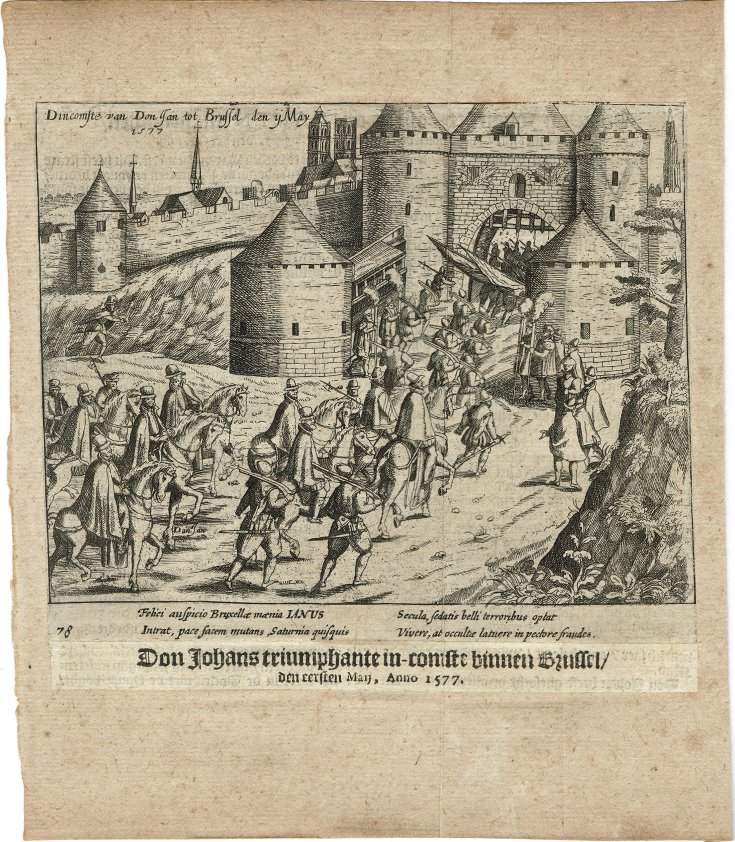
Free company mercenaries throw rocks at the royal French forces!

This was a primitive but very lethal tactic, used many times in the Middle Ages.

A depiction of the battle of Brigais in 1362 where mercenaries of Tard-Venus marauding bands successfully defeated the French army.
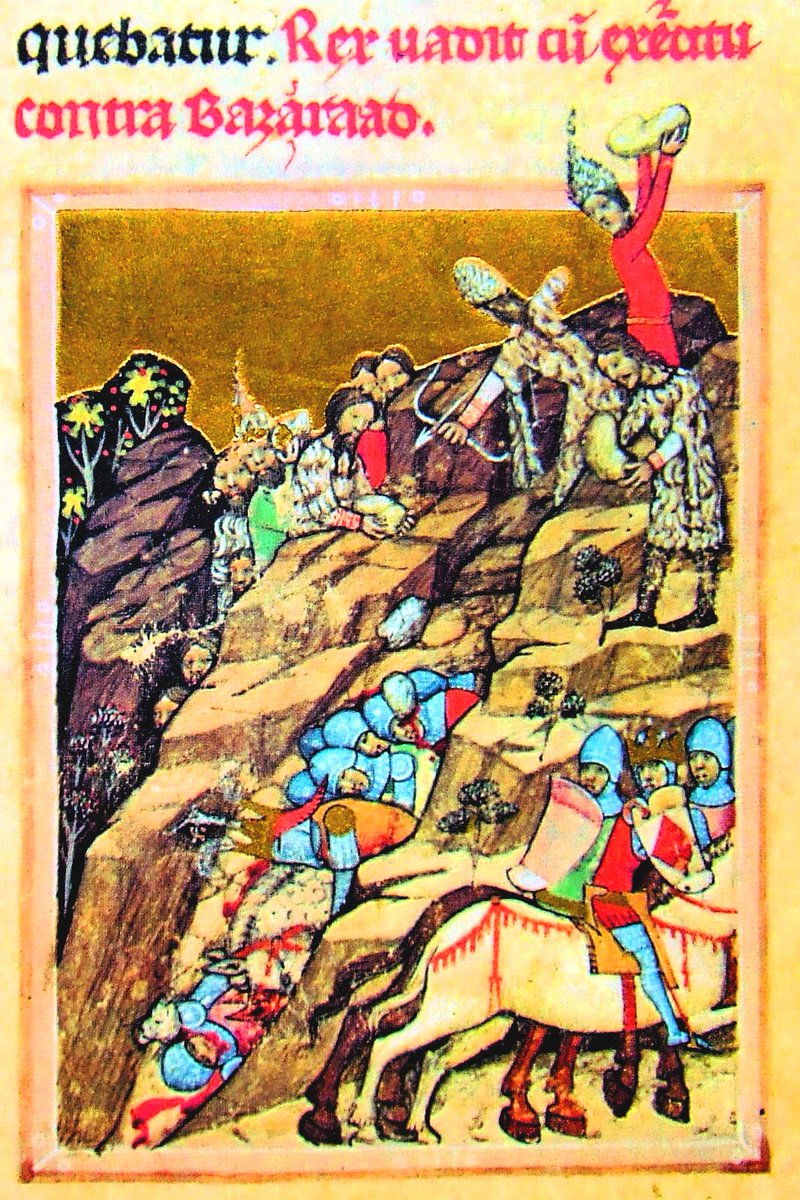
For example at the battle of Posada in 1330, the Wallachians ambushed the unsuspecting Hungarian army of King Charles I Robert and threw rocks at the enemy, causing heavy casualties and winning a decisive battle.
A similar thing is also reported to have happened at the famous battle of Covadonga in 722, where Christians led by Pelagius threw rocks at the forces of Umayyad Caliphate from slopes of mountains and nearby caves, leading to the first Christian victory of Reconquista.
Read 4 tweets
Feb 15
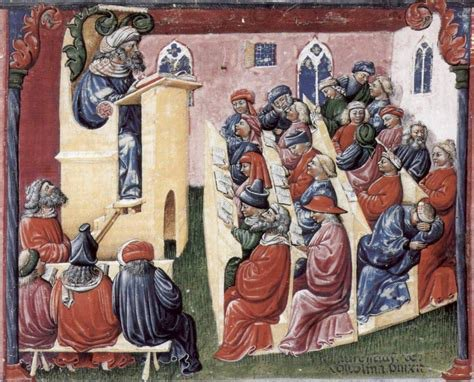
Medieval universities!

The creation of universities is one of the greatest and most lasting achievements of medieval Europe, establishing a model that is today the standard form of higher education throughout the world.

These have helped to improve society for centuries! Image
While other institutions of learning existed before (such as monastic schools) both in Europe and outside of it, medieval universities were a totally new concept as they were organized like guilds of students and masters which allowed them to be independent of local authorities! Image
This is what the concept of "universitas" referred to originally, a guild.

These medieval universities did not refer to some specific building resembling a modern day campus, but were an organization.

Teaching happened in homes of teachers, public places or rented halls. Image
Read 9 tweets

Did Thread Reader help you today?

Support us! We are indie developers!


This site is made by just two indie developers on a laptop doing marketing, support and development! Read more about the story.

Become a Premium Member ($3/month or $30/year) and get exclusive features!

Become Premium

Don't want to be a Premium member but still want to support us?

Make a small donation by buying us coffee ($5) or help with server cost ($10)

Donate via Paypal

Or Donate anonymously using crypto!

Ethereum

0xfe58350B80634f60Fa6Dc149a72b4DFbc17D341E copy

Bitcoin

3ATGMxNzCUFzxpMCHL5sWSt4DVtS8UqXpi copy

Thank you for your support!

Follow Us on Twitter!

:(