1/52
I am looking at the young mother lying on the hospital bed
She's shivering & the fever is high
Her liver functions are climbing
Her baby girl is waiting back home
Her father is troubled
I'm faced with an unknown foe, tiny, yet so powerful, it nearly broke me.
Nearly.
I am looking at the young mother lying on the hospital bed
She's shivering & the fever is high
Her liver functions are climbing
Her baby girl is waiting back home
Her father is troubled
I'm faced with an unknown foe, tiny, yet so powerful, it nearly broke me.
Nearly.
2/52
Silvia is a cheerful and happy mother to a 1 year old baby girl
Everything was set in stone. The family was happy, things looked great.
Until a week back when she started to lose appetite and then waves of fever came in, rolling sweats and deep seated body aches.
Silvia is a cheerful and happy mother to a 1 year old baby girl
Everything was set in stone. The family was happy, things looked great.
Until a week back when she started to lose appetite and then waves of fever came in, rolling sweats and deep seated body aches.
3/52
The pleasant and cheerful woman looked like death now and could not get up from the bed
She was rushed to a nearby clinic where the doctors run initial tests
Her counts were normal, the liver tests were only slightly abnormal and her body aches improved with paracetamol.
The pleasant and cheerful woman looked like death now and could not get up from the bed
She was rushed to a nearby clinic where the doctors run initial tests
Her counts were normal, the liver tests were only slightly abnormal and her body aches improved with paracetamol.
4/52
After a day of observation, they sent her back home with a short course of paracetamol and asked her drink plenty of fluids and small nutritious meals - a passing viral flu, they told her and everyone concurred
But that night was terrible
The sweeping fevers were back.
After a day of observation, they sent her back home with a short course of paracetamol and asked her drink plenty of fluids and small nutritious meals - a passing viral flu, they told her and everyone concurred
But that night was terrible
The sweeping fevers were back.
5/52
So they shift her at night to a bigger hospital and ready her for admission
This time, new tests reveal her white cell counts were slightly elevated. The liver tests were still not bad, but the enzymes were rising - in 200s now.
The body aches were getting bad.
So they shift her at night to a bigger hospital and ready her for admission
This time, new tests reveal her white cell counts were slightly elevated. The liver tests were still not bad, but the enzymes were rising - in 200s now.
The body aches were getting bad.
6/52
Then came the vomiting. Silvia could not stand the sight of food. She would retch and nothing would come out. She would keep retching until medicines would comfort her.
The headache was next. It felt like a jackhammer through the skull and her eyes turned a shade of red.
Then came the vomiting. Silvia could not stand the sight of food. She would retch and nothing would come out. She would keep retching until medicines would comfort her.
The headache was next. It felt like a jackhammer through the skull and her eyes turned a shade of red.
7/52
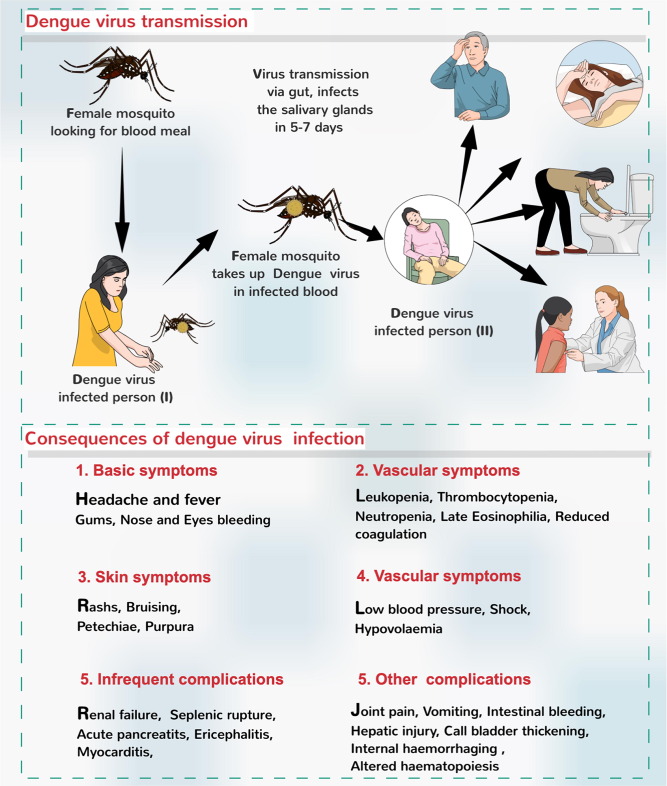
High grade fever, no jaundice, severe body aches, headaches and vomiting. The diagnosis was so clear and easy - Dengue. It was post rains after all in Kerala and this was an easy catch. Platelets drop later only.
Only one slight problem.
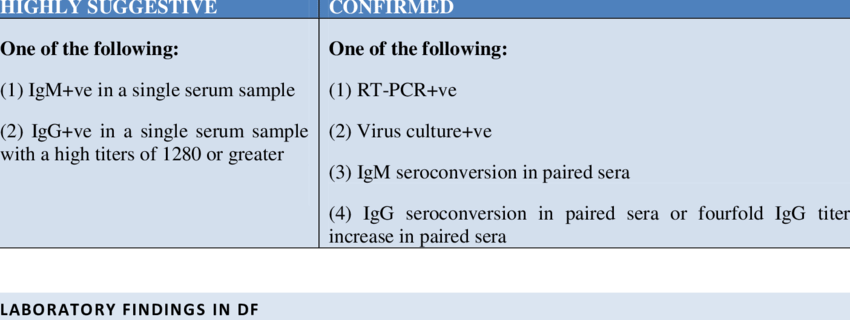
Tests for Dengue were negative.
High grade fever, no jaundice, severe body aches, headaches and vomiting. The diagnosis was so clear and easy - Dengue. It was post rains after all in Kerala and this was an easy catch. Platelets drop later only.
Only one slight problem.
Tests for Dengue were negative.
8/52
The fever settled with round the clock paracetamol
But there was a problem. Her eyes were turning a shade of yellow from the shade of red. And the liver enzymes were now rising into the 400s - was it the paracetamol that was now harming the liver along with the infection?
The fever settled with round the clock paracetamol
But there was a problem. Her eyes were turning a shade of yellow from the shade of red. And the liver enzymes were now rising into the 400s - was it the paracetamol that was now harming the liver along with the infection?
9/52
Doctors are stumped. Silvia is now very lethargic. She is fatigued and is hardly eating. She asks for her baby girl from time to time and her father, the bystander affirms that she is well at home. She mumbles in her sleep about her girl and the old man cant bear it.
Doctors are stumped. Silvia is now very lethargic. She is fatigued and is hardly eating. She asks for her baby girl from time to time and her father, the bystander affirms that she is well at home. She mumbles in her sleep about her girl and the old man cant bear it.
10/52
Silvia is shifted to the intensive care unit. The liver tests are now worsening. Paracetamol is now rationed for only high grade fever, otherwise, cold sponges are used to combat the heat.
Her husband is working in the Middle East and he has no privilege's to fly down..
Silvia is shifted to the intensive care unit. The liver tests are now worsening. Paracetamol is now rationed for only high grade fever, otherwise, cold sponges are used to combat the heat.
Her husband is working in the Middle East and he has no privilege's to fly down..
11/52
..and be with Silvia because he had just joined the new company and a leave of absence would be without pay. He calls his father in law multiple times in a day. Silvia's father feels the heat, he is burdened. What would become of his daughter? If she got sicker and..
..and be with Silvia because he had just joined the new company and a leave of absence would be without pay. He calls his father in law multiple times in a day. Silvia's father feels the heat, he is burdened. What would become of his daughter? If she got sicker and..
12/52
..everything went dark, what would he tell his son-in-law? What would they do with their little grand-daughter?
How would they cope?
He starts to go down the rabbit hole of depression & uncertainty. Everything seemed unreal - they were all happy & well weeks before.
..everything went dark, what would he tell his son-in-law? What would they do with their little grand-daughter?
How would they cope?
He starts to go down the rabbit hole of depression & uncertainty. Everything seemed unreal - they were all happy & well weeks before.
13/52
Disease was the equalizer. It did not care for your happiness. It did not care for your sadness. It would take away your happiness or deepen your sadness without warning.
The doctors work on Silvia more aggressively. They go one by one. Looking at every single infection..
Disease was the equalizer. It did not care for your happiness. It did not care for your sadness. It would take away your happiness or deepen your sadness without warning.
The doctors work on Silvia more aggressively. They go one by one. Looking at every single infection..
14/52
..detail by detail.
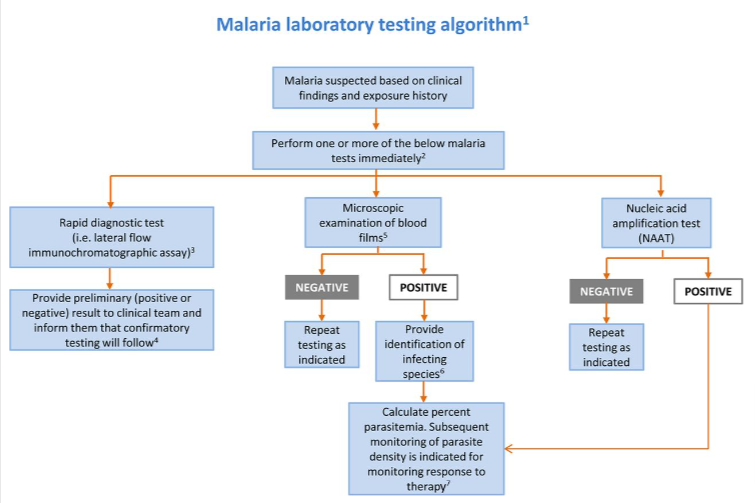
The first one was malaria.
Caused by 4 species of the parasite Plasmodium.
It was easy to diagnose and once confirmed, the treatments were well known and effective.
P. falciparum, P. vivax, P. ovale, and P. malariae.
But in Silvia. It was negative.
..detail by detail.
The first one was malaria.
Caused by 4 species of the parasite Plasmodium.
It was easy to diagnose and once confirmed, the treatments were well known and effective.
P. falciparum, P. vivax, P. ovale, and P. malariae.
But in Silvia. It was negative.

15/52
The second one to go off was Leptospirosis - a blood infection caused by the bacteria Leptospira. Weil's disease, the acute, severe form of leptospirosis, causes the infected individual to become jaundiced (skin and eyes become yellow), develop kidney failure, and bleed.
The second one to go off was Leptospirosis - a blood infection caused by the bacteria Leptospira. Weil's disease, the acute, severe form of leptospirosis, causes the infected individual to become jaundiced (skin and eyes become yellow), develop kidney failure, and bleed.

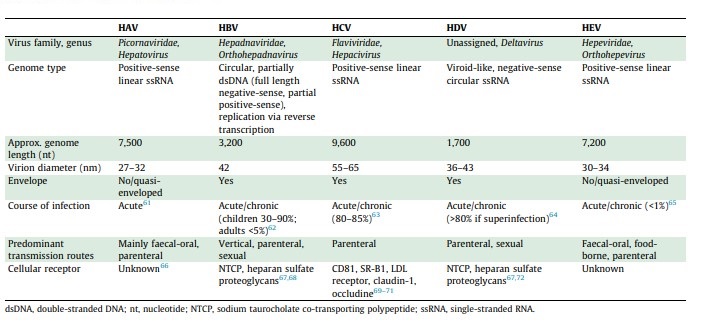
16/52 All common hepatitis viruses were also out! Typhoid too was negative.
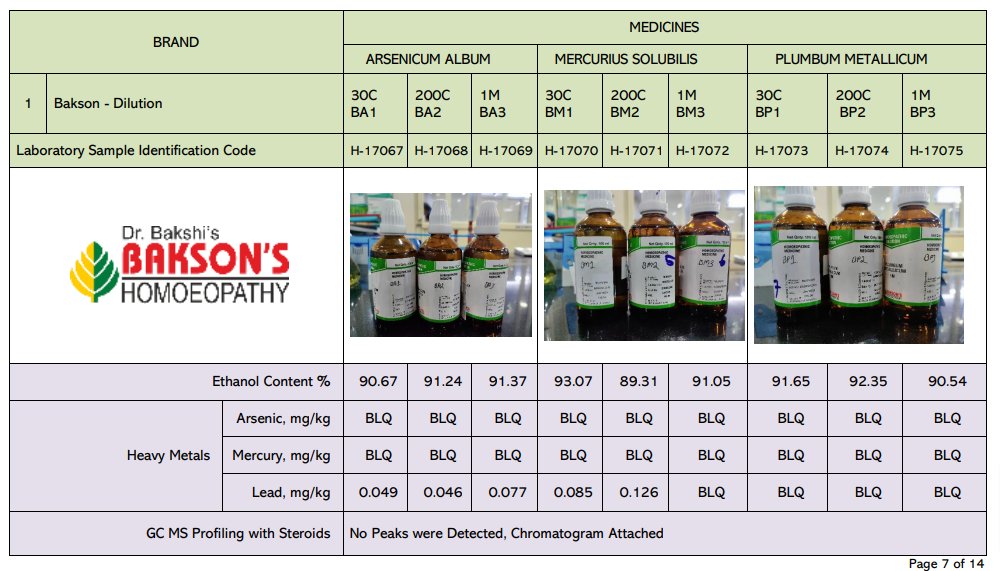
Recent use of liver toxic drugs, herbal drugs, Ayurvedic formulations, Homeopathic remedies and traditional or folk medicine were never used by Silvia. So drug induced liver injury was out.
Recent use of liver toxic drugs, herbal drugs, Ayurvedic formulations, Homeopathic remedies and traditional or folk medicine were never used by Silvia. So drug induced liver injury was out.
17/52
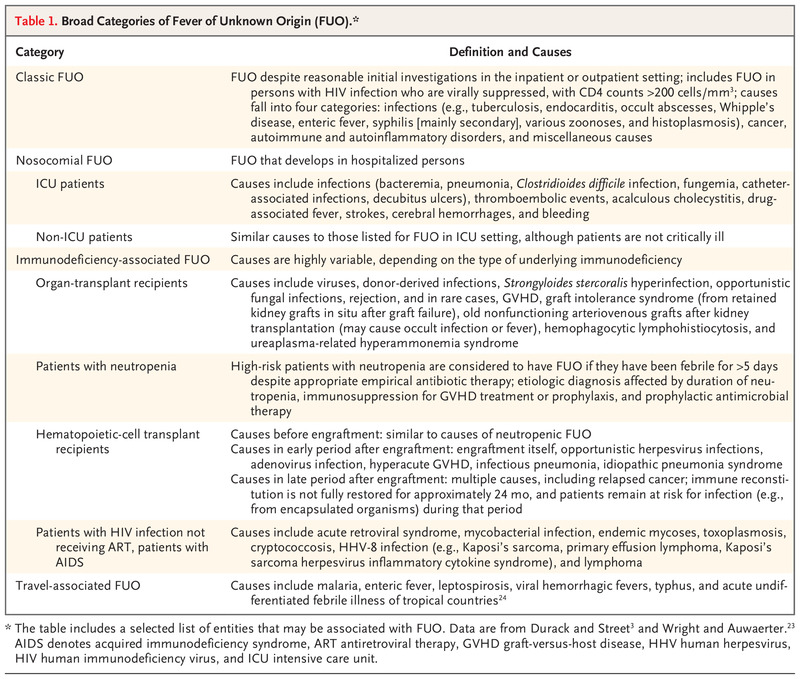
After many days of testing, the docs were now puzzled & terrified.
They were now looking at something that was most sinister in clinical medicine.
A terrible condition, one that will drain resources and person hours and leave everyone exhausted.
Fever of unknown origin.
After many days of testing, the docs were now puzzled & terrified.
They were now looking at something that was most sinister in clinical medicine.
A terrible condition, one that will drain resources and person hours and leave everyone exhausted.
Fever of unknown origin.
18/52
But this fever was unique
Bcoz a player that could tell help us zoom in on actual cause for fever was already in the field
The liver.
This was fever with acute hepatitis. And so, Silvia needed investigational work from a team of experts who could get the liver to talk.
But this fever was unique
Bcoz a player that could tell help us zoom in on actual cause for fever was already in the field
The liver.
This was fever with acute hepatitis. And so, Silvia needed investigational work from a team of experts who could get the liver to talk.
19/52
And here she was, with us, with high grade fever and worsening hepatitis from a cause unknown.
Fever of unknown origin or FUO in short is the most dreaded clinical scenario a doctor has to face. A fever could mean anything. From a passing viral infection to the start of..
And here she was, with us, with high grade fever and worsening hepatitis from a cause unknown.
Fever of unknown origin or FUO in short is the most dreaded clinical scenario a doctor has to face. A fever could mean anything. From a passing viral infection to the start of..
20/52
..a life threatening blood cancer that could snatch the patient away in no time.
And when the liver was involved, it was worse - in the setting of liver failure and an unknown infection and cancer, everything would just blow up since liver safe treatments would be limited
..a life threatening blood cancer that could snatch the patient away in no time.
And when the liver was involved, it was worse - in the setting of liver failure and an unknown infection and cancer, everything would just blow up since liver safe treatments would be limited
21/52
We look at Silvia. She looked toxic, dehydrated and very lethargic. One look, and it was Dengue. But repeated tests were negative. It could not be tuberculosis - the patient looked too sick in too little time to have tuberculosis present this way and the tests, negative.
We look at Silvia. She looked toxic, dehydrated and very lethargic. One look, and it was Dengue. But repeated tests were negative. It could not be tuberculosis - the patient looked too sick in too little time to have tuberculosis present this way and the tests, negative.
22/52
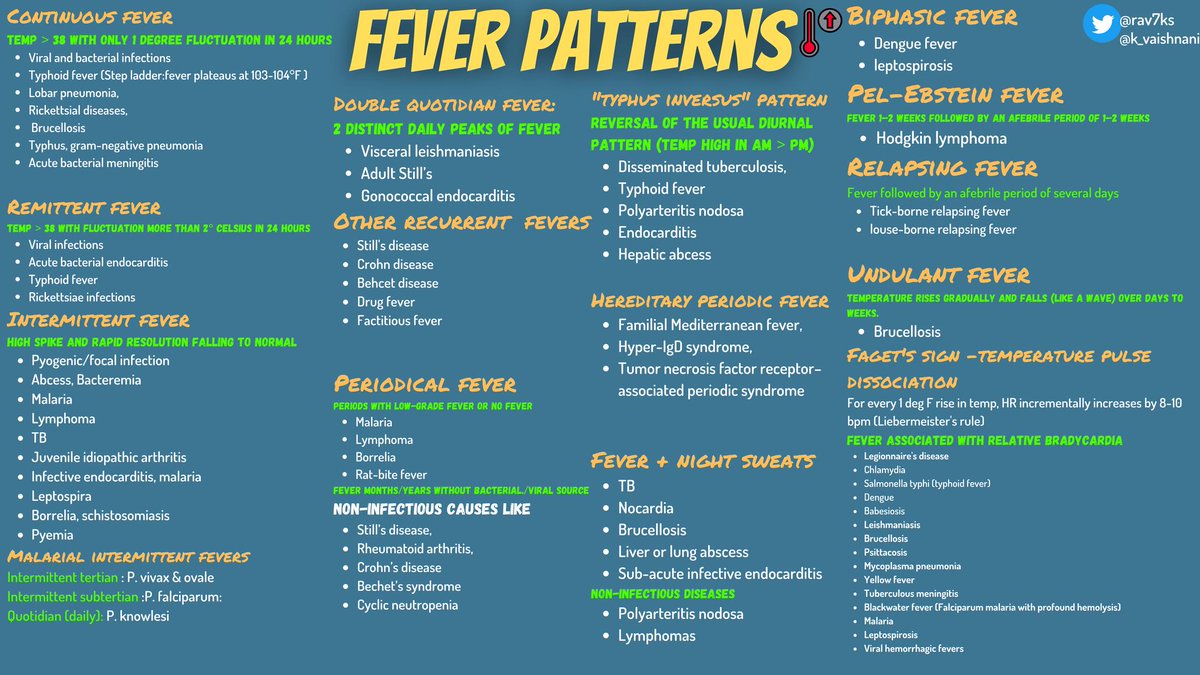
We look back at all her records.
Patterns of fever could give us clues towards type of infection or a non-infection cause for fever.
We write down the pattern of fever from the list of many patterns:
We look back at all her records.
Patterns of fever could give us clues towards type of infection or a non-infection cause for fever.
We write down the pattern of fever from the list of many patterns:
23/52
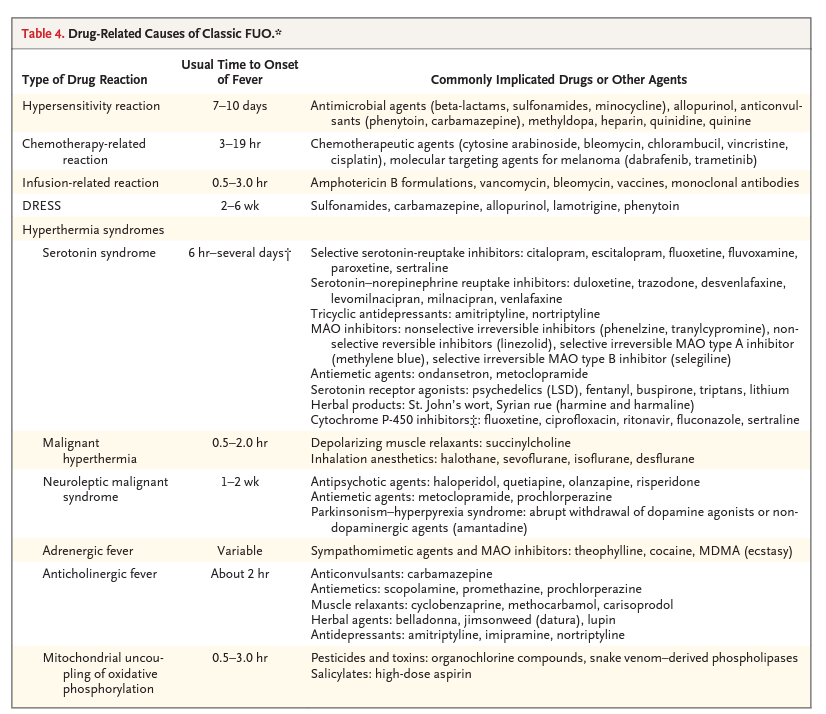
We look back at all her medications and rule them out one by one - certain recent drugs and changes to drugs can cause or worsen fever. She was never on any medications prior to the fever onset and was not given any medicine that would worsen fever.
We look back at all her medications and rule them out one by one - certain recent drugs and changes to drugs can cause or worsen fever. She was never on any medications prior to the fever onset and was not given any medicine that would worsen fever.
24/52
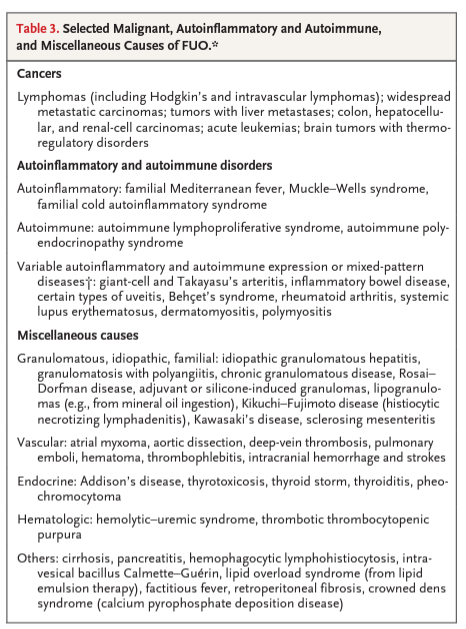
Almost all infectious diseases known in the regional aspect were ruled out by the good doctors in the previous hospital.
We did not want to waste time, but as we rechecked all the infectious agents again, we also checked for non-infectious causes of FUO simultaneously.
Almost all infectious diseases known in the regional aspect were ruled out by the good doctors in the previous hospital.
We did not want to waste time, but as we rechecked all the infectious agents again, we also checked for non-infectious causes of FUO simultaneously.
25/52
But then, Silvia's work up on blood cancers and CT scan imaging of the brain, chest and whole abdomen did not show any changes other than an enlarged liver and few lymph nodes in the neck and abdomen - non -specific, as it can be seen with many types of diseases.
But then, Silvia's work up on blood cancers and CT scan imaging of the brain, chest and whole abdomen did not show any changes other than an enlarged liver and few lymph nodes in the neck and abdomen - non -specific, as it can be seen with many types of diseases.
26/52
Even rare viruses that cause fever came back negative. Ebstein-Barr virus, Cytomegalovirus, Adenovirus, Norovirus and so many others tested through the multiplex PCR were negative. Infections affecting the heart - called infectious endocarditis was also negative.
Even rare viruses that cause fever came back negative. Ebstein-Barr virus, Cytomegalovirus, Adenovirus, Norovirus and so many others tested through the multiplex PCR were negative. Infections affecting the heart - called infectious endocarditis was also negative.
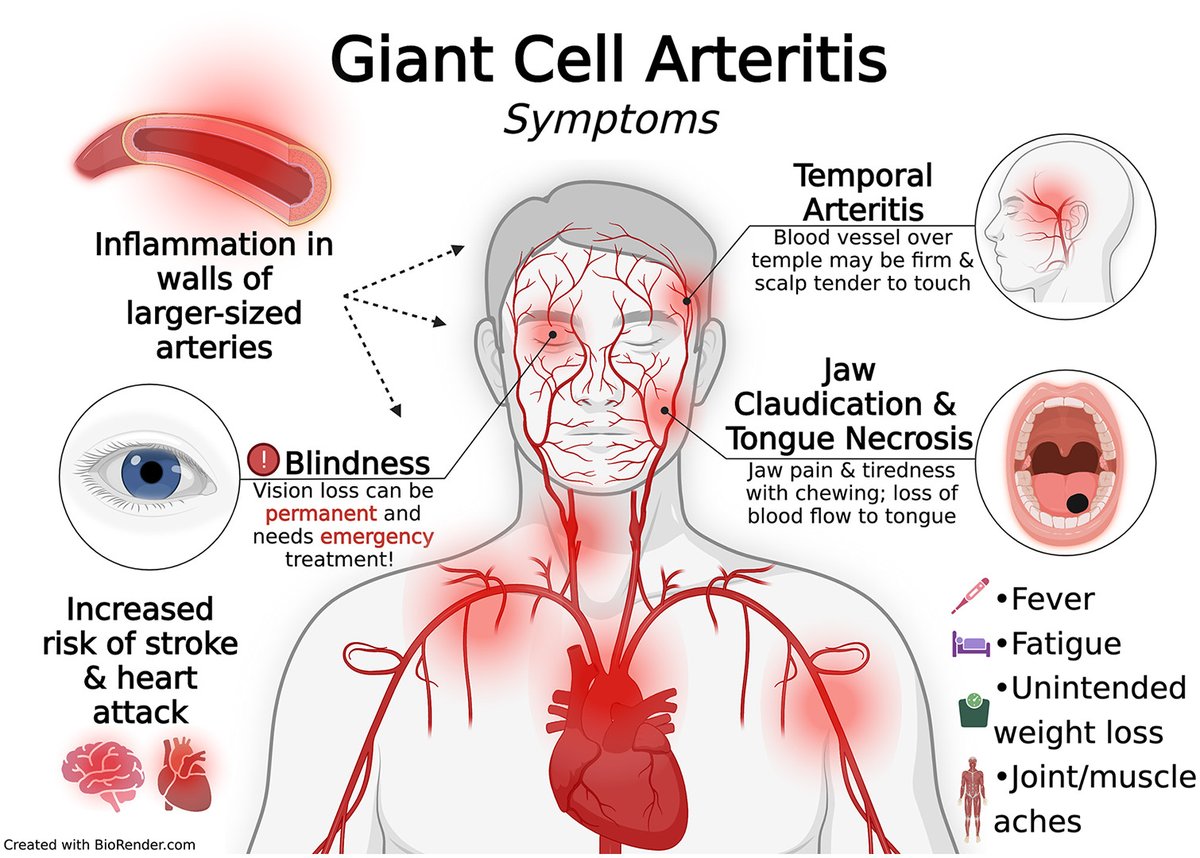
27/52 Other rare causes such as arteritis syndromes - that is when the arteries, particularly those at the side of the head (the temples), become inflamed which is serious and needs urgent treatment was also negative - due to lack of clinical signs and age did not fit.
28/52
Tests for autoimmune diseases and Rheumatological diseases were all negative from other centers and ours.
Then we moved into the realm of strange infections and started picking them off one by one.
Even the rare infectious diseases were many. A blanket testing for all..
Tests for autoimmune diseases and Rheumatological diseases were all negative from other centers and ours.
Then we moved into the realm of strange infections and started picking them off one by one.
Even the rare infectious diseases were many. A blanket testing for all..
29/52
..would mean a LOT of money spent.
In two the hospitals and repeated tests for the known and regionally common infections as well as advanced imaging had already drained a lot of money from Silvia's family.
This meant that every next step would have to be purposeful.
..would mean a LOT of money spent.
In two the hospitals and repeated tests for the known and regionally common infections as well as advanced imaging had already drained a lot of money from Silvia's family.
This meant that every next step would have to be purposeful.
30/52
We looked at 2 important things.
History of travel and rare infections that could affect the liver also.
Silvia denied history of any recent travel. She was always home.
Infections that affected the liver were only few.
We jot them down, based published literature.
We looked at 2 important things.
History of travel and rare infections that could affect the liver also.
Silvia denied history of any recent travel. She was always home.
Infections that affected the liver were only few.
We jot them down, based published literature.
31/52
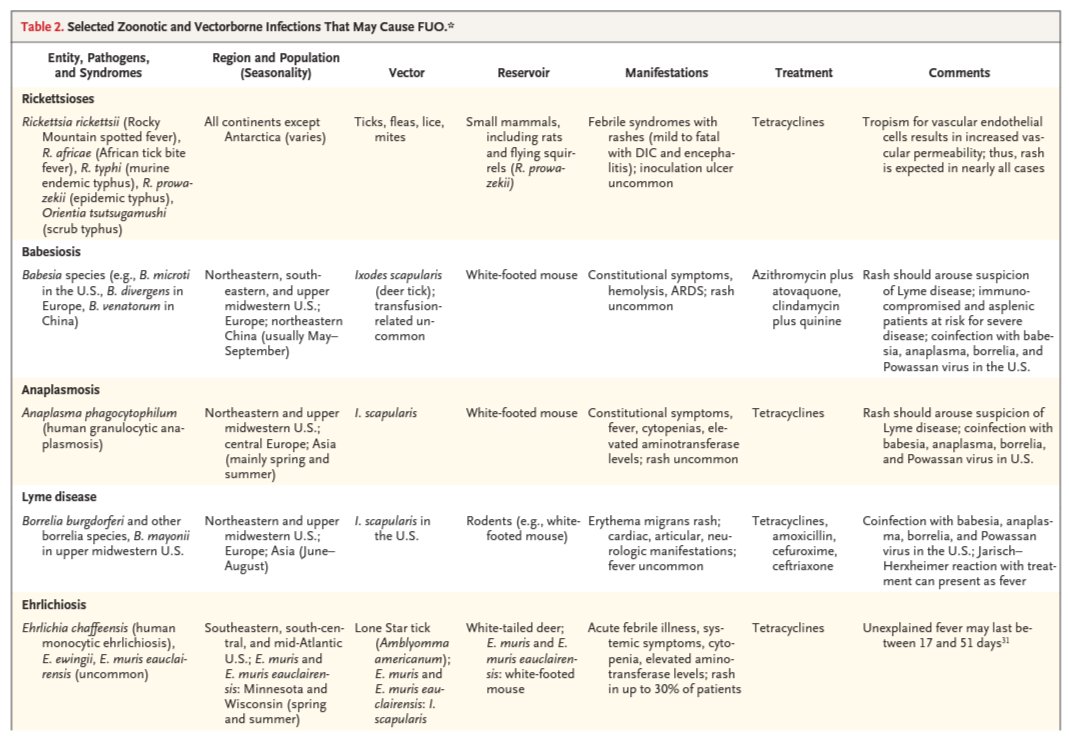
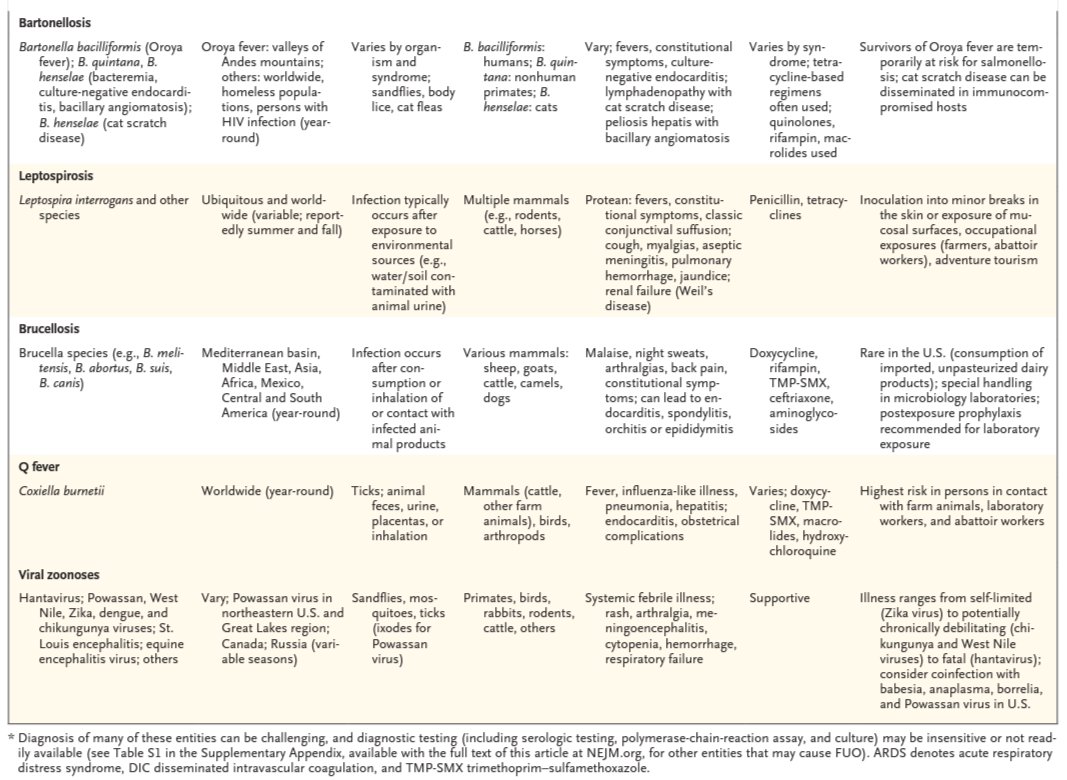
Most of the infections were either spread by animals or insect vectors or were due to travel and subsequent poisoning from water, food or other environmental sources
These were region specific
We look at each and every one of them in detail from a clinical history...
Most of the infections were either spread by animals or insect vectors or were due to travel and subsequent poisoning from water, food or other environmental sources
These were region specific
We look at each and every one of them in detail from a clinical history...
32/52
...and also which also affected the liver.
And the tests were sent out.
Antibiotics were upgraded - because the fever was high spiking and Silvia's heart rate was going off the room, sometimes, her rate and rhythm becoming irregular. She was getting sicker..
...and also which also affected the liver.
And the tests were sent out.
Antibiotics were upgraded - because the fever was high spiking and Silvia's heart rate was going off the room, sometimes, her rate and rhythm becoming irregular. She was getting sicker..
33/52
..and her father was growing anxious and at time furious. Money was being drained from one side, the liver was getting repeatedly hit from another and Silvia was getting sicker as time passed by
I lost my sleep
With every negative report received, I did not..
..and her father was growing anxious and at time furious. Money was being drained from one side, the liver was getting repeatedly hit from another and Silvia was getting sicker as time passed by
I lost my sleep
With every negative report received, I did not..
34/52
..know how to face the father. I was afraid, that at one point, I would be get beaten up by the other family members who encircled him while I gave daily updates
It was tough
I started losing interest in food & water & in my family
Weekends were a chore
I was exhausted
..know how to face the father. I was afraid, that at one point, I would be get beaten up by the other family members who encircled him while I gave daily updates
It was tough
I started losing interest in food & water & in my family
Weekends were a chore
I was exhausted
35/52 I lost my appetite, I was not hungry anymore.
Every evening when I come back home, my wife prepares freshly made banana fritters & a cup coffee. I sit and enjoy the little snack, away from the hospital buzz, looking at the waters outside.
Not this time. Not for many days.
Every evening when I come back home, my wife prepares freshly made banana fritters & a cup coffee. I sit and enjoy the little snack, away from the hospital buzz, looking at the waters outside.
Not this time. Not for many days.
36/52
..I could not sleep. I was stressed & could not think well. Report after report, & more negative conclusions later it was a headache.
Until next day when I got a call from central lab
A serology test we had sent to an outside lab for a rare disease had come back positive
..I could not sleep. I was stressed & could not think well. Report after report, & more negative conclusions later it was a headache.
Until next day when I got a call from central lab
A serology test we had sent to an outside lab for a rare disease had come back positive
37/52
I rush to intensive unit where Silvia was recovering from another severe bout of fever and exhausted. The critical care doctors were contemplating feeding her through a tube placed through the nose to the stomach.
I go close to her and ask - You said you did not travel..
I rush to intensive unit where Silvia was recovering from another severe bout of fever and exhausted. The critical care doctors were contemplating feeding her through a tube placed through the nose to the stomach.
I go close to her and ask - You said you did not travel..
38/52 ..to which she says, yes, she had not.
She was home.
I ask her 'By home, did you mean Kerala, your State or your home here at Kochi?'
She says, 'I meant Kerala, the State.'
Did you travel out of Kochi, within Kerala?
She looks at me, tired & says, 'Yes, to Trivandrum.'
She was home.
I ask her 'By home, did you mean Kerala, your State or your home here at Kochi?'
She says, 'I meant Kerala, the State.'
Did you travel out of Kochi, within Kerala?
She looks at me, tired & says, 'Yes, to Trivandrum.'
39/52
& without wasting a sec, I call to the critical care nurse, ask her to start Silvia on the drug which was going to help her get out of ICU, get her to a room, get her discharged and get her back home, to her one year old buttercup who was waiting for her.
Doxycycline.
& without wasting a sec, I call to the critical care nurse, ask her to start Silvia on the drug which was going to help her get out of ICU, get her to a room, get her discharged and get her back home, to her one year old buttercup who was waiting for her.
Doxycycline.
40/52
Historically this infection has been around for a very long time. Human infection was first described in 313 CE China in the ancient Chinese clinical text, Zhouhofang. In 610 CE, Yuan-Fang Chao described this infection in his poem and Shi-Zhen Li, the famous Chinese..
Historically this infection has been around for a very long time. Human infection was first described in 313 CE China in the ancient Chinese clinical text, Zhouhofang. In 610 CE, Yuan-Fang Chao described this infection in his poem and Shi-Zhen Li, the famous Chinese..
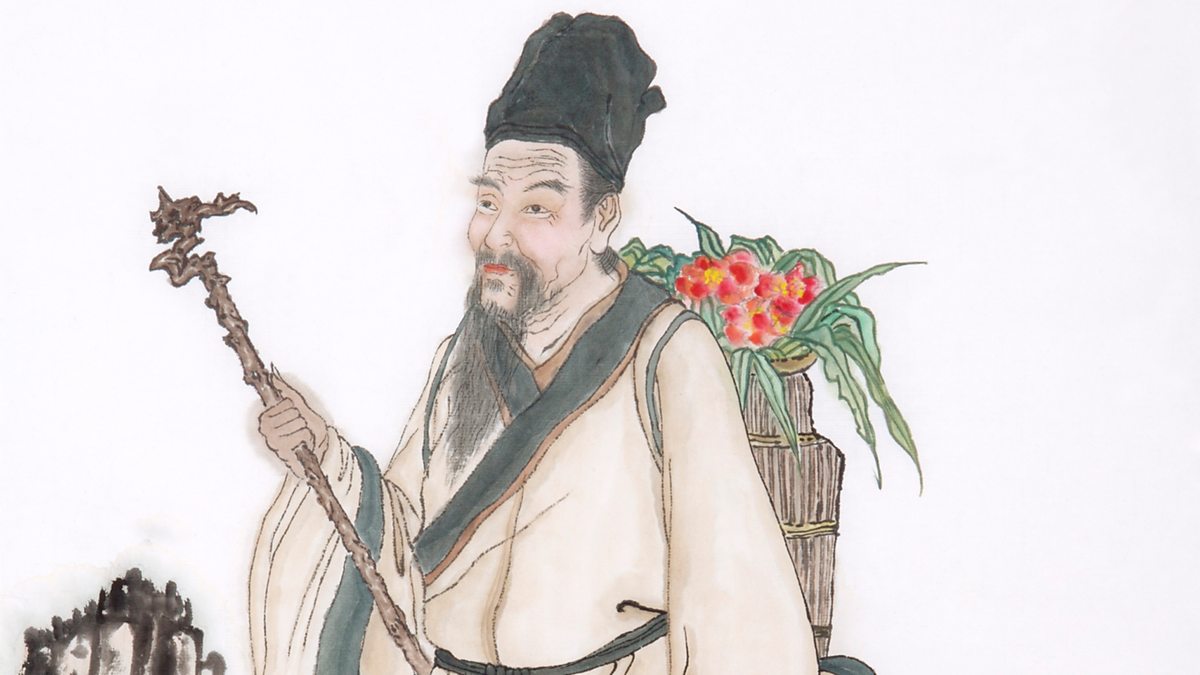
41/52 ..physician monk, Shi-Zhen Li, described the characteristics of the disease in a book entitled, “Ben Cao, Gang Mu” in 1596.
More than 1000 years ago, the Chinese called this dreaded disease that sometimes killed, as "shashitsu" and was caused by the bite of "sna ra" or..
More than 1000 years ago, the Chinese called this dreaded disease that sometimes killed, as "shashitsu" and was caused by the bite of "sna ra" or..
42/52
..THE RED MITE.
As modern medicine evolved, "shashitsu" was replaced by its current name, Scrub Typhus.
Scrub typhus is caused by a bacteria called Orientia tsutsugamushi from Japanese tsutsuga meaning "illness", and mushi meaning "insect"
This bacteria belongs to the..
..THE RED MITE.
As modern medicine evolved, "shashitsu" was replaced by its current name, Scrub Typhus.
Scrub typhus is caused by a bacteria called Orientia tsutsugamushi from Japanese tsutsuga meaning "illness", and mushi meaning "insect"
This bacteria belongs to the..
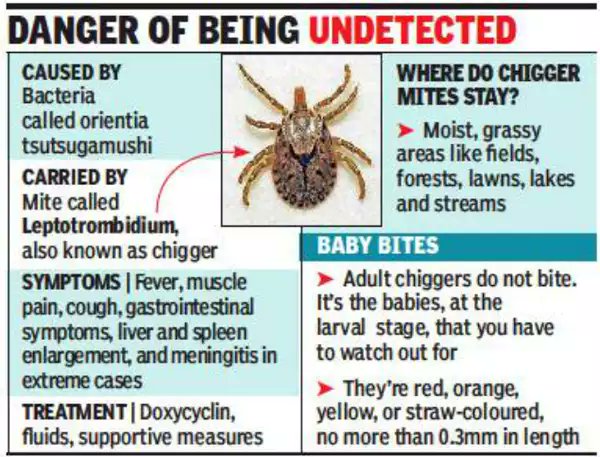
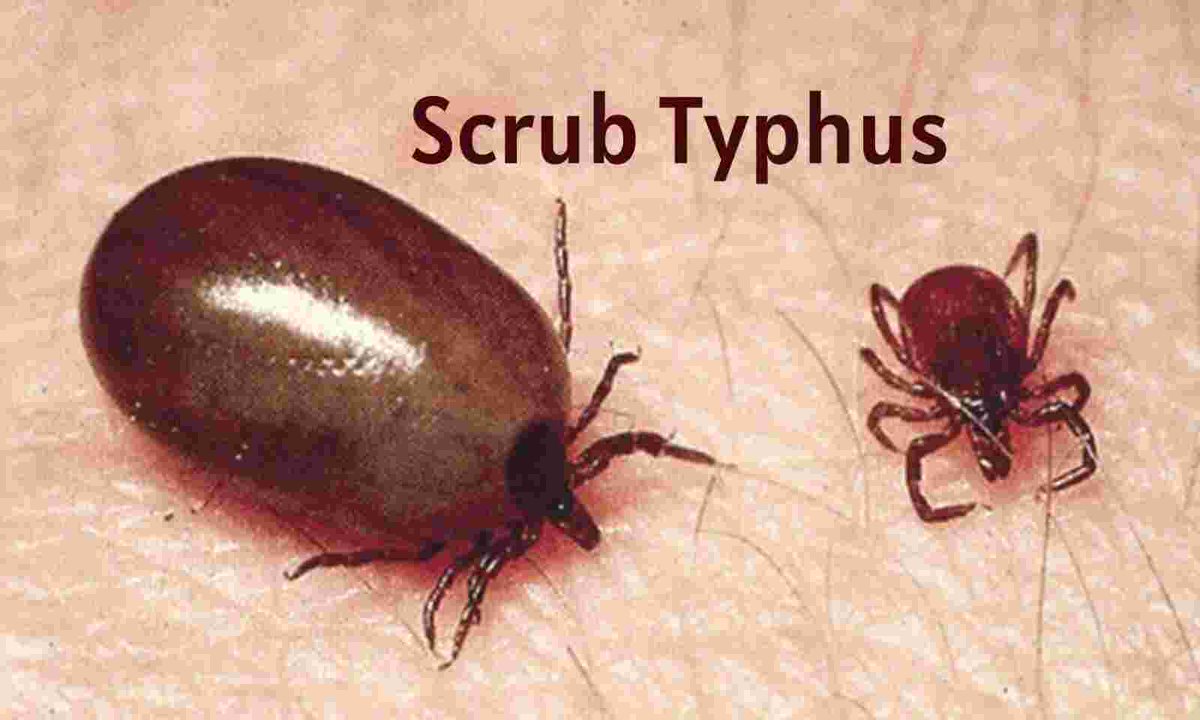
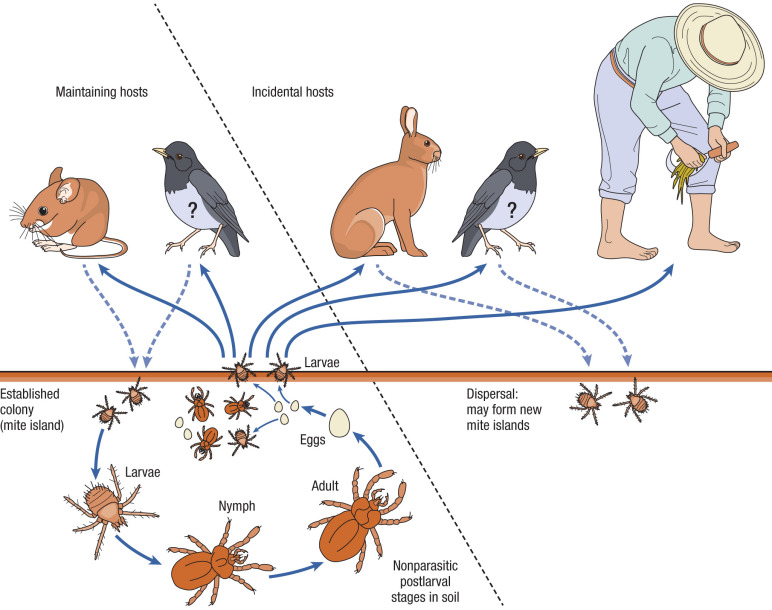
43/52 ..the family of bacterial microbes known as Rickettsiaceae which is spread by the bite of mites and is responsible for scrub typhus in humans.
Mite larvae, called chiggers, are natural parasites of rodents
Humans get infected on accidental contact with infected chiggers.
Mite larvae, called chiggers, are natural parasites of rodents
Humans get infected on accidental contact with infected chiggers.
44/52
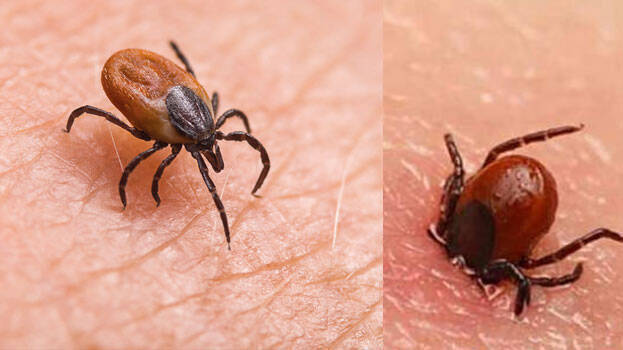
The earliest record was in 3rd century in China. Japanese were also familiar with link between the infection and mites for centuries
They gave several names most popularly as tsutsugamushi (from tsutsuga meaning fever or harm or illness, and mushi meaning bug or insect).
The earliest record was in 3rd century in China. Japanese were also familiar with link between the infection and mites for centuries
They gave several names most popularly as tsutsugamushi (from tsutsuga meaning fever or harm or illness, and mushi meaning bug or insect).
45/52
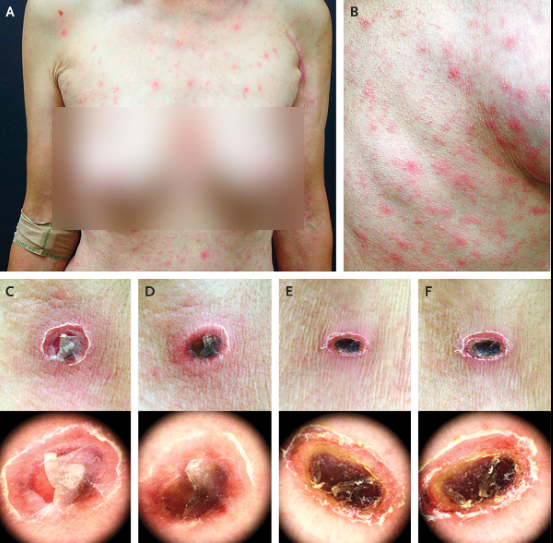
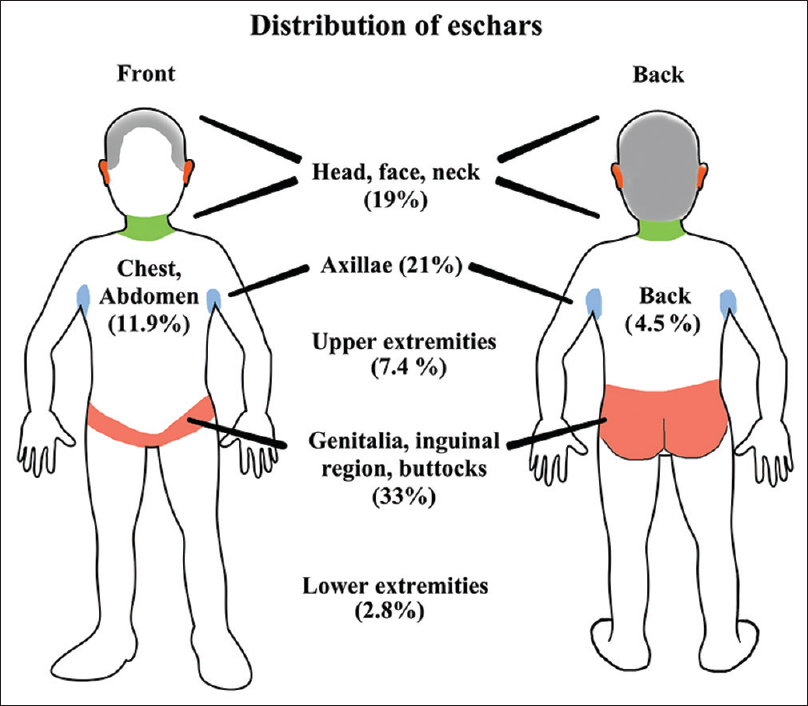
A scar-like scab called eschar at bite site is a good indicator of infection, but this is not seen in everyone
- this was also MISSING in Silvia during her clinical examination.
The WHO in 1999 stated that:
Scrub typhus is probably one of most underdiagnosed..
A scar-like scab called eschar at bite site is a good indicator of infection, but this is not seen in everyone
- this was also MISSING in Silvia during her clinical examination.
The WHO in 1999 stated that:
Scrub typhus is probably one of most underdiagnosed..
46/52 ..and underreported fevers requiring hospitalization in the region.
Absence of definitive signs/symptoms combined with a general dependence upon serological tests make differentiation of scrub typhus from other common febrile diseases
...quite difficult.
Absence of definitive signs/symptoms combined with a general dependence upon serological tests make differentiation of scrub typhus from other common febrile diseases
...quite difficult.
47/52
There was something more.
Scrub-typhus, because it mimics many other infections, with a delayed diagnosis, usually killed the host. It could affect any organ system, also cause hepatitis. A rare but important feature - low level jaundice, but higher level liver enzymes.
There was something more.
Scrub-typhus, because it mimics many other infections, with a delayed diagnosis, usually killed the host. It could affect any organ system, also cause hepatitis. A rare but important feature - low level jaundice, but higher level liver enzymes.
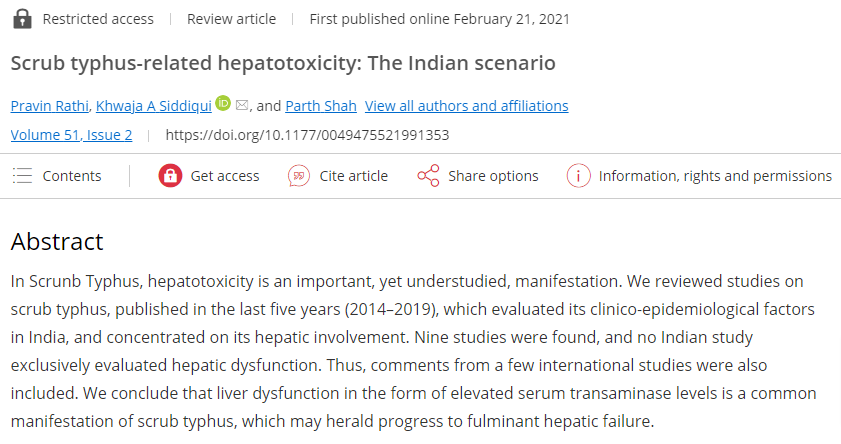
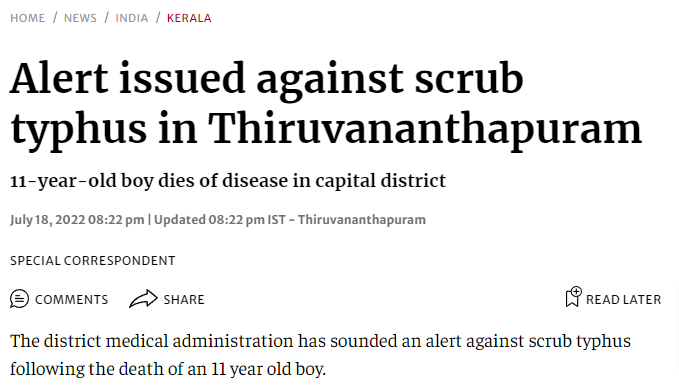
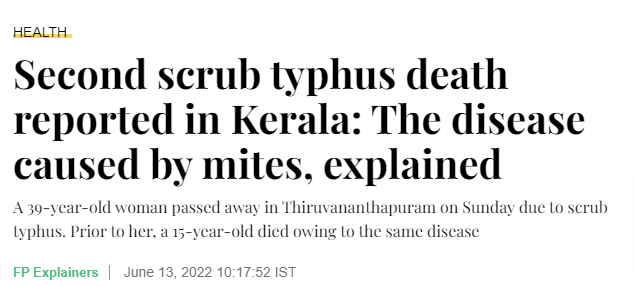
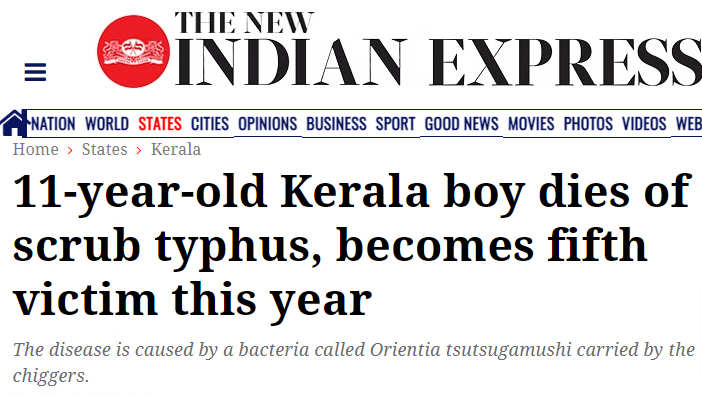
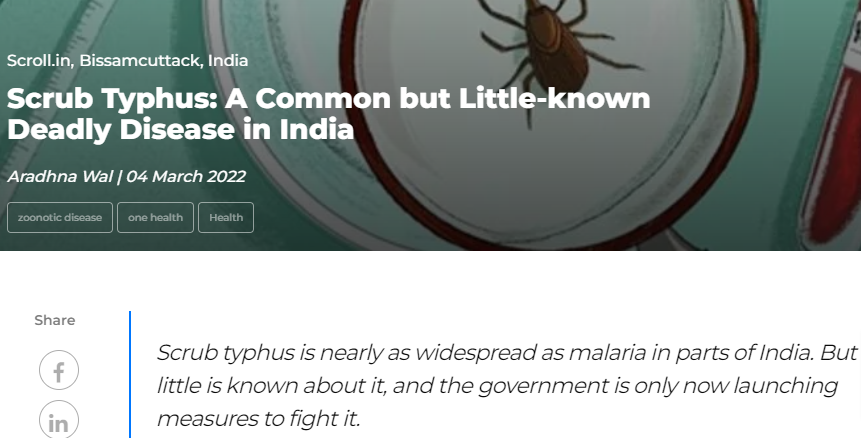
48/52 Scrub typhus was not notable everywhere. There were pockets were it was identifiable. And one such was Trivandrum city in Kerala, where maximum number of scrub typhus cases and death due to scrub typhus was reported.
Scrub typhus is curable if identified early.
Scrub typhus is curable if identified early.
49/52
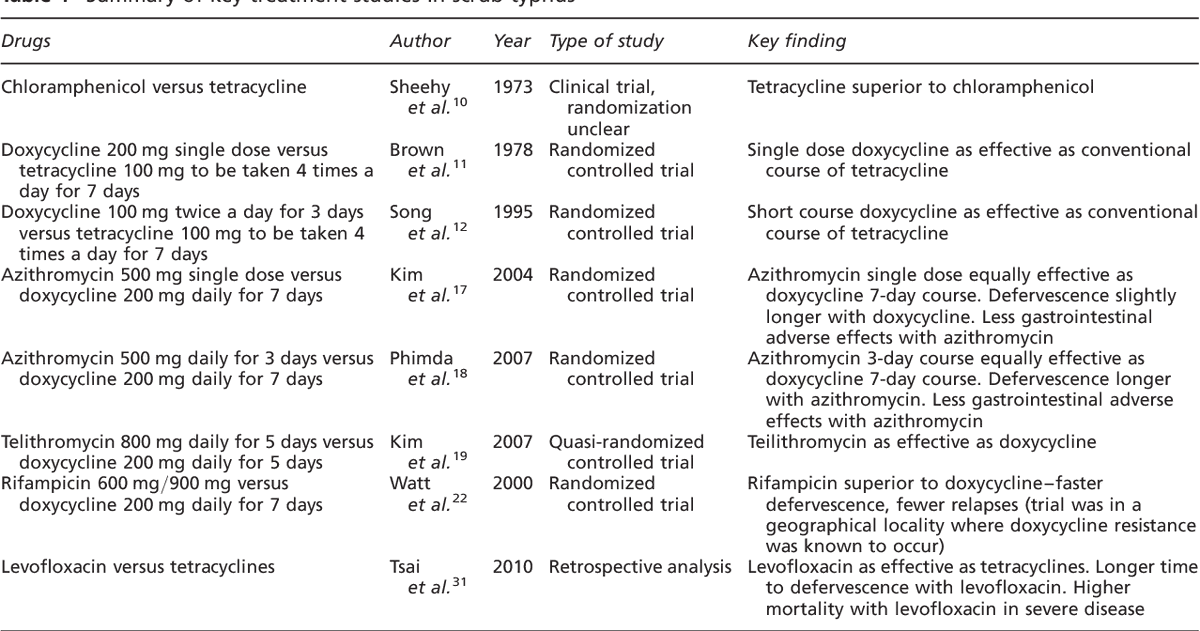
The antibiotic of choice are tetracycline group of drugs.
Doxycycline melts the little bugger like hot knife to butter.
24h after starting the antibiotic, Silvia started to show signs of rapid recovery and her appetite improving.
In three days, she was out of the ICU.
The antibiotic of choice are tetracycline group of drugs.
Doxycycline melts the little bugger like hot knife to butter.
24h after starting the antibiotic, Silvia started to show signs of rapid recovery and her appetite improving.
In three days, she was out of the ICU.
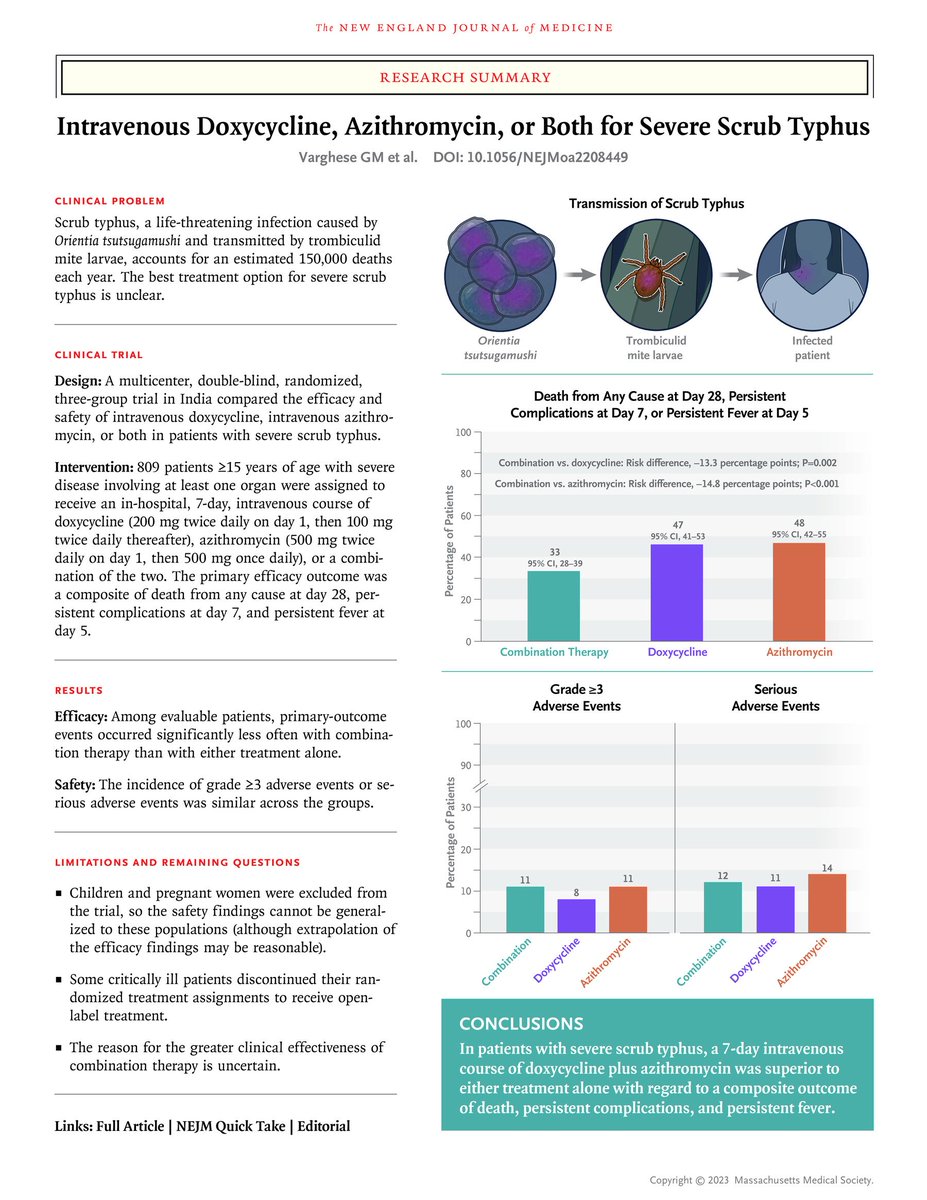
50/52 This year, an Indian team, headed by Dr George Varghese at CMC Vellore Hospital published a path breaking study on how combination therapy with Doxycycline and Azithromycin was better than either alone for severe scrub typhus infection. A proud moment for medicine in India.
51/52
On the 8th day, Silvia was sent home to her sweet infant, whom she mumbled about, in her sleep
Her father tagged along, no more angry or anxious
I get back home in the evening to see fried banana fritters on the table & a pot of coffee
And I sit down, to enjoy my snack
On the 8th day, Silvia was sent home to her sweet infant, whom she mumbled about, in her sleep
Her father tagged along, no more angry or anxious
I get back home in the evening to see fried banana fritters on the table & a pot of coffee
And I sit down, to enjoy my snack
52/52 I hope you've found this thread helpful.
Follow me @theliverdr for more such educational real-life patient stories on liver health and disease diagnosis and management.
If you enjoy my tweets, please share with others.
Please Like/Retweet the first tweet below to share!
Follow me @theliverdr for more such educational real-life patient stories on liver health and disease diagnosis and management.
If you enjoy my tweets, please share with others.
Please Like/Retweet the first tweet below to share!
https://twitter.com/theliverdr/status/1634048957704970242
• • •
Missing some Tweet in this thread? You can try to
force a refresh