1/ A Russian 767 aircraft that suffered an engine failure when trying to take off from Phuket airport in February had reportedly gone 3 years without the engine being inspected, due to Western sanctions. This has serious implications for air safety. ⬇️
2/ The incident took place on 4 February when the 767-306(ER), operated by Russia's largest charter operator, Azul Air, was attempting to take off with 309 passengers on board. The right engine malfunctioned as the aircraft reached a speed of about 180 km/h (112 mph).
3/ The engine overheated, reaching a temperature of 954 degrees before flaming out. The take-off was aborted and the aircraft braked intensively. The landing gear was damaged, two tires deflated and all four on the right landing gear had to be replaced.
4/ Azur Air said the cause of the malfunction on the right engine was the failure of the compressor's air bypass valve control actuator. Curiously, however, Russia's air regulator Rosavia declined to open an investigation.
5/ According to the Aviatorshina Telegram channel, an inspection by another regulator, Rostransnadzor, revealed that the engine had not been inspected for damage to the engine blades since December 2019.
6/ It was supposed to have been checked every 680 cycles (flights) but had gone more then 1,400 cycles without being inspected. According to Azul Air, this resulted from its loss of access to the Boeing technical inspection system due to sanctions.
7/ Aviatorshina says that the airline was "forced to switch from this foreign system to a new one, which did not include data on the previously performed blade inspection. Because of this, an error occurred when calculating the next inspection run."
8/ Rostransnadzor has now asked Rosavia to investigate 728 instances of the aircraft flying with an uninspected engine as an aviation incident.
Since sanctions were imposed, commentators have been warning that such incidents are inevitable.
9/ Russian airlines have been attempting to substitute sanctioned Western aircraft parts with components of dubious quality and reliability from India and China. However, as this incident shows, access to technical support from aircraft manufacturers is harder to replace. /end
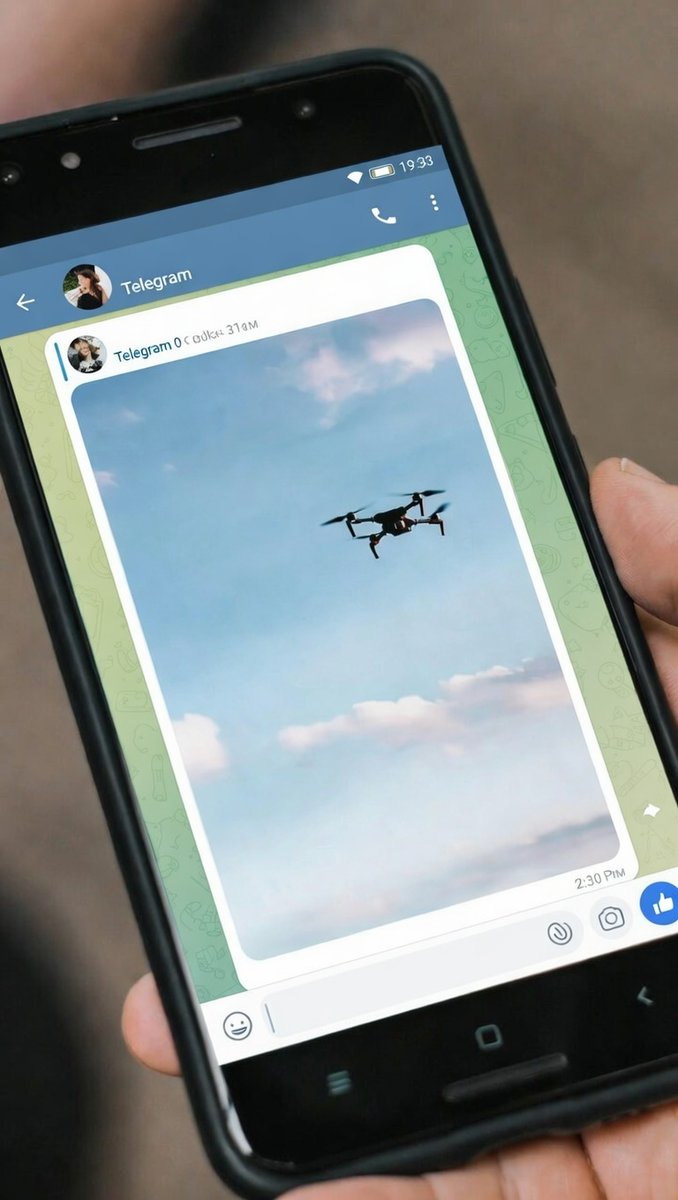
1/ Russian warbloggers are continuing to provide examples of how Telegram is used for frontline battlefield communications, to refute the claim of presidential spokesman Dmitri Peskov that such a thing is "not possible to imagine". ⬇️
2/ Platon Mamadov provides two detailed examples:
"Example number one:
Aerial reconnaissance of Unit N spotted a Ukrainian self-propelled gun in a shelter in the middle of town N."
3/ "Five minutes after the discovery, the target's coordinates and a detailed video were uploaded to a special secret chat group read by all drone operators, scouts, and artillerymen in that sector of the front.
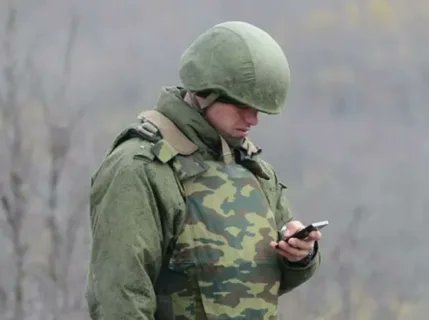
1/ Russian soldiers overwhelmingly prefer to use Telegram for tactical communications despite the Russian army having its own dedicated military messengers. The reason isn't complex – the military's own alternatives are unreliable and difficult to use. ⬇️
2/ 'Vault No. 8' explains the problem:
"The Telegram slowdown is particularly nasty because Telegram is used for communication on the front lines.
Military messengers have been around since I wrote about this, but... Guess what you have to do to get a firmware-ready smartphone?
3/ "That's right! Buy it [with your own money] and send it in for a firmware update. On top of that, one of the military messengers periodically crashes like crazy, and the phone has to be sent in for a [periodic] firmware update, which takes at least a couple of weeks.
1/ The Russian government's throttling of Telegram has deprived the Russian army of a huge repository of information for its soldiers' professional development and a key source of essential technical advice and instruction, as Russian warbloggers explain. ⬇️
2/ 'Kiba's Signalman's Diary' explains:
3/ "Telegram alone has been the only place where self-organised closed chats and knowledge bases on communications, in demand by the military at the moment, were quickly created and developed, independent of decisions and initiatives from above.
1/ Russian warbloggers are outraged at the Russian government's view that blocking Telegram is no big deal for frontline troops. They say it's a catastrophe heaped on the disaster of losing Starlink and that anyone who says Telegram isn't needed is talking "complete bullshit". ⬇️
2/ Dmitri Peskov, Vladimir Putin's spokesman, says: "I don't think it's possible to imagine frontline communications being provided via Telegram or some other messenger. It's difficult and impossible to imagine such a thing."
3/ However, it is very much a thing, as warbloggers have been pointing out furiously. 'Callsign Bruce' provides an example of how it is used to avoid friendly fire incidents:
"I'll give you a real-life example from one of the directions."
1/ Life after Starlink is proving to be difficult and frustrating for the Russian army. Russian warbloggers appear to be going through the stages of grief, expressing anger and alarm at the crisis and concern that Ukraine will exploit it. One anticipates "24/7 fucking". ⬇️
2/ Further instances of price-gouging are being reported, with the cost of US-made Ubiquiti WiFi bridges – illegally imported into Russia – doubling overnight. 'Strong Word' complains:
3/ "Elon is certainly a real jerk. But we have some real assholes in the rear who decided to ride the wave and make money off their own soldiers. Wi-Fi bridges instantly doubled in price. It's maddening, some are spilling blood, and others are making a living off of it."
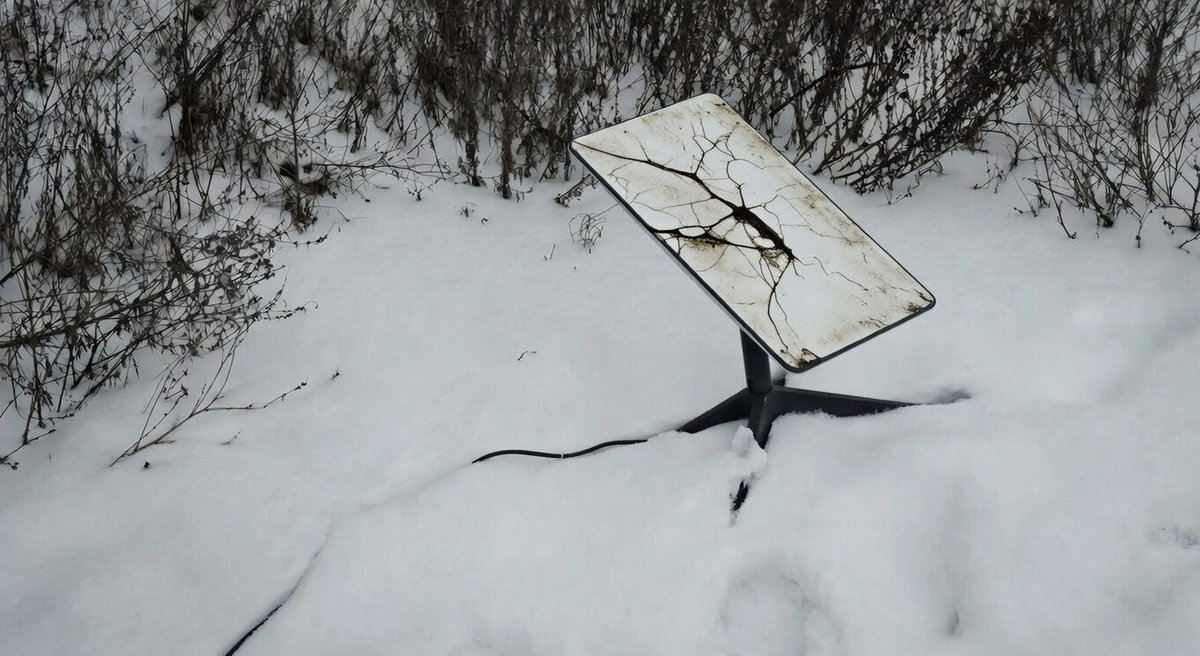
1/ What can Russian soldiers do with thousands of useless Starlink terminals? One Russian warblogger has some humorous suggestions. ⬇️
2/ 'BKGB Casuar' writes:
"Here are 10 ways to use a broken terminal in the Special Military Operation zone:
3/ "1. Butt Kick.
The ground in the trench is cold and damp, and Elon Musk's plastic is warm and high-tech. Use it as an elite seat. Now you're not just a soldier in the mud, but a cyberpunk on a throne, whose butt is protected from moisture by American technology.