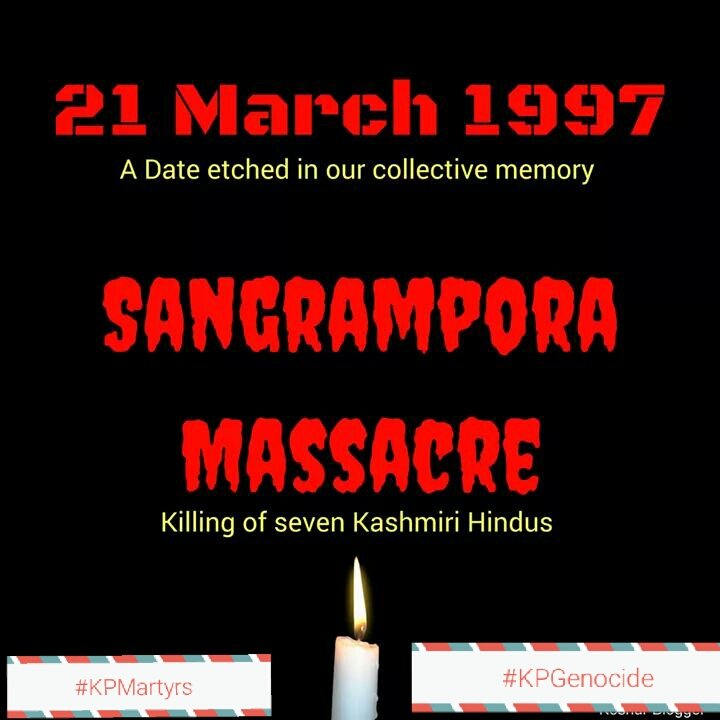
1997 NAVROZ MASSACRE OF KASHMIRI HINDUS IN SANGRAMPORA:
This is Late Shri Avtar Krishan Pandita. He was one of 7 innocent Kashmiri Hindu Pandit civilians, who were brutally murdered in rain soaked night of 21st March 1997 in Sangrampora village.
He was MY SCHOOL TEACHER too.
This is Late Shri Avtar Krishan Pandita. He was one of 7 innocent Kashmiri Hindu Pandit civilians, who were brutally murdered in rain soaked night of 21st March 1997 in Sangrampora village.
He was MY SCHOOL TEACHER too.

2
I was in 8th class of a local government school in Budgam district in Central Kashmir, where A.K. Panditaji was a popular school teacher. All pupils in his school (including me) were Muslims. He would go out of his way in encouraging those of us from poor families to study.
I was in 8th class of a local government school in Budgam district in Central Kashmir, where A.K. Panditaji was a popular school teacher. All pupils in his school (including me) were Muslims. He would go out of his way in encouraging those of us from poor families to study.
3
Sangrampora village was (it no longer exists) a Hindu village, where about 15 Kashmiri Hindu families used to live. All of these were extremely poor Kashmiri Hindus. Few like my teacher A.K. Panditaji had managed to become government school teacher through his hard work.
Sangrampora village was (it no longer exists) a Hindu village, where about 15 Kashmiri Hindu families used to live. All of these were extremely poor Kashmiri Hindus. Few like my teacher A.K. Panditaji had managed to become government school teacher through his hard work.
4
A.K. Panditaji was known as a kind & compassionate school teacher, who would reach out to Kashmiri Muslim kids from very poor families to study. He would personally arrange barbers for poor Muslim kids who suffered from fungal infection of hair & clean their wounds himself.
A.K. Panditaji was known as a kind & compassionate school teacher, who would reach out to Kashmiri Muslim kids from very poor families to study. He would personally arrange barbers for poor Muslim kids who suffered from fungal infection of hair & clean their wounds himself.
5
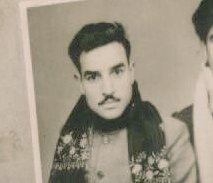
In this photo, the handsome gentleman in black muflar on left is my school teacher, late Shri Avtar Krishan Panditaji, whom we used to call "Masterji". On his right side is his paternal cousin brother Chuni Lal Bhat from Lalpora Tangmarg (few kilometers away from Sangrampora)
In this photo, the handsome gentleman in black muflar on left is my school teacher, late Shri Avtar Krishan Panditaji, whom we used to call "Masterji". On his right side is his paternal cousin brother Chuni Lal Bhat from Lalpora Tangmarg (few kilometers away from Sangrampora)

6
On fateful eve of Navroz, a group of 9 armed Kashmiri speaking terrorists went door to door calling out names of adult Kashmiri Hindu men from list that they were carrying and gathering them together. My school teacher A.K. Panditaji was also among those Kashmiri Hindu men.
On fateful eve of Navroz, a group of 9 armed Kashmiri speaking terrorists went door to door calling out names of adult Kashmiri Hindu men from list that they were carrying and gathering them together. My school teacher A.K. Panditaji was also among those Kashmiri Hindu men.
7
All Kashmiri Hindu men understood that they were in danger of getting killed. They pleaded with Kashmiri speaking armed terrorists in Kashmiri to have mercy on them. They told them that all of them belong to poor families & have small children & elderly parents to take care.
All Kashmiri Hindu men understood that they were in danger of getting killed. They pleaded with Kashmiri speaking armed terrorists in Kashmiri to have mercy on them. They told them that all of them belong to poor families & have small children & elderly parents to take care.
8
Terrified Hindu men pleaded with armed terrorists to spare them & reminded them that they did not leave Kashmir even in 1990 & had stayed back with fellow Kashmiri Muslims, to which Kashmiri terrorists rudely replied back, "Who asked you to stay back ? You bloody Kafirs."
Terrified Hindu men pleaded with armed terrorists to spare them & reminded them that they did not leave Kashmir even in 1990 & had stayed back with fellow Kashmiri Muslims, to which Kashmiri terrorists rudely replied back, "Who asked you to stay back ? You bloody Kafirs."
9
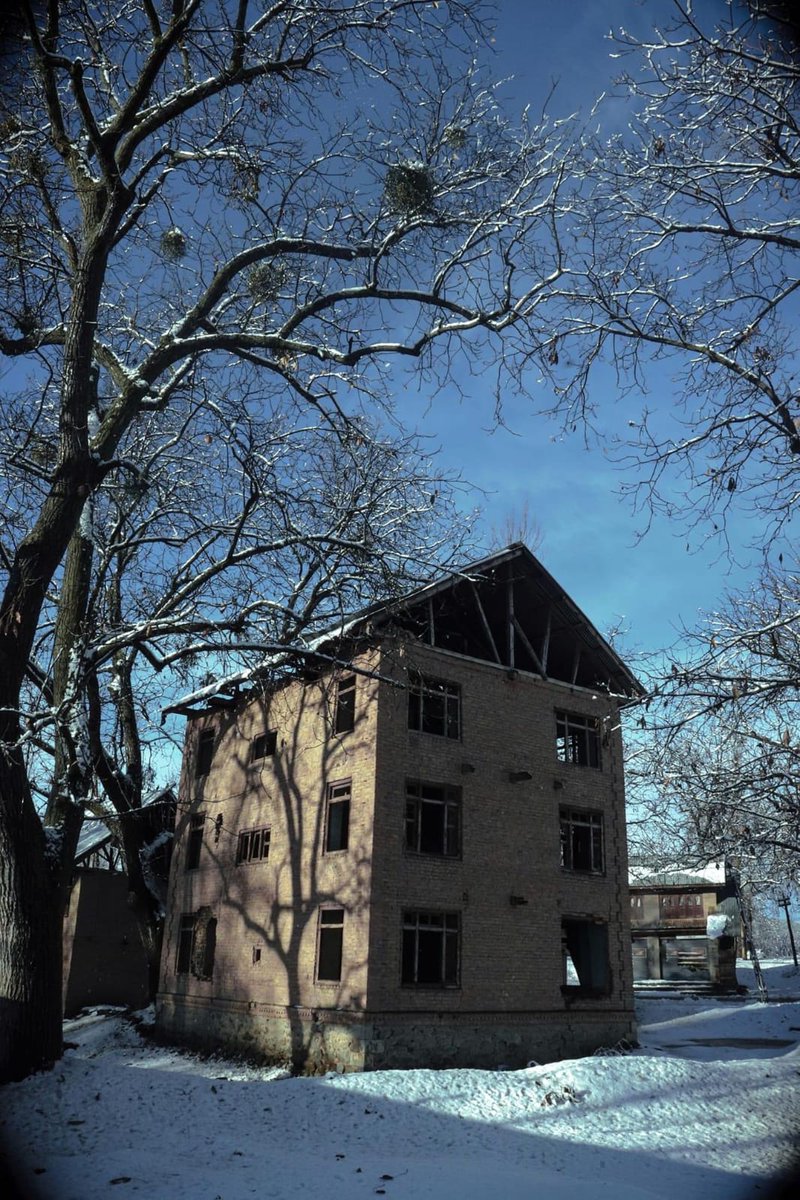
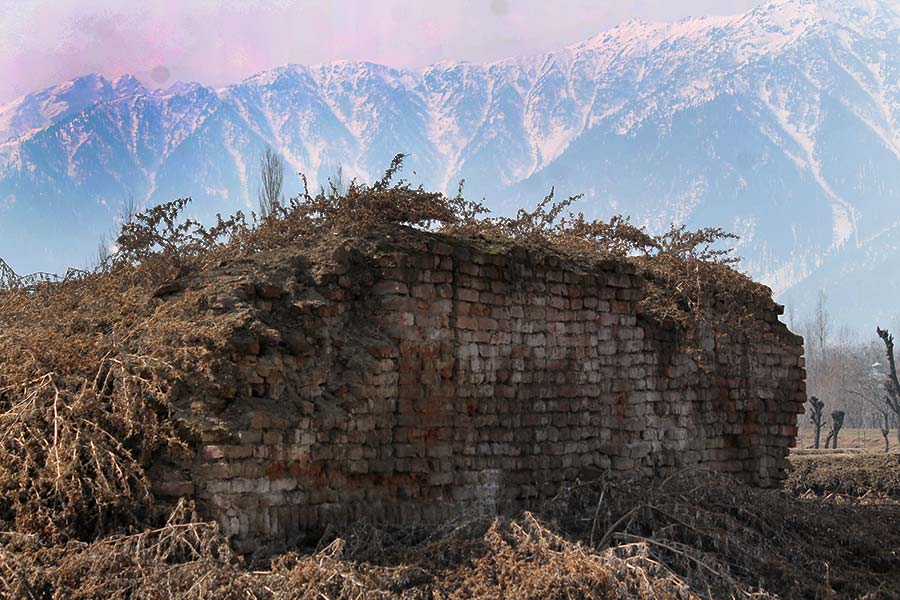
8 Kashmiri Hindus were forced to walk for a mile in dark & heavy rain. They were then made to stand in line in this spot in photo below asked asked to remove their clothes. After which, all of them were shot dead in volley of bullets, which hit them all over their bodies.
8 Kashmiri Hindus were forced to walk for a mile in dark & heavy rain. They were then made to stand in line in this spot in photo below asked asked to remove their clothes. After which, all of them were shot dead in volley of bullets, which hit them all over their bodies.
10
My teacher, late Shri Avtar Krishan Panditaji was hit by a shower of bullets on his face, such was the intensity of toxic hatred that drove brutal murder of these innocent Kashmiri Hindus. His handsome face was totally unrecognizable. Out of 8 men shot, only 1 survived.
My teacher, late Shri Avtar Krishan Panditaji was hit by a shower of bullets on his face, such was the intensity of toxic hatred that drove brutal murder of these innocent Kashmiri Hindus. His handsome face was totally unrecognizable. Out of 8 men shot, only 1 survived.
11
7 Kashmiri Hindu men massacred on that night were:
1. A.K. Pandita
2. Bhushan Lal Bhat
3. Pyaree Lal Bhat
4. Vijay Bhat
5. Trilokinath Bhat
6. Dileep Bhat
7. Sanjay Bhat
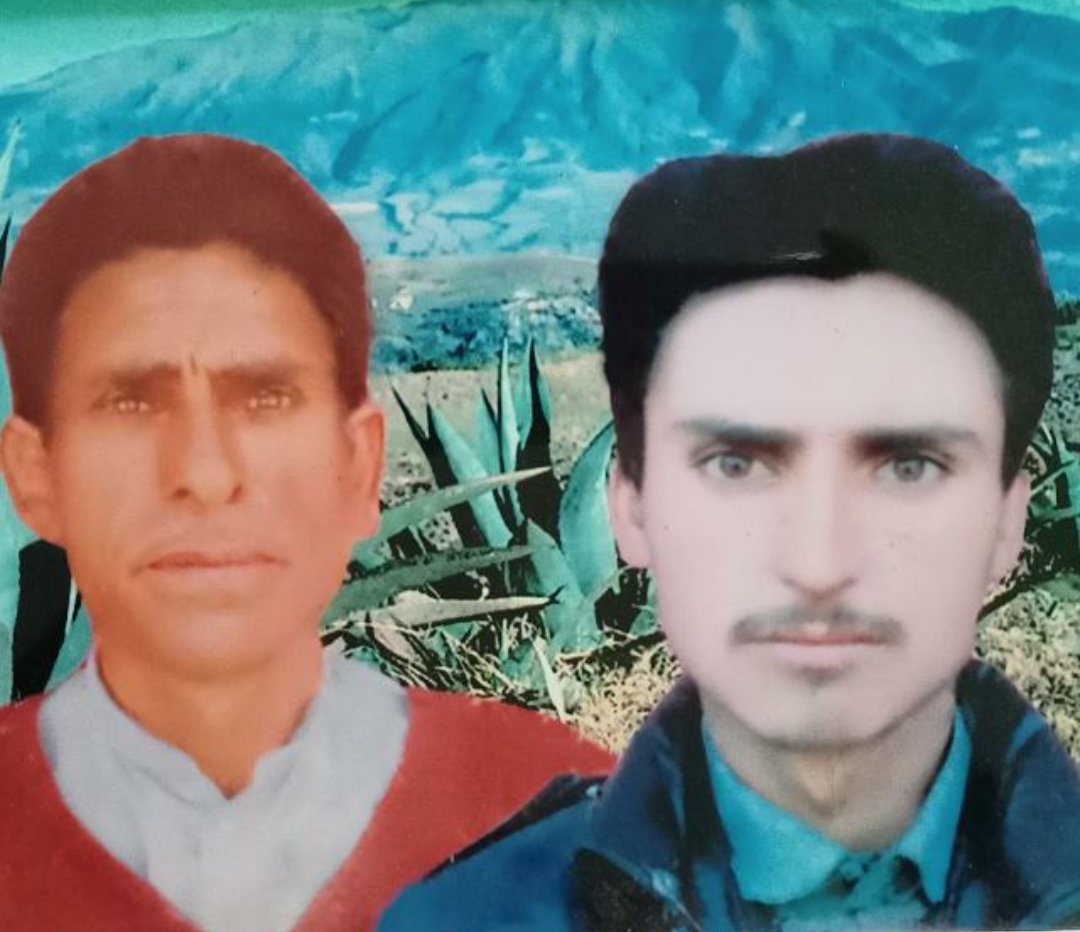
This photo below is that of Trilokinath Bhatji & his son Dileep Bhat.
7 Kashmiri Hindu men massacred on that night were:
1. A.K. Pandita
2. Bhushan Lal Bhat
3. Pyaree Lal Bhat
4. Vijay Bhat
5. Trilokinath Bhat
6. Dileep Bhat
7. Sanjay Bhat
This photo below is that of Trilokinath Bhatji & his son Dileep Bhat.
12
Massacre of 7 innocent Kashmiri Hindus personally left me completely traumatized,distraught & shocked. Brutal murder of my own school teacher just for being HINDU(or "Kafir" as gunmen called him & others) made my young impressionable mind question INJUSTICE in name of Religion
Massacre of 7 innocent Kashmiri Hindus personally left me completely traumatized,distraught & shocked. Brutal murder of my own school teacher just for being HINDU(or "Kafir" as gunmen called him & others) made my young impressionable mind question INJUSTICE in name of Religion
13
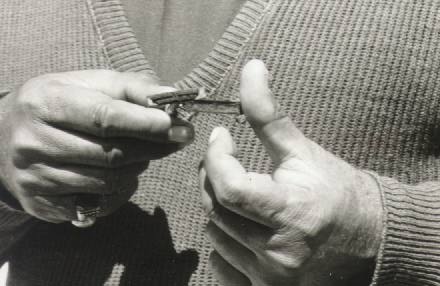
This is a spectacle of one of 7 Kashmiri Hindu victims of Sangrampora, which was picked up by someone.
Massacre literally ERASED village Sangrampora from the map as ALL HINDUS left the village after the massacre, leaving behind dilapadated ruins of Hindu houses.
This is a spectacle of one of 7 Kashmiri Hindu victims of Sangrampora, which was picked up by someone.
Massacre literally ERASED village Sangrampora from the map as ALL HINDUS left the village after the massacre, leaving behind dilapadated ruins of Hindu houses.
14
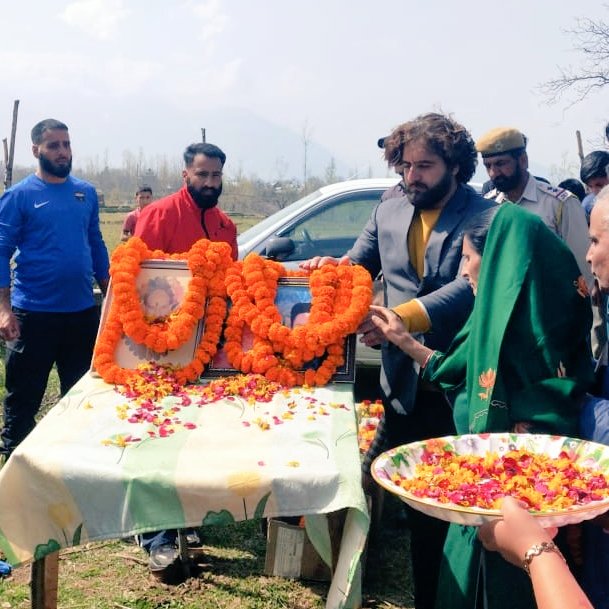
Every year on NAVROZ day, I go and spend day with Sangrampora families, some of whom were shifted from Sangrampora to a guarded enclave in Kashmir Valley.
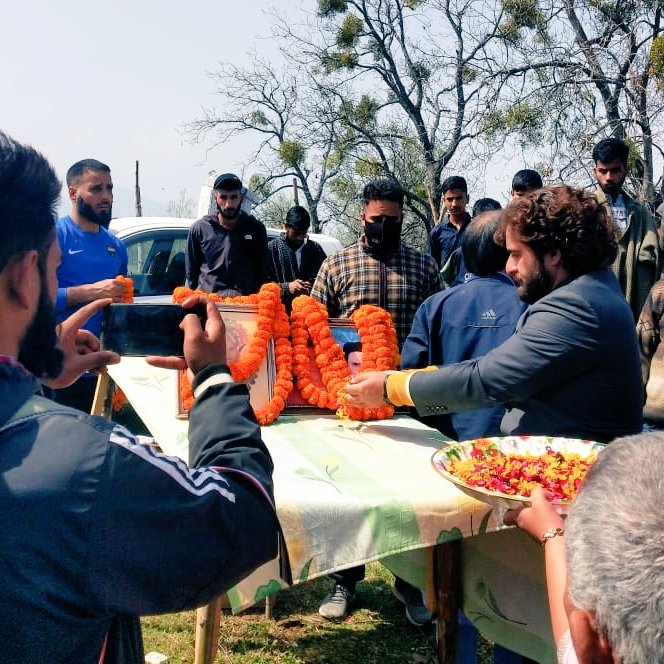
Last year, I organized small remembrance day at exact site, where 7 innocent Kashmiri Hindu men were brutally killed.
Every year on NAVROZ day, I go and spend day with Sangrampora families, some of whom were shifted from Sangrampora to a guarded enclave in Kashmir Valley.
Last year, I organized small remembrance day at exact site, where 7 innocent Kashmiri Hindu men were brutally killed.
15/15 (Last Tweet of thread)
I was young, when Sangrampora massacre happened. I saw everything unfold in front of my own eyes. I carry tremendous guilt of not being able to do anything to stop this travesty. I pray that souls of all 7 men & Panditaji is resting in eternal peace.
I was young, when Sangrampora massacre happened. I saw everything unfold in front of my own eyes. I carry tremendous guilt of not being able to do anything to stop this travesty. I pray that souls of all 7 men & Panditaji is resting in eternal peace.
• • •
Missing some Tweet in this thread? You can try to
force a refresh