We had good video games but bad internet — you had to go over to your friend’s house to play, so for a brief shining window digital technology complemented IRL hanging out rather than substituting for it.
People with XY chromosomes are incapable of meeting up just to talk without some pretextual activity and non-networked video games — which had $0 marginal cost once you owned it — were the greatest pretext ever invented.
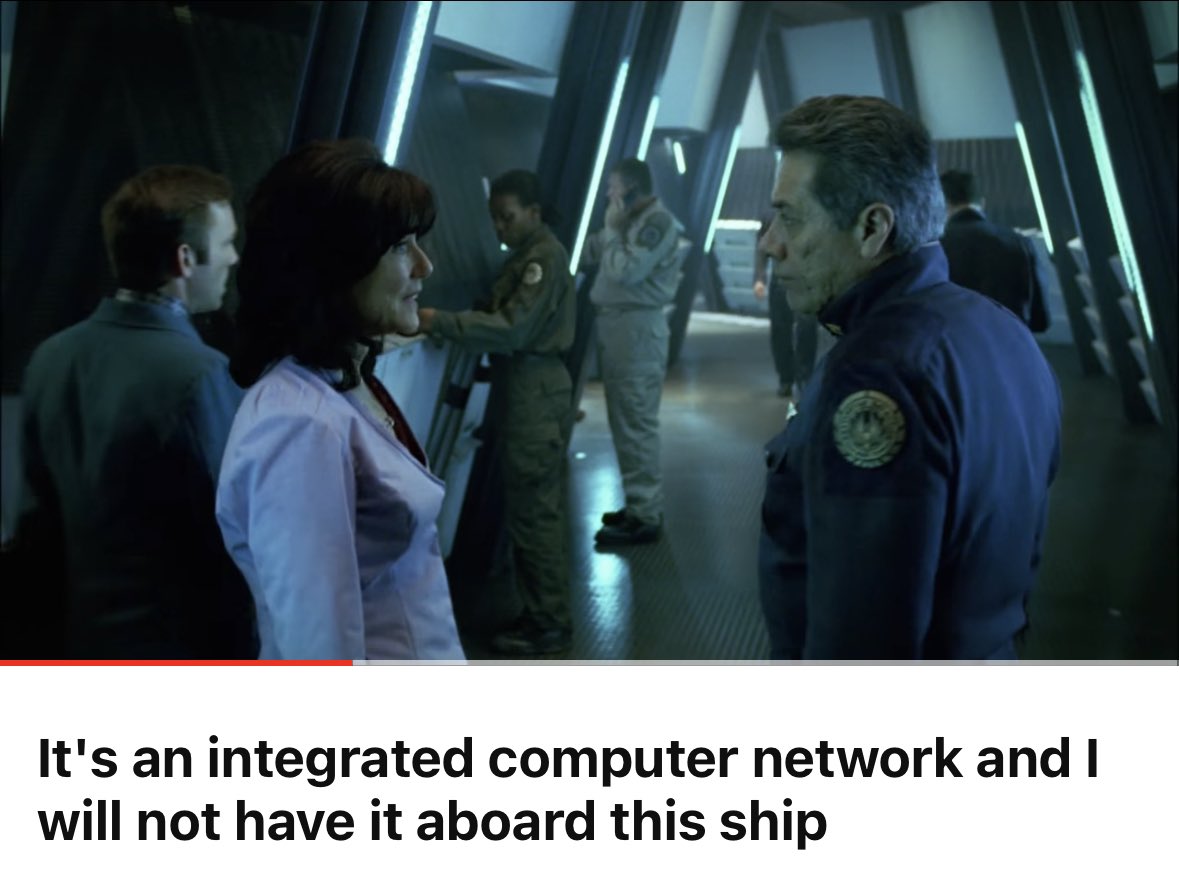
Admiral Adama tried to warn us.
• • •
Missing some Tweet in this thread? You can try to
force a refresh

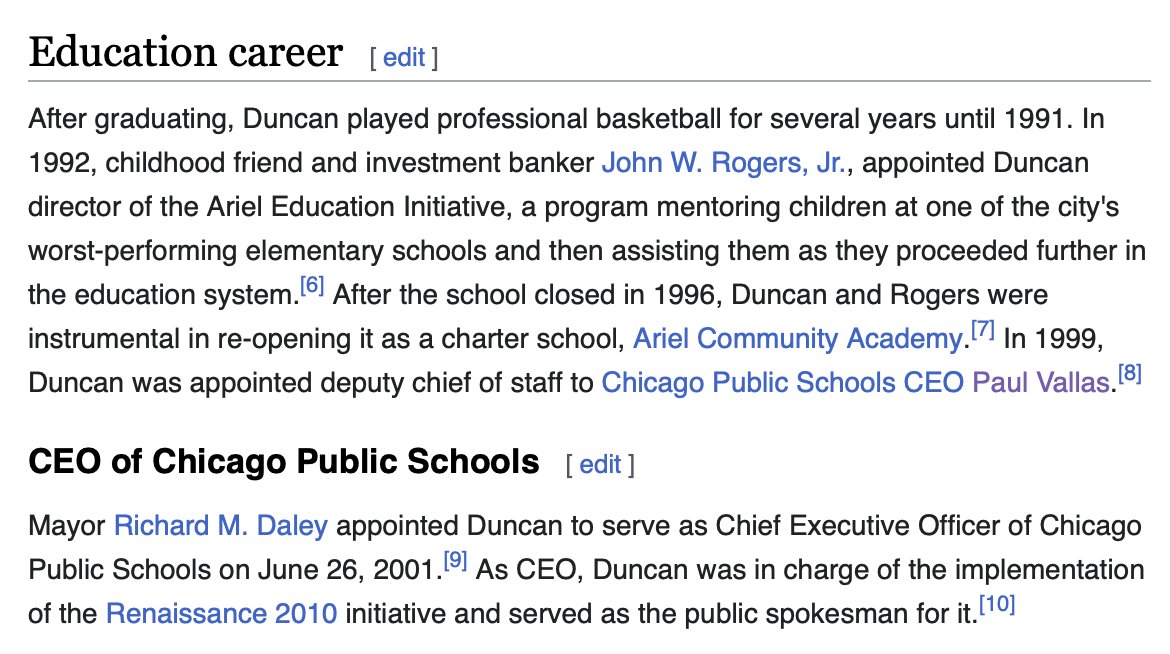
I talked to some young people yesterday who were surprised Arnie Duncan endorsed Vallas — it's certainly noteworthy but not *surprising* they aren't just aligned on education policy issues, Duncan was a key Vallas lieutenant (and his successor) at Chicago Public Schools.
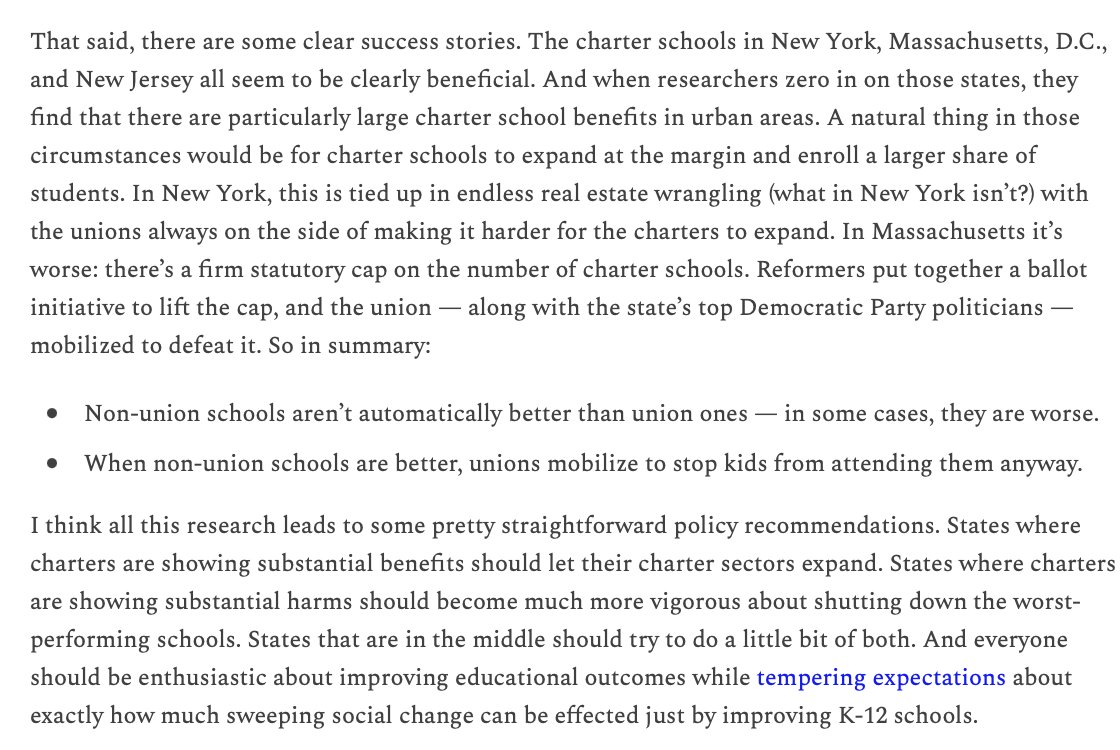
These days everyone argues about crime all the time, but back 20 years ago the cutting edge intra-Dem divide was about charter schools and Vallas & Duncan were on the same side.
Brandon Johnson is from the now-ascendant anti-charter faction.
Banning assault weapons remains slightly above water (though not relative to the rural-skewed senate map) but support for this idea has been generally falling over time and it's become dramatically less popular since the 1990s.
Something I think progressive leaders and donors and strategists are going to have to think about is that at the time of gun control's maximum political success, it was part of a seamless web of Clintonesque "tough on crime" politics.
That seems fine to me, personally, I'm all for hiring more cops, for increasing the level of routine surveillance in American cities, and in particular for catching and prosecuting more people on gun possession charges.
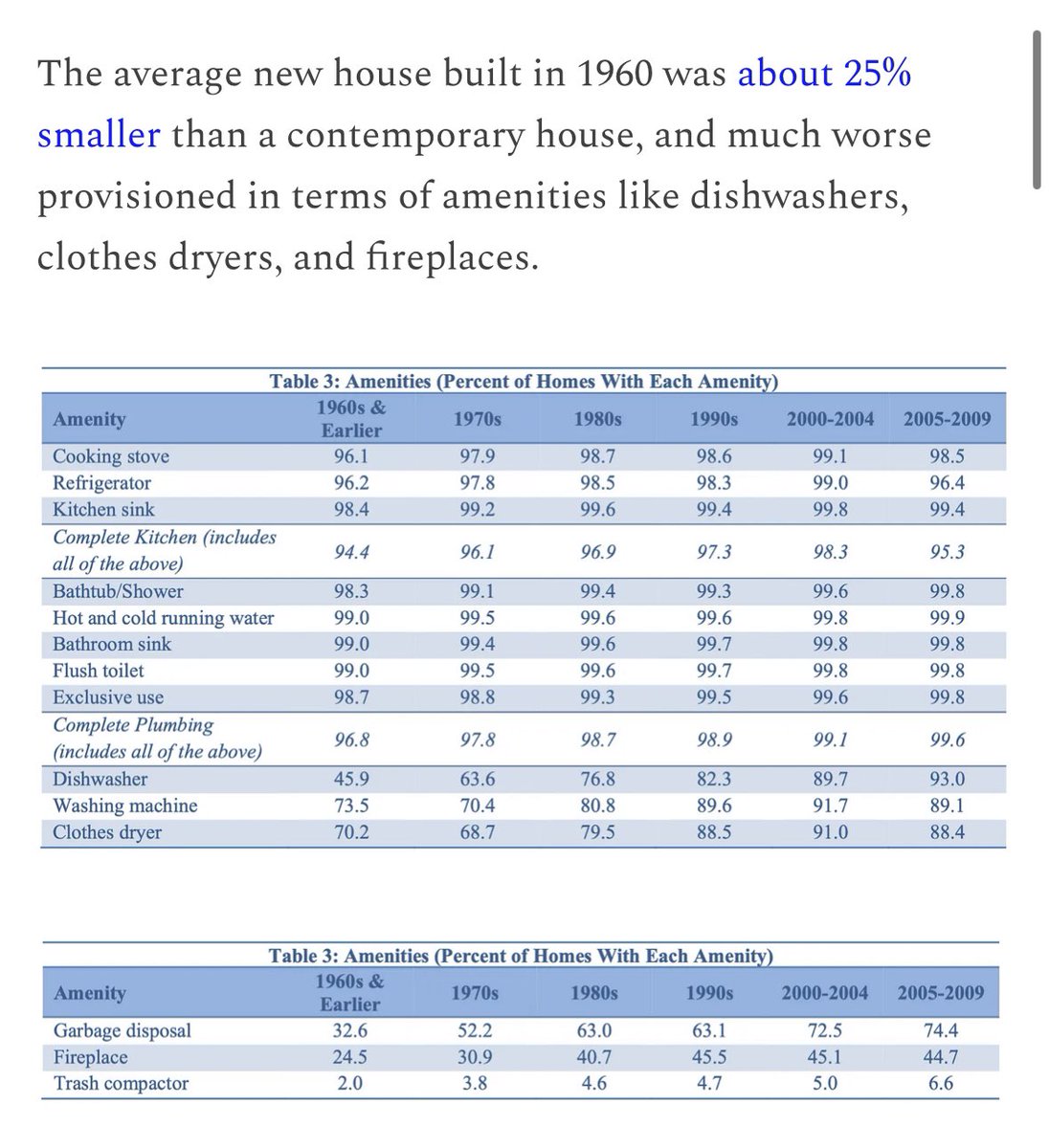
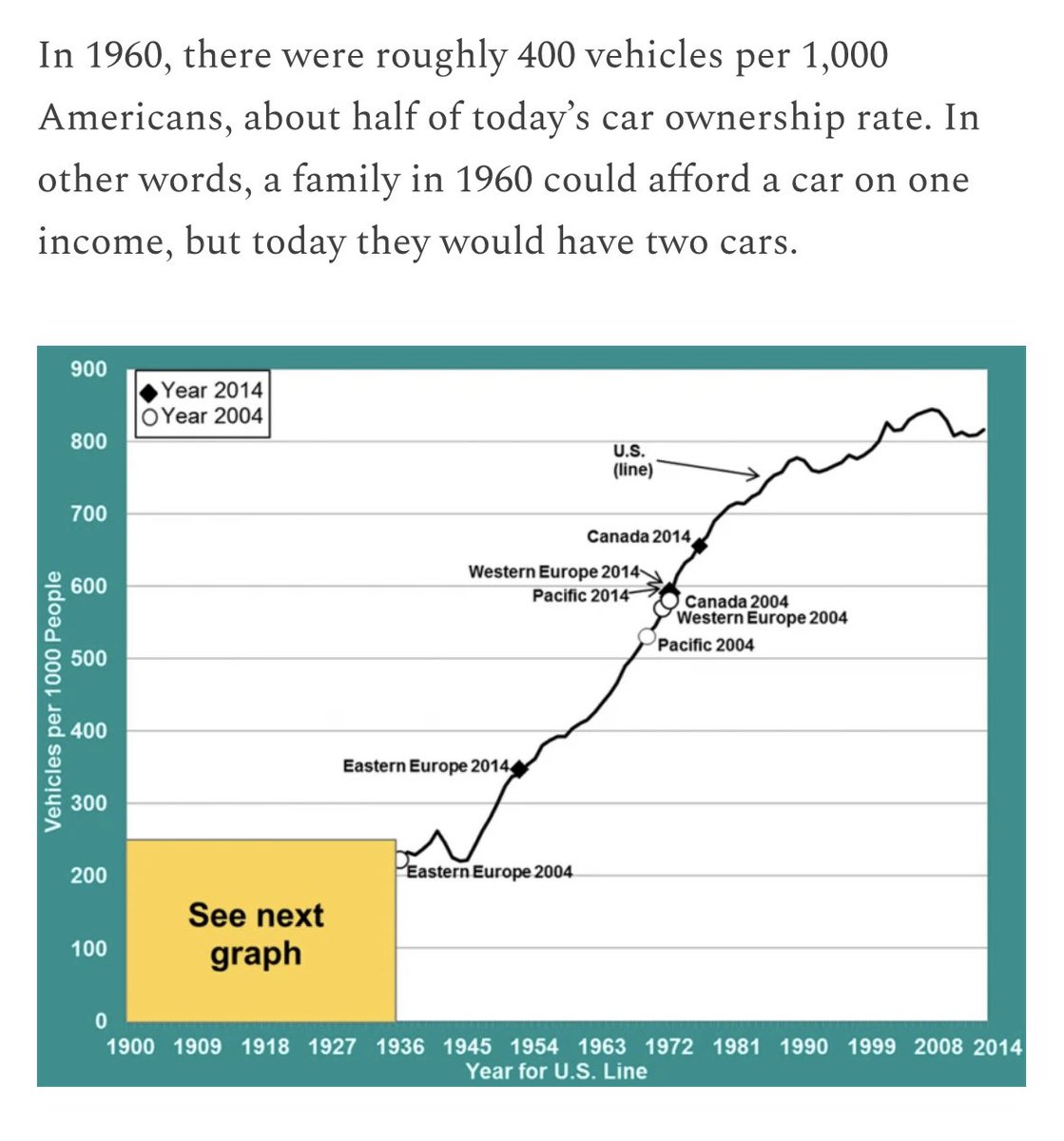
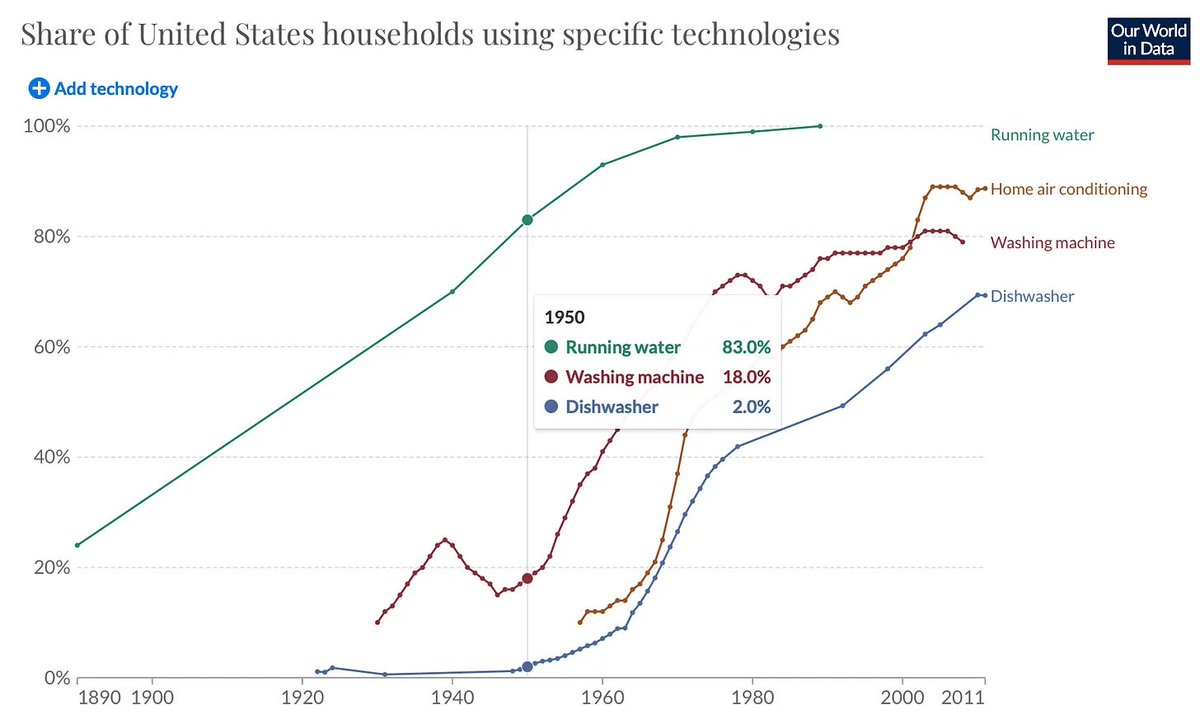
Americans back in the “good old days” were poor; their houses were 25% smaller, they mostly didn’t have dishwashers, and they had fewer cars than contemporary Europeans — nostalgia economics is totally wrong.
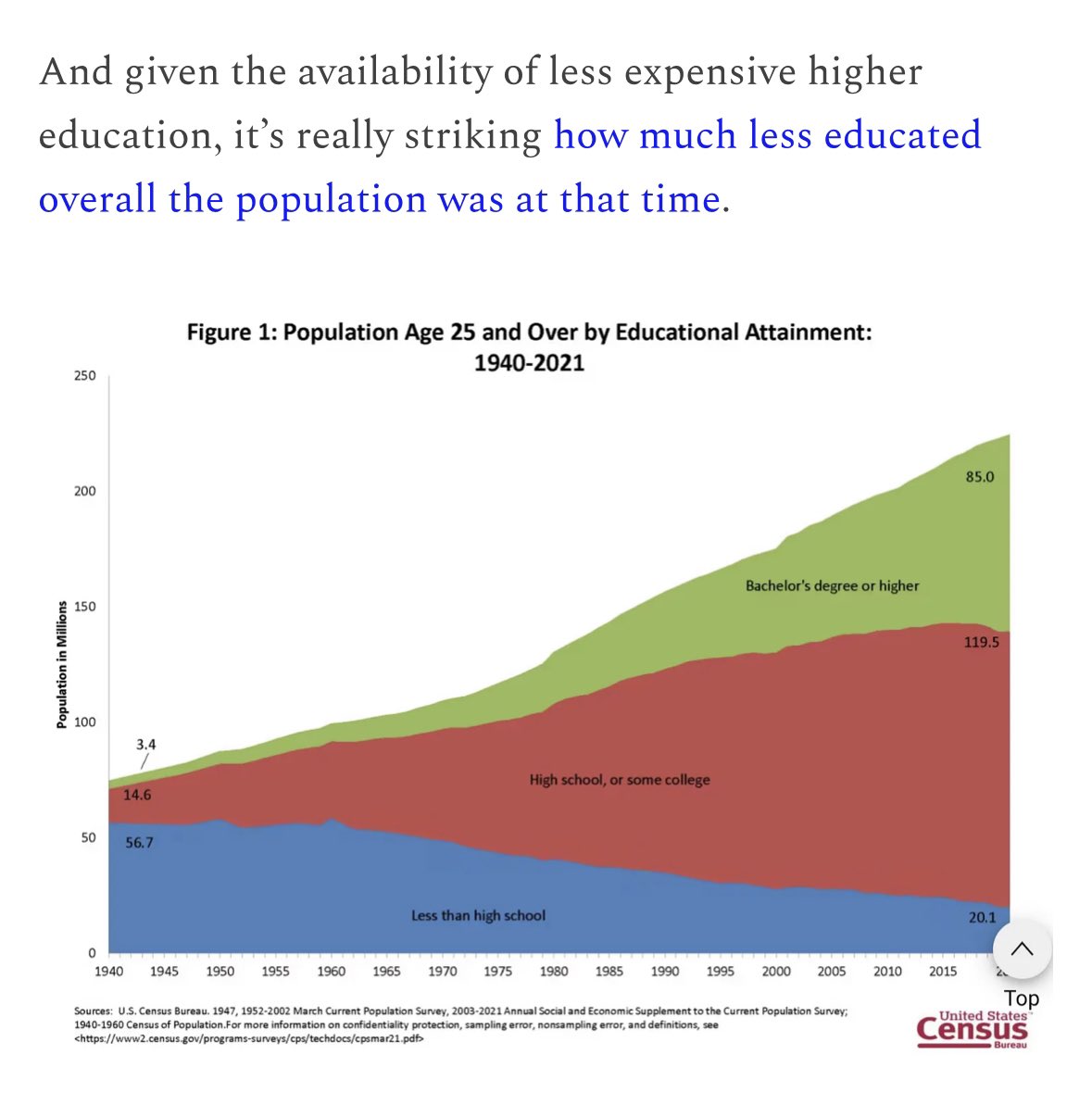
College tuition was cheaper in large part because it’s much easier to generously subsidize higher education if many fewer people are actually enrolling.
By the same token, the people who oppose legalizing windowless apartments aren't the ones sleeping in tents or homeless shelters as a result of housing scarcity.
The policy argument for legalizing windowless bedrooms is that doing so makes it much easier to do office-to-residential conversions of urban downtowns — something that I believe is broadly in the public interest regardless of your particular situation.
Vertical farming doesn’t work because the energy requirements are too high, but if it did work — if we had much more abundant sources of energy — that would solve a million other environmental problems.
That’s why it’s Exhibit A for the view that unlocking abundant energy is underrated — policy changes that might get us there are typically opposed for environmental reasons, but you could solve tons of environmental problems if you had more energy.
On nuclear, it makes safety regulations that use a comprehensive cost-benefit framework and consider the upside of having more zero-emissions heat & electricity and not just the risks.
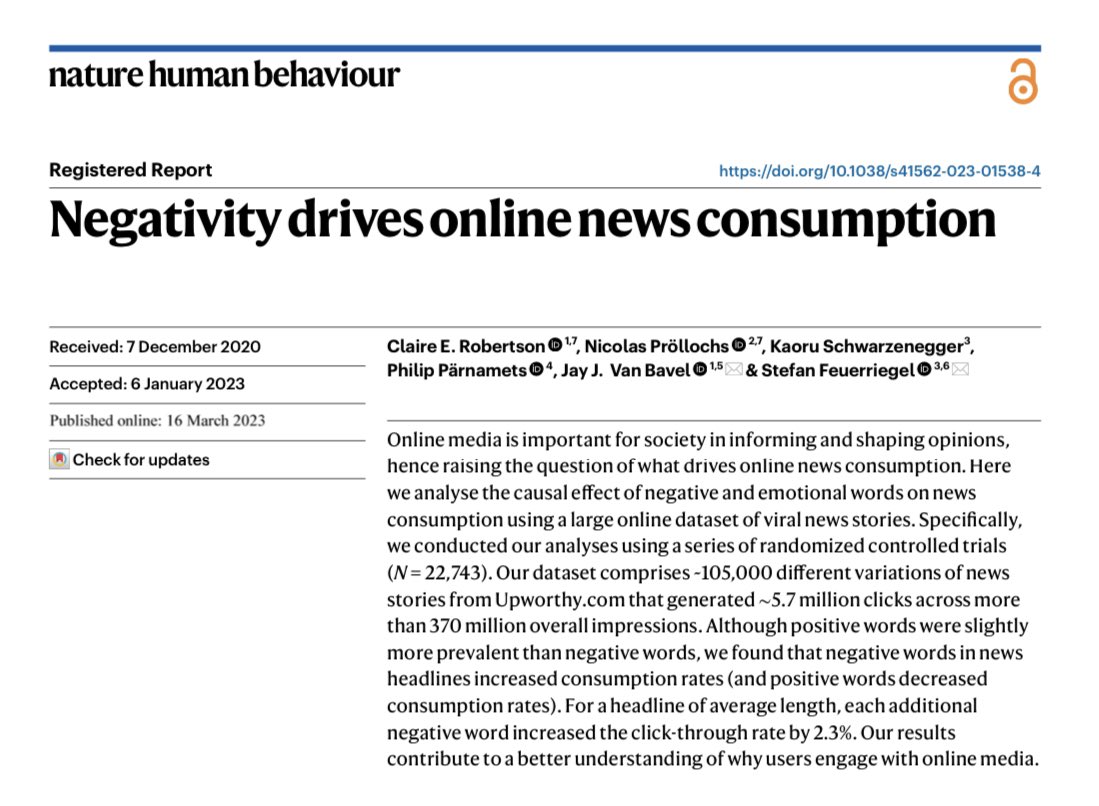
Thanks to huge technological advantages the market for news is now much more competitive, much more efficient, and much better-measured so people get more of what they want — which turns out to be relentless negativity.
This is why I don’t think “it’s the phones” vs “it’s the politics” are exactly disjoint explanations — phones expose us to dramatically more doomer politics.
By the same token, when people disconnect from Facebook they become less informed about politics, they spend more time with friends, and they become happier.