Some people say that there's no feminism in Japan.
Here's a century-plus of prominent Japanese feminists and their work. 🧵
Kusunose Kita (楠瀬喜多), a 45-year-old widow and landowner, sued the Japanese government in 1875 and refused to pay taxes because they wouldn't allow her to vote. Her victory was short-lived but she became known as the "Grandma of Civil Rights" in Japan.
Kishida Toshiko (岸田俊子) was one of Japan's first-wave feminists. Her "Daughters in Boxes" speech in 1883 and her strong championing of women's rights were so forceful that local authorities imprisoned her.
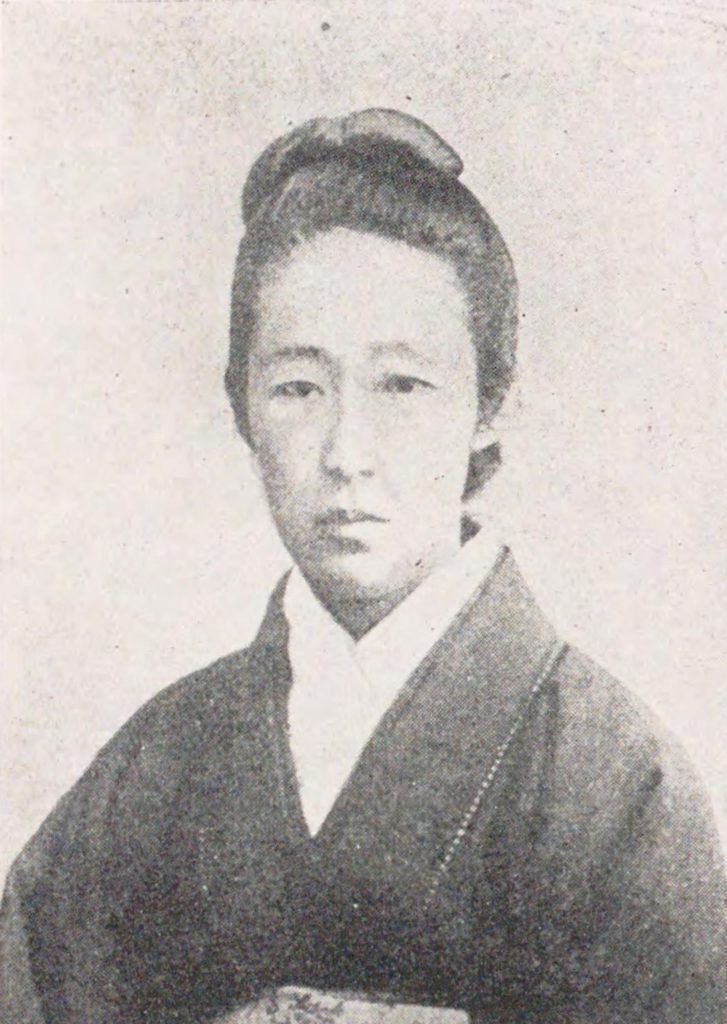
Hiratsuka Raicho (平塚らいてう) founded Bluestockings, Japan's famous feminist literary journal, in 1911, and helped found the New Woman's Association. She made waves for her "outrageous" behavior, including living with her partner outside of marriage. unseenjapan.com/hiratsuka-raic…
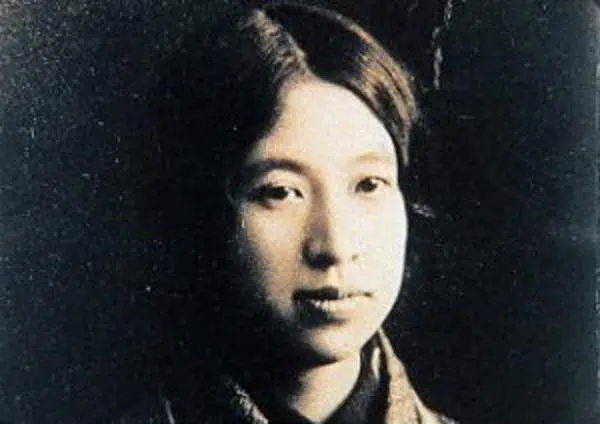
Ichikawa Fusae (市川房江) founded the New Woman's Association along with Hiratsuka Raicho at a time when Japan's Article 5 forbid women from any sort of organized political activity. She would go on to serve 25 years in political office after the war. unseenjapan.com/whos-who-ichik…
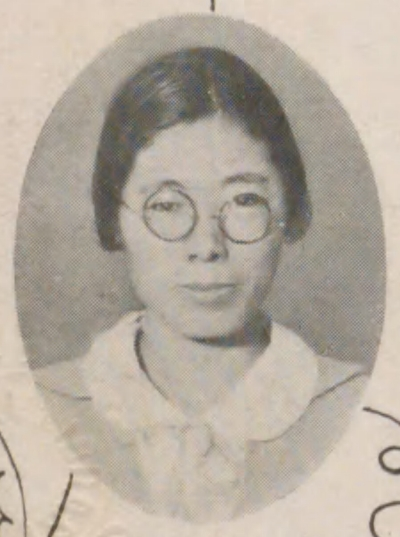
Oku Mumeo (奥むめお) led the New Woman's Association after Ichikawa Fusaeu and successfully repealed Article 5, allowing Japanese women to participate in political life.
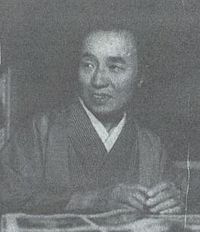
Tanaka Mitsu (田中美津) helped lead Japan's second wave of feminism after a lull in the post-war period. Tanaka rallied against the conception of women either as "a mother or a toilet" and founded the Group of Fighting Women (グループ戦う女達) to press for women's rights.
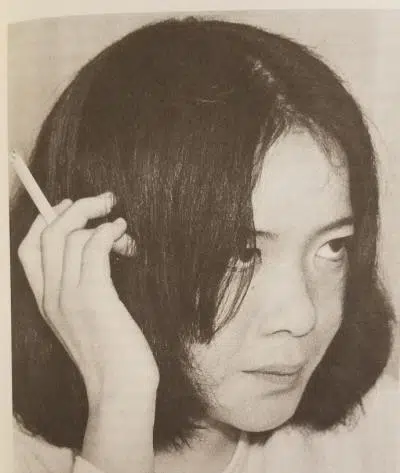
Matsui Yori (松井やより) helped bring about the 2000 Women’s International Tribunal on Japanese Military Sexual Slavery and spent much of her career reporting on sexual oppression and sex tourism in Asia.
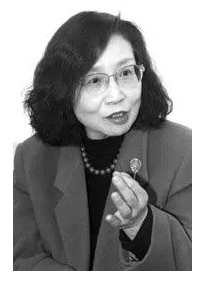
Ito Shiro (伊藤詩織) pursued legal action afetr police and prosecutors refused to pursue her rapist. Her fight and victory belatedly brought the #MeToo movement to Japan and sparked a larger discussion about the treatment of women in Japanese society. unseenjapan.com/ito-shiori-jou…
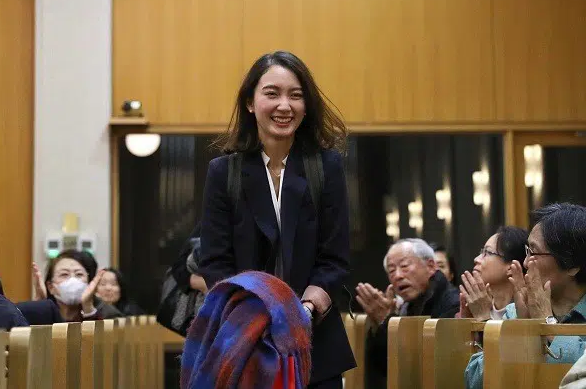
For more on these and other extraordinary Japanese women, see our three-part series on feminism in Japan:
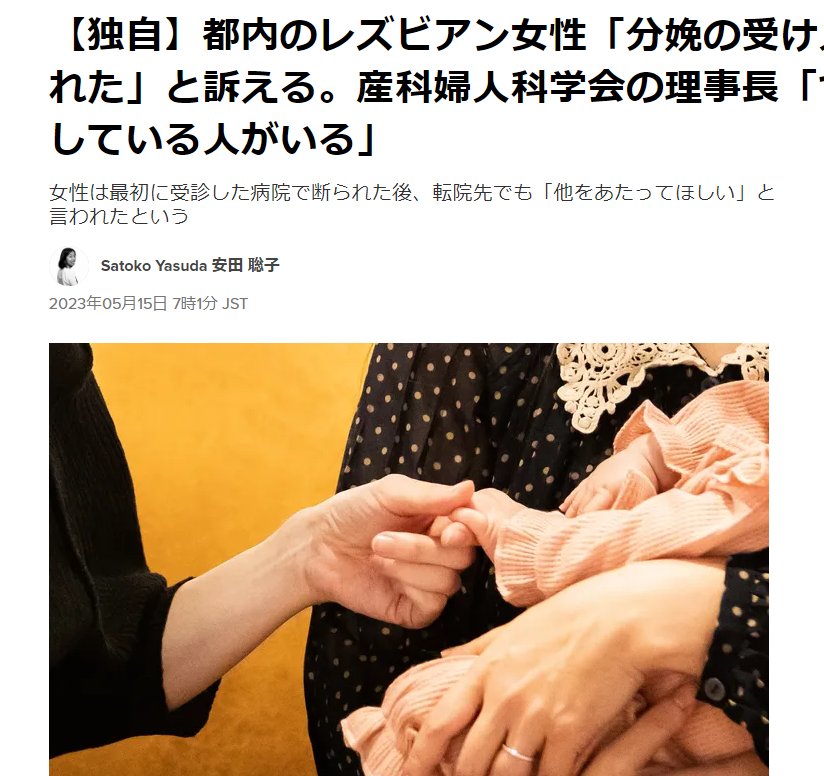
A lesbian couple in Tokyo says they were refused assistance in the delivery of their baby by two different hospitals. One physician flat out told the couple the hospital likely wouldn't provides services to a same sex couple.
The couple said they were also told that, because they used a sperm donor, the hospital feared being sued by the unknown father if a procedure like abortion was necessary. Japanese law holds that the father's permission isn't required if a couple isn't married.
Even when the couple did find a hospital that would accept them, they say they endured discriminatory comments from the hospital's director, who said they "didn't want to deny" LGBTQ+ relationships but wondered out loud if a lesbian couple having a child was "a good thing".
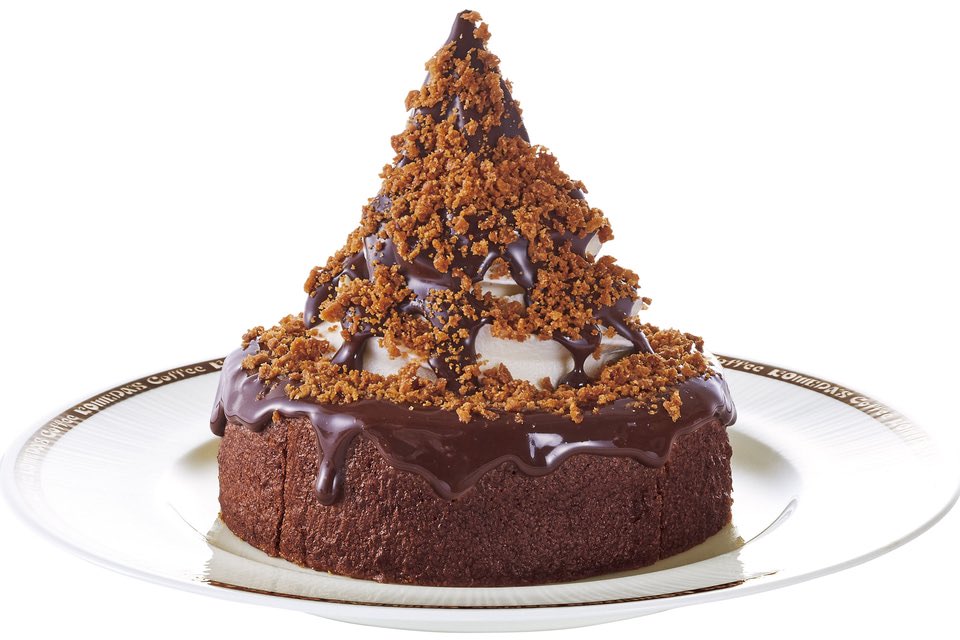
This is why we can’t have nice things: kissa (cafe) chain Komeda has temporarily stopped selling its kuro-neige black montblanc dessert. It appears anime otaku have been over-ordering it after a similar poop-shaped dessert was featured in the anime Lycoris Recoil.
This is our second time covering Lycoris Recoil. Previously the anime made news when its creative team felt forced to tell fans not to smoke a flower that is, in fact, poisonous. unseenjapan.com/lycoris-recoil…
Shocking - shocking! - to see that the dude blogging for fascist dollars knows as little about Japan as he does the US.
While a lot of progress still needs to be made (particularly for trans folks), understanding/acceptance of LGBTQ people in Japan moves forward.
A majority of Japan supports marriage equality, even though the main conservative political party is resistant. But even the LDP brass is working to pass an LGBT understanding bill. For now, partnership systems cover over half of Japan's population. unseenjapan.com/lgbt-partnersh…
Recent surveys show a majority in Japan - a large majority, in fact - believe sexual diversity ought to be honored. unseenjapan.com/sexual-diversi…
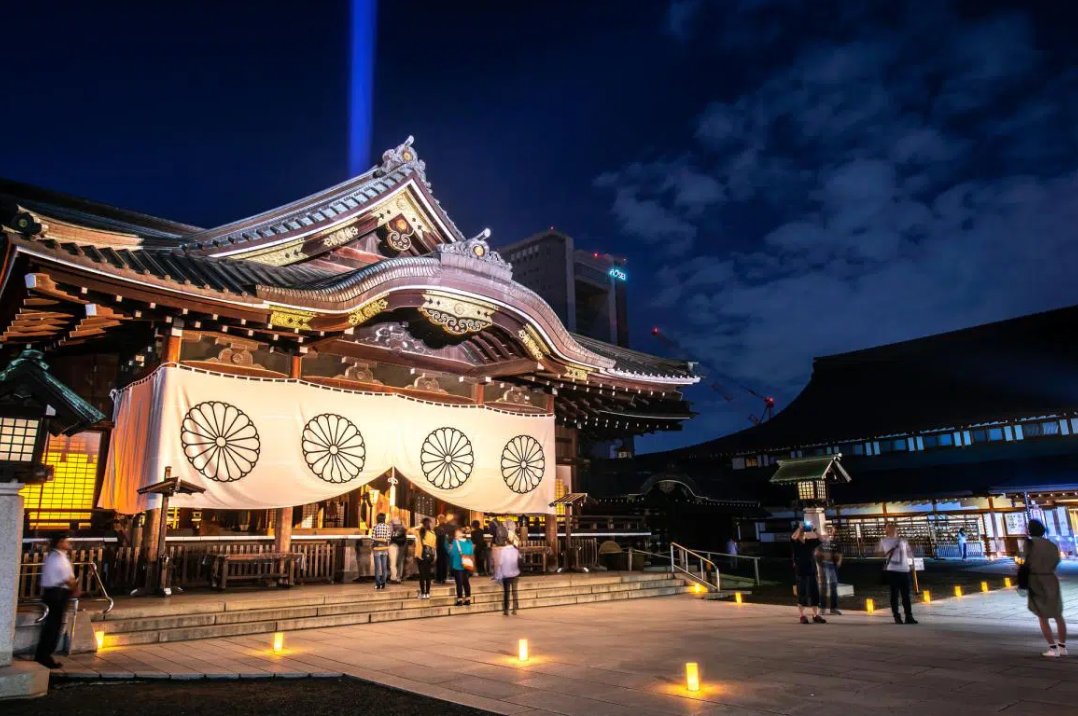
Why is Yasukuni Shrine (靖国神社) in Japan so controversial? It comes down to the 14 Class-A war criminals enshrined there - people who were never, in reality, supposed to be enshrined in the first place.
Emperor Meiji constructed Yasukuni it under a different name (Tokyo Shokonsha) in 1869 to commemorate soldiers who died for the country after the Boshin War (1868-1869). He renamed it in 1879 to Yasukuni - "peaceful country".
There are over 2,466,000 souls enshrined at Yasukuni, including Sakamoto Ryoma, one of the samurai responsible for ending Japan’s feudal rule. But there are also 1,068 convicted war criminals and 14 class-A war criminals, including Hideki Tojo.
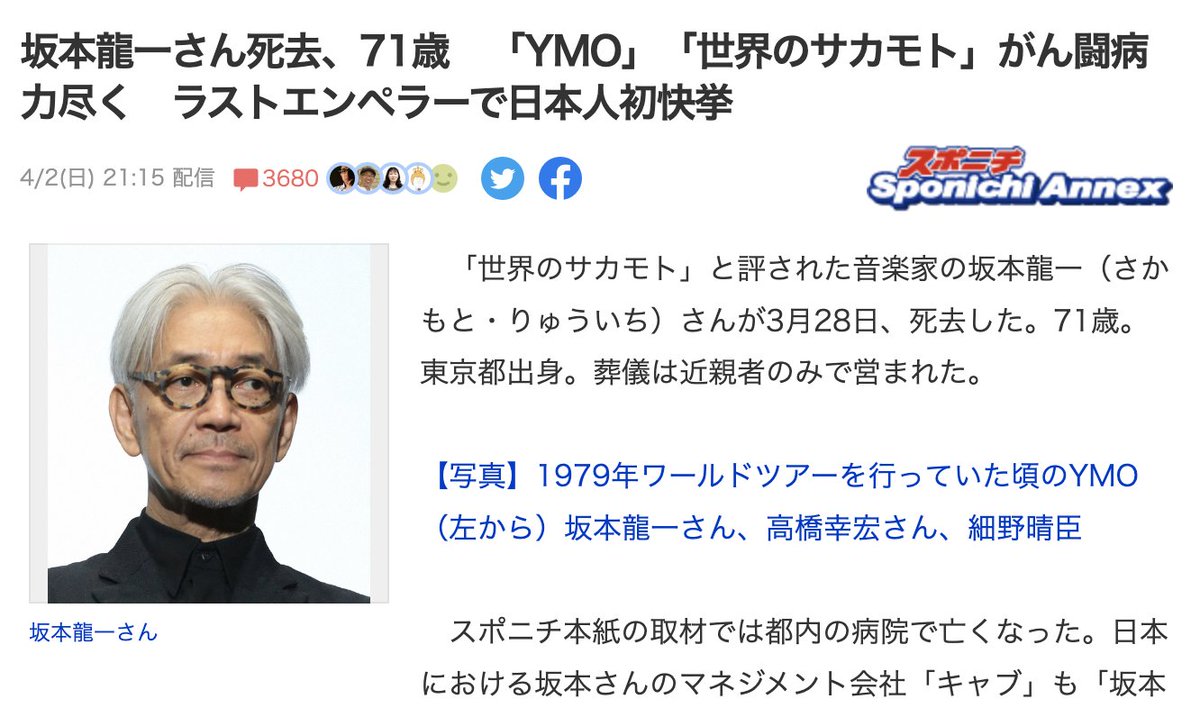
Renowned composer Sakamoto Ryuichi (坂本 龍一) has passed away at the age of 71. Sakamoto was a noted electronic music pioneer and international award-winning soundtrack composer, having supplied iconic scores for movies like Merry Christmas, Mr. Lawrence and The Last Emperor.
Sakamoto began playing piano at the age of 3, and in 1978 formed the influential electronic music band Yellow Magic Orchestra with Hosono Haruomi and Takahashi Yukihiro. In film, he not only composed award winning scores, but also acted as well.news.yahoo.co.jp/articles/4c170…
In December, Sakamoto streamed what he believed might be his last concert performance. It featured Sakamoto playing the piano solo, each song recorded separately, as cancer had sapped his strength. Viewers in over 30 countries tuned in.
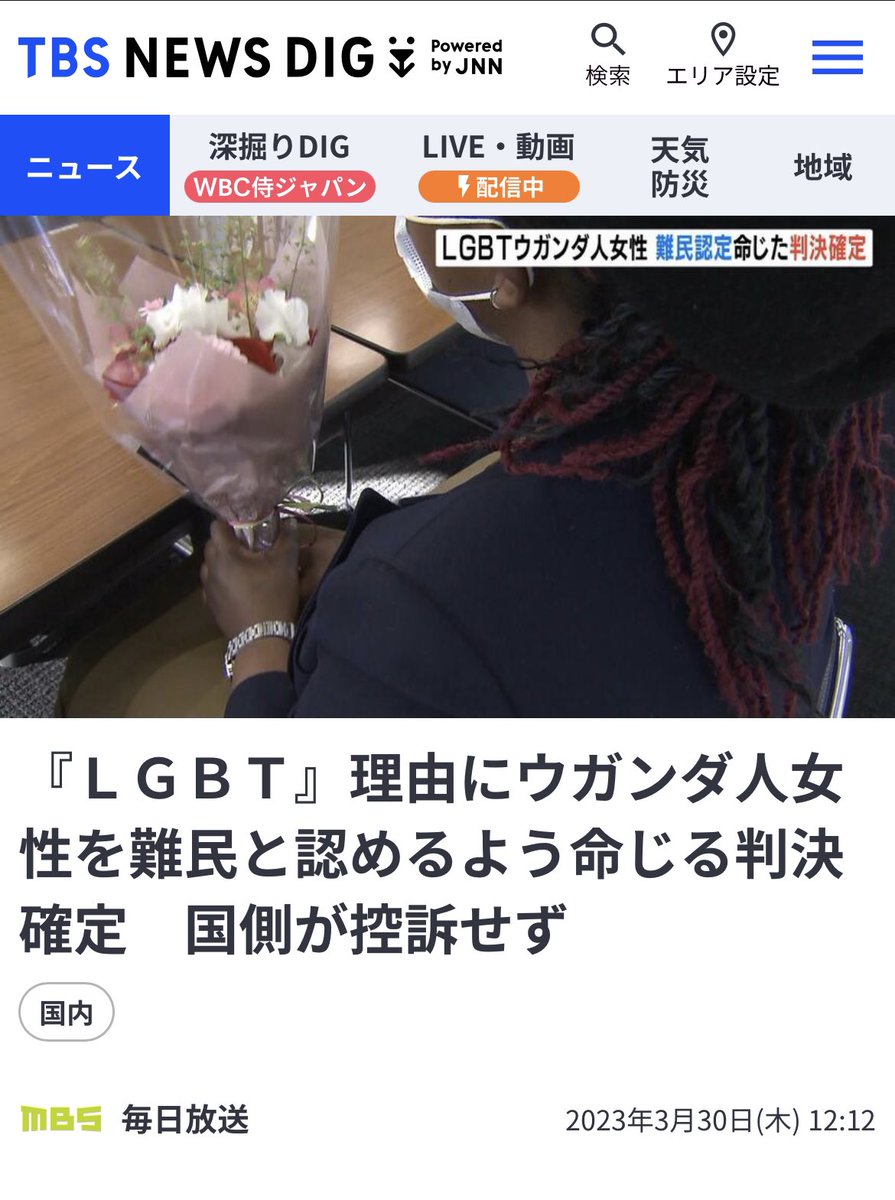
Fantastic news for a persecuted Ugandan LGBTQ woman who was awarded refugee status by a court in Japan: the Immigration Services Agency says it won’t appeal the court’s ruling, meaning her refugee status is confirmed!
We wrote about this case here. It’s the first time a court in Japan has awarded refugee status on the basis of someone’s sexual identity. ISA refused her request for refugee status twice. unseenjapan.com/lgbtq-refugee-…