Read on Twitter
The long term operational patterns of the Russo-Ukrainian War can be seen here in this tweet⬇️
"Lanchester Square Law Collapse"🧵
1/
"Lanchester Square Law Collapse"🧵
1/
https://twitter.com/secretsqrl123/status/1643420388561506304
Ukraine has more mobilized manpower in formed units.
So it can rotate units out of the line, add replacements, train them up and then move them back in the line.
The use of the Ukrainian National Guard in the line is so heavier units can be placed into an offensive reserve
2/
So it can rotate units out of the line, add replacements, train them up and then move them back in the line.
The use of the Ukrainian National Guard in the line is so heavier units can be placed into an offensive reserve
2/
Russia's 1st line army units at the start of the war have, in many cases, been destroyed multiple times.
Historical 20th century casualty data* shows a unit losing 1/3 of its at start manpower quickly becomes "combat ineffective" & needs to be rotated out of the line
*See⬇️
3/
Historical 20th century casualty data* shows a unit losing 1/3 of its at start manpower quickly becomes "combat ineffective" & needs to be rotated out of the line
*See⬇️
3/


...to be rebuilt.
Russia has regularly had 1st line inf. units go better than 50% casualties in this war.
There is an additional problem in that troops in combat continually for 180 days or something larger than 180 days in a year are "fought out" as front line combat troops
4/
Russia has regularly had 1st line inf. units go better than 50% casualties in this war.
There is an additional problem in that troops in combat continually for 180 days or something larger than 180 days in a year are "fought out" as front line combat troops
4/
We are over 400 days into this war.
The Sept 2022 & Jan 2023 Russian 'mobilizations' were in many ways desperation moves to plug the front lines in Ukraine with bodies because the survivors of the 'at start' Russian infantry & Jun 2022 LPR/DPR Mobiks were 'clocking out.'
5/
The Sept 2022 & Jan 2023 Russian 'mobilizations' were in many ways desperation moves to plug the front lines in Ukraine with bodies because the survivors of the 'at start' Russian infantry & Jun 2022 LPR/DPR Mobiks were 'clocking out.'
5/
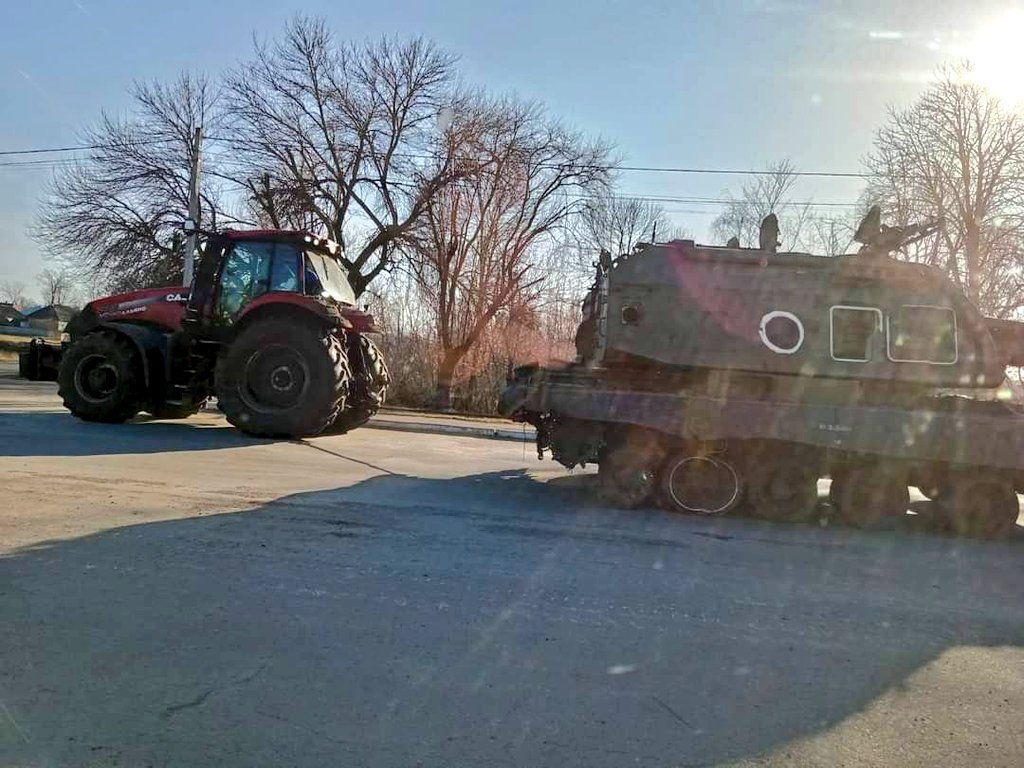
Additionally, both Ukraine and Russia have been burning out heavy combat equipment at a huge rate.
Ukraine has been better able to recover damaged equipment with the 'farm tractor brigades' and using East European NATO facilities to help repair them.
6/
Ukraine has been better able to recover damaged equipment with the 'farm tractor brigades' and using East European NATO facilities to help repair them.
6/
Russia has had to pull T-80, T-72, T-62's and now T-55's from 'reserves' to replace losses with a smaller total AFV repair capability.
Simply put, NATO tank & AFV repair shops have more money to fabricate spares, plus access to modern electronics, that Russia does not.
7/
Simply put, NATO tank & AFV repair shops have more money to fabricate spares, plus access to modern electronics, that Russia does not.
7/
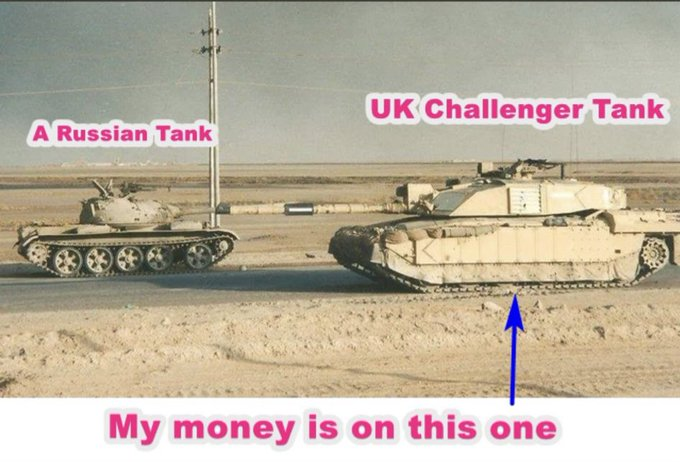
Thus new Russian units with 'Mobiks' are getting lighter and less mechanized over time, with diminishing capability to repair what they have, because cadre to train Russian specialists were fed into the meatgrinder in April-May 2022.
8/
8/
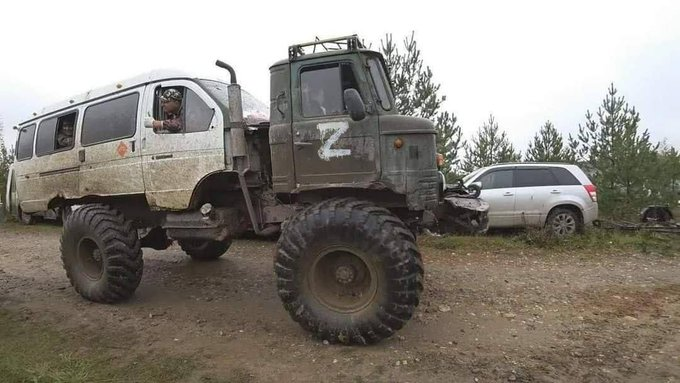
Ukraine's Army is getting not only new specialists trained in NATO army training facilities to operate new Western equipment.
It is getting INSTRUCTORS trained on this equipment to train more Ukrainians.
9/
It is getting INSTRUCTORS trained on this equipment to train more Ukrainians.
9/
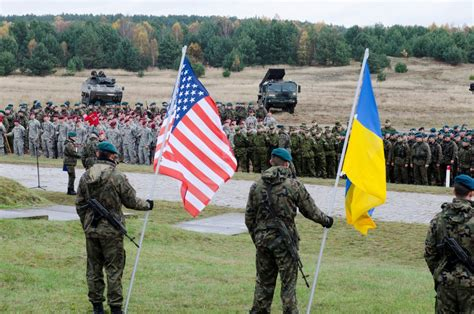
The two different trajectories of force development in the face of attrition over time is leading to something called "Lanchester Square Law Collapse."
I've mentioned it in previous threads.
10/
I've mentioned it in previous threads.
10/
https://twitter.com/TrentTelenko/status/1626320243848093699
It means the quality of one side collapses versus it's opponents such that it take more & more effort for less military effect.
The collapse of Japanese airpower in late 1943 - early 1944 after more than a year of attritional South Pacific air battles is a classic example.
11/
The collapse of Japanese airpower in late 1943 - early 1944 after more than a year of attritional South Pacific air battles is a classic example.
11/
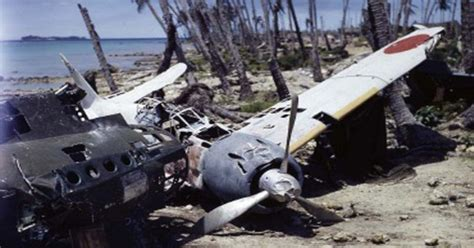
So were the collapses of the German U-boat fleet on May 1943 Atlantic convoy battles and the German fighter air arm between Feb and May 1944.
12/
12/
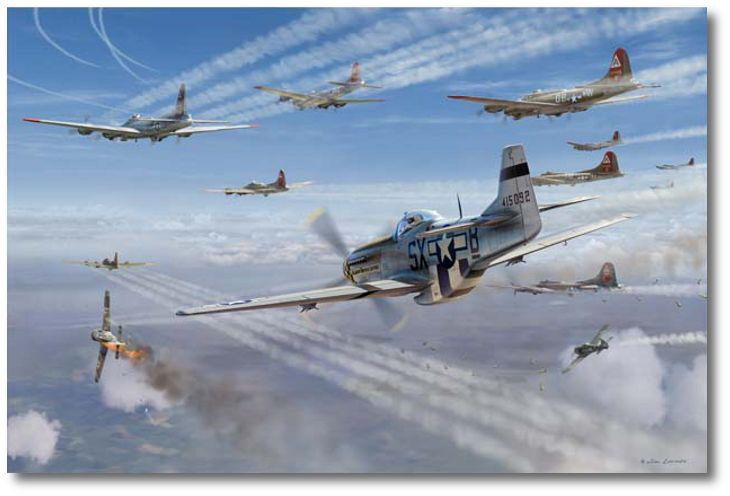
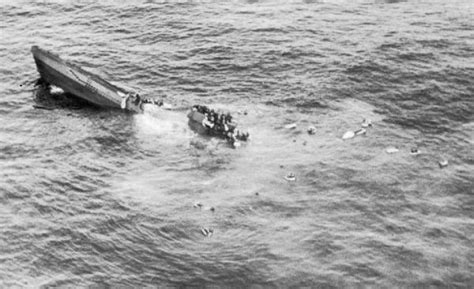
We all need to watch for signs of a similar collapse of Russian ground fighting power in the coming weeks.
The 7-to-1 KIA exchange rates Ukraine has claimed versus the Russians at Bakhmut & masses of destroyed AFV's at Avdiivka are promising developments in that regard.
13/13
The 7-to-1 KIA exchange rates Ukraine has claimed versus the Russians at Bakhmut & masses of destroyed AFV's at Avdiivka are promising developments in that regard.
13/13
@threadreaderapp unroll please
• • •
Missing some Tweet in this thread? You can try to
force a refresh