
Who is crazier? Me or them? They are international development organizations and foreign govts. I am hell-bent on recovery of Ukraine. They say they are too. They believe in data and methodology. I believe one must feel to understand. 1/ 
We have been trained in the same universities, got PhDs, had advisors, attended conferences, and published in the same journals. Some more successfully, others less. But roughly we all institutionalized in a very similar way. 2/
We believe in markets, in setting up the rules of the game, we trust conditionality frameworks and models that forecast GDPs. The problem is that these models and frameworks are challenged by war 3/
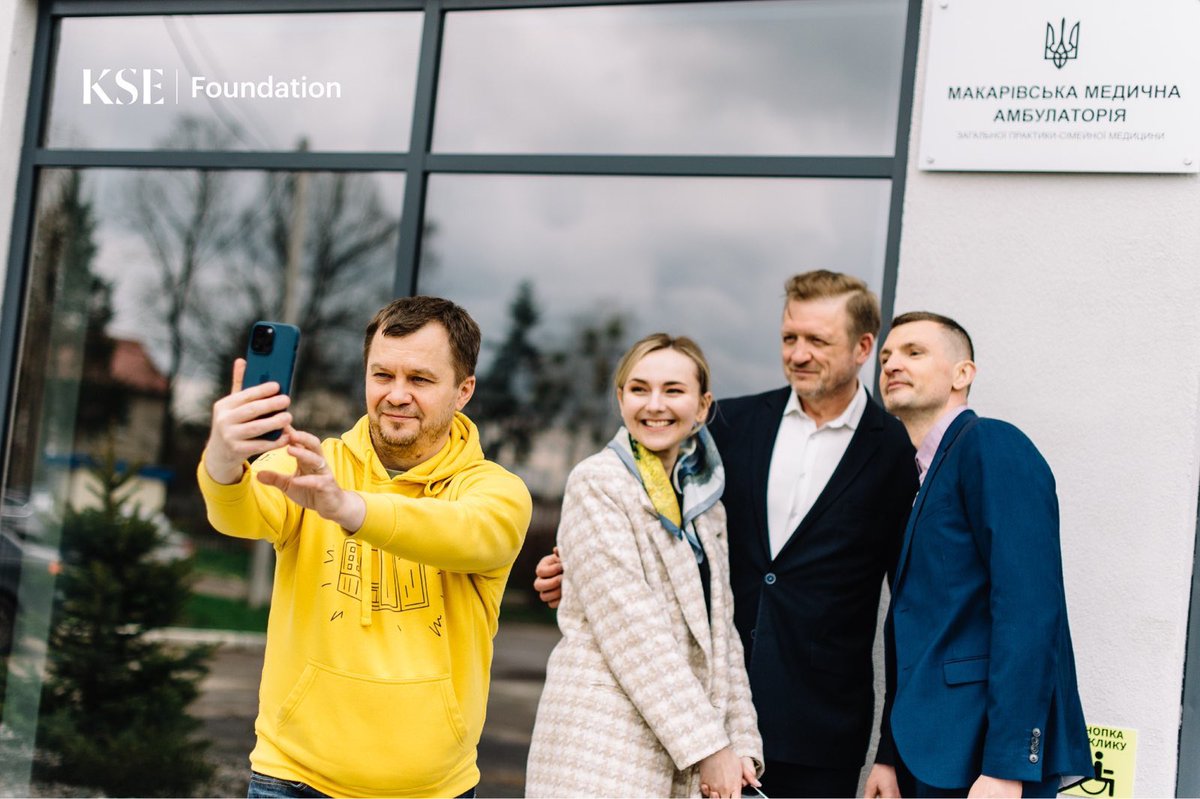
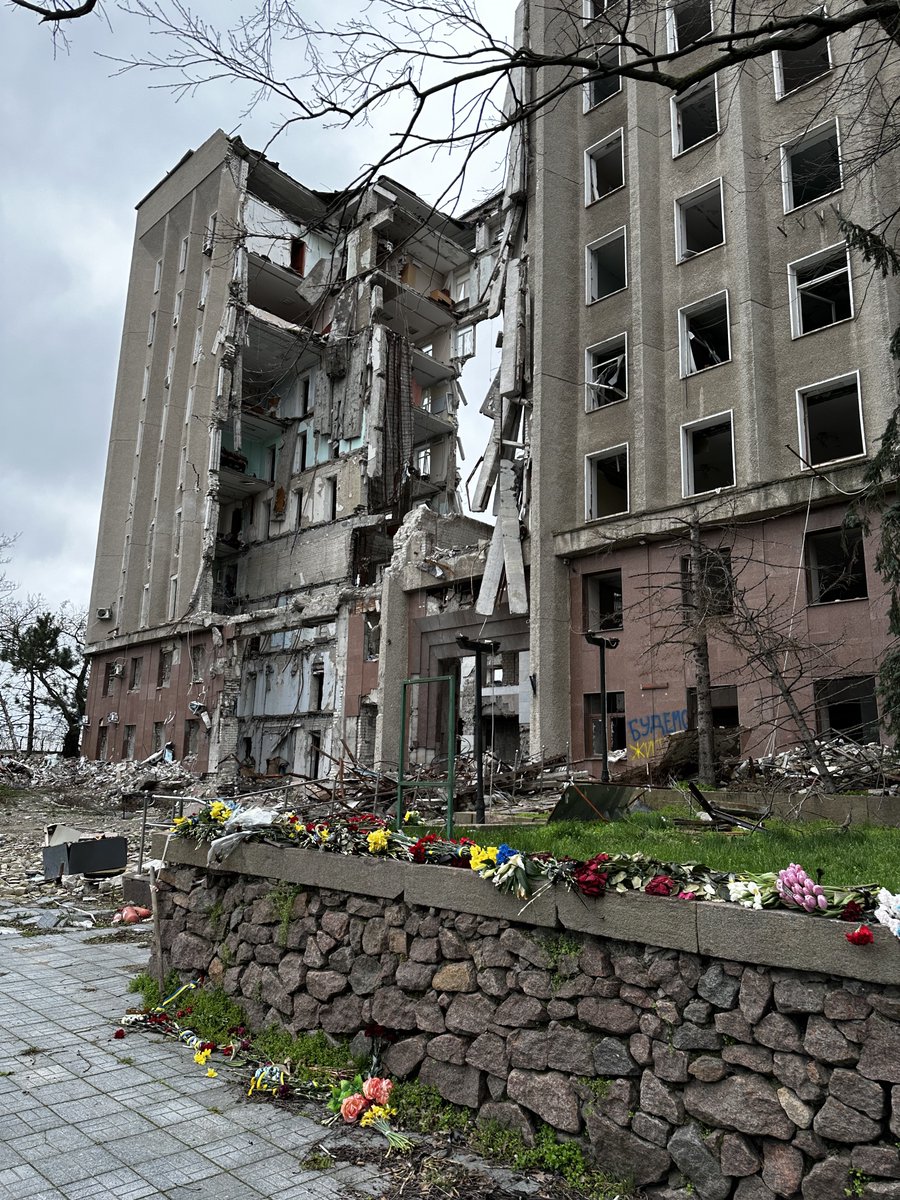
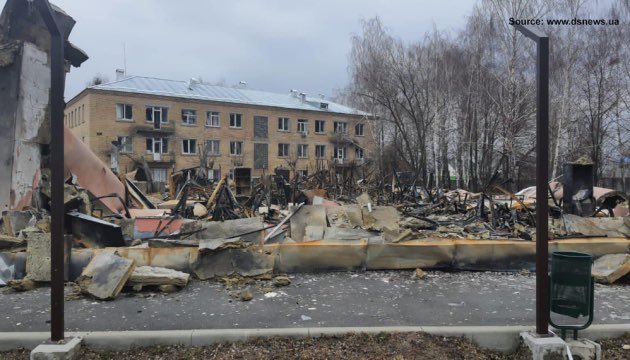
Here is a specific example: Makariv clinic. A year ago the Russians burned it. Our Foundation has chosen to restore it. Some officers from the World Bank were quite vocally against it. Their argument made sense, but not. 4/
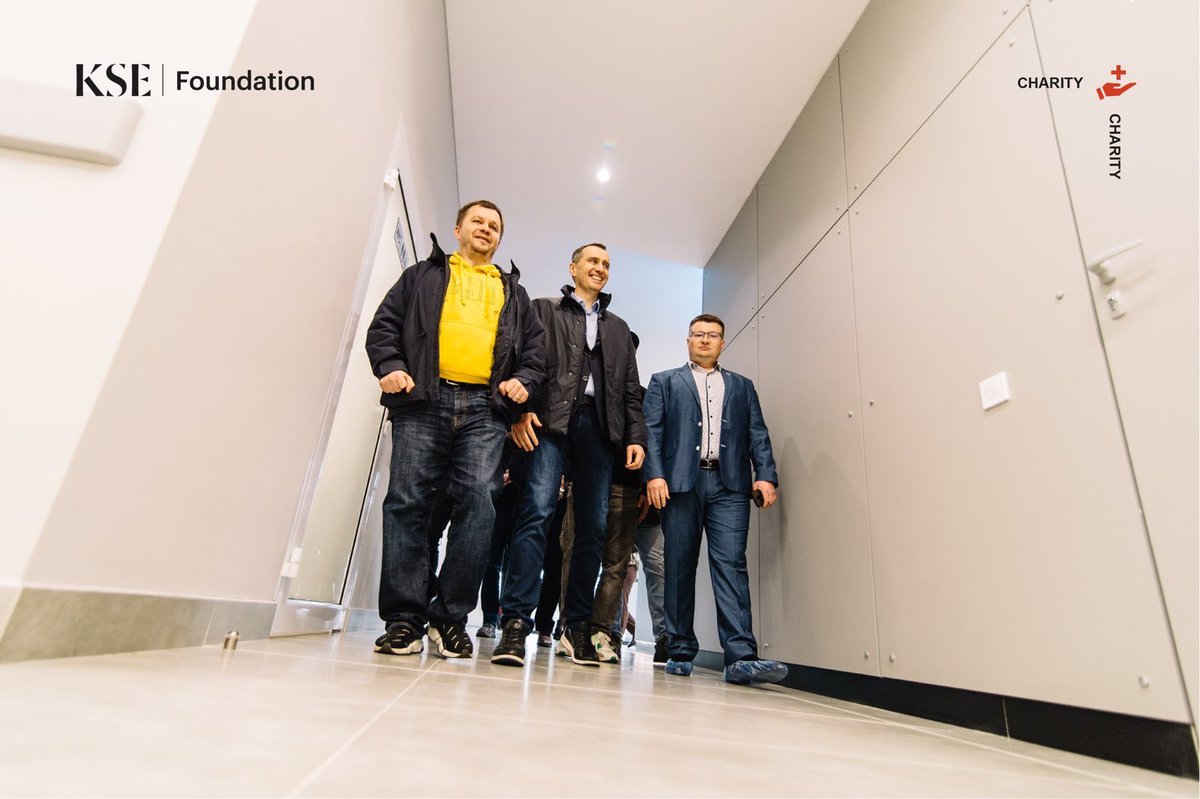
On the paper and in the models, the population of Makariv was expected to decline because of the war, there was a hospital nearby, and the urgent care doctors from the clinic in principle could practice in a basement of the first floor or a building nearby. 5/
We rebuild the clinic because we wanted to give people hope. That their future can be better than present. That they can have a European style clinic done during the war. And indeed the project inspired community and now they have much more confidence in themselves. 6/

They are eager to try other projects, there is an entrepreneurial spirit among them, and even officials are now dreaming and doing much higher value projects with the infrastructure. The mood has changed. The point of the project was to inspire and give hope, create action. 7/
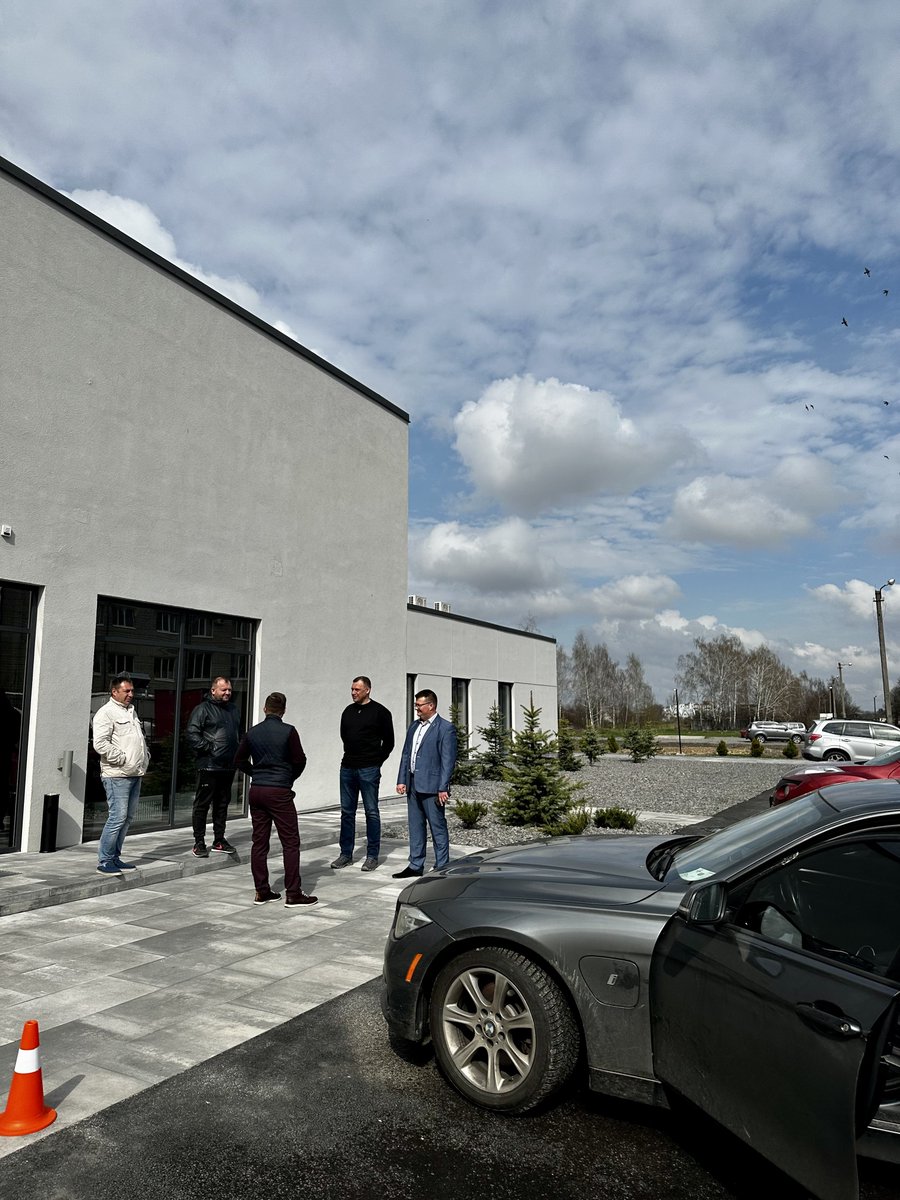
Inspiration, role modeling, leadership, resilience, anti fragility, and simply human spirit is difficult to put in the numbers and models. To understand it requires both hard and soft skills, deep understanding of context, psychology, and human nature 8/
The staff of the international development agencies and organizations sit in offices in Warsaw, Brussels, and Washington. Not even in Kyiv. They issue recommendations about recovery priorities and make assessments about the required budget. 9/
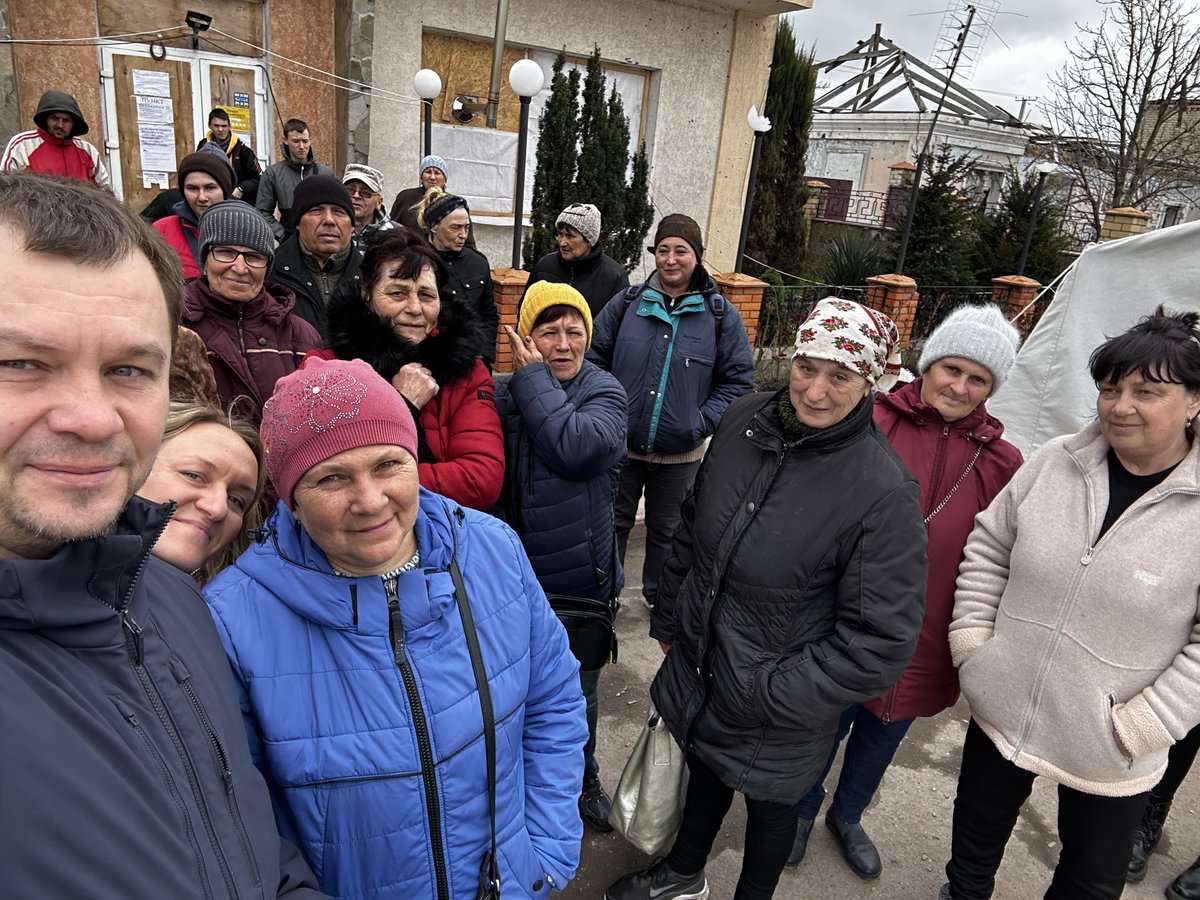
They must complement insights they gain from the day from Ukraine and from the experience with other countries with specific contextual knowledge that cannot be captured through formal data gathering processes. For that, they have to be in the field in Ukraine. They are not. 10/

In fairness, they rely on the data that is collected in the field. By the government, local think tanks, including ours. Here is a video explaining what it takes sometimes. You have to travel to deserted villages and climb inside destroyed houses. 11/
In this case, you do it to get to the map that illustrates the potential of recovery in the community.
When the data is collected in the field, the govt officials and analysts make the very same decisions about prioritization and selection about what data to include. 12/
When the data is collected in the field, the govt officials and analysts make the very same decisions about prioritization and selection about what data to include. 12/
These decisions are driven by emotion. But these knowledge is lost when the international organizations do not have teams on the ground. They lack alignment and synchronization. That’s why their insights are often flawed. 13/
I recently got into an argument with a scholar from Chicago. He accused me of arguing “Ukraine has its own path” and that this is a typical argument of people resisting change. He also said that he is a scholar who have studied the issues while I am talking based on anecdotes.14/
Our intellectual fight was about the importance of elections for the legitimacy for Zelensky. I said that elections are unlikely during the war. And that it won’t hurt Zelensky legitimacy if the elections are postponed. In theory, elections are important. 15/
In practice, elections are impossible to carry out in many regions of Ukraine and they will lead to political polarization during the war. Russia will take advantage of it as it has done in the previous elections. The scholar was unwilling to talk to Ukrainians. 16/
He was sure that he is correct and elections are an important and pressing issue in Ukraine because it was in other countries. Maybe so, but it wouldn’t hurt to talk to people and take their views seriously. 17/
So, in short, I think I have been trained and institutionalized by the classic frameworks of western academia. I believe they are important and useful to understand the world. But during critical historical changes it is also important to be alert to blind spots. 18/18
• • •
Missing some Tweet in this thread? You can try to
force a refresh





