Read on Twitter
Is this man the real Robin Hood?
A thread on the story of William of Cassingham 🧵
A thread on the story of William of Cassingham 🧵
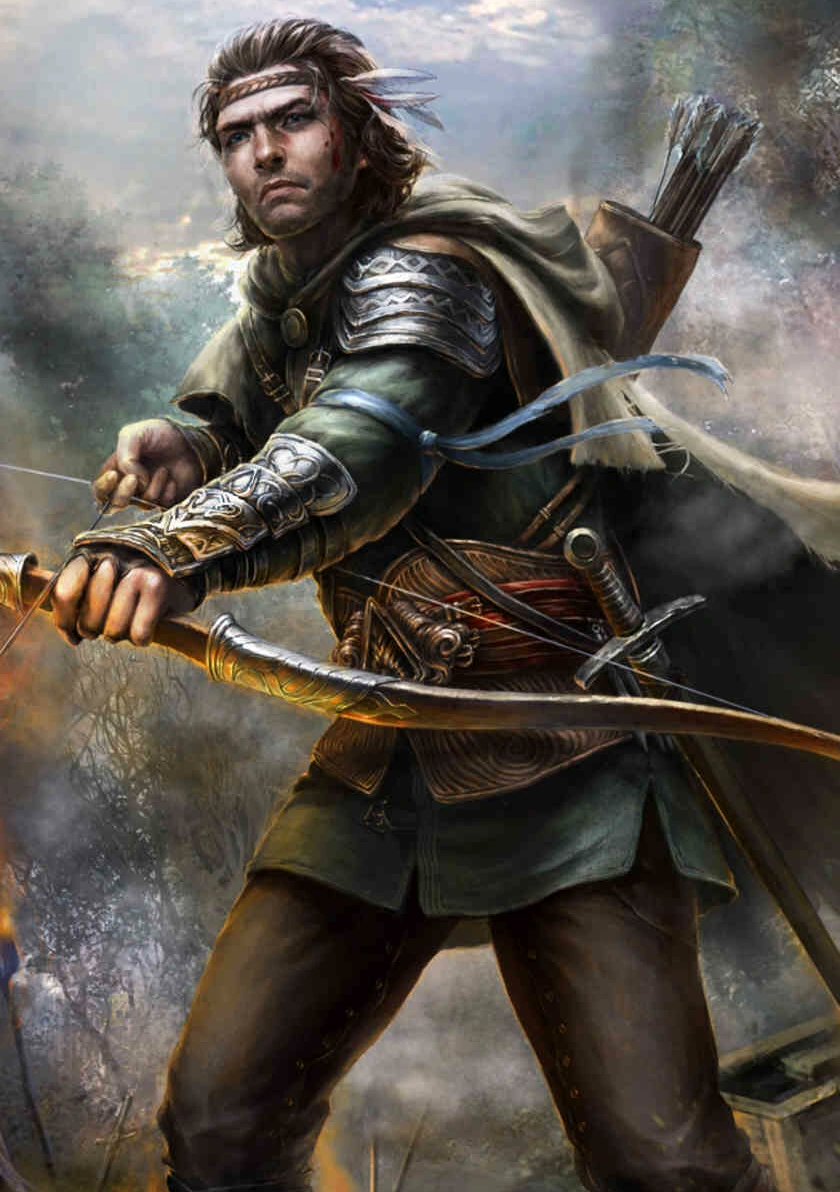
Before we get into the deeds of William of Cassingham and why some refer to him as the inspiration for the legend of Robin Hood we must first set the stage for what was happening in early 13th century England.

King John was dealing with an uprising of disloyal barons while also defending against an invasion from an extremely large army led by Prince Louis, the eldest son of the powerful King Phillip II of France.

The war was not going well for King John, by 1216 he had lost most of the south of England and the mercenaries he had hired, had all but abandoned him.
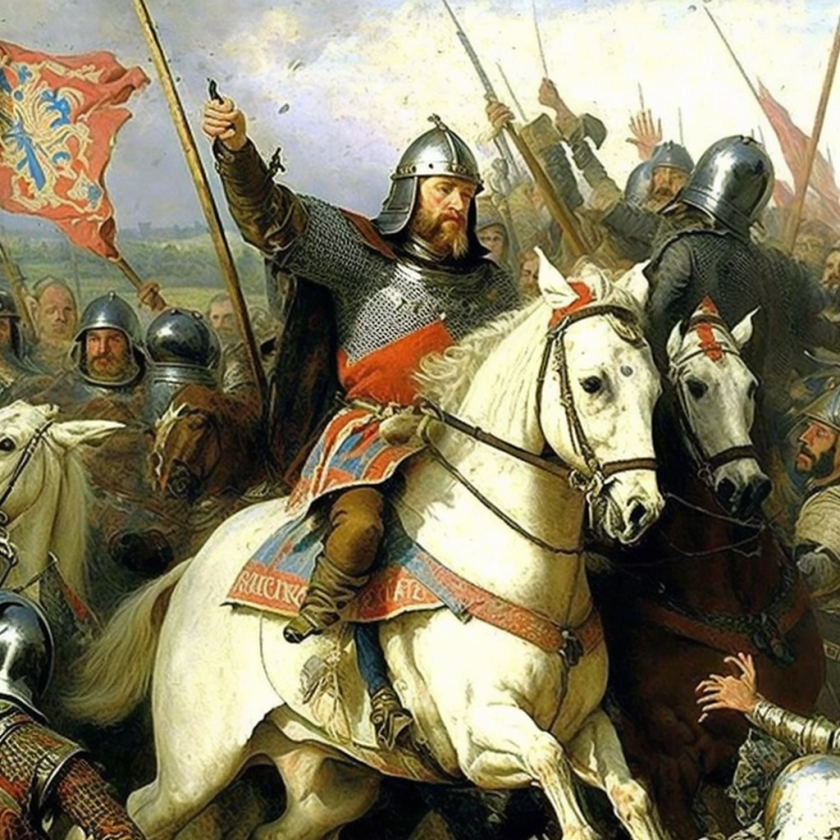
Luckily, he still had the Legendary William Marshal on his side. Rather than confront Prince Louis, who by this point had been declared King Louis VIII of England. The Marshall and King John decided to focus on stamping out the rebel lords.

By going from rebel castle to rebel castle, stamping out the uprising, King John was able to regain his forces. But King John was still dealing with the fact that all the lords from the south and east had declared their support for King Louis.
The only castles that were able to resist the siege and remained loyal to King John were Dover Castle and Windsor Castle.


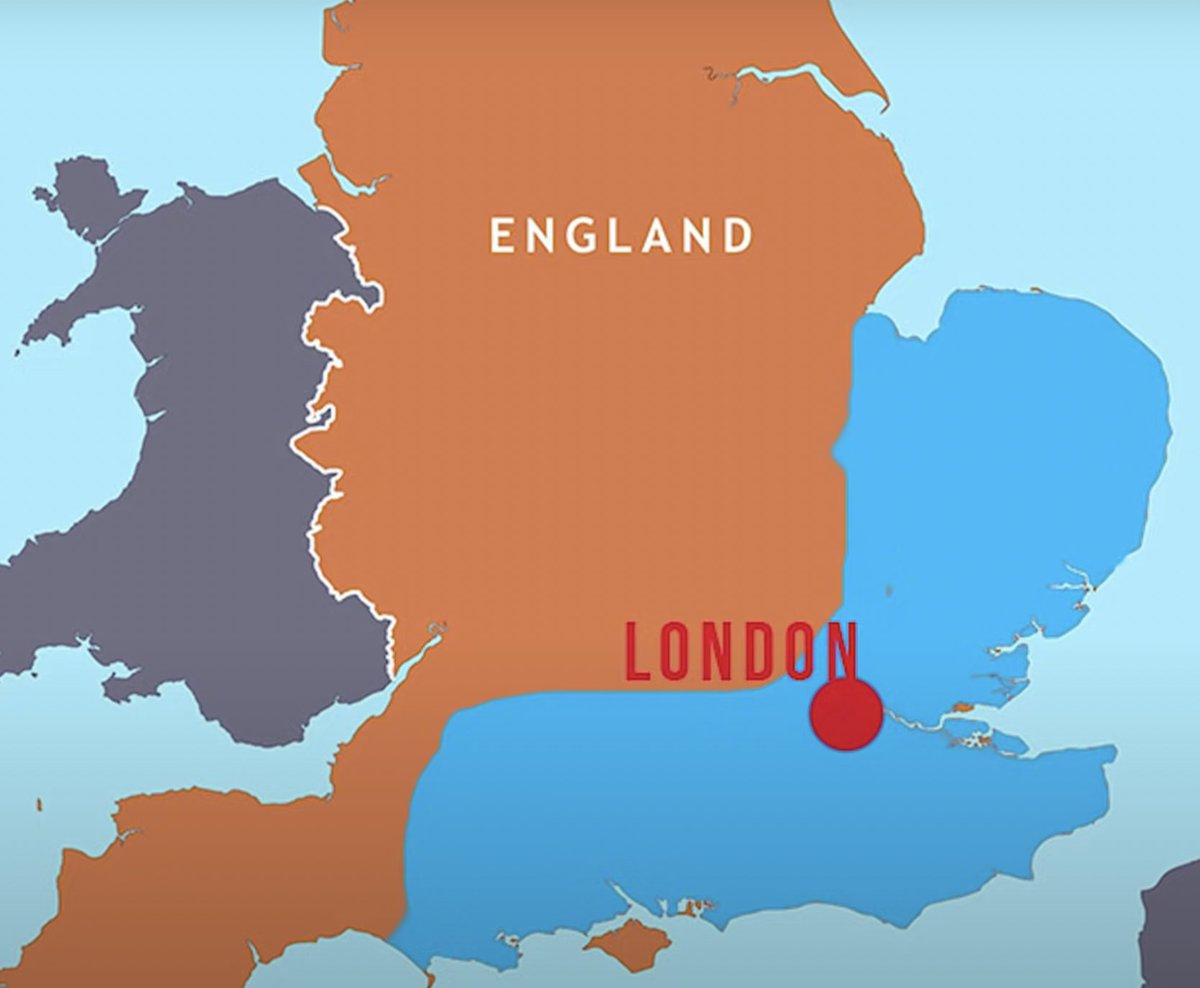
To understand the role that William of Cassingham played in the First Baron's War. We must first understand where Cassingham was located and discuss an area of South East England called the Weald.

The Weald at this time would have been a wild land, heavily wooded and untamed. The perfect landscape for William of Cassingham to launch his guerrilla war on the invading forces of King Louis.

We must also understand the magnitude of the situation for a country squire like William. If you resisted, and were captured, you would no doubt have been hanged. So you had a few options. You could run to the North or the West, abandoning your homeland and your birthright.

Or you could submit and declare your support for King Louis.
William of Cassingham chose neither. He chose to amass an upstart army of bowmen. These would have been local men, not trained soldiers.
William of Cassingham chose neither. He chose to amass an upstart army of bowmen. These would have been local men, not trained soldiers.

By 1217, King Louis VIII had decided to call a truce so that he could return to France and rebuild his army. This presented an opportunity for William of Cassingham.
By this time William of Cassingham and his band of bowmen patrolled the roadways between London and the coast.
By this time William of Cassingham and his band of bowmen patrolled the roadways between London and the coast.

On his way back to France, King Louis was ambushed by William's men, forcing King Louis to redirect his path to a small town called Winchelsea. But this was only a small part of William's plan. William and his men had devised a plan to trap King Louis in Winchelsea.

They destroyed the local bridges, and cut off any reinforcements from London. They also convinced the local men of Winchelsea to strip the town of any food and resources. King Louis was trapped without food and without a way out.

Unfortunately for William of Cassingham, he did not have the forces to launch an all out assault on Winchelsea and eventually a large rescue fleet arrived from France, scattering William's men which allowed King Louis to escape back to France.

This remarkable set of events marked a changing of the tides in the war. If a lowly country squire could trap the future King of France so easily, was King Louis worth supporting? Many English lords waivered in their support for King Louis.

But William of Cassingham's heroics were not finished. King Louis eventually returned. This time he was poised to take the impregnable Dover Castle. His siege works landed ashore and started assaulting Dover Castle while Louis watched off-shore from his ship.

What he witnessed drove him into a fit of rage. William of Cassingham launched an assault from the woods, burning the siege engines and crippling the siege of Dover Castle. Infuriated, King Louis decided to land in Sandwich, Kent instead. Burning the town in the process.

Eventually, Louis made it to Dover Castle but what he found were the ashes of his once powerful siege engines. This defeat led to a negotiated truce and a return to London, abandoning the prospects of taking Dover Castle.

Meanwhile, hearing of this great victory, William the Marshall mustered his forces and eventually defeated King Louis at the battle of Sandwich.
Louis sued for peace and returned to France, ending the war.
Louis sued for peace and returned to France, ending the war.

King Louis had his new kingdom at his fingertips, but was defeated by a lowly country squire and his merry band of outlaw bowmen.
Thus the legend of William of Cassingham was born.
Thus the legend of William of Cassingham was born.

If you enjoy threads like this on the histories of the middle ages, please consider subscribing to my page where you will find exclusive content like this not available on my main page.
You can only subscribe on web browser for now, IOS will be available in a few days.
You can only subscribe on web browser for now, IOS will be available in a few days.

• • •
Missing some Tweet in this thread? You can try to
force a refresh