Read on Twitter
Starship is about to change the world, but ppl haven't realized yet
@SpaceX and @elonmusk's rocket will drop transportation costs to space
And in the past, every drop in transportation costs has revolutionized the world.
Here's what's going to happen:
@SpaceX and @elonmusk's rocket will drop transportation costs to space
And in the past, every drop in transportation costs has revolutionized the world.
Here's what's going to happen:

The # of objects launched to space has exploded in the last few years
This is, of course, the revolution brought by SpaceX's rockets.
This is, of course, the revolution brought by SpaceX's rockets.

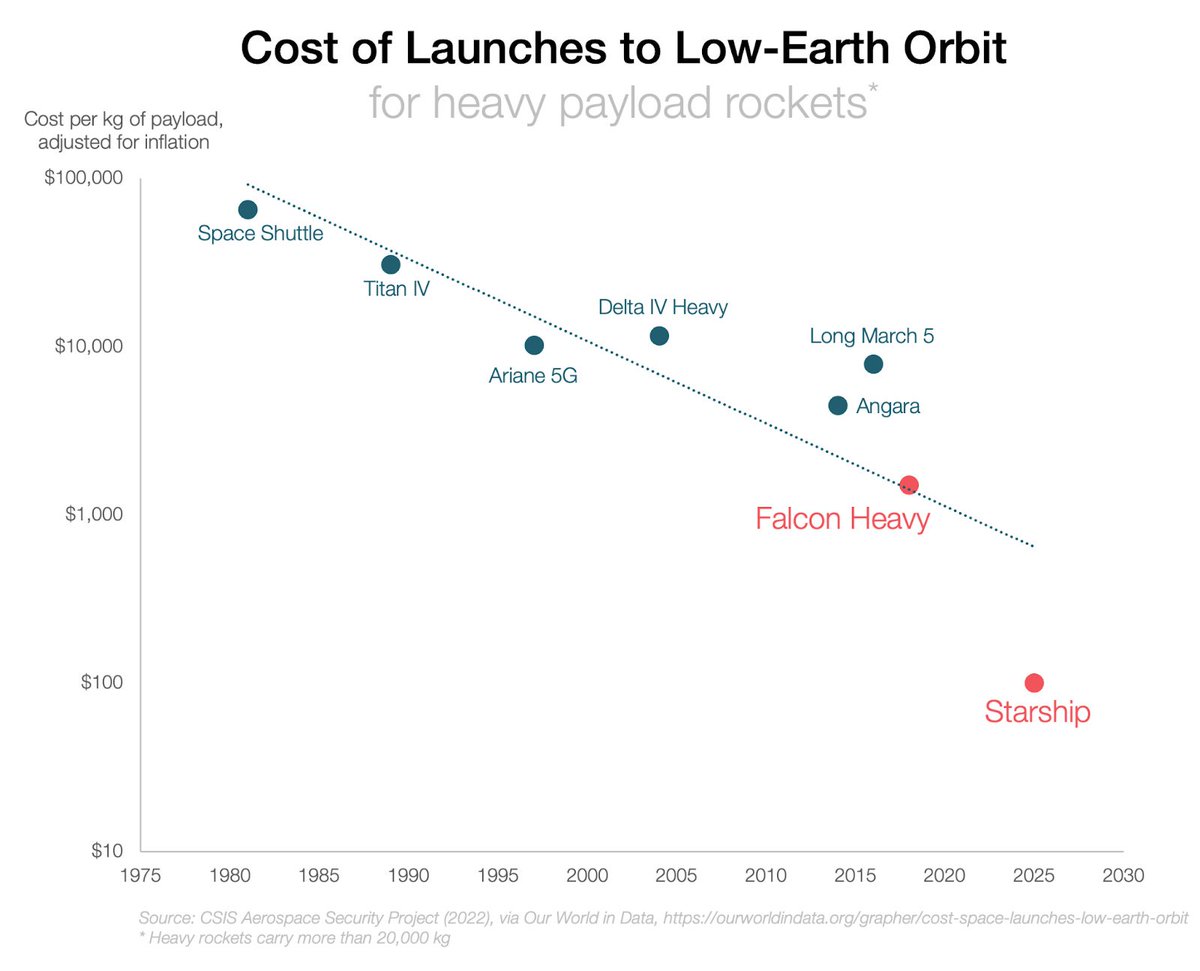
We can now make this happen because the cost of sending payload to space has dropped
In the 80s, it cost over $75k to carry one kg to space. Just carrying one astronaut’s body cost over $5M! SpaceX’s Falcon Heavy has brought it down to $1,500/kg
50x cheaper!
In the 80s, it cost over $75k to carry one kg to space. Just carrying one astronaut’s body cost over $5M! SpaceX’s Falcon Heavy has brought it down to $1,500/kg
50x cheaper!

Starship will eventually reduce it one order of magnitude more, and bring the cost from $1500 to $100 in a few years
Why does this matter? Because transportation costs are one of the biggest predictors of wealth.
Look at rivers. It’s no coincidence that the US and Northern Europe:
• Are among the wealthiest regions
• Have among the highest density of connected navigable inland waterways
Look at rivers. It’s no coincidence that the US and Northern Europe:
• Are among the wealthiest regions
• Have among the highest density of connected navigable inland waterways
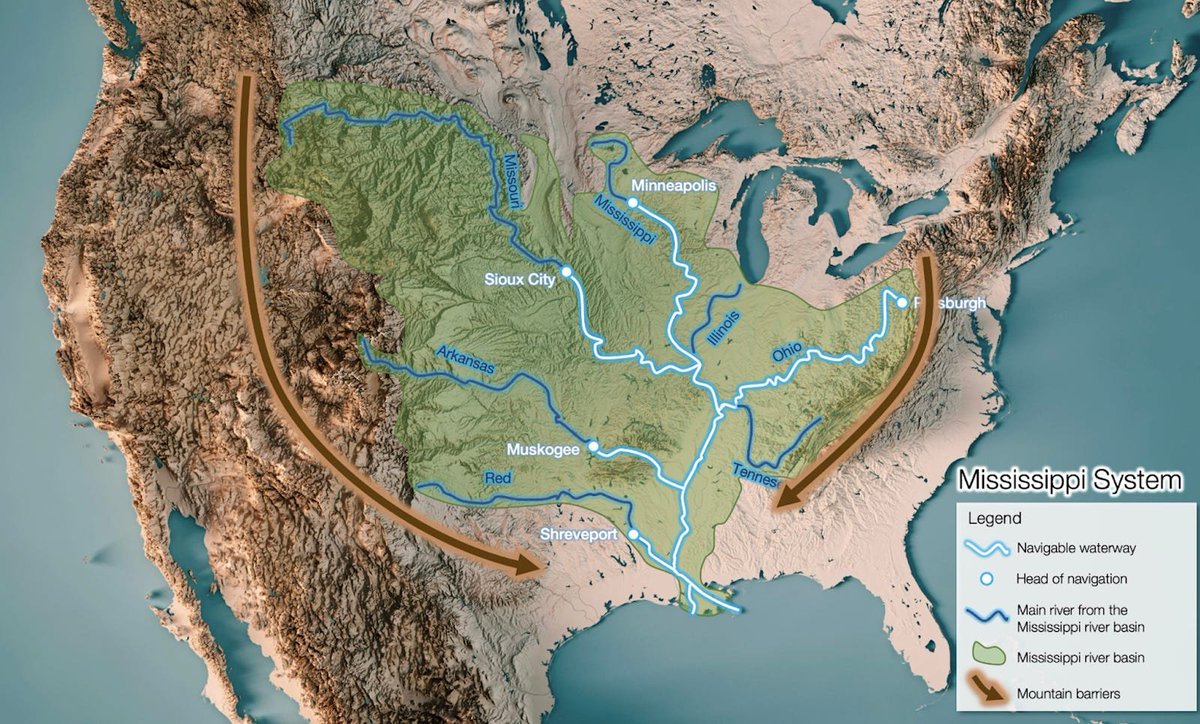
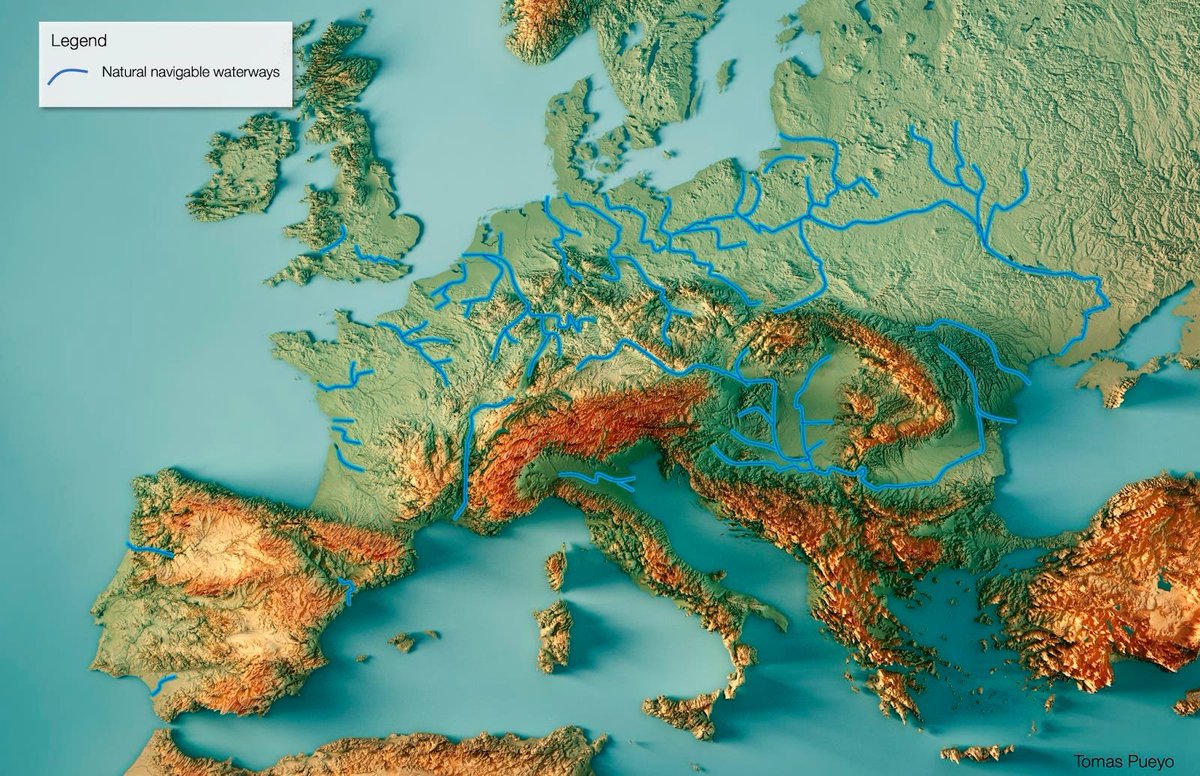
Why? Water transportation is dirt cheap, either on sea or river
Navigable rivers are especially great:
• They serve 2 shores
• Calmer, more predictable
• Transport tons downstream with the current
• Or upstream with horses dragging a boat
Navigable rivers are especially great:
• They serve 2 shores
• Calmer, more predictable
• Transport tons downstream with the current
• Or upstream with horses dragging a boat
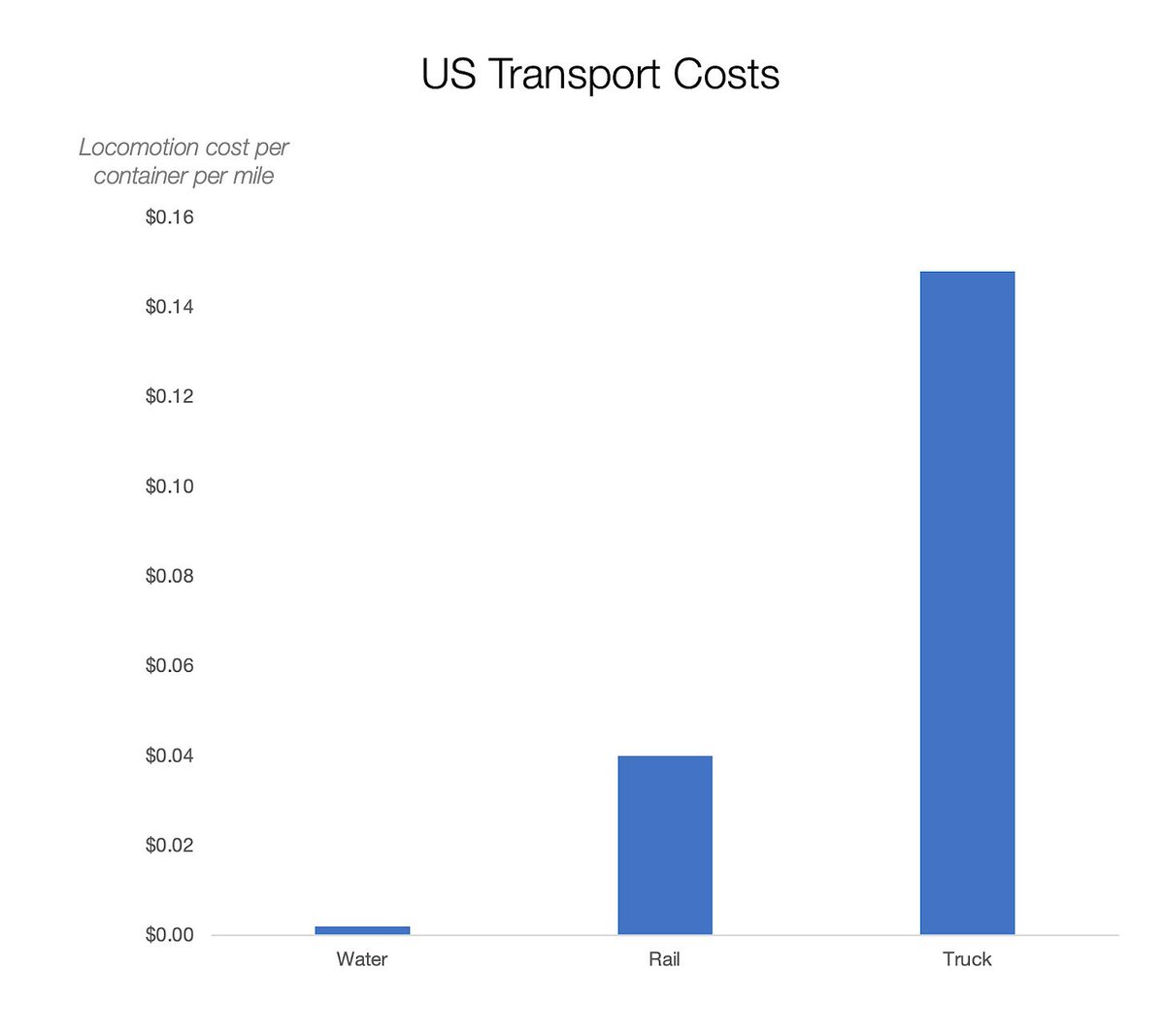
Why are transportation costs so important?
Here's the magic:
Imagine that your transportation costs limit the distance you can trade your products
Here's the magic:
Imagine that your transportation costs limit the distance you can trade your products
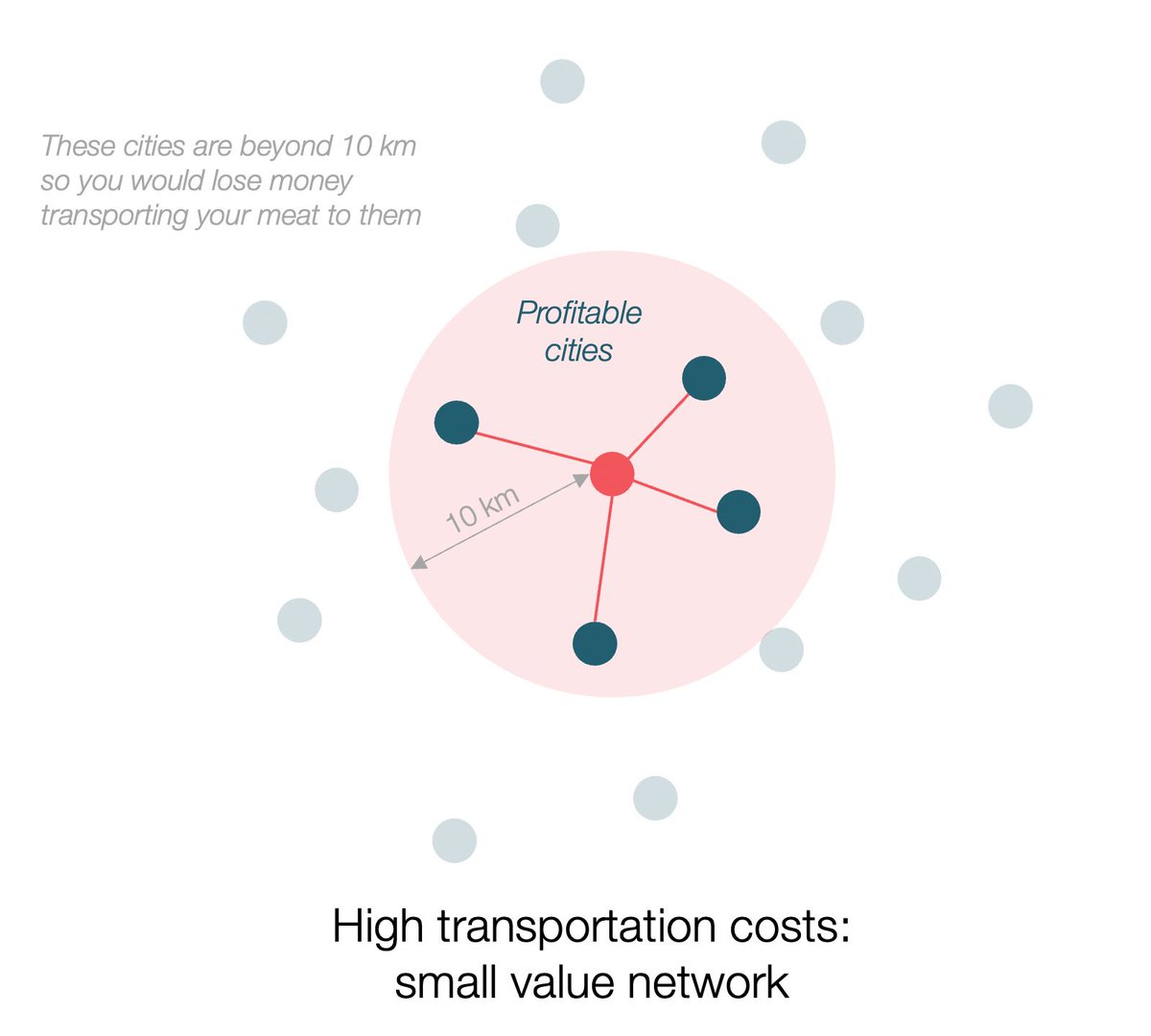
Now halve that cost, and your trade distance doubles
Which means that the *surface* QUADRUPLES, so you can access 4x more markets
But because of network effects, connecting 4x more nodes creates 16x more value!
Which means that the *surface* QUADRUPLES, so you can access 4x more markets
But because of network effects, connecting 4x more nodes creates 16x more value!
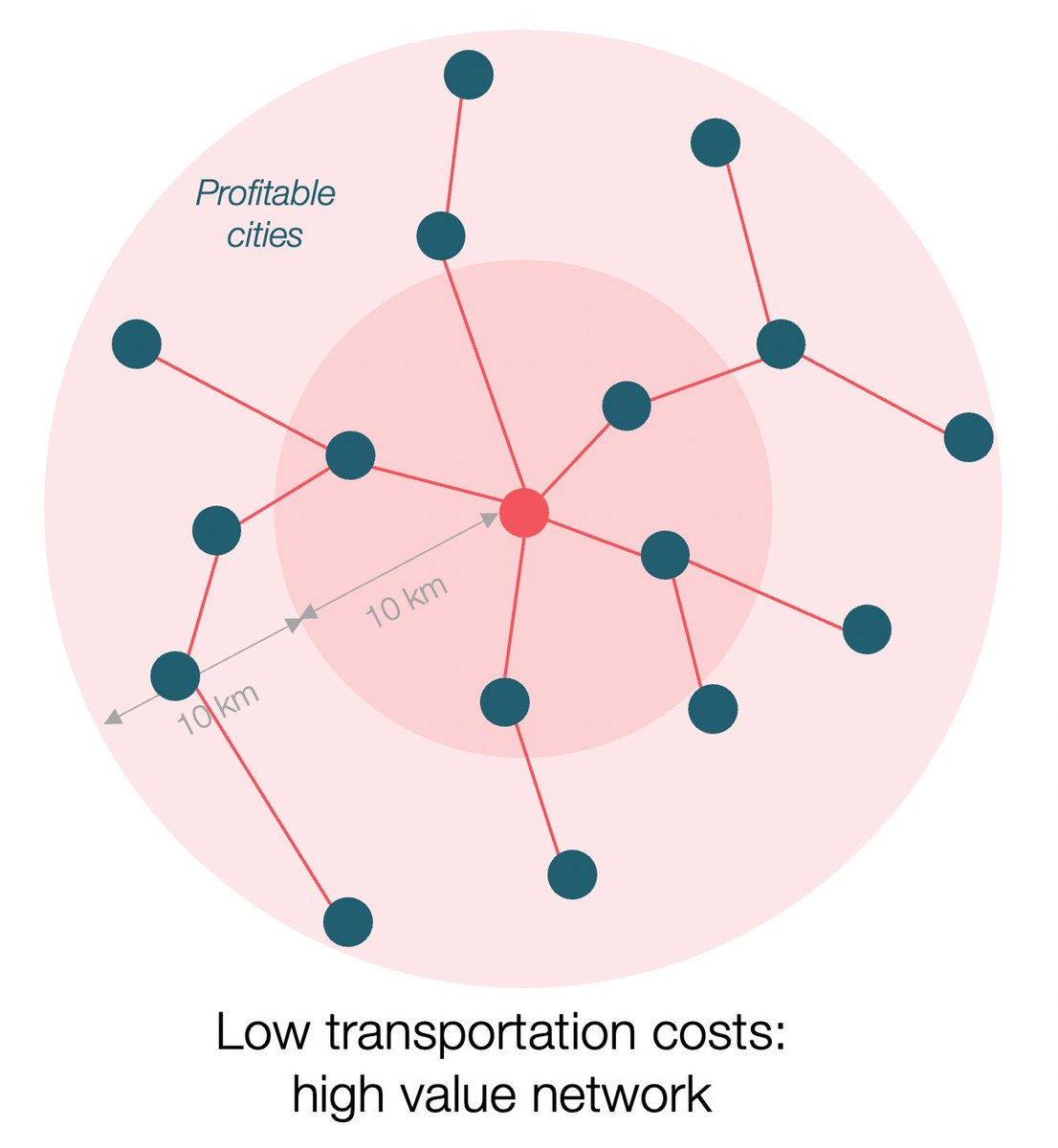
More markets and lower costs
➡️more trade and more profits
➡️more wealth generated
➡️more investment in infrastructure
➡️even more trade and profits
This has happened with every new transportation tech
unchartedterritories.tomaspueyo.com/p/transportati…
➡️more trade and more profits
➡️more wealth generated
➡️more investment in infrastructure
➡️even more trade and profits
This has happened with every new transportation tech
unchartedterritories.tomaspueyo.com/p/transportati…
• Romans: sailing in the Mediterranean + roads
• Portuguese: ocean navigation
• Northern Europe: rivers & canals
• Railroads: Industrial Revolution, conquest of the west
• Elevators: vertical transportation to grow cities upwards
Cars, airplanes...
unchartedterritories.tomaspueyo.com/p/transportati…
• Portuguese: ocean navigation
• Northern Europe: rivers & canals
• Railroads: Industrial Revolution, conquest of the west
• Elevators: vertical transportation to grow cities upwards
Cars, airplanes...
unchartedterritories.tomaspueyo.com/p/transportati…
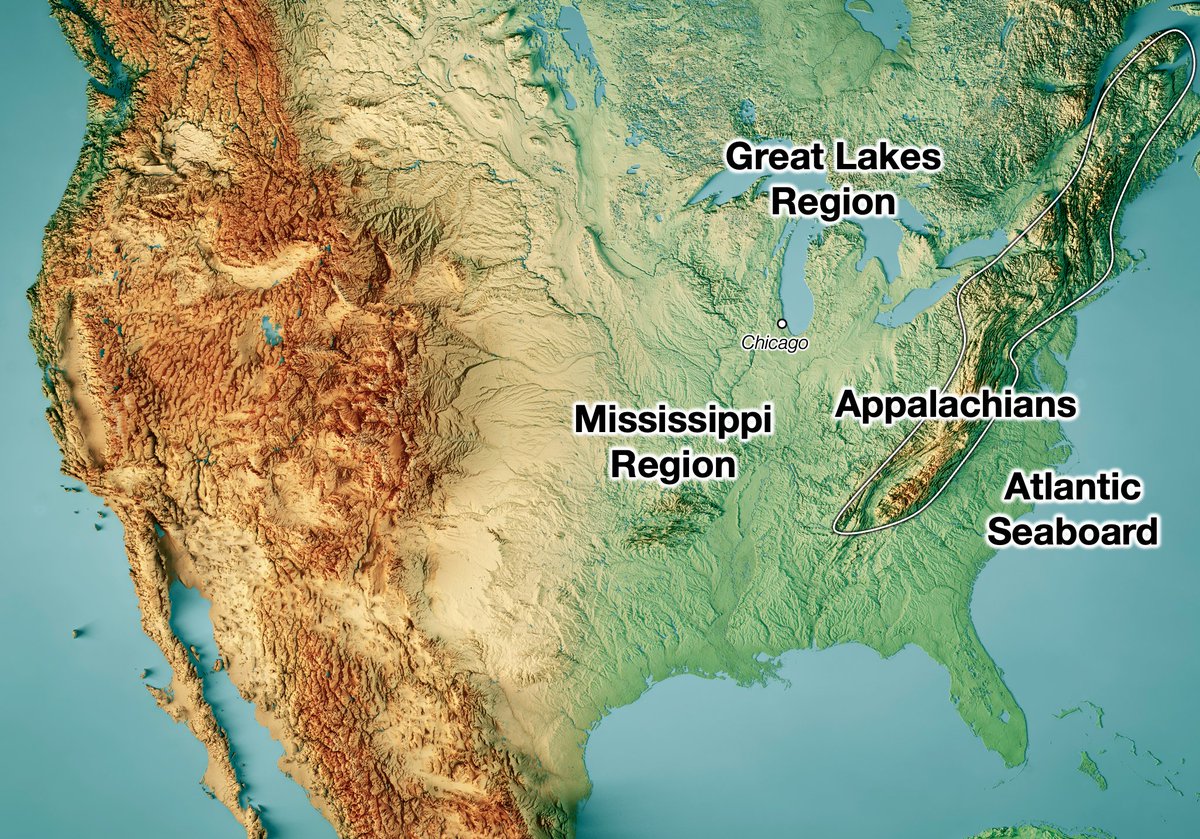
It's no coincidence that the biggest cities are transportation hubs. Eg:
• NY: Great Lakes + Atlantic
• New Orleans: Mississippi + Atlantic
• Chicago: Great Lakes + Mississippi
• NY: Great Lakes + Atlantic
• New Orleans: Mississippi + Atlantic
• Chicago: Great Lakes + Mississippi
https://twitter.com/tomaspueyo/status/1636884815046737920?s=20
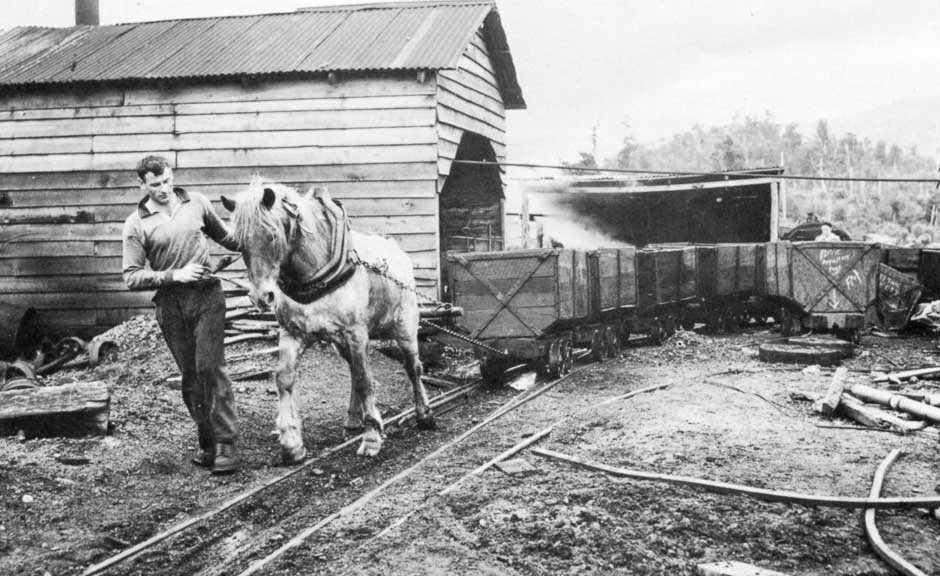
The UK's Industrial Revolution was impossible without cheap transportation:
Fodder➡️Cheap horse power
They pulled coal & iron ore on rails + canals➡️Cheaper iron & coal than anywhere on Earth
Even cheaper when the steam engine replaced horses
Fodder➡️Cheap horse power
They pulled coal & iron ore on rails + canals➡️Cheaper iron & coal than anywhere on Earth
Even cheaper when the steam engine replaced horses
Now SpaceX is doing it again, this time with a new frontier: space
Starship is like the Portuguese caravel, reaching places inaccessible before
Like the horses+rails+canals of 1800s UK
But when a new tech is available, ppl don't know how to use it
unchartedterritories.tomaspueyo.com/p/incorporate-…
Starship is like the Portuguese caravel, reaching places inaccessible before
Like the horses+rails+canals of 1800s UK
But when a new tech is available, ppl don't know how to use it
unchartedterritories.tomaspueyo.com/p/incorporate-…
Space engineers have spent decades focusing on shaving milligrams off their satellites. The weight was so important that it pervaded every decision: cost structure, volumes to be sent, material choices, power sources, thermal protection, software for guidance, navigation…
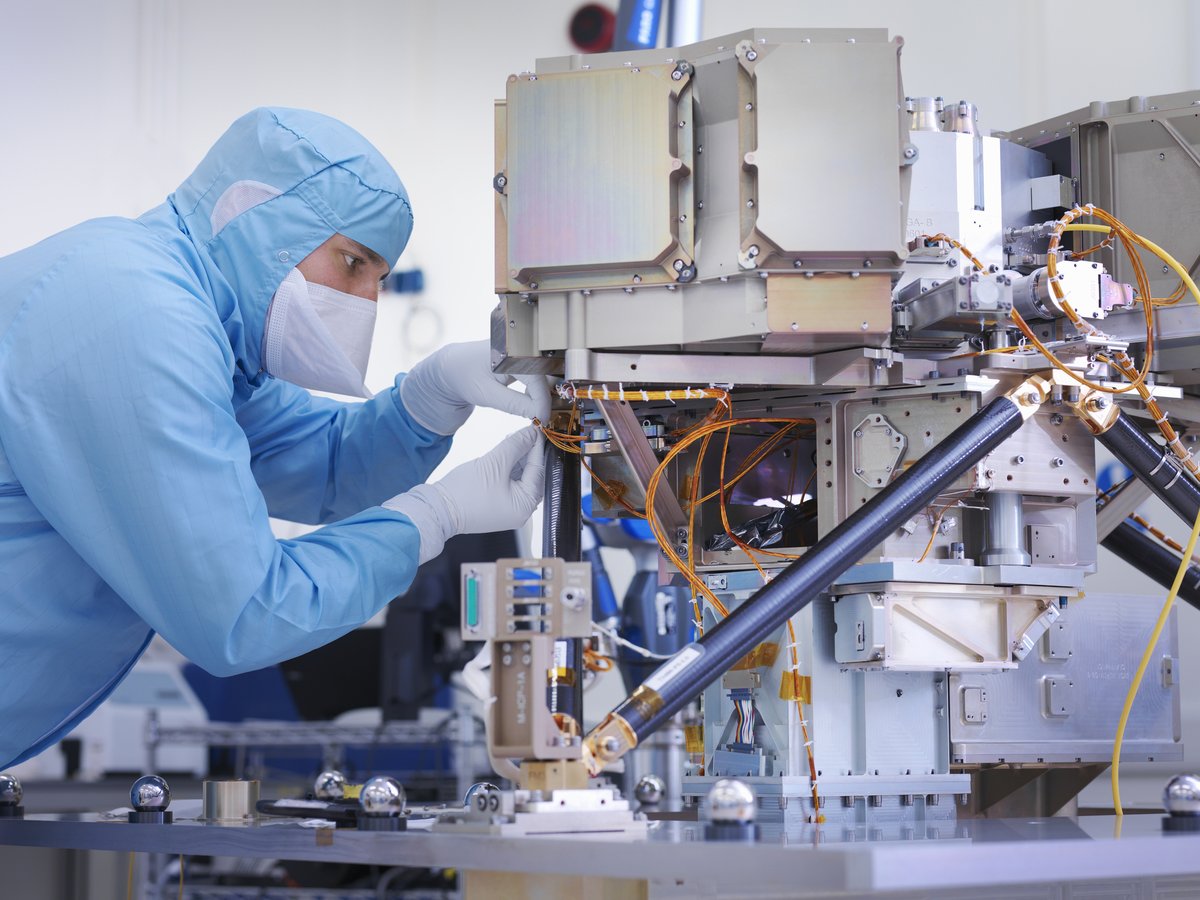
Every aspect of the mission was obsessed about one thing: weight. Every NASA mission had to be a marvel of miniaturization. The obsession against mass was drilled into engineers’ brains, generation after generation.
That’s out the window. As @CJHandmer says:
That’s out the window. As @CJHandmer says:
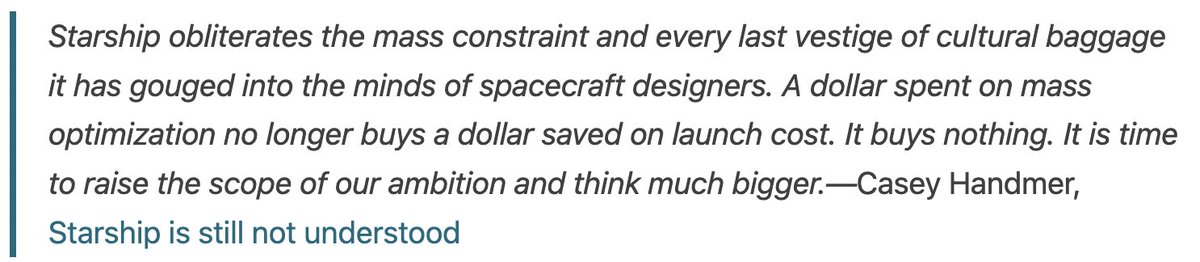
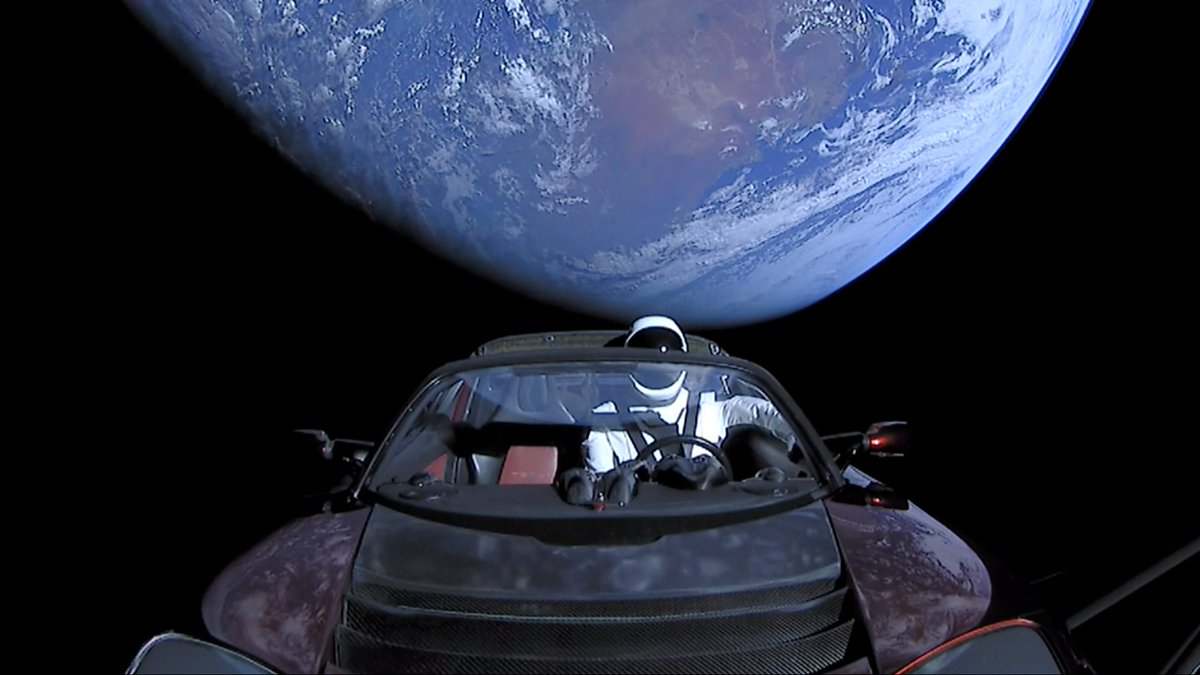
This is the way to understand the Tesla that @elonmusk sent to space.
It was not just a cool thing to do to raise awareness
It was a message to the industry:
"The time to worry about weight is gone. My rockets are so big that I can afford to send a Tesla and barely notice."
It was not just a cool thing to do to raise awareness
It was a message to the industry:
"The time to worry about weight is gone. My rockets are so big that I can afford to send a Tesla and barely notice."
That is also what Starlink is
Suddenly, SpaceX has flooded the market with available cargo space. But ppl don't know how to use it
So SpaceX use it themselves:
"What's a massive business that was not possible before cheap payload? Cheap, reliable satellite communication."
Suddenly, SpaceX has flooded the market with available cargo space. But ppl don't know how to use it
So SpaceX use it themselves:
"What's a massive business that was not possible before cheap payload? Cheap, reliable satellite communication."
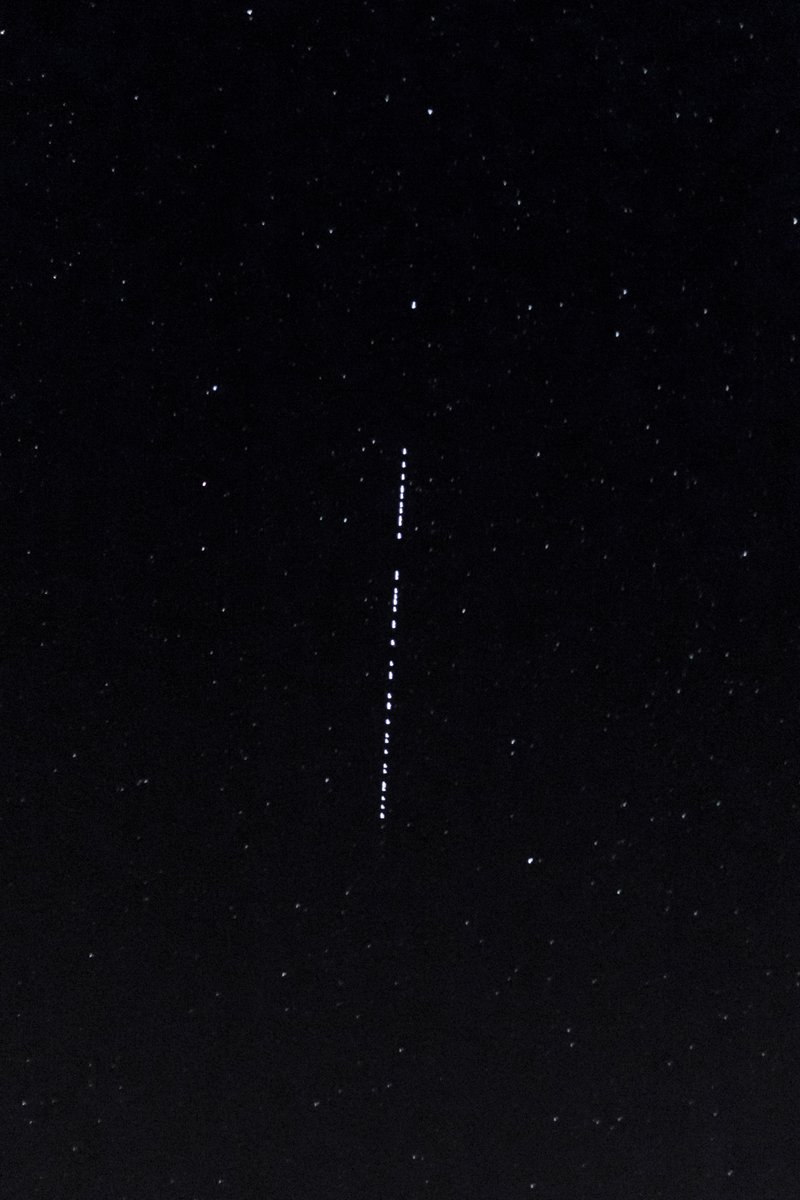
A vast number of new businesses that were impossible before are now possible. The most obvious one is real time, detailed imagery of everything:
Climate
Crime
Poaching
War
Agriculture
Traffic mgmt
Climate
Crime
Poaching
War
Agriculture
Traffic mgmt

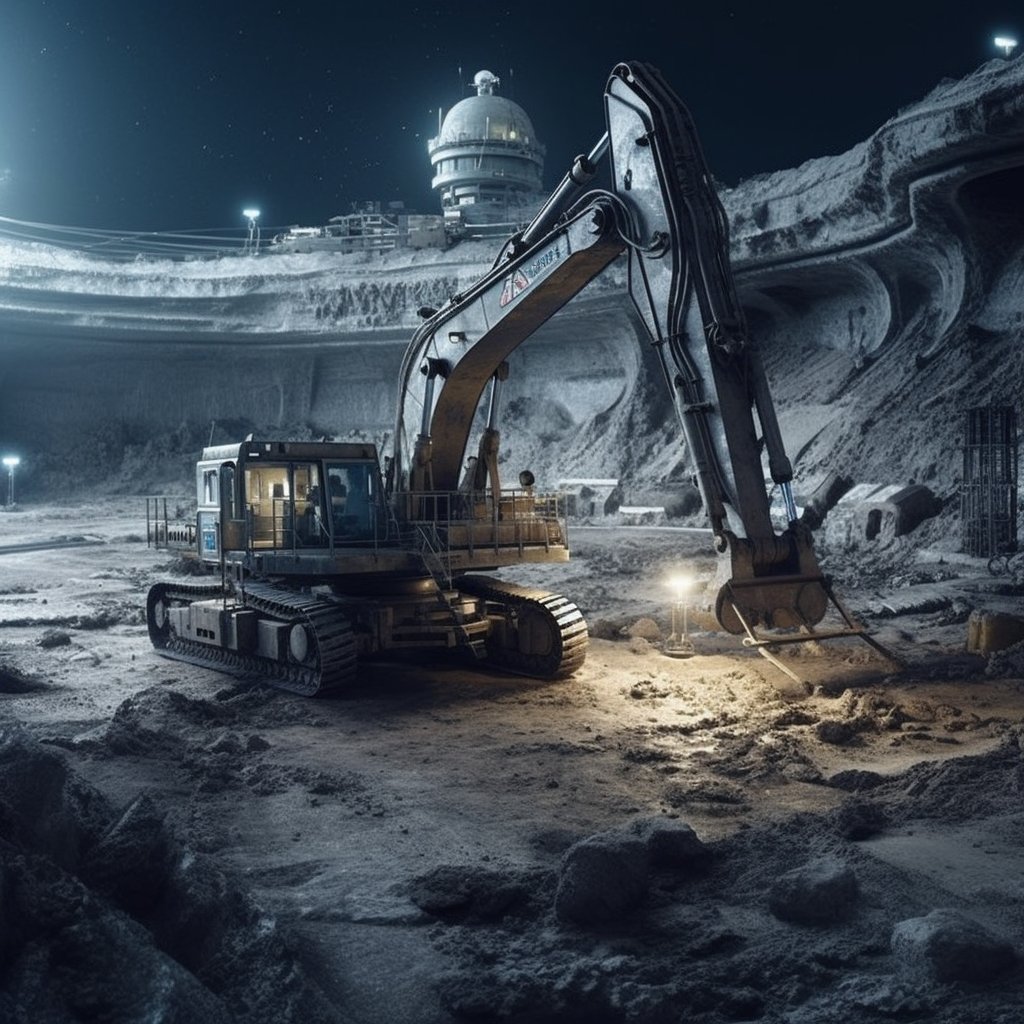
A Moon base is now within reach, if NASA refocuses the Artemis mission around Starship cargo space
No need for space machinery built for space from the ground up!
Retrofit @JohnDeere excavators or @CaterpillarInc trucks for space use
No need for space machinery built for space from the ground up!
Retrofit @JohnDeere excavators or @CaterpillarInc trucks for space use
Other uses are also within our reach:
• Much more, cheaper space research
• Microgravity manufacturing
• Space tourism
Thanks to Starship, a new Age of Discoveries dawns upon us
The only limit is our imagination
I go into more details here:
unchartedterritories.tomaspueyo.com/p/how-starship…
• Much more, cheaper space research
• Microgravity manufacturing
• Space tourism
Thanks to Starship, a new Age of Discoveries dawns upon us
The only limit is our imagination
I go into more details here:
unchartedterritories.tomaspueyo.com/p/how-starship…
If you're interested in this topic, read @CJHandmer 's post: caseyhandmer.wordpress.com/2021/10/28/sta…
I realized this thanks to him
In general, Casey's blog is great: caseyhandmer.wordpress.com
I realized this thanks to him
In general, Casey's blog is great: caseyhandmer.wordpress.com
I'm going to be posting more about space: what businesses will be viable, what it will take to go to Mars, to terraform it...
If you liked this thread and want more, follow me. I post one of these a week or so. Or subscribe to my free newsletter:
unchartedterritories.tomaspueyo.com/subscribe
If you liked this thread and want more, follow me. I post one of these a week or so. Or subscribe to my free newsletter:
unchartedterritories.tomaspueyo.com/subscribe
What businesses are possible now with this cheap transportation technology that were impossible before?
How will society change as a result?
Reply with your ideas to the 1st tweet!
How will society change as a result?
Reply with your ideas to the 1st tweet!
https://twitter.com/tomaspueyo/status/1651320394807234560
• • •
Missing some Tweet in this thread? You can try to
force a refresh