Some art is so perfect, it can scarcely be believed that human hands created it.
Gian Lorenzo Bernini's "The Abduction of Proserpina", 1622. Sculpted by the young genius at only 23 years of age, it is considered by many to be his finest and most lifelike work.
It depicts Pluto, the god of the underworld, abducting the goddess Proserpina, the daughter of Jupiter. Pluto's tight grasp on Proserpina's thigh is captured with impossible realism.
Bernini is credited as founding the Baroque style of sculpture, incorporating movement and energy in a revolutionary way. In this piece, Pluto's forward march is obvious to the viewer, his weight carried on his forward foot.
The attention to detail in the expressions of each figure is astonishing. Proserpina's face reflects not only horror but also revulsion - her toes are even curled in disgust.
Meanwhile, Pluto's expression is a grin. His delicately detailed beard is just one of this sculpture's incredible feats.
At Pluto's feet stands Cerberus, the three-headed guardian of the underworld.
This 7.5-foot tall masterpiece, carved from Carrara marble, can be found in the Borghese Gallery in Rome. It lives there alongside several other of Bernini's iconic works, including "Apollo and Daphne" and "David".
• • •
Missing some Tweet in this thread? You can try to
force a refresh

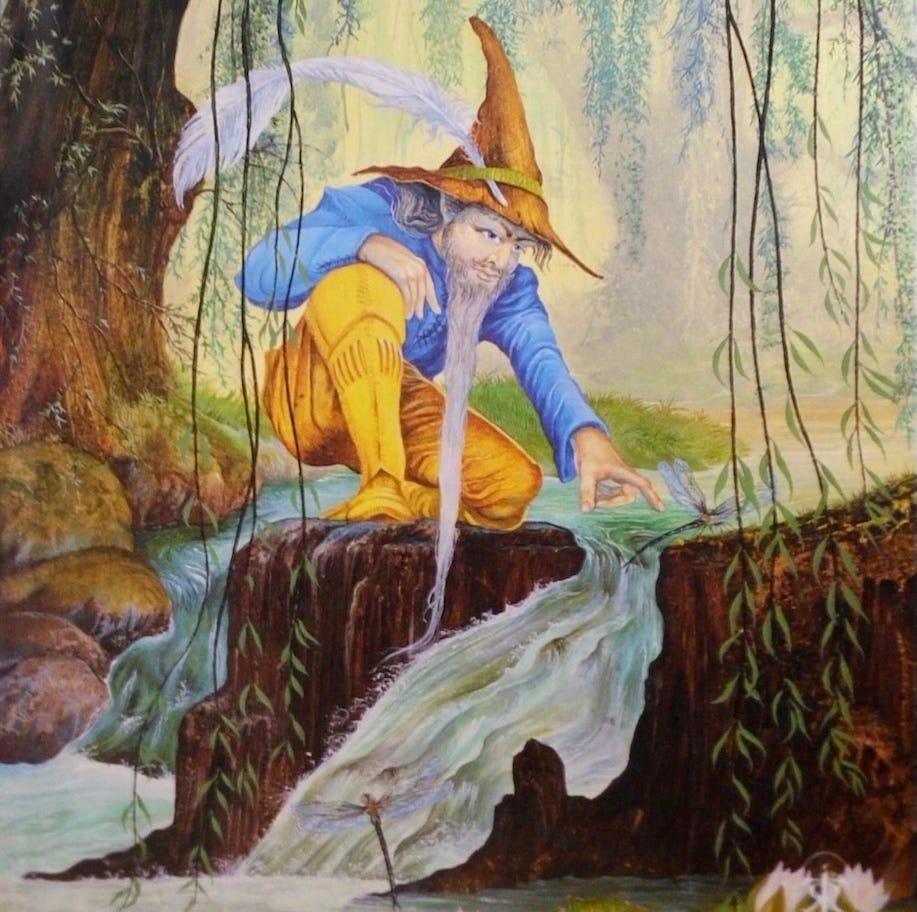
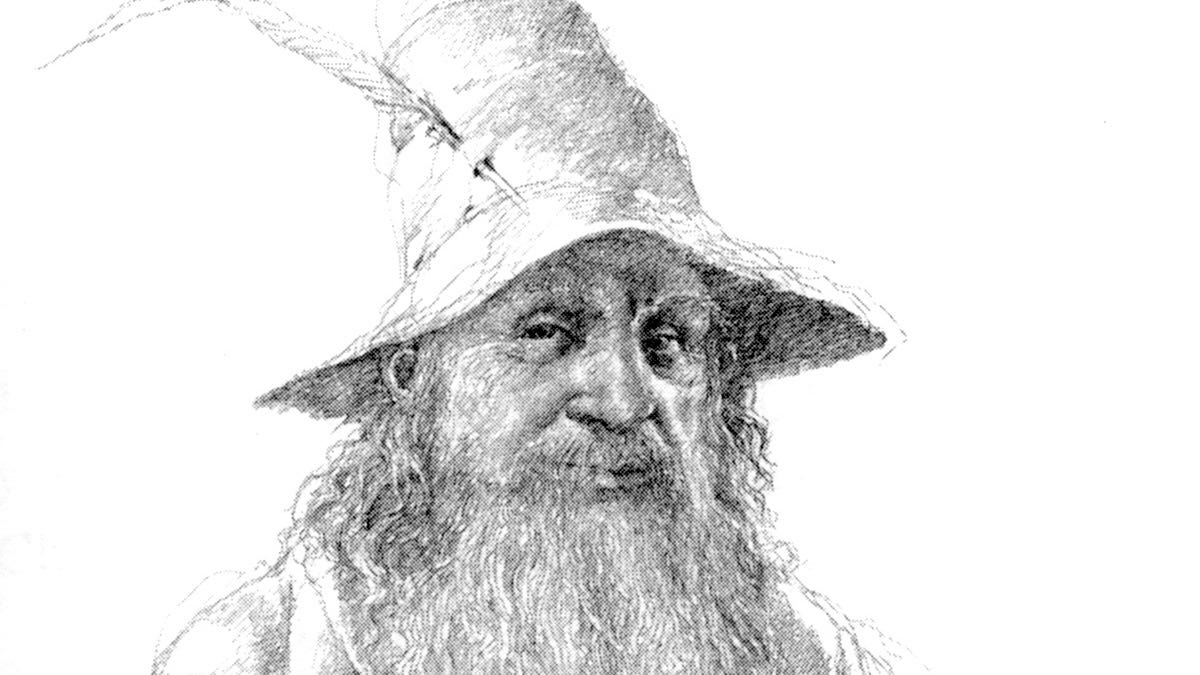
Tom Bombadil is the most mysterious character in The Lord of the Rings.
He's the oldest being in Middle-earth and completely immune to the Ring's power — but why?
Bombadil is the key to the underlying ethics of the entire story, and to resisting evil yourself… 🧵
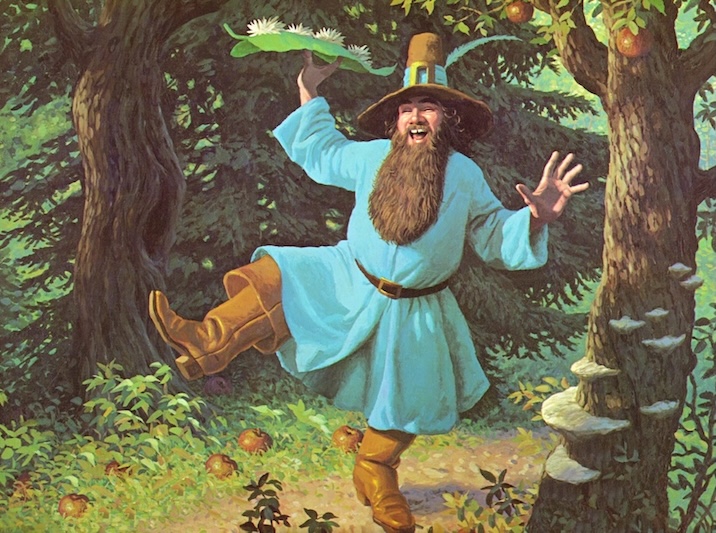
Tom Bombadil is an enigmatic, merry hermit of the countryside, known as "oldest and fatherless" by the Elves. He is truly ancient, and claims he was "here before the river and the trees."
He's so confounding that Peter Jackson left him out of the films entirely...
This is understandable, since he's unimportant to the development of the plot.
Tolkien, however, saw fit to include him anyway, because Tom reveals a lot about the underlying ethics of Middle-earth, and how to shield yourself from evil.
The story of Saint George isn't just about a brave knight slaying a dragon and saving a damsel.
St. George matters because he holds the answer to the most important of all questions:
What actually is evil, and how do you destroy it? 🧵
To understand the nature of evil, first note that the dragon is a perversion of the natural world.
Its origin is in nature, like the snake or lizard, and that makes it compelling. It's close enough to something natural (something good) that we tolerate it.
And notice the place from which it emerges. In Caxton's 1483 translation of the Golden Legend, it emerges from a stagnant pond: water without natural currents, which breeds decay.
It's also outside the city walls, and thus overlooked.