Here's What It Looks Like To Build A Secure Romantic Relationship:
Secure relationships involve:
- mutual trust
- mutual freedom of expression
- an acceptance of flaws (lack of perfectionism)
- respect for autonomy
- mutual giving and meeting of needs
- compromise without sacrificing sense of self
In a secure relationship, people are not looking to compete to be chosen.
Instead, they're looking for mutual compatibility:
- Can I fit into this person's life?
- Can they fit into mine?
- Will I be accepted as I am?
- Can we add value to each other?
Memory issues, feeling spaced out, and chronic procrastination can be symptoms of C-PTSD.
C-PTSD comes from childhood trauma and is often "invisible" or seen as all in your head. It's not.
Here's Why:
C-PTSD refers to complex post traumatic stress disorder. Unlike a single traumatic event, C-PTSD refers to events that took place over and over again in our developmental (childhood) years.
This includes:
- chronic chaotic, unpredictable, or overwhelming environments
- financial insecurity
- harsh punishment
- witnessing dysfunctional or violent adult relationships
- parentification (child becomes parent to parent)
- childhood emotional neglect
If you feel broken or not good enough, shame might run in your family.
8 Traits of Shame-Based Families:
Shame is a feeling of not being good enough, not mattering, and an embarrassment for having needs or wanting them to get met. Shame can be inherited and passed down generationally.
Here How:
1. High level of control or micromanaging
Control is a survival strategy to cope with shame. Shame-based families are highly controlling and tend to micromanage the behavior of others to avoid themselves and their internal anxiety.
If you want healthy relationships, you need to understand your nervous system.
HERE'S WHY:
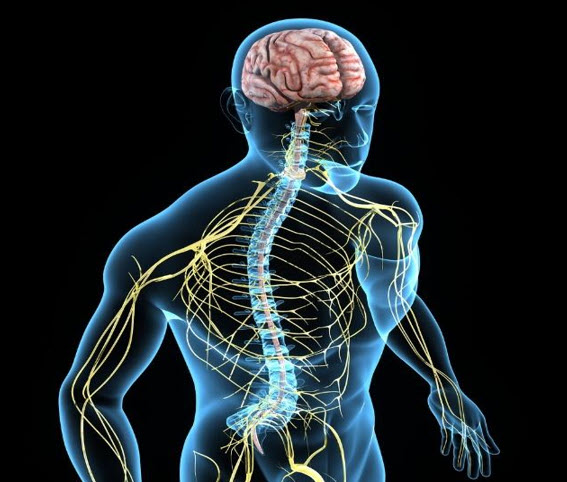
The nervous system detects threats in our environment. It does this through something called neuroception. Neuroception is our brains ability to scan an environment for cues of safety or threat.
It's our internal alarm system.
If we had to escape a tiger chasing us, our internal alarm system is helpful. Our heart races, blood rushes through the body, we get tunnel vision, and we focus on one thing: survival.
You meet someone and the connection feels intoxicating. Suddenly, your world revolves around them. It's exciting, but there's lots of chaos. Your nervous system goes into fight or flight, and you perceive this feeling as passion.
Moving quickly, you commit. Finally someone gets you. Sure, there's red flags, but the adrenaline and oxytocin keep you wanting as much of this person as you can.
Breaking generational cycles is the most important work a human being can do. It's also the hardest and most rewarding.
Here's How To Do It:
1. I No Longer Shame Myself:
I accept that humans are imperfect. I do not beat myself up for making mistakes. I learn and grow from them. I speak to myself like a wise loving parent. I remind myself I'm safe and doing the best I can on a regular basis.
2. I Say "No" and Have Clear Boundaries:
I've been conditioned to be polite, good, and easy to deal with by well meaning people. This has led me to betray myself in the past. Boundaries keep me emotionally healthy, and I say no whenever I need to.