"Detroit has lost 60% of its population since 1950. Half of the city is illiterate. It has not one major supermarket. It has the largest deserted skyscrapers in the world. Billions of gallons of water are lost by neglected plumbing. The average price of a home is $7,000"
I'm quoting a 2012 VDare review of Paul Kersey's Escape from Detroit: The Collapse of America's Black Metropolis. Home prices have improved little since 2009. vdare.com/articles/learn…
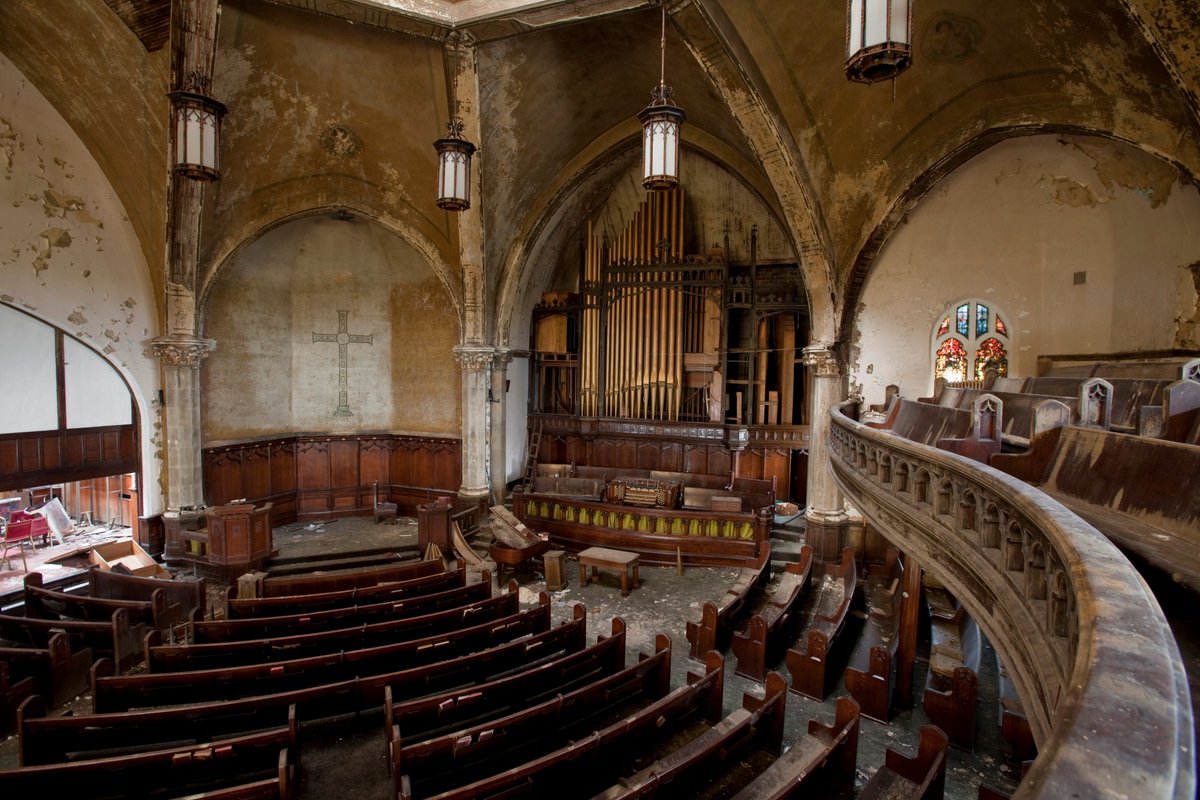
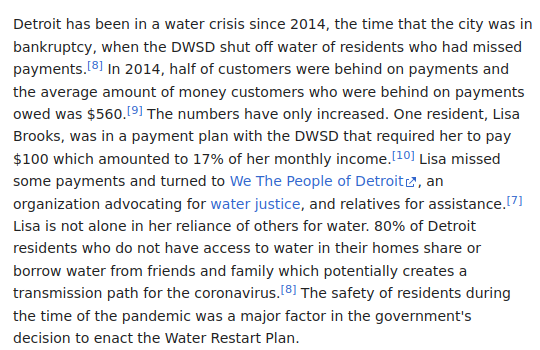
2011 Report that half of Detroit is functionally illiterate. 2021 report on half a billion gallons of wasted water. Detroit has been in a water crisis since 2014. The Book Building, David Broderick Tower, and The Lafayette Building are all abandoned. zfein.com/photography/de…
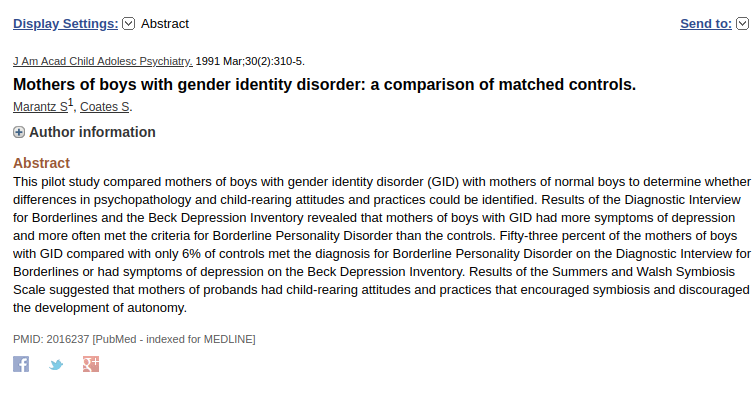
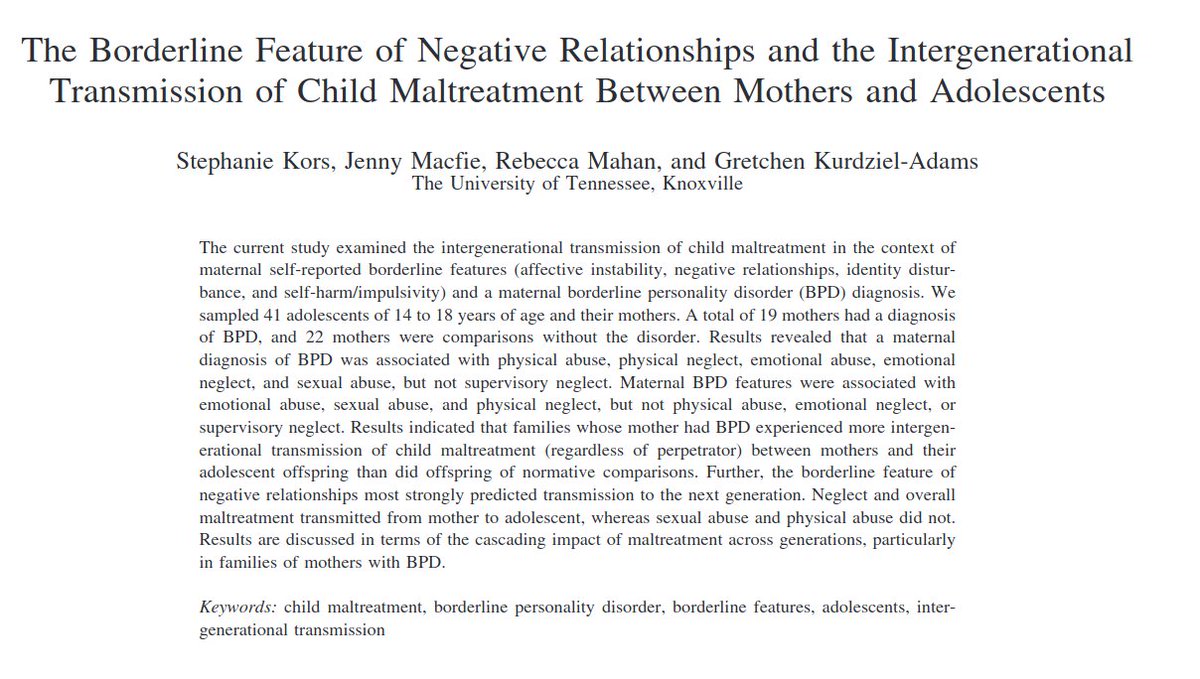
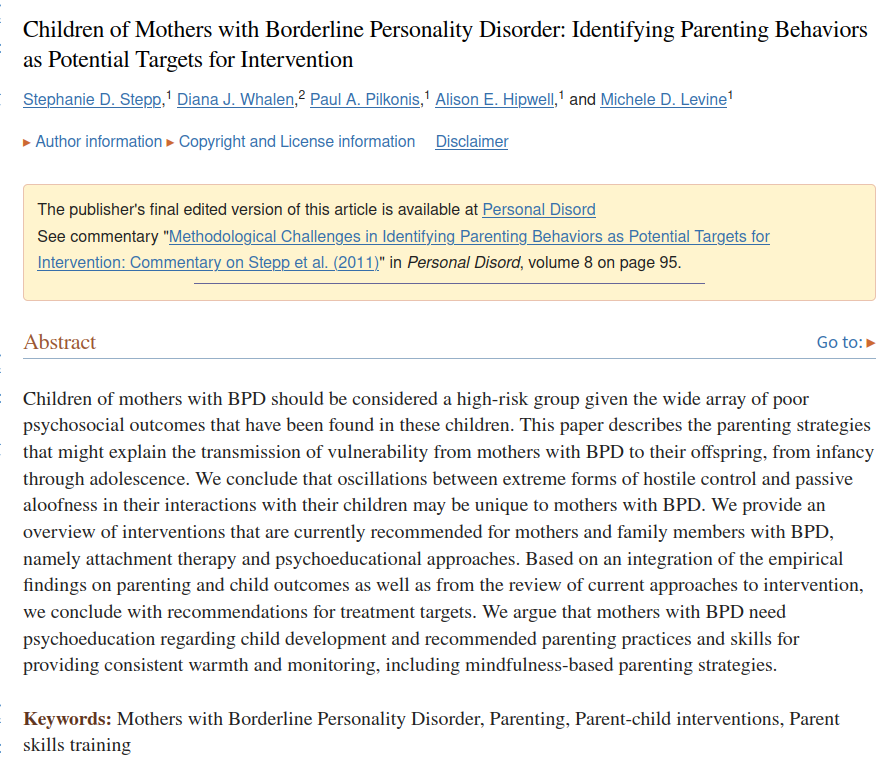
"Maternal diagnosis of BPD was associated with emotional, sexual abuse and physical neglect of children. Families of mothers with BPD experience more child maltreatment between mothers and their adolescent offspring"
"Children of mothers with BPD are a high-risk group with a wide array of poor psychosocial outcomes"
The Helios ending to Deus Ex is the ideal synthesis of the two others which represent the pre-Modern & Modern solutions to the Problem of Tyranny: Breed virtuous rulers or build constitutional mechanisms to purge tyrants = The mechanism of Helios informed by the character of JC.
Tracer's ending is concerned with the structural and systematic forms that enable unaccountable power (the global anonymous conspiracies encountered throughout the game) to exist. His tactical & relative collapse, localism and anti-federalism is the Classical Liberal solution.
Everett's ending is concerned with the quality of leaders, their training and expertise, a kind of pre-Modern aristocratic ideal and modern technocratic rule by experts model. The problem is not structure but the content of the structure and the purging of individual persons.
Texts like Kant's Critique of Pure Reason, Nietzsche's Anti-Christ or Deleuze & Guattari's Anti-Oedipus are truly philosophical critiques. They do not attack from an assumed perspective. They build a new foundation for their subject, and only then do they launch their arrows.
D&G don't just say Freud is wrong because he's unscientific, anti-social or immoral. They introduce a new conception of the unconscious, desire and its productive mechanisms applied to man, society and history to then explain how Psychoanalysis confuses its normal operation.
Similarly Kant's critique of natural theology comes at the end of the text after an entire philosophy of mind, of the faculties and their transcendental / empirical functions are outlined. Nothing is taken from granted.