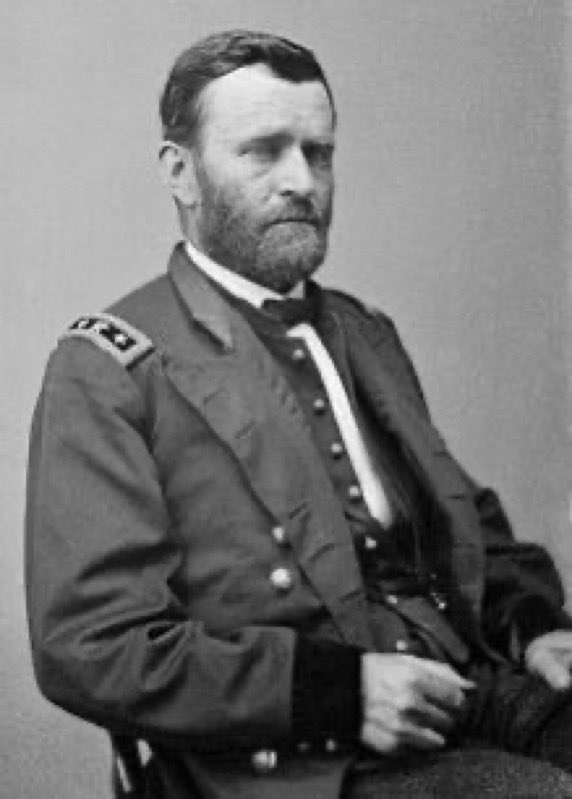
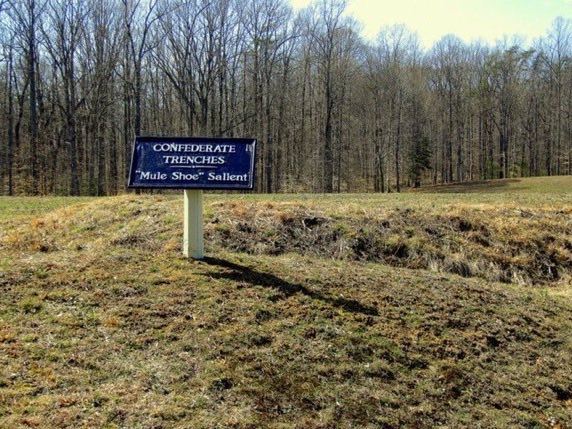
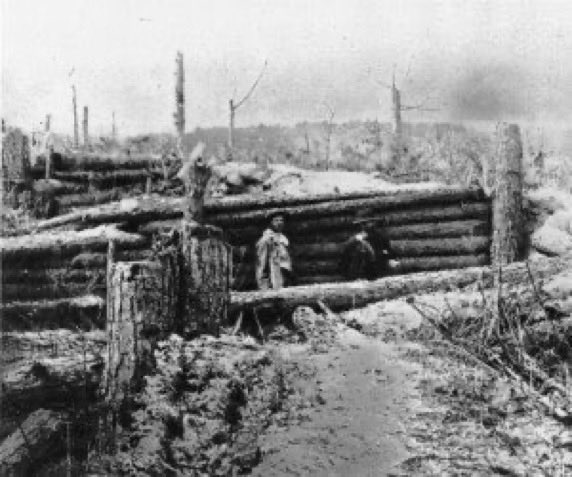
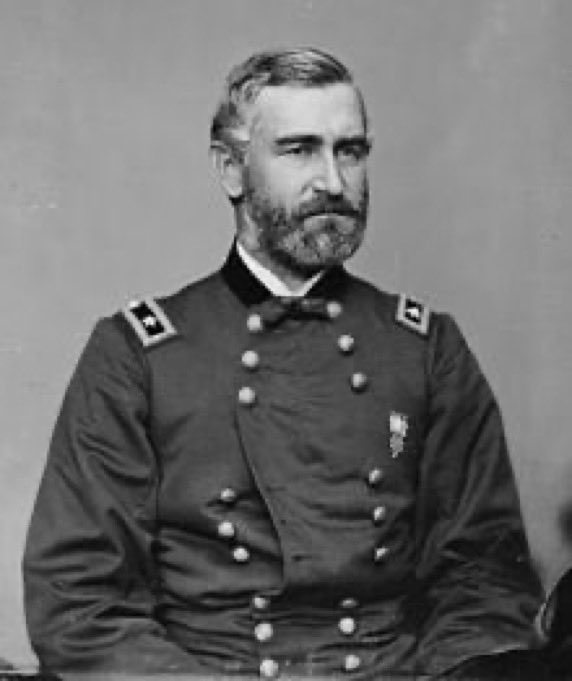
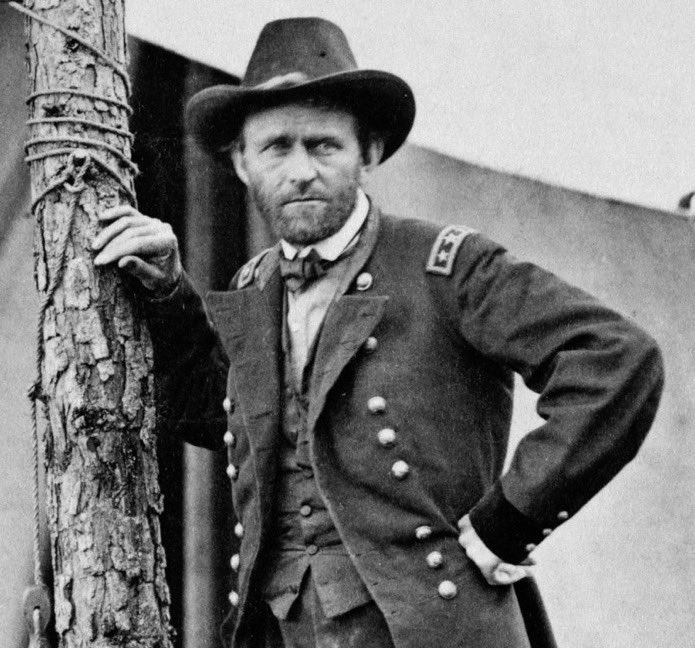
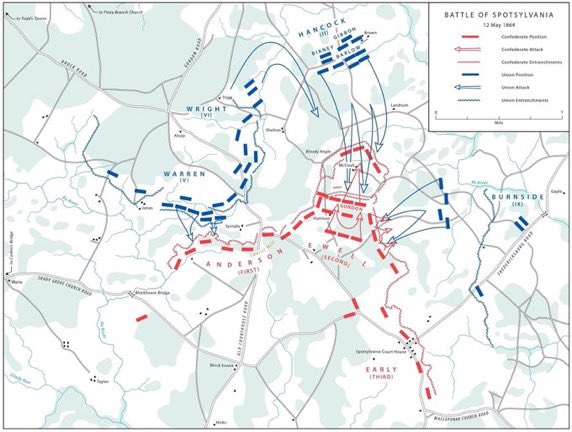
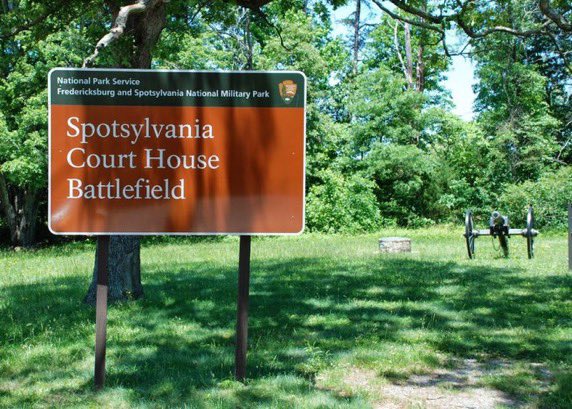
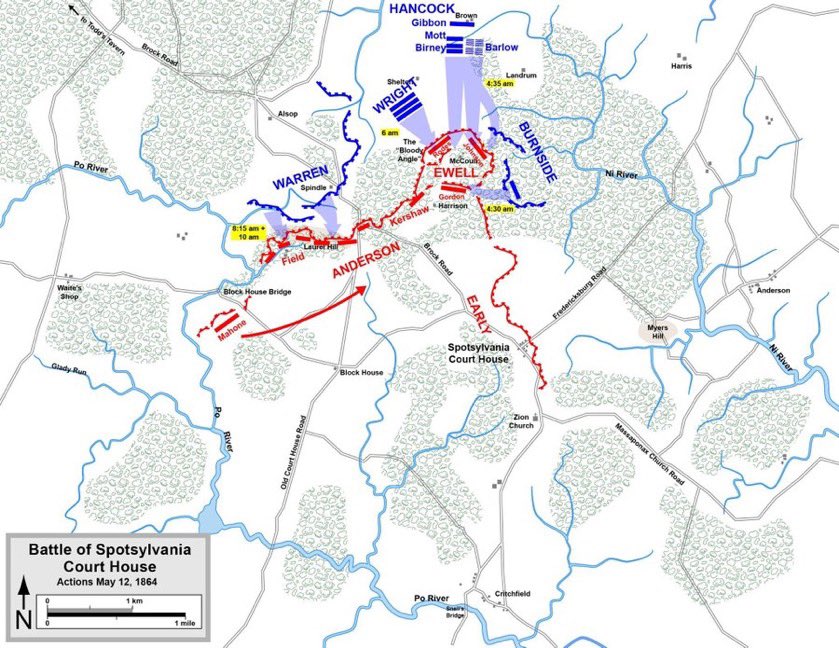
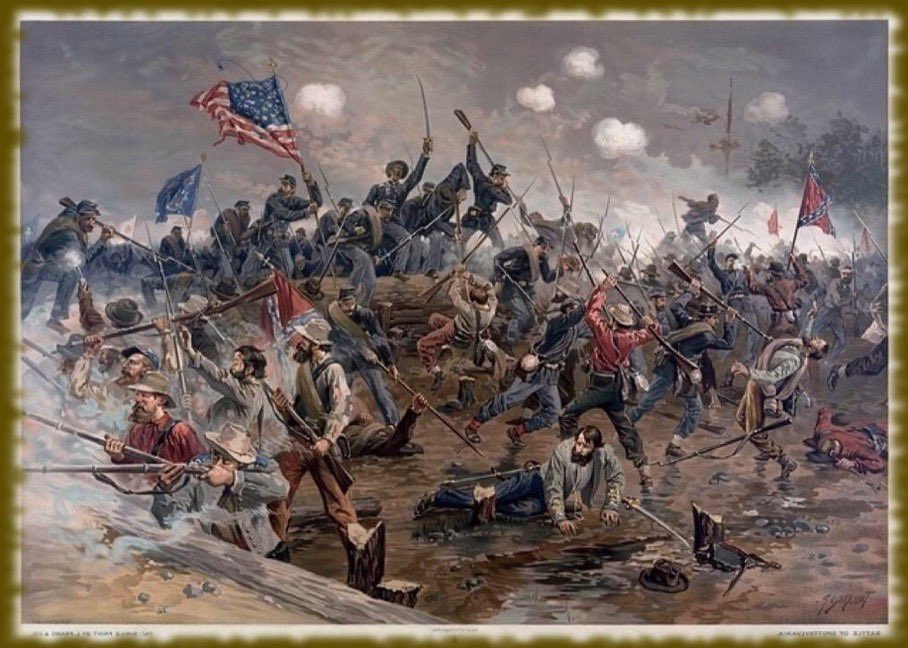
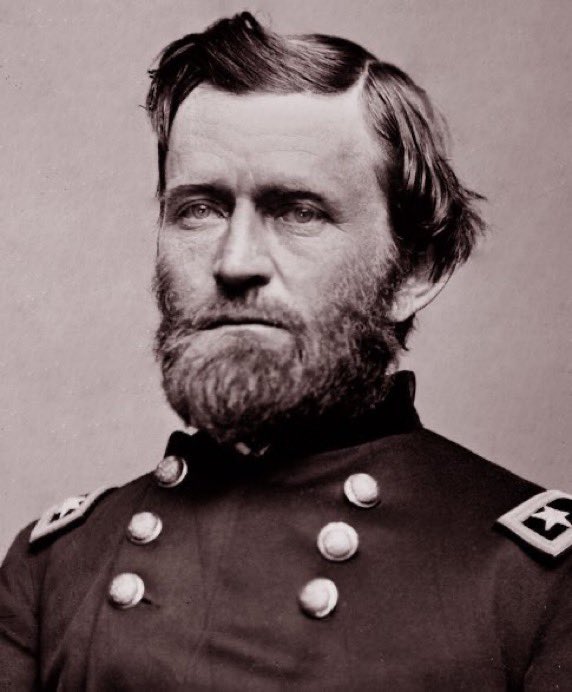
General @USGrantNPS ordered a targeted assault on a weak spot in the confederate lines at Spotsylvania Court House #OTD in 1864. The location has become known as the Mule Shoe. #CivilWar🧵
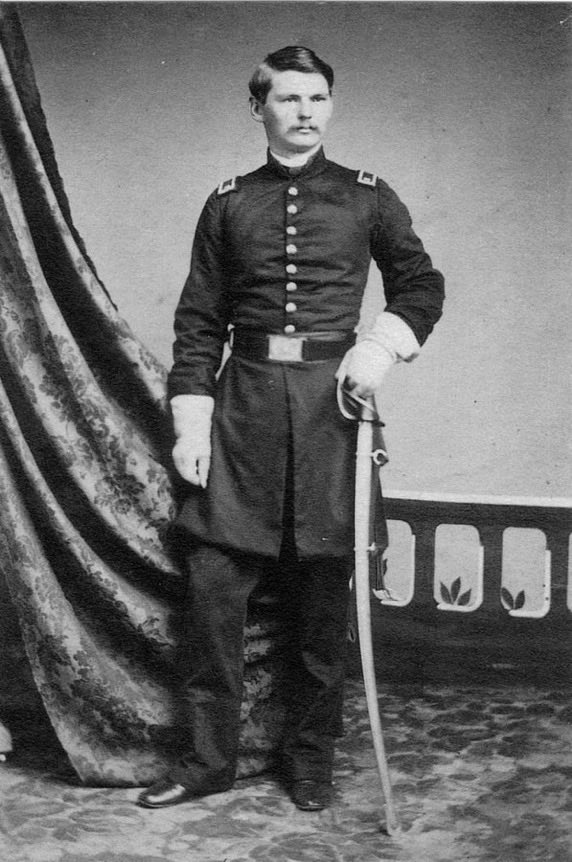
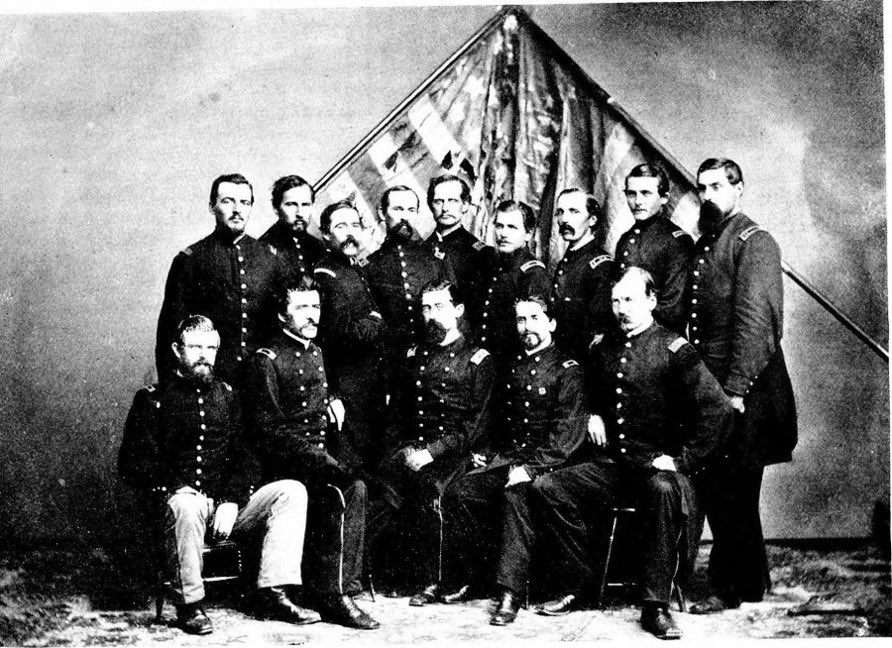
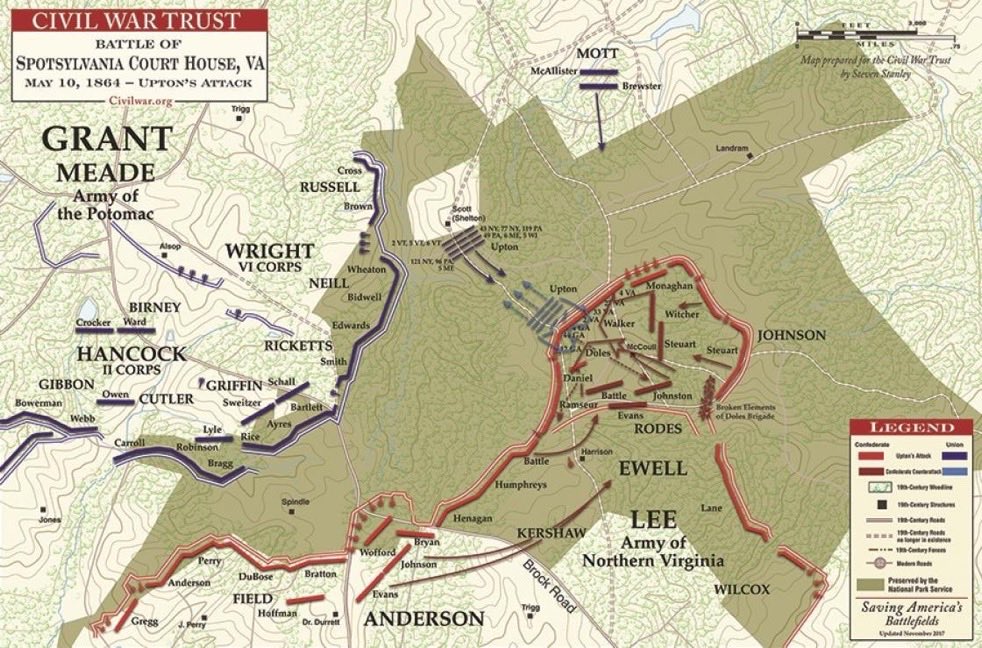
The assault force of 5,000 men was under the command of Colonel Emory Upton, a graduate of West Point, Class of 1861. A dozen regiments were chosen for the attack, given orders to advance on the confederate works rapidly, without stopping to fire as they advanced.
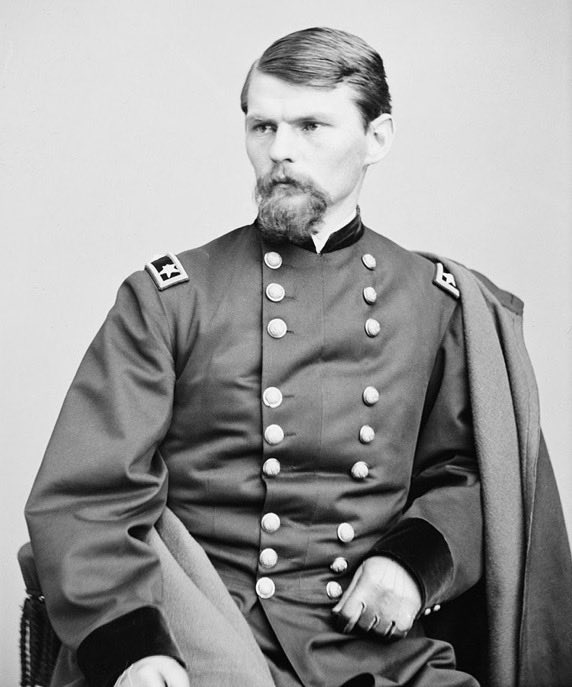
The tactic worked, and the makeshift division penetrated the confederate trenches and began to fan out in both directions. Upton was expecting to hold there until reinforcements arrived from General Gershom Mott's division of II Corps.
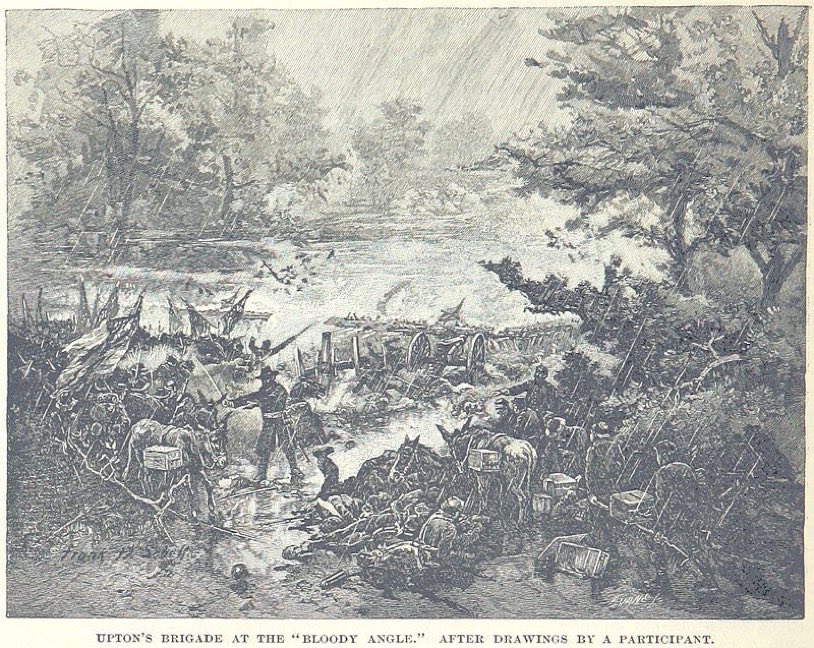
The reinforcements never arrived. Mott's division retreated under artillery fire and never reached Upton's position. Additional units from V Corps were fatigued from earlier attacks on Laurel Hill and also didn't advance. Upton, now wounded, ordered his men to retreat.
Upton was promoted to Brigadier General, and his tactic was used to attack the Mule Shoe again just two days later, on a far greater, and bloodier, scale.
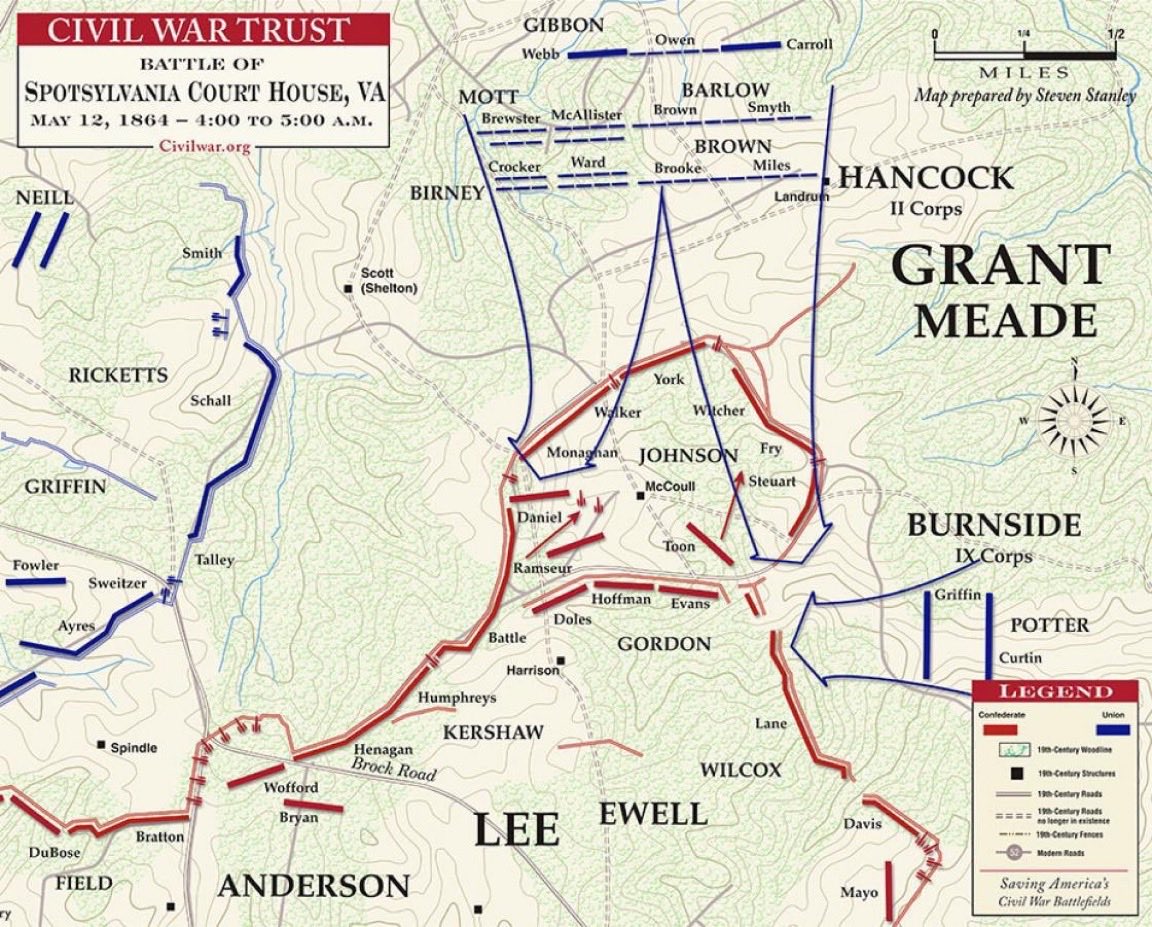
General @USGrantNPS ordered an early morning assault on the Mule Shoe, a salient in the confederate lines at Spotsylvania Court House, #OTD in 1864. It became one of the bloodiest 24 hours of the #CivilWar.🧵
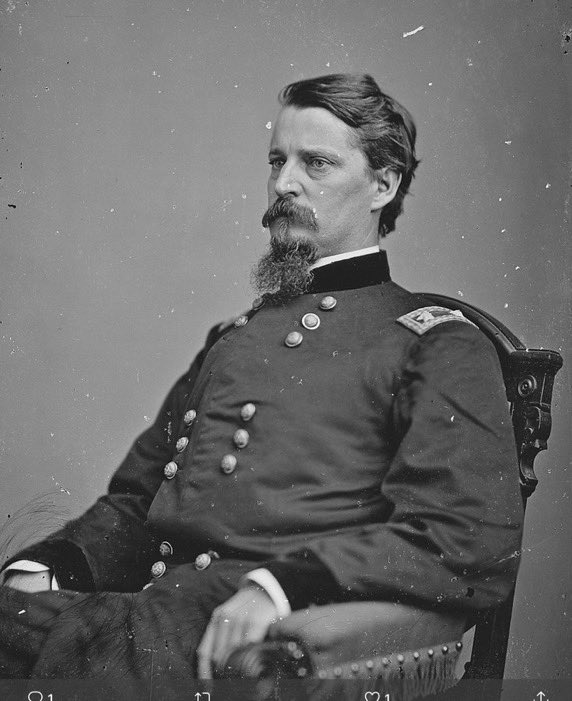
II Corps, under General Winfield Scott Hancock, led the assault, using the same tactics employed two days earlier by the smaller division-sized forced under Colonel Emory Upton. The attack started at 4:35AM, after a heavy downpour stopped.
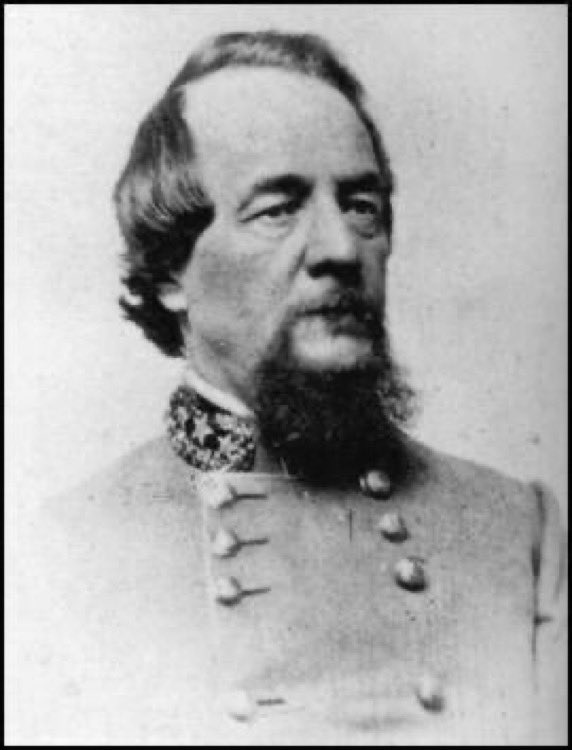
The U.S. assault crushed most of the confederate division commanded by Edward Johnston, who was captured. The rain had left most of the confederate’s gunpowder too wet to fire, and the fighting devolved into hand-to-hand combat with bayonets, rifle butts, and fists.
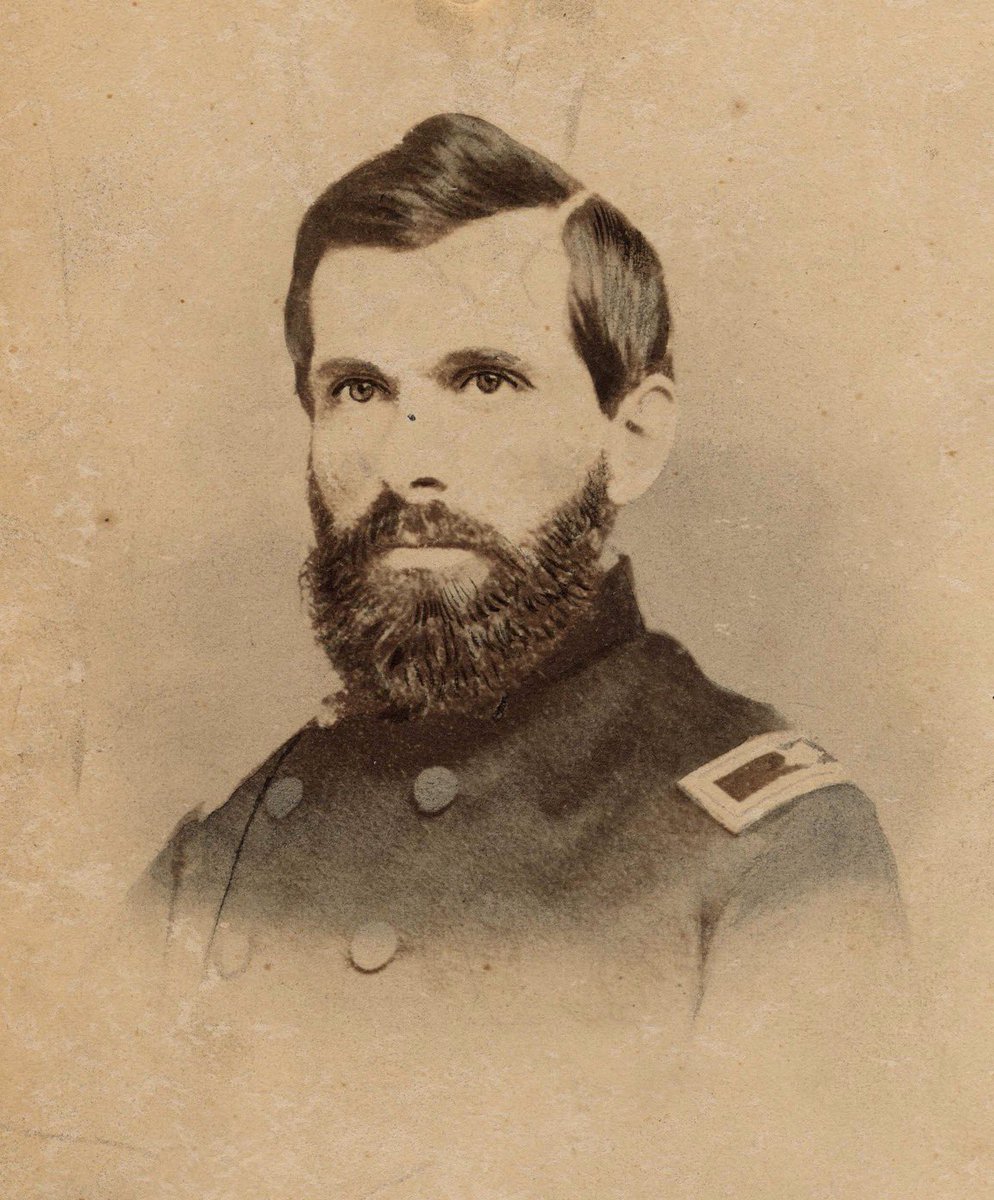
General James Clay Rice died #OTD in 1864 near Spotsylvania, VA. He was 35 years old. He graduated from @Yale before becoming a teacher in Natchez, Mississippi, and practicing law in New York City prior to the #CivilWar.🧵
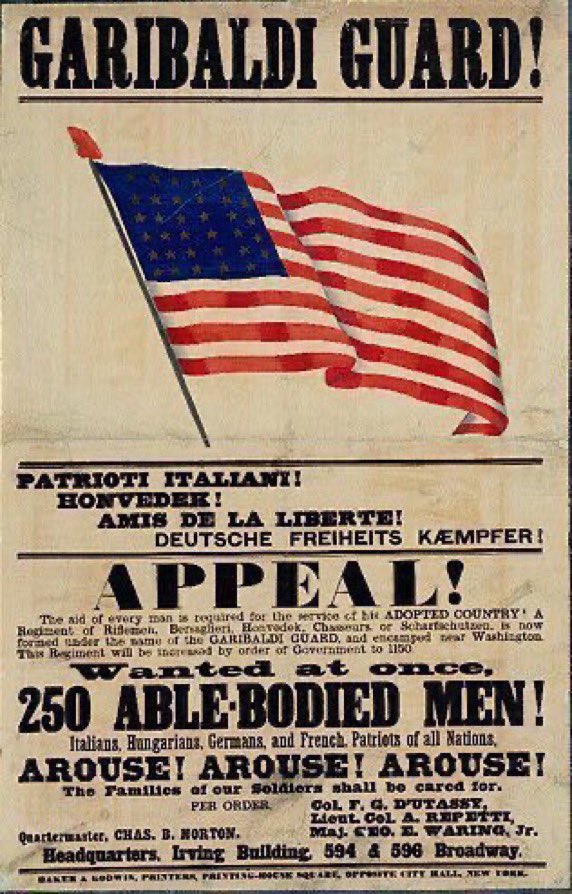
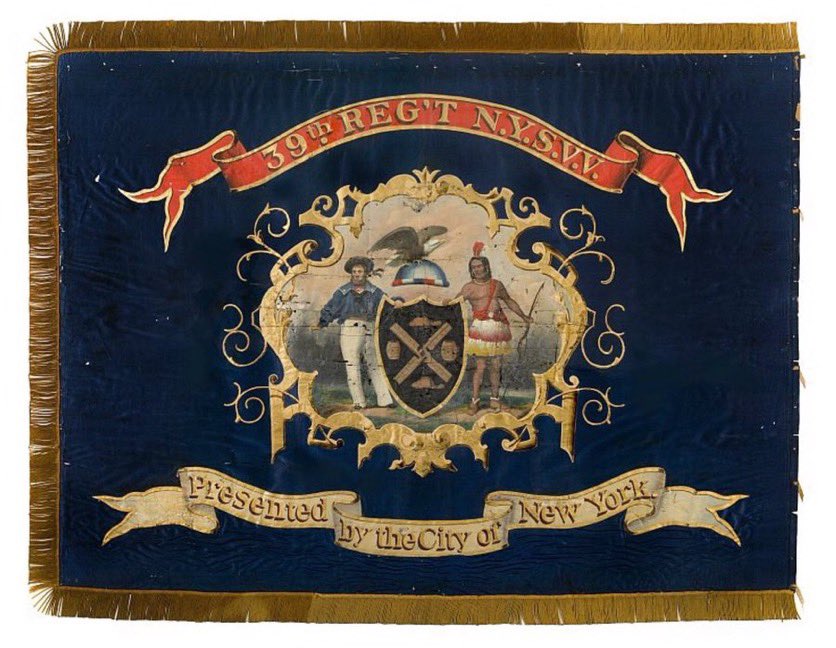
At the outbreak of the #CivilWar, Rice enlisted in the 39th New York Volunteer Infantry, the Garibaldi Guards. He was quickly made Captain, and commanded Company B of the regiment at the First Battle of Bull Run.
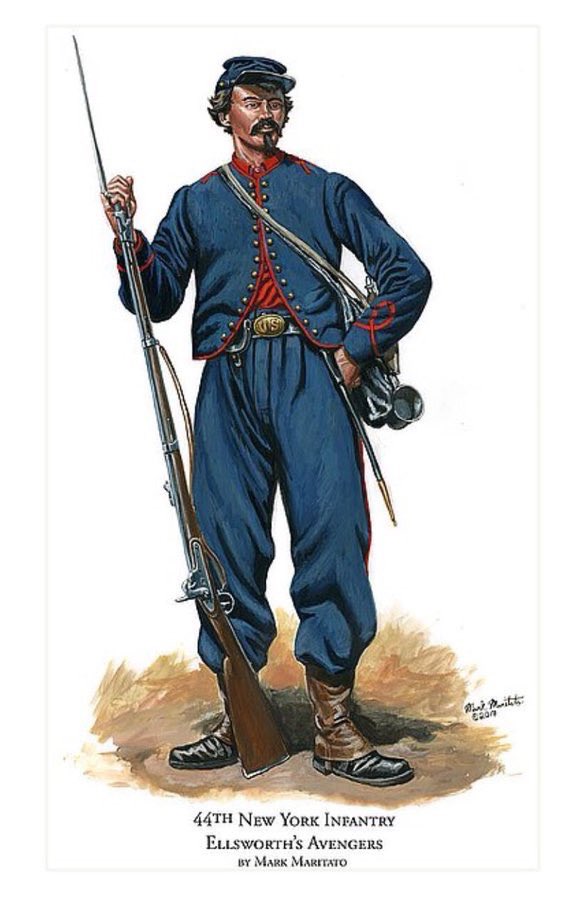
Rice was promoted to Colonel after the battle, and given command of the Zouves of the 44th NY Volunteer Infantry. He led them at the Battles of Second Bull Run, Fredericksburg, Chancellorsville, and @GettysburgNMP.
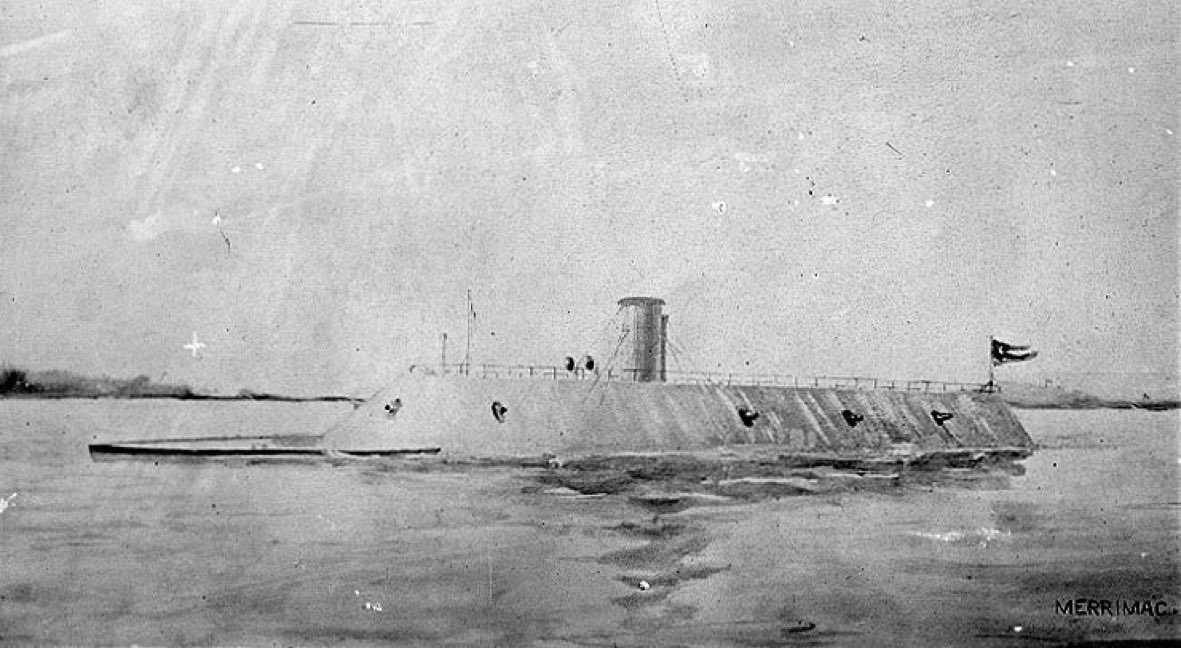
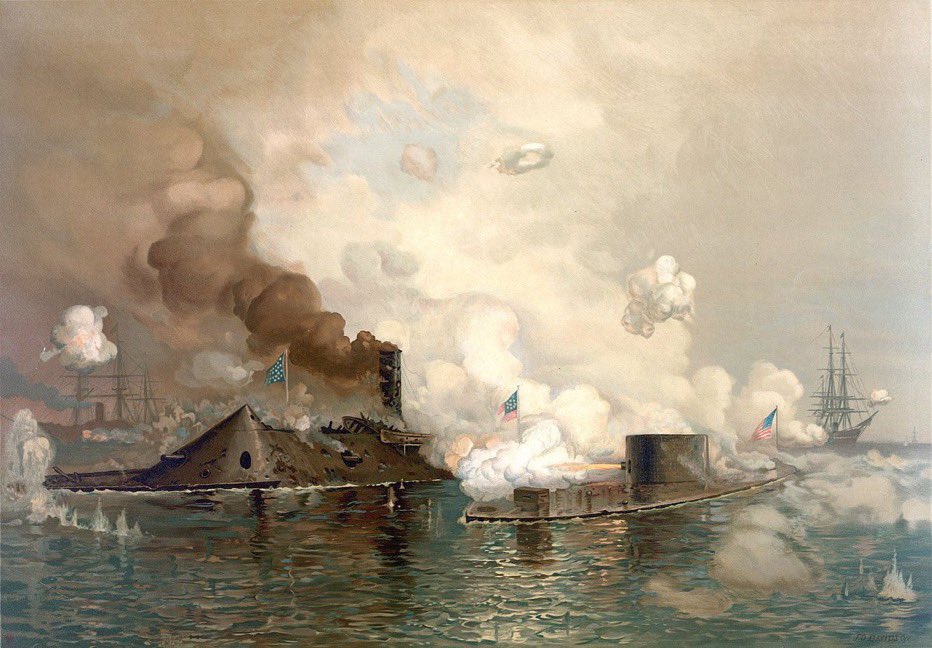
The confederate ironclad Virginia was scuttled by her crew #OTD in 1862. She was the first confederate ironclad, and had taken part in the Battle of Hampton Roads against the USS Monitor two months earlier, the first naval battle between ironclad warships. #CivilWar🧵
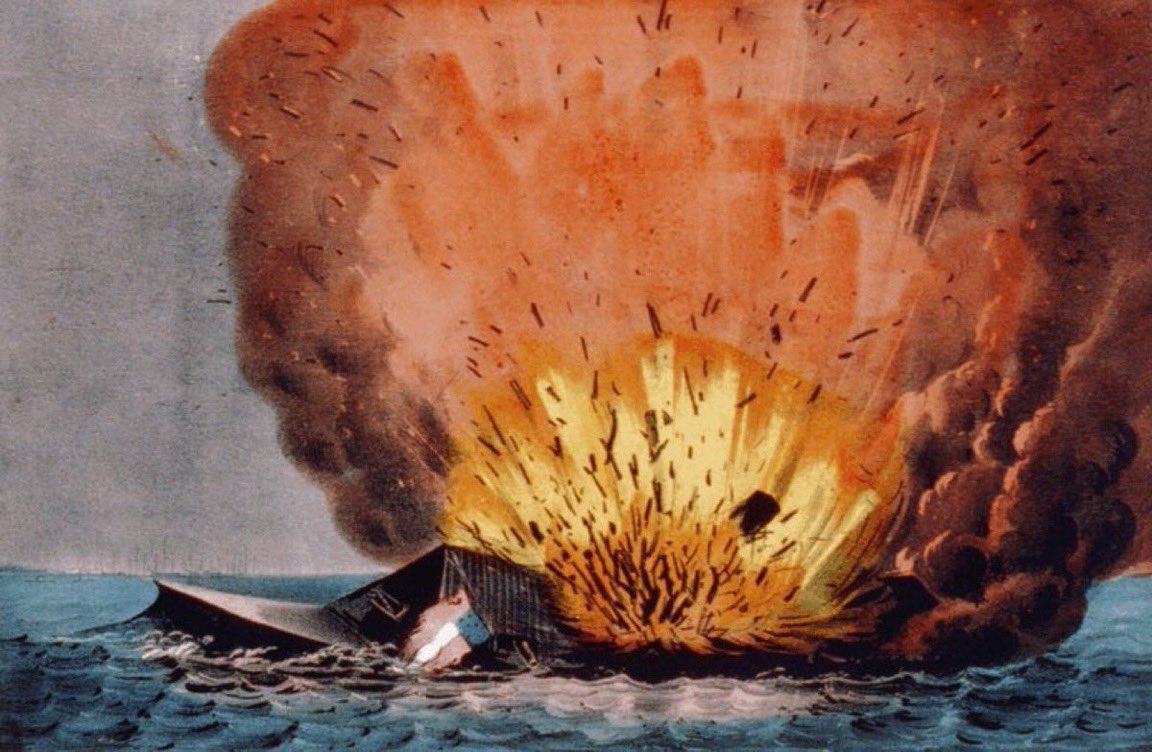
Damaged in that battle and converted to a battery that was no longer seaworthy, she was destroyed rather than have her fall into the hands of @USArmy troops that had captured her home port of Norfolk.
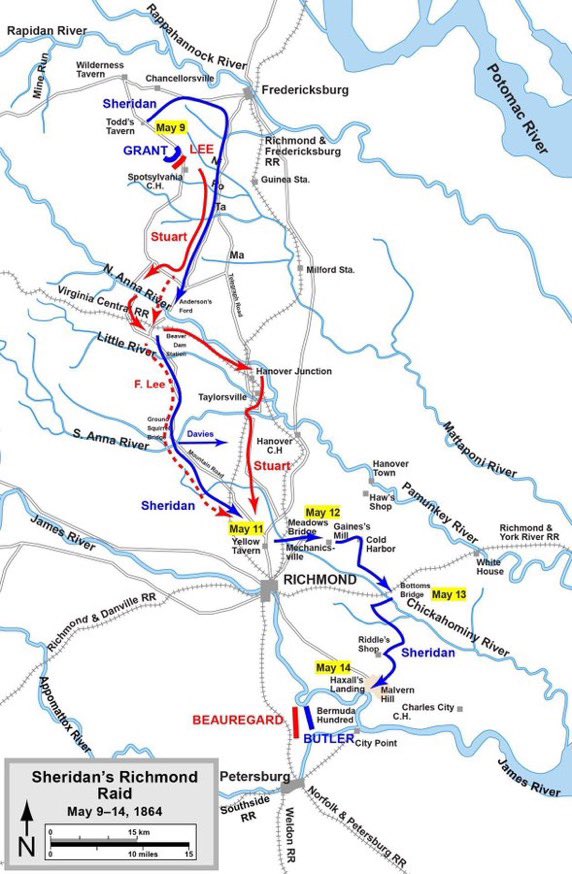
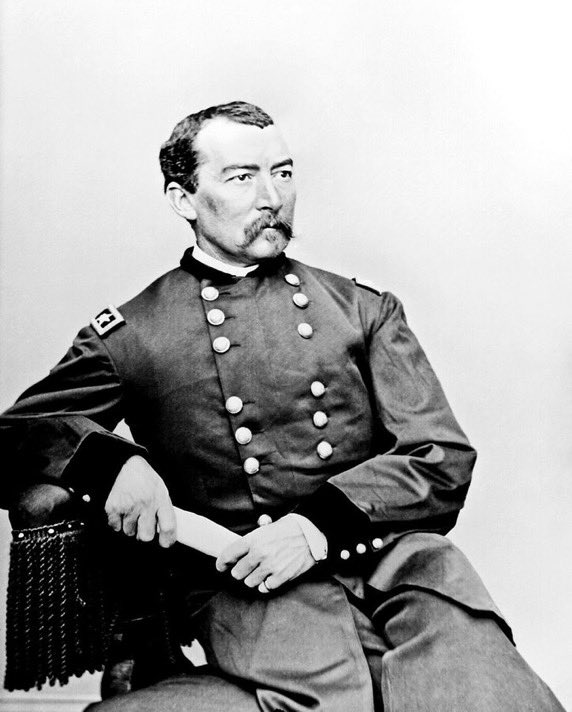
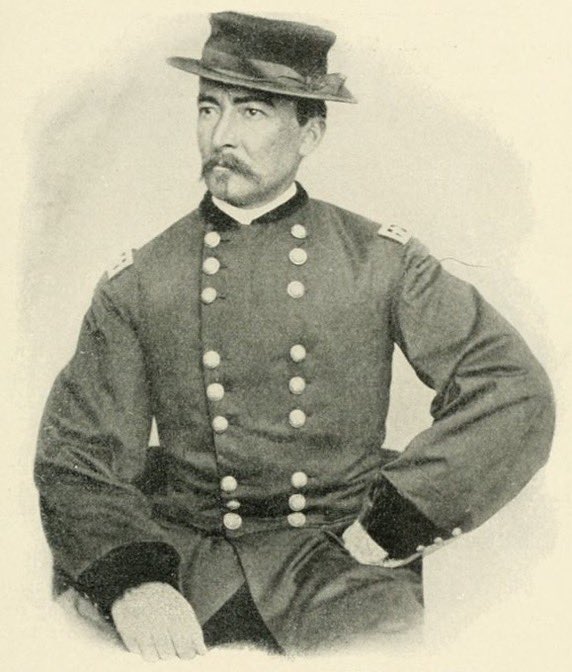
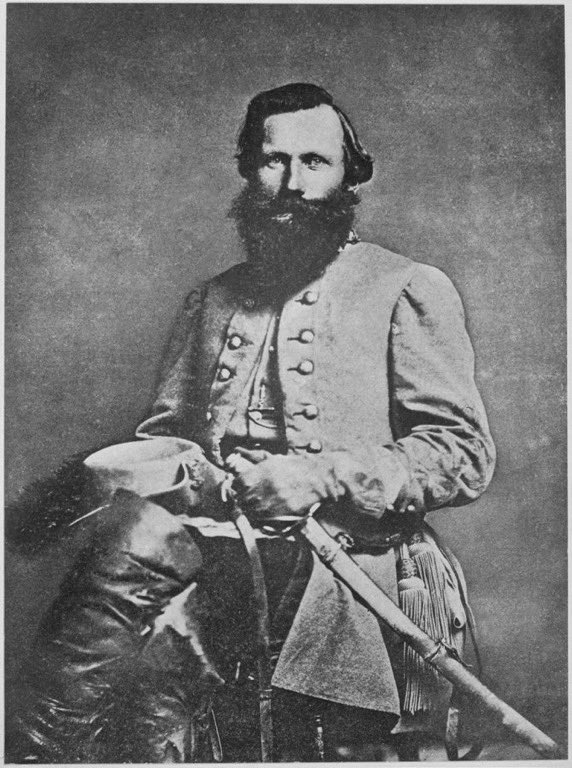
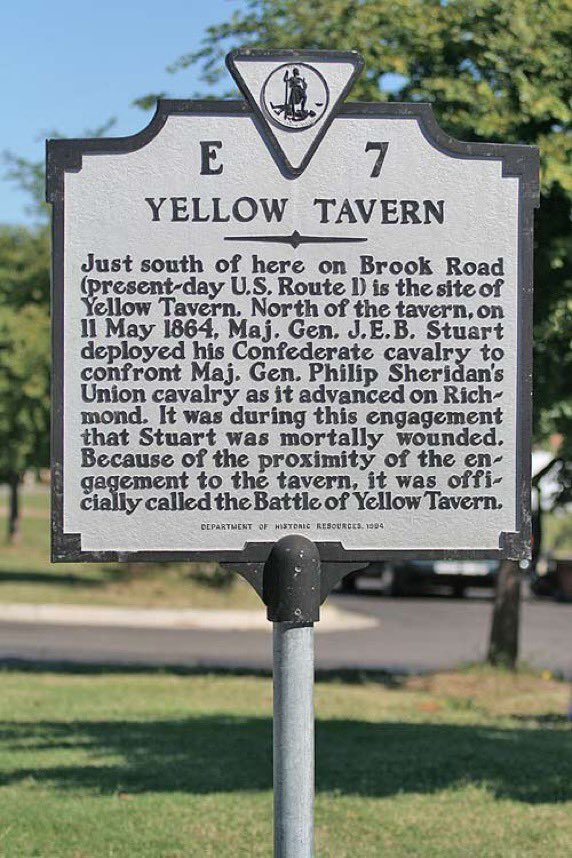
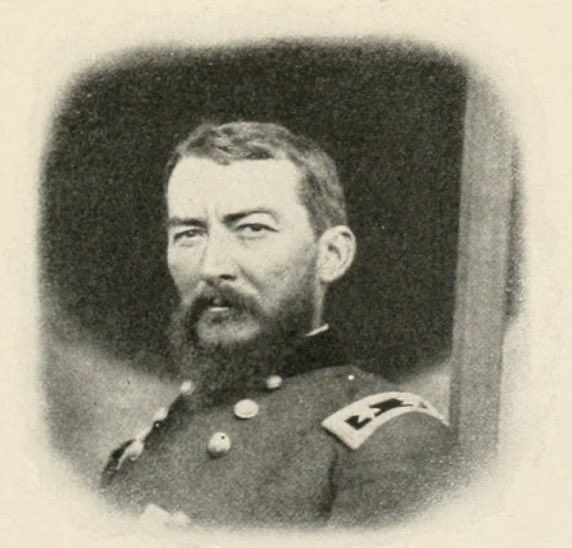
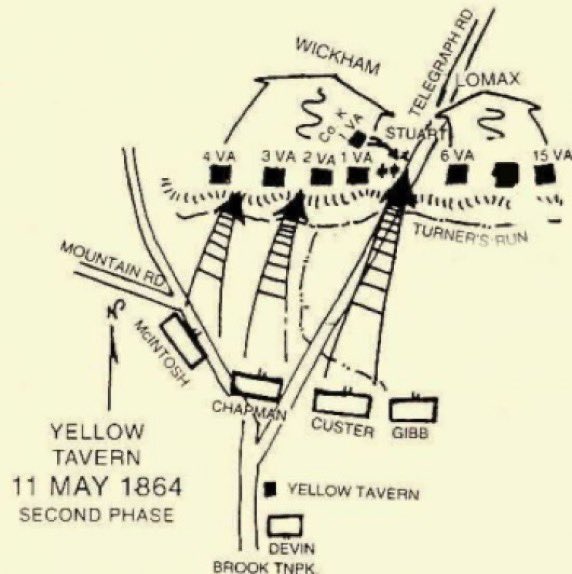
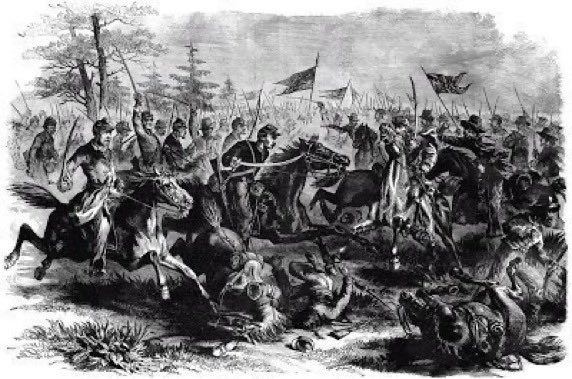
The Battle of Yellow Tavern was fought #OTD in 1864. General @USGrantNPS had detached his cavalry, commanded by General Philip Sheridan, to defeat the confederate cavalry, disrupt Lee’s supply lines, and threaten Richmond.🧵
Sheridan had campaigned for the opportunity, feeling his cavalry was underused. He moved south with over 10,000 troopers, seeking an engagement with J.E.B. Stuart, the colorful commander of Lee’s cavalry.
Stuart was happy to oblige him, and placed his far outnumbered troops astride a road near the abandoned Yellow Tavern, just north of Richmond. Sheridan’s men, armed with repeating rifles, attacked.
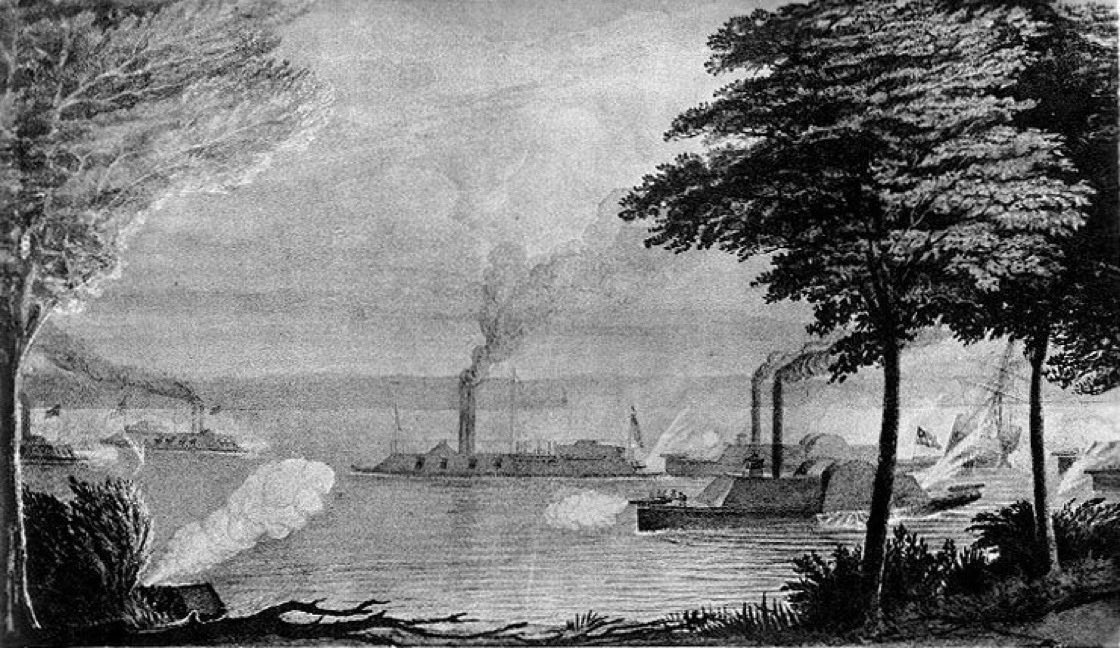
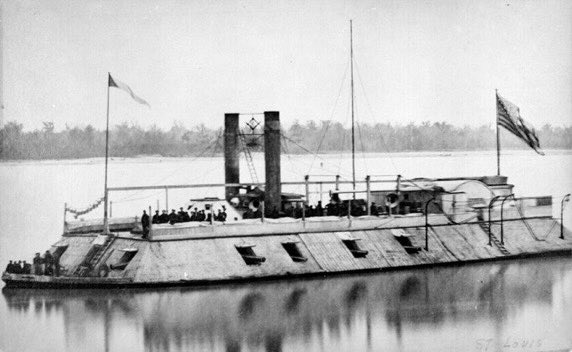
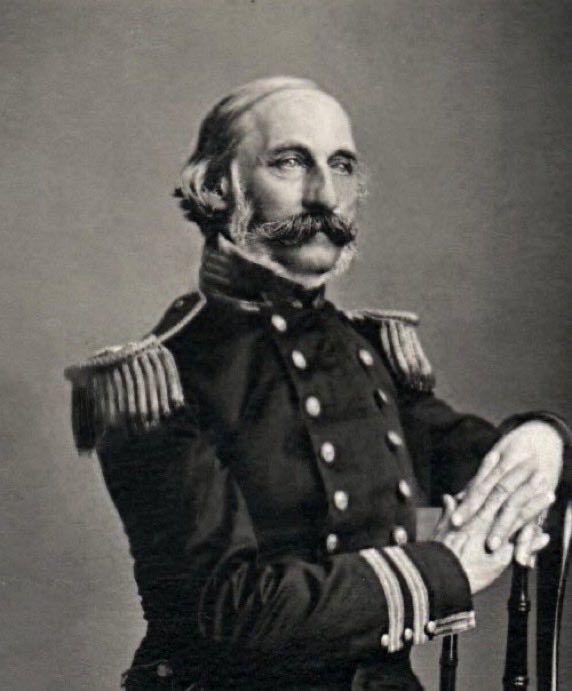
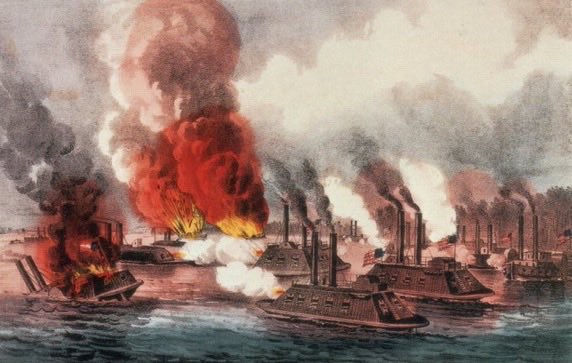
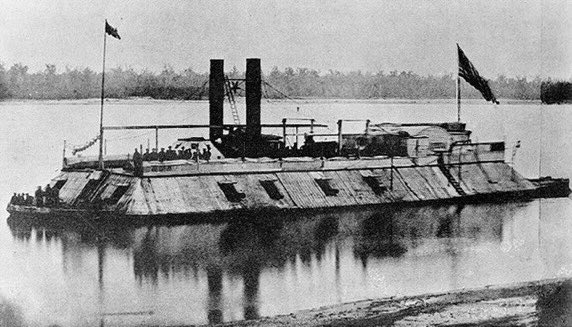
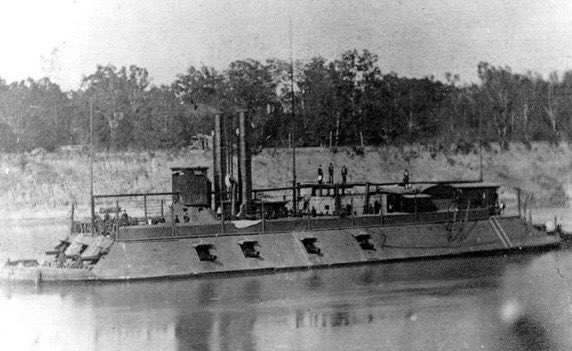
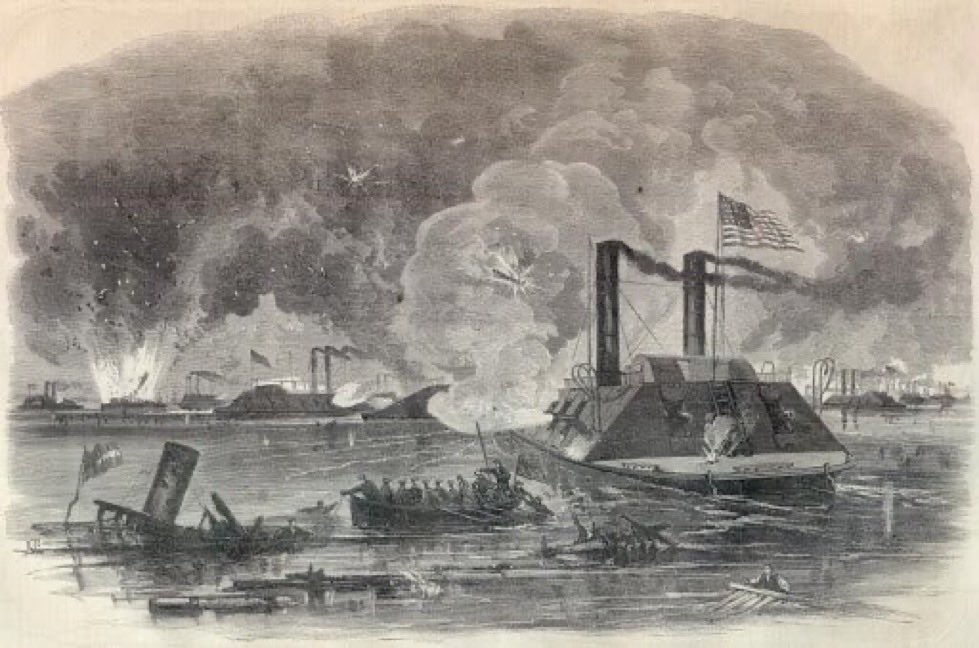
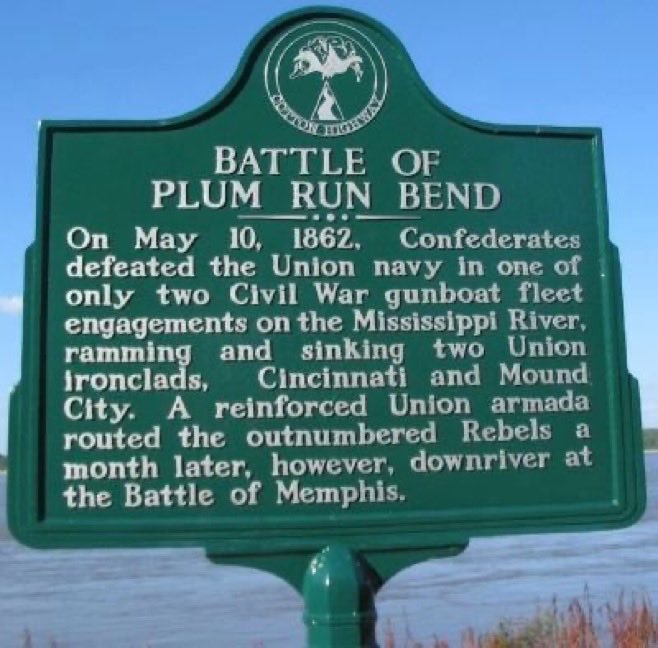
The Naval Battle of Fort Pillow, also known as the Battle of Plum Run Bend, was fought #OTD in 1862. Eight ships of the confederate River Defense Fleet confronted seven ironclad gunboats of the @USNavy’s Mississippi River Squadron as they headed downriver. #CivilWar🧵
Captain Charles Henry Davis was in command of the U.S. flotilla, having taken command only the day before. The confederate attack caught them by surprise, and two ironclads, the USS Cincinnati and USS Mound City were rammed.
The damaged vessels moved to shallower water, where the confederate vessels couldn’t pursue. Both ships sank there, but were later raised and put back into service. Though it was a tactical victory for the confederates, the U.S. fleet was able to continue downriver as planned.
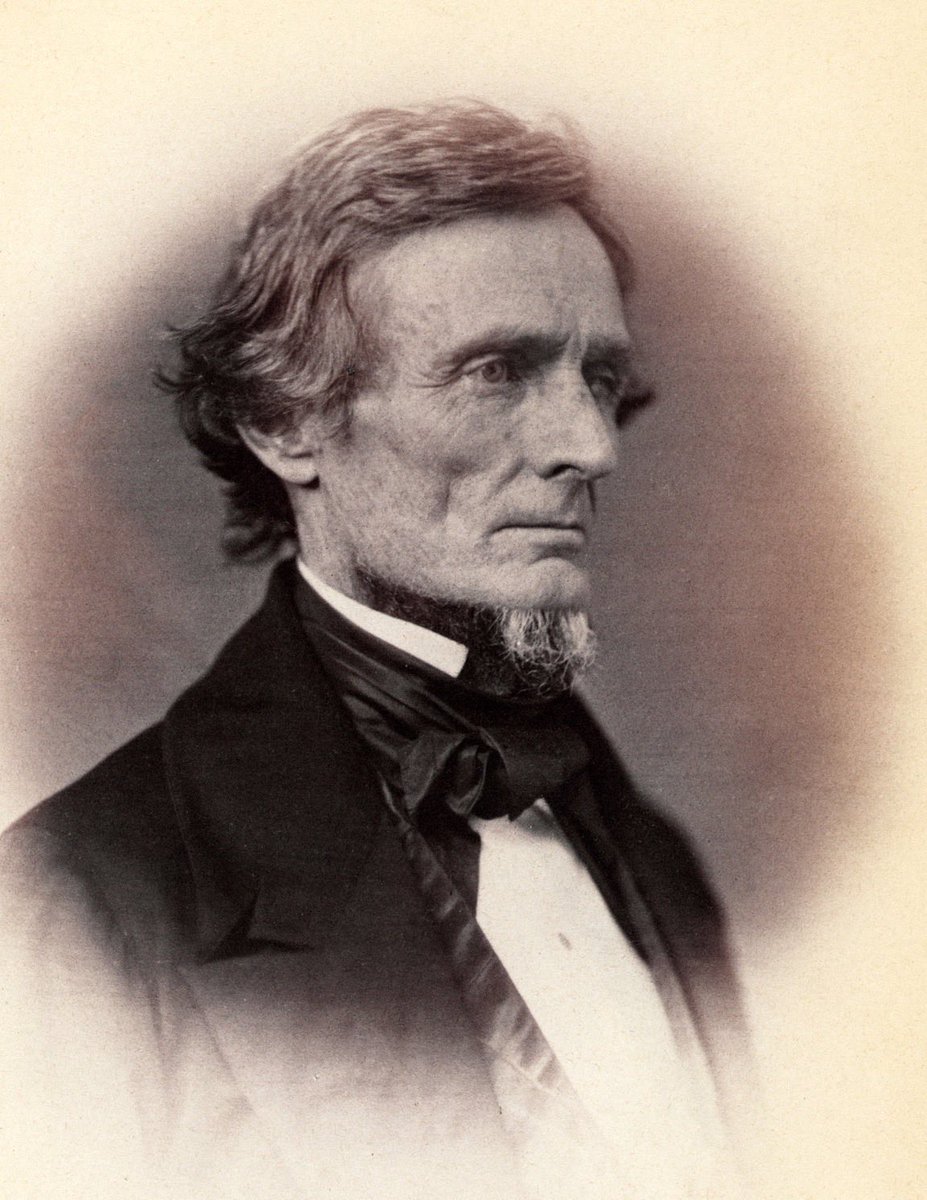
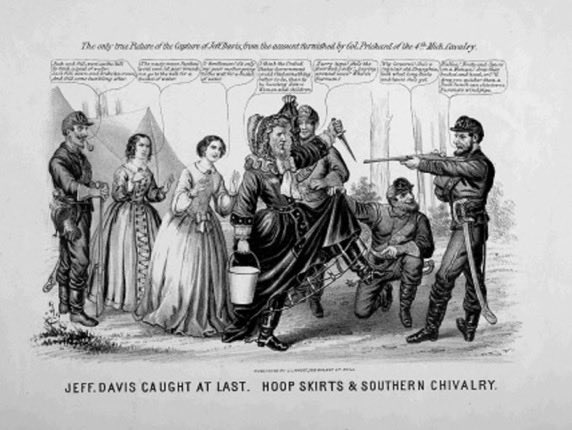
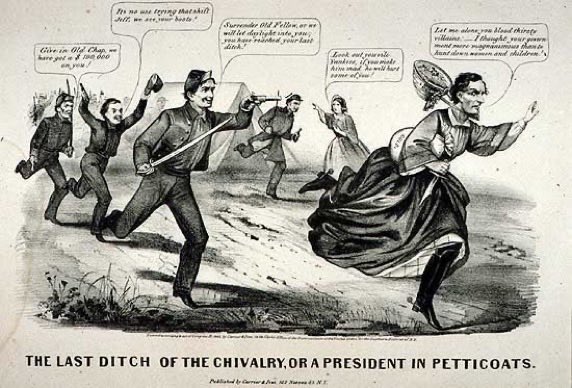
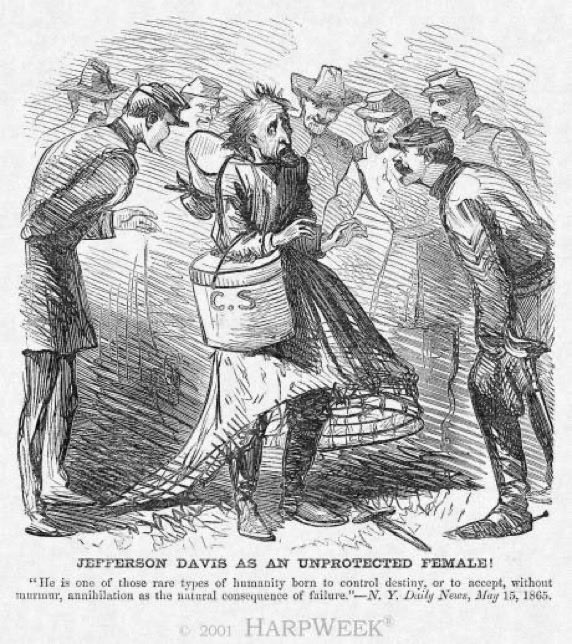
Jefferson Davis was captured by @USArmy cavalry near Irwinville, GA, #OTD in 1865. He had fled the confederate capital of Richmond with his wife a month earlier, as U.S. forces surrounded the city. #CivilWar🧵
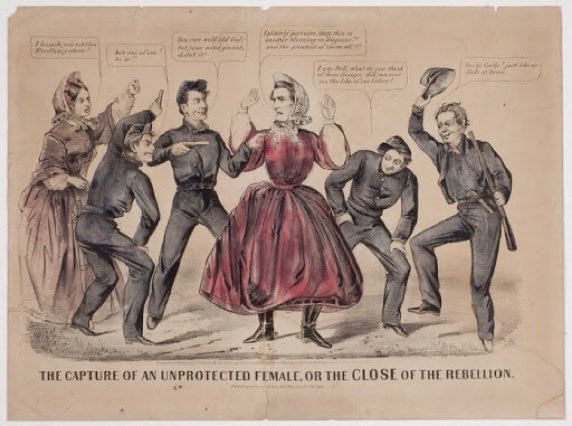
At the time of his capture, Davis was wearing a shawl his wife had thrown over him to hide his identity. This fact started the persistent rumor that he was wearing a dress when captured, launching dozens of mocking cartoons in northern newspapers.