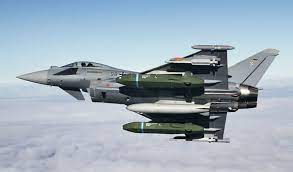
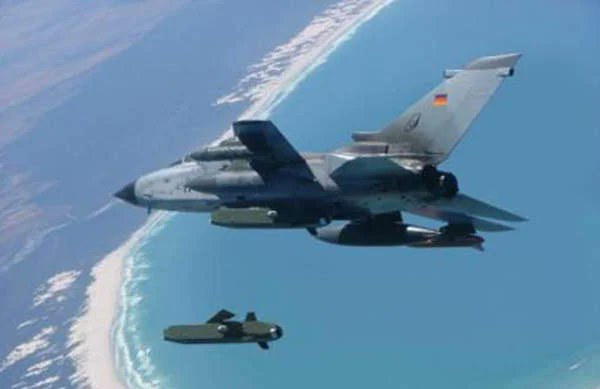
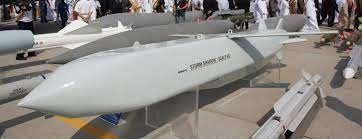
Mein Thread von gestern über den Storm Shadow hat einiges an Diskussion über eine potenzielle Lieferung des KEPD 350 Taurus Marschflugkörpers ausgelöst. Deshalb jetzt ein Thread über den Taurus und seine Fähigkeiten, verglichen mit dem Storm Shadow und anderen Systemen. 🧵🚀 1/12
Taurus ist das Resultat einer deutsch-schwedischen Entwicklung zwischen @MBDADeutschland & @Saab und wurde 2005 bei der Bundeswehr in den Dienst gestellt. Der Taurus stellt das direkte Gegenstück zur parallel entwickelten britisch-französischen Storm Shadow dar. 2/12
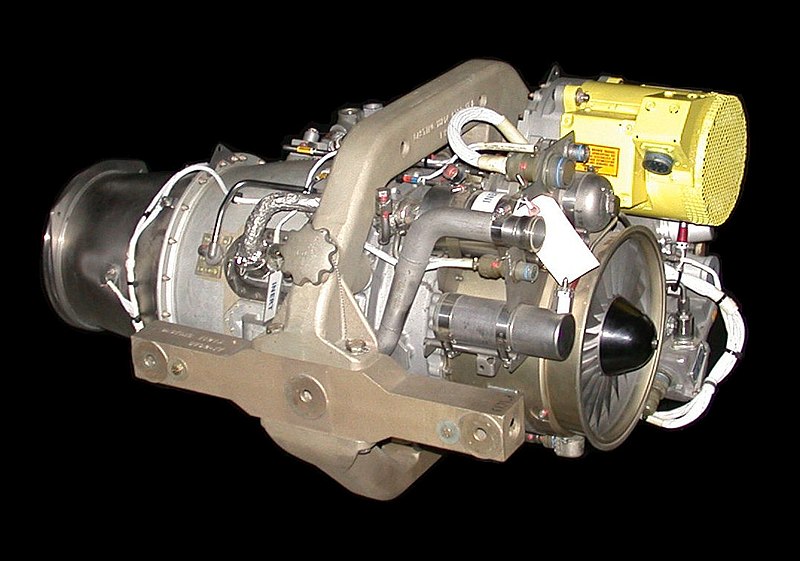
Im Gegensatz zur Storm Shadow ist der Taurus mit einer Williams F112 Turbofan-Turbine ausgestattet, welche verglichen mit dem Turbojet der Storm Shadow eine höhere Energieeffizienz aufweist. Deshalb ist die Maximialreichweite des Taurus auch höher (>500 km). 3/12
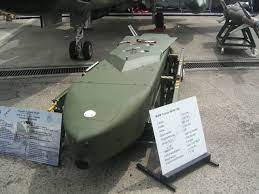
Der Taurus trägt den 450 kg Gefechtskopf “MEPHISTO” (Multi-Effect Penetrator High Sophisticated and Target Optimized). Wie beim BROACH Warhead des Storm Shadow handelt es sich hier um einen Tandem-Gefechtskopf, bestehend aus einer Hohlladung und einem Penetrator. 4/12
Verglichen mit dem BROACH Gefechtskopf hat man allerdings einige Verfeinerungen implementiert. Zum Beispiel ist die im Vorderteil gelagerte Elektronik ringförmig angebracht, sodass die Hohlladung diese nicht erst penetrieren muss, sondern direkt auf das Ziel wirken kann. 5/12
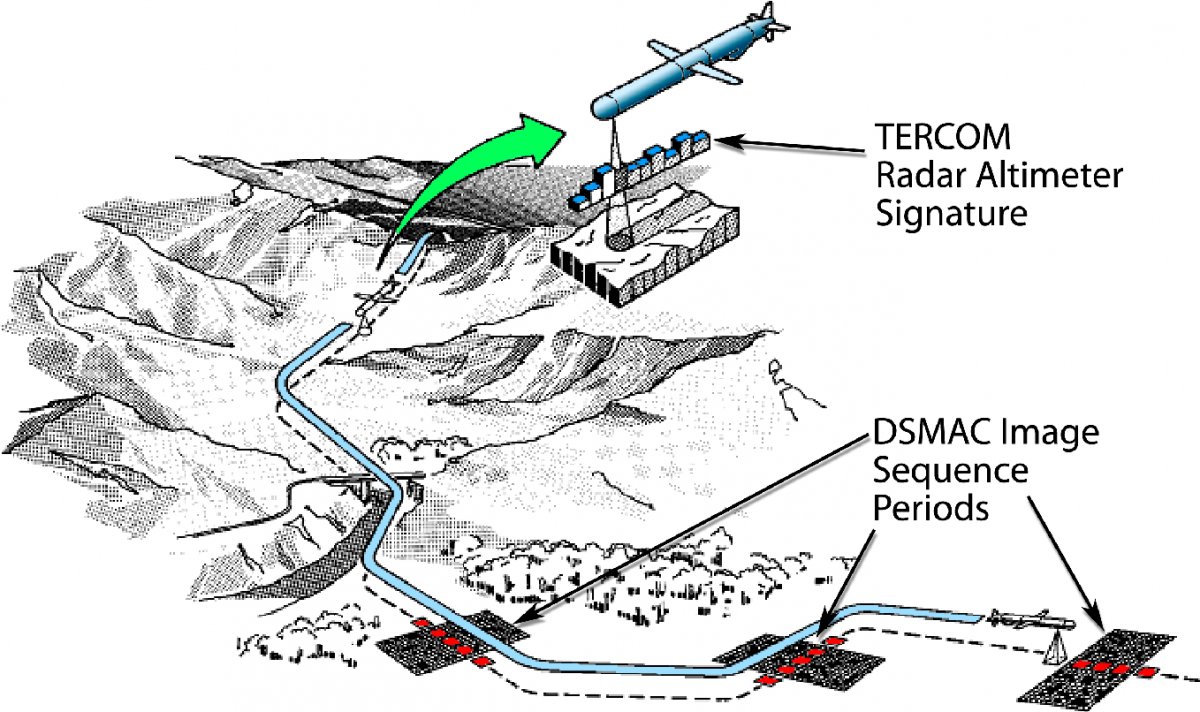
Das Navigationssystem ist vergleichbar mit dem des Storm Shadow, bestehend aus GPS-Empfänger, Trägheitsnavigationssystem und einer Geländereferenznavigation (TERCOM) für Midcourse Guidance und einem abbildenden Infrarotsucher für Terminal Guidance. 6/12
Zusätzlich zu den ca. 600 für Deutschland hergestellten Marschflugkörpern, wurde der Taurus nach Spanien und Südkorea exportiert. Südkorea arbeitet gerade an einem eigenen luftgestützten Marschflugkörper, der wahrscheinlich auf dem Taurus basiert. 7/12 iiss.org/ja-JP/online-a…
Andere Länder, vor allem Schweden und Finnland, hatten auch Interesse am Taurus gezeigt, Finnland hat sich dann aber für den amerikanischen JASSM-Marschflugkörper entschieden. JASSM ist vergleichbar mit Storm Shadow/Taurus, hat aber keinen Tandem-Gefechtskopf. 8/12
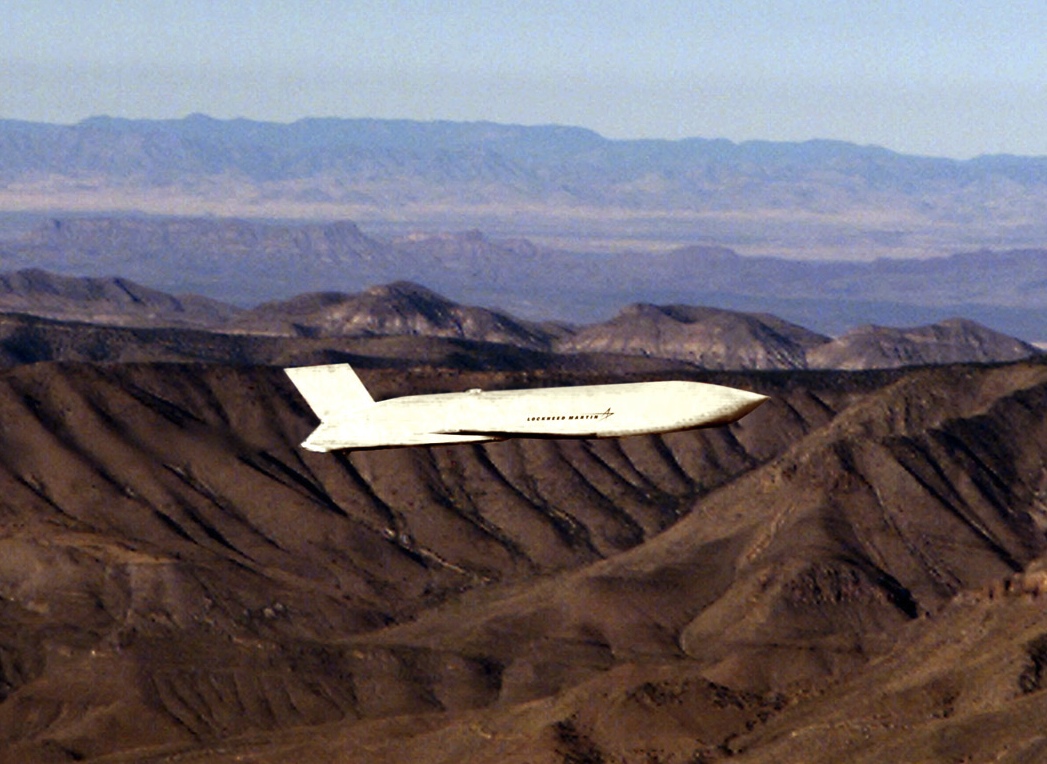
Ich gehe nicht davon aus, dass es noch weitere Exporte geben wird. Mit der Verbreitung des F-35 wird JASSM zur Standardabstandswaffe vieler Staaten. Polen wird wahrscheinlich den Südkoreanischen Marschflugkörper en masse kaufen, sobald dieser fertig entwickelt ist. 9/12
Wie andere Marschflugkörper der Klasse wurde der Taurus entwickelt um hochwertige Stationäre Ziele zu bekämpfen. Um die Penetrationsleistung des Gefechtskopfes, z.B. gegen Bunker, zu erhöhen, kann der Taurus ein „Pop-up-Manöver“ vollziehen (siehe das Video). 10/12
Jetzt zur Preisfrage: Deutsche Taurus-Marschflugkörper für die Ukraine? Ich glaube nein. Ich kann mir jetzt schon die Kernschmelze innerhalb der SPD vorstellen, sollte auch nur die geringste Möglichkeit aufkommen, dass „deutsche Raketen auf Moskau fliegen“. 11/12
Aber hey, ich lasse mich gerne überraschen. Genau so wie der Storm Shadow, wäre der Taurus ein starkes System, welches die Aufgaben der ukrainischen Armee erleichtern und die der russischen Armee erschweren könnte. 12/12
I published a new Missile Matters post today, offering an initial battle damage assessment of Flamingo’s first combat use.
Proof of concept was established, but the strike also revealed likely shortcomings.
Access the post via the link in my bio. Summary below.
1/6
High-resolution satellite imagery shows two impacts.
Depending on the nominal aimpoints, missile one probably missed by 15 to 40 meters and missile two by 80 to 200 meters.
Missile three did not reach the target area, whether due to outside influence or internal failure.
2/6
Fire Point stated that the Flamingo has a CEP of 14 meters, meaning 50 percent of missiles should land within 14 meters of their aimpoint, about 93 percent within 28 meters, and the remainder outside the 28-meter radius.
3/6
With recent focus on Ukrainian missiles, from Flamingo to "Long Neptune" and others, I thought I'd provide context by tracing the evolution of Ukraine's missile programs.
Link in bio, short summary below.
1/6
Ukraine’s missile industry has moved through several distinct phases since 2014, from modest post-Soviet capabilities and problem-ridden pre-war programs to wartime improvisation, foreign reliance, and now ambitious attempts at independent production.
2/6
From relying almost entirely on Western partners in 2023 for long-range strike capabilities, Ukraine by 2025 fields a diverse but still imperfect missile arsenal, with lighter drones and mini-cruise missiles forming the backbone.
3/6
I published my latest newsletter post earlier today, offering an initial assessment of the FP-5 Flamingo’s specifications, lethality, survivability, and strategic implications.
You can find the full post via the link in my bio.
Short summary below.
1/6
The FP-5 Flamingo is the first "heavy" missile system in Ukraine's indigenous missile arsenal, combining long range with a large payload.
This offers significant advantages in terms of missile lethality through improved warhead penetration and greater explosive yield.
2/6
The ultimate impact of the Flamingo on the battlefield will depend on Ukrainian production levels and its survivability against Russian missile defenses.
Ukrainian output goals of more than 200 units per month by the end of the year are certainly ambitious.
3/6
I estimate U.S. and European production of ballistic missile interceptors and compare it to Russia’s output of conventional ballistic missiles.
Access the post via the link in my bio.
Short summary below.
1/7
Russia is currently estimated to produce a total of 840 to 1,020 ground-launched 9M723 and air-launched Kh-47M2 Kinzhal short- to medium-range ballistic missiles annually, or 70 to 85 per month.
This represents roughly a 15 to 40 percent increase compared to 2024.
2/7
In contrast, combined Patriot interceptor production (PAC-2 GEM-T and PAC-3 MSE) stands at 850 to 880 in 2025.
By 2027, this will increase to over 1,100 interceptors, and to over 1,400 by 2029 (if Rheinmetall starts producing PAC-3 MSE interceptors).
3/7
I sent out my latest newsletter post this morning, discussing the state and viability of Russia's nuclear deterrent in 2025.
You can access the post via the link my bio.
Below a short summary.
1/5
Russia's nuclear arsenal faces two primary challenges: maintaining its nuclear warheads and sustaining a viable fleet of delivery vehicles, particularly ICBMs.
While both pose difficulties, warhead maintenance is likely the lesser challenge for Russia.
2/5
In contrast, Russia’s inability to move beyond Soviet-era technology and field a next-generation ICBM presents a more serious challenge over the medium to long term.
To be clear, several nuclear-armed states face difficulties in replacing Cold War-era systems.
3/5
Briefly on a potential Israeli attack against Iran's nuclear infrastructure:
My colleague and supervisor, @Malfrid_BH, has written an excellent article on Israel's preventive attacks against Iraq's nuclear infrastructure in the 1980s, which remains as relevant as ever.
1/6
The article reexamines Israel's 1981 strike on Iraq's Osirak nuclear reactor. While it delayed Iraq’s nuclear ambitions, the strike also pushed Iraq to pursue a more covert and determined nuclear weapons program in the years following.
2/6
After the attack, Iraq shifted its strategy, dispersing facilities and focusing on secret, military-oriented nuclear development. The attack also increased Iraq's determination, driven by national pride, the desire for a security deterrent, and fear of future strikes.
3/6