Jehad Abusalim Profile picture
May 15, 2023 15 tweets 5 min read Read on X
The Nakba in photographs: a thread.
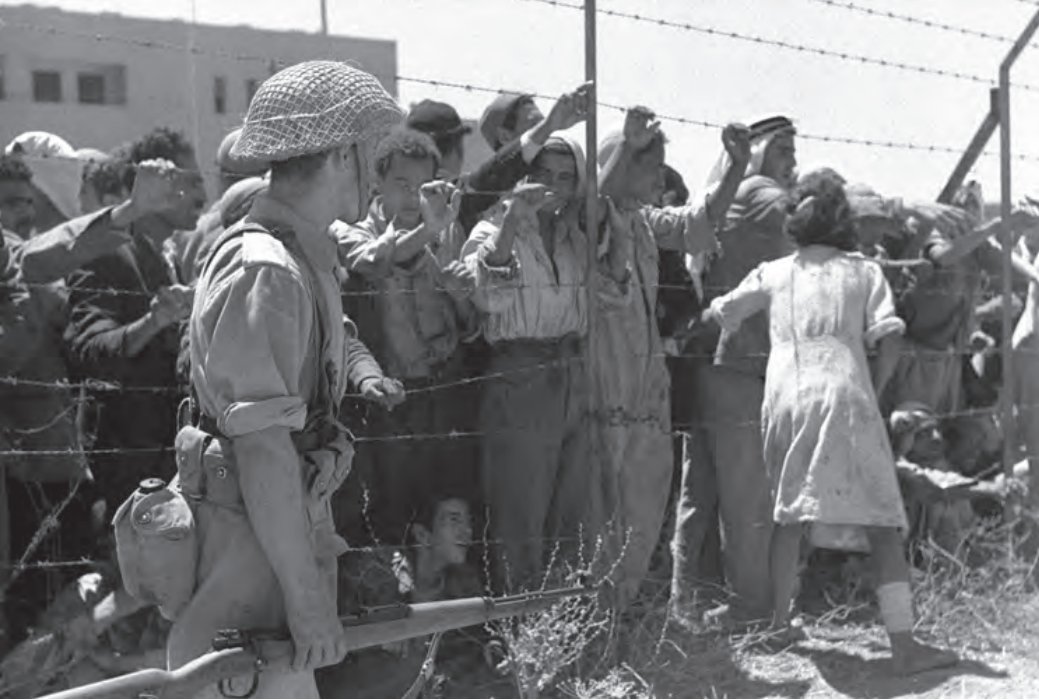
After Zionist militias seized Palestinians' homes in al-Ramleh, they separated the men from women and children, and held men behind barbed wire detention camps without basic human rights. Government reports documented incidents of rape and looting in al-Ramleh.

📷Beno Rothenberg Image
The men in al-Ramleh, confined behind barbed wire, endured hunger & thirst in July's scorching heat, sleeping on the ground without blankets. The Zionist militias occasionally provided water rations, which were distributed by the younger children & siblings of the imprisoned men. Image
These Palestinians, prior to their expulsion as refugees, bore witness to the seizure and looting of their homes, and endured separation from their families. These men and their families experienced weeks or even months of separation before eventually reuniting in refugee camps. Image
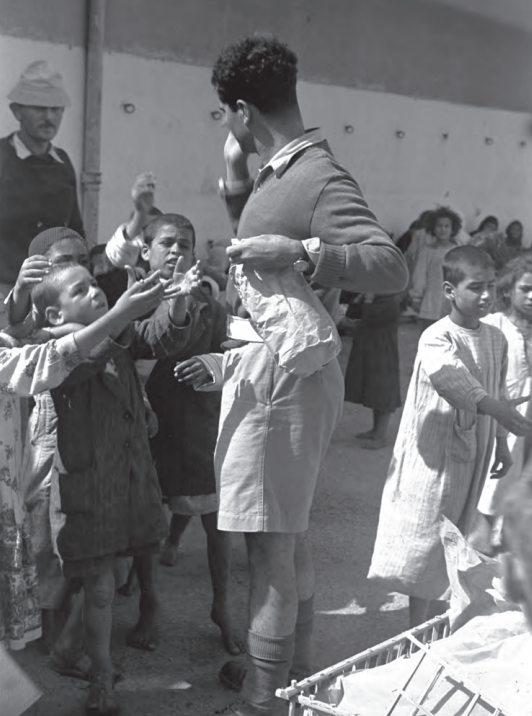
A Zionist soldier with a repulsive colonial attitude distributes food to hungry Palestinian children in Bir al-Sabi'. These children did not know they were about to face expulsion, which would condemn them to a lifetime as refugees. Image
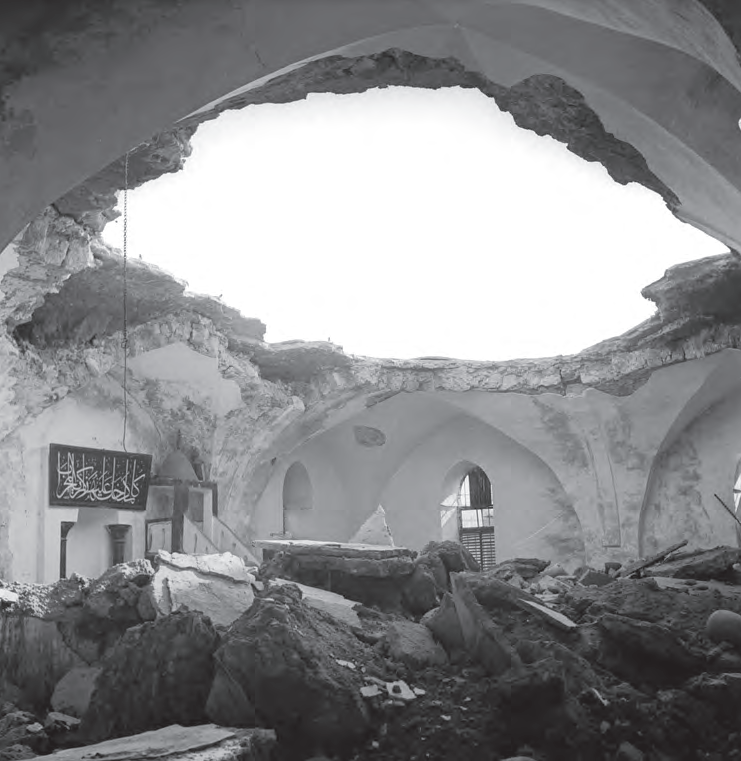
The dome of the mosque at al-Majdal, a haunting reminder of the Nakba. Zionist militias, during that time, decimated around 100 mosques across historic Palestine. Image
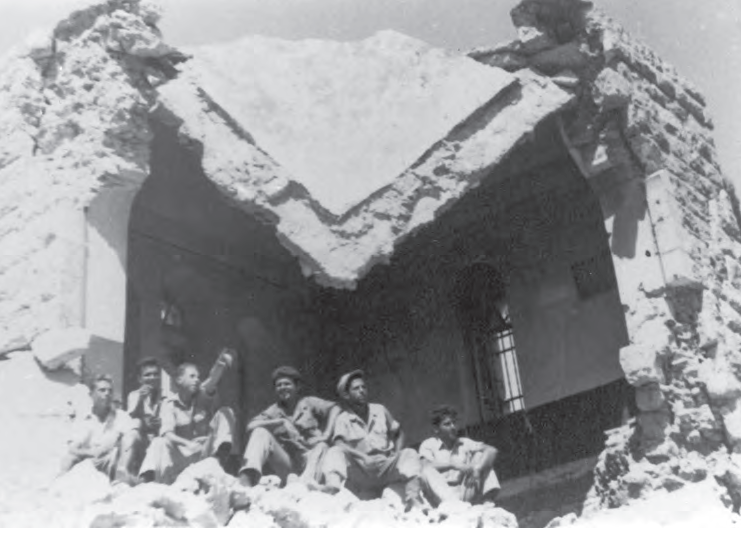
Amidst the ruins of Saris village, where this bomb-ravaged house stood, Israel erected a controversial "martyr's forest," ostensibly intended as a memorial to Jewish Holocaust victims (!). Image
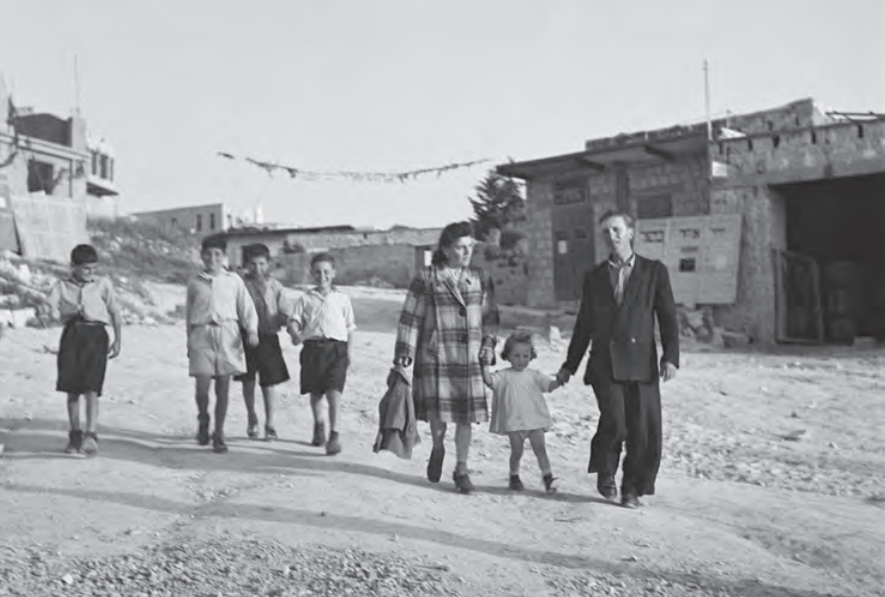
A Jewish family from Romania settling in the village of Tarshiha following the displacement of Palestinians from their homes. Image
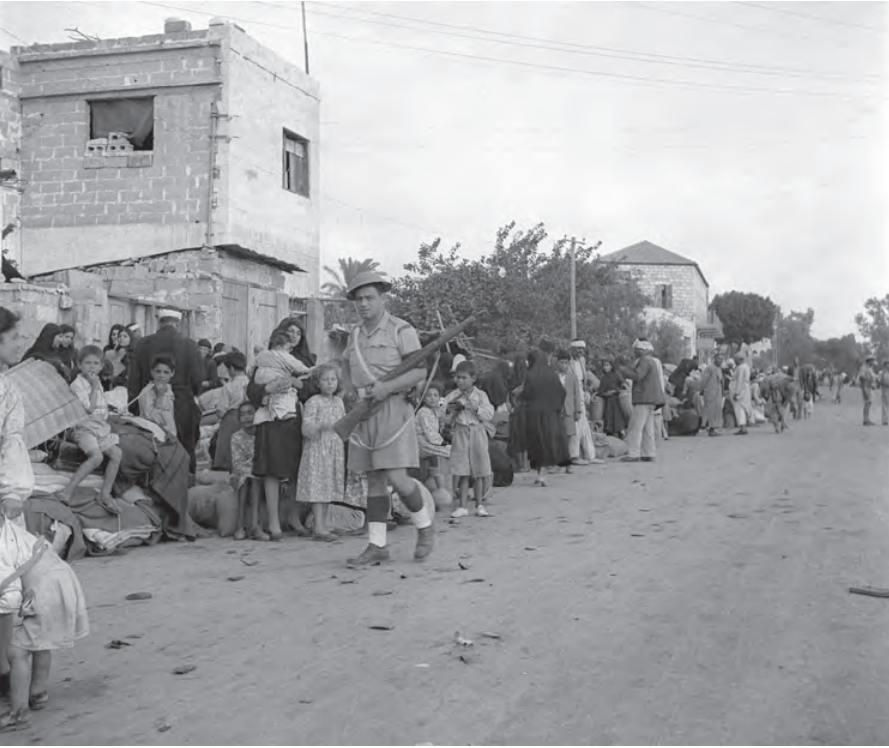
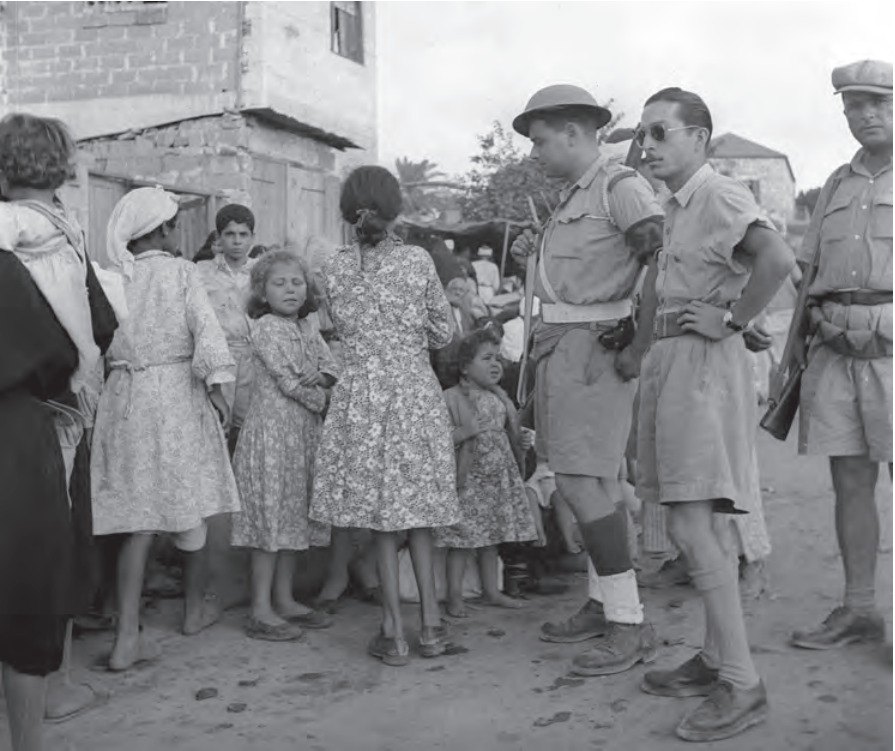
Remember the women and men who, after being separated from the detained men in barbed wire detention camps, here they are, in the streets of al-Ramle, awaiting expulsion.
Image
Image
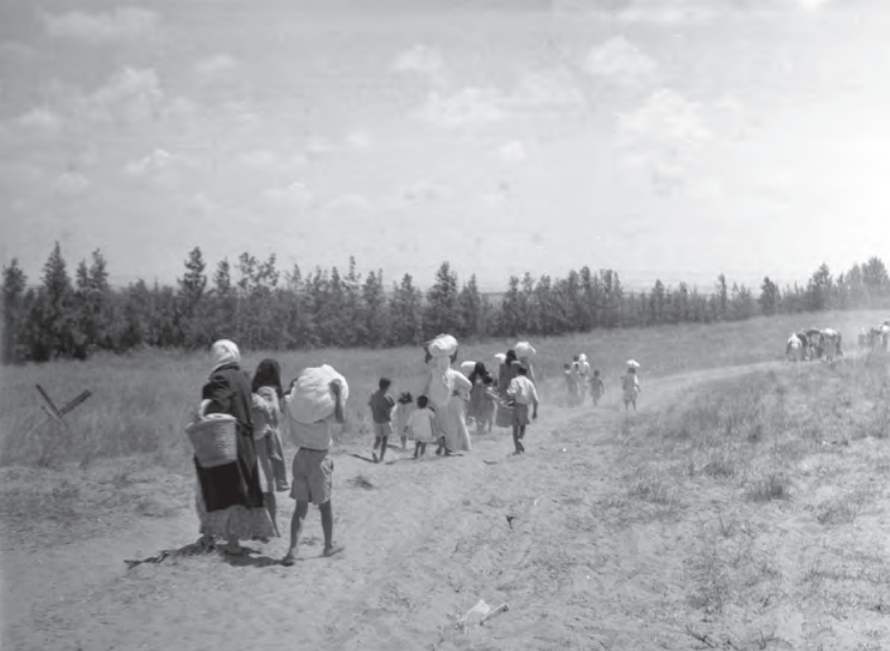
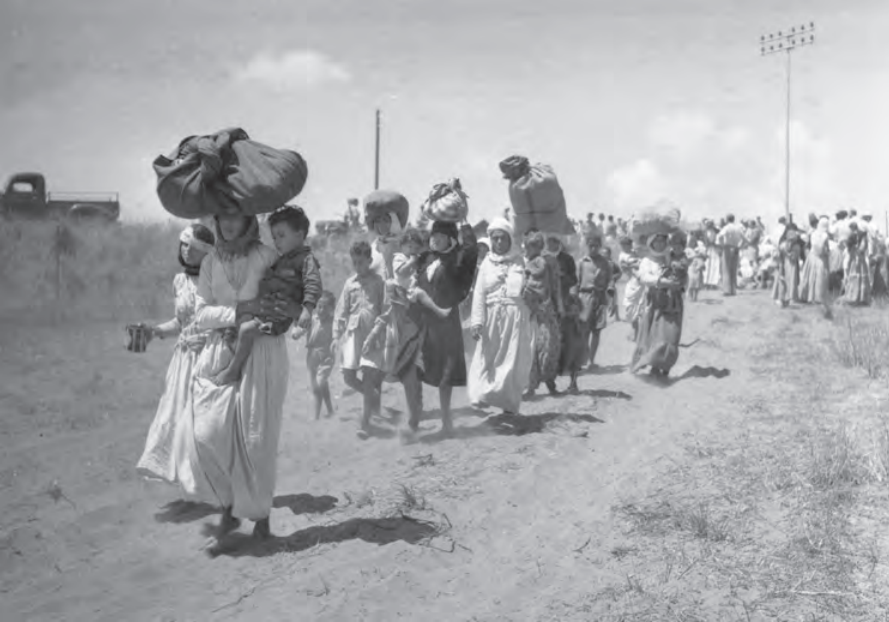
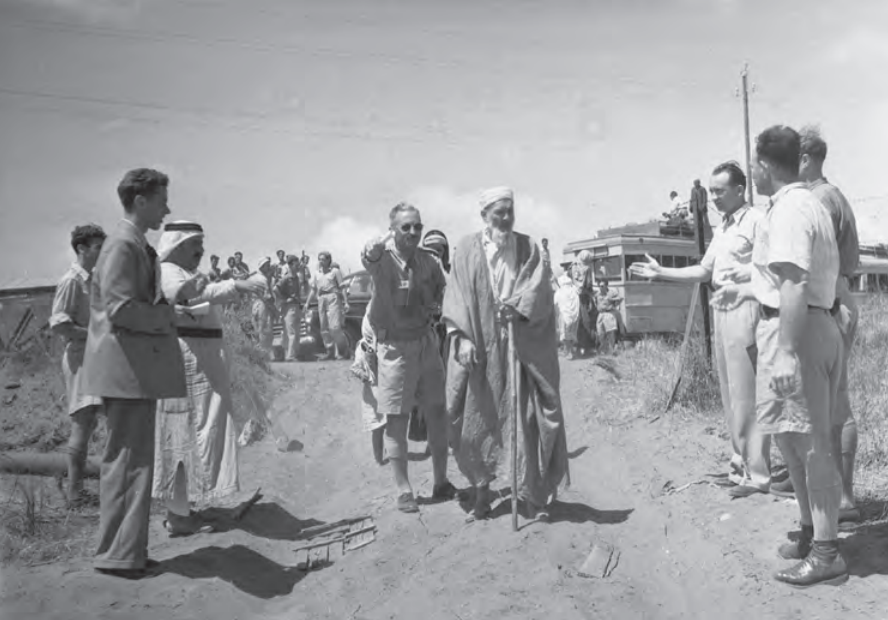
The expulsion of the people of al-Tantura following the harrowing massacre that Zionist militias committed in the village.
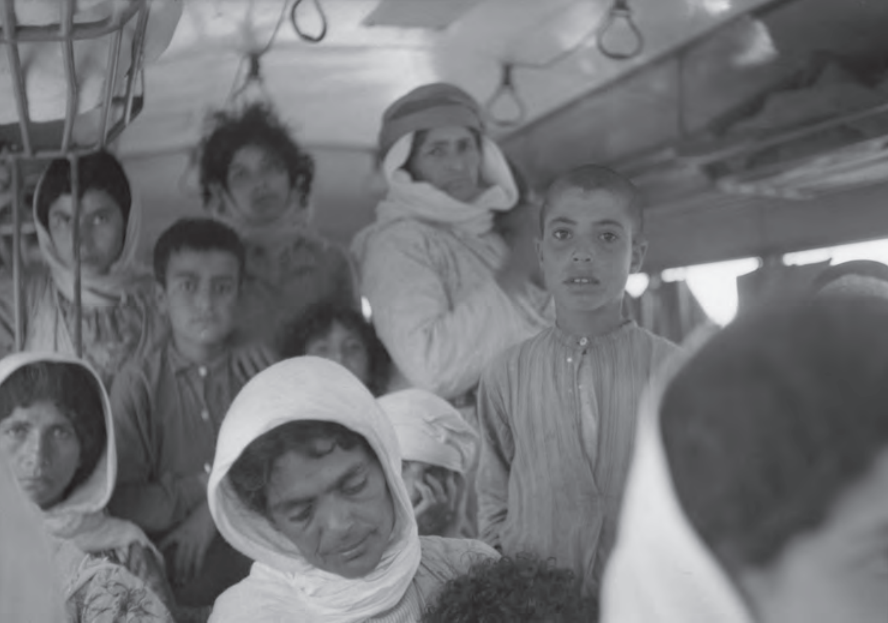
Image
Image
Image
Image
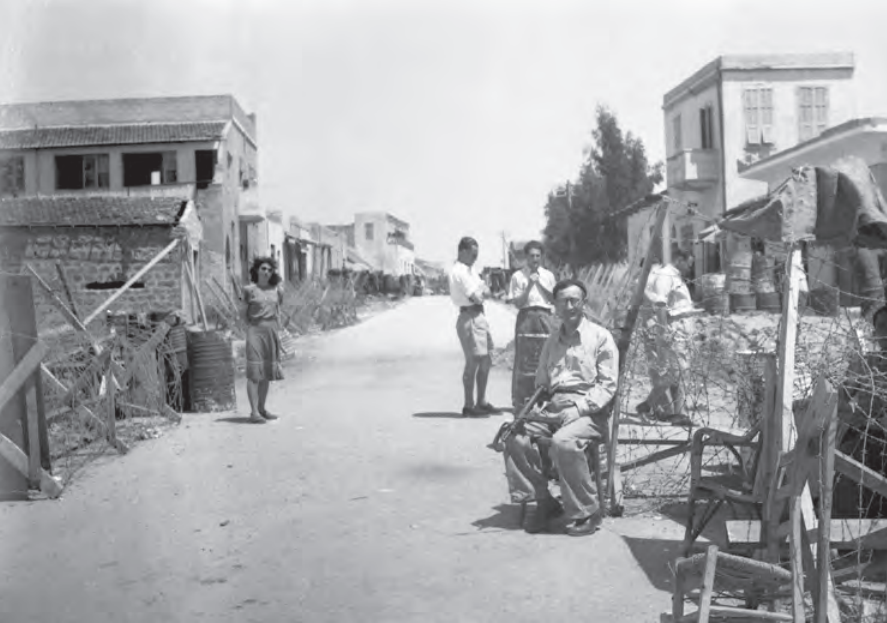
Zionist settlers occupying and taking over the Palestinian village of Salama. Image
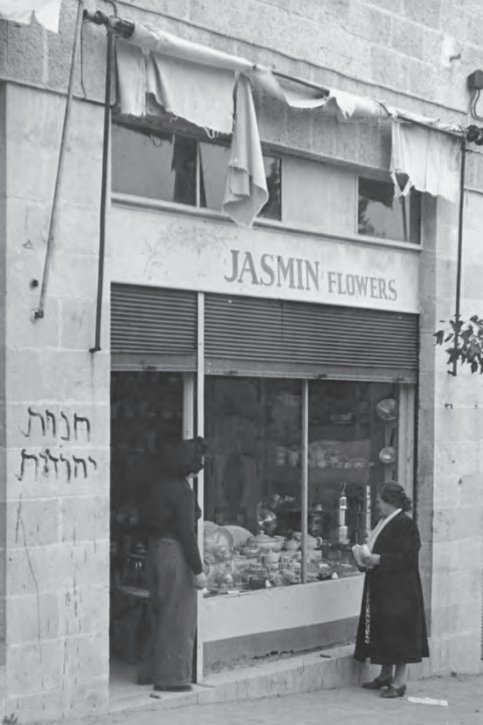
Zionists seizing control of a Palestinian shop in Jerusalem, boldly asserting ownership by spray-painting "a Jewish shop" in Hebrew on the wall, thereby usurping the premises from its expelled owners. Image
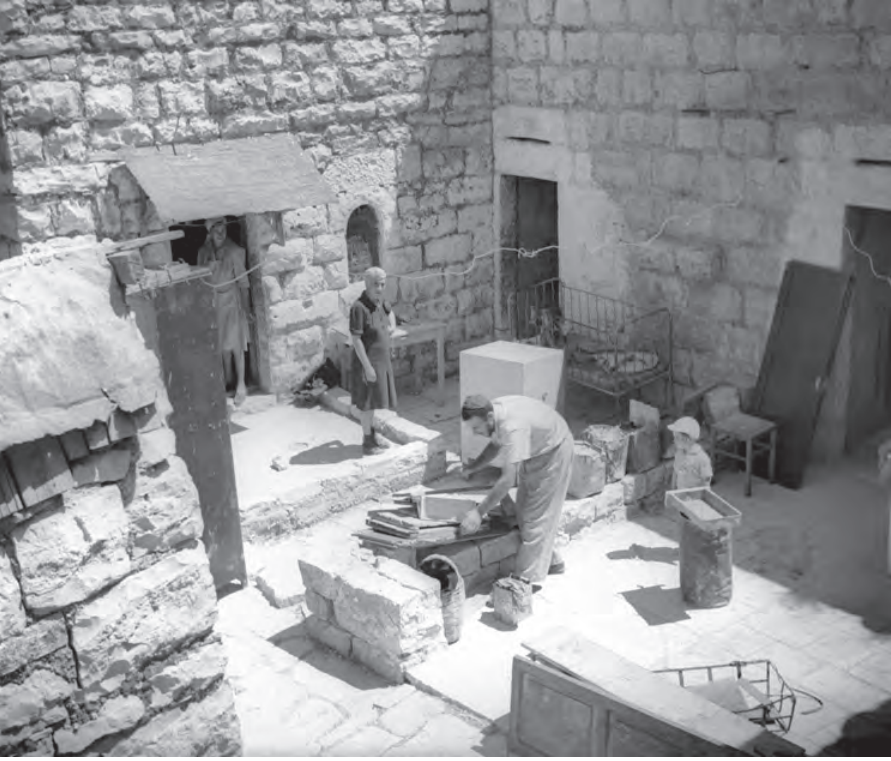
A Jewish family "moving into" a house owned by a Palestinian family in the village of Deir Yassin, the site of a brutal massacre where Zionist militias mercilessly murdered over 100 Palestinians two months prior. Image
The photographs can be found in Ariella Azoulay's "From Palestine to Israel: A Photographic Record of Destruction and State Formation, 1947-1950"
Thanks everyone for retweeting! Please join me in supporting The Jerusalem Fund, a Palestinian-led organization in DC, dedicated to uplifting the Palestinian narrative and addressing urgent needs in Palestine and refugee camps in Arab states: .donatenow.networkforgood.org/1411322

• • •

Missing some Tweet in this thread? You can try to force a refresh

 

Keep Current with Jehad Abusalim

Jehad Abusalim Profile picture

Stay in touch and get notified when new unrolls are available from this author!

Read all threads

This Thread may be Removed Anytime!

PDF

Twitter may remove this content at anytime! Save it as PDF for later use!

Try unrolling a thread yourself!

how to unroll video
  1. Follow @ThreadReaderApp to mention us!

  2. From a Twitter thread mention us with a keyword "unroll"
@threadreaderapp unroll

Practice here first or read more on our help page!

More from @JehadAbusalim

Aug 2, 2025
Rape, followed by murder, was one of the tactics used by Zionists to punish Palestinians who attempted to return to their homes and towns after 1948. Israeli Historian Benny Morris documents several incidents that occurred in the early years after the establishment of Israel: 🧵
- On August 22, 1949, David Ben-Gurion recorded in his diary an incident involving the Carmeli Brigade's Battalion 22 in Beersheba. Israeli soldiers encountered a Palestinian couple and they killed the man. The 22 soldiers cut her hair, raped her, and killed her.
- In March 1950, Israeli forces murdered three Palestinian children from `Abasan (East of Khan Yunis) who had crossed the armistice line. Prior to being killed, two of these children were raped.
Read 5 tweets
Apr 16, 2025
Fascinating document! It was published in New York in 1937. It’s a shame that page 30 is obscured, as it seems to be one of the most important parts of this letter. If anyone has information about the author, I would really appreciate learning more about him. Image
Image
Image
Image
Image
Image
Image
Image
Image
Image
Image
Image
Read 8 tweets
May 21, 2024
في عام 1956، نشرت مجلة "كوليرز" الأميركية مقالة مصورة من 12 صفحة بعنوان "قطاع غزة: 12 صفحة من الصور الملونة الحصرية في صندوق الشرر في الشرق الأوسط" للصحفي ديفيد دوجلاس دانكن. انقسمت المقالة المصورة إلى خمسة أجزاء: الأرض، البحر، اللاجئين، الجبهة، والجيش. تقدم المقالة المصورة نافذة غير مسبوقة للحياة في قطاع غزة، وتناقش واقع ومستقبل قطاع غزة بمصطلحات وأطر لم تختلف كثيراً عن مصطلحات وأطر اليوم. في الثريد أدناه، وضعت المقالة كاملة، مع التركيز على بعض الصور منها، وقمت بترجمة النص كاملاً إلى العربية، عسى أن تكون هذه مساهمة صغيرة في صيانة ذاكرة لطالما تعرضت للتدمير والمحو والإبادة.Image
⚠️ ملاحظات هامة قبل قراءة النص أدناه:

- قمت بالترجمة بتصرف أحياناً مع المحافظة على النص الأصلي.
- لم أشتبك مع النص تعليقاً أو تحليلاً، وهذا لا يعني أني أتفق مع بعض التأطيرات والصور النمطية والتخيلات التي وردت في النص. في نهاية المطاف، تعكس هذه الكتابات فهم الكاتب لنا في مرحلة تاريخية معينة، ولكن يجب دائماً أن نقرأ هذه الأمور بعين ناقدة.
المصور دنكان مع الجندي السوداني الرقيب سليمان صالح أحمد، في قطاع غزة؛ وهو جندي شجاع يظهر أيضاً على غلاف مجلتنا. Image
Read 23 tweets
Mar 15, 2024
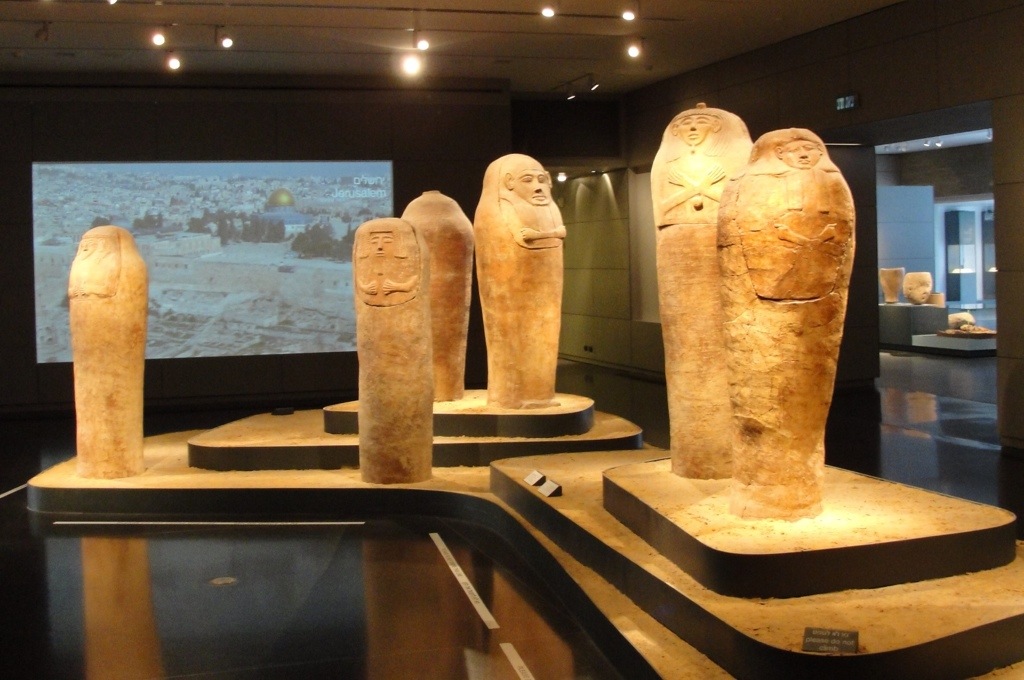
Did you know that in the 1970s & 1980s, Israel looted one of the most important Canaanite sites in Gaza, which also was linked to ancient Egypt? The following thread tells the story of how Israeli archaeologists and military looted historical treasures from Deir el-Balah. 1/15 Image
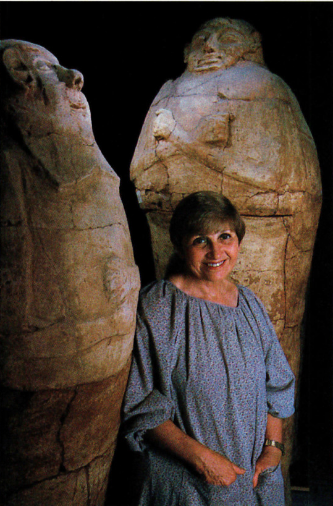
In 1982, National Geographic reported the uncovering of an ancient Canaanite settlement, fortress, and cemetery west of Deir el-Balah City, in the middle of the Gaza Strip. The site, which dates back to more than three millennia, was discovered by archaeologist Trude Dothan.2/15 Image
The discovery happened by coincidence after Israel the 1967 occupation when Dothan saw a coffin lid in a souvenir store in Jerusalem, which she traced to Gaza’s sands. After months of searching, the lid was traced to a farm in Deir el-Balah, and the excavation started. 3/15Image
Image
Image
Image
Read 17 tweets
Dec 14, 2023
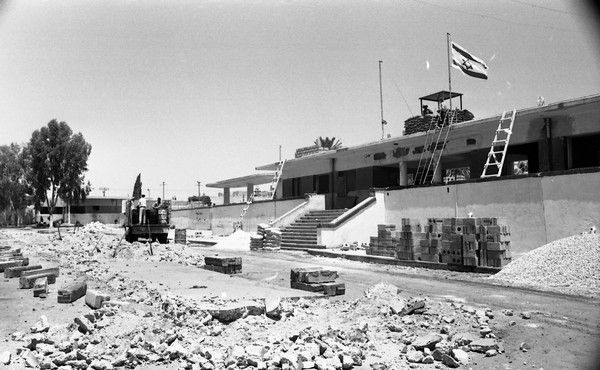
After Israel's occupation of Gaza in 1967, one of its initial actions was the destruction of the Gaza (Shuja’iyya) train station. This station connected Gaza to the broader Levant region, and after the 1948 Nakba, it still served as a link between Gaza and Egypt.


Image
Image
Image
Image
Israel dismantled the railway and repurposed its iron tracks in the construction of the Bar-Lev Line, a defense barrier on the eastern bank of the Suez, that the Egyptian army crushed during the Liberation War of October 6, 1973.


Image
Image
Image
Image
This train operated on a route from El Qantara el-Sharqîya, on the eastern side of the Suez, and extended its journey to Jerusalem and beyond. The journey from El Qantara to Jerusalem, via Gaza, spanned 9 hours, while the trip from Gaza to Haifa was completed in just 2 hours.


Image
Image
Image
Image
Read 5 tweets
Nov 16, 2023
This thread highlights Gaza's most significant religious, cultural, and archaeological sites. While serving as an educational resource, it also serves as a record of these sites, aiming to raise awareness about their existence and to caution against any efforts to damage them.
The Great Omari Mosque is the largest and oldest mosque in the Gaza Strip, located in Gaza's old city. Believed to stand on the site of an ancient Philistine temple, Gaza's Muslim population have been worshipping there since the seventh century. Image
Image
Image
Image
The Church of Saint Porphyrius, constructed as early as AD 425, is situated in the Zaytun Quarter of the Old City of Gaza. It takes its name from Saint Porphyrius, the 5th-century bishop of Gaza. The Church was damaged after Israel bombed an adjacent building and killed dozens. Image
Image
Image
Image
Read 6 tweets

Did Thread Reader help you today?

Support us! We are indie developers!


This site is made by just two indie developers on a laptop doing marketing, support and development! Read more about the story.

Become a Premium Member ($3/month or $30/year) and get exclusive features!

Become Premium

Don't want to be a Premium member but still want to support us?

Make a small donation by buying us coffee ($5) or help with server cost ($10)

Donate via Paypal

Or Donate anonymously using crypto!

Ethereum

0xfe58350B80634f60Fa6Dc149a72b4DFbc17D341E copy

Bitcoin

3ATGMxNzCUFzxpMCHL5sWSt4DVtS8UqXpi copy

Thank you for your support!

Follow Us!

:(