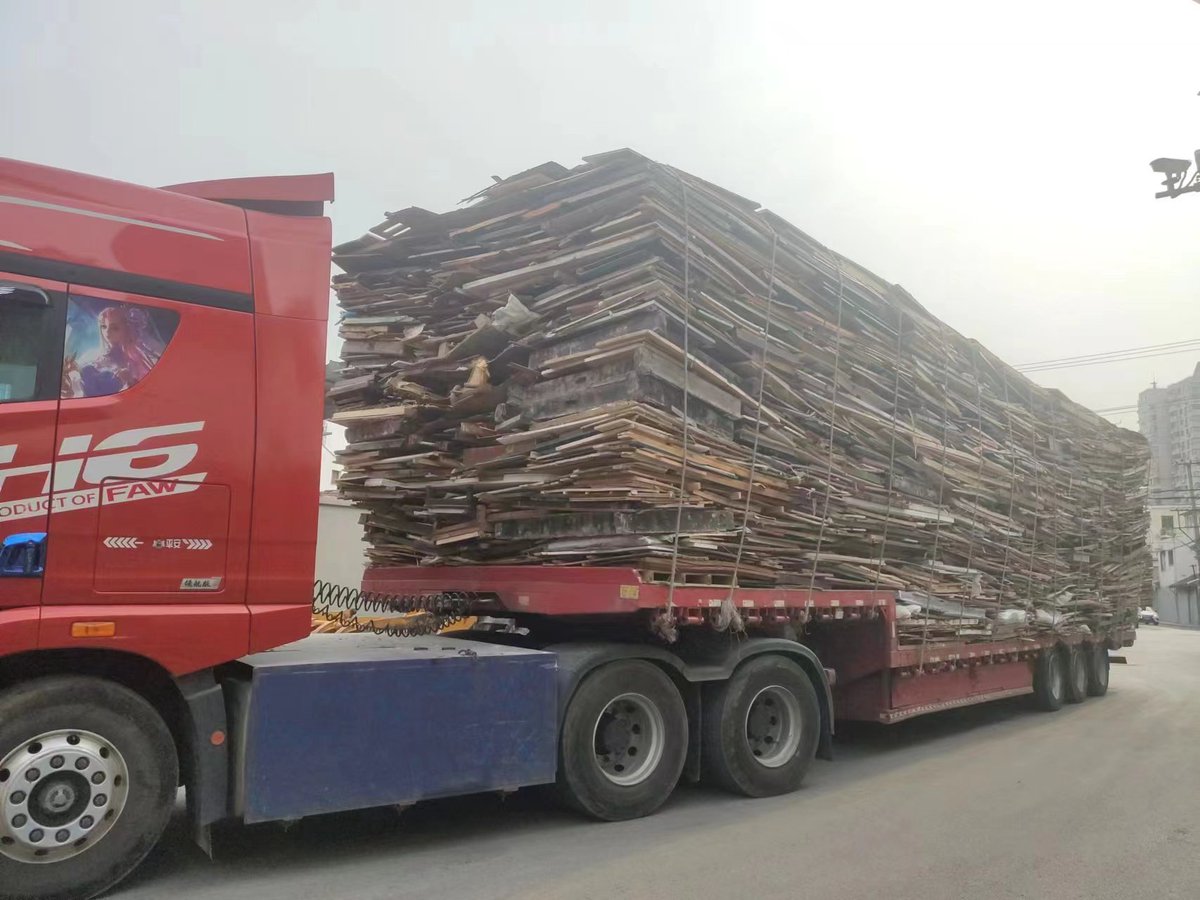
In China there are now live streamers selling Shanxi 5500 kcal spot coal at 570-600 yuan/mt.
Some comments on screen say "how do you ship this?" And "how many tonnes for minimum purchase?"
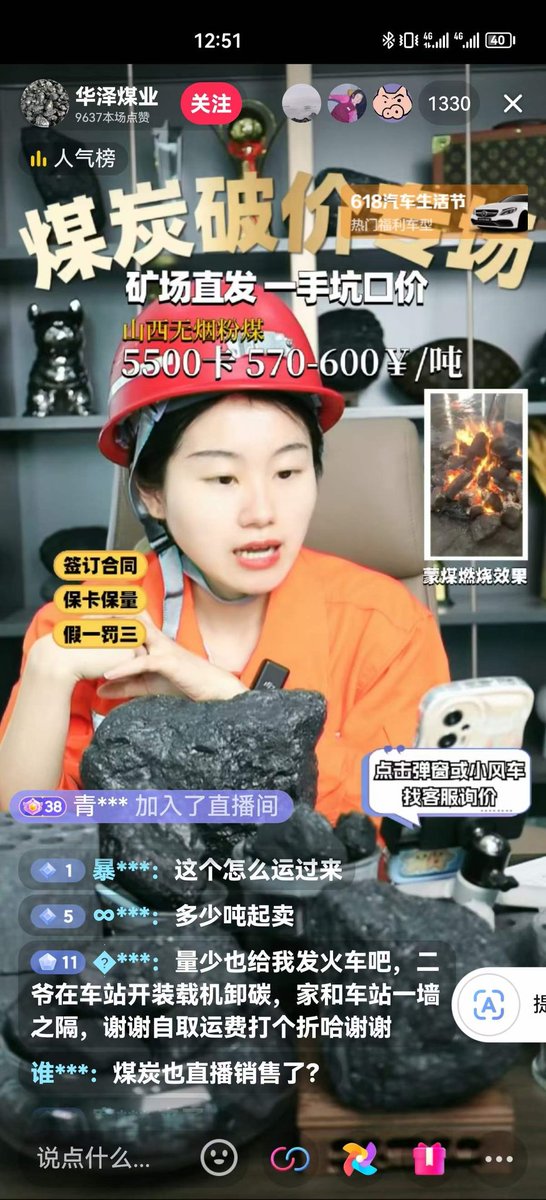
If we take these prices as market reflective, then they are already at the floor price of the long term contract price range established by the NDRC.
Just last week they were at the top of that price range. How low can they go?
Just to be clear, this isn't some random livestreamer hopping into the coal sector...It's a coal trading company using livestreaming as a sales channel. There are very few things you CAN'T buy via livestream in China.
Oops, I overlooked that this is mine mouth price (抗口价).
Shanxi 5500 mine mouth target price range for long term contracts is 570-370 CNY/mt, lower than the 570-770 target range used for QHD port 5500.
So it's actually only at the Shanxi 5500 price cap now, NOT the floor.
I know 99% of the replies here are like "who cares this is a quirky post about selling coal over livestream" but pretty sure the 1% of commodities traders are gonna "well actually" me to tiny bits if I don't correct this. :s
*坑口价 not 抗口价 I'm so ashamed
• • •
Missing some Tweet in this thread? You can try to
force a refresh

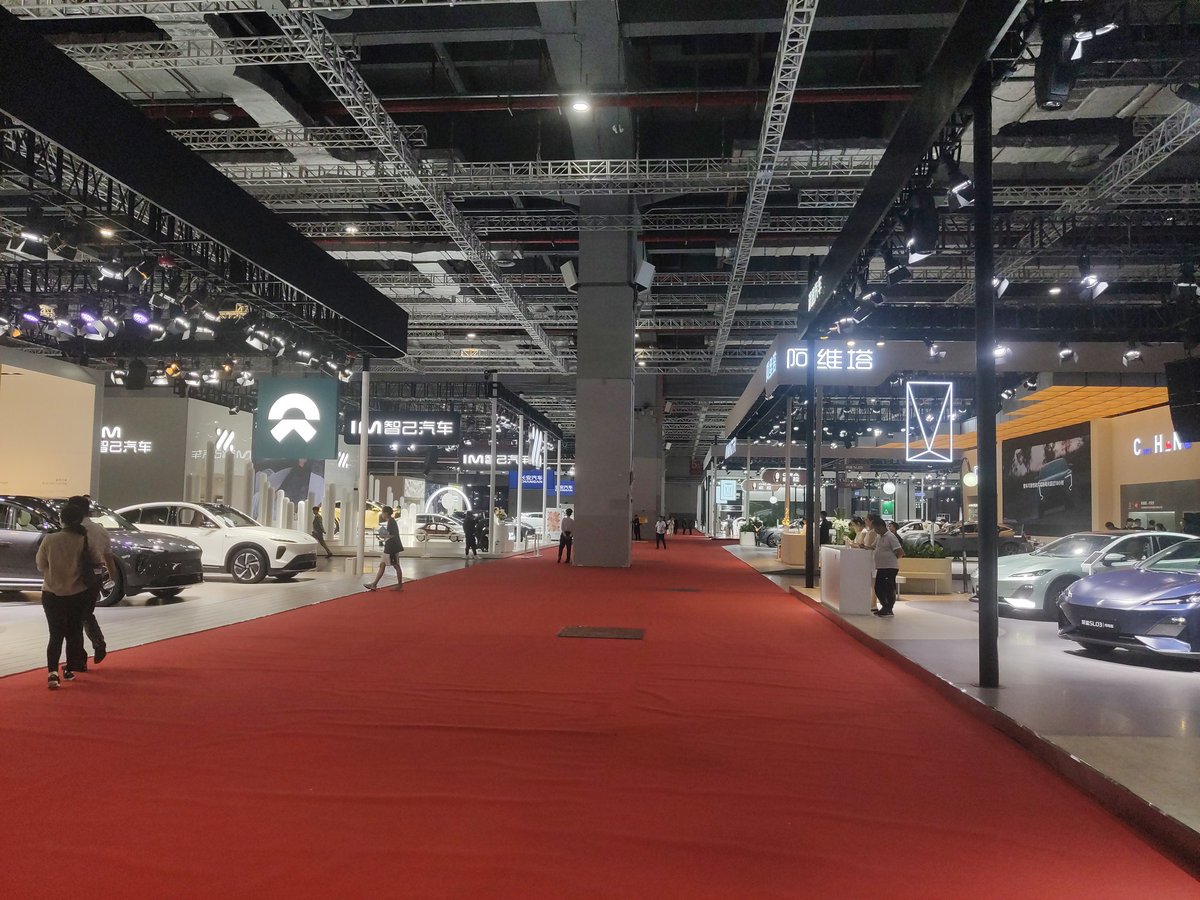
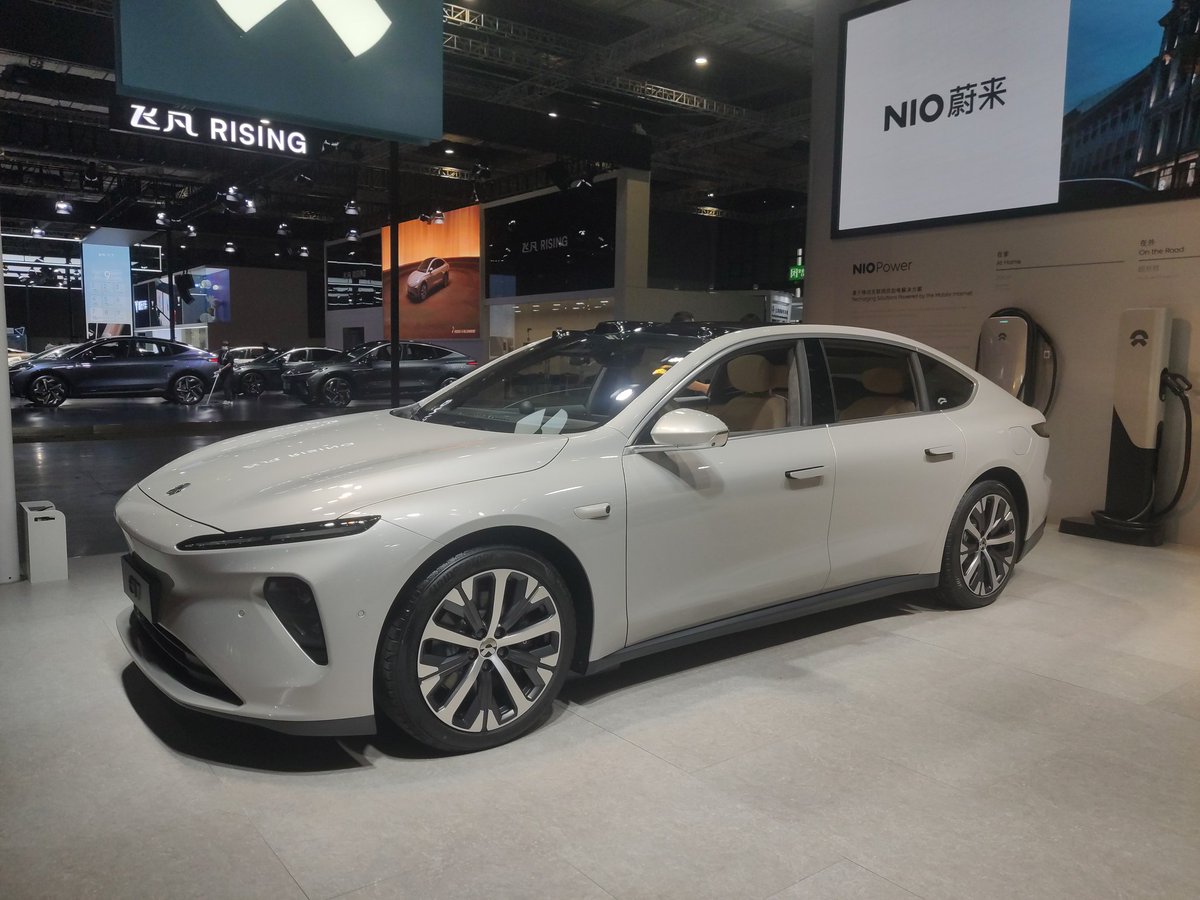
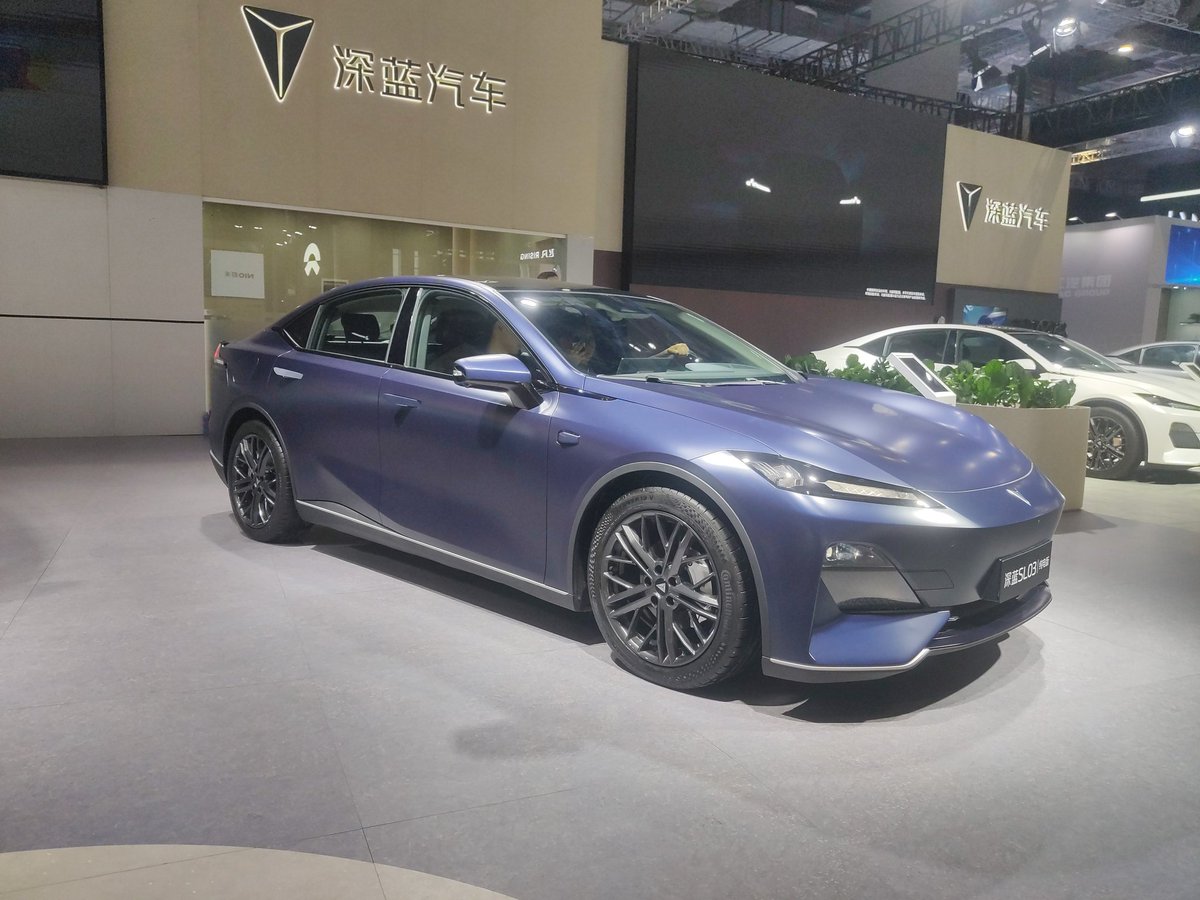
Want to check out all the cool new Chinese EVs in one place without having to navigate the madness of a huge auto show? Come to the China Carbon Neutrality Expo instead.
All the pretty toys are here, but none of the people.
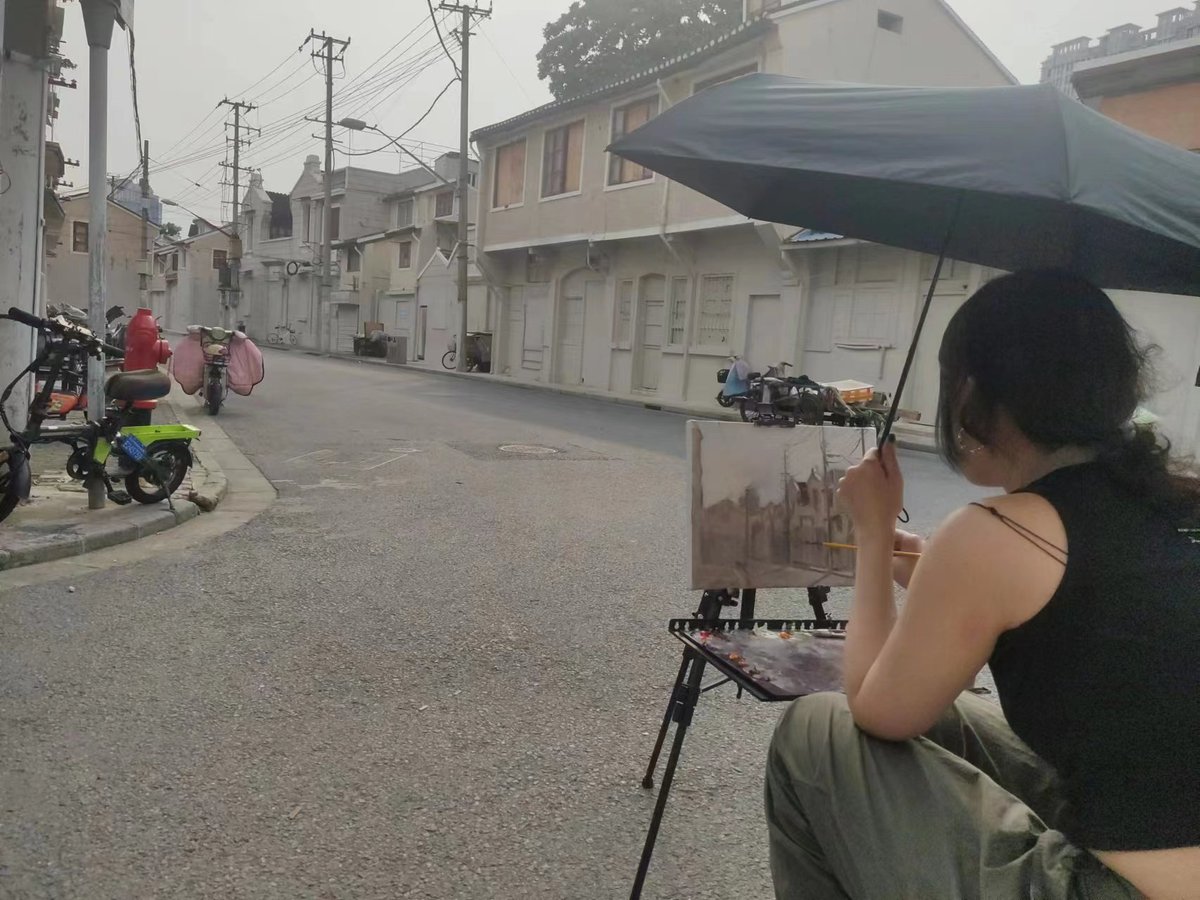
A girl painting the empty, condemned street in a section of Shanghai's old town.
She was slow and methodical, adding just a few brushstrokes, leaning back in her chair, studying the street for a minute or longer from under the umbrella before adding a few more details.
This section of the old city is already almost completely abandoned and ready for redevelopment. Everything on the first floor is painted grey.
The streets are quiet except for the light hum of e-bikes as delivery drivers take advantage of empty streets as a shortcut.
She told me the areas that are painted grey like this won't be torn down, just refurbished and rebuilt so the area can be a walking street/tourist area. The residents will then move back.
Other areas are demolished and the residents have already been moved to new housing.
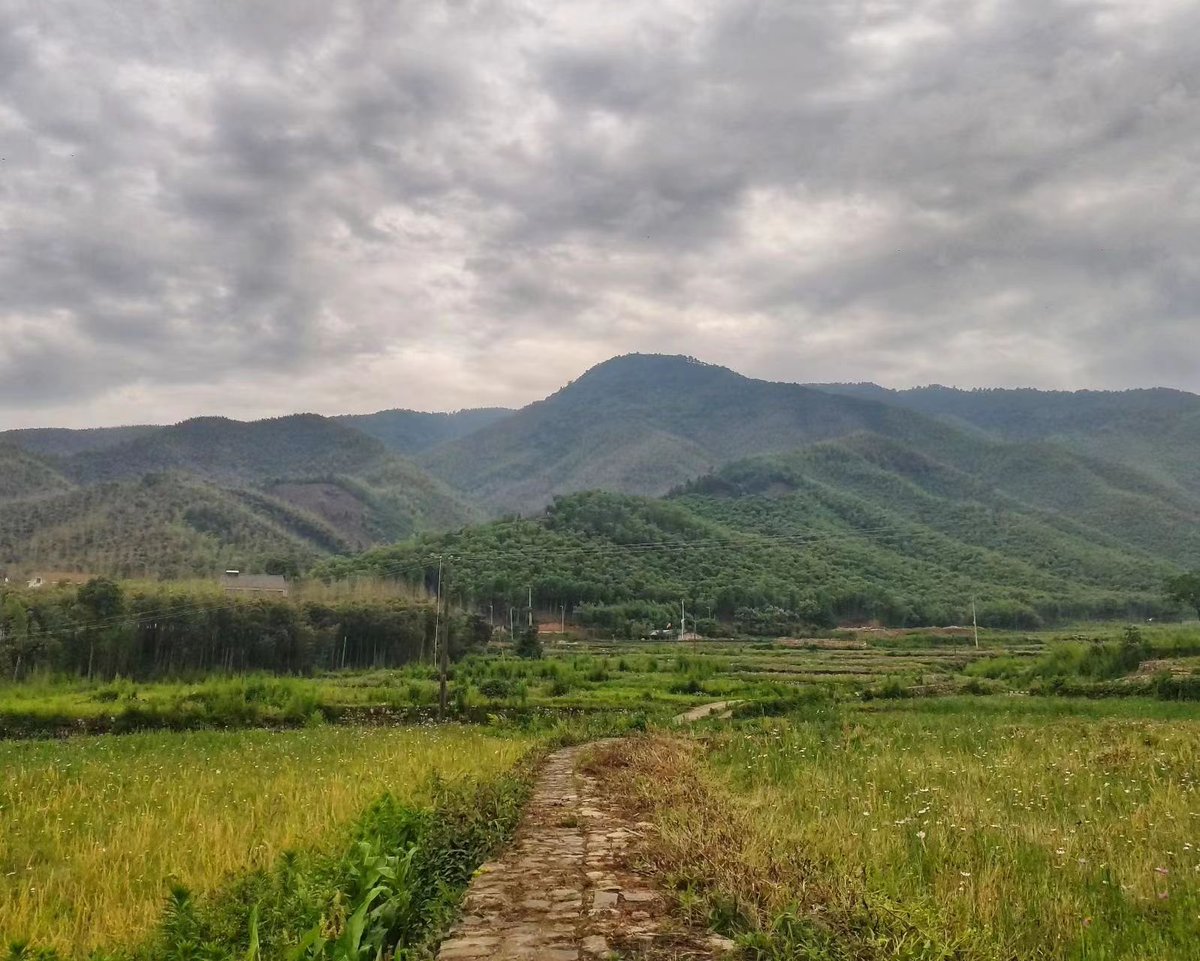
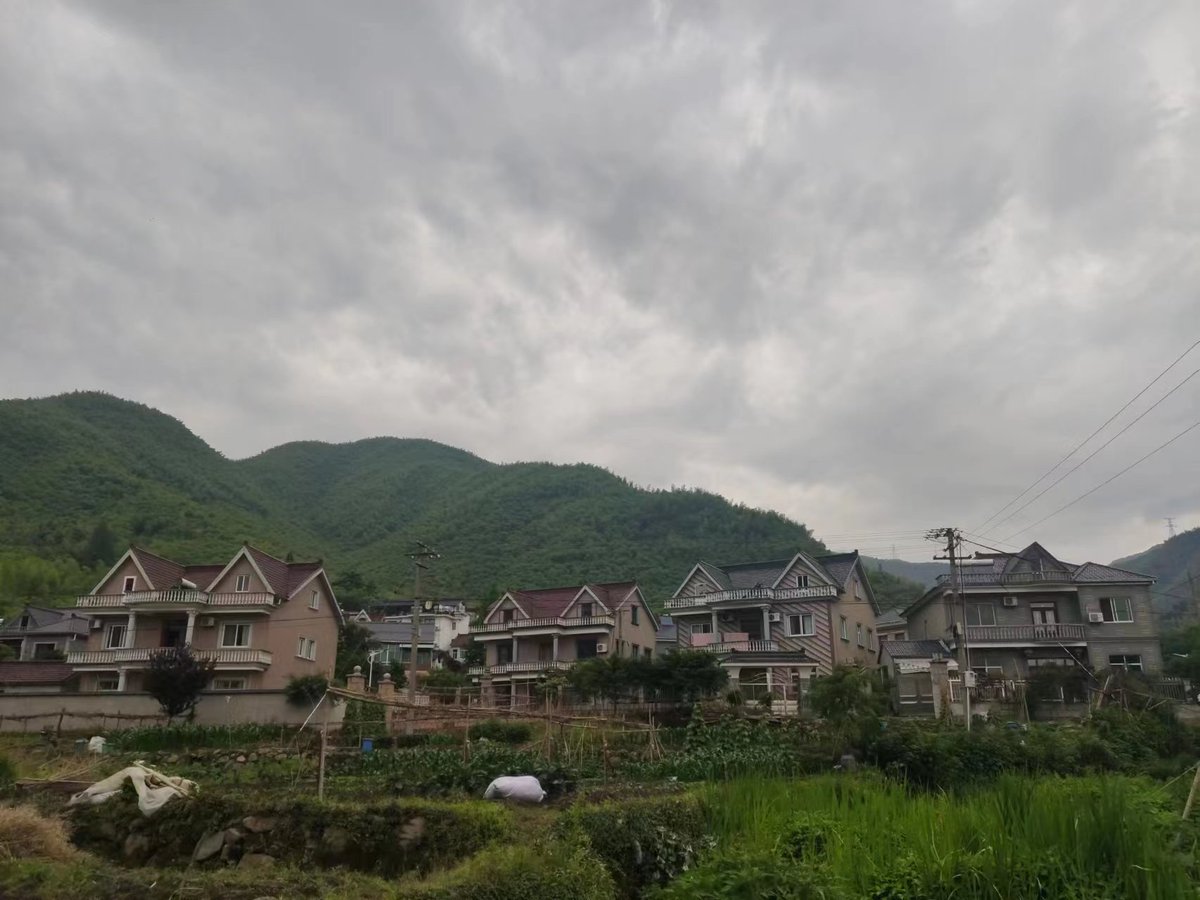
Last weekend I was in China's Moganshan, a popular scenic mountain area in north Zhejiang, only a few hours from SH.
Besides relaxing, I also wanted to use my time to learn the economic history of the area. This time, I found the PERFECT local guy to tell me juicy stories.🧵
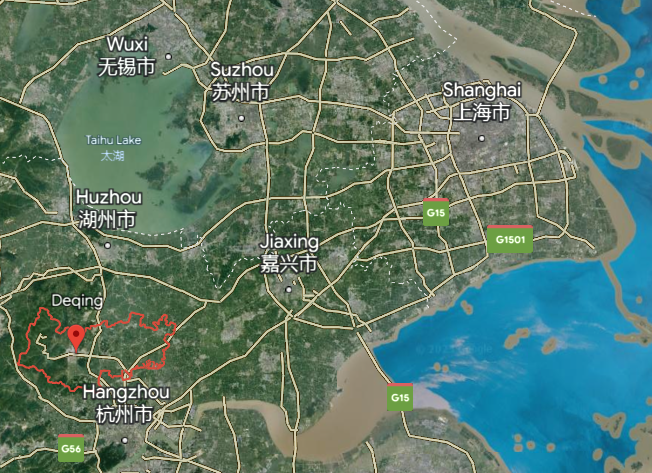
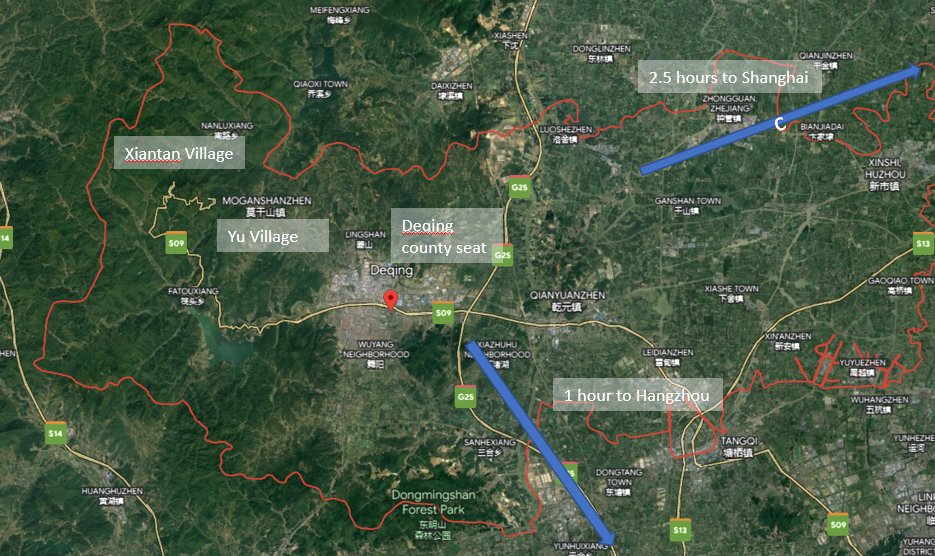
Moganshan is part of Deqing County, Huzhou City. When you visit, you go directly to Moganshan Town, which is comprised of many villages ringing the mountain.
Yu Village 庾村 is the liveliest, just outside the east entrance to the mountain. But we wanted peace and quiet...
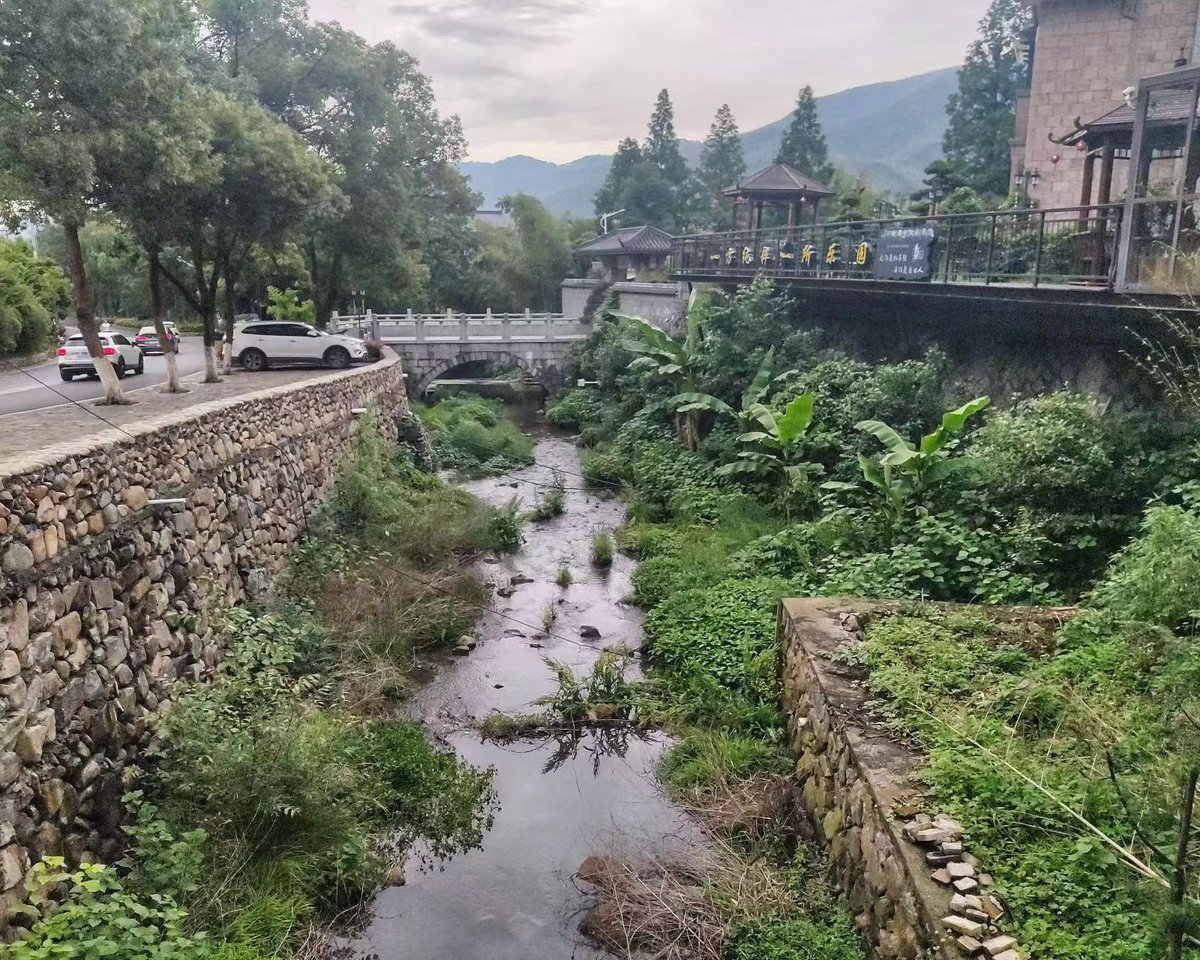
That's how we chose a guesthouse in Xiantan Village, to the north, facing Moganshan itself, with its back against another mountain (Mt. Tianquan).
Xiantan Village 仙潭村 is much smaller than Yu Village, just ~2000 people.
Everywhere I've been in China, every tiny town or poor county doing poverty alleviation...I've never encountered a single person who thought like this...who blamed the government for making them poor...before saving them from poverty.
Glance through a history book for like, 30 seconds, and you'll easily find out how bad things were in China pre-1949. I won't run through the statistics here, but they were grim.
For most of the country outside of a few cities like Shanghai, there was nowhere to go but up...
There were definitely some bounces in living standards over 1949-1979. Two steps forward, one step back kinda stuff. Sometimes even two steps back. I haven't forgotten the GLF.
But staying above the benchmark set by living standards pre-1949 wasn't hard.
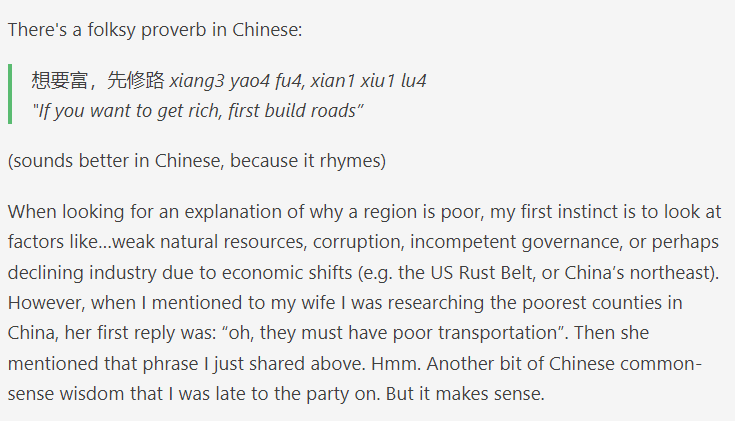
It's kind of "common sense" in China that if a region is poor and underdeveloped, it must be very remote and/or have poor transportation. Other factors apply too, but roads appear to be a common theme.
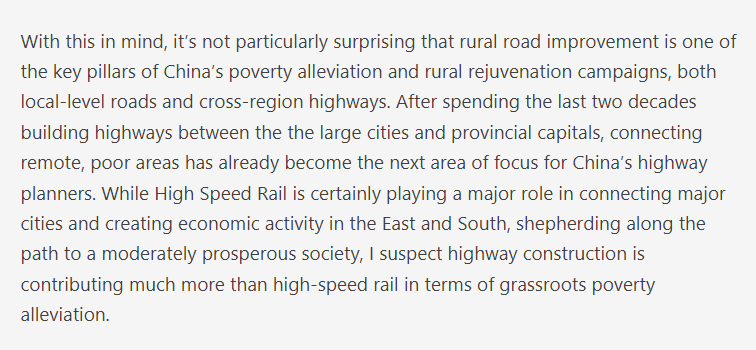
I expect HSR plays more of a role in ratcheting China's middle-income consumers up the slope to moderate prosperity; roadbuilding and especially highways deserve more of the credit for supporting and enabling poverty alleviation.
In Sichuan, I had the most somber, most emotionally draining day of my trip - and it happened by accident.
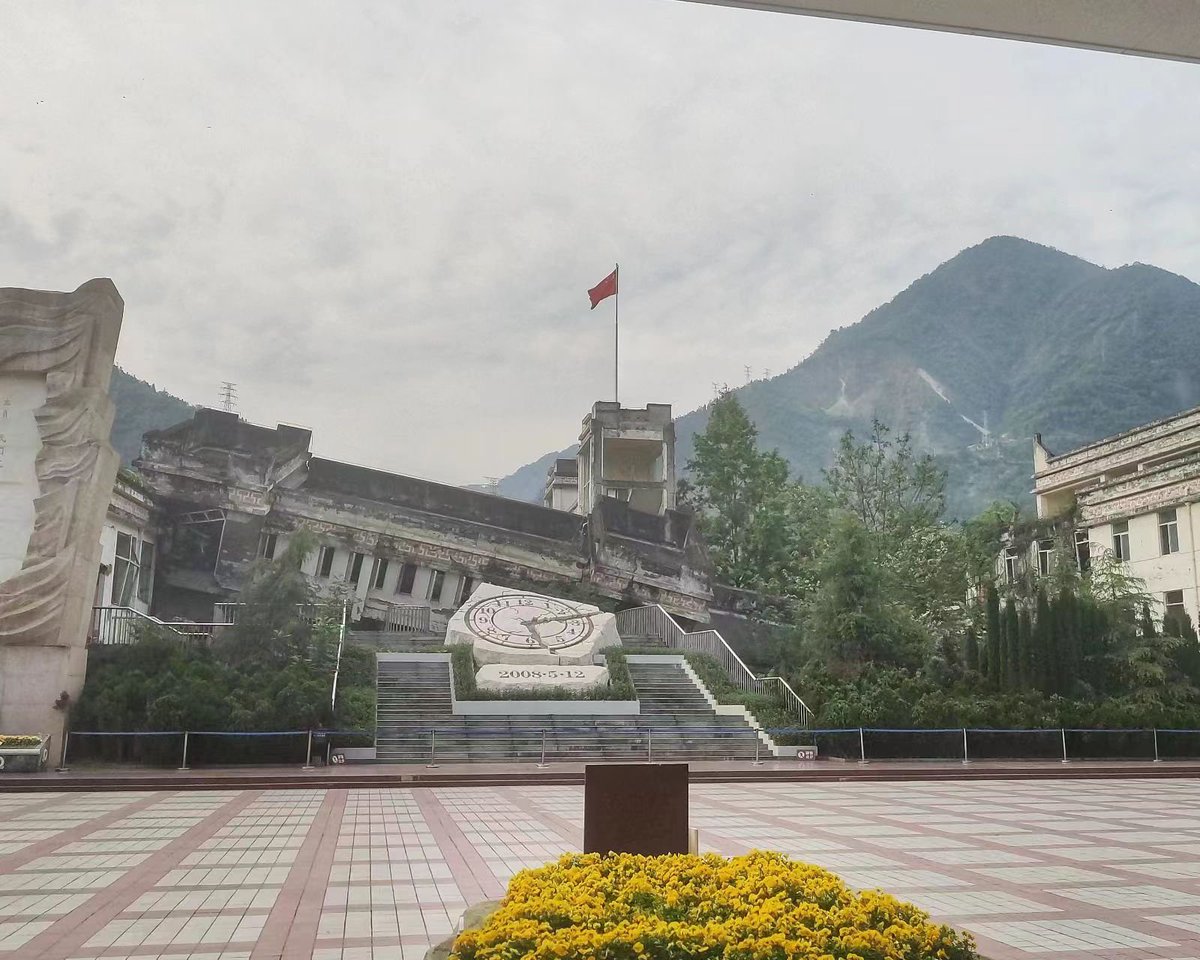
That was the day I visited the areas obliterated by the 2008 Wenchuan Earthquake.
Long thread, with some heavy content ahead. 🧵
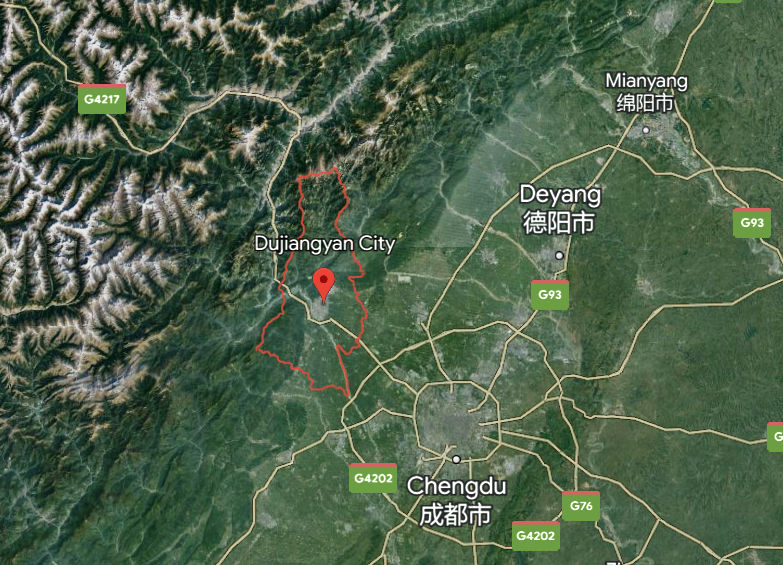
We had flown to Chengdu from Kunming and rented a car to drive west to Dujiangyan, a Chengdu suburb of about 600k people, known as the gateway to Western Sichuan.
It's more clear from the map below: Dujiangyan is like the last outpost before you go into the mountains.
Wenchuan, as you can see below, is the first county you encounter as you head into the mountains.
Just 10 km to Dujiangyan's west, the average elevation shoots up and nearly the only settlements are found in river valleys between mountains.