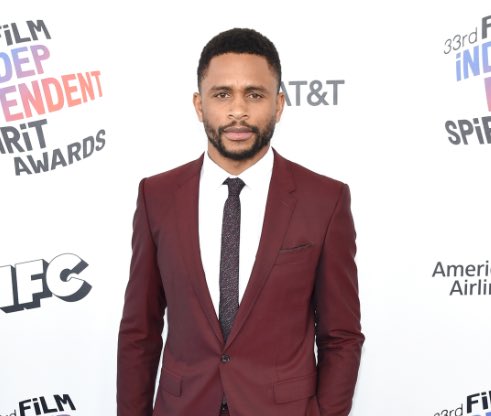
Here is a list of Popular American Celebrities who are Originally Igbo.
A Thread 🧵
Please Retweet.
Chiwetel Umeadi Ejiofor is an American actor who is Nigerian and Igbo. His stellar performance as Solomon Northup in the 2013 film, 12 Years a Slave earned him a nominee for the 2014 Academy Awards for Best Actor. twitter.com/i/web/status/1…
Nonso Anozie is an American actor. He is best known for his performances as Sergeant Dap in the 2013 American military science-fiction action movie, Ender’s Game, and as Xaro Xhoan Daxos in the American fantasy drama television series, Game of Thrones and Sweet Tooth. Born and… twitter.com/i/web/status/1…
Chet Anekwe was born in Nigeria but raised in New York City, United States, Anekwe came to the limelight in the Hollywood film industry after he starred as Service Man in an American television series, New Girl. He is currently starring as Efe Omowale in the American television… twitter.com/i/web/status/1…
Tyler Gregory Okonma aka TylertheCreator was born on March 6, 1991, in California, the son of a Nigerian father with Igbo ancestry and an American mother of mixed African-American and European-Canadian descent.
He is a rapper and record producer, He rose to fame in the early… twitter.com/i/web/status/1…
Nnamdi Asomugha was born on July 6, 1981, in Louisiana, USA to Igbo parents, He is a former American football cornerback. He played college football for the University of California. Nnamdi also played for the Philadelphia Eagles and San Francisco 49ers.
He is also the husband of… twitter.com/i/web/status/1…
Annette Ngozi Ilonzeh is an American actress. From 2010 to 2011, she portrayed Maya Ward in the American daytime television soap opera, General Hospital, and later starred as Kate Prince in Charlie’s Angels, an American action crime drama television series. She also had recurring… twitter.com/i/web/status/1…
Ogonna Nneka Nnamani:
Born on July 29, 1983. Nnamani is a physician, retired American indoor volleyball player and former member of the United States National and Olympic team. She has played at two Olympic games in 2004 and 2008. In 2004, she became the second woman in history… twitter.com/i/web/status/1…
Chukwuemeka Ndubuisi "Emeka" Okafor (born September 28, 1982) is an American professional basketball player who is currently a free agent. Prior to the National Basketball Association (NBA), Okafor attended Bellaire High School in Bellaire, Texas, and the University of… twitter.com/i/web/status/1…
Ebubennem Megalyn Ann Echikunwoke is a 39-year-old American actress renowned primarily for her roles in television and film.
Born in Spokane, Washington, United States, but originally from the Eastern part of Nigeria. twitter.com/i/web/status/1…
Uzoamaka Nwanneka Aduba is an American actress. She gained wide recognition for her role as Suzanne "Crazy Eyes" Warren on the Netflix original series Orange Is the New Black, for which she won an Emmy award.
Chinedu Unaka is a Nigerian American comedian, actor and writer born and raised in Los Angeles. He is the son of two Nigerian immigrants, Christian and Nneka Unaka.
He has made a mark in the American entertainment industry.
Shaffer Chimere Smith known professionally as Ne-Yo, is an American singer, songwriter, actor, dancer, and record producer. He gained fame for his songwriting abilities when he penned Mario's 2004 hit "Let Me Love You". The single's successful release prompted a meeting between… twitter.com/i/web/status/1…
Tobechukwu Dubem "Tobe" Nwigwe (born March 8, 1987) is an American rapper, singer and actor. As of 2022, Nwigwe co-stars in the Netflix television series Mo and received a nomination for Best New Artist at the 65th Grammy Awards.
Yvonne Anuli Orji is a Nigerian-American actress and comedian. She is best known for her role in the television series Insecure, for which she was nominated for a Primetime Emmy Award and three NAACP Image Awards.
Caroline Chikezie is a British Nigerian actress, best known for playing Sasha Williams in As If, and Elaine Hardy in Footballers' Wives. In recent years she has gained popularity as Angela Ochello in the Nigerian series The Governor.
The people we missed would definitely be included in part 2.
Iwe Unu Adina Oku ❤️
If you got to this point, then you must please follow us keeping in mind that most of what we do is preach Igbo, promote Igbo culture, celebrate our achievements as Igbo people, and play a role in ensuring the development of Ndi Igbo and Ala Igbo in general.
What Eastern Region’s Igbo Leadership Built in the Southeast and South-South Before States Existed”, all from the era of Dr. Michael Okpara & Akanu Ibiam.
A thread
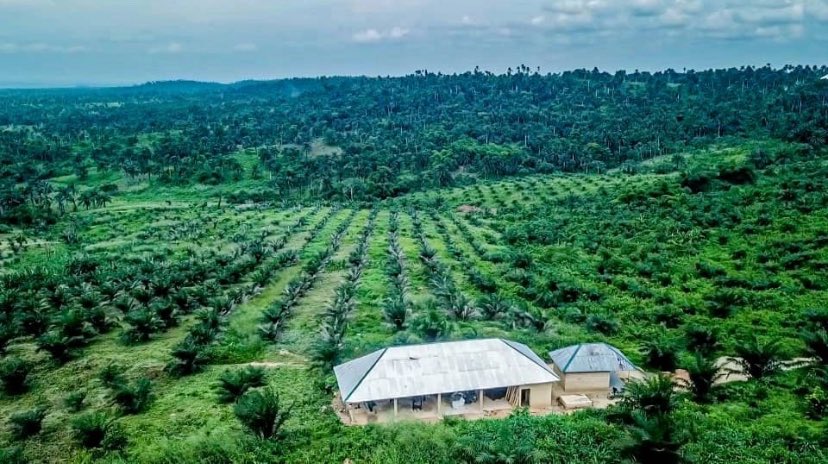
Ibom Palm Plantation (Akwa Ibom)
A massive 3,000-hectare oil palm plantation initiated by Premier Michael Okpara and Governor Francis Akanu Ibiam to boost export revenue and create jobs.
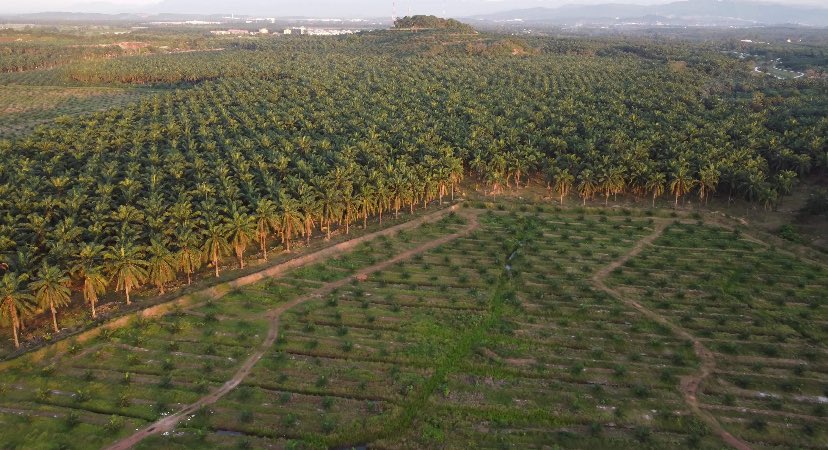
Adapalm Plantation (Ohaji, Imo State)
Established in 1953 as part of the Eastern Region’s agricultural push. At its peak, it covered roughly 4,300 hectares, funded roads, schools, and infrastructure, and produced thousands of tons of palm oil annually .
Someone says their name is Chukwuebuka…
They didn’t just tell you a name.
They just told you “God is great.” 🙌🏾
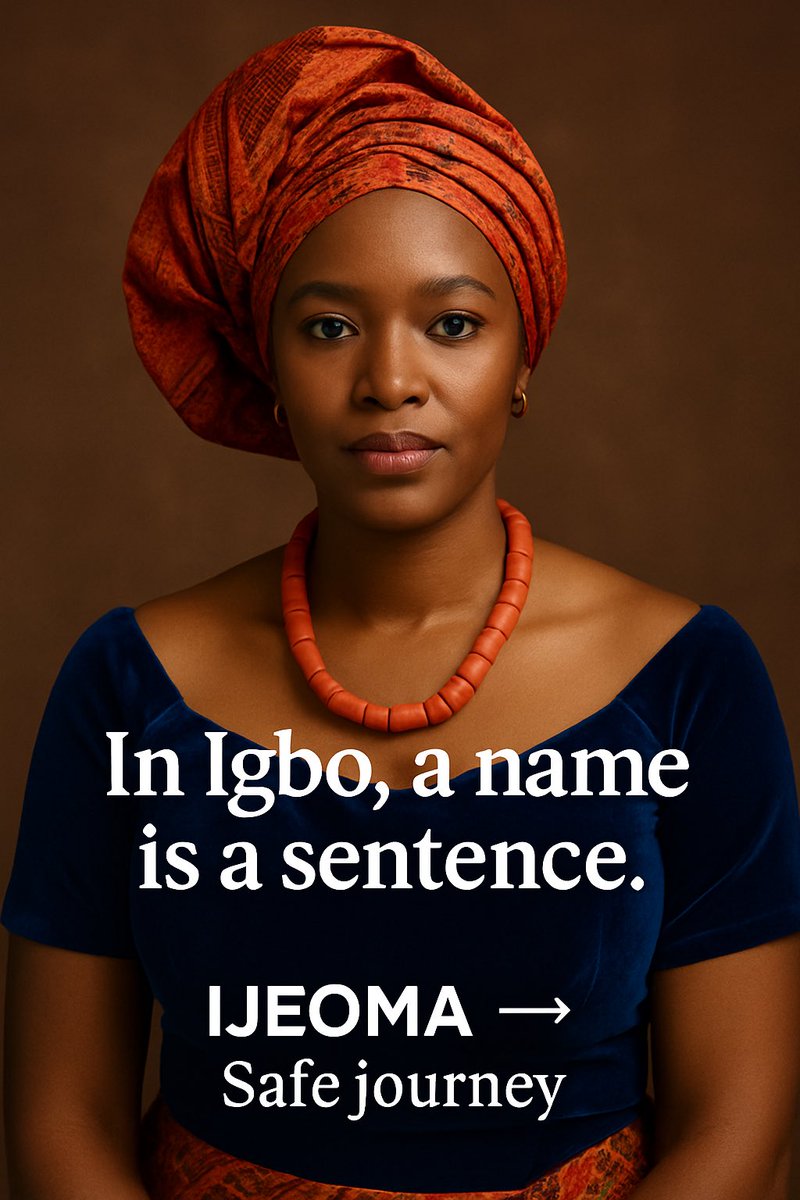
In Igbo culture, a name is never just a name. It’s a sentence, a story, and sometimes, a prophecy.
Here’s why, a thread 👇🏾
In many parts of the world, names are picked because they “sound nice.”
But in Igbo culture, names are carefully crafted sentences, every syllable carries meaning.
It’s our way of putting history, prayer, and identity into just a few words.
Examples:
•Ifeanyichukwu → “Nothing is impossible with God.”
•Chinonso → “God is near.”
•Obianuju → “She came in the midst of abundance.”
•Ozoemena → “May this (misfortune) not happen again.”
Remembering Chief Ejikeme Augustine Ilodibe, The Founder of Ekene Dili Chukwu Motors who died on the 1st of July 2007.
Chief Ilodibe redefined road transport in Nigeria.
From rags to riches, his story is one of grit, grace, and greatness.
A thread 🧵
Born in Aba in 1930, young Ejikeme moved with his mother to Nnewi after his father’s passing.
There, his uncle, Chief J.C. Ulasi (popularly known as Oji Ukwu eje Aba) enrolled him in school.
But fate struck early. Chief Ulasi died when Ejikeme was just 13.
Left with no strong support system, Ejikeme became a houseboy to a Catholic Reverend Father and almost entered the seminary to become a priest.
Before they parted ways, the Father gave him £35 and a blessing.
25 Crops and Animals Commonly Grown and Reared by Ndi Igbo
A Thread 🧵
Whether you're farming for subsistence, profit, or cultural continuity, Ala Igbo is fertile and the people are experienced.
So if you’re considering going into farming or agribusiness in Igbo land, here are the most common agricultural produce and livestock found across the South-East, the staples that feed our families and sustain our economy 👇
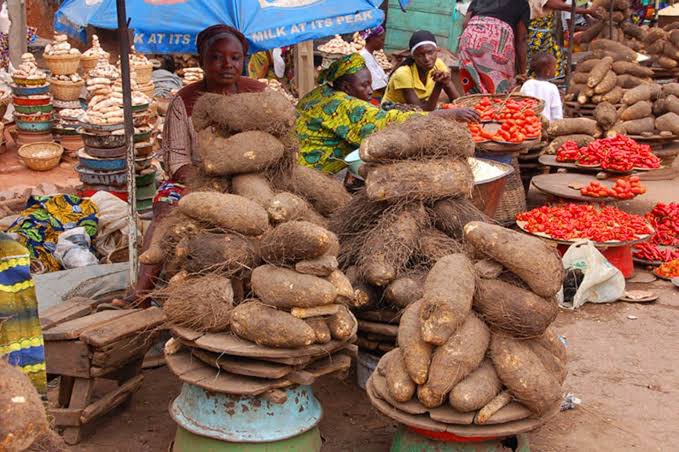
1. Yam (Ji)
No other crop represents the Igbo spirit like yam. It is our king crop, the reason behind the Iri Ji Festival.
Yam is cultivated widely across the South-East, especially in Ebonyi, Anambra, and Enugu.
There are different species like:
– Ji Obiaoturugo (early yam)
– Ji oku (late yam)
– Ji anwụ (dry-season yam)
Yam isn’t just food; it’s a symbol of success and manhood in many communities.
2. Cassava (Akpu/Abacha/Ugba source)
Cassava is one of the most versatile crops grown across Igboland.
It is used to make:
– Akpu (fufu)
– Abacha (African salad)
– Tapioca
– Cassava flour
– Garri (Nri Garri)
The stems are cut and replanted easily, making cassava one of the easiest to multiply and farm.
3. Maize (Oka)
Almost every Igbo household farms maize during the rainy season.
Maize is eaten roasted or boiled (Oka na Ube), processed into pap (Akamu), or used to make corn swallow (Nni Oka). Fresh corn is also used in Agidi, Nkwu (corn wine), and animal feed.
4. Oil Palm (Nkwu)
The oil palm is one of the most valuable plants in Igbo land.
From one tree, you can get:
– Palm oil (Mmanụ Nkwu)
– Palm kernel oil
– Brooms
– Palm wine
– Even firewood from the stem
Palm plantations are common in Anambra, Imo, and Abia states, and palm oil trading is a big source of income for many.
From markets to motor parts, property to electronics,
Apịriko is how many Igbo hustlers survive, grow, and build empires.
What’s Igba Apịriko?
A thread!
What Is Igba Apịriko?
Igba Apịriko is a common and respected business practice in Igbo culture where someone adds their own profit to the cost of a product they don’t own, usually as a middleman or connector.
Here’s how it works:
•A trader sells an item for ₦10,000.
•You, the middleman, bring a customer and tell them the item costs ₦12,000.
•The buyer pays you ₦12,000.
•You give the seller ₦10,000.
•You keep the ₦2,000. That’s your Apịriko, your gain.
Why It’s Important
•You didn’t buy or stock the product.
•You didn’t rent a shop.
•But you used information, access, and negotiation to earn money.
In Igbo land, this isn’t seen as shady or dishonest.
It’s a recognized system, especially in markets, spare parts, real estate, even international trade.
Meet Gabriel Okara: The Man Who Made English Sound African. All you need to know about this Literary Legend 👇
Other than the popular Chinua Achebe you know, there is Gabriel Okara, a name that deserves just as much recognition. Hailing from Delta state, Gabriel Okara is regarded as Nigeria’s first modernist poet and one of the earliest African writers to skillfully blend indigenous African thought with the English language.
At a time when writing in English felt like writing for the West, Okara found a way to make English speak with an African rhythm. He wasn't just a writer; he was a cultural bridge…
Okara’s journey into literature began in an unusual way. He first worked as a bookbinder for the colonial government before going on to study journalism at Northwestern University in the U.S. But his talent was undeniable.
His poem “The Call of the River Nun” won a national award in 1953 and launched his literary career. Okara's poems, including well-known works like “Piano and Drums” and “Once Upon a Time” explored themes of cultural identity, colonial tension, and the internal conflict between traditional African values and Western influences.
What made his writing stand out was how he translated the heartbeat of African storytelling into English without losing its soul.
In 1964, Okara released his only novel, The Voice, a bold experiment in language. He wrote it in English, but shaped that English with Ijaw patterns and expressions, giving the narrative a voice that felt unmistakably African. It wasn’t just a novel, it was a literary revolution.
While others were writing English in a polished, colonial tone, Okara showed that African writers could bend the language to their will, making it serve African logic and rhythm. This was literature that didn’t imitate, it originated.