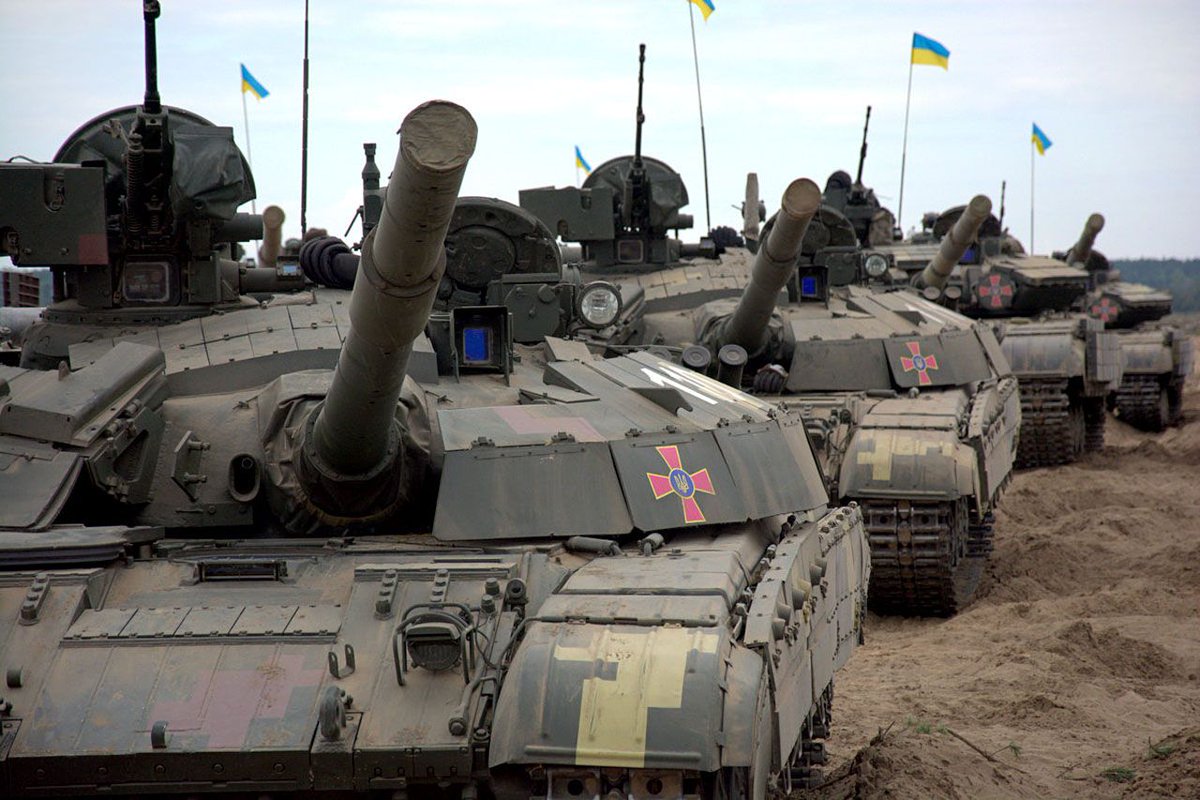
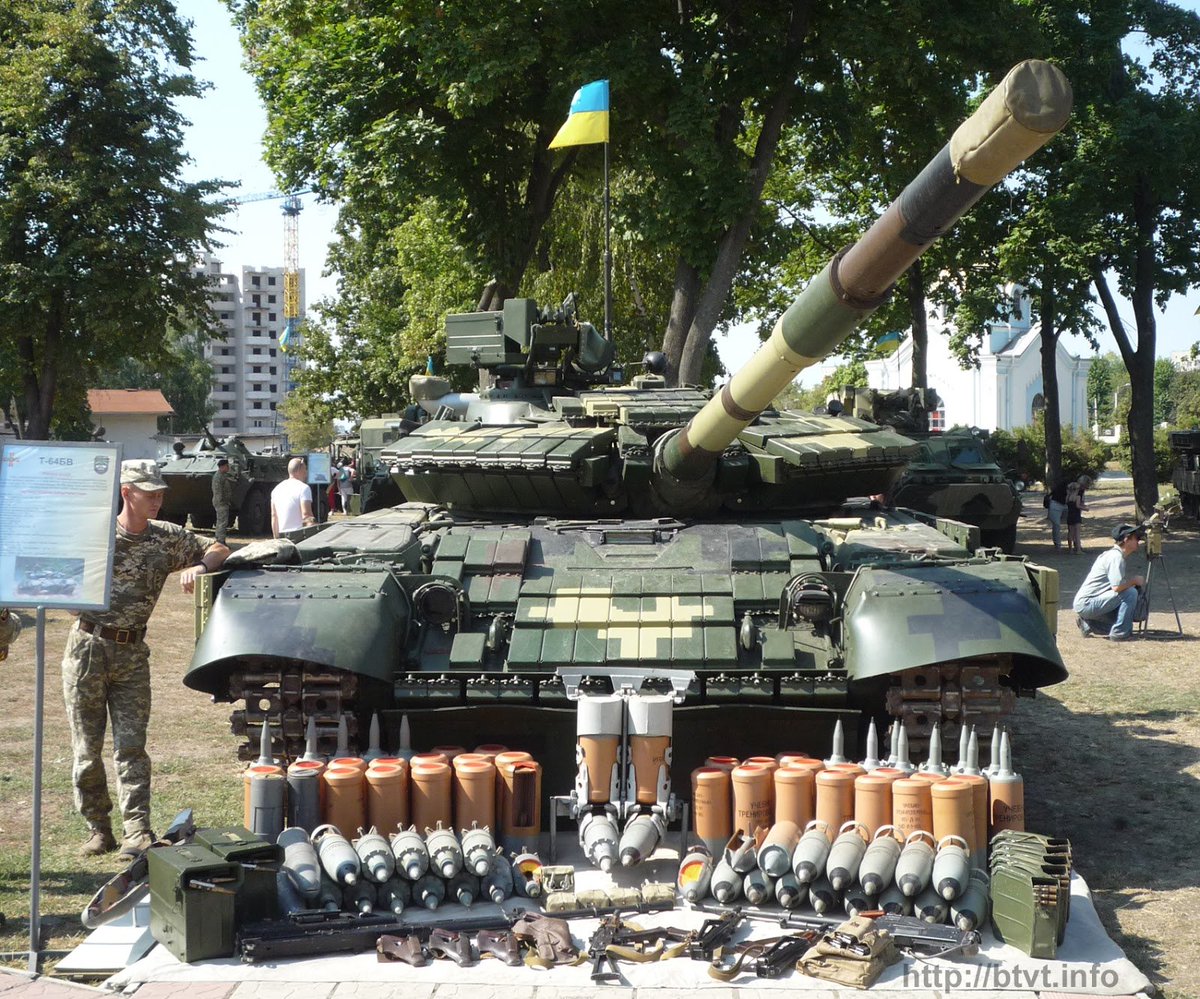
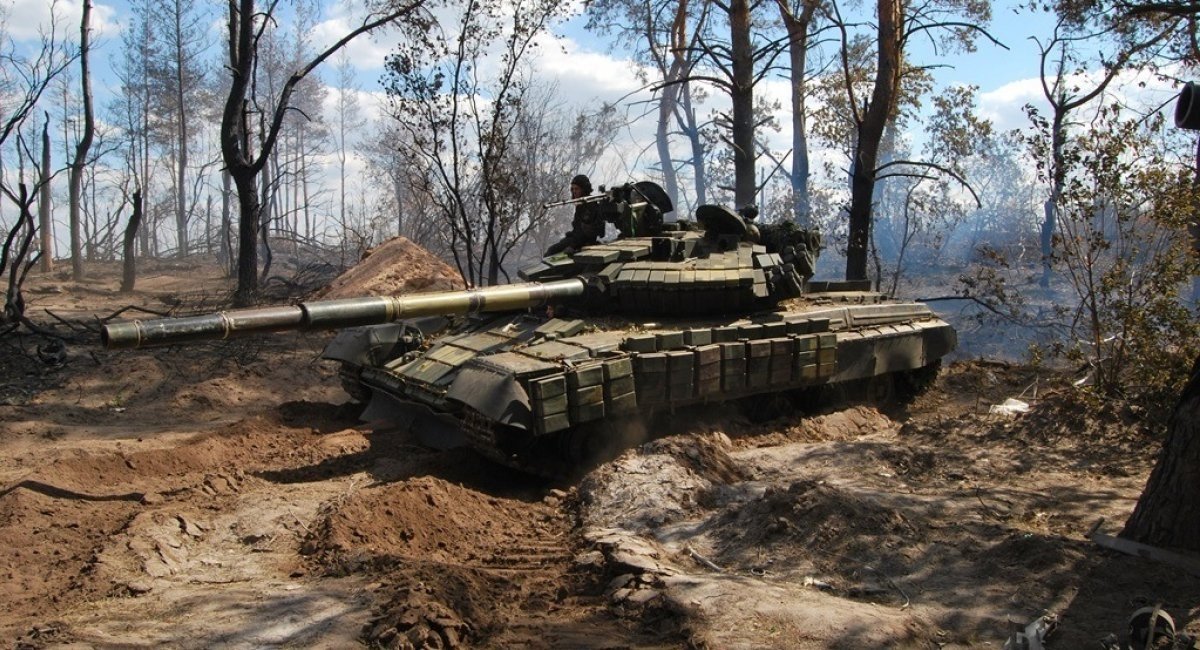
(1/18) Today, instead of a specific technical feature, I'd like to talk about the modernised T-64BVs that the Ukrainians currently use. 

(2/18) These tanks are popularly known as 'T-64BV zrazka 2017 roku' ('T-64BV mod. 2017'), but I have not seen any evidence this is an official military designation.

(3/18) In general, the Soviet, Russian, and Ukrainian militaries did not use 'model year' designations. This is something that enthusiasts/historians came up with to distinguish modifications implemented in different production years. e.g. both of these are just T-72B in manuals.


(4/18) Prior to the Donbas War, the primary Ukrainian T-64 modernisation effort was the BM Bulat (Object 447AM1).
In many ways, the BM Bulat is to the T-64BV what the T-80U is to the T-80BV. Indeed, it was at one point known as the 'T-64U' (below).
In many ways, the BM Bulat is to the T-64BV what the T-80U is to the T-80BV. Indeed, it was at one point known as the 'T-64U' (below).
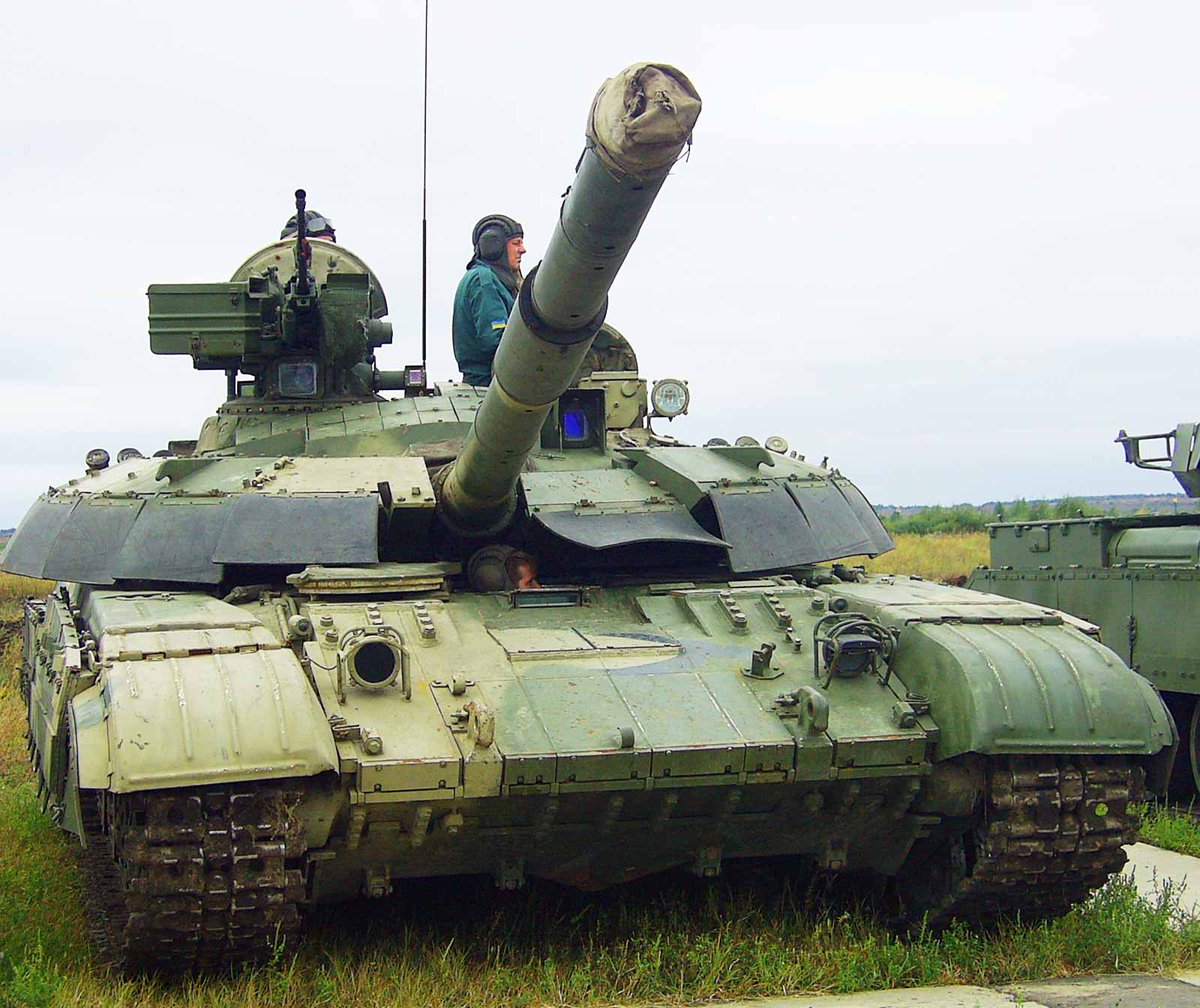
(5/18) It primarily concentrates on improving the 'hard stats' of the T-64, like the traditional firepower/mobility/armour triad (new FCS, new engine, new armour), and was the most modern tank available to the ZSU in reasonable numbers in 2014.
(6/18) Unfortunately, the Bulat did not prove an unqualified success, and Sergey Buryak of the Ivan Chernyakhovsky National University of Defense of Ukraine noted some of its drawbacks.
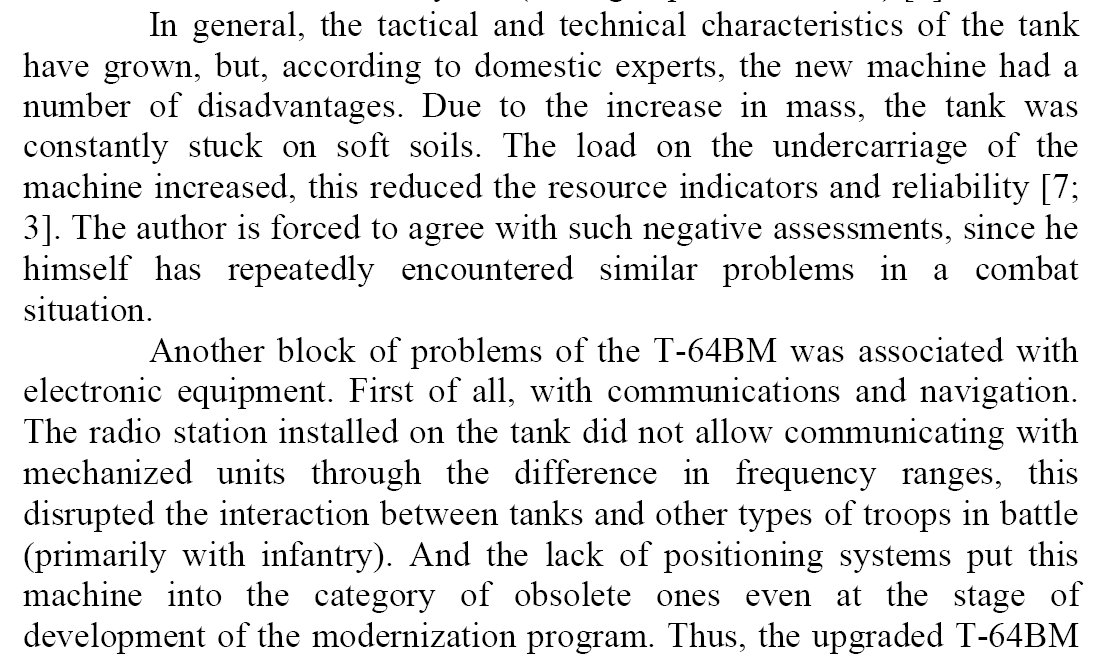
(7/18) Combat experience from the Donbas War led to a reevaluation of priorities for Ukrainian tanks and armour in general. They are outlined in Prof. Vadym Slyusar's presentation at the 2020 Intl. Armoured Vehicles Conference:
researchgate.net/publication/36…
researchgate.net/publication/36…
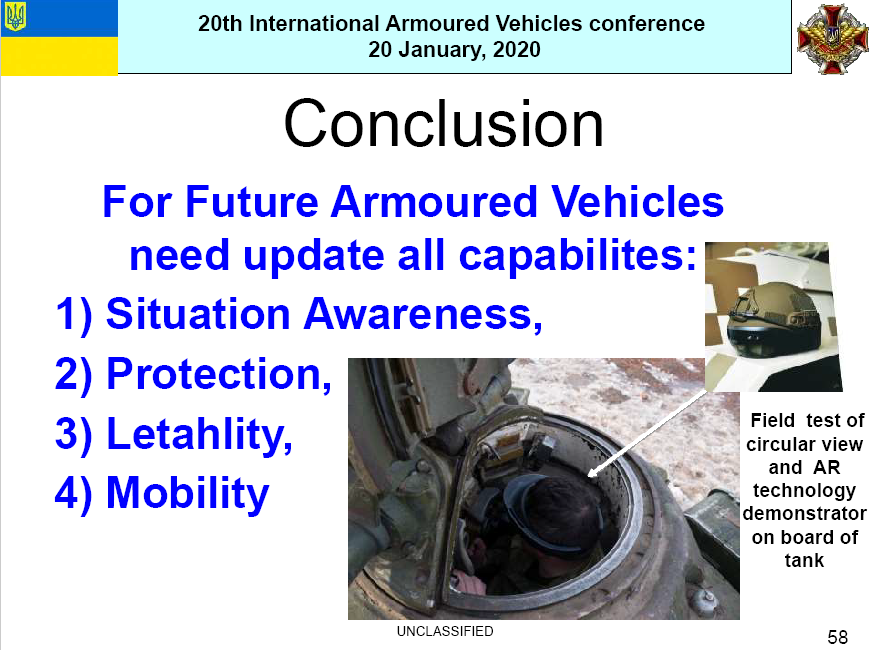
(8/18) This is reflected in the modernised T-64BV. The first significant upgrade to situational awareness was the addition of a thermal sight in the form of Trimen's TPN1 TPV.
trimen.com.ua/en/moderndevic…
trimen.com.ua/en/moderndevic…
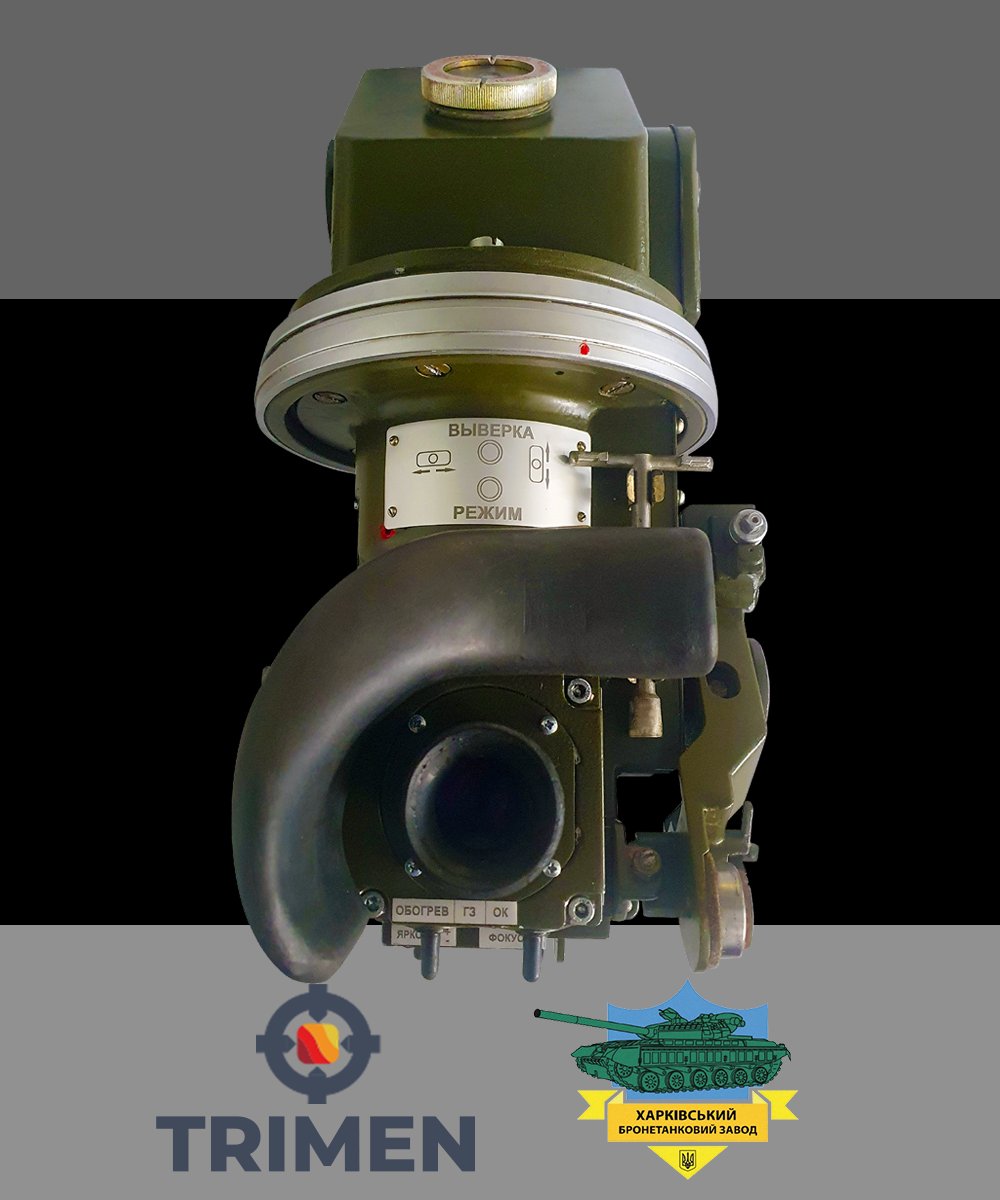
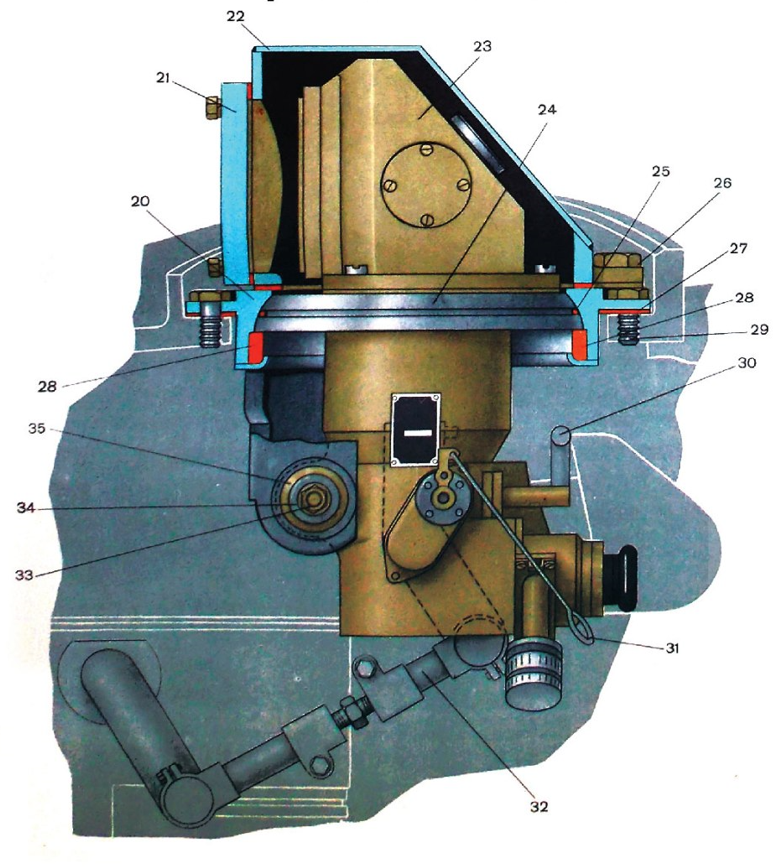
(9/18) The TPN1 TPV is based on the hopelessly obsolete TPN1 night vision sight (shown), but with the electro-optical converter inside taken out and replaced with a thermal imaging matrix. It can therefore fit into existing sight housings for the TPN1.
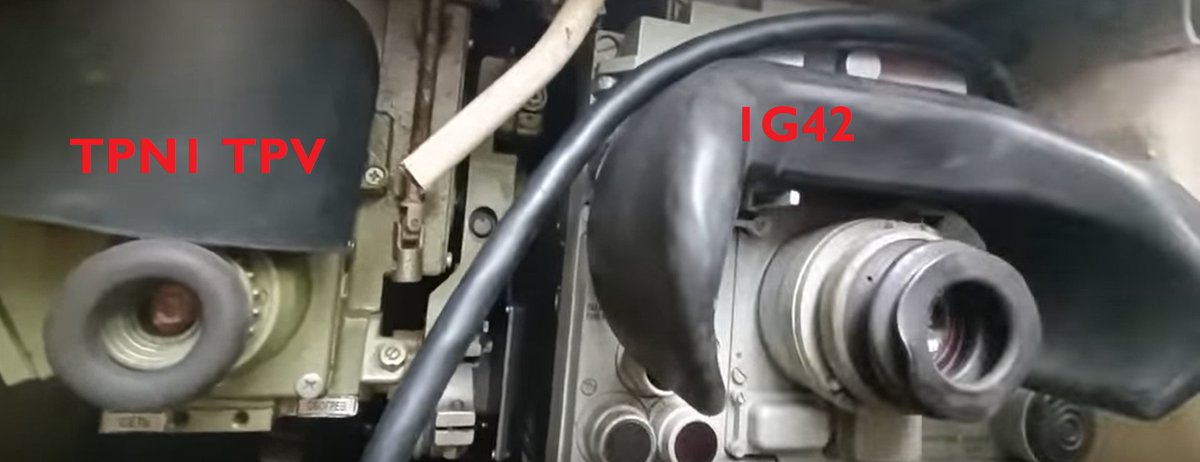
(10/18) It operates in conjunction with the regular 1G42 day sight, and is rated effective out to 4 km.
(11/18) Thermal optics have many advantages over passive night vision, especially in conditions where smoke or dust may obscure the latter. They also do not require illumination, which the old TPN1 needs to see beyond about 400 m.
(12/18) In addition to the thermal sight, the ancient R-123M/R-173 radios were first replaced by a Libid K-2RB radio. The Libid is a licence-built Motorola MOTOTRBO DM4600 series two-way radio.
motorolasolutions.com/en_xu/products…
motorolasolutions.com/en_xu/products…
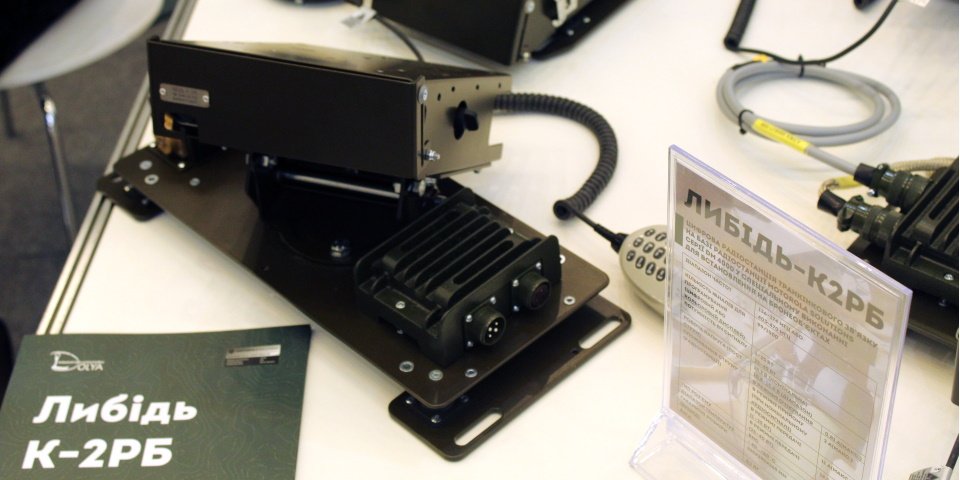
(13/) Incidentally, the purchase of this radio set was subject to a corruption investigation, but I do not know if any conviction resulted from it.
antikor-com-ua.translate.goog/ru/articles/12…
antikor-com-ua.translate.goog/ru/articles/12…
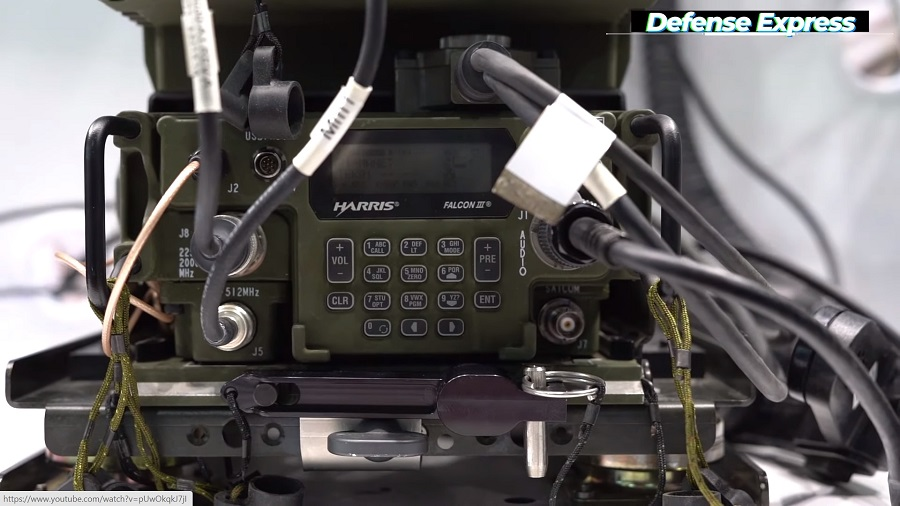
(13/18) Regardless, the Lybid was a reasonably modern encrypted VHF/UHF radio set with some anti-jamming features such as frequency hopping. However, later L3Harris radios such as the Falcon III, regarded as more secure, began replacing the Lybid.
en.defence-ua.com/news/aselsan_l…
en.defence-ua.com/news/aselsan_l…
(14/18) In addition to the radios, the modernised T-64BVs also received Orizon-Navigatsii's SN-4215 'Bazalt' satellite navigation system (SNS).
orizon-navigation.ua/ru/product/apa…
orizon-navigation.ua/ru/product/apa…
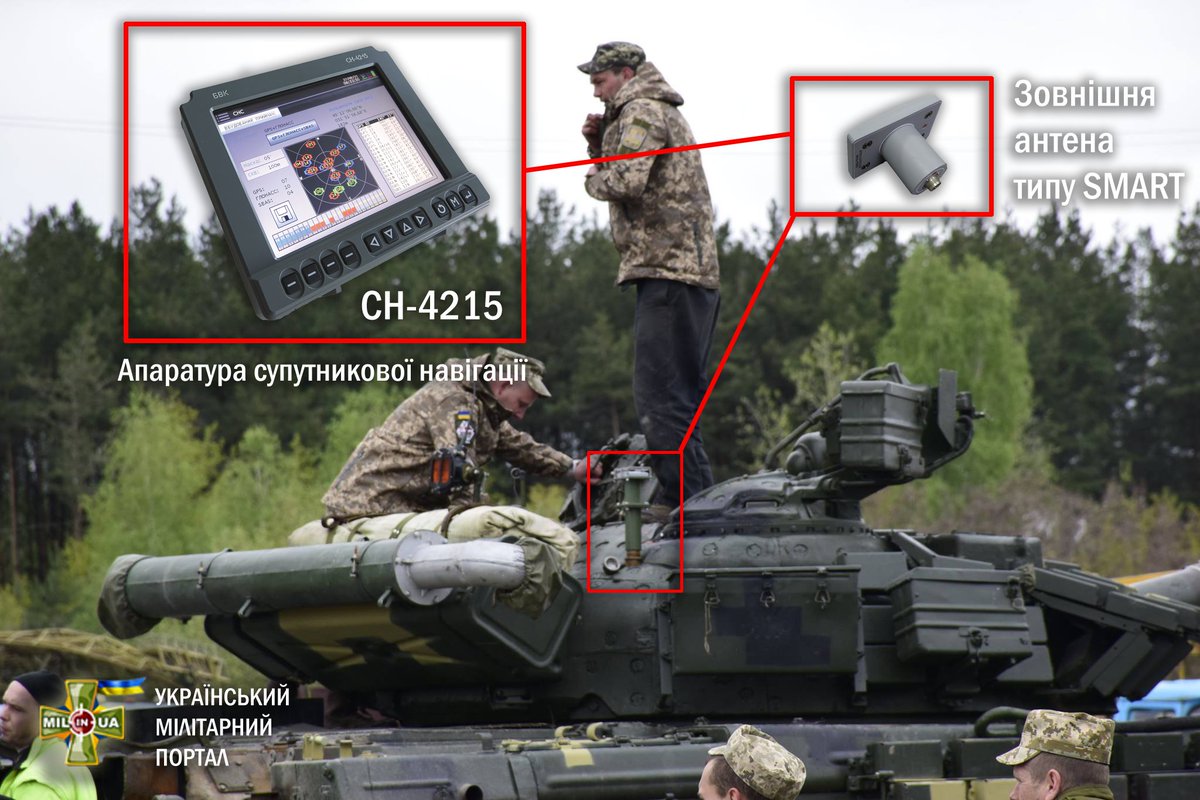
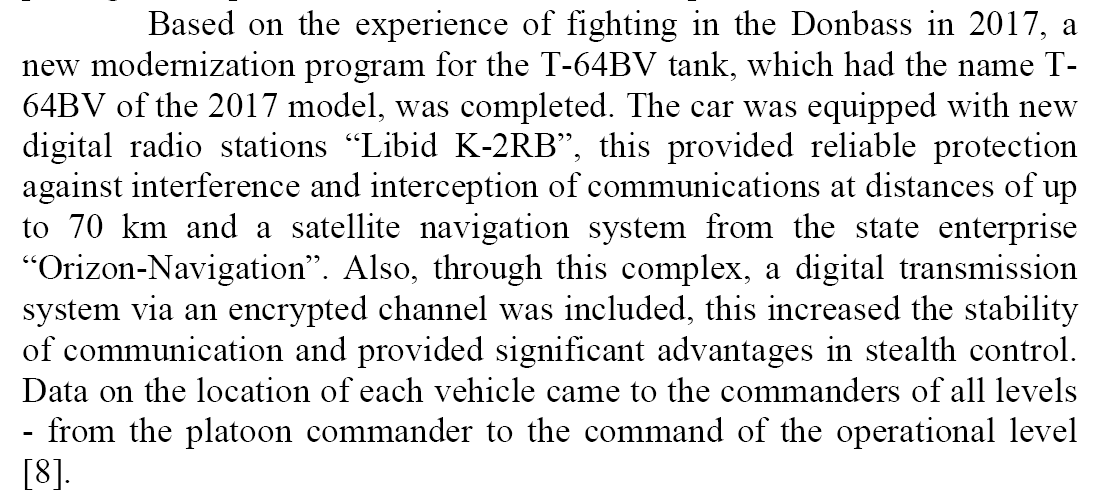
(15/18) This allows for more accurate navigation using GPS or GLONASS. It is also able to function as part of a battlefield management system alongside the Libid/L3Harris radios, as Buryak notes, but details are lacking.
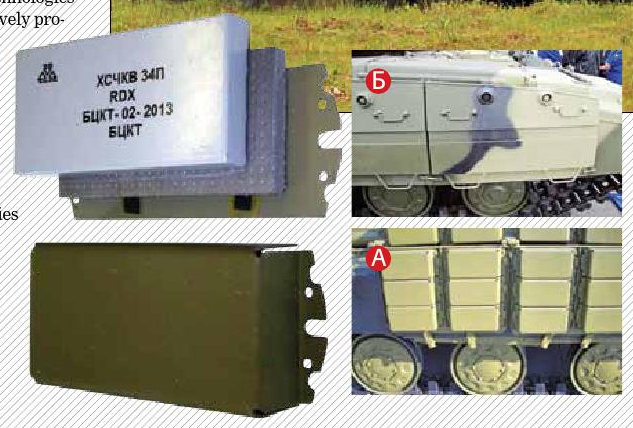
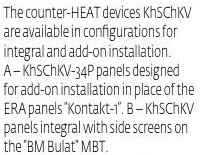
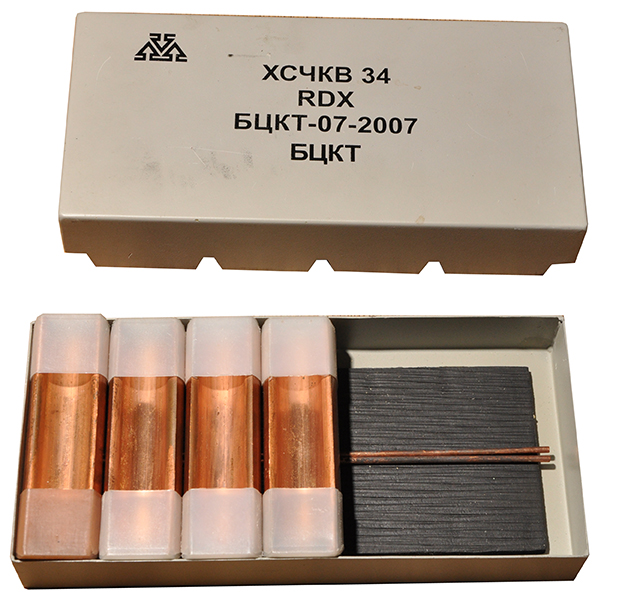
(16/18) An attempt was also made to upgrade the protection, using Nizh shaped charge array ERA configured to fit inside existing Kontakt-1 boxes.
I will not talk about Nizh here, as it would require an entire thread of its own.
I will not talk about Nizh here, as it would require an entire thread of its own.
(17/18) Other than these upgrades, most of the other changes are quality-of-life changes for the crew, such as stepladders for easier crew access. The engine and transmission remain unchanged, same for the gun. @AndreiBtvt has a good walkaround:
btvtinfo.blogspot.com/2020/02/64-201…
btvtinfo.blogspot.com/2020/02/64-201…
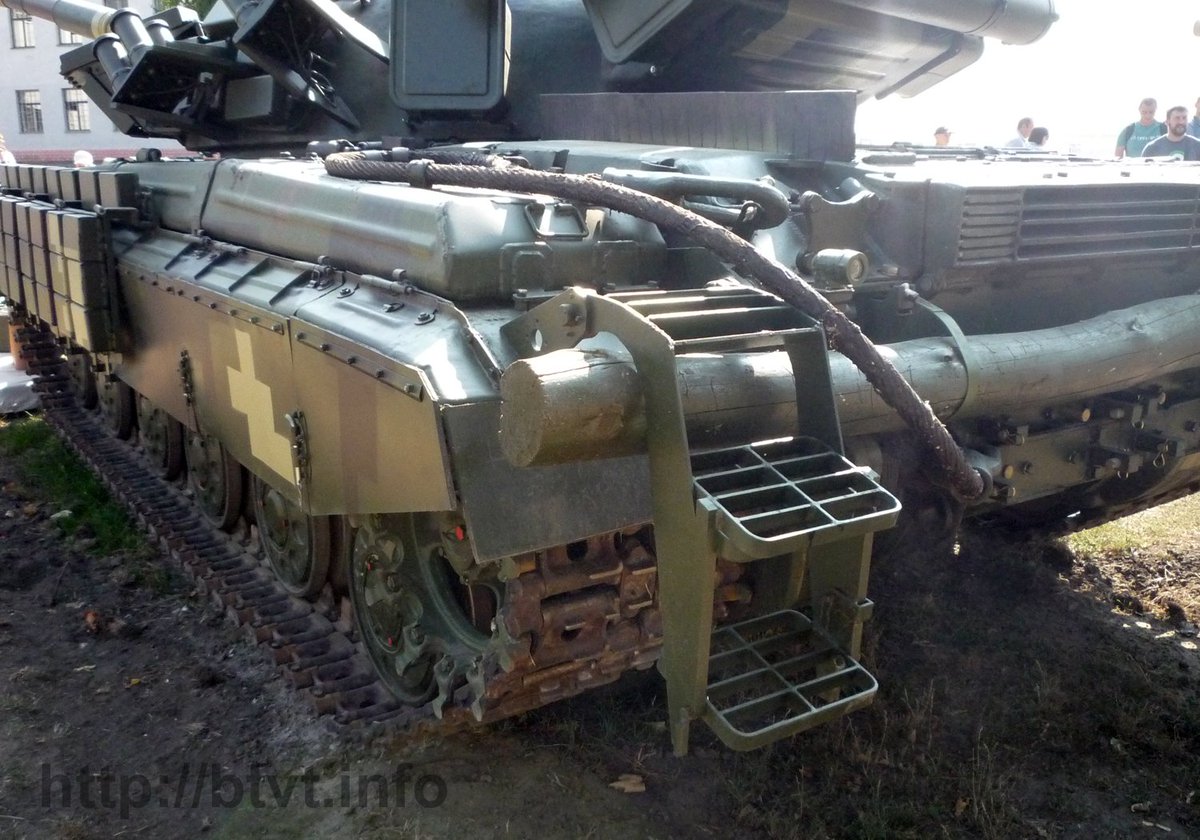
(18/18) In summary, the modernised T-64BV is really more of an economical upgrade for the large T-64 fleet to implement the priorities the Ukrainians felt needed addressing after the Donbas War.
Time will tell if they made the right choices.
Time will tell if they made the right choices.
• • •
Missing some Tweet in this thread? You can try to
force a refresh