On International Yoga day presenting the ultimate thread for understanding fundamentals of Yoga (previous thread was March 13th). Its not just the postures (asanas). After reading this you'll get clarity on terms like ashtanga, hatha, kriya, bikram, Iyengar, vinyasa, jeevamukti 
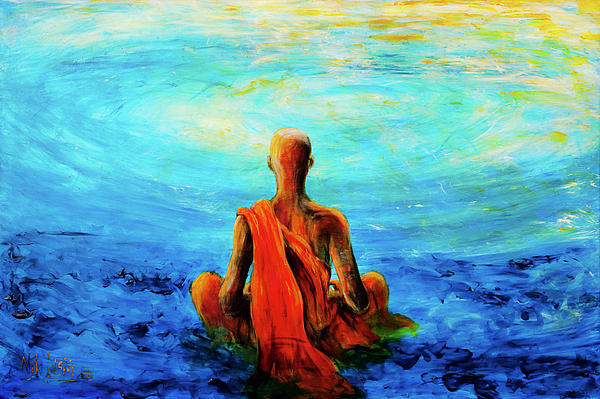
Yoga is an entire framework for leading life with a final goal of achieving samadhi or permanent bliss. The first organized work was Patanjali’s 195 sutras

4 main paths of Yoga are 1) Raja Yoga 2) Bhakti Yog - Develop devotion 3) Gyan Yog - Acquire & apply knowledge 4) Karma Yog - selfless work There are other types like Kundalini (awakening chakra energy) that fall under tantric practices but that’s not considered as main path

The famous 8 limbs or asthanga is a part of Raja Yoga, It is a framework for fusing inner consciousness with universal consciousness- Bhrahmaan & get permanent bliss (sat-chit-ananda). Modern day forms like hatha, kriya, Iyengar, jeevamukti arre variants of 2 limbs of asthanga

1st limb is Yamas - 5 core ethical rules listed by Patanjali in Yoga Sutra 2.30 Ahimsa: non-harming other living beings Satya : no falsehood Asteya : no stealing Brahmacharya : no infidelity (sexual restraint) Aparigraha : no greed for possessions

The 2nd limb is niyama (virtuous habits) Shaucha clear mind, speech & body Santosha contentment, acceptance of circumstances Tapas austerity, asceticism, self-discipline Svadhyaya study Vedas & self Ishvarapranidhana - study God

3rd limb Asanas - The Bhasya commentary attached to the Sutras,suggests 12 postures: Padmasana Virasana Bhadrasana Svastikasana Dandasana Sopasrayasana Paryankasana Krauncha-nishadasana Hastanishadasana Ushtranishadasana Samasansthanasana

4th limb is Prāṇāyāma - the control of the breath, from the Sanskrit prāṇa (प्राण, breath) and āyāma (आयाम, restraint). Often practiced with the asanas

5th limb is Pratyahara is drawing within one's awareness. It is a process of retracting the sensory experience from external objects. Pratyahara marks the transition of yoga experience from the first four limbs to the last three limbs that perfect the yogin's inner state

6th limb is Dharana - holding one's mind onto a particular inner state, subject or topic of one's mind. The mind is fixed on a mantra, or one's breath/navel/tip of tongue/any place, or an object one wants to observe, or a concept/idea in one's mind

7th limb is Dhyana - Acquiring ability to focus on own atman via sustained dharana. The word morphed into “Zen” when the concept of deep meditation was taken eastwards via Buddhism

8th limb is Samadhi - Is the final state where the inner individual consciousness merges and becomes one with the universal all pervasive consciousness and is considered the ultimate form of sat-chit-ananda (permanent bliss) as per sanatan dharma

If you like our threads and videos please do like/comment/subscribe/follow. Spread the word and help us grow
• • •
Missing some Tweet in this thread? You can try to
force a refresh