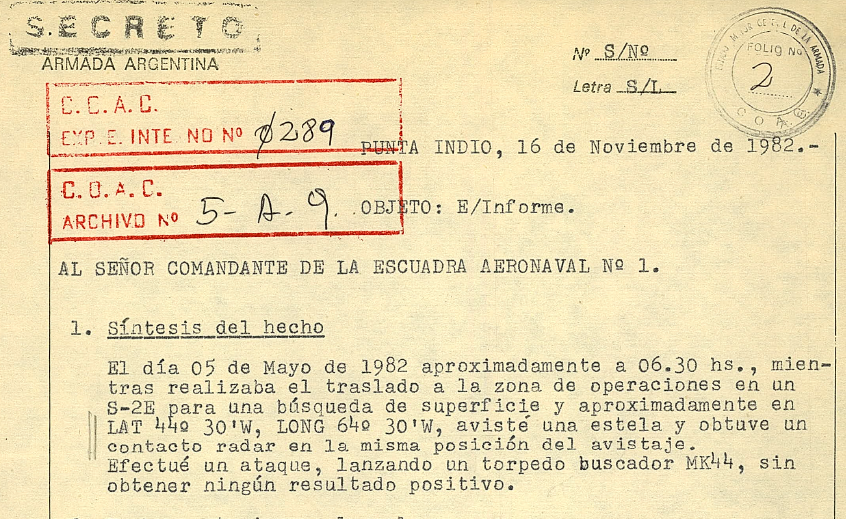
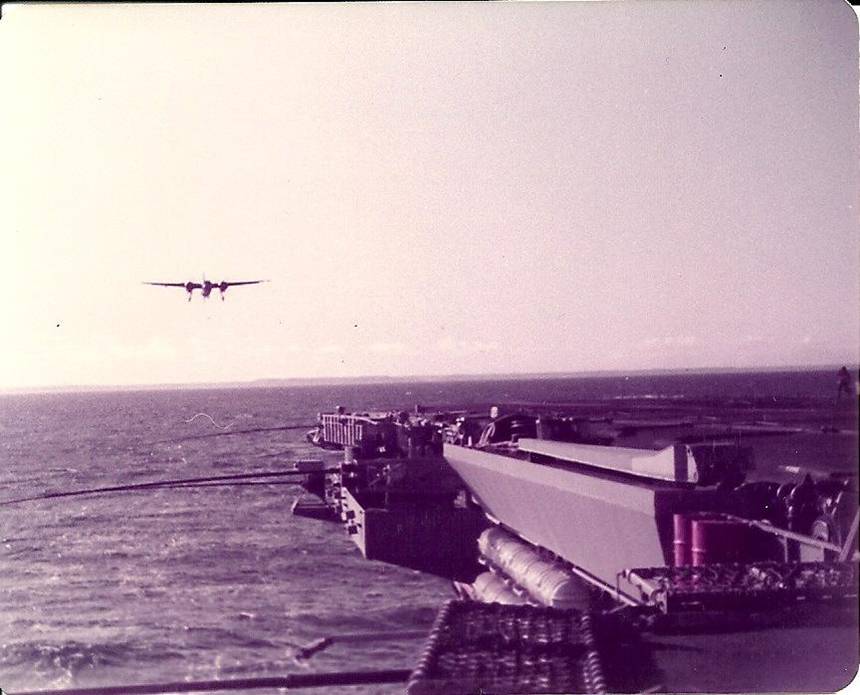
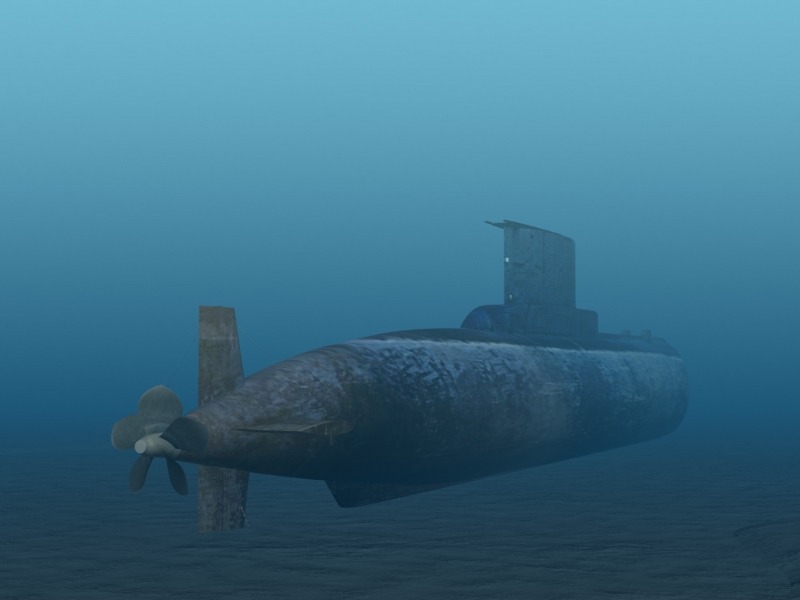
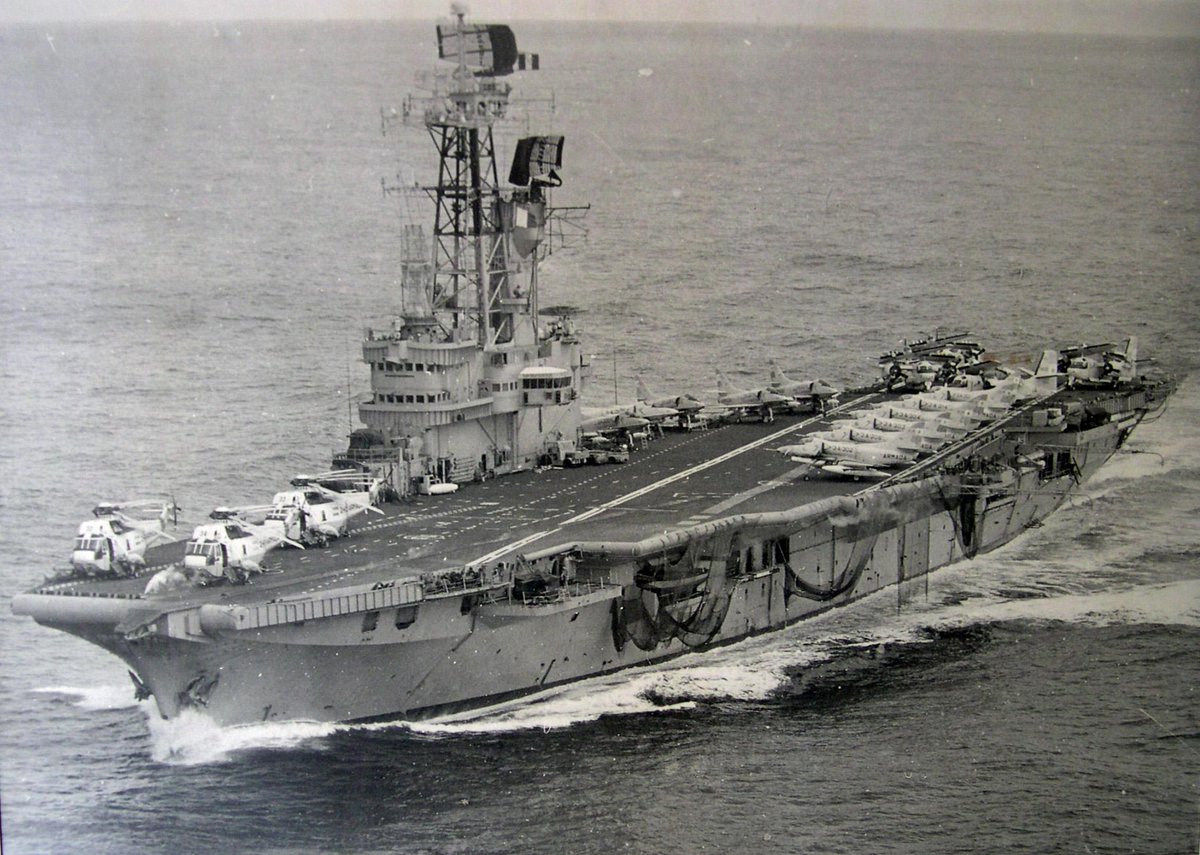
On 5 May, 1982, at 0705, S-2E Tracker 2-AS-23 was catapulted from @Armada_Arg aircraft carrier ARA 25 de Mayo, while it was sailing off Faro Punta Lobos, Chubut, with the mission to locate ARA Alferez Sobral, which had been damaged.
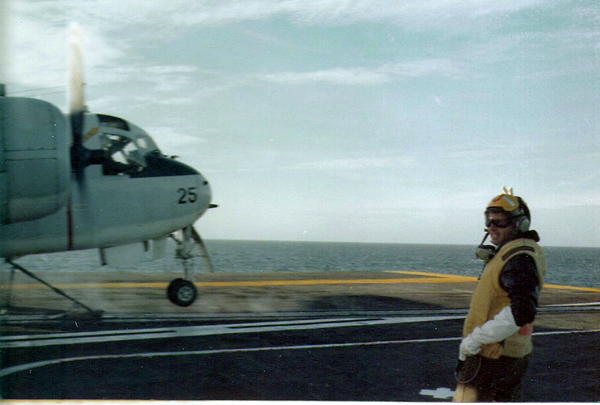
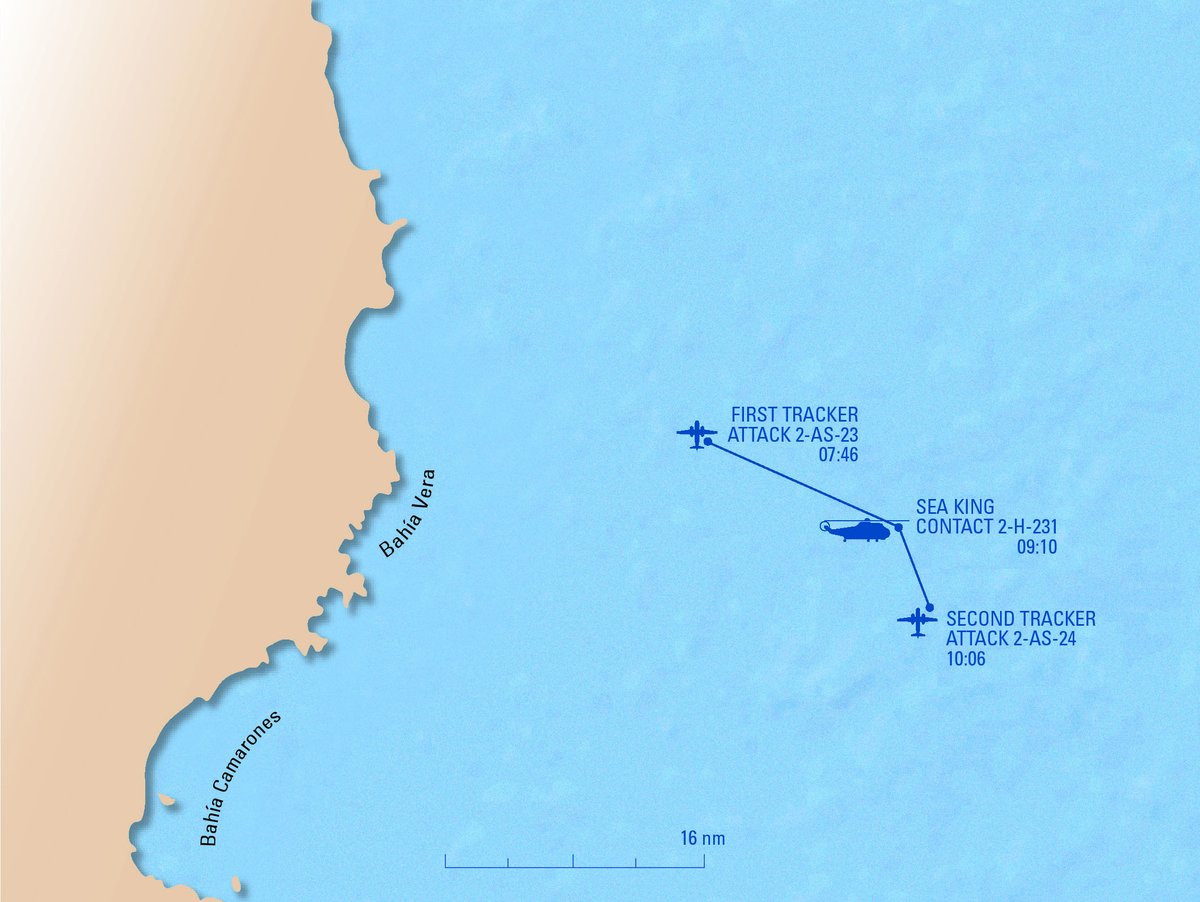
Taking a SSE course, they adopted a surface search pattern, and 38 minutes later, flying at 2,000m with clear skies, calm sea and wind, the AN/APS-88A radar operator detected a small contact, 10 miles away "Sinker!" Aircrat commander saw also the object and its wake.
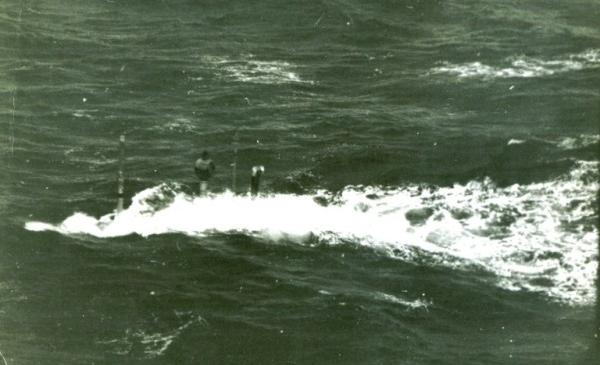
Considering that FT79 had ordered to attack POSSUB contacts, aircraft commander (Lt Carlos Cal) ordered the launch of a Mk44 torpedo and a passive sonobuoy. However, no explosion could be observed, and orpedo run could not be tracked because the aircraft lacked the sono receiver.
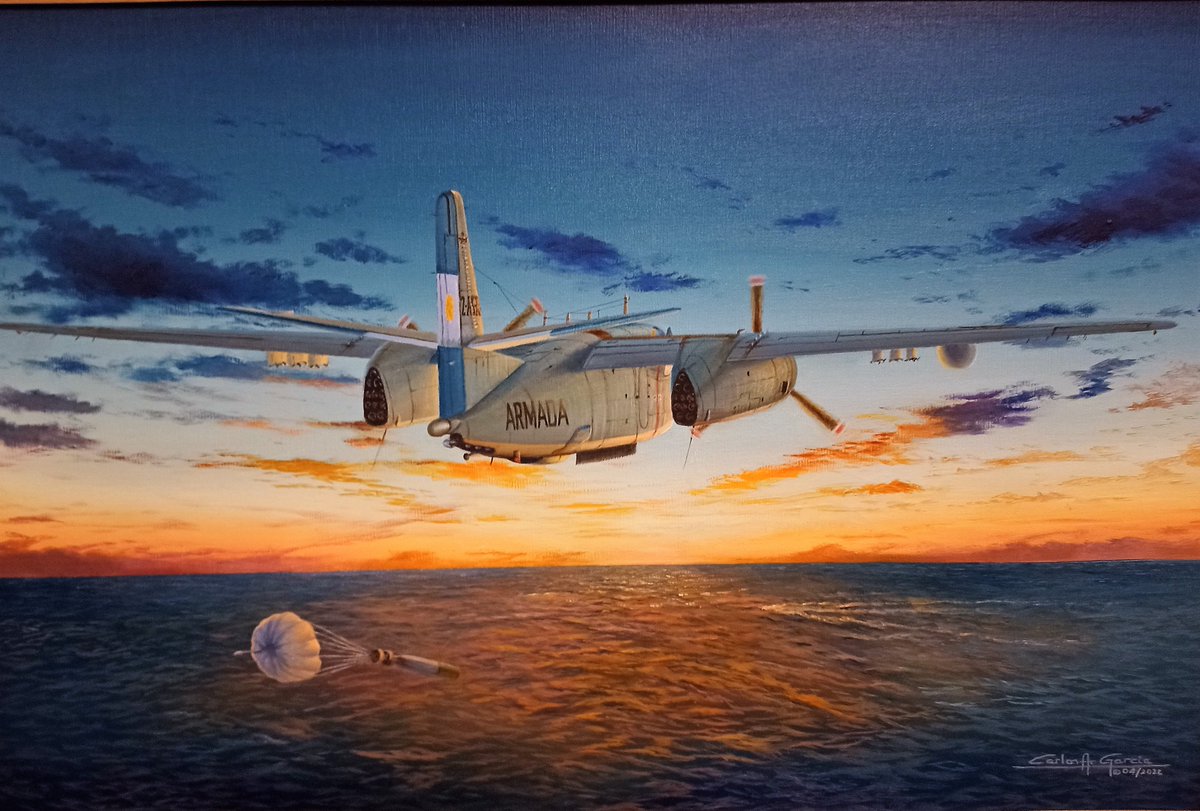
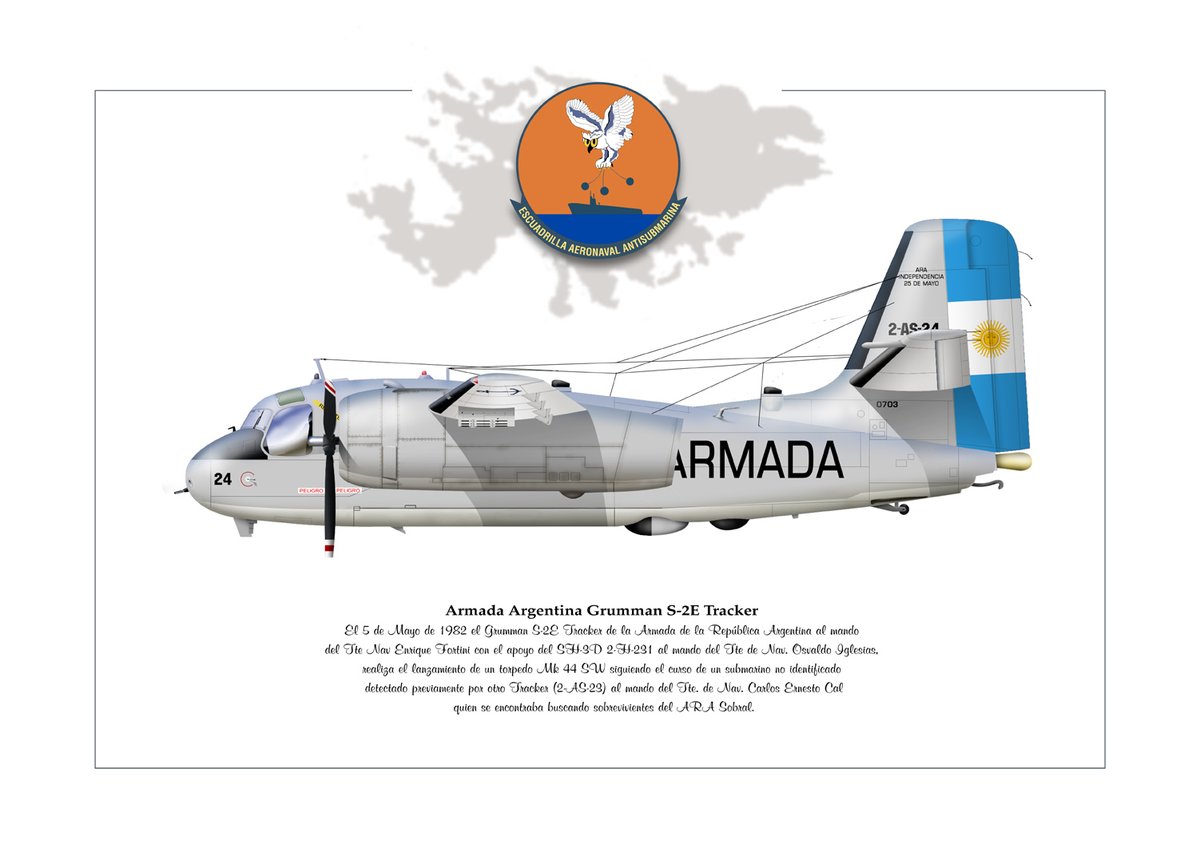
At 0805, and after Lt Cal reported the attack, Sea King #helicopter 2-H-231 (Lt Osvaldo Iglesias) took off from the carrier, and at 0847 2-H-232 (Lt Barro, Sqn CO) took off. A minute later Tracker 2-AS-24 (in full ASW config, pilot Lt Fortini) was catapulted.
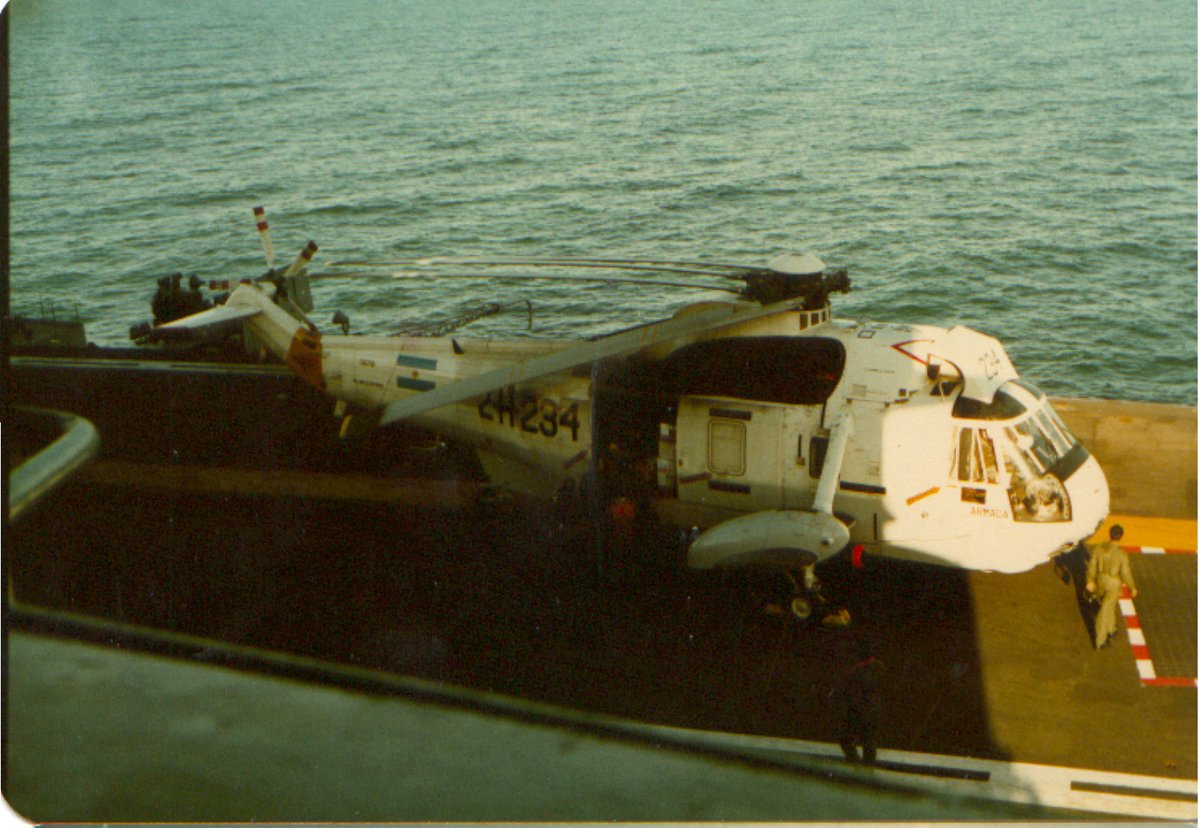
All aircraft set course for the datum, and when they reached it 2-H-231 began an ASW search with the ASQ-13A sonar. The other helicopter having problems with it. At 0910, 231 obtained a contact on sonar and updated the datum. In the meantime, the Tracker drops 3 Jezebel buoys.
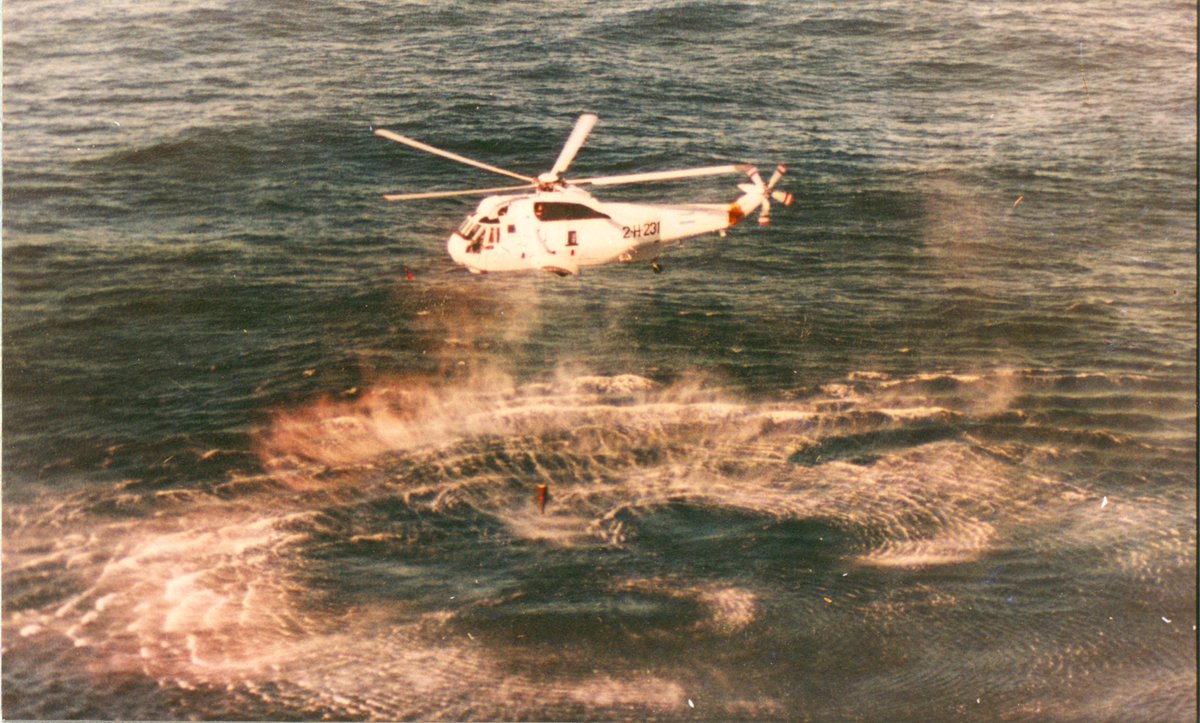
At 1006 the helicopter updated the contact and the Observer (Lt García) proceeds to guide the Tracker to carry out a torpedo attack, finally launching a Mk44 . The torpedo entered the water and, shortly after, the torpedo doubled its "ping" (sonar has locked on to its target!)
However, after the torpedo run was completed, no explosion was observed, although the abrupt change in underwater conditions was noted, as reverberations, cavitations and hydrophonic rumblings ceased to be heard on all listening sensors. Contact had been lost.
Although the search for this contact continued, it could not be found again. Time to return home.
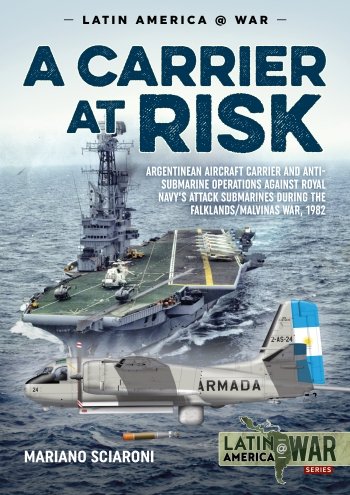
What was the contact about? Was it a submarine? Some answers (not all, really) in @Helionbooks "A Carrier at Risk". Open to discuss hypotheses in this thread!
En junio de 1983, la @FuerzaAerea_Arg envió una comisión de 4 oficiales, liderada por el Brigadier Roberto Camblor (Jefe EM del Comando Aéreo de la Defensa) a la Unión Soviética, para ver material aéreo y antiaéreo, apuntando a reemplazar material perdido en #Malvinas Corto hilo>
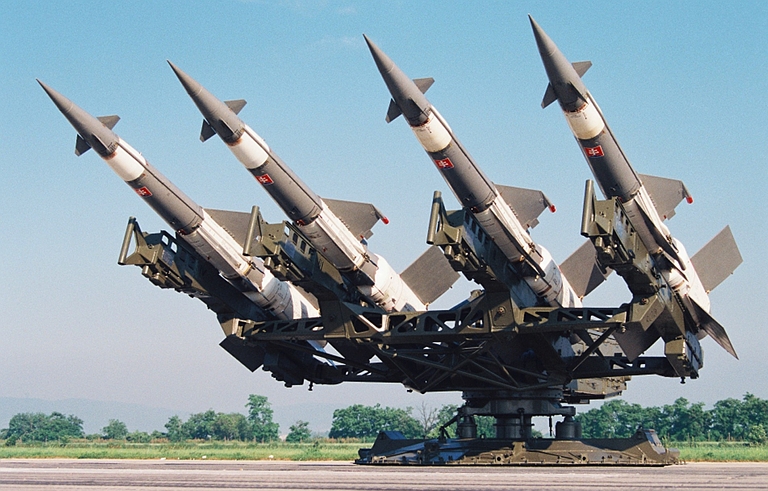
La comisión estuvo 6 días, en aeródromos y bases en las cercanías de Moscú. Fueron recibidos por el agregado de la FAA, el Comodoro "Cholo" Destri (de gran actuación en la guerra). Primero (8Jun), se les mostró sistemas de misiles superficie-aire Pechora (SA-3) y Volga-3 (SA-2).
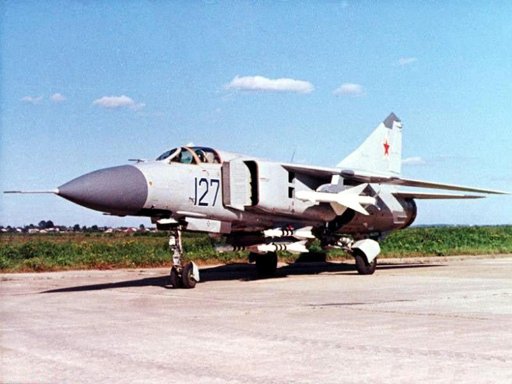
Luego (9Jun) fueron a Kubinka y vieron, estáticos y en vuelo, aviones SU-22 M3, MIG-23ML MIG-25 PD, #helicóptero MI-25 y uniformes para zona fría. Se hicieron también reuniones con altas autoridades militares, incluyendo un general de dos estrellas.
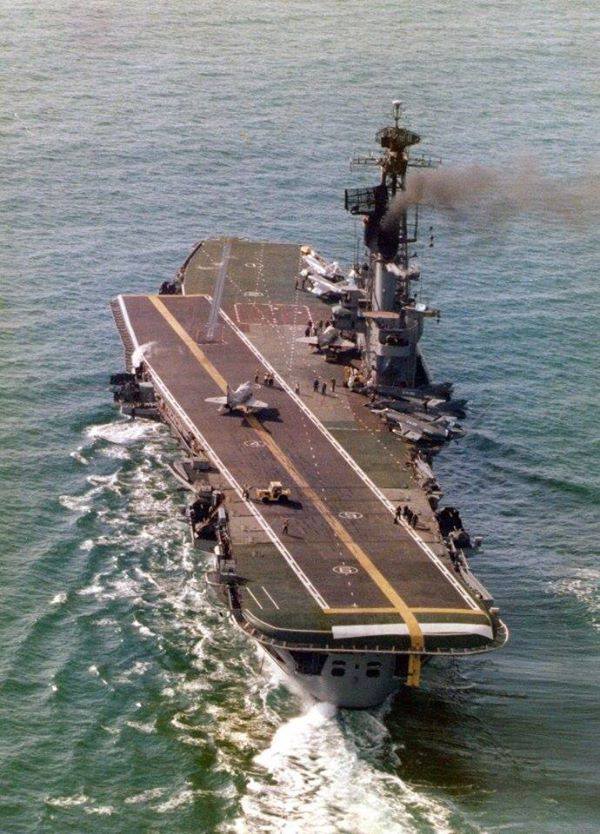
#aircraft carrier ARA 25 de Mayo, during the #Malvinas #Falklands war, had a limited anti-aircraft capability, relying on the weapons of its escorts (mainly the Sea Dart missiles of the Type 42 #destroyers) and its own A-4Q Skyhawk fighters. But let's look at its AA artillery >>
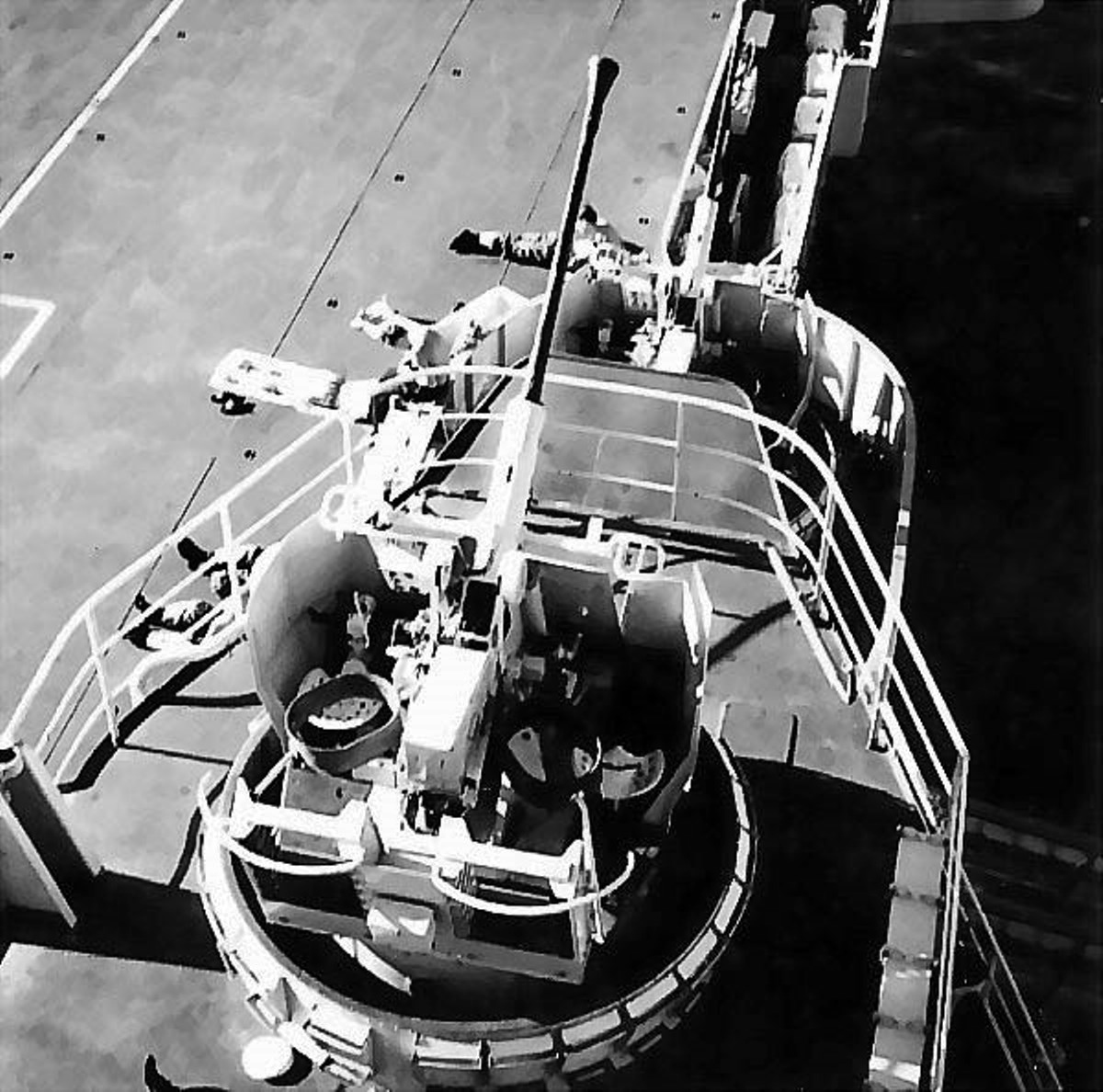
When 25 de Mayo joined @Armada_Arg (1969) it had 10 Bofors 40mm L70 guns, clued by a Signaal DA-02 tracking radar. The Bofors were manually operated systems. As the ship was refitted, some of the guns were lost or moved in order to optimise the use of space >
In the 1982 conflict it had 8 (or 9?) guns, which gave an appreciable amount of fire against any raider that wanted to drop bombs (they would not be useful against missiles) and would have overwhelmed its own fighters and the Sea Dart missile employment area of the escorts >
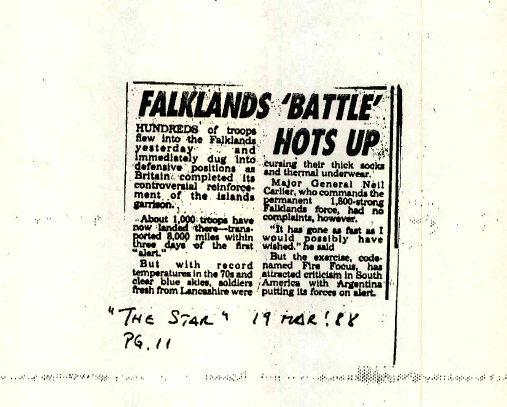
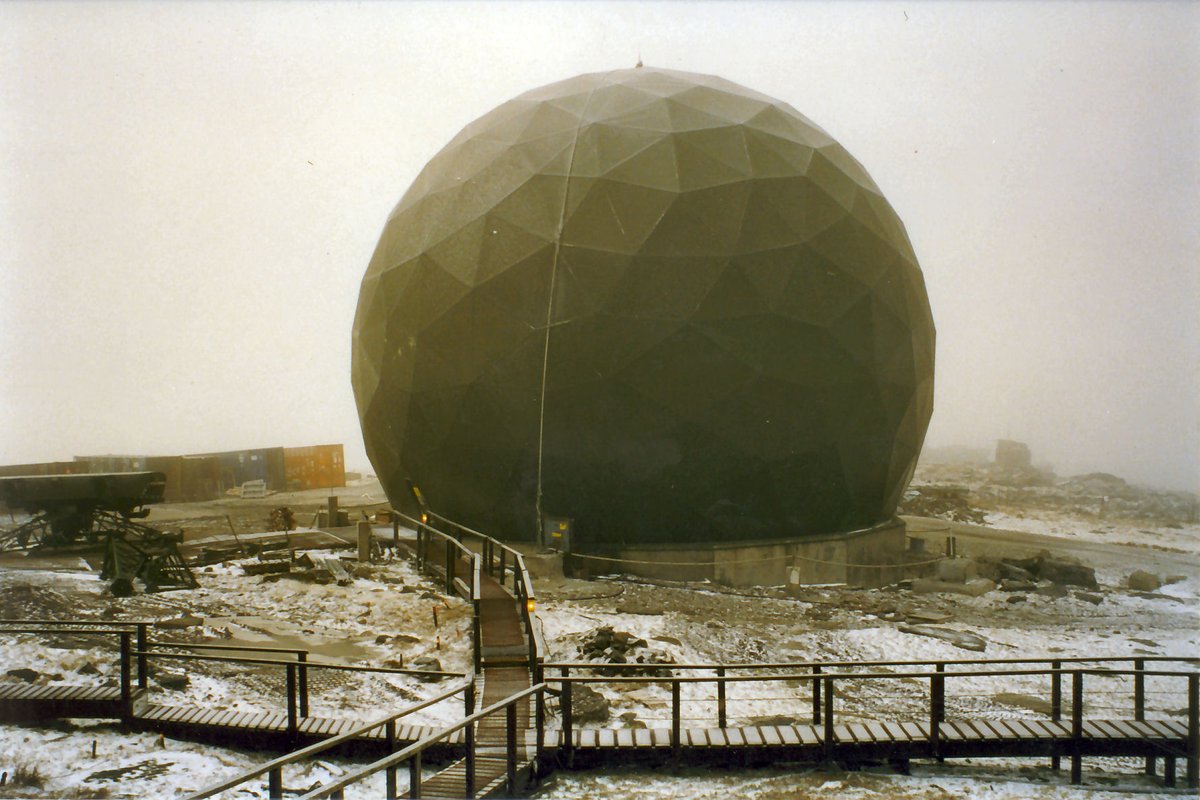
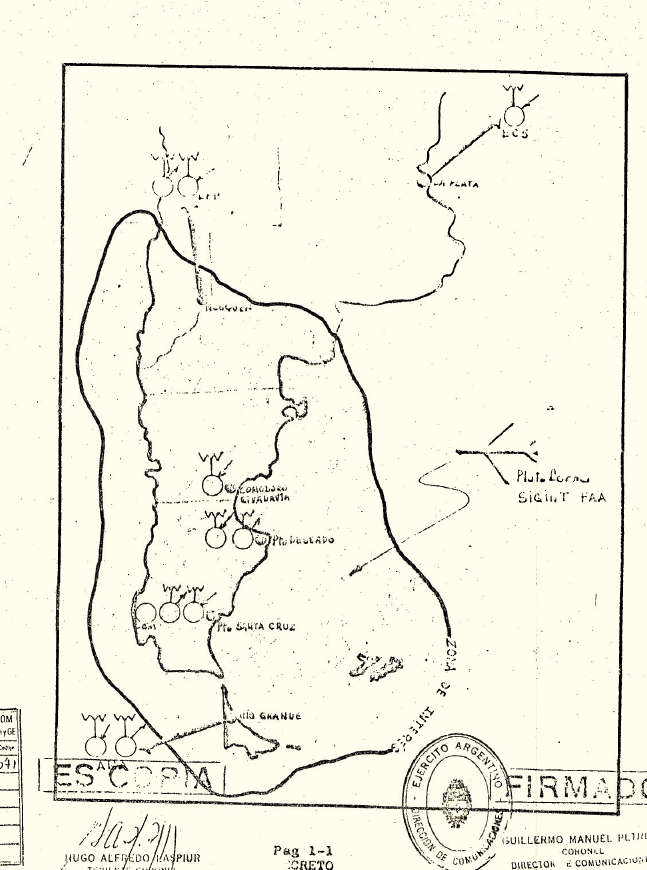
Para principios de 1988, las fuerzas armadas argentinas no tenían un panorama completo de los radares que operaban en las islas #Malvinas. Pero una inmejorable oportunidad llegaría de la mano del ejercicio británico denominado FIRE FOCUS. Corto hilo >> #Falklands #SIGINT #radar
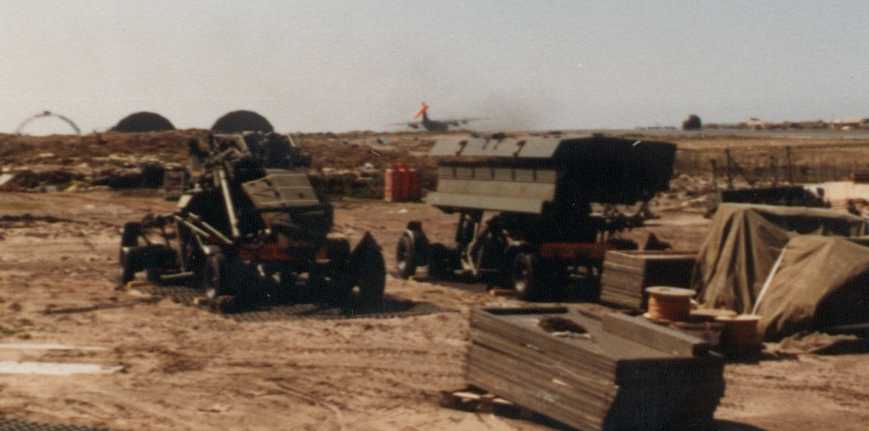
FIRE FOCUS era un ejercicio británico para reforzar las islas, utilizando las capacidades recientemente instaladas (base Mt Pleasant). Argentina puso en marcha al Operativo GRIFO, para monitorear a las fuerzas británicas. Se aprovechó para conseguir info de los radares existentes
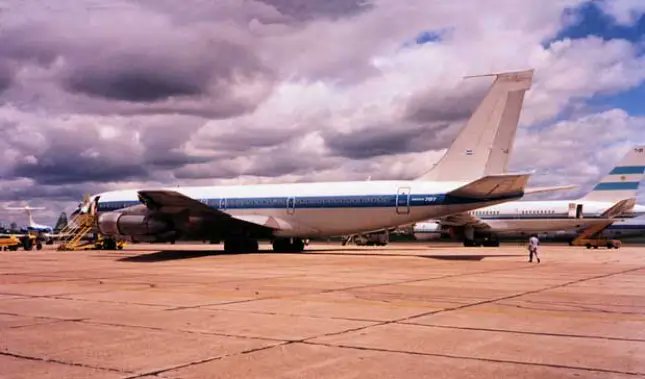
Quienes harían el trabajo serían estaciones fijas (la mayoría del @Ejercito_Arg) ubicadas en territorio continental, las unidades navales de la @Armada_Arg que se encontraban en zona y, principalmente, el #Boeing 707 VR-21 de la @FuerzaAerea_Arg con su equipo #SIGINT EL/L-8300
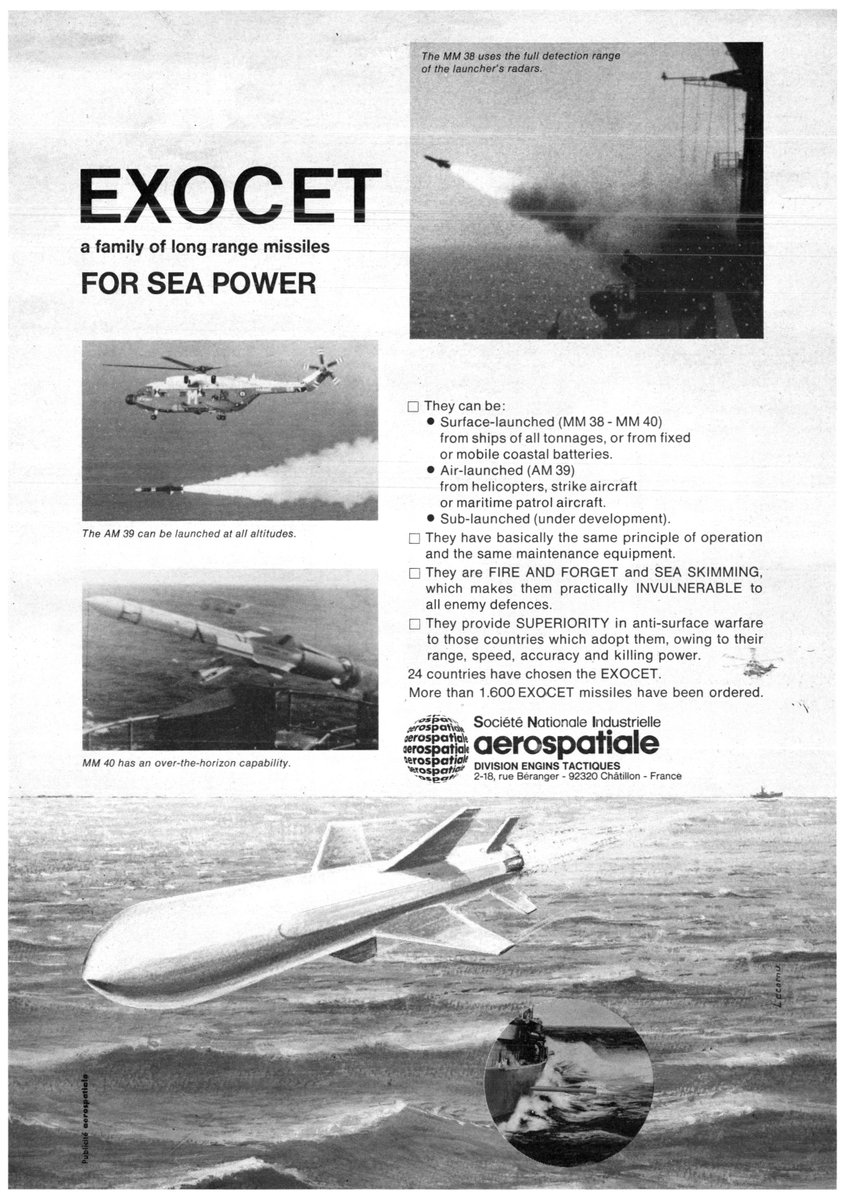
Un hilo sobre el #misil #Exocet. La idea era diseñar misil antibuque, capaz de dejar fuera de combate un buque de 3 / 4 mil tn y que pudiera lanzarse desde una embarcación pequeña. El alcance previsto era de 38 km pero finalmente tuvo un alcance máximo de entre 40 y 42 km >>>>>
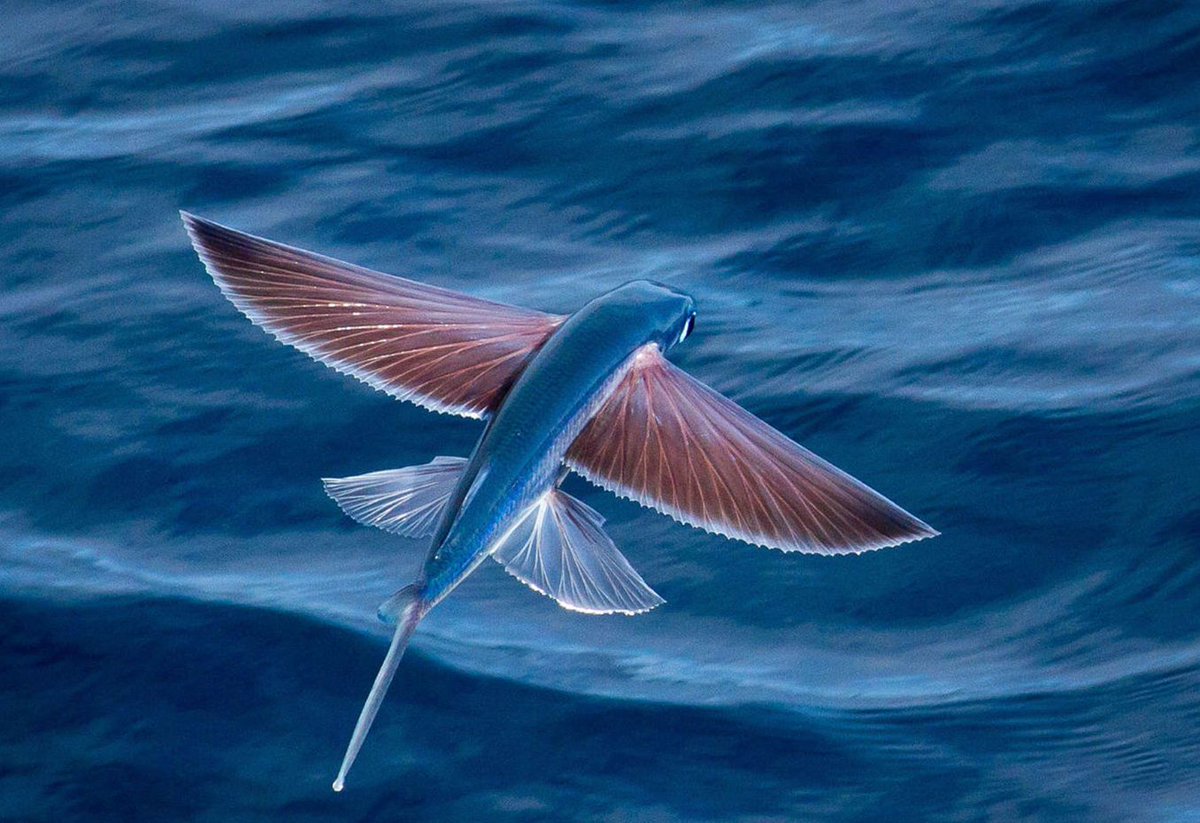
"MM-38" carece de marketing, por lo que un ingeniero de Nord Aviation ideó el nombre de Exocet, por el Exocoetus volitans, más conocido como pez volador de dos alas o pez volador azul. Un nombre que equiparaba el misil con este pequeño pez que vuela a baja altura y gran velocidad
El Exocet es un misil muy francés: por el diseño Nord Aviation, por el autopropulsor de EMD, por el explosivo y la espoleta SERAT, por el altímetro TRT, por los giroscopios SAGEM y SFENA, por el propulsor SNPE y los timones Jaeger. Pero el 17 % de cada misil es británico!
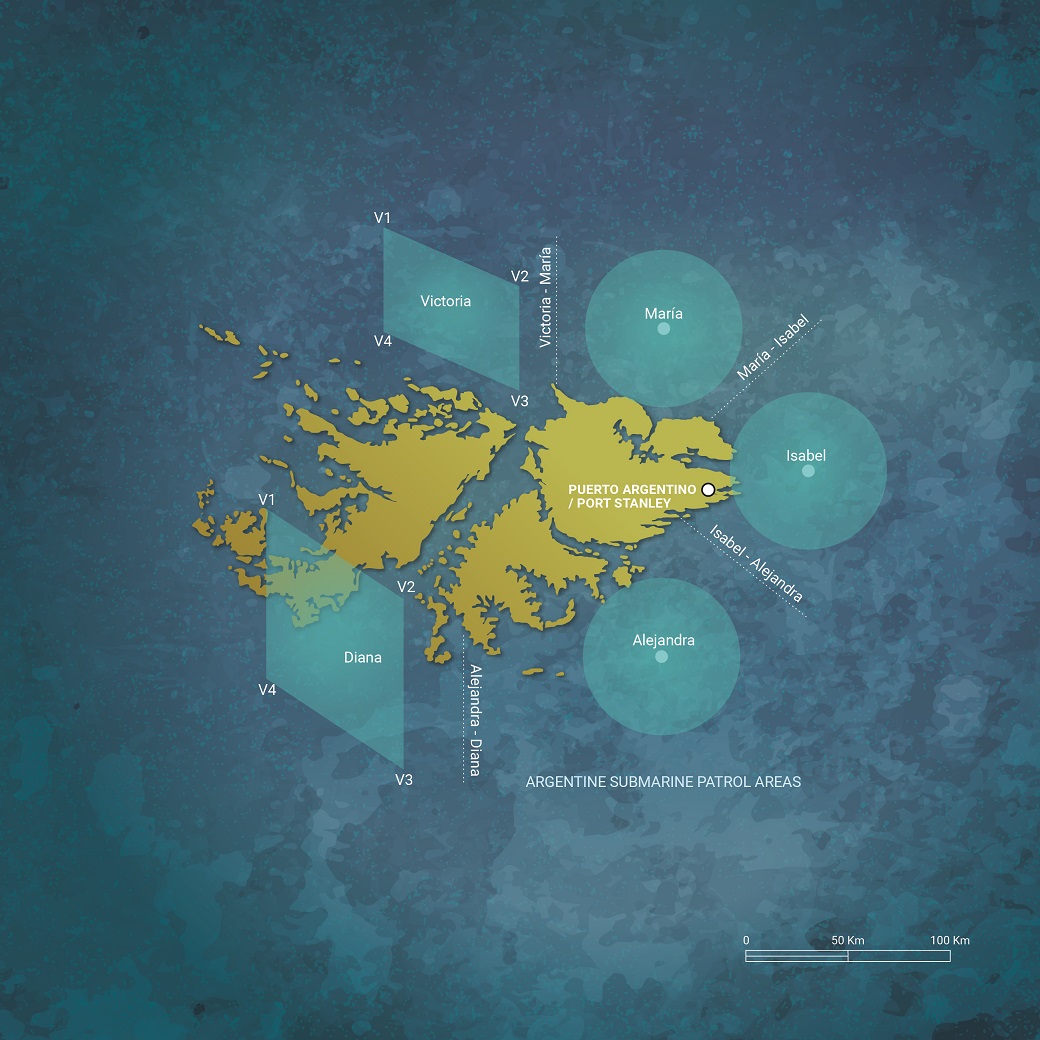
10 May 1982 and #submarine @Armada_Arg San Luis was in MARIA Patrol Area, near the northern entrance to the San Carlos Strait. Its commander and crew had been through several hardships since the outbreak of hostilities, especially on 1 May
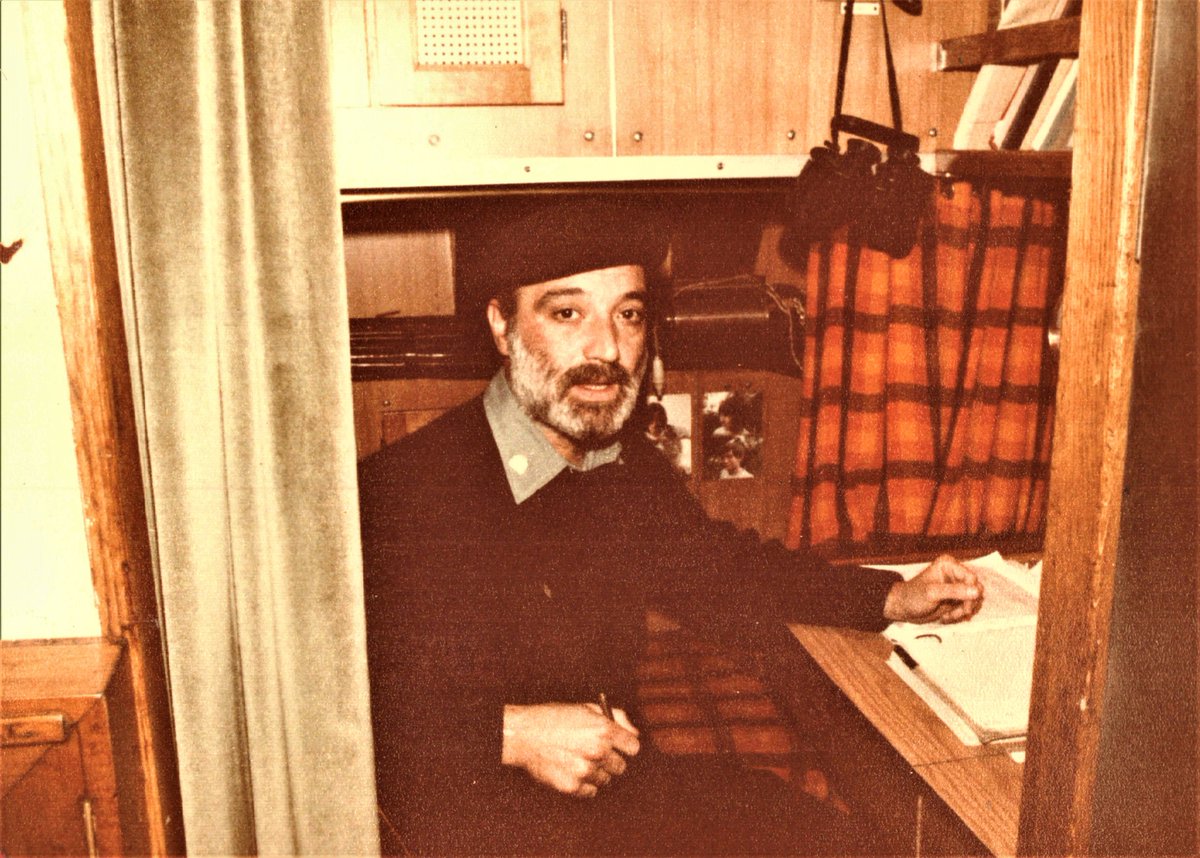
The skipper, Capitán de Fragata (Commander) Fernando Azcueta was no rookie. Aged 40 and with a submariner father, he had a life dedicated to the @Armada_Arg . His men trusted him and would follow him to the gates of hell.
At 3.40pm the submarine's sonar detected a vessel on the surface, heading towards the strait. The contact was travelling at high speed, so San Luis was unable to position itself to launch its torpedoes.
Near kill for a nuclear submarine. A real history of the 1982 war.
23 May 1982, nuclear-powered attack #submarine @RoyalNavy HMS Valiant was submerged between the #Falklands #Malvinas islands and the mainland, on a mission to report air activity.
This particular task for a nuclear boat was accomplished both by observing aircraft with the periscope, and by detecting their electronic emissions with its equipment on board (old UA4 ESM fit). It was a vital mission, to alert the surface forces that were landing at San Carlos.
At around 1815z, Valiant was at periscope depth. The mood was relaxed and the off-duty crew was watching Das Boot, the World War II submarine classic. This is Valiant Control Room in the 1982 the war patrol: