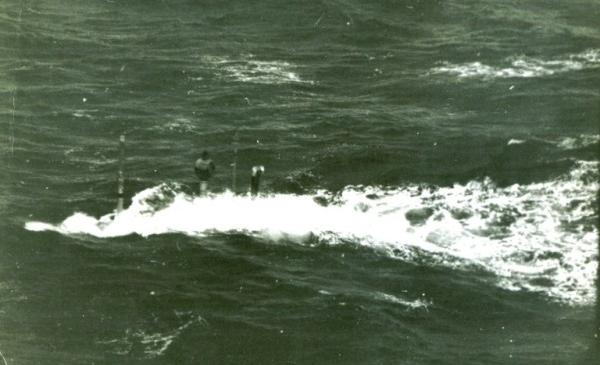
Interesado en temas que no le interesan a nadie /
Interested in topics that nobody cares about
 La inteligencia militar no son solamente espías.
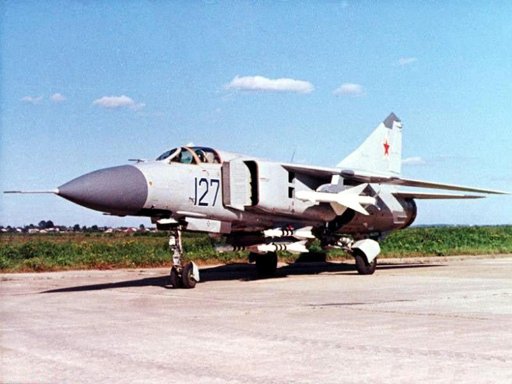 La comisión estuvo 6 días, en aeródromos y bases en las cercanías de Moscú. Fueron recibidos por el agregado de la FAA, el Comodoro "Cholo" Destri (de gran actuación en la guerra). Primero (8Jun), se les mostró sistemas de misiles superficie-aire Pechora (SA-3) y Volga-3 (SA-2).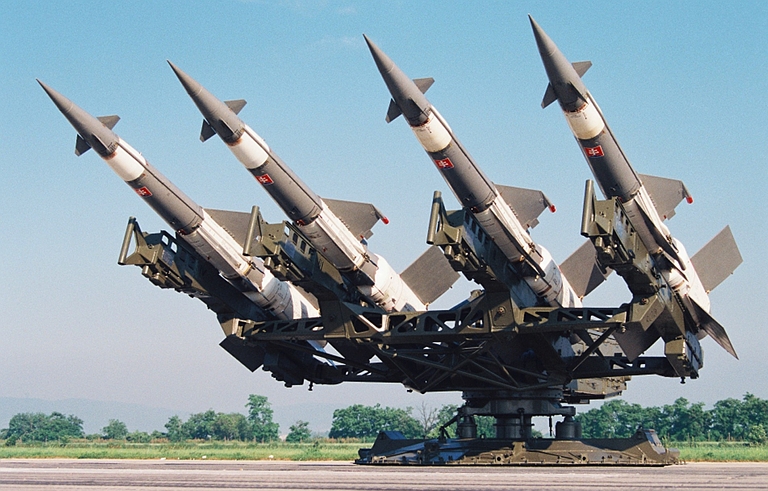
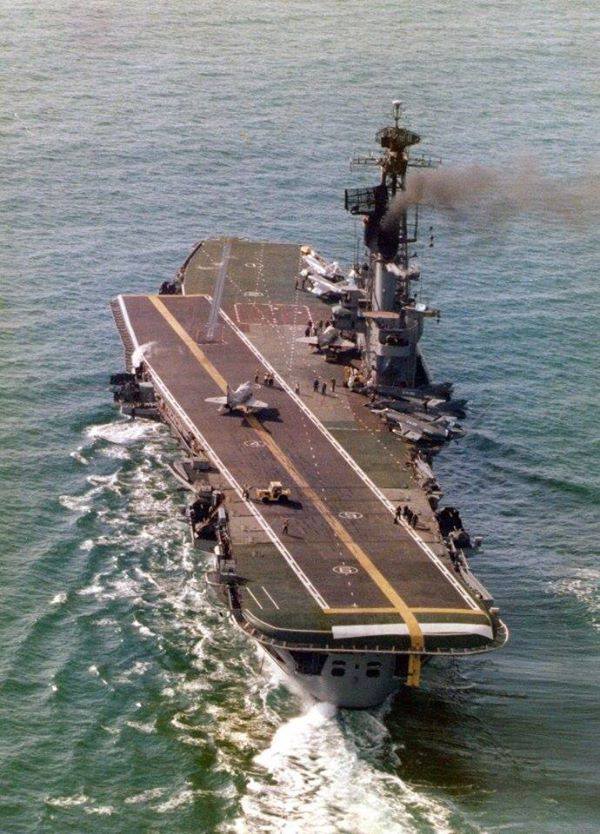 When 25 de Mayo joined @Armada_Arg (1969) it had 10 Bofors 40mm L70 guns, clued by a Signaal DA-02 tracking radar. The Bofors were manually operated systems. As the ship was refitted, some of the guns were lost or moved in order to optimise the use of space >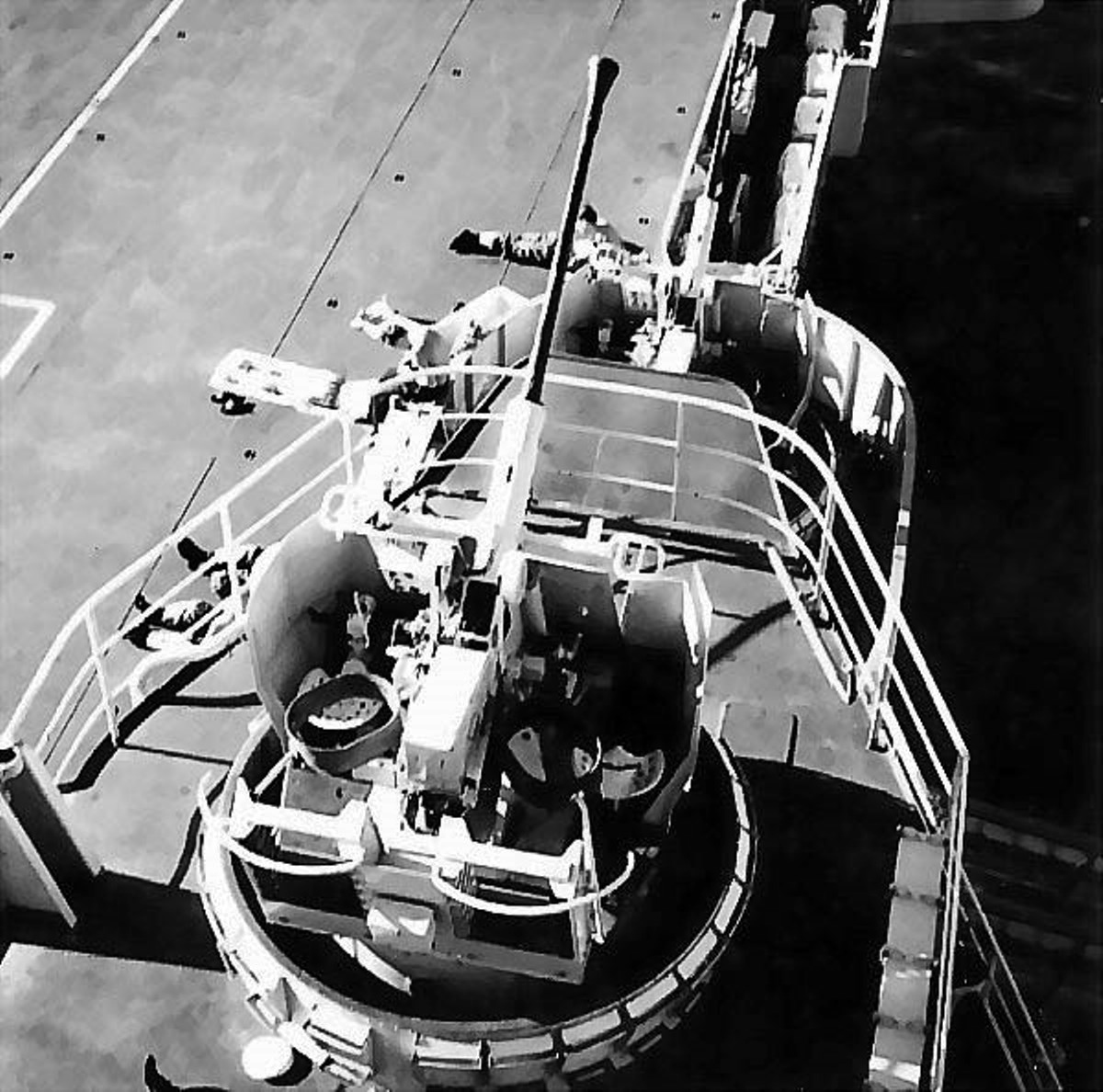
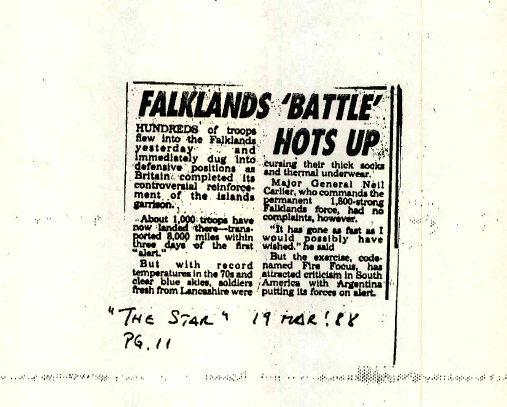
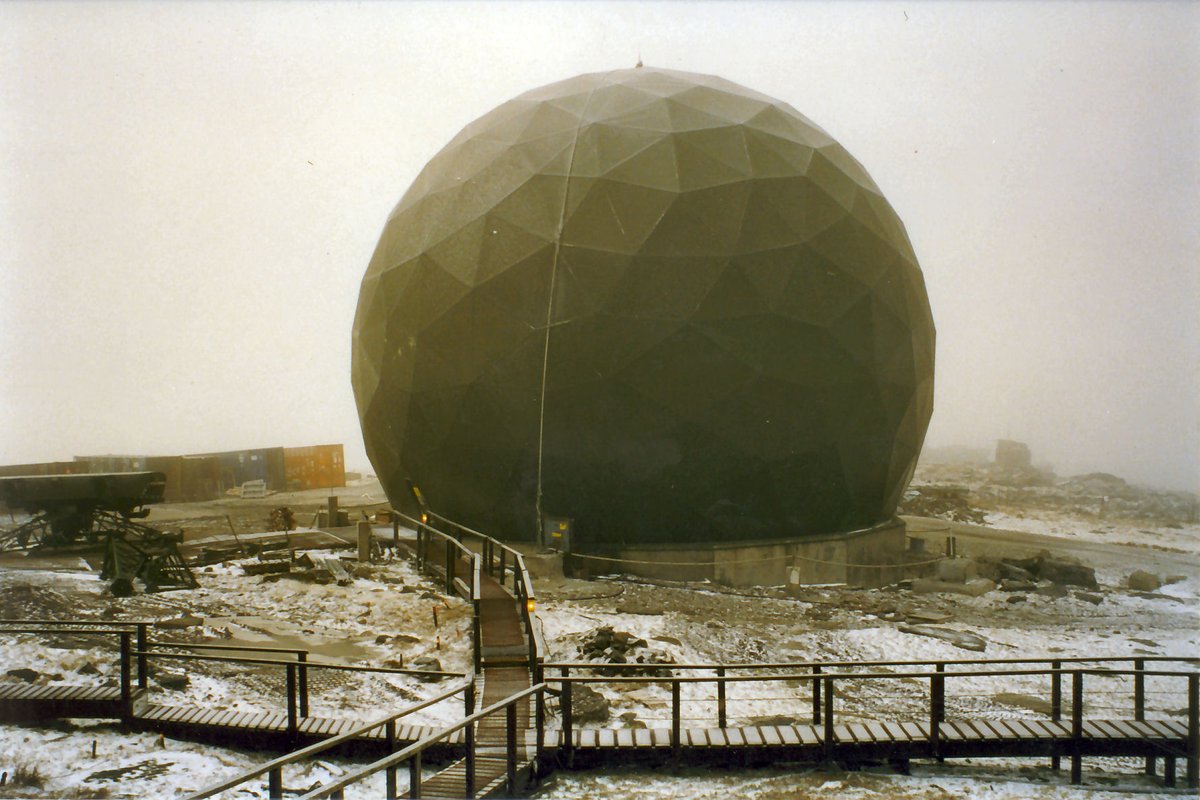
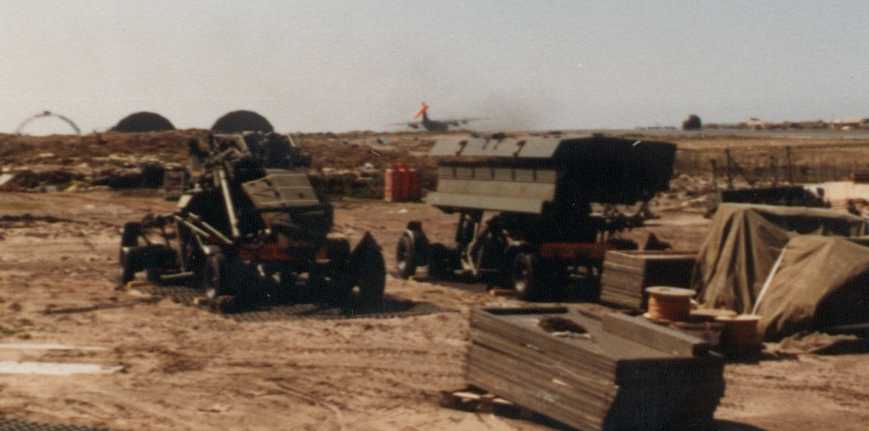
 FIRE FOCUS era un ejercicio británico para reforzar las islas, utilizando las capacidades recientemente instaladas (base Mt Pleasant). Argentina puso en marcha al Operativo GRIFO, para monitorear a las fuerzas británicas. Se aprovechó para conseguir info de los radares existentes
 "MM-38" carece de marketing, por lo que un ingeniero de Nord Aviation ideó el nombre de Exocet, por el Exocoetus volitans, más conocido como pez volador de dos alas o pez volador azul. Un nombre que equiparaba el misil con este pequeño pez que vuela a baja altura y gran velocidad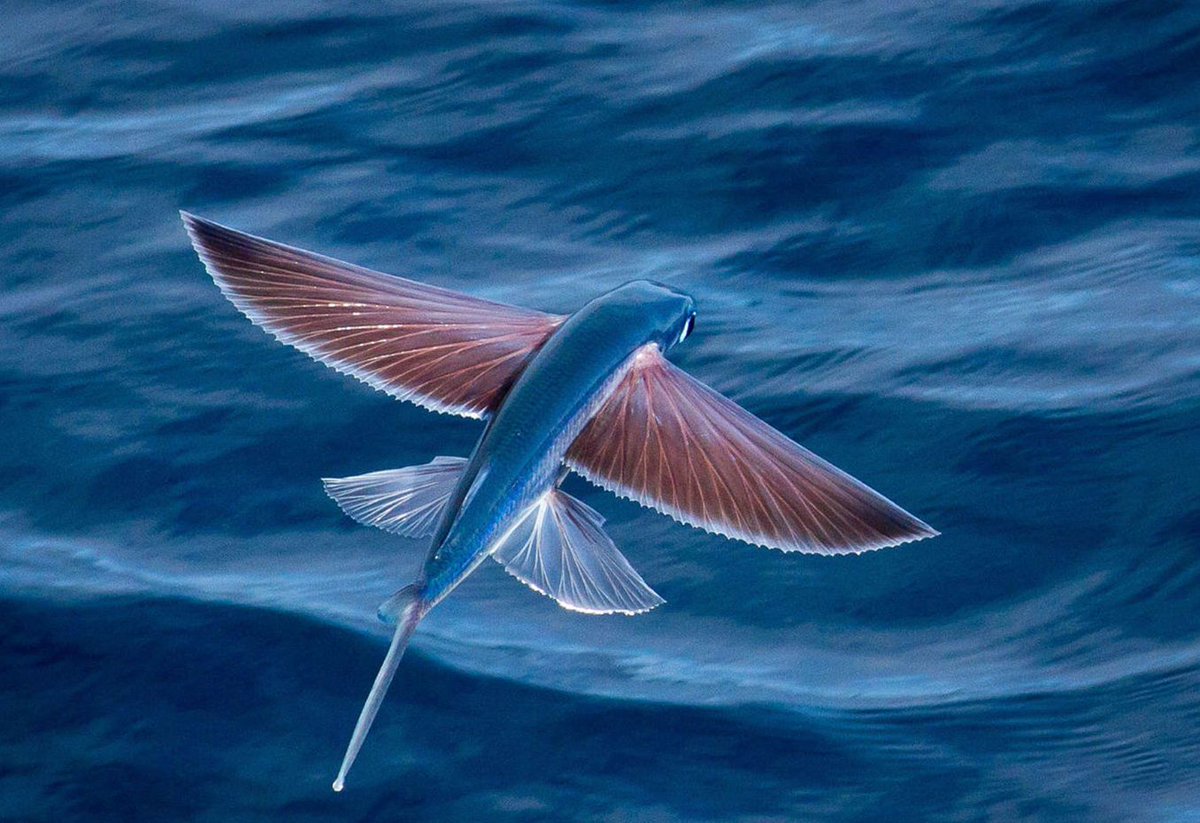
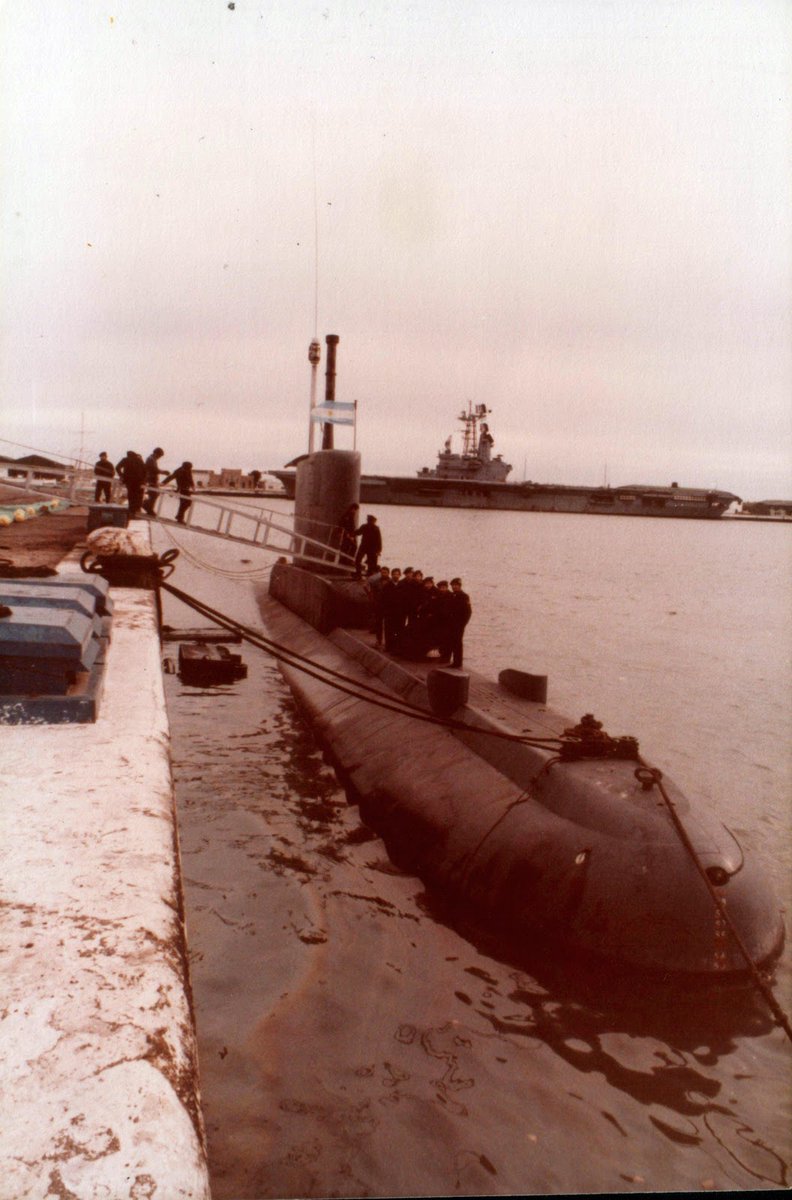
 The skipper, Capitán de Fragata (Commander) Fernando Azcueta was no rookie. Aged 40 and with a submariner father, he had a life dedicated to the @Armada_Arg . His men trusted him and would follow him to the gates of hell.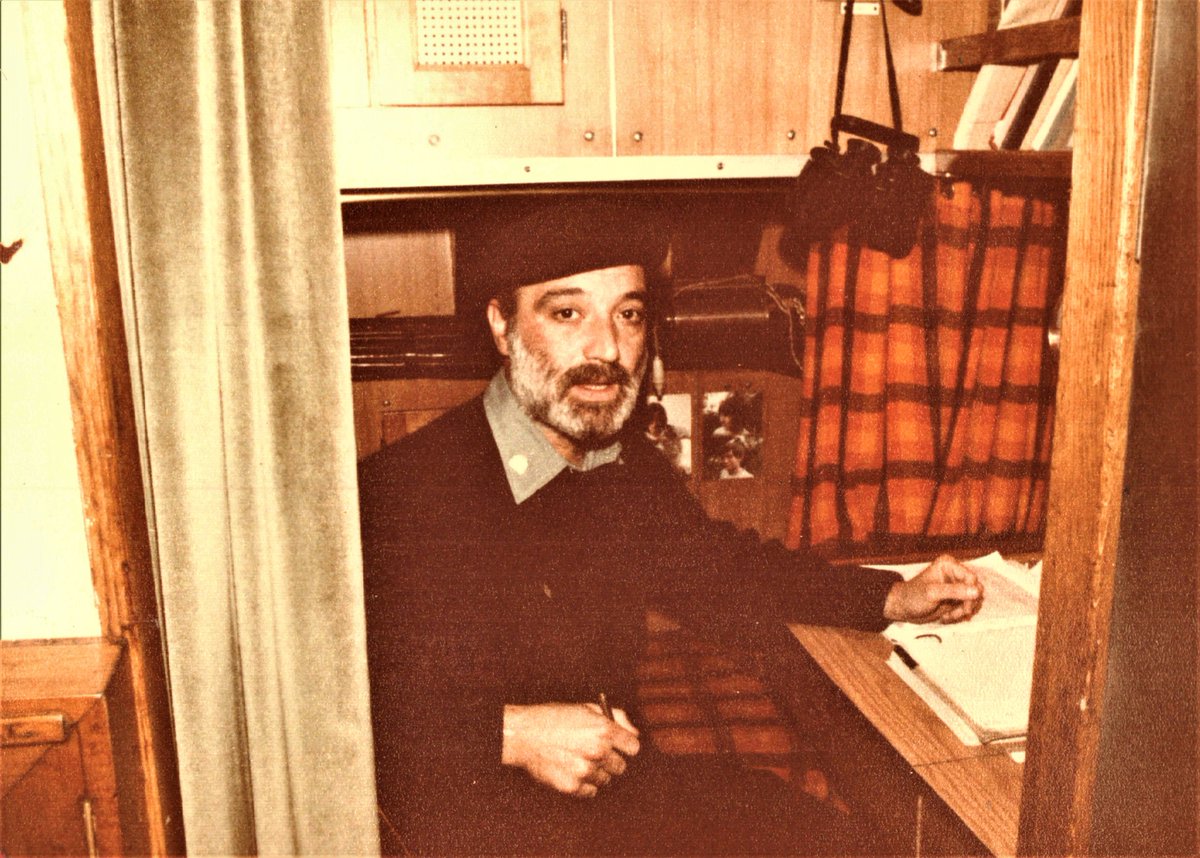
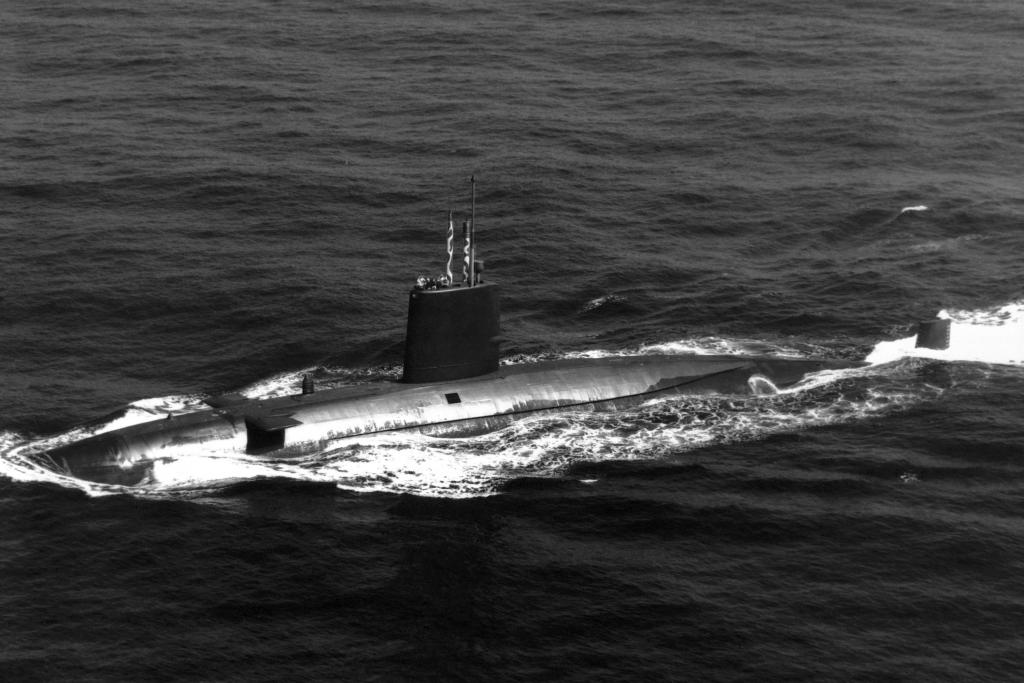 This particular task for a nuclear boat was accomplished both by observing aircraft with the periscope, and by detecting their electronic emissions with its equipment on board (old UA4 ESM fit). It was a vital mission, to alert the surface forces that were landing at San Carlos.
 The class had been fitted with an Atlas AN-525 A6 passive sonar (console red in photo) which was optimised for use in shallow waters and an Atlas AN-407 A9 active sonar (orange). The sonar system was not the improved Krupp-Atlas CSU 3-2 that several publications mentions.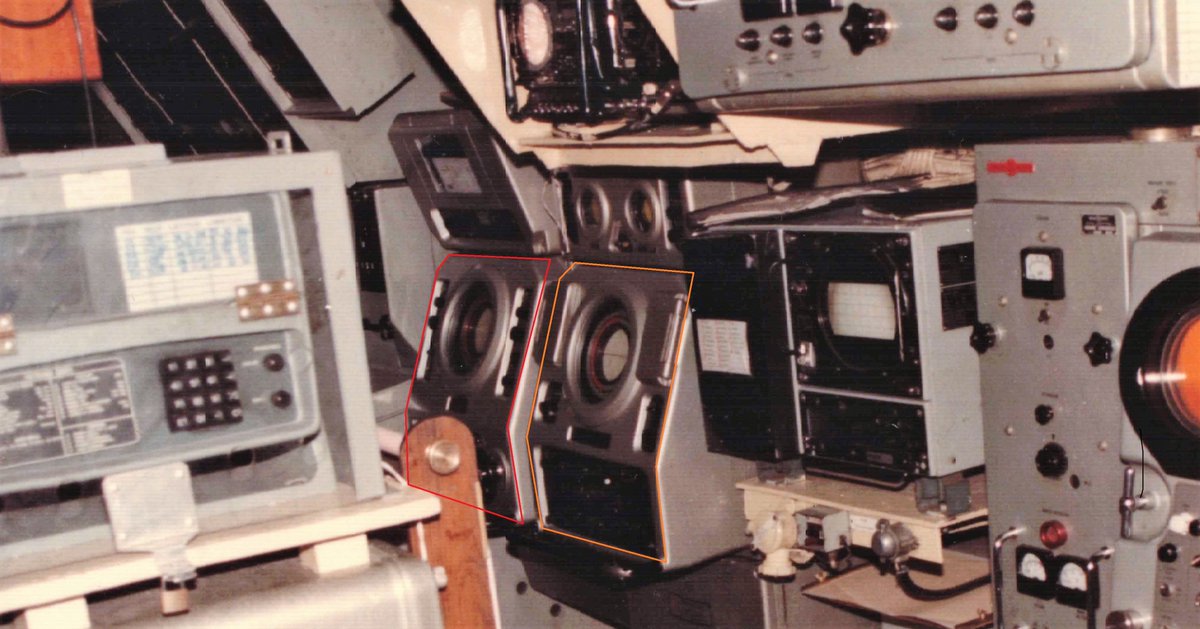
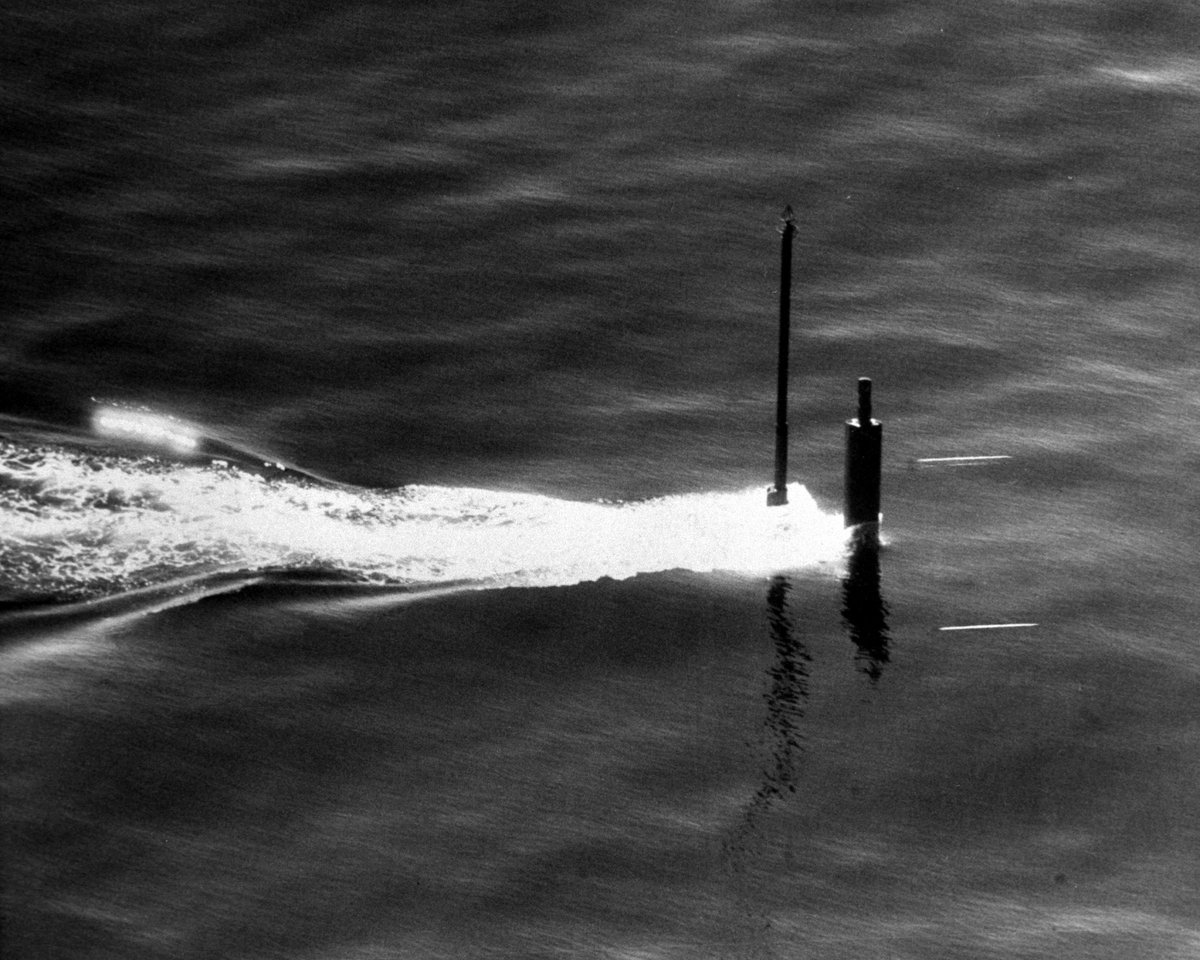 The #submarine crew were alert, as a report had been received that an Neptune #MPA had taken off from @Armada_Arg base at Rio Grande. But they needed to be on periscope depth in order to receive radio traffic. Communications were taking a long time to complete.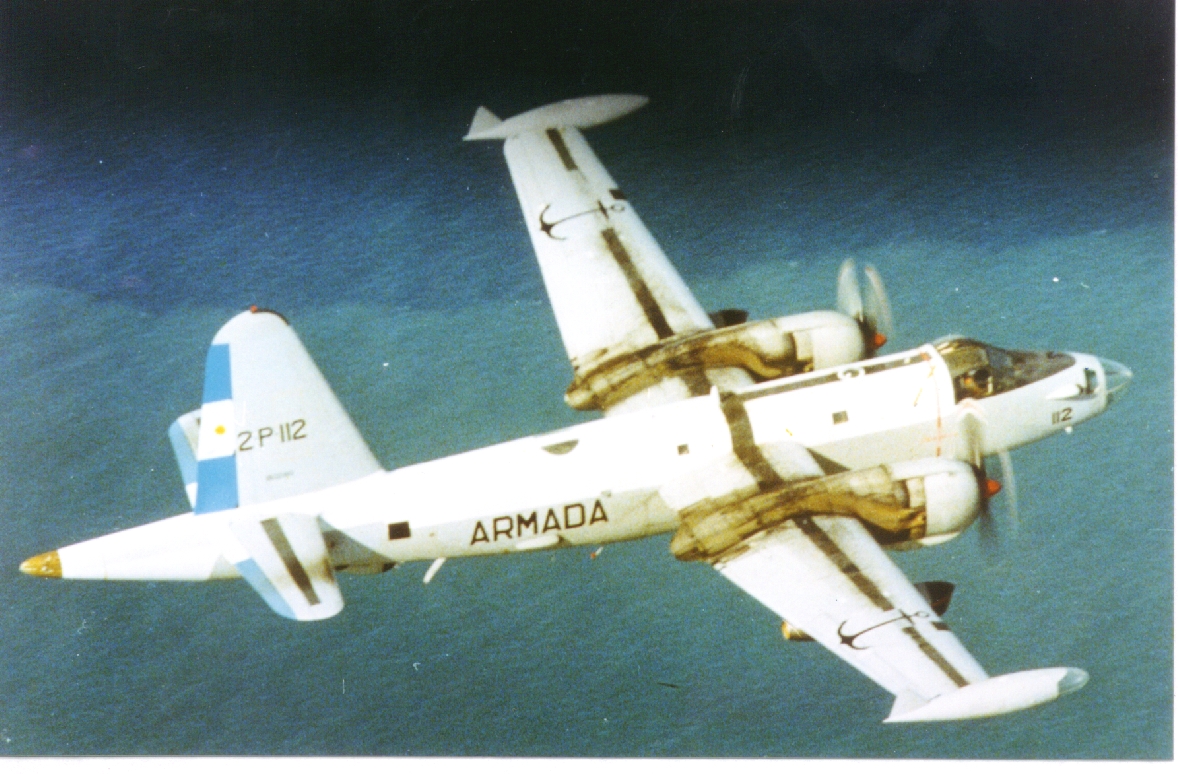
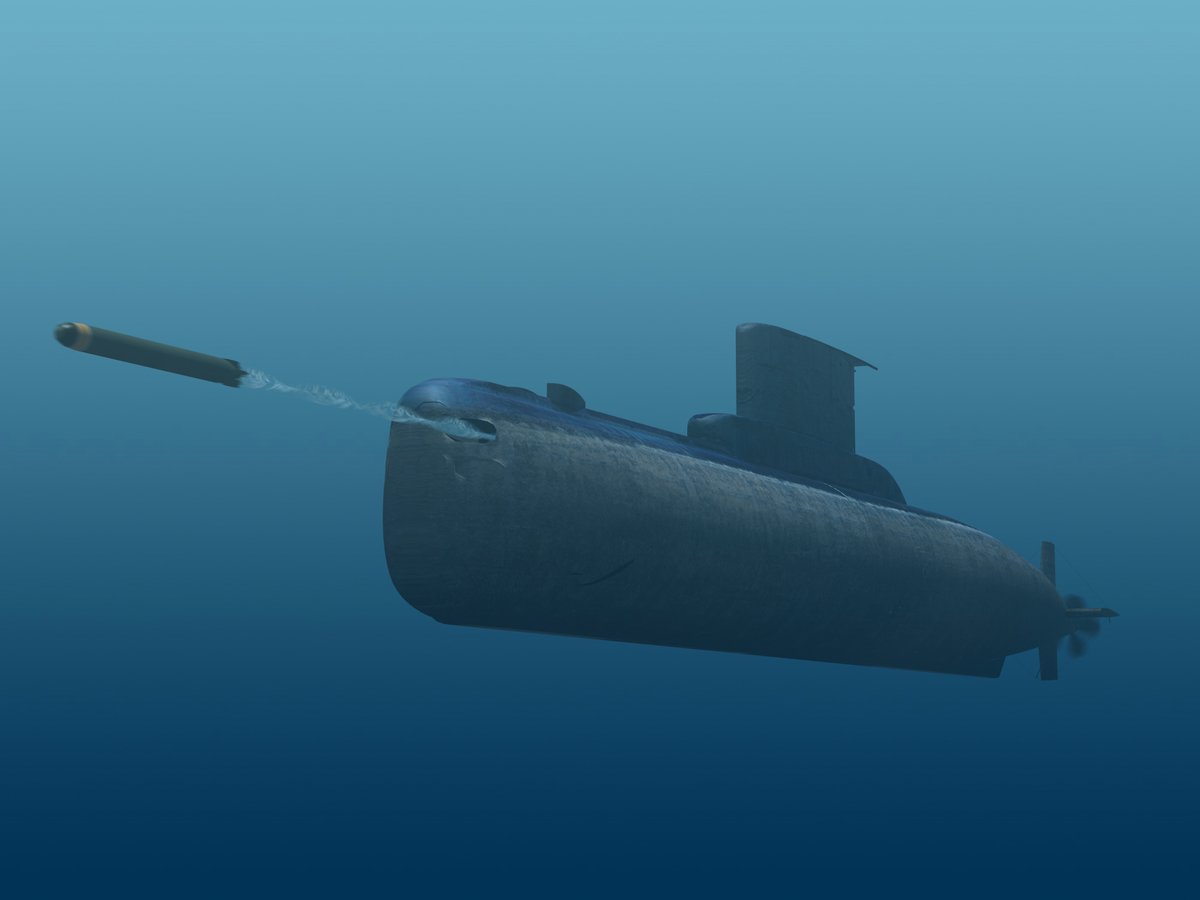 Unknown to LCDR Fernando Azcueta, commander of ARA San Luis, its position was known to the @RoyalNavy and a SAG, composed of frigates HMS Brilliant and HMS Yarmouth, had been organised to hunt it down. This SAG would be joined by 3 Sea King HAS.5 helicopters from 826 NAS.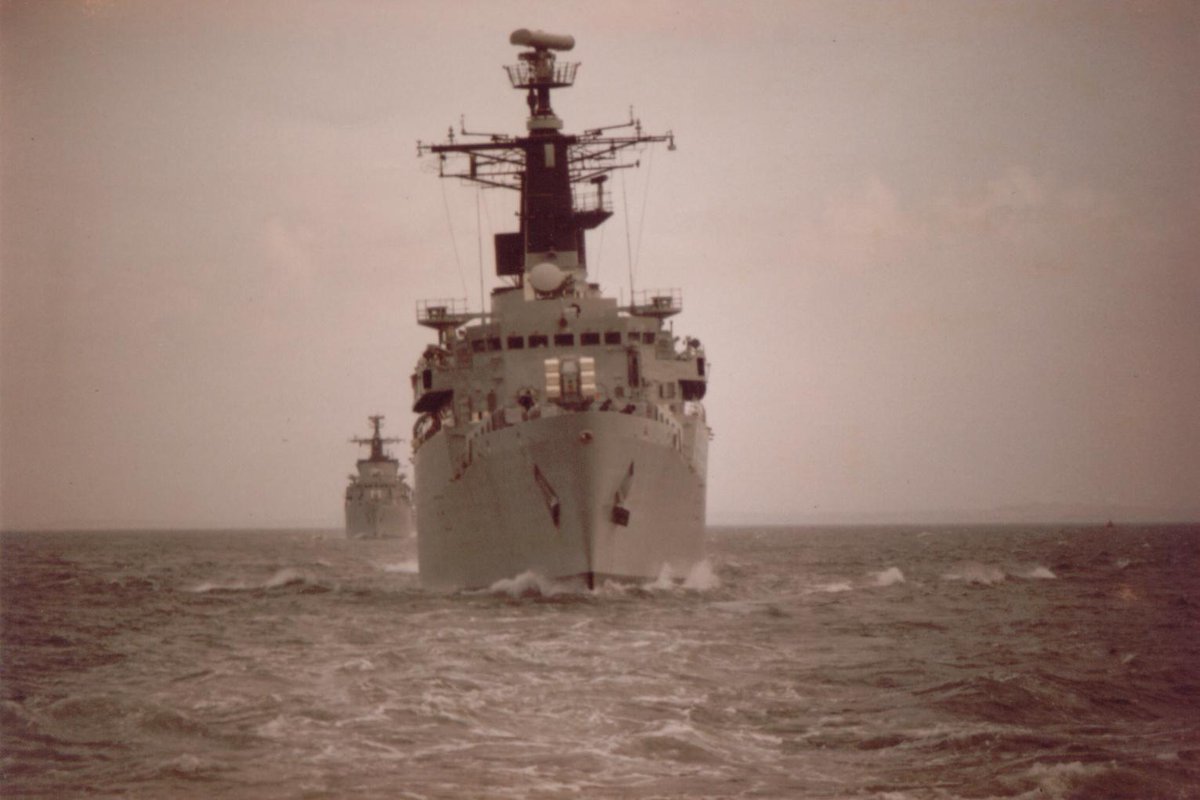
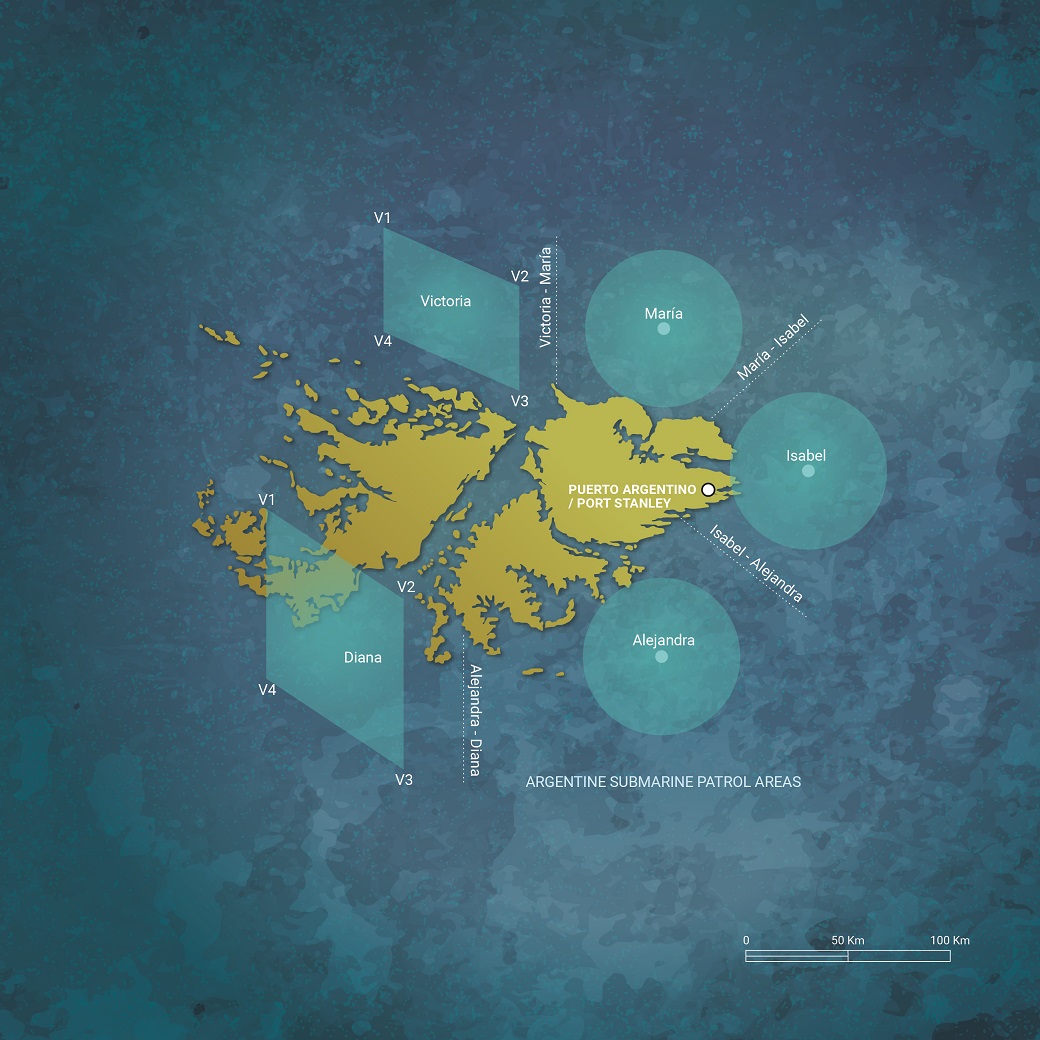
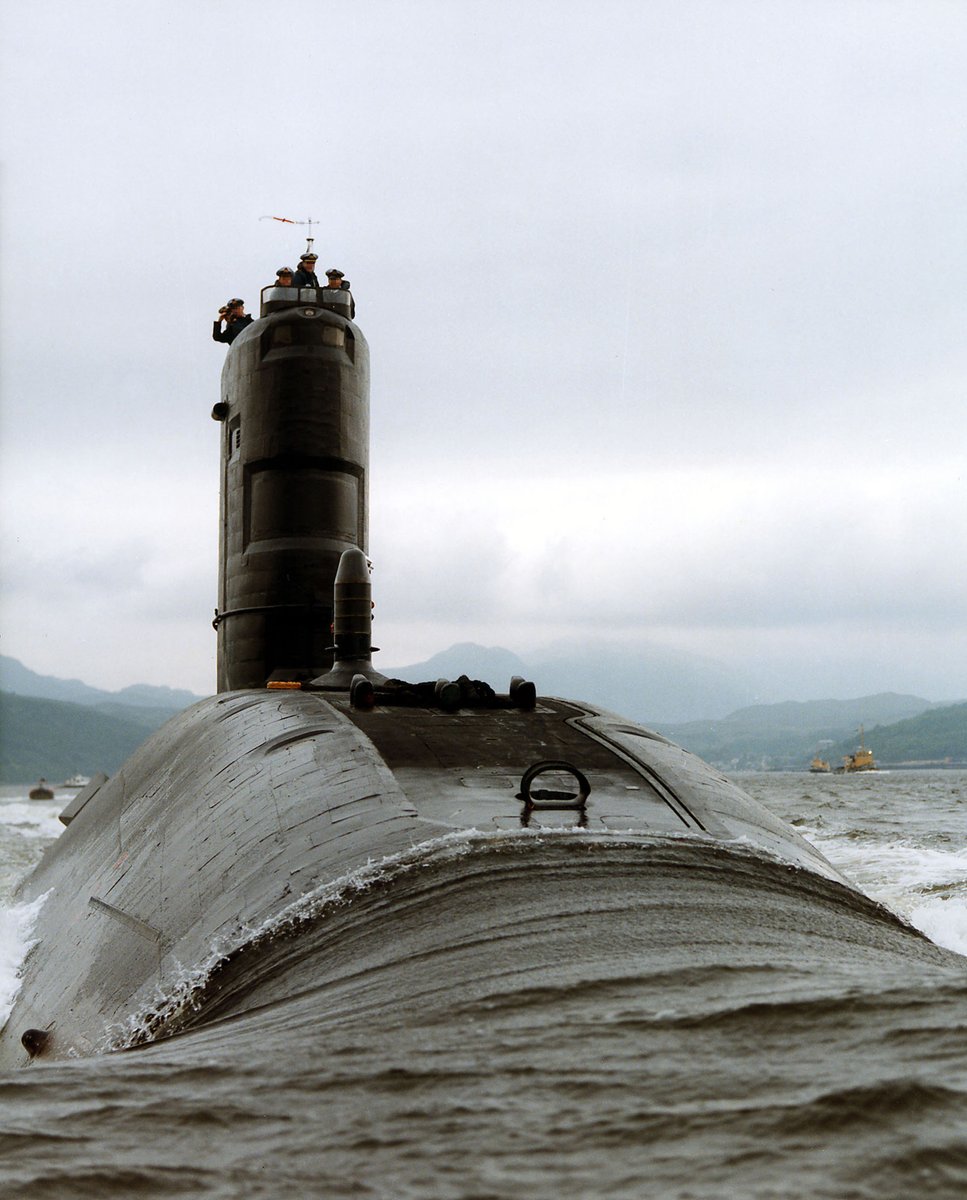 The objective was to intercept the ARG sub, prior to its arrival in the MARIA area, which had inadequate depth for safe operation of a big nuclear sub like HMS Spartan.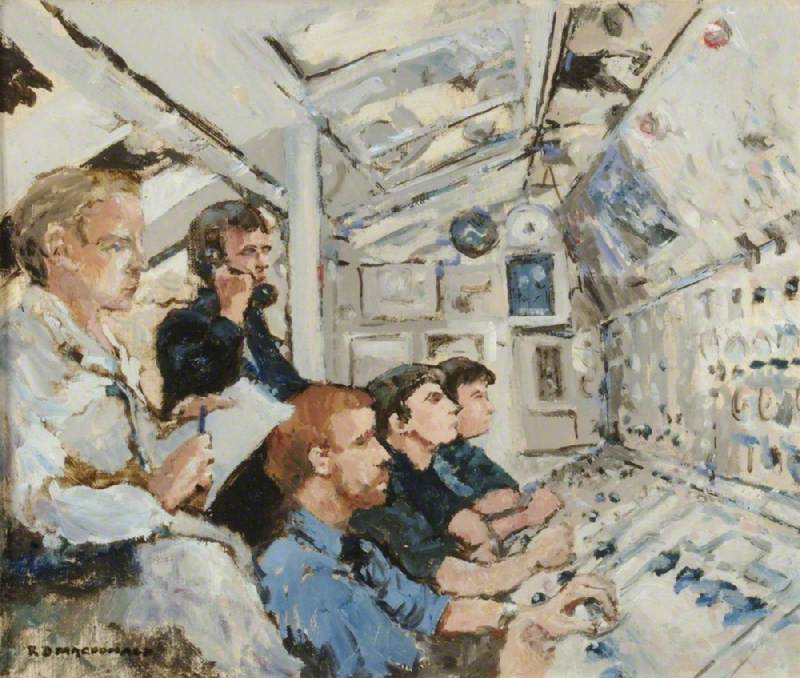

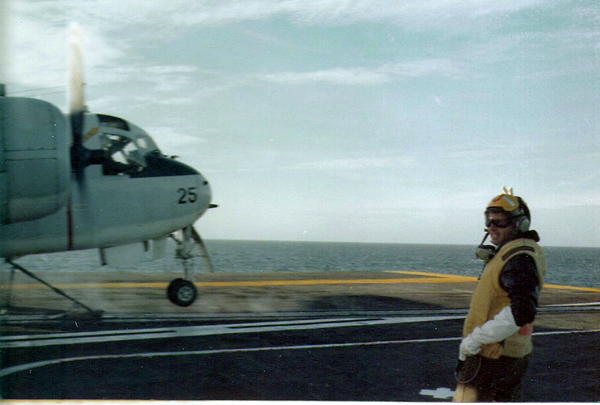 Taking a SSE course, they adopted a surface search pattern, and 38 minutes later, flying at 2,000m with clear skies, calm sea and wind, the AN/APS-88A radar operator detected a small contact, 10 miles away "Sinker!" Aircrat commander saw also the object and its wake.