Varangian Chronicler Profile picture
Jun 30 14 tweets 4 min read Twitter logo Read on Twitter
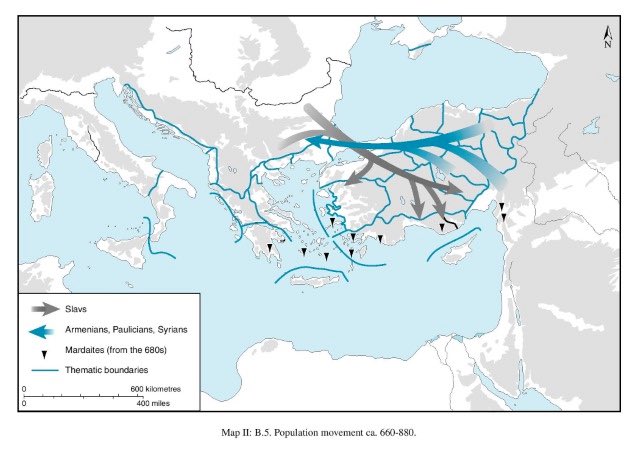
Some criticize the Byzantine Empire for failing to “Romanize” the lands it conquered from 934-1045 AD. However, there simply weren’t enough “Romans.” Arab depredations during the preceding 300 years had depopulated much of Anatolia.
People first came down from their troglodyte villages & resettled the productive plains. Some paleoenvironmental evidence is now emerging regarding this process in Cappadocia specifically. journals.sagepub.com/doi/abs/10.117…
Armenians, their mountainous homelands unable to support them, moved thickly into Melitene & Cilicia. After Manzikert an Armenian Kingdom survived in the latter, a testimony to their numbers there.
Had Byzantine rule been longer lasting it’s likely a slow “Romanization” would’ve taken hold, much like in the Balkans after the Slavic invasions. Areas that the Byzantines reconquered & held for generations gradually became “Roman.”
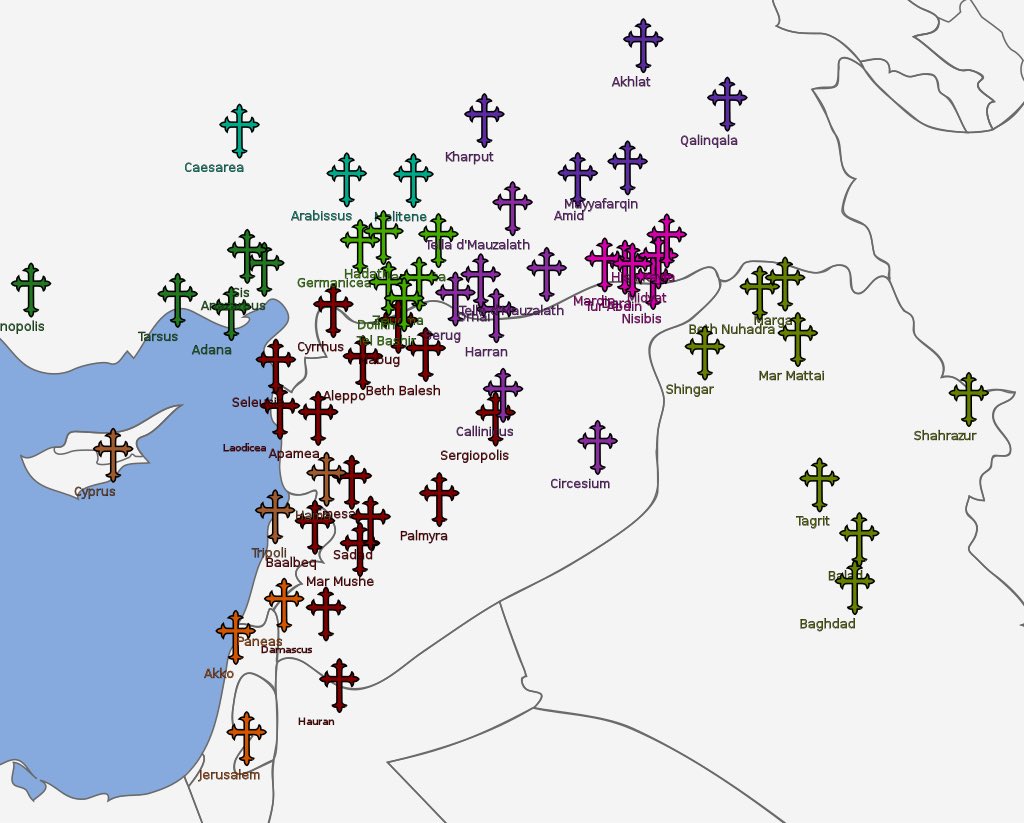
Another confounding factor in the “Romanization” of these eastern conquests was imperial policies encouraging the relocation of Christians from Muslim-held lands to settle in these new territories.
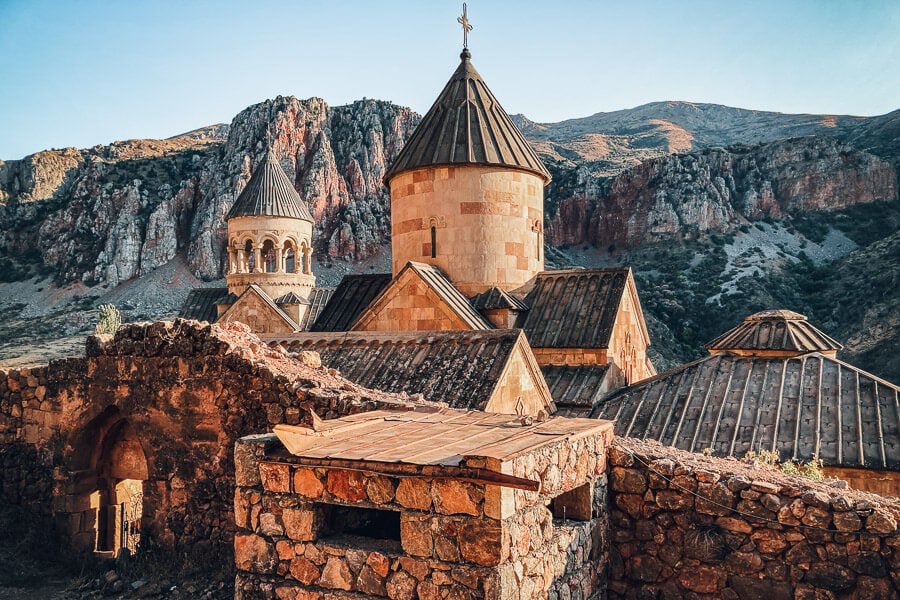
This ensured a friendly populace but Arab Christians, Armenian Apostolics, & Syriacs had identities of their own.
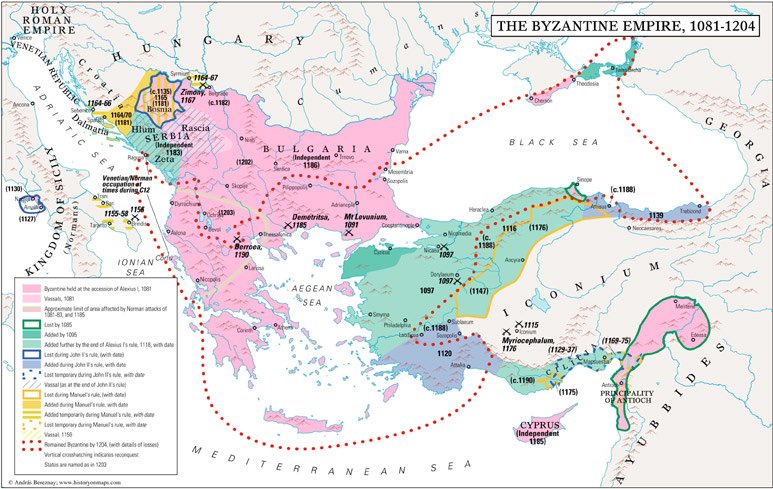
With the arrival of the Turks the interior of Anatolia was again scoured by raids & depopulated through conflict & flight to W. Anatolia & Cilicia. This demographic shift provided the basis for a Turkic nation in Anatolia.
The Komnenoi were less willing than the Macedonian Dynasty to conquer regions that were not populated by self-identifying Byzantines & thus the plateau were lost for good & with serious strategic consequences.
I should also add that the process of becoming “Roman;” Greek-speaking, Chalcedon Christian, occurred with much greater frequency in conquered or allied elites.
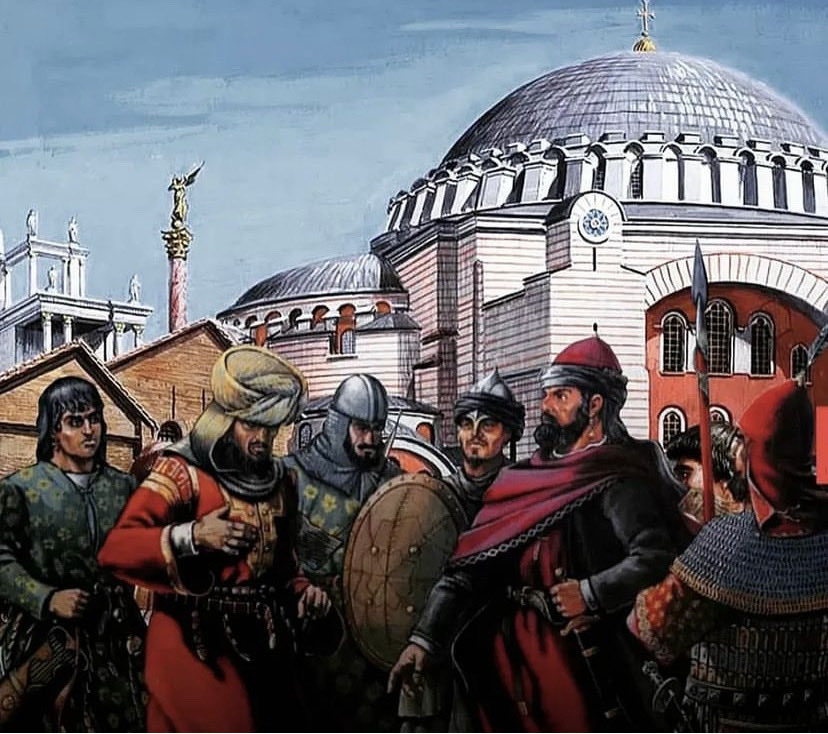
Many Slavs, Armenians, Arabs (think Digenes Akritas’s father), & later Turks (check out @Eadgifuu’s work) changed their identities in order to fully integrate into the political elite centered in Constantinople & find rich reward, although genuine conversions also occurred.
@Eadgifuu These elites often married into “Roman” families. Basil II was particularly keen to integrate Armenian & Bulgarian elites & stationed the Armenians in Bulgaria & vice versa, encouraging them to loosen their local allegiances & fully integrate into the Byzantine nobility.
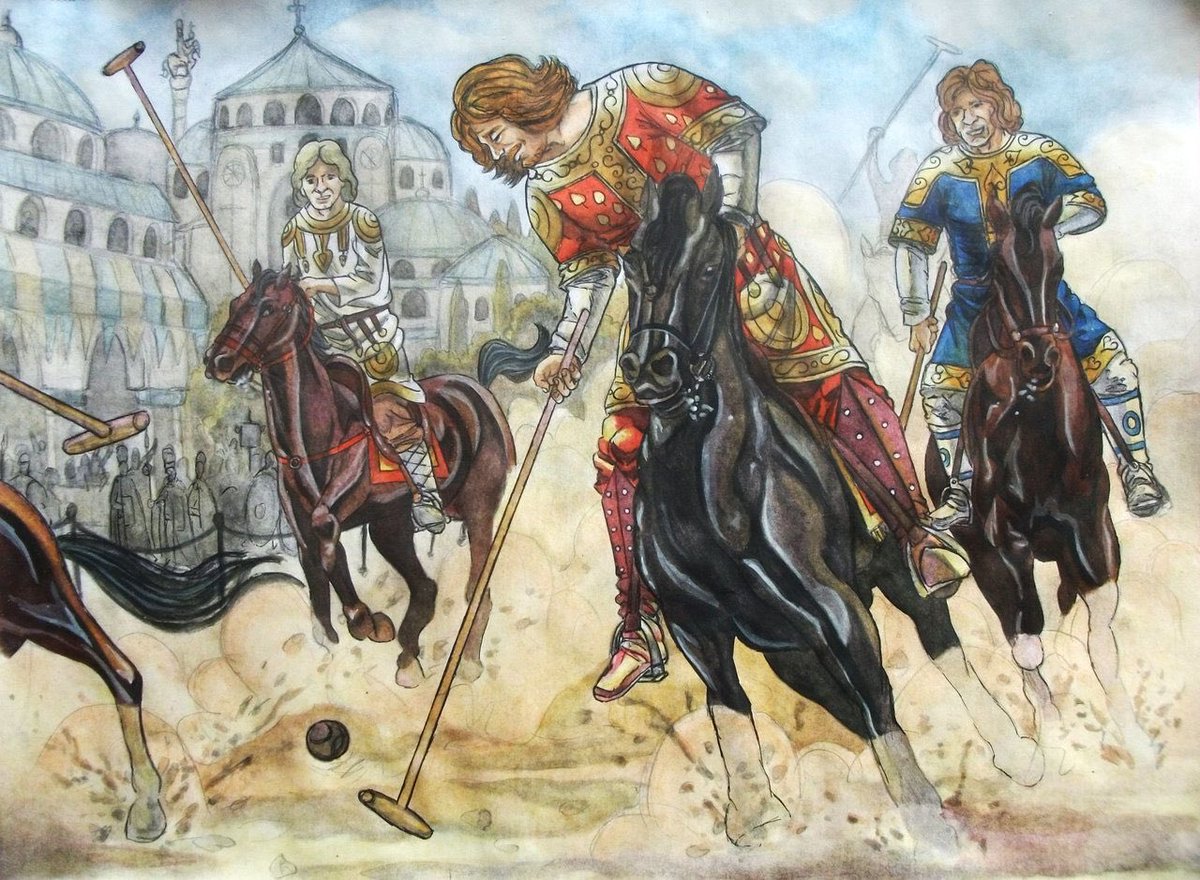
@Eadgifuu For locals in conquered lands the process was much slower as there were fewer material incentives & influence from a lack of local “Romans.”The government in Constantinople recognized this and resettled populations across its territory to speed up integration & “Romanization.”
@StJohnLazar Also important to remember that this successful rebellion strengthened & emphasized Bulgarian indemnity to differntiate from the Byzantines, I suspect there was considerable but incomplete integration before.
@StJohnLazar Also important to note Byz & Ancient Romans rarely if ever adopted policies of cultural genocide, it was religious & political disputes that they took seriously.

• • •

Missing some Tweet in this thread? You can try to force a refresh

 

Keep Current with Varangian Chronicler

Varangian Chronicler Profile picture

Stay in touch and get notified when new unrolls are available from this author!

Read all threads

This Thread may be Removed Anytime!

PDF

Twitter may remove this content at anytime! Save it as PDF for later use!

Try unrolling a thread yourself!

how to unroll video
  1. Follow @ThreadReaderApp to mention us!

  2. From a Twitter thread mention us with a keyword "unroll"
@threadreaderapp unroll

Practice here first or read more on our help page!

More from @Varangian_Tagma

Jun 29
A poignant excerpt from Toynbee; the haughty exploits of the conqueror often weaken his power & his bloody acts are repaid in kind by other peoples.

Toynbee mentions that many of those under the Assyrian yoke survived better than their erstwhile masters. Shelley’s Ozymandias really captures the desolate remains of this vanished empire.
…reached the stiff & menacing figure & sent it clattering & crashing down the moraine of ruined brickwork into the fosse below, they did not suspect that their terrible adversary was no longer a living man at the moment when they struck their daring, & apparently decisive, blow.
Read 4 tweets
Jun 28
A generation after the disaster at Pliska, war again loomed over the Haemus Mountains.

During these preparations a secret embassy arrived in the capital, imploring Emperor Theophilos for his help.

The Emperor accepted & initiated one of the greatest rescue missions in history.
After crushing the Byzantines at Pliska, killing Emperor Nikephoros I, & famously turning his skull into a chalice, Khan Krum extended his Empire south into Byzantine territory. Integrating these Byzantines into the Bulgarian state was a key priority for the Khan.
Many of these populations & their leaders were allowed to maintain their posts & homes in the borderlands; however, Krum’s successors became uneasy with this arrangement. They felt these populations might serve as a fifth column for any Byzantine counterattacks.
Read 12 tweets
Jun 16
Roman adoption of a slave plantation economic model can be traced back to the Punic Wars & the acquisition of Sicily & its fertile land.

This would prove seriously damaging to Rome’s Republican institutions & perhaps surprisingly, was an artifact of the Carthaginian Empire. Image
An earlier thread talked about how the Punic Wars kicked off a vicious cycle of slave labor, military professionalization, and the impoverishment of citizens but the economic model that made this possible could have also been a poisoned chalice from Carthage herself.
Carthage was known across the ancient world for the scale of production in its agricultural hinterland. When Rome burned Carthage the only text they took was an agricultural treatise by Mago, a Carthaginian, displaying the respect they had for Punic agriculture. Image
Read 9 tweets
Jun 13
The Byzantine Empire before Manzikert was a superpower; but, this single battlefield defeat & infighting led to collapse.

Byzantium had been through worse & was known for stubborn resistance.

What changed & how is this a warning to governments tempted to take a similar path? Image
Byzantine cultural & economic output during this period is huge; however, dynastic difficulties & corrupt imperial courts drained the treasury & enacted unsound policies. We’ll focus on the downstream effects of this which made the famously resilient Byzantine military so brittle Image
In the 1060s it’s clear, even with a lack of sources, that Doukid mismanagement had cost Byzantium much strength. But what about earlier? Historians seem split, especially regarding Constantine Monomachos. Image
Read 26 tweets
Jun 6
The Crusader States, despite massive aid from their homelands in the West, were doomed to fall for two major reasons.

Let’s examine them & how this geopolitical situation is echoed in Levantine states’ current strategic predicament. Image
In a campaign that defies belief, the Crusaders conquered the entire Levantine Coast including the Holy City of Jerusalem. These lands were shielded from the interior by mountains, rivers, and the Dead Sea. Sea lanes to Constantinople & Italy connected them with wider Christendom Image
Although some terrain separated the Crusaders from inland it didn’t generally impede attacks. Crusader attacks on Muslim cities like Aleppo & Damascus ended in failure. Crusader forces were fragmented, too far from their power centers, & reliant on reinforcements from the West. Image
Read 26 tweets
Jun 3
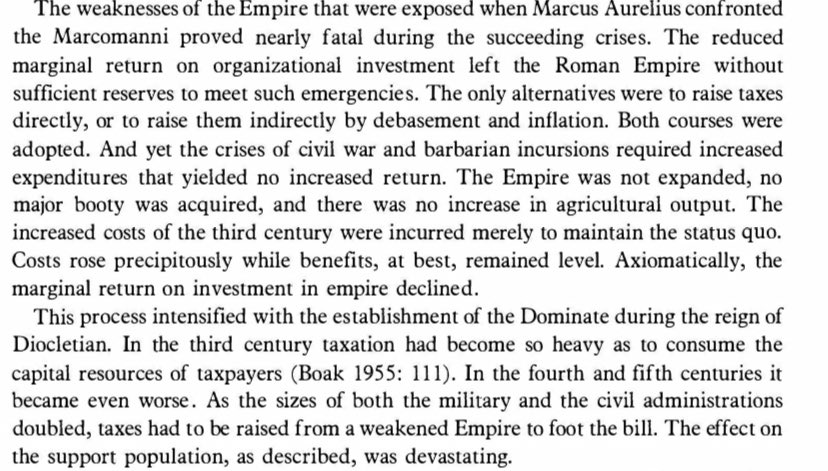
Plagues, invasion, economic collapse, and internal strife intensified during Marcus Aurelius’s embattled reign. Only through the brilliant campaigns of Aurelian & reforms of Diocletian did the Roman Empire survive.

But at what cost? Tainter argues it was civilizational collapse. Image
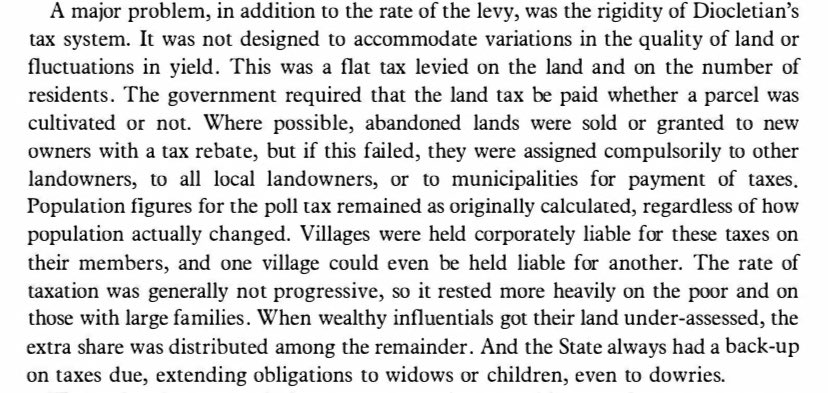
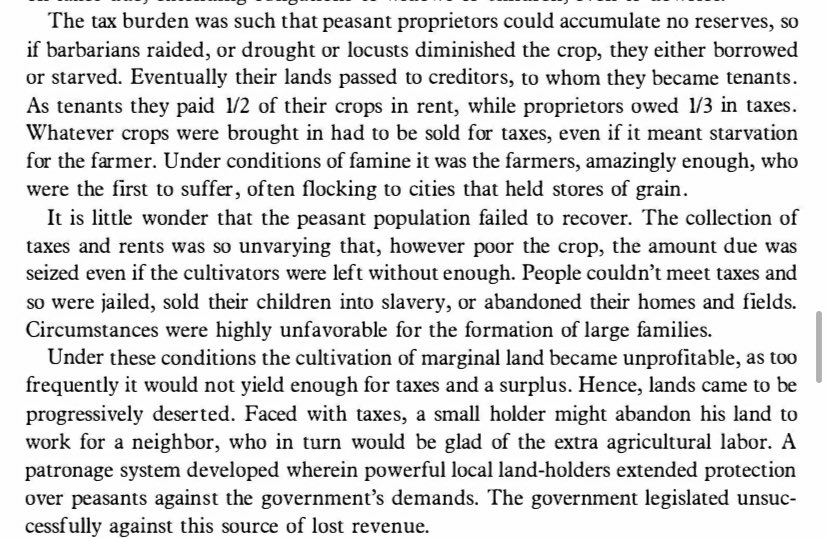
Diocletians reforms simply squeezed the Roman Empire & its people for all the resources they had. Under such an oppressive system they began to die or flee, those who remained did not resist the Germanic invaders/soldiers who offered a less oppressive government under their rule. ImageImage
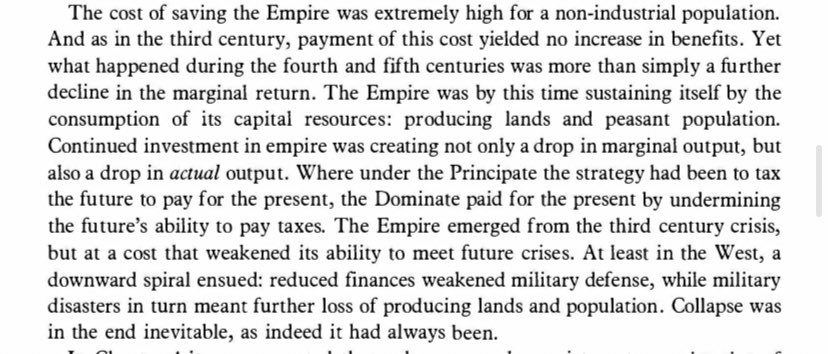
By sacrificing the productive population to raise revenue & maintain control, the Dominate started a death spiral as it needed to impoverish & alienate more & more of its citizens until there was nothing left things going. Not the army & certainly not the infrastructure. Image
Read 7 tweets

Did Thread Reader help you today?

Support us! We are indie developers!


This site is made by just two indie developers on a laptop doing marketing, support and development! Read more about the story.

Become a Premium Member ($3/month or $30/year) and get exclusive features!

Become Premium

Don't want to be a Premium member but still want to support us?

Make a small donation by buying us coffee ($5) or help with server cost ($10)

Donate via Paypal

Or Donate anonymously using crypto!

Ethereum

0xfe58350B80634f60Fa6Dc149a72b4DFbc17D341E copy

Bitcoin

3ATGMxNzCUFzxpMCHL5sWSt4DVtS8UqXpi copy

Thank you for your support!

Follow Us on Twitter!

:(