SUGGESTIONS FOR HOW TO WEAR SHORTS
Some ideas on how to create menswear outfits this summer with shorts 🧵
Some ideas on how to create menswear outfits this summer with shorts 🧵
https://twitter.com/Auburnsantos/status/1675622907232280578
PREPPY
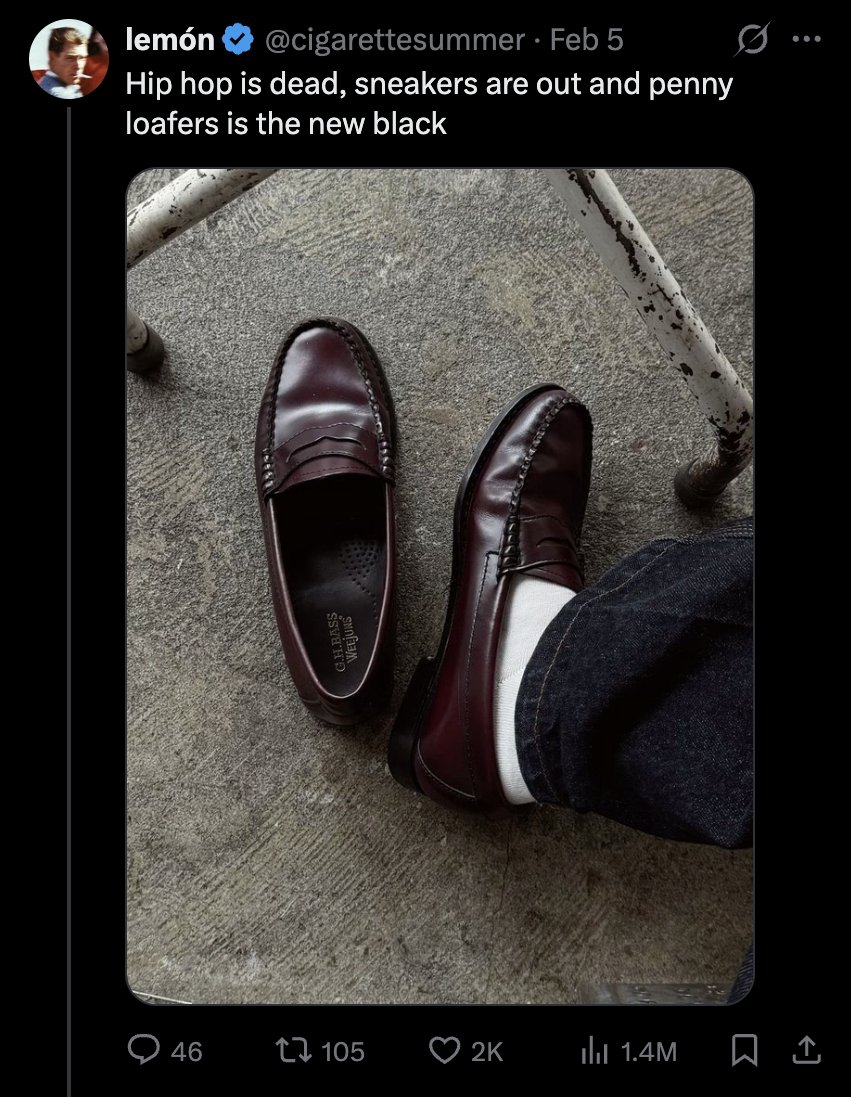
Basic J. Crew style shorts in cotton. Pair with a t-shirt, a casual button-up worn open, and a lightweight jacket if the weather allows. Wear with penny loafers, camp mocs, or Sperry Cloud CVOs. Pretend you're in Call Me by Your Name

Basic J. Crew style shorts in cotton. Pair with a t-shirt, a casual button-up worn open, and a lightweight jacket if the weather allows. Wear with penny loafers, camp mocs, or Sperry Cloud CVOs. Pretend you're in Call Me by Your Name


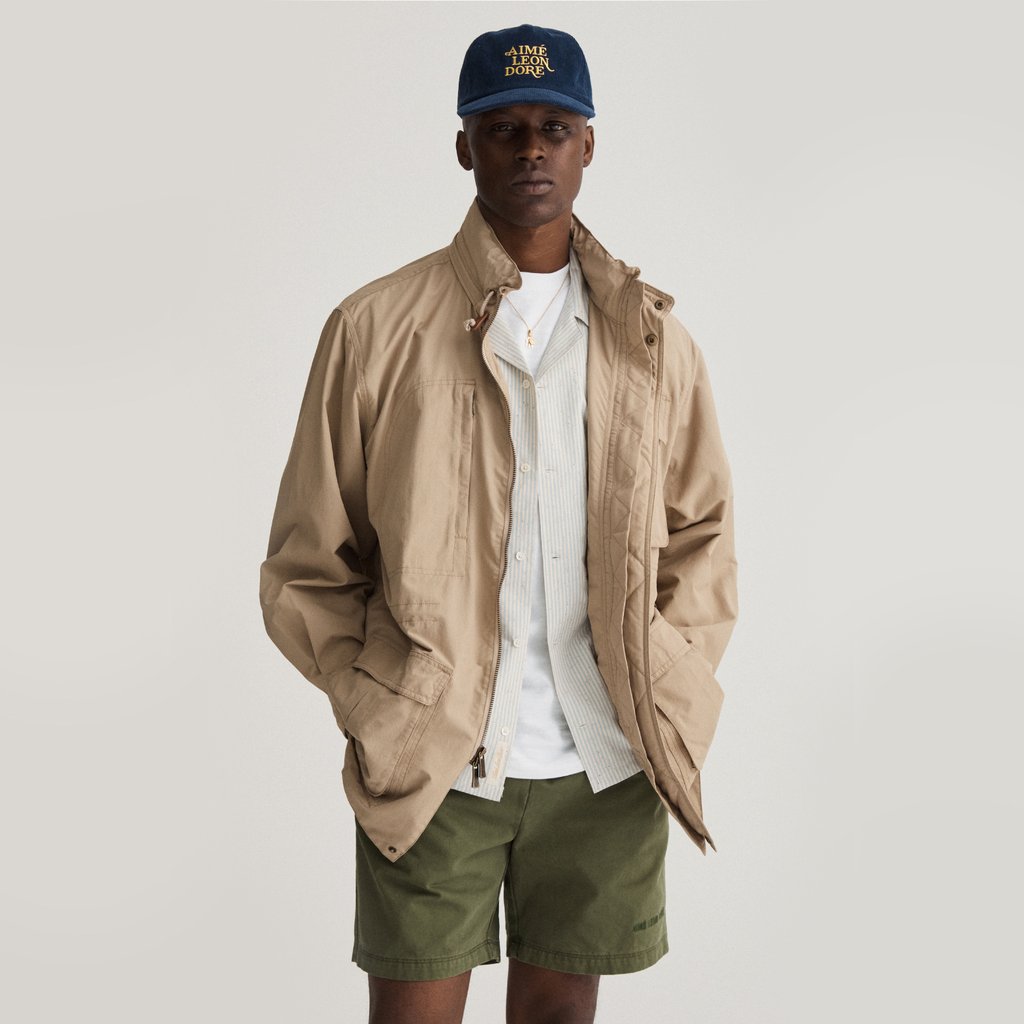

PATAGONIA BAGGIES
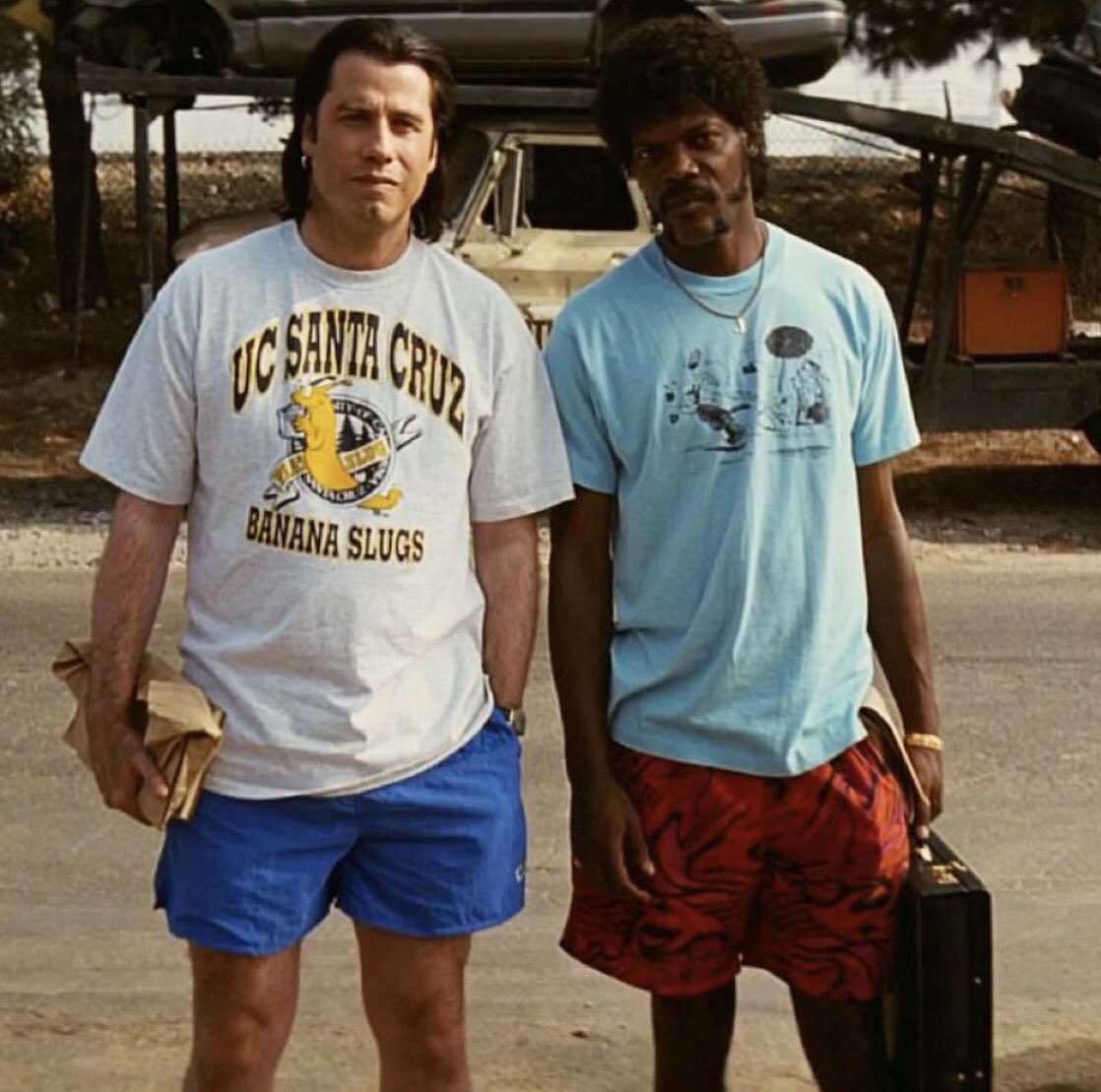
Made of quick-drying, lightweight nylon, these feel a bit more outdoorsy. Pair again with t-shirts and open chambray shirt. Techy jacket if the weather allows. Imagine you're in a 1970s California hippie climbing club.
Made of quick-drying, lightweight nylon, these feel a bit more outdoorsy. Pair again with t-shirts and open chambray shirt. Techy jacket if the weather allows. Imagine you're in a 1970s California hippie climbing club.


CORDUROY SHORTS
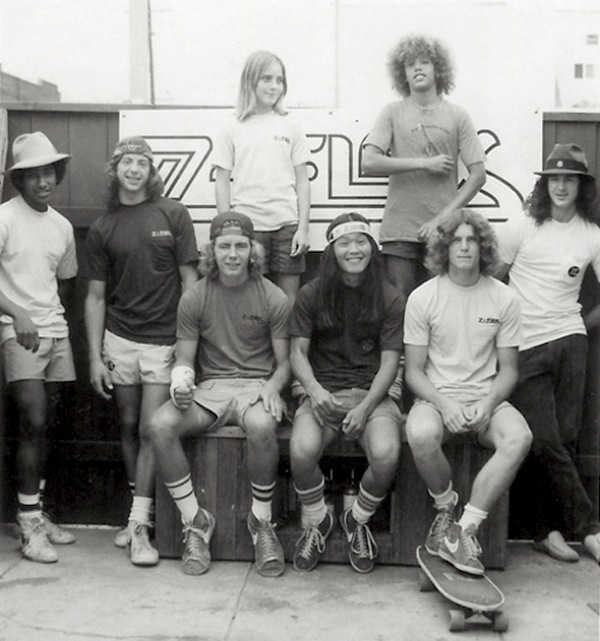
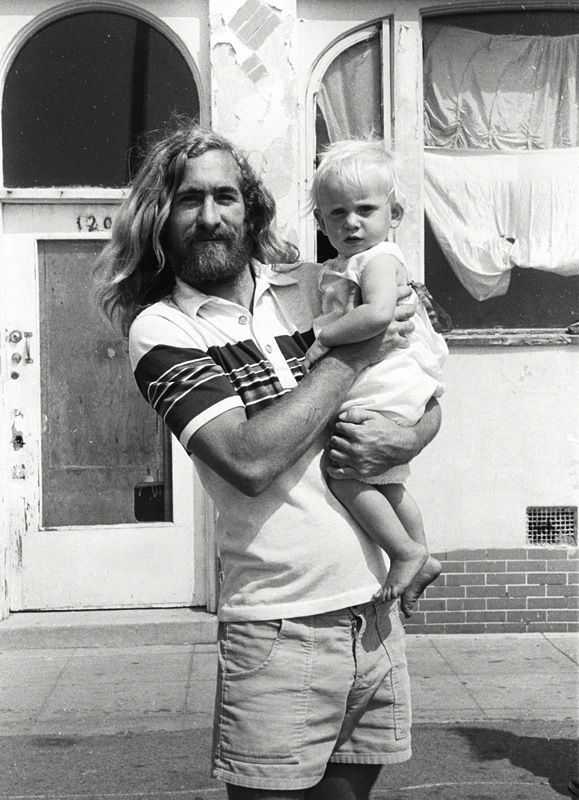
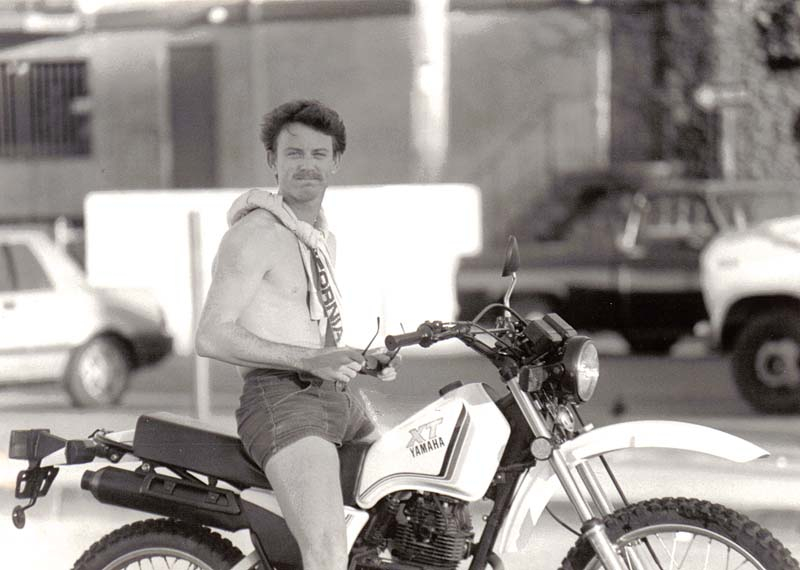
OP corduroy shorts were a defining marker of California style. The new version is made by Birdwell Britches in Los Angeles. Think: 1970s Venice Beach with skaters and beach bums in corduroy shorts, striped T-shirts, and Vans slip-ons or Authentics.
OP corduroy shorts were a defining marker of California style. The new version is made by Birdwell Britches in Los Angeles. Think: 1970s Venice Beach with skaters and beach bums in corduroy shorts, striped T-shirts, and Vans slip-ons or Authentics.

RUGGED
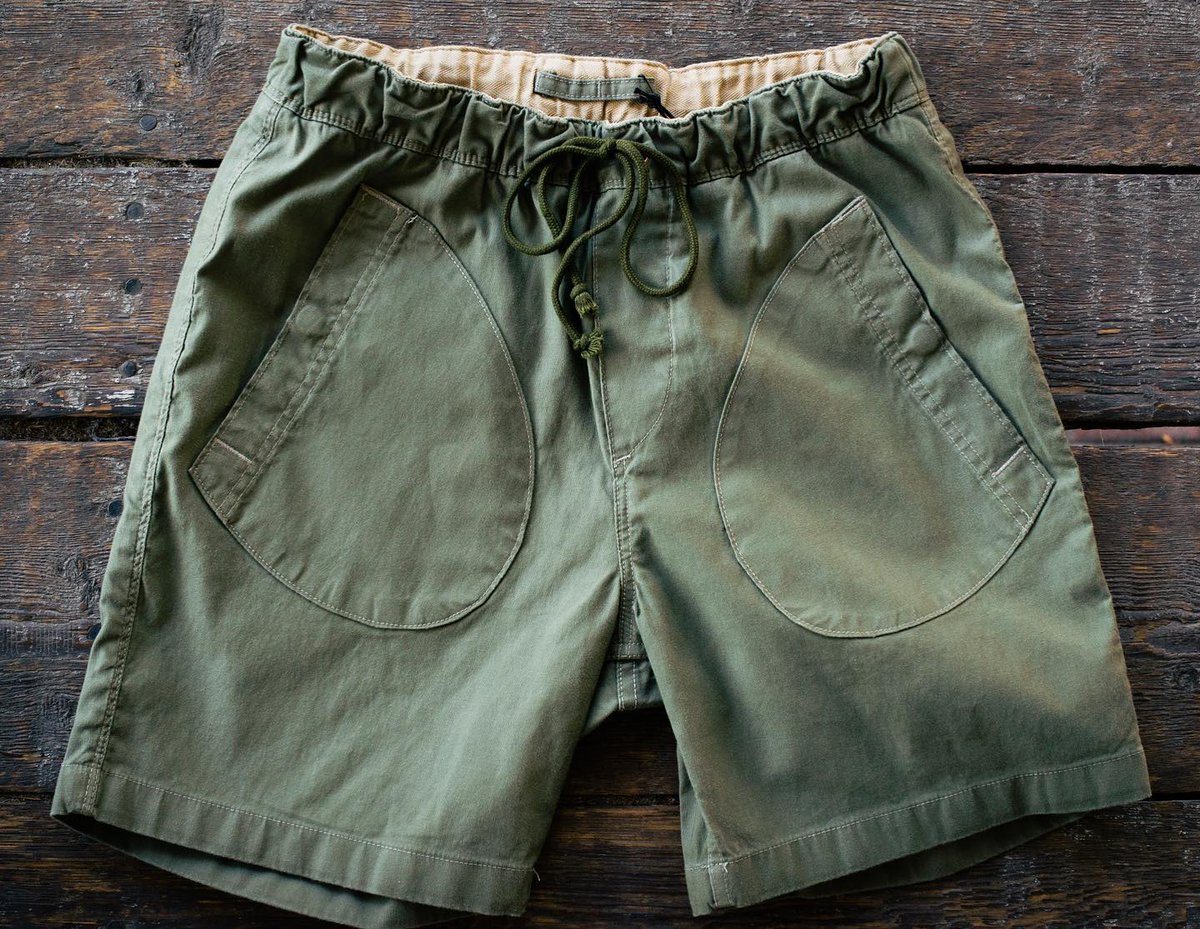
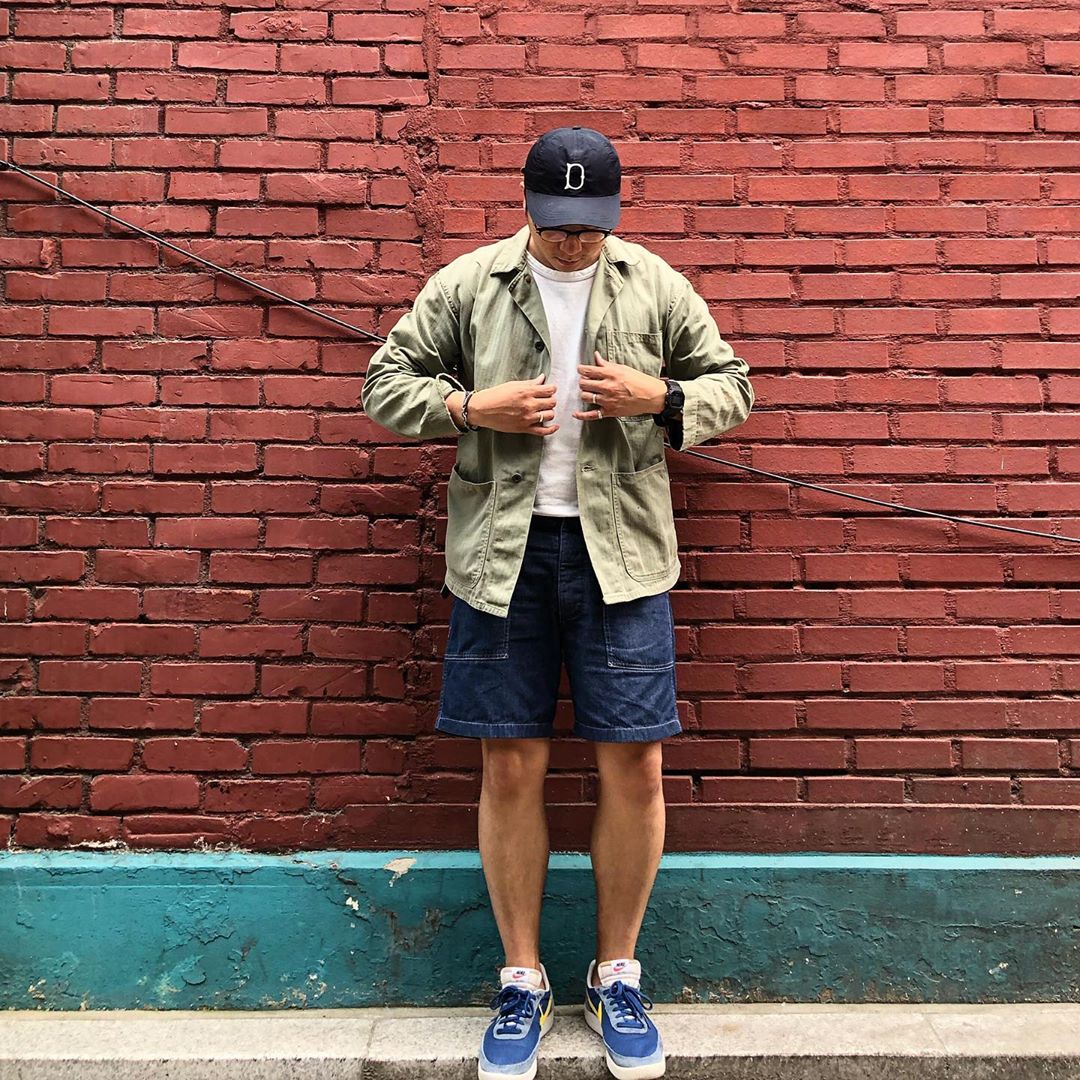
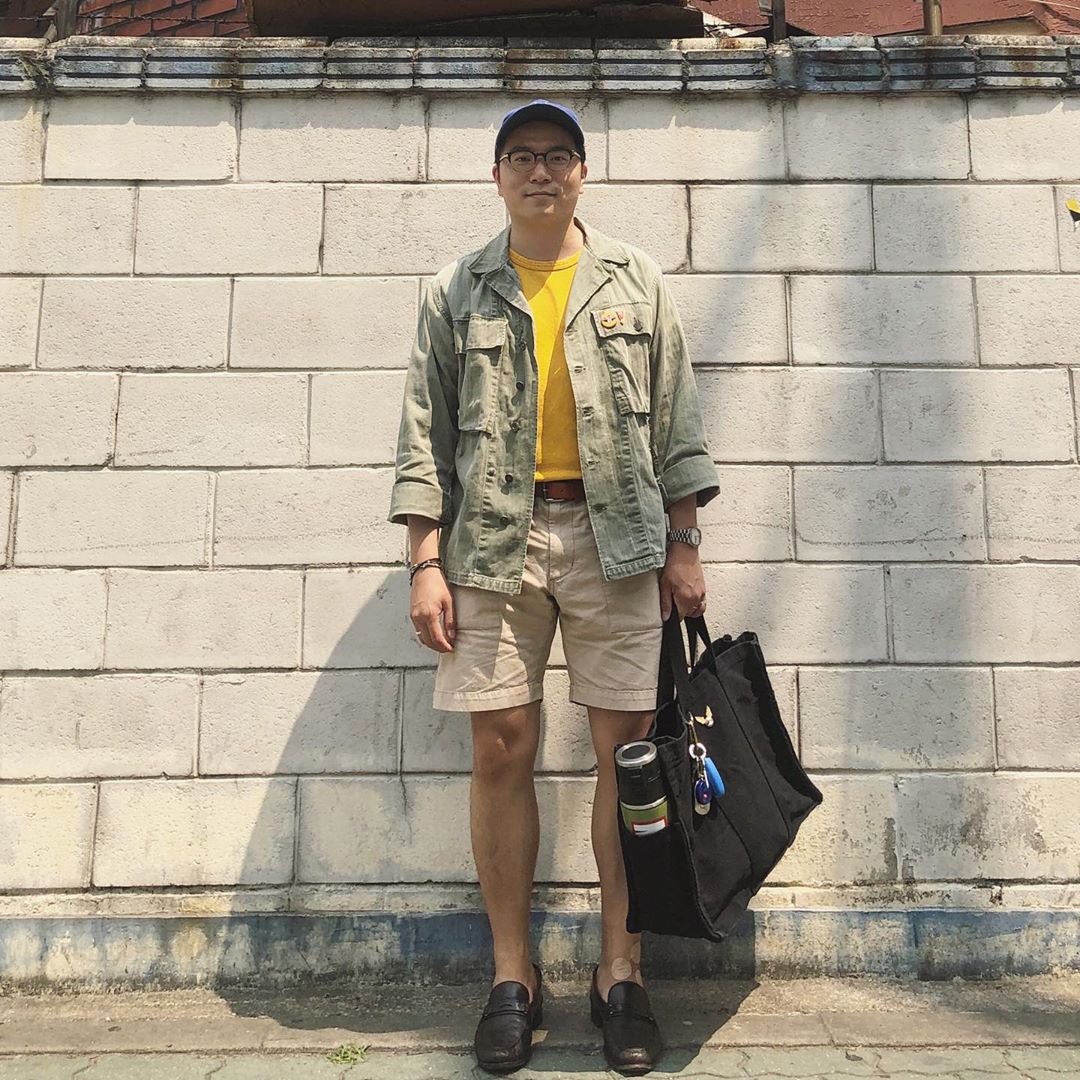
Can be workwear shorts, cut-off fatigues, or something like Freenote Cloth's deck shorts. Pair with a t-shirt and lightweight military surplus jacket. Or channel "youth crew" styles that were popular in hardcore punk circles in the 1980s and 90s.
Can be workwear shorts, cut-off fatigues, or something like Freenote Cloth's deck shorts. Pair with a t-shirt and lightweight military surplus jacket. Or channel "youth crew" styles that were popular in hardcore punk circles in the 1980s and 90s.

SPORTY
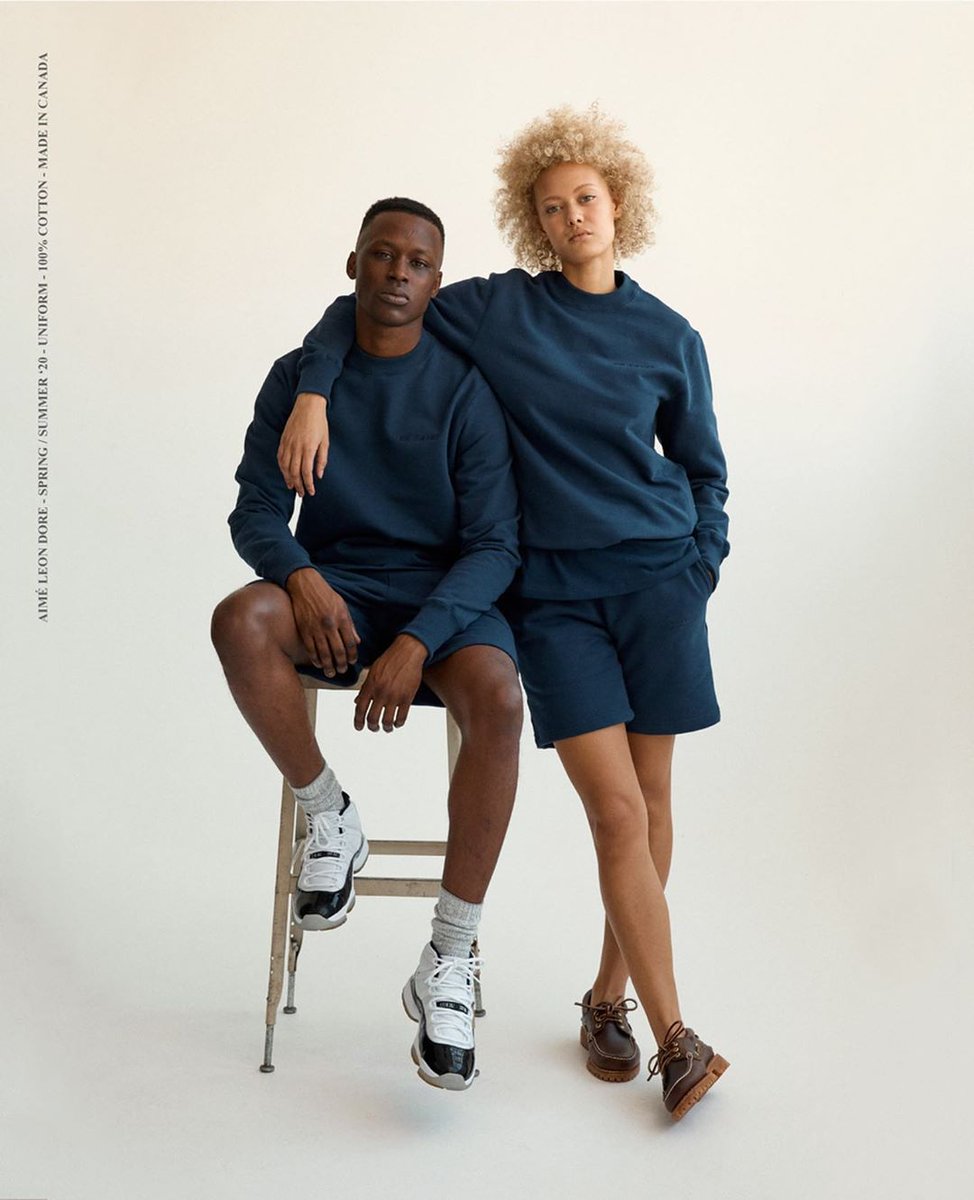
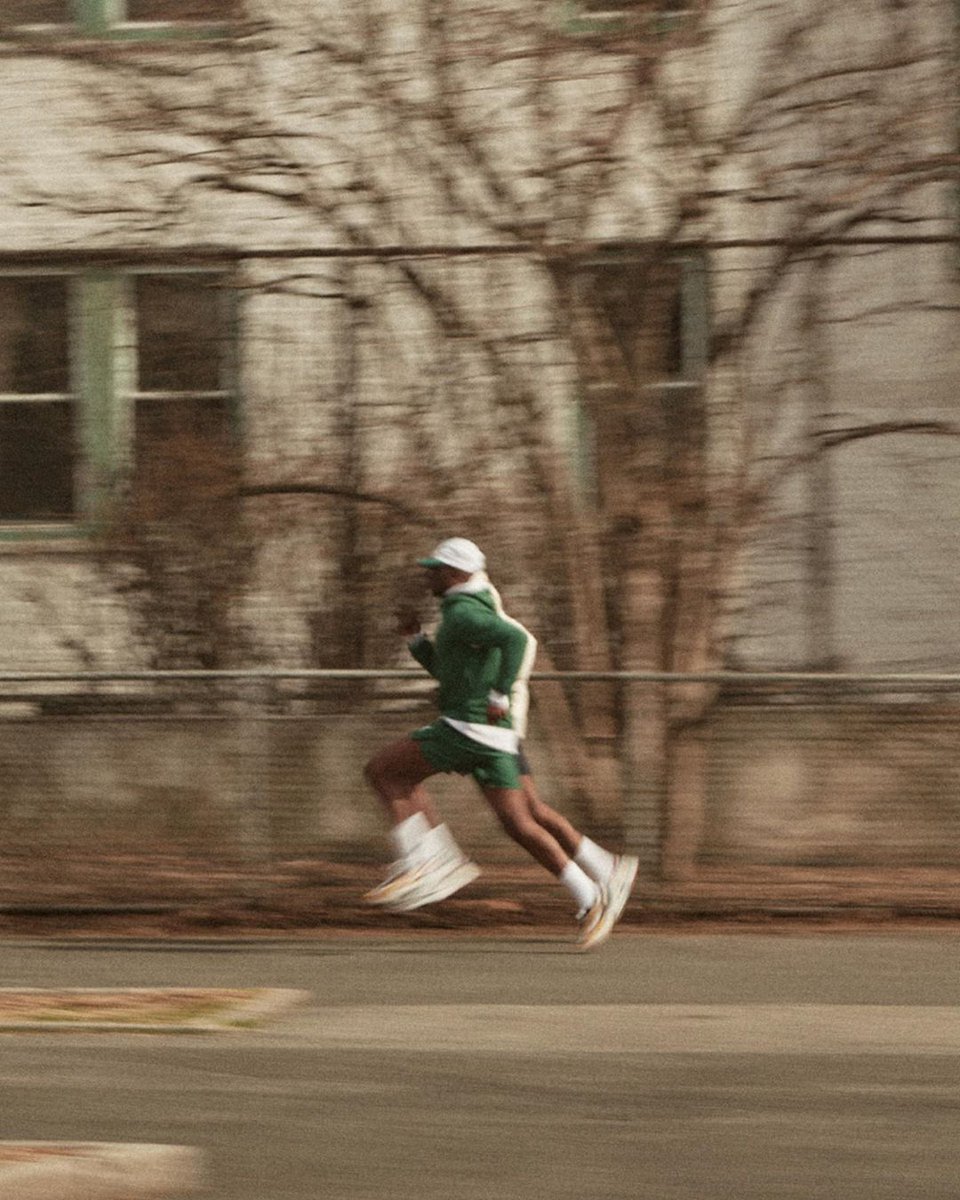
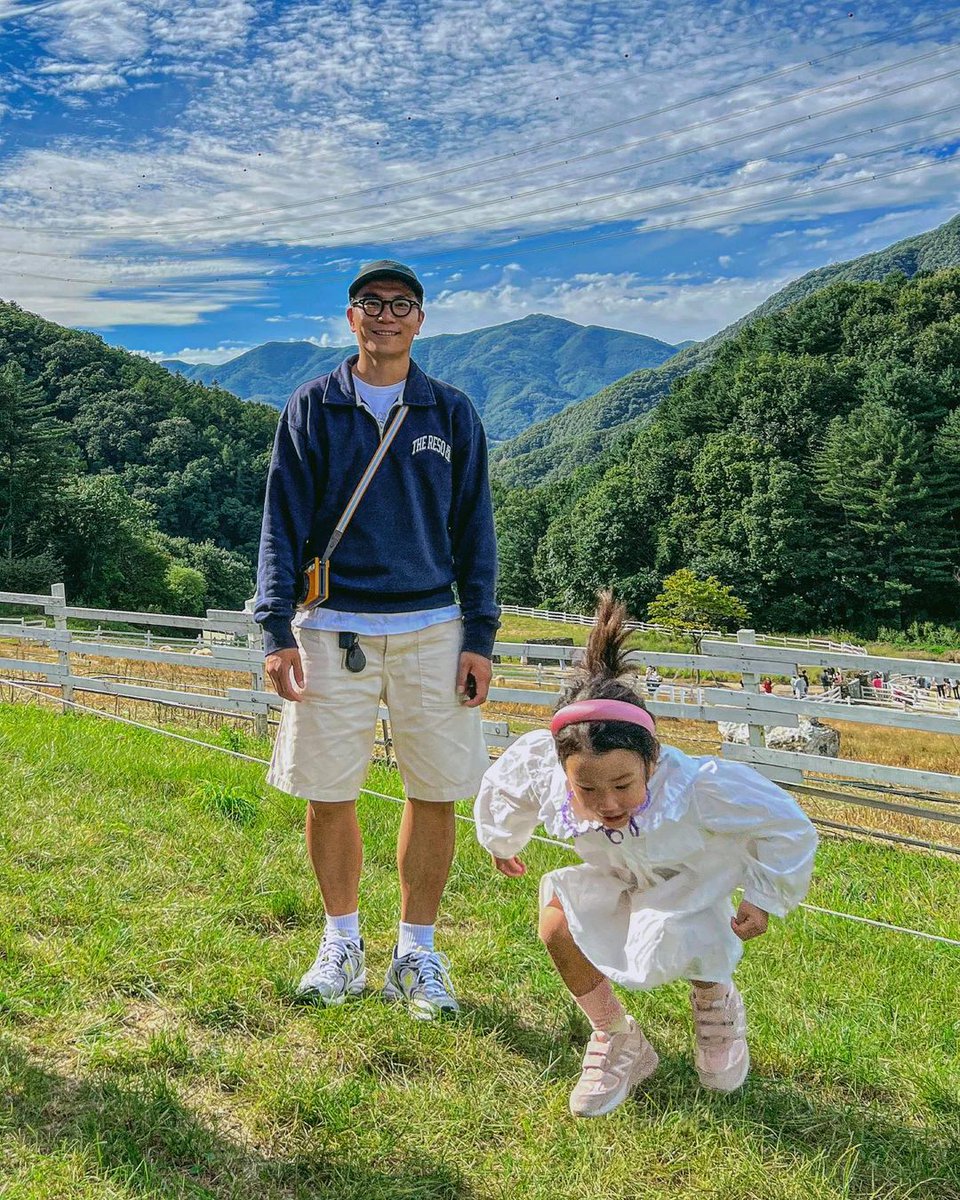
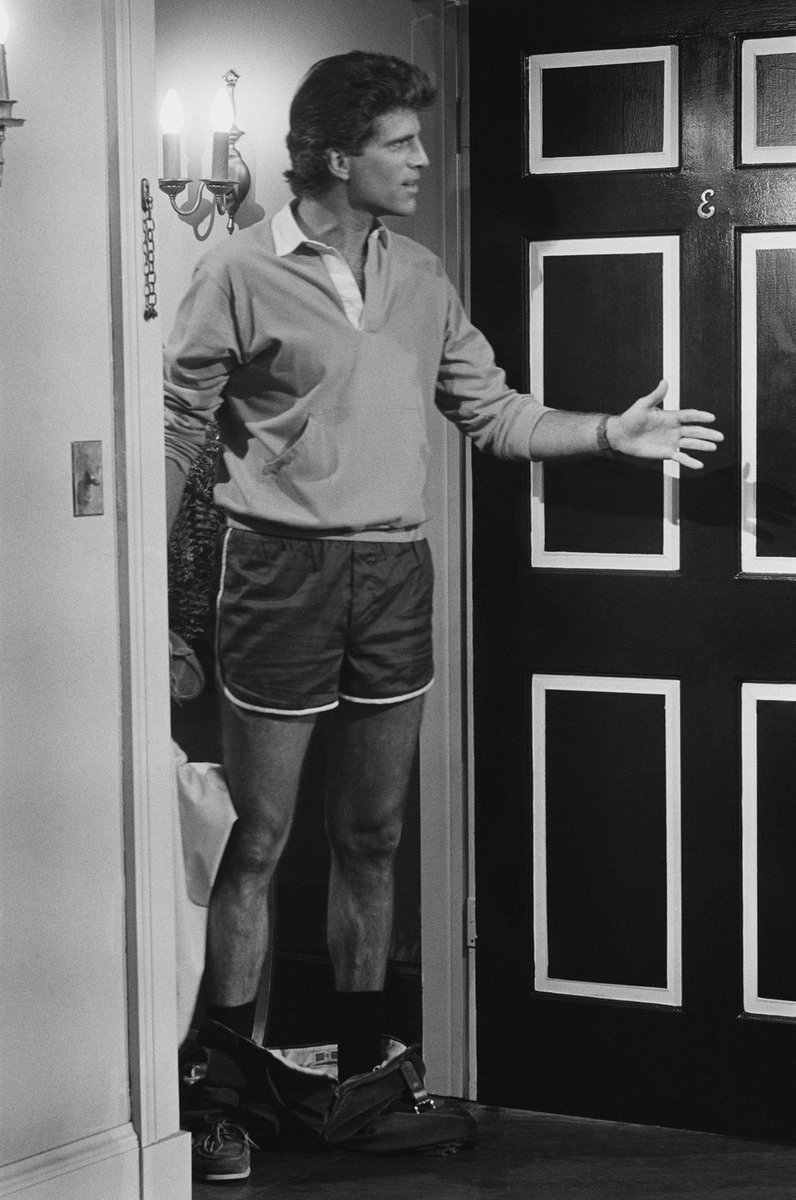
Can be sweat-shorts or running shorts teamed with a hoodie. Or outdoorsy shorts with an athletic pullover or rugby. Wear with retro-styled running shoes like New Balance 574, 1400, or 550; Nike Waffle Racer; or Spalwart Marathon Lows.
Can be sweat-shorts or running shorts teamed with a hoodie. Or outdoorsy shorts with an athletic pullover or rugby. Wear with retro-styled running shoes like New Balance 574, 1400, or 550; Nike Waffle Racer; or Spalwart Marathon Lows.
SLEAZY
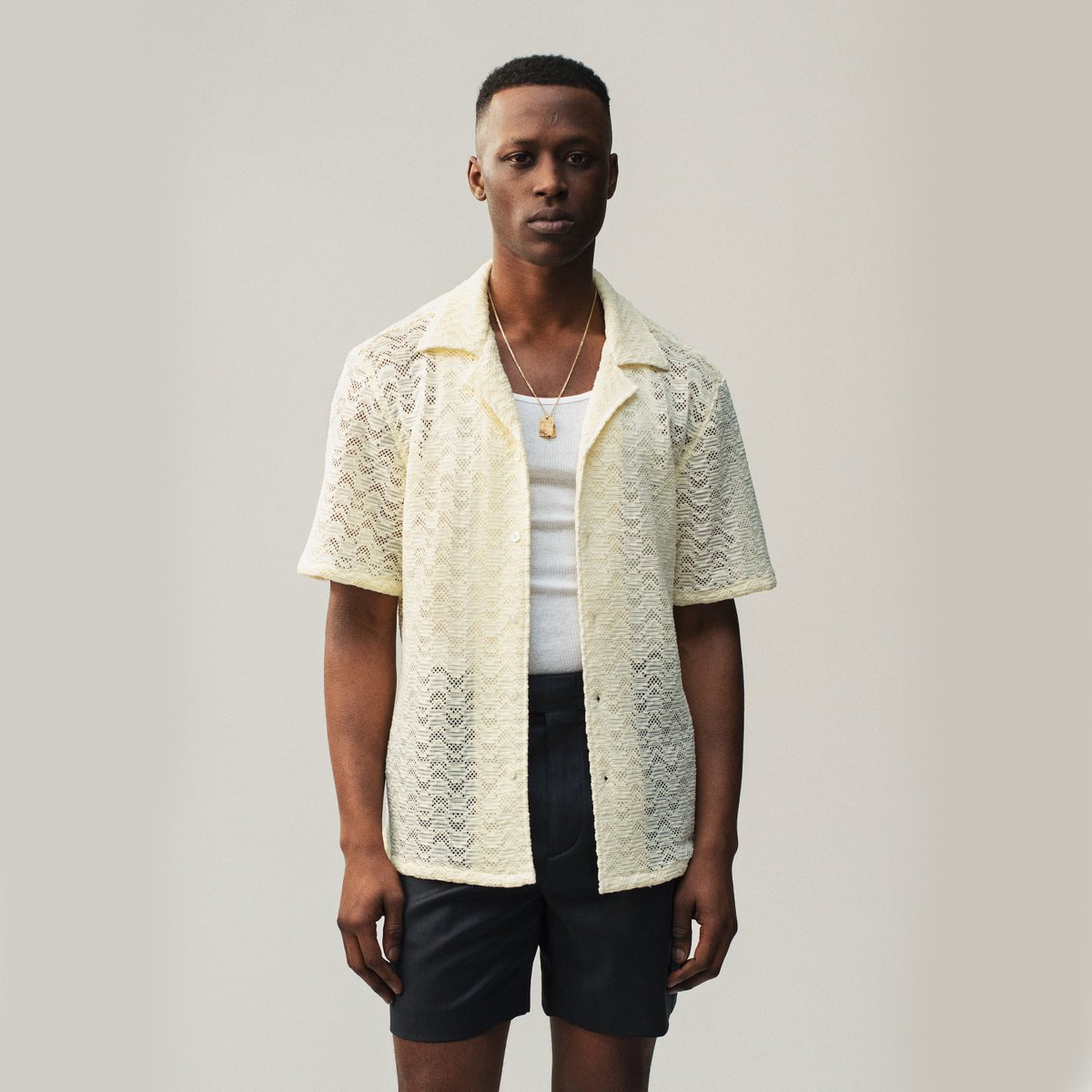
Short shorts (no longer than 5" inseam). Pair with a sleeveless ribbed undershirt, mesh or lace shirt worn open, and a little gold chain (3mm, 22" 14k Franco or rope chain). Wear slip-ons like horsebit loafers. Channel the energy of a delicious Asian pear.
Short shorts (no longer than 5" inseam). Pair with a sleeveless ribbed undershirt, mesh or lace shirt worn open, and a little gold chain (3mm, 22" 14k Franco or rope chain). Wear slip-ons like horsebit loafers. Channel the energy of a delicious Asian pear.

BOHEMIAN
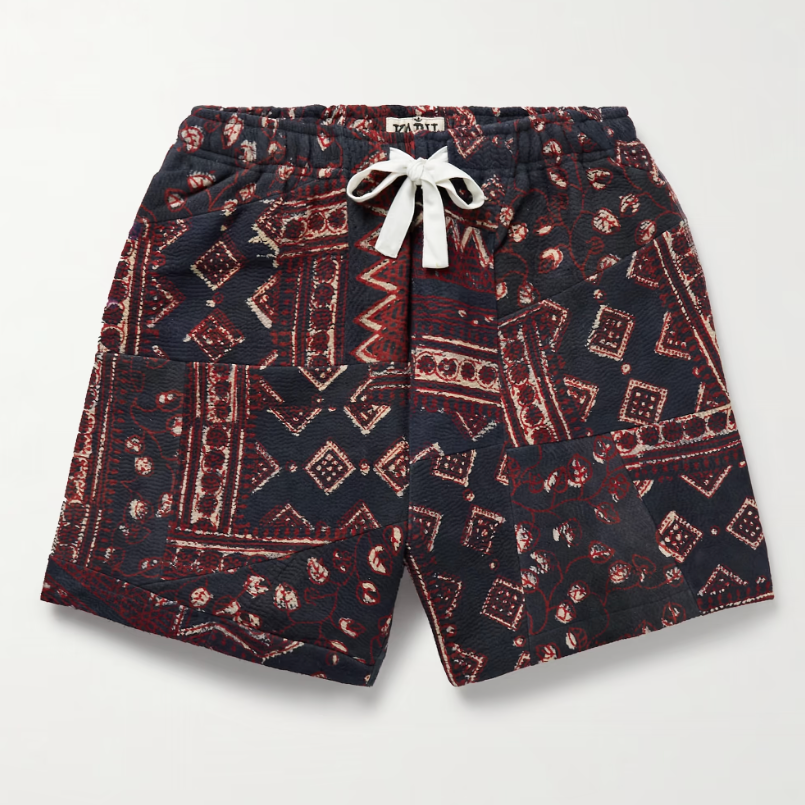
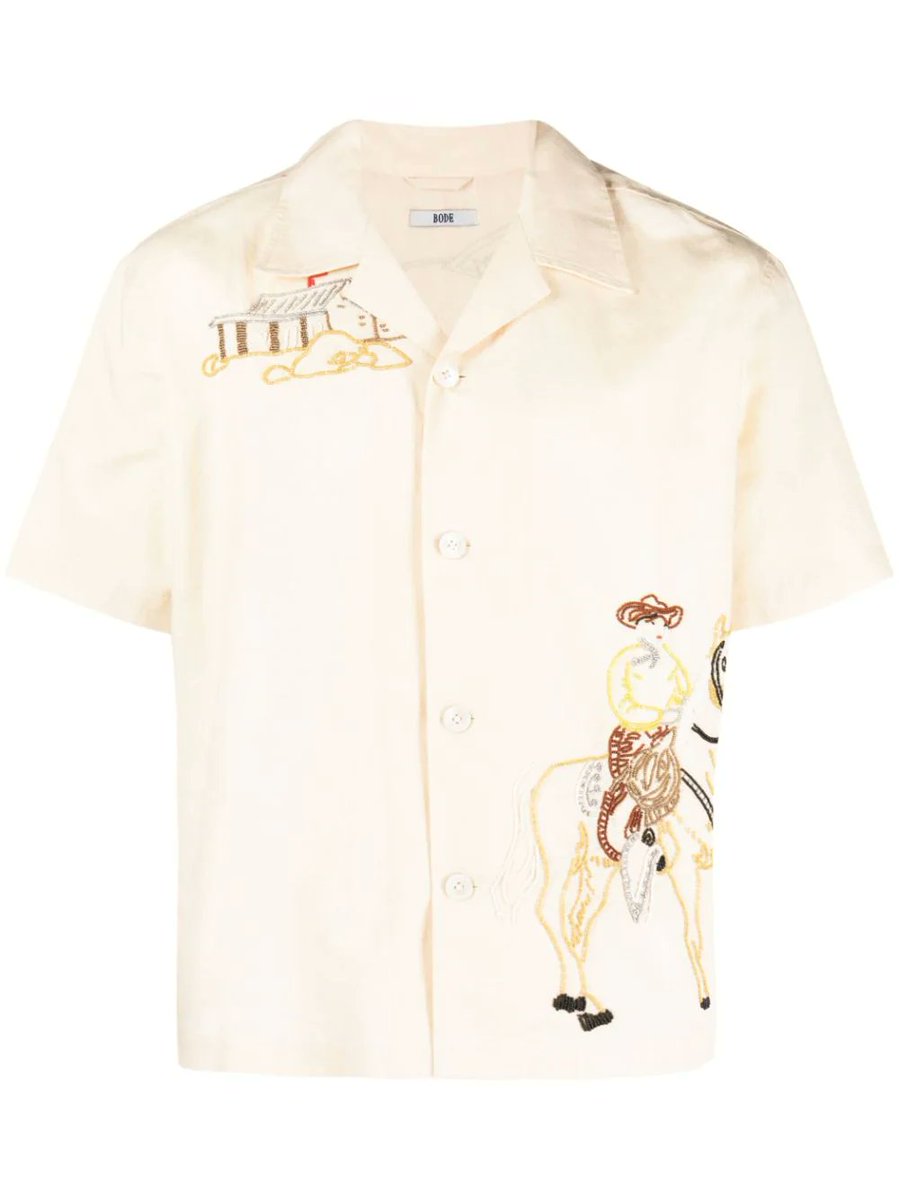
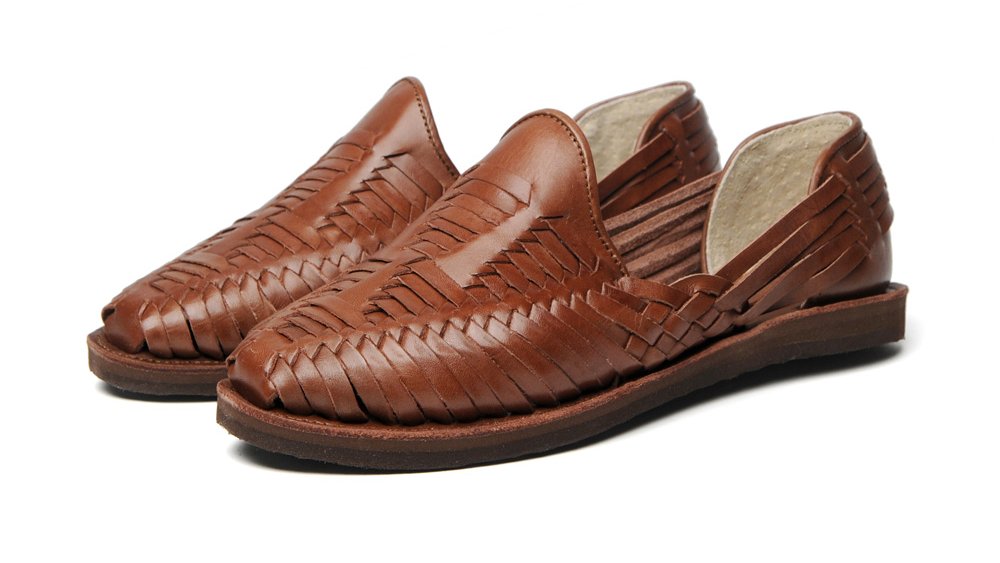
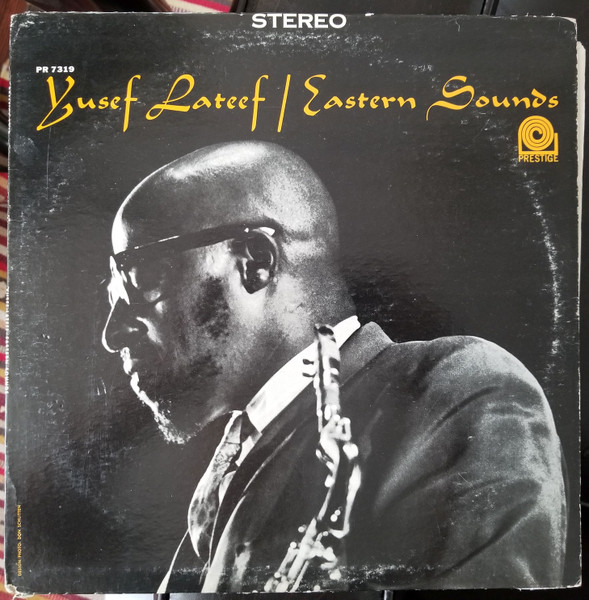
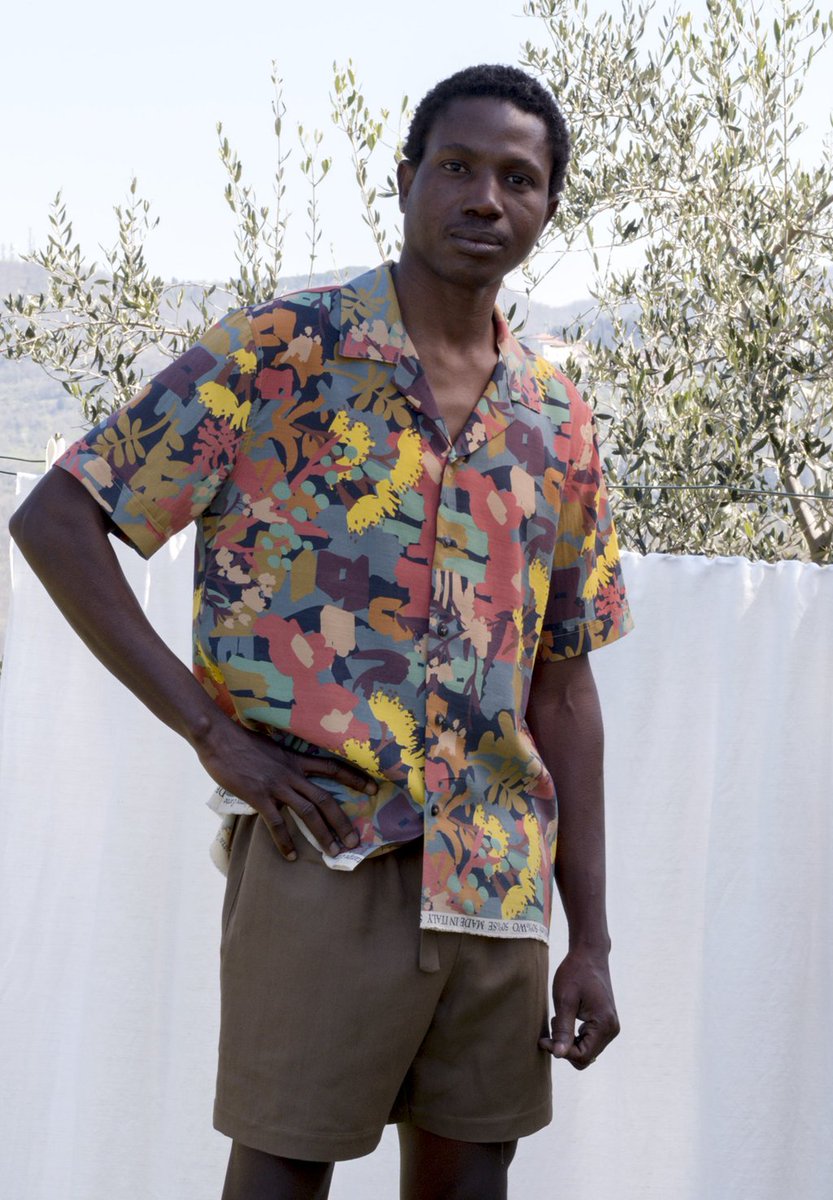
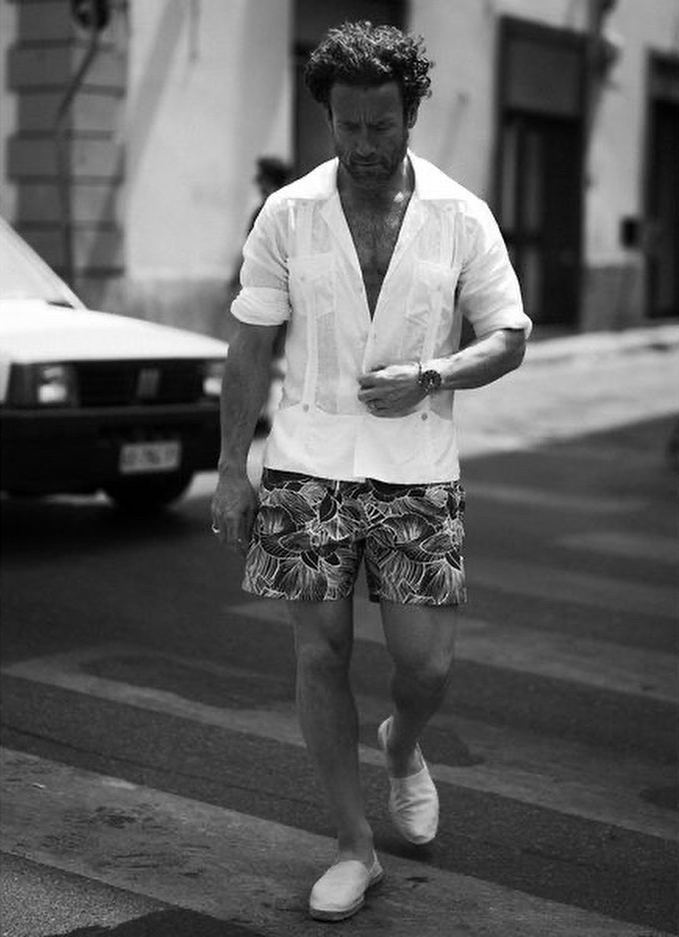
Funky shorts like these from Karu Research (a cheaper version can be had through J. Crew's Wallace & Barnes). Pair with a Bode-styled shirt, guayabera, or most camp collar shirts. Wear with huaraches while listening to Yusef Lateef's Eastern Sounds.
Funky shorts like these from Karu Research (a cheaper version can be had through J. Crew's Wallace & Barnes). Pair with a Bode-styled shirt, guayabera, or most camp collar shirts. Wear with huaraches while listening to Yusef Lateef's Eastern Sounds.
WHEN IN DOUBT
1. Camp collar shirts work pretty well w shorts
2. Slip-on shoes also work well. Camp mocs, espadrilles, Vans slip-ons, loafers, etc.
3. In the spring or fall, you can wear them with long-sleeved T-shirts, sweatshirts, or merino knits
4. Keep it casual, not dressy
1. Camp collar shirts work pretty well w shorts
2. Slip-on shoes also work well. Camp mocs, espadrilles, Vans slip-ons, loafers, etc.
3. In the spring or fall, you can wear them with long-sleeved T-shirts, sweatshirts, or merino knits
4. Keep it casual, not dressy

• • •
Missing some Tweet in this thread? You can try to
force a refresh