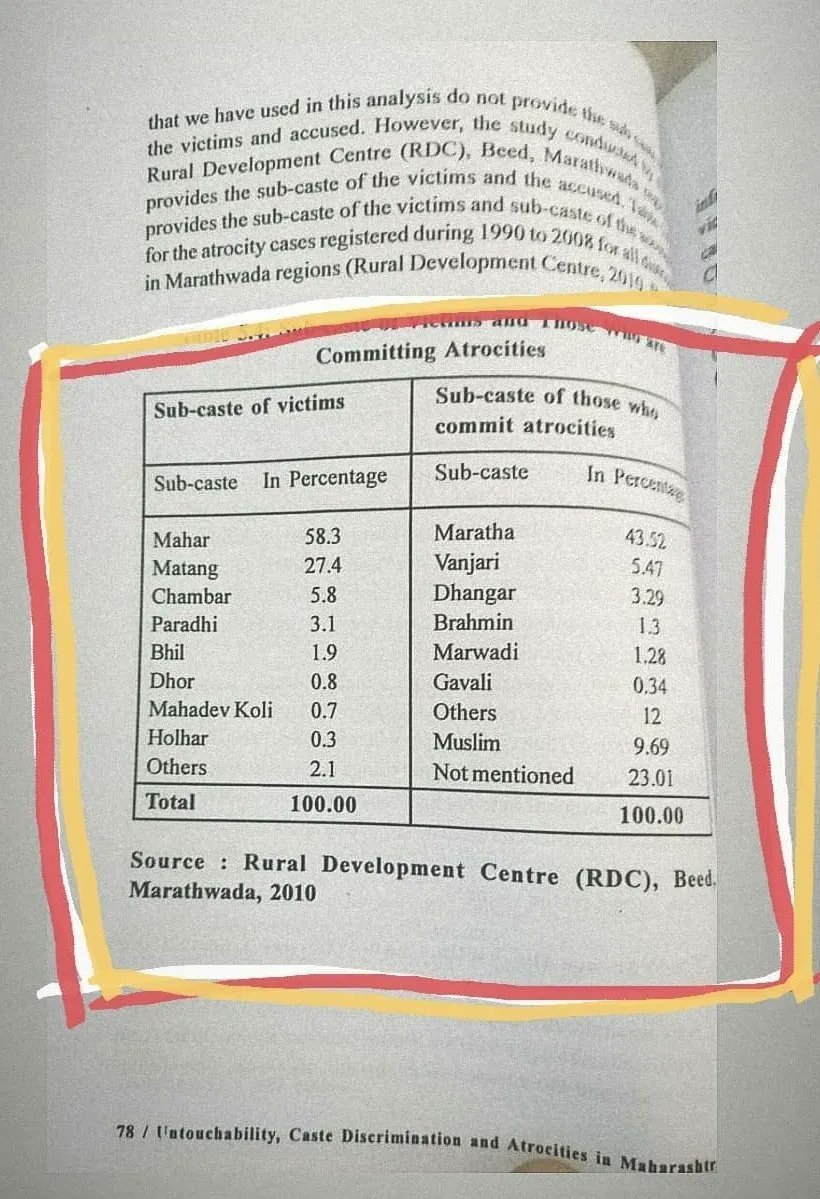
Scheduled Castes list is a homogeneous class formed by a set of criteria defined across several census
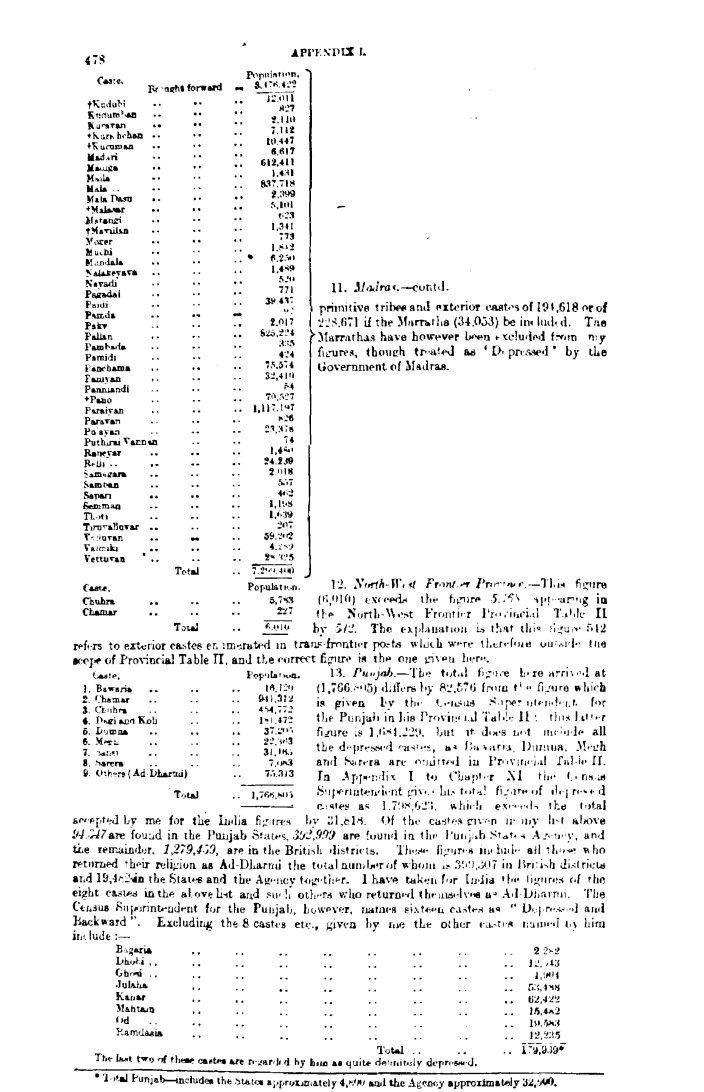
Extracts/Graphics show the extracts from 1931 census where the definition of exterior class that is the current scheduled caste is defined.
It states that depressed castes… https://t.co/5NJKnOiVUhtwitter.com/i/web/status/1…

Extracts/Graphics show the extracts from 1931 census where the definition of exterior class that is the current scheduled caste is defined.
It states that depressed castes… https://t.co/5NJKnOiVUhtwitter.com/i/web/status/1…
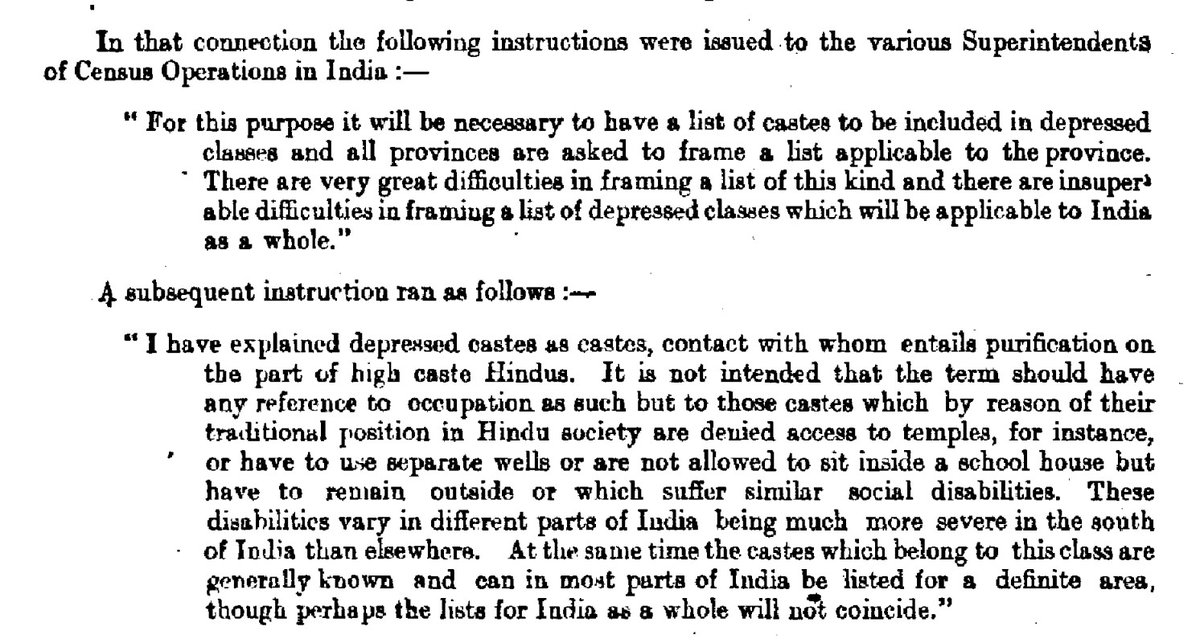
The possible tests for scheduled castes were also defined in 1931 census
Snap shot from 1931 census attached below
The British India new that identifying depressed classes would be extremely difficult. So they came up with the following possible tests which are defined below… https://t.co/SVK6qzYWHhtwitter.com/i/web/status/1…
Snap shot from 1931 census attached below
The British India new that identifying depressed classes would be extremely difficult. So they came up with the following possible tests which are defined below… https://t.co/SVK6qzYWHhtwitter.com/i/web/status/1…
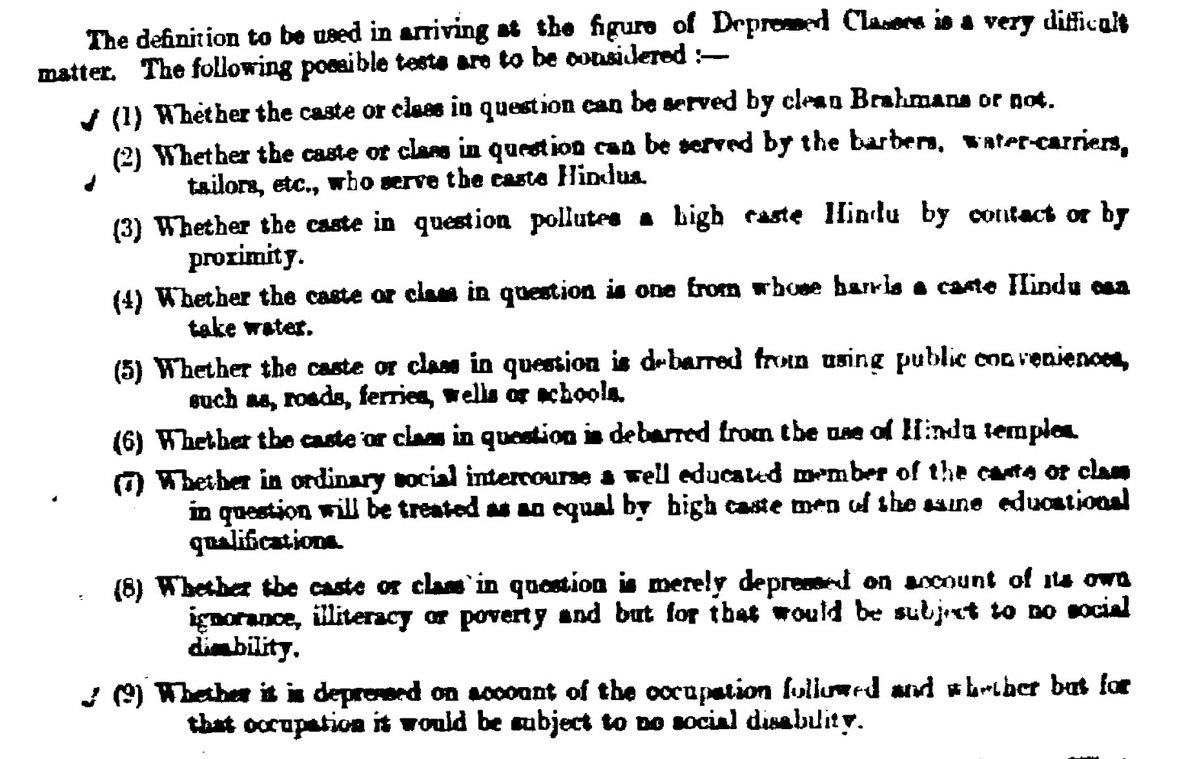
The caste census clearly showed that there were converts to Christianity
The 1871 census document clearly showed that many lower castes converted to Christianity.
Attached Graphic shows that a larger number of lower caste pariahs got converted to Christianity
There is no proof… https://t.co/lanF0Ak3yytwitter.com/i/web/status/1…
The 1871 census document clearly showed that many lower castes converted to Christianity.
Attached Graphic shows that a larger number of lower caste pariahs got converted to Christianity
There is no proof… https://t.co/lanF0Ak3yytwitter.com/i/web/status/1…
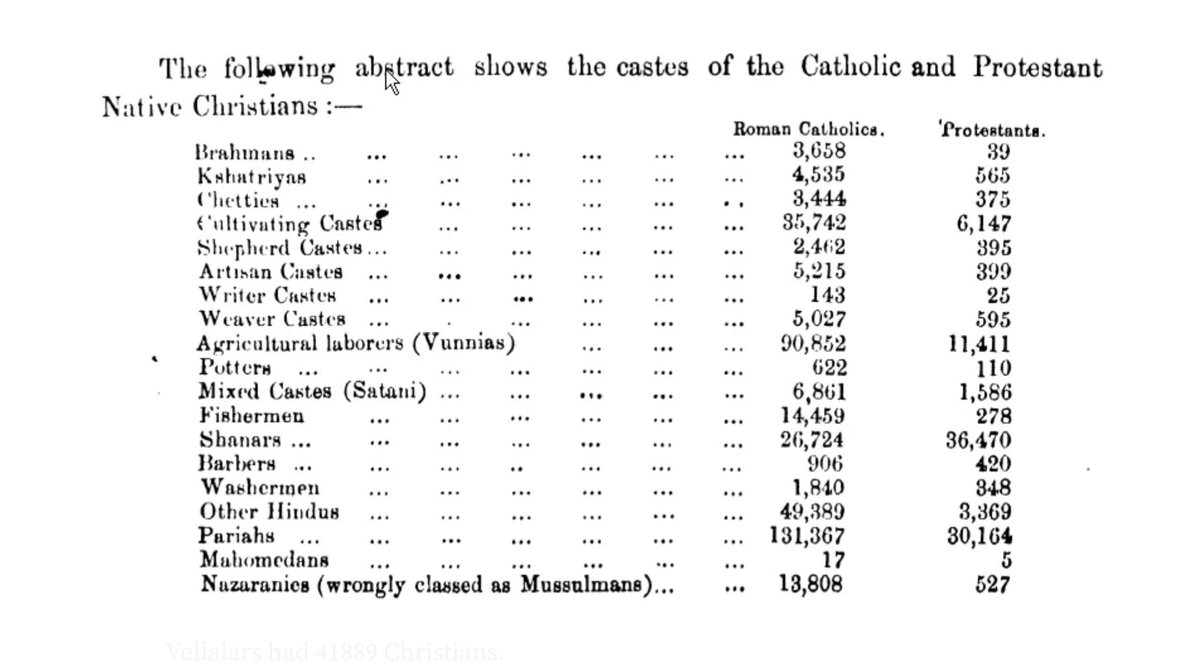
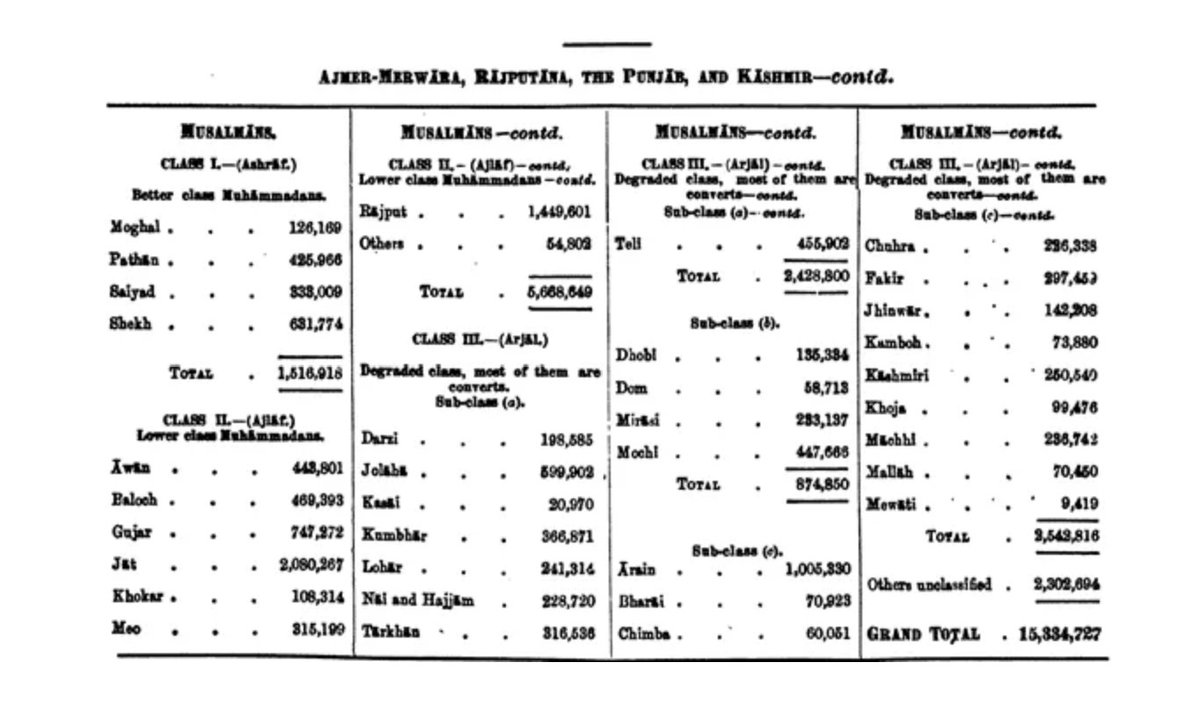
The caste census showed that there was hierarchy in Muslims
The graphics enclosed below show that there was clear evidence for hierarchy in the Muslim community even during the British Caste Census.
There is no dispute about this.
But the question is: why did not the… https://t.co/ANPU3lypQatwitter.com/i/web/status/1…
The graphics enclosed below show that there was clear evidence for hierarchy in the Muslim community even during the British Caste Census.
There is no dispute about this.
But the question is: why did not the… https://t.co/ANPU3lypQatwitter.com/i/web/status/1…
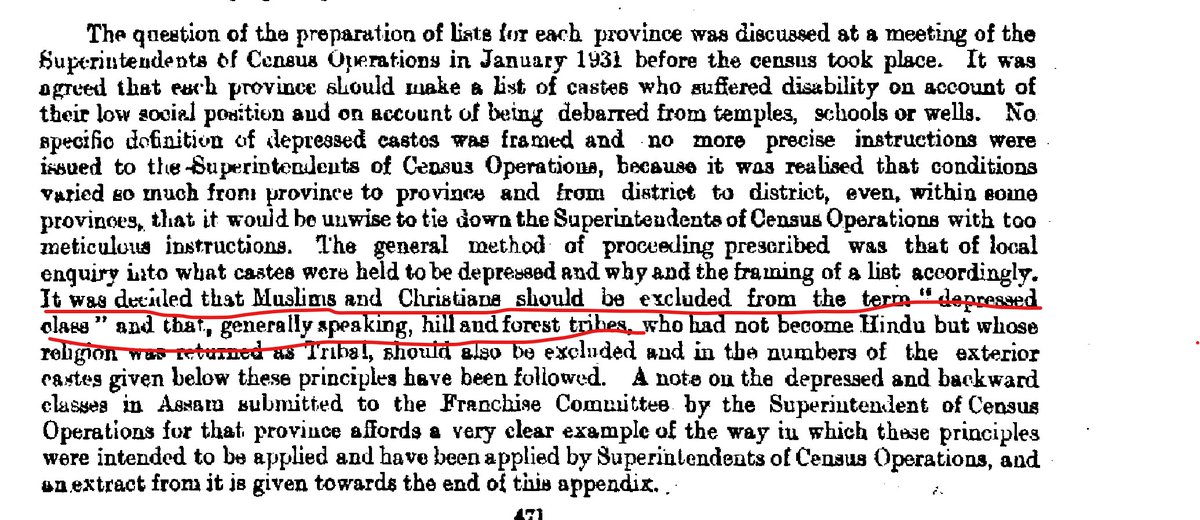
1931 census expressly kept the Muslims and Christians away from the exterior caste list
The attached graphic from page 471 of the 1931 census clearly shows that Muslims and Christians were excluded from the scheduled caste list since they were not subjugated to untouchability… https://t.co/NRcuFprLJitwitter.com/i/web/status/1…
The attached graphic from page 471 of the 1931 census clearly shows that Muslims and Christians were excluded from the scheduled caste list since they were not subjugated to untouchability… https://t.co/NRcuFprLJitwitter.com/i/web/status/1…
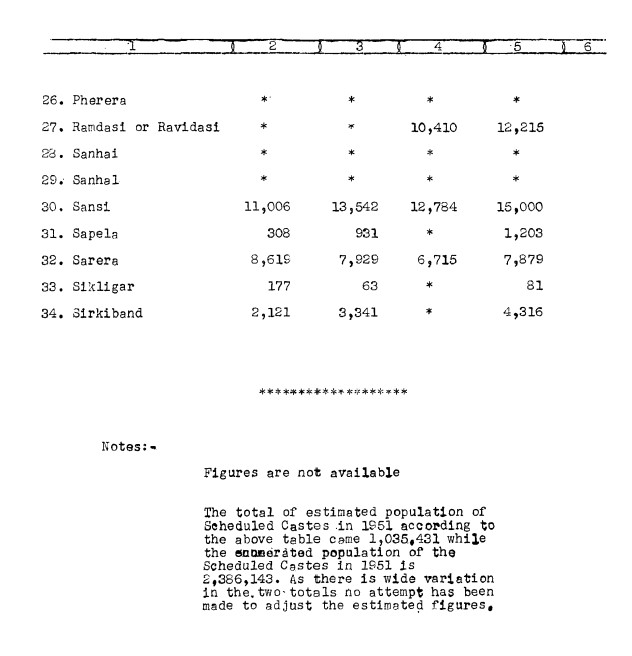
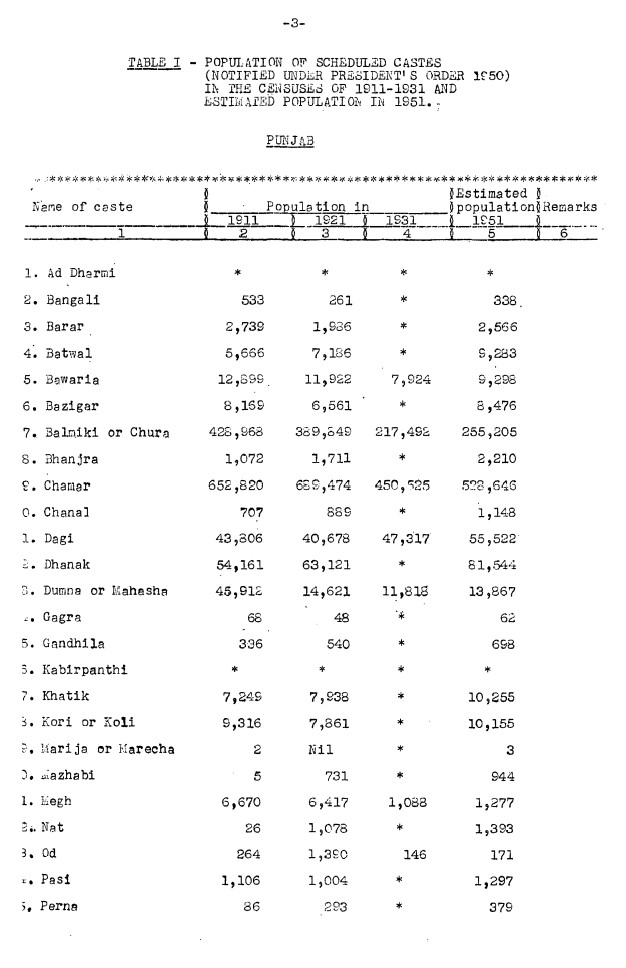
In case of Sikhs, they were included as Scheduled castes right from 1921
They were not included later on. The attached graphic from the 1951 estimate shows who were the scheduled castes, and the earlier census data also clearly proves that they were actually included because of… https://t.co/oN7T8f23TVtwitter.com/i/web/status/1…
They were not included later on. The attached graphic from the 1951 estimate shows who were the scheduled castes, and the earlier census data also clearly proves that they were actually included because of… https://t.co/oN7T8f23TVtwitter.com/i/web/status/1…
• • •
Missing some Tweet in this thread? You can try to
force a refresh