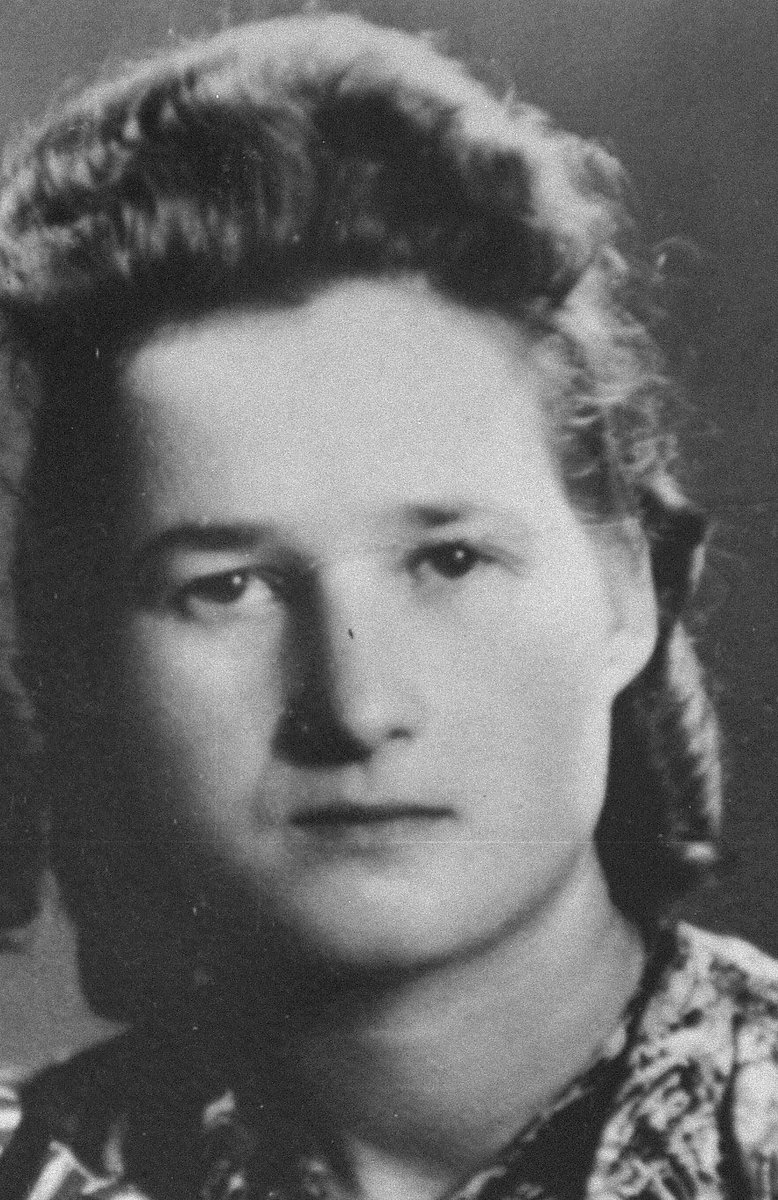
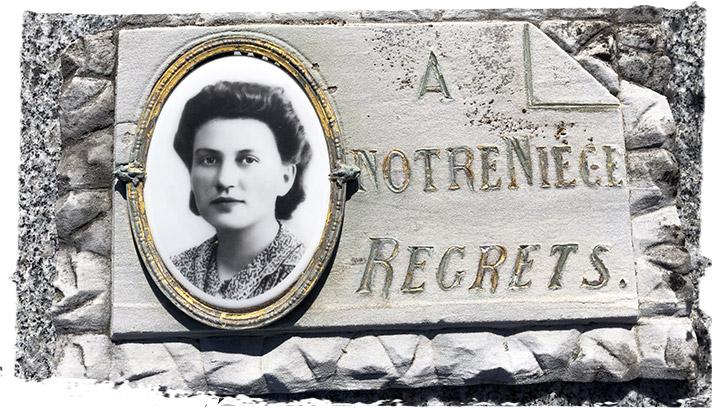
Lisette Moru
"The Smile from Auschwitz"
1/n
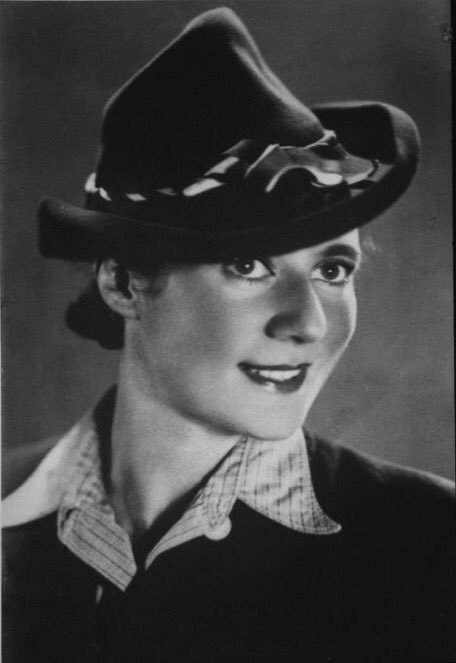
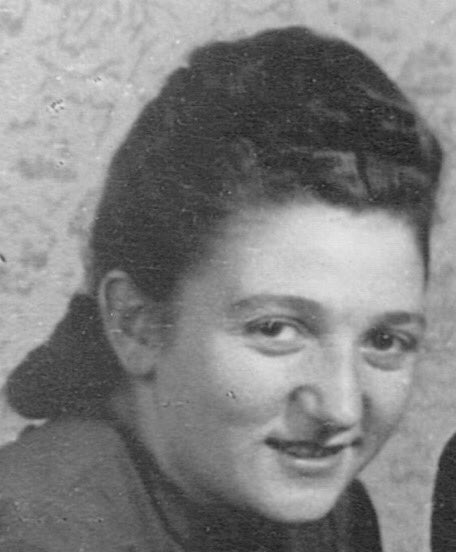
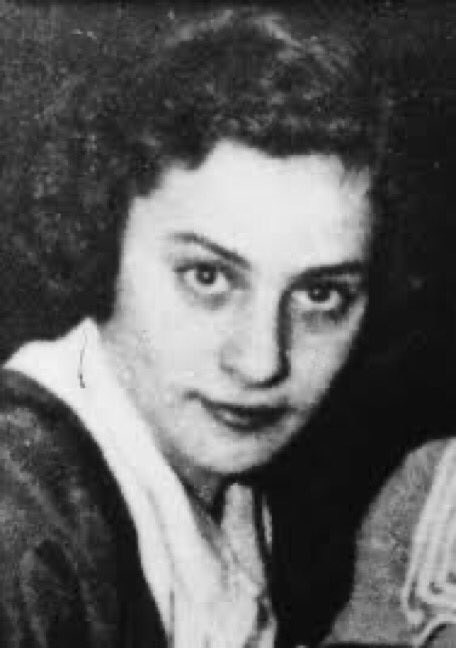
Marie-Louise Pierrette Moru, known as Lisette, was born on July 27, 1925. Her father, Joseph Moru, worked in the shipyard in nearby Lorient. Her mother, Suzanne Gahinet was a fish trader. Lisette was the eldest of three children.
"The Smile from Auschwitz"
1/n
Marie-Louise Pierrette Moru, known as Lisette, was born on July 27, 1925. Her father, Joseph Moru, worked in the shipyard in nearby Lorient. Her mother, Suzanne Gahinet was a fish trader. Lisette was the eldest of three children.

2/n A rebel at heart, Lisette couldn’t stand the Occupation. She wore a Cross of Lorraine – the symbol of Free France – under her jacket collar. She’d take any opportunity she could to thumb her nose behind a German soldier’s back – she wasn’t shy; she’d do it in full view.
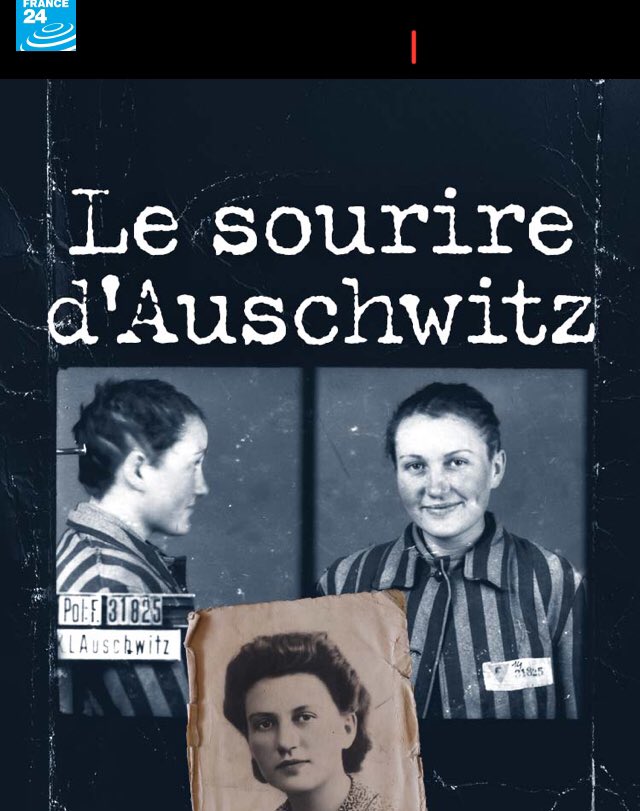
3/n With a few friends, Lisette became part of the Resistance – distributing anti-Nazi leaflets and keeping track of the occupiers’ movements. She joined the Nemrod intelligence network.
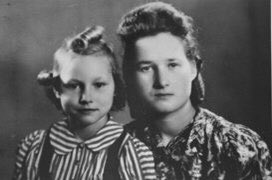
Lisette and her brother Louis (left). © Personal archives of Roselyne Le Labousse
Lisette and her brother Louis (left). © Personal archives of Roselyne Le Labousse

4/n On December 8, 1942, Lisette and her brother Louis were summoned to the local German military headquarters. She was going to prison for defaming the German army. Louis was never heard from again.
Lisette was detained at the fort of Romainville. Their purpose was to imprison
Lisette was detained at the fort of Romainville. Their purpose was to imprison
5/n “active enemies of the Reich”, arrested for actions against Nazi Germany and its army or for “threatening the maintenance of order and security”.
Lisette wasn’t at the fort for long. On January 23, 1943, a month after her arrival, she was transferred to Royallieu
Lisette wasn’t at the fort for long. On January 23, 1943, a month after her arrival, she was transferred to Royallieu
6/n along with 121 fellow inmates. There they found 100 other women who had been transferred from Romainville the previous day, as well as eight prisoners from other detention camps. The following day, the 230 women were taken to Compiègne train station in the same area, and
7/n then sent to Auschwitz-Birkenau. They were tattooed with a registration number between 31,625 and 31,854 – that is why the group later came to be known as the “31,000 convoy”. Lisette got number 31,825.
Lisette’s was the only convoy sent to Auschwitz-Birkenau from France
Lisette’s was the only convoy sent to Auschwitz-Birkenau from France
8/n comprised of female Resistance members. More than half of the deportees were communists, including some who had been at the top of the political apparatus. That’s why they were sent to Auschwitz, which had a camp for female hostages.
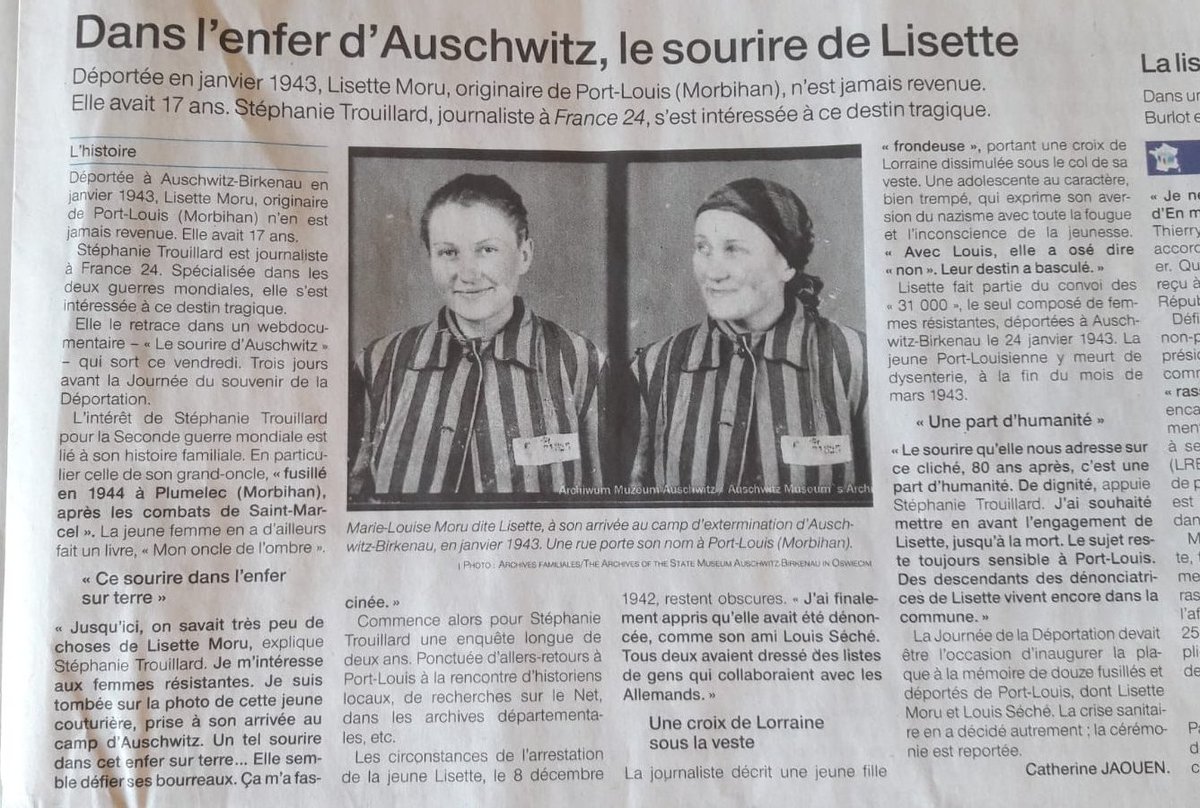
9/n What happened to Lisette during her first weeks at the Nazi camp will probably never be known. According to survivors’ testimony, she succumbed quickly. She died at the end of March 1943, aged 17, in an area of the camp they called “Revier”, where the sick were crowded
10/n together without any hygienic measures or medication.
Marcelle Mourot, a young Resistance fighter from Besançon, was by her side at Auschwitz-Birkenau during her last moments. “She was suffering from serious dysentery or diarrhea and she never got better,” she wrote in a
Marcelle Mourot, a young Resistance fighter from Besançon, was by her side at Auschwitz-Birkenau during her last moments. “She was suffering from serious dysentery or diarrhea and she never got better,” she wrote in a

11/11 letter to Lisette’s parents after the Liberation. “She was thinking a lot about you during her last moments,” the letter continued – adding that Mourot felt “enormous sorrow” over the death of Lisette, her “only comrade” during her captivity.
• • •
Missing some Tweet in this thread? You can try to
force a refresh