Read on Twitter
To celebrate my recent growth and hitting my initial goal of 100 followers, here is my thread on the 100 Years War!
One of Medieval Europe's most significant and integral conflicts: 🧵
One of Medieval Europe's most significant and integral conflicts: 🧵
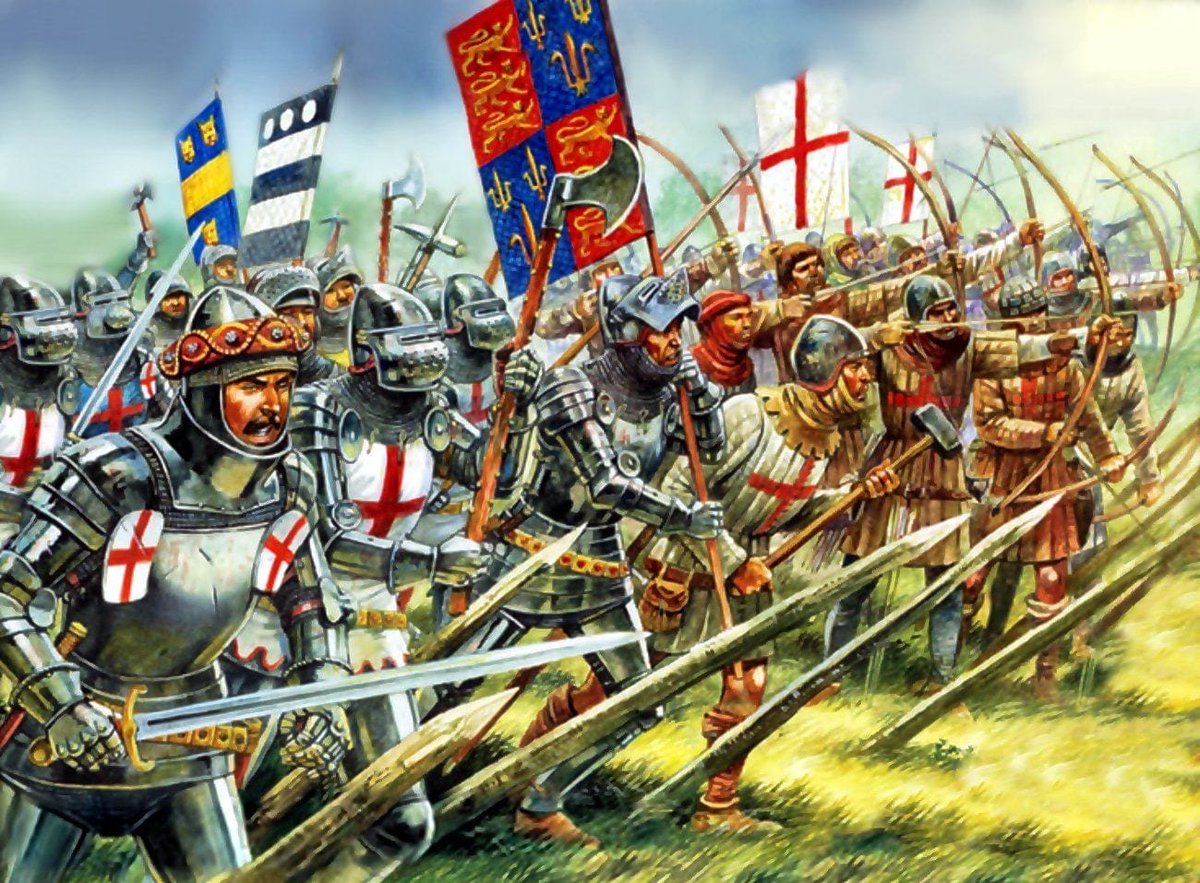
The Hundred Years' War (1337-1453) was a series of intermittent conflicts between the Kingdom of England and the Kingdom of France. The roots of this conflict can be traced back to the early 14th century, amidst political, dynastic, and territorial tensions.

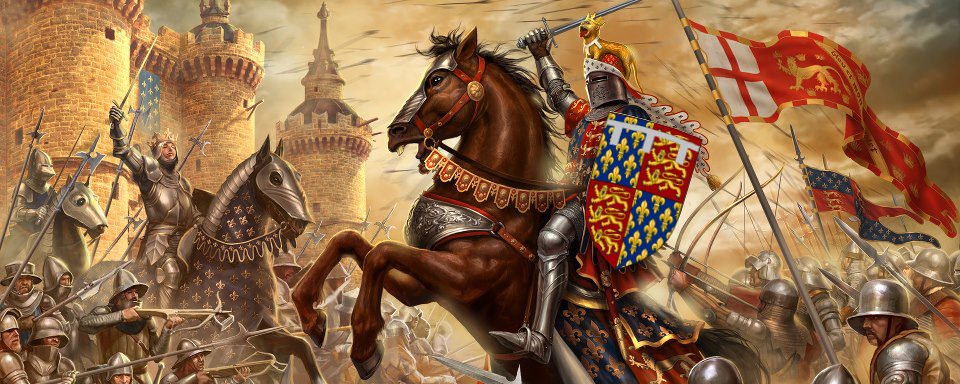
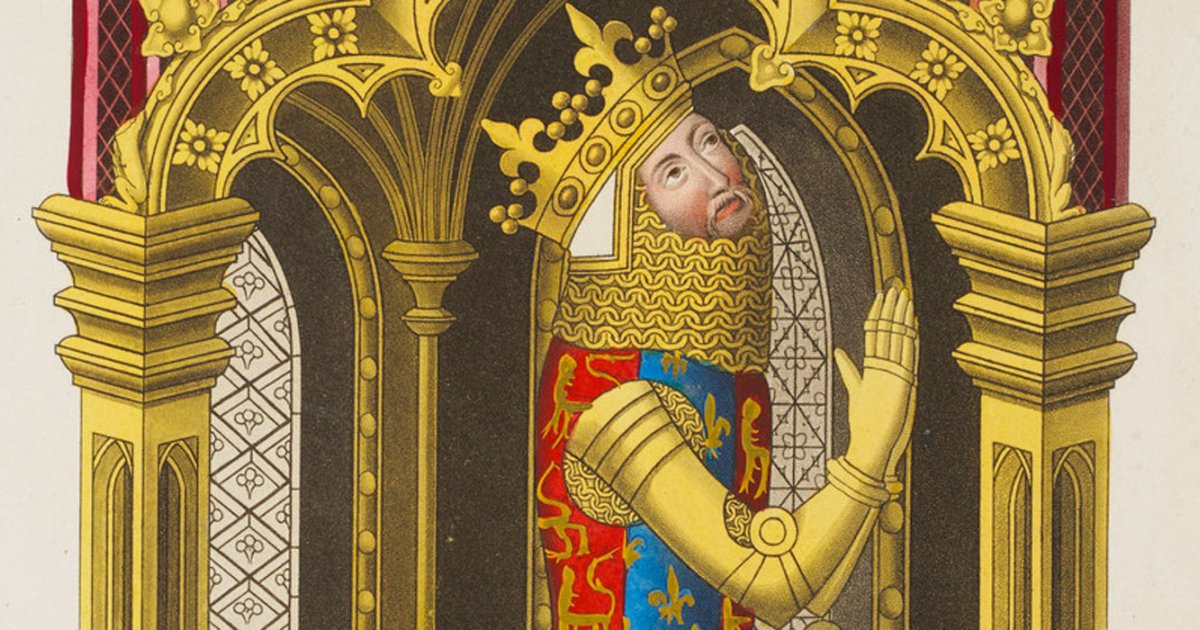
The war began when Edward III of England laid claim to the French crown, igniting a dispute over the legitimacy of his rights. Edward, a direct descendant of the French kings, believed he had a stronger claim than his cousin, King Philip VI.
The initial clashes were marked by English successes. Let's start with the Battle of Crécy.
The Battle of Crécy was a significant clash that took place on August 26, 1346, during the early stages of the Hundred Years' War. It occurred near the village of Crécy-en-Ponthieu.
The Battle of Crécy was a significant clash that took place on August 26, 1346, during the early stages of the Hundred Years' War. It occurred near the village of Crécy-en-Ponthieu.
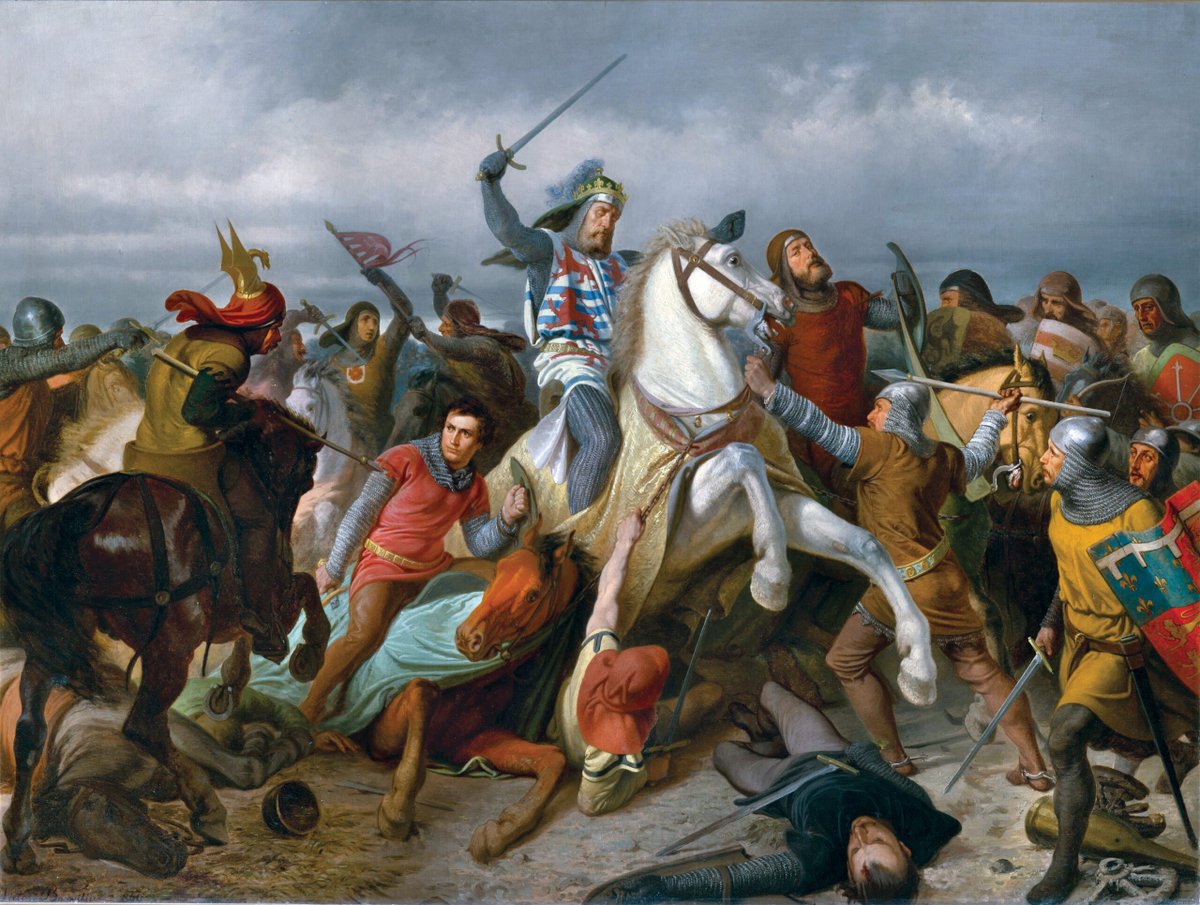
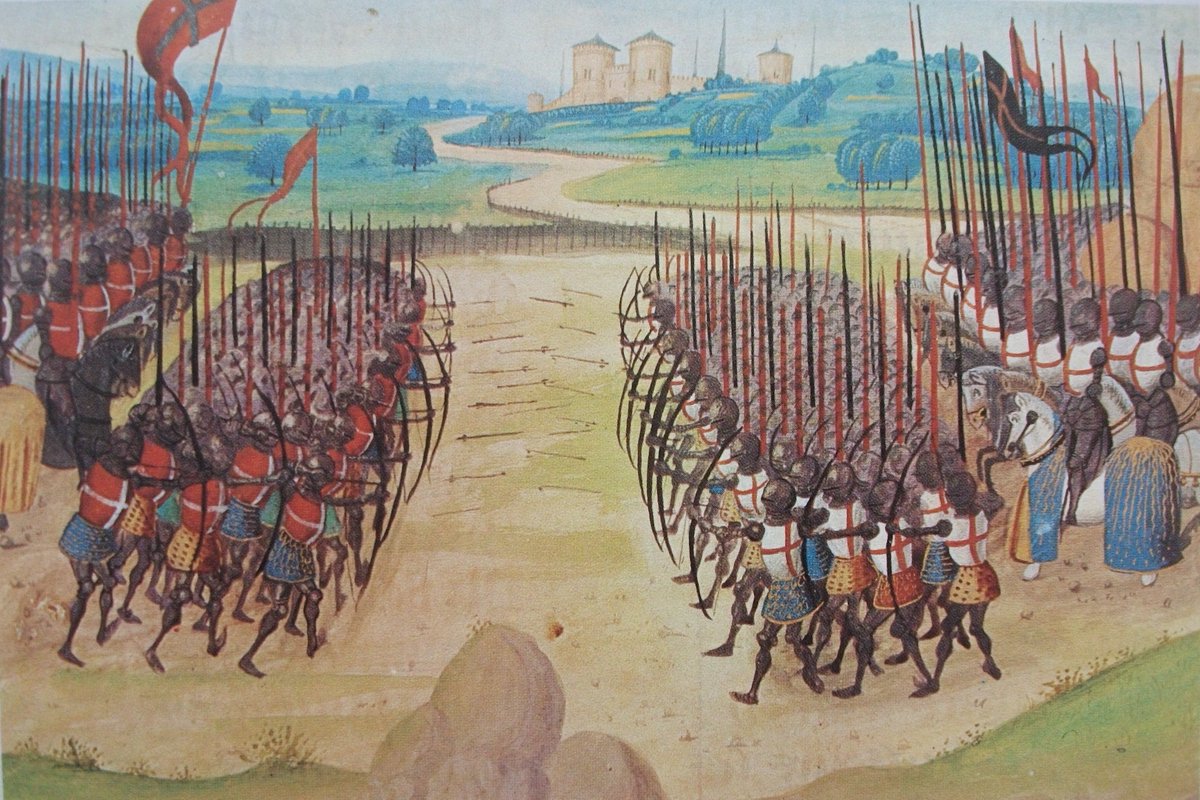
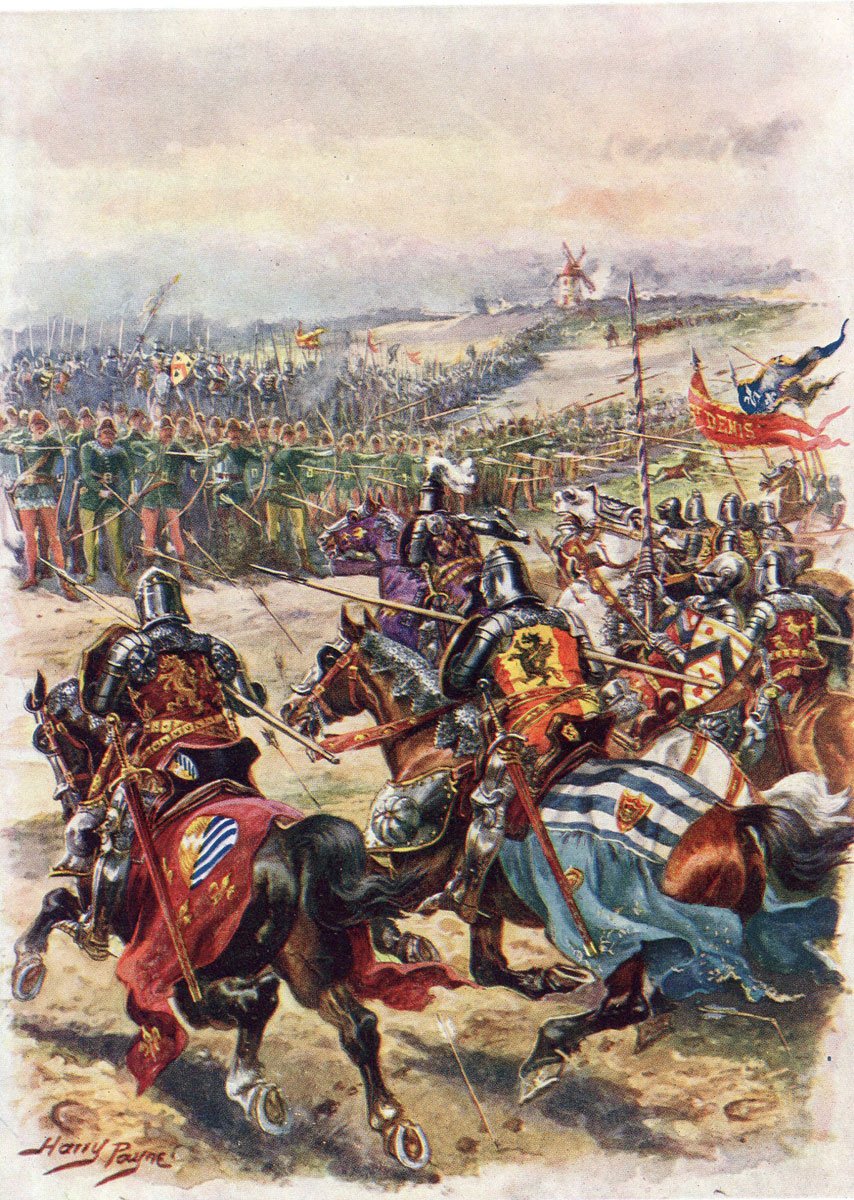
The English, heavily outnumbered by the French, adopted a defensive position on high ground, utilizing the advantage of terrain. They positioned their longbowmen, equipped with the powerful English longbow, in front of their dismounted knights. (cont)
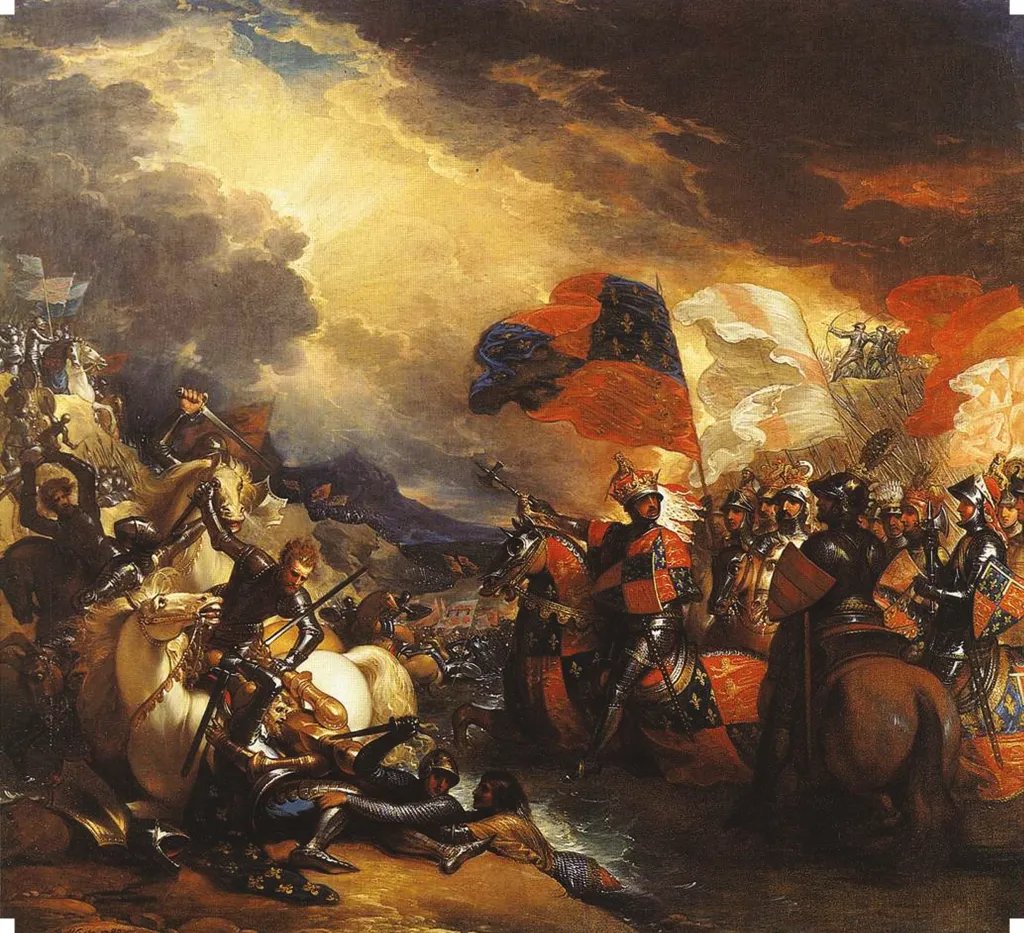
The French launched several cavalry charges against the English position but faced difficulties due to the muddy ground and the devastating hail of arrows from the English archers. The longbowmen proved to be highly effective against the French cavalry causing significant losses
Despite the valiant efforts of the French, their disorganized attacks failed to break the English defensive formation. King Philip VI's attempts to rally his troops and regain control of the battle were hindered by the challenging terrain and the disciplined English forces.
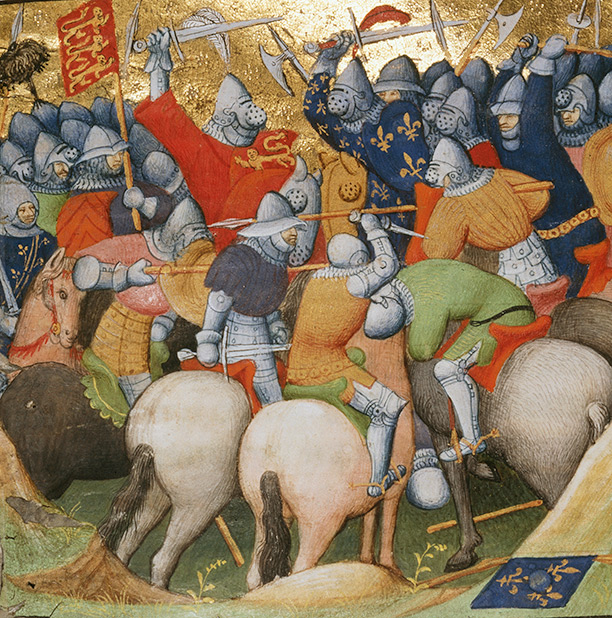
The Battle of Crécy resulted in a decisive English victory. The French suffered heavy losses, including several prominent nobles. The battle demonstrated the effectiveness of the English longbowmen and their ability to withstand charges by heavily armored knights.
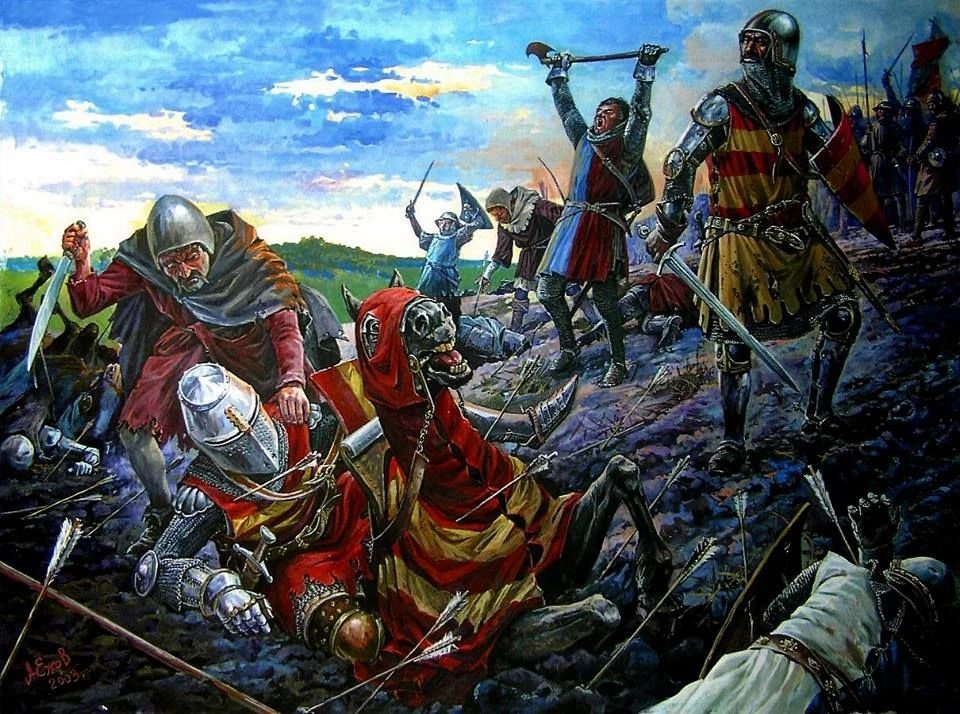
The Battle of Crécy marked a turning point in medieval warfare. It showcased the power of long-range archery and the vulnerability of traditional cavalry charges. This battle highlighted the effectiveness of disciplined and well-trained infantry, mainly the English longbowmen.
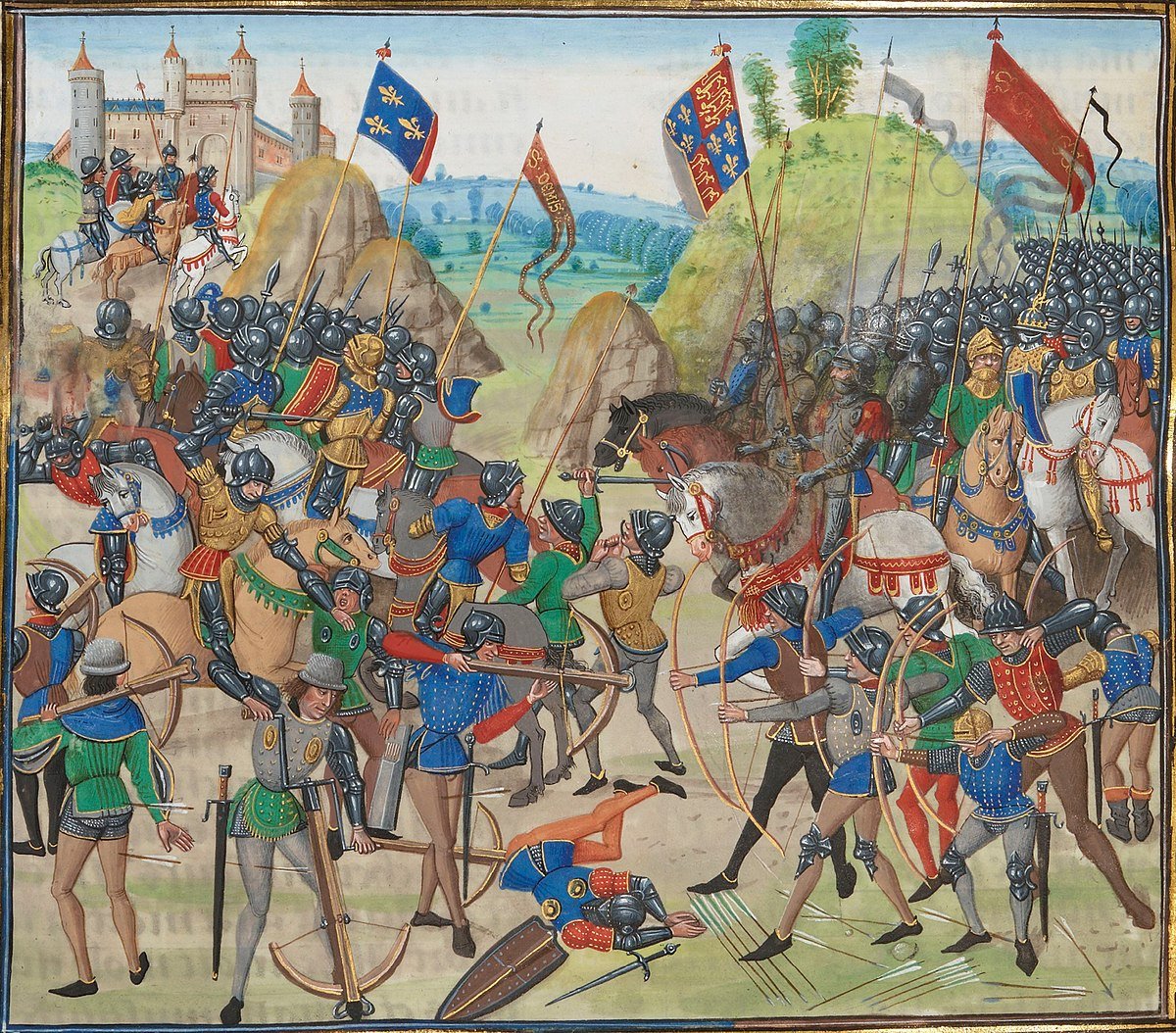
Now it is time for Poitiers.
The Battle of Poitiers, also known as the Battle of Maupertuis, occurred on September 19, 1356, during the later stages of the Hundred Years' War. It took place near the city of Poitiers in central-western France.
The Battle of Poitiers, also known as the Battle of Maupertuis, occurred on September 19, 1356, during the later stages of the Hundred Years' War. It took place near the city of Poitiers in central-western France.
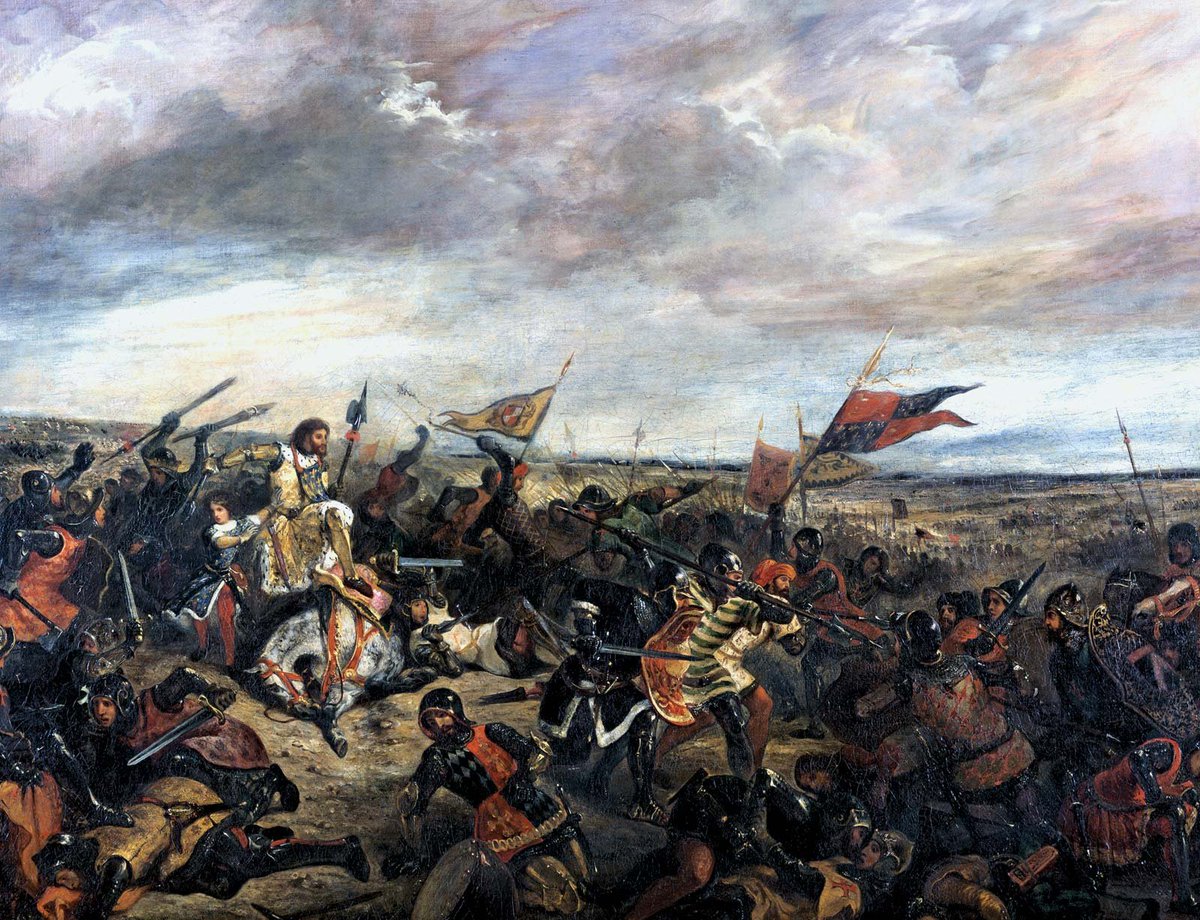
The forces of England were led by Edward, Prince of Wales. Who would become more famously known as Edward, the Black Prince.
King John II commanded the forces of the French.
King John II commanded the forces of the French.
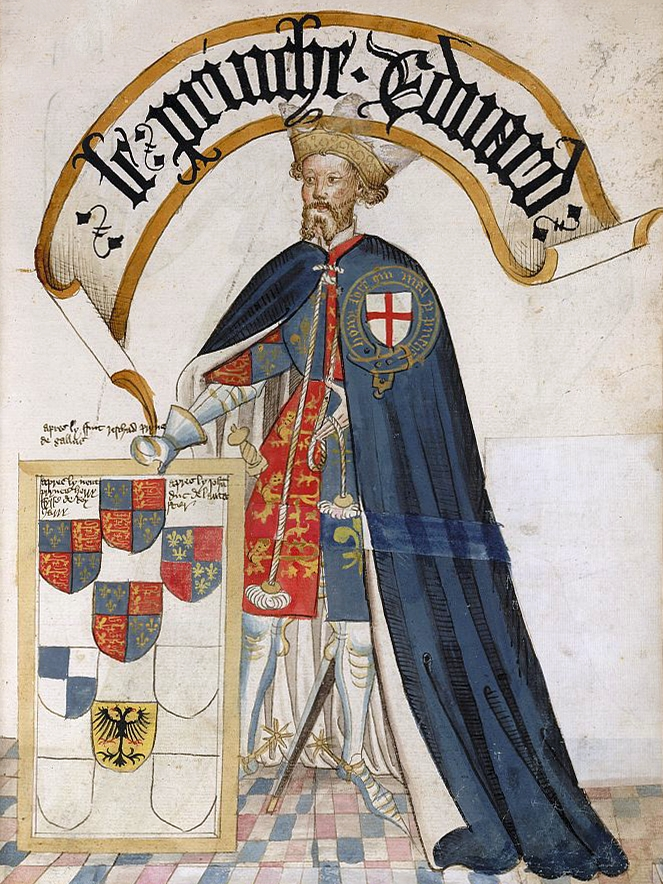
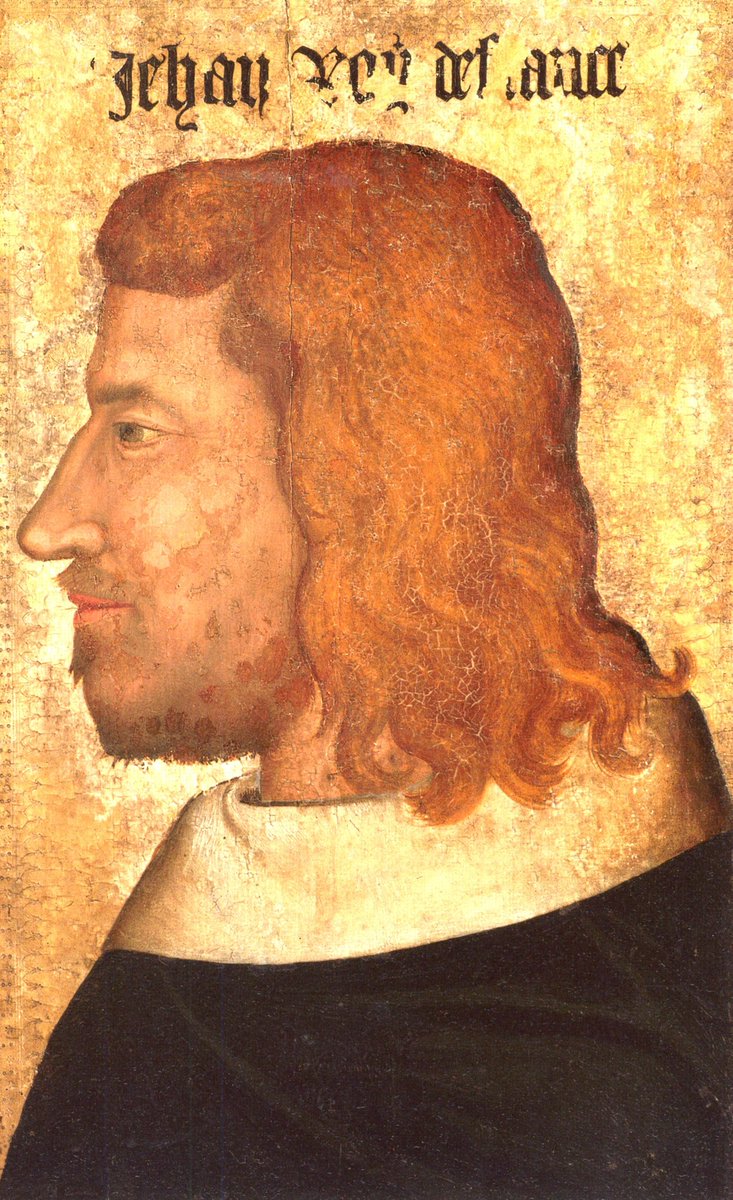
The battle began with a skirmish between the English and French vanguard forces. The French sought to engage in open battle, hoping to avenge their previous defeat at the Battle of Crécy.
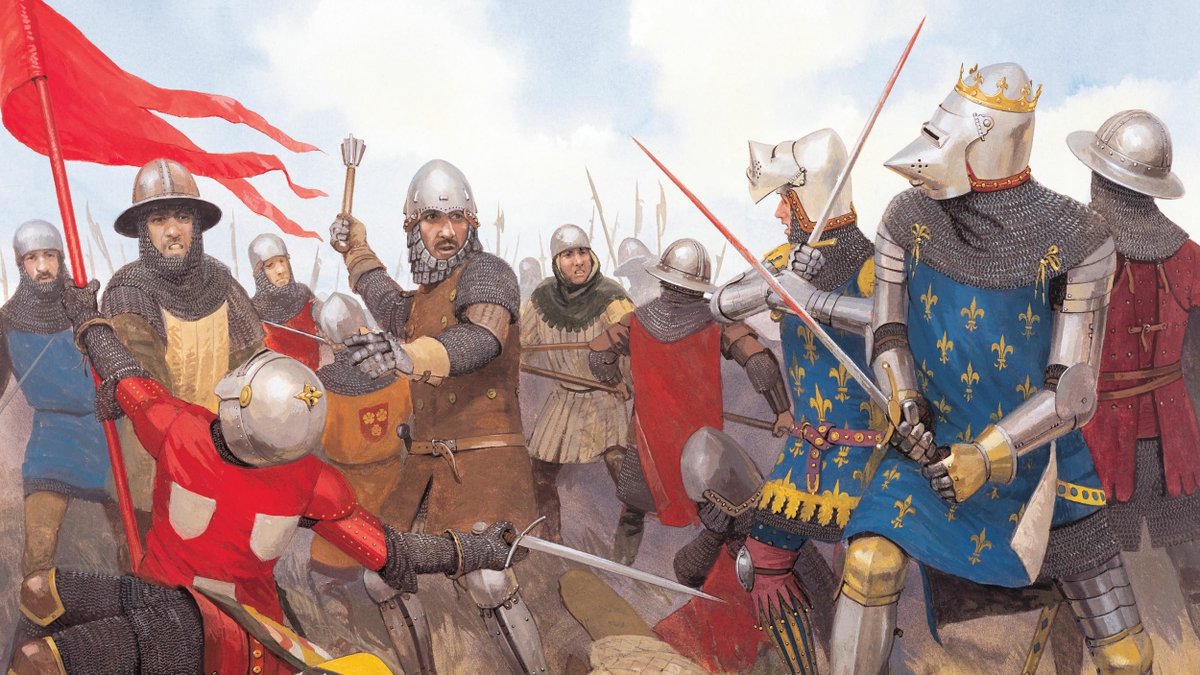
The English, positioned on higher ground, formed defensive lines with their longbowmen placed in strategic positions. As the French advanced, they faced a barrage of arrows that caused significant casualties and disrupted their ranks.
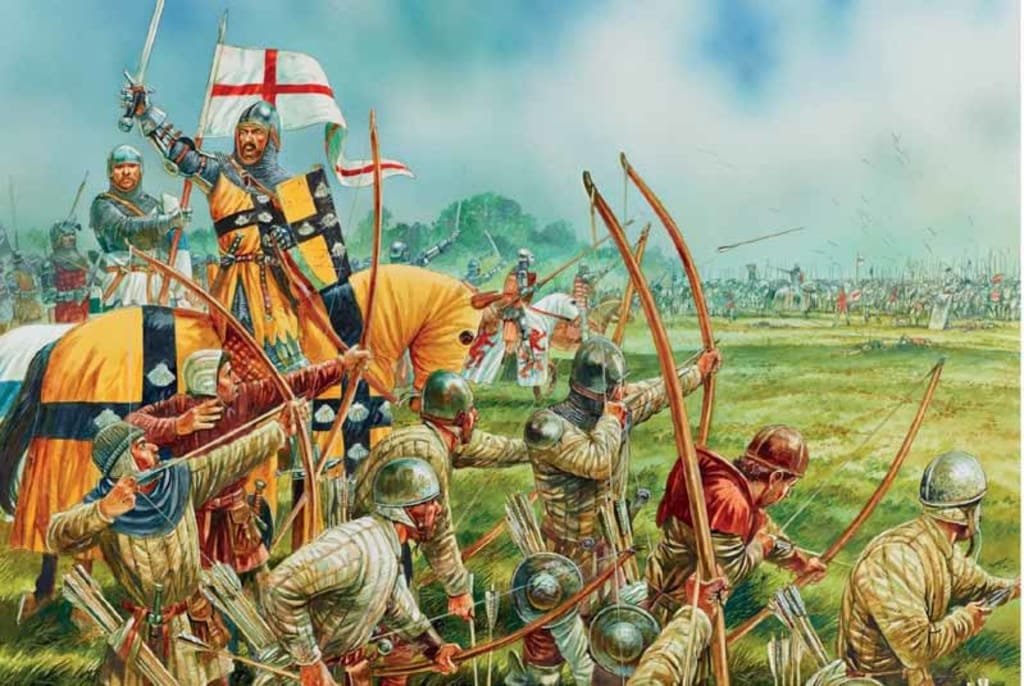
To break the English position, the French knights launched a series of charges against the English lines. Despite their valor, the French encountered difficulties due to the terrain, the resilience of the English defenses, and the counterattacks by English men-at-arms.
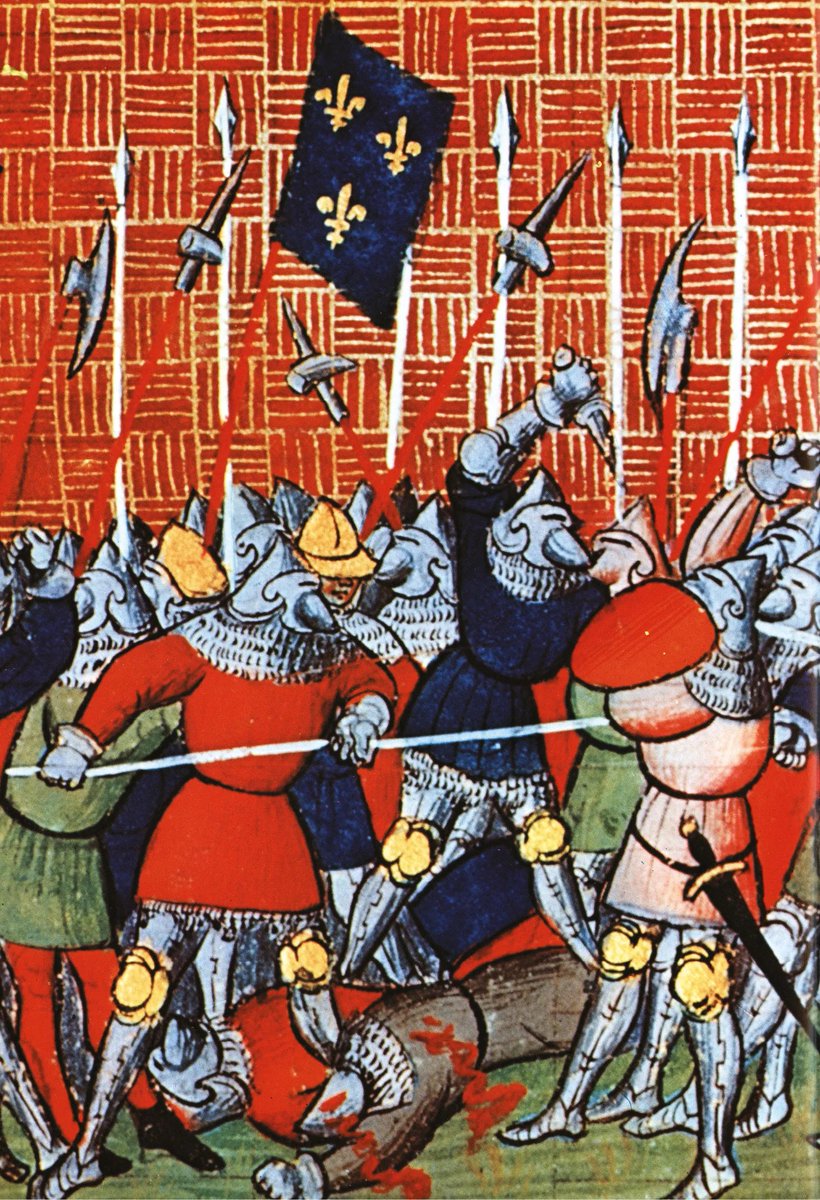
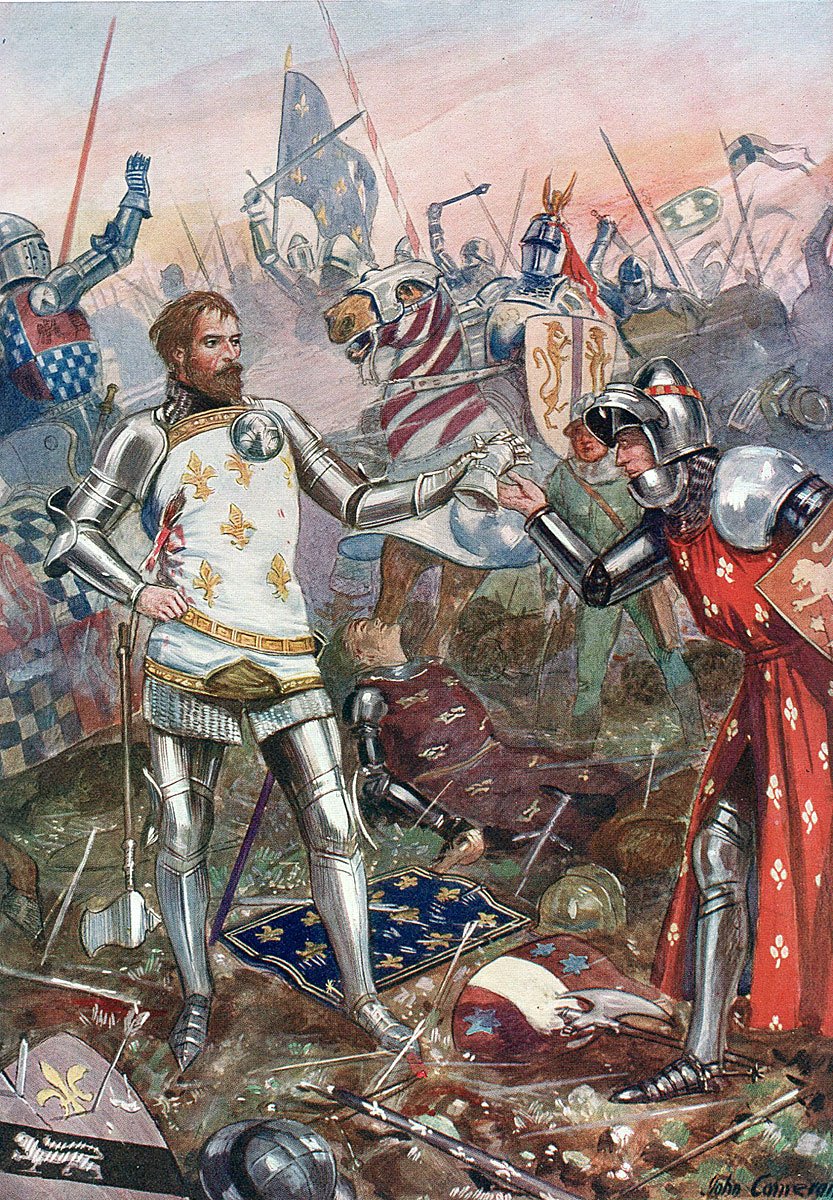
Prince Edward, commanding the English forces, led a decisive cavalry charge that flanked and enveloped the French, capturing King John II and many of his nobles. The French army suffered a significant defeat, with the capture of the king representing a severe blow to their morale
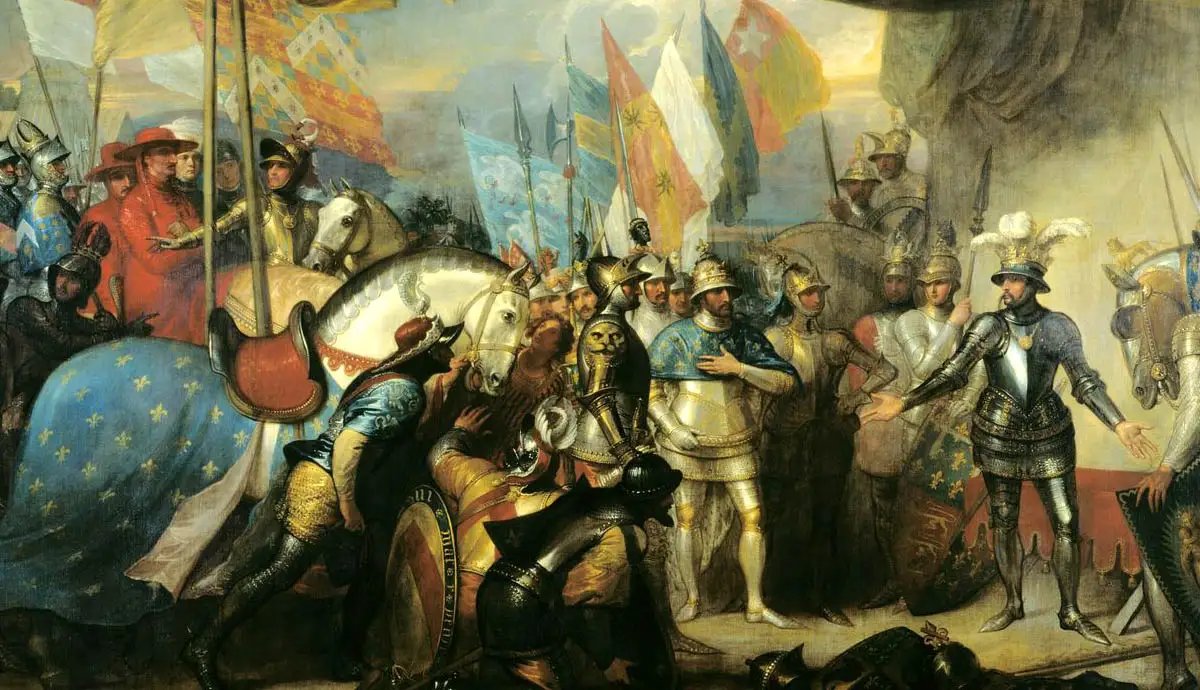
The Battle of Poitiers resulted in a resounding English victory. King John II of France was taken captive and held in England until a substantial ransom was paid. The French losses were substantial, while the English casualties were relatively limited.
As the war progressed, a defining figure emerged on the French side: Joan of Arc. A peasant girl turned military leader, she inspired French troops and played a crucial role in lifting the English siege of Orléans in 1429.

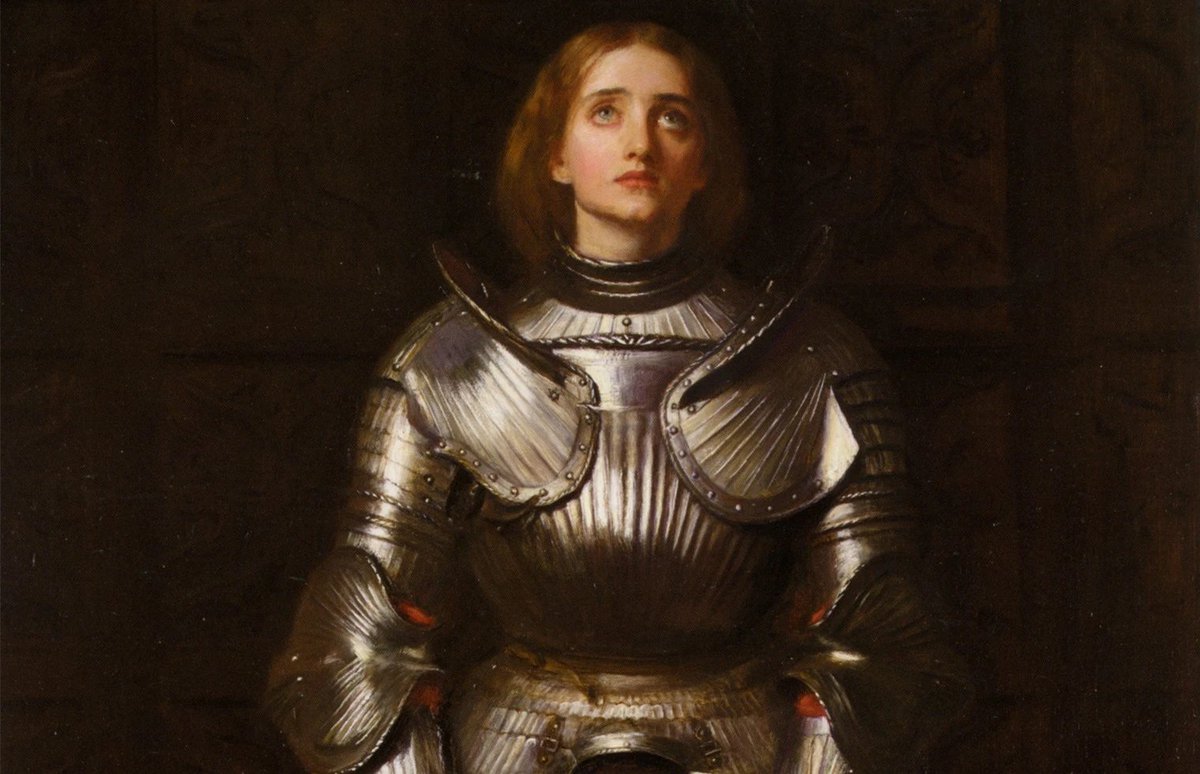
Joan of Arc, also known as the Maid of Orléans, was a peasant girl from Domrémy, France, who claimed to have received divine visions instructing her to support Charles VII, the Dauphin (heir to the French throne).

Inspired by her visions and motivated by a deep desire to see Charles VII crowned as the rightful king, Joan convinced the French authorities to allow her to accompany the Dauphin's forces.
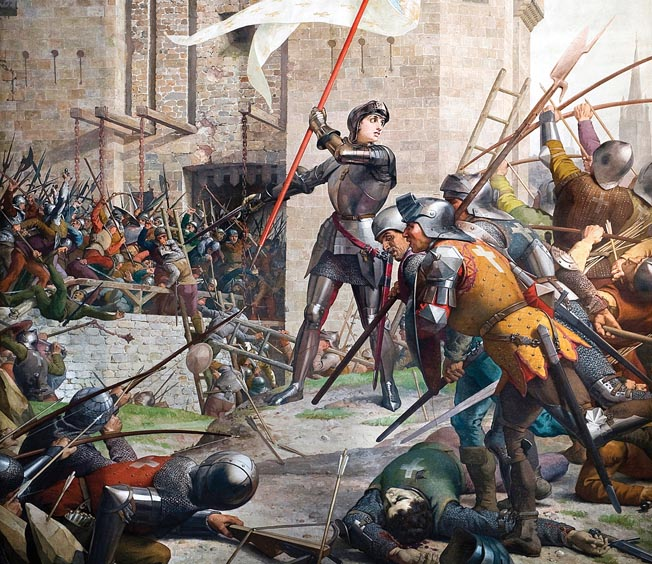
The Siege of Orléans, which took place from October 1428 to May 1429, was a critical turning point in the Hundred Years' War. Orléans, a city located on the Loire River, was besieged by English forces, who sought to capture it to gain a strategic advantage in the ongoing conflict
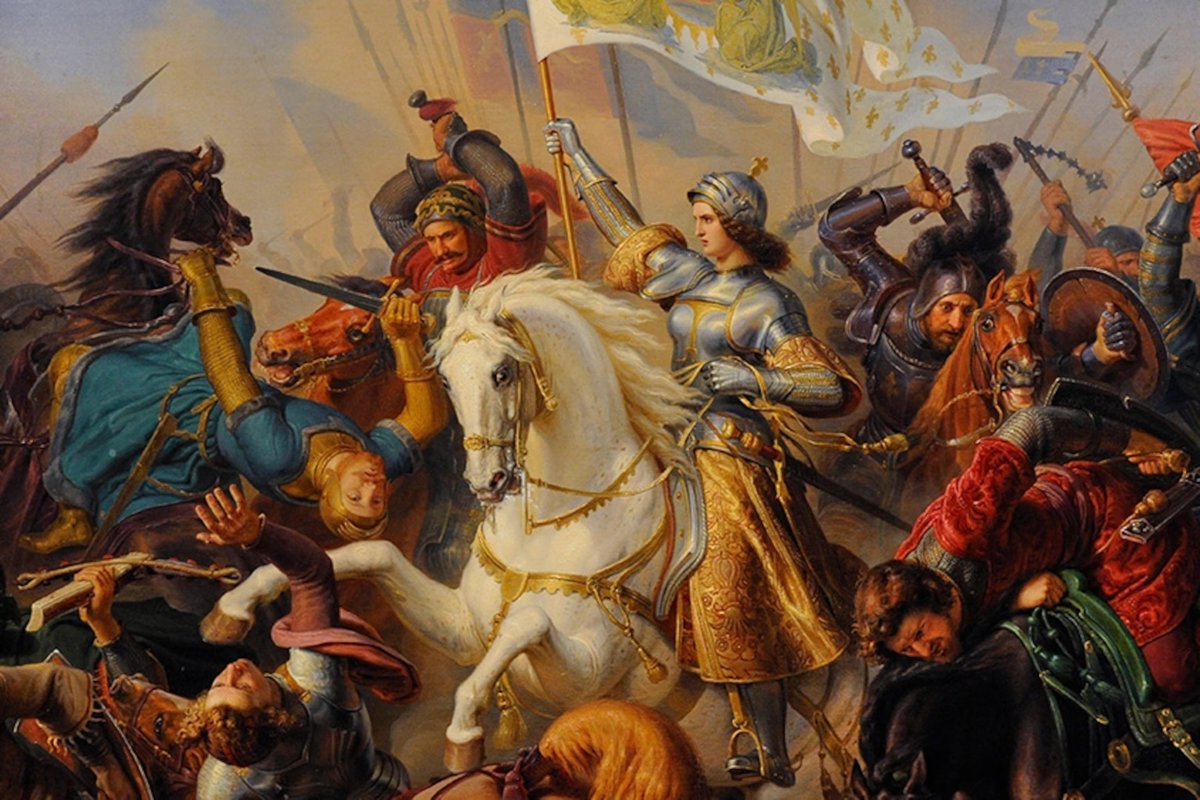
Joan of Arc played a pivotal role in the defense of Orléans. She arrived at the city, clad in armor, and motivated the French troops with her presence and fervor. Her leadership and conviction inspired the soldiers and bolstered their morale.

Under Joan's guidance, the French forces executed daring attacks on the English positions, countering their siege tactics. She led several successful assaults, demonstrating strategic acumen and tactical prowess.
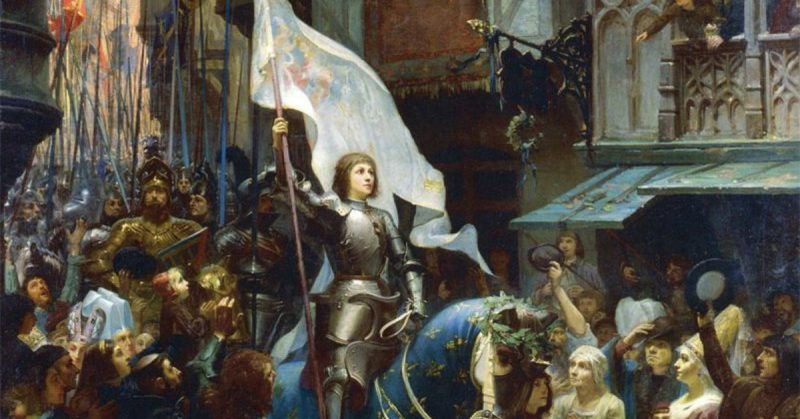
During the siege, Joan of Arc was wounded but remained resolute. Her unwavering determination and military successes earned her the trust and admiration of the French troops and leaders.
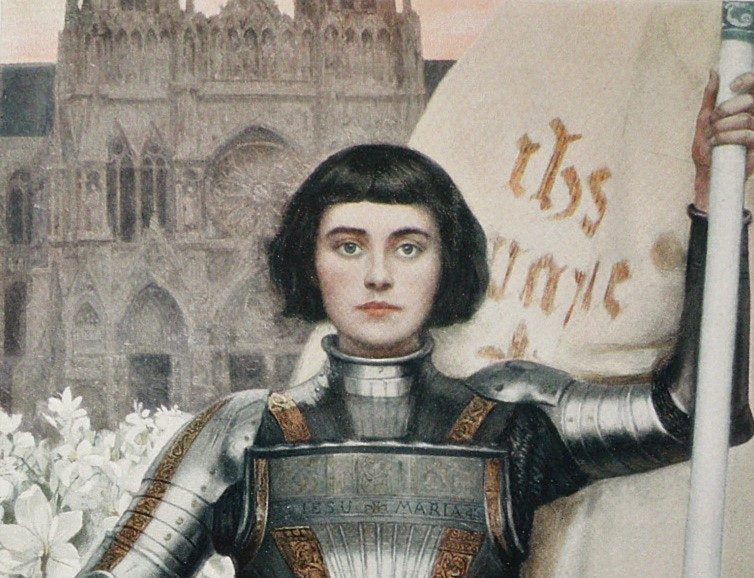
Ultimately, the siege ended in victory for the French. The English forces lifted the siege in May 1429, abandoning their attempt to capture Orléans. The successful defense of the city boosted French morale and marked a significant turning point in the war.
The Hundred Years War witnessed the increasing use of gunpowder weapons, transforming warfare tactics. Cannons, muskets, and bombards played a role in sieges and battles, eventually rendering traditional castles less impregnable.
Part 2 coming soon!
Part 2 coming soon!

• • •
Missing some Tweet in this thread? You can try to
force a refresh