When We Get Back Home was a humorous Japanese occupation-era comic series depicting what American soldiers would do when they returned from their time in Japan.
The series is an excellent glimpse into how Americans viewed Japan.
Here's a thread of some of my favorite panels. https://t.co/haElba6prxtwitter.com/i/web/status/1…

The series is an excellent glimpse into how Americans viewed Japan.
Here's a thread of some of my favorite panels. https://t.co/haElba6prxtwitter.com/i/web/status/1…
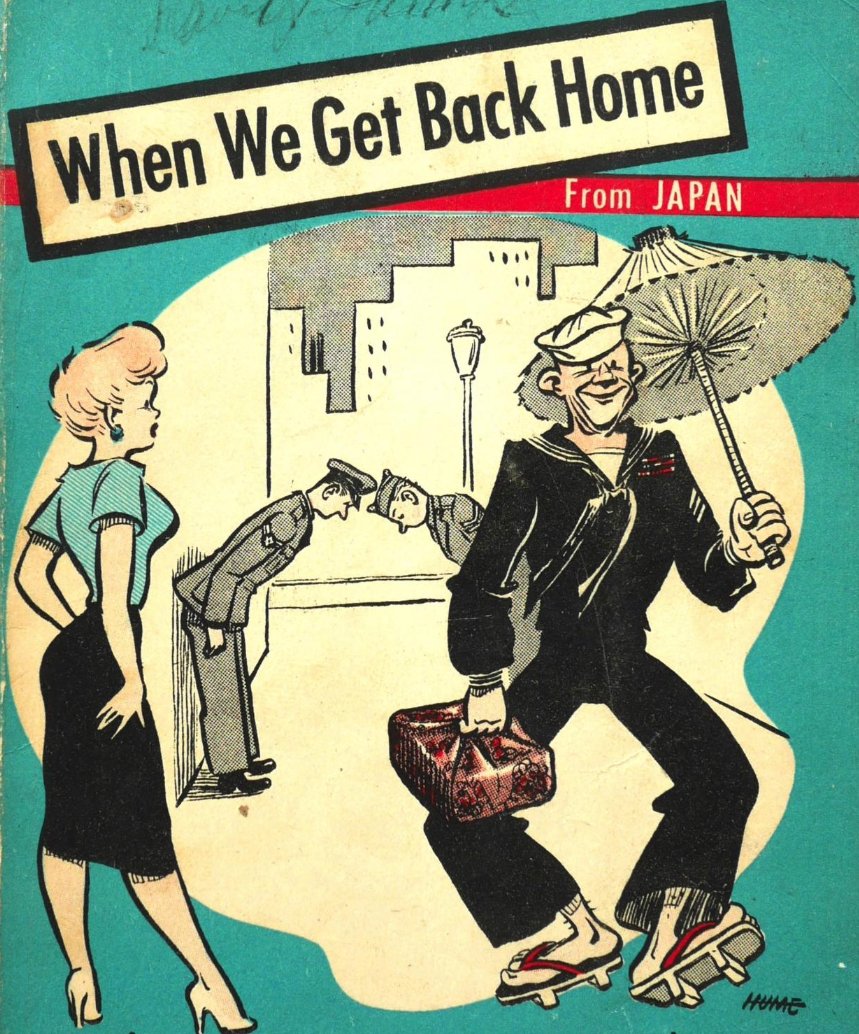
You have to start with the intro: the GI comes home and he speaks sayonara, wears geta on his feet, and carries a wagasa to avoid the sun and rain.
The author, Bill Hume, described this as "He has become definitely and deliriously Asiatic."
The author, Bill Hume, described this as "He has become definitely and deliriously Asiatic."

The wives just don't get it.

When asked a negative question, a Japanese "yes" is an American "no" and vice-versa.
Q: Have you gone yet?
Japanese answer: Yes, I haven't.
Q: Have you gone yet?
Japanese answer: Yes, I haven't.

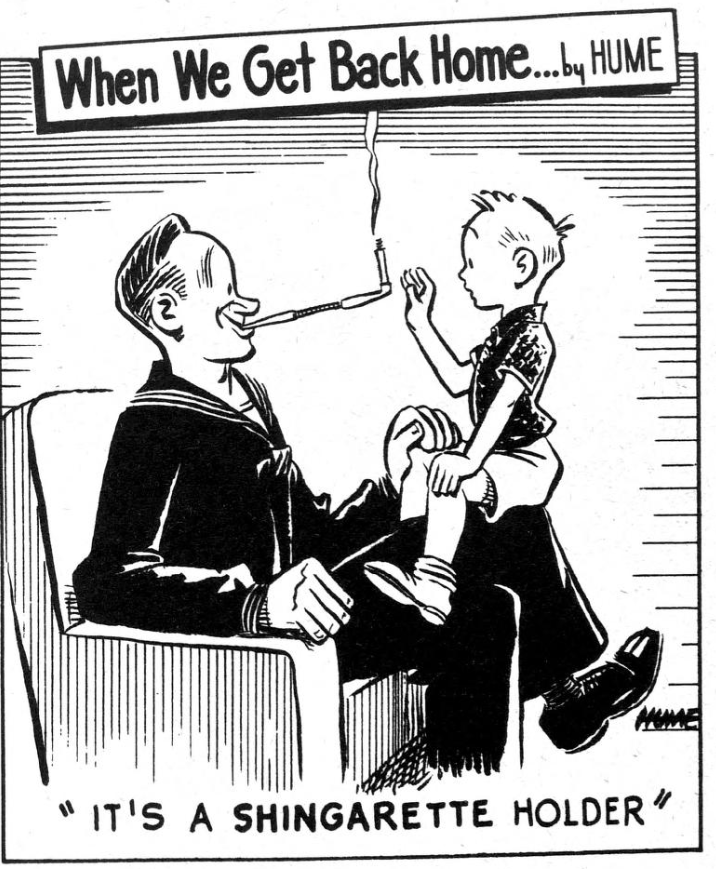
The Japanese cigarette is a shingarette, and tabacco refers to any type of smokes
The boy in this picture probably lit it, because the soldiers got used to a boy-san or girl-san always being available to light their smokes when they were in Japan
The customer service isn't new!
The boy in this picture probably lit it, because the soldiers got used to a boy-san or girl-san always being available to light their smokes when they were in Japan
The customer service isn't new!
This soldier got used to being brought a wet towel to wipe his brow and clean his hands when he entered a restaurant.
Another thing: even in this time period, the Japanese didn't care for tips and they employed people to do very simple tasks, like always filling up water glasses
Another thing: even in this time period, the Japanese didn't care for tips and they employed people to do very simple tasks, like always filling up water glasses

To the newly-Japanese GI, things aren't "okay", they're "dai-jobu"!

There was a time when taking your shoes off to enter the home was foreign to Americans. The practice came from the Japanese!

The GI likes the sane and simple Japanese room, so he's bringing it home - take a seat, everyone!

This is when America learned about the futon!

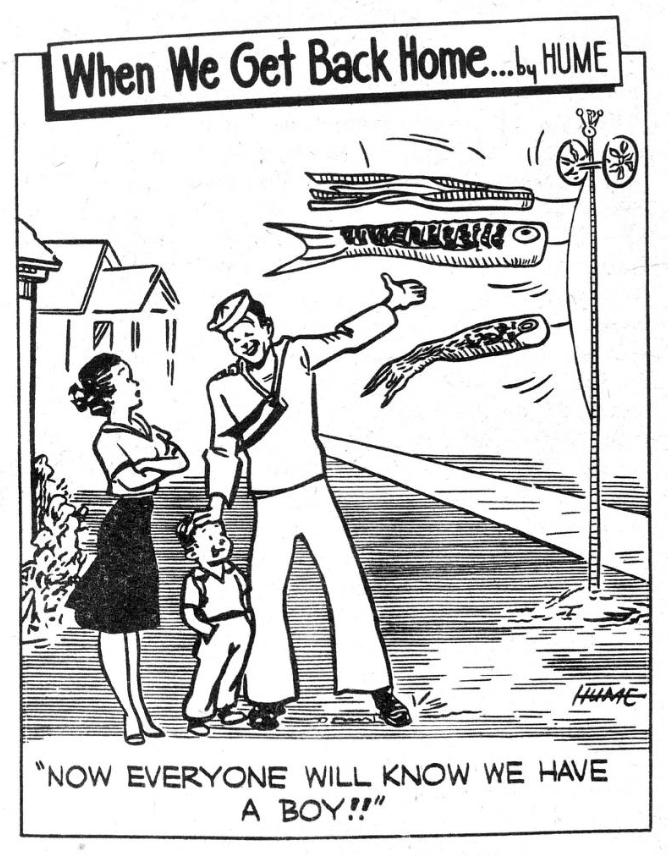
Around the fifth of May, it's time for the Boys' Festival, so up go the carp
Japanese festivals are a wonderful thing. It seems they have one for just about everybody
Later in the year, there's the Doll Festival for girls; those GIs better get to acquiring some ceremonial dolls
Japanese festivals are a wonderful thing. It seems they have one for just about everybody
Later in the year, there's the Doll Festival for girls; those GIs better get to acquiring some ceremonial dolls
That noren looks a little shabby, doesn't it?

Everyone's letters are a constant reminder from the States: the people want silk!
Lucky for him, it's not all that expensive over in Nippon.
Lucky for him, it's not all that expensive over in Nippon.

Many GIs learned the correct, Japanese, way to bathe.

You're going to be squatting with these new toilets.
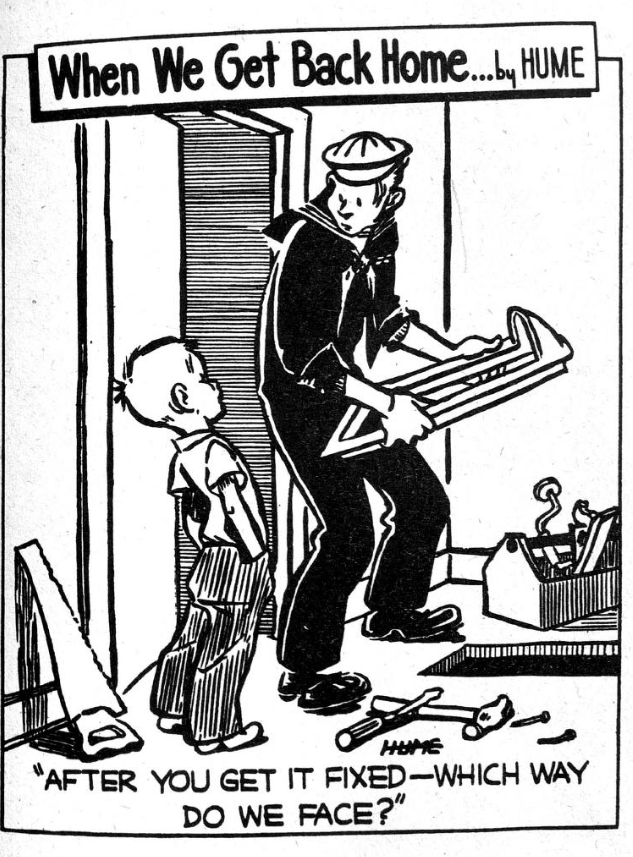
No more paper routes - you're a taxi service now.
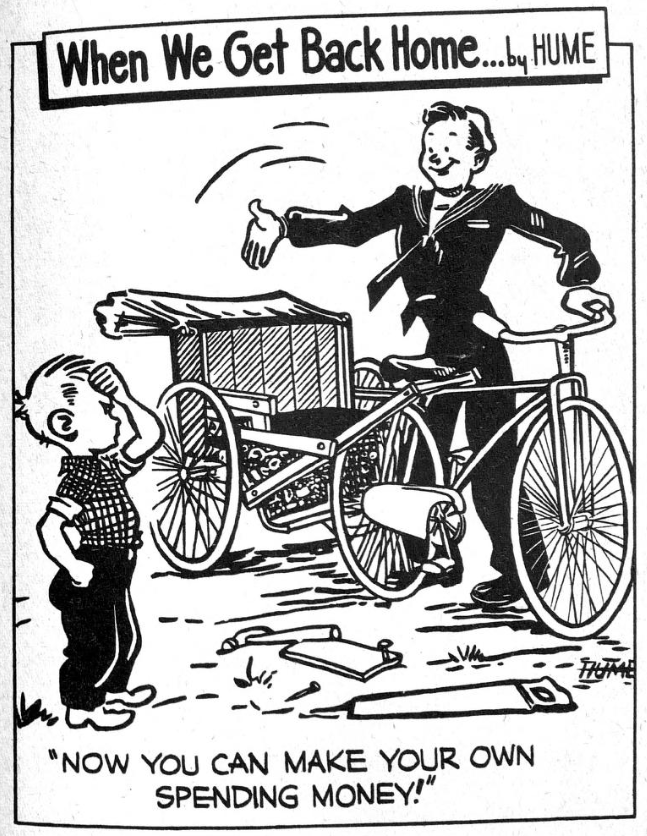
The piggy-back ride is a treat for American youngsters, but for Japanese kids, it's an everyday occurrence.

It's true, these wood shoes beat clogs any day.
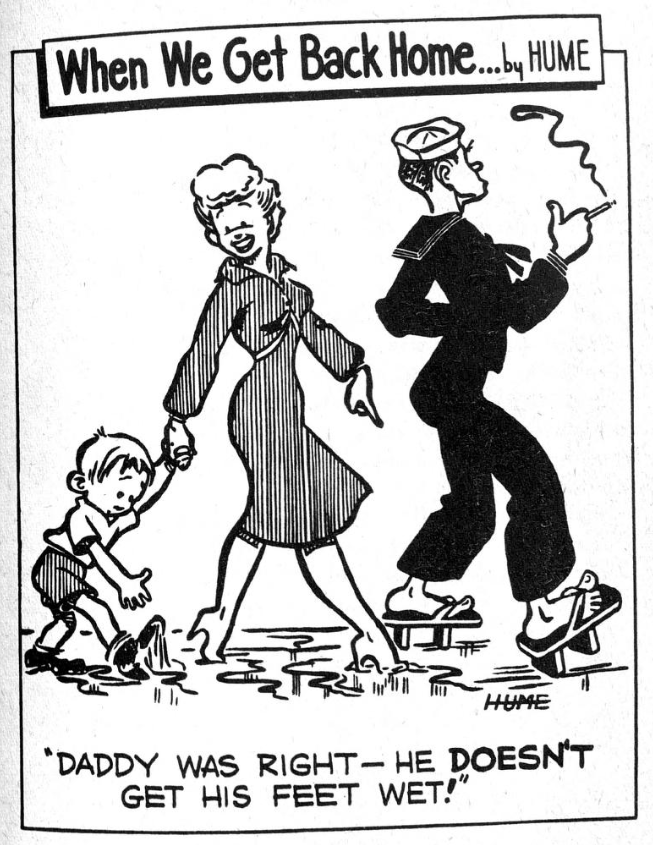
This is when Americans learned about the "kodomo", or bowl cut.

School uniforms? If I have to....

Many a short GI lamented his return.

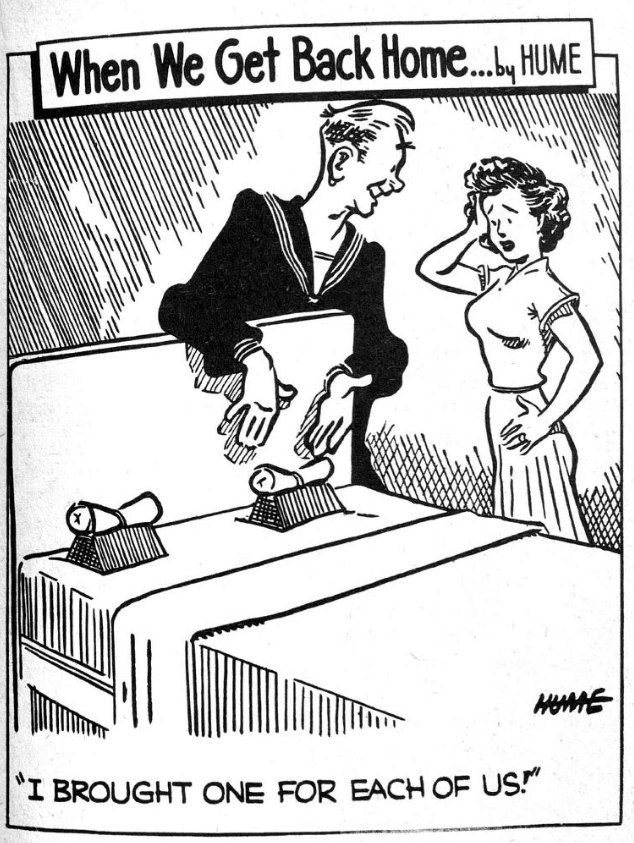
Japanese women, and geishas especially, had a funny type of pillow, designed ingenuously so they didn't have to take their hair out of its flamboyant coiffure.
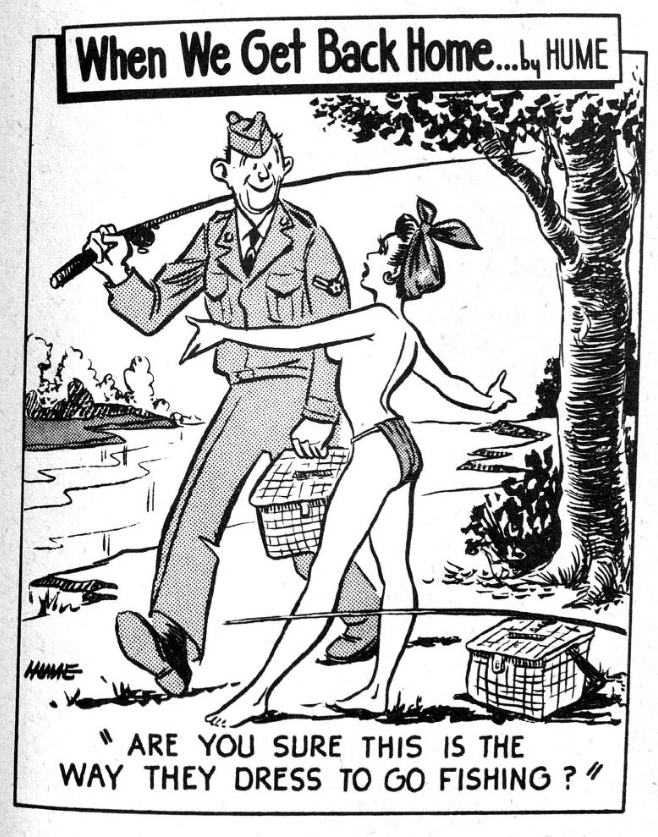
When it's time to fish, propriety gives way to practicality.
Sushi? What's that?

It's tea time all the time!

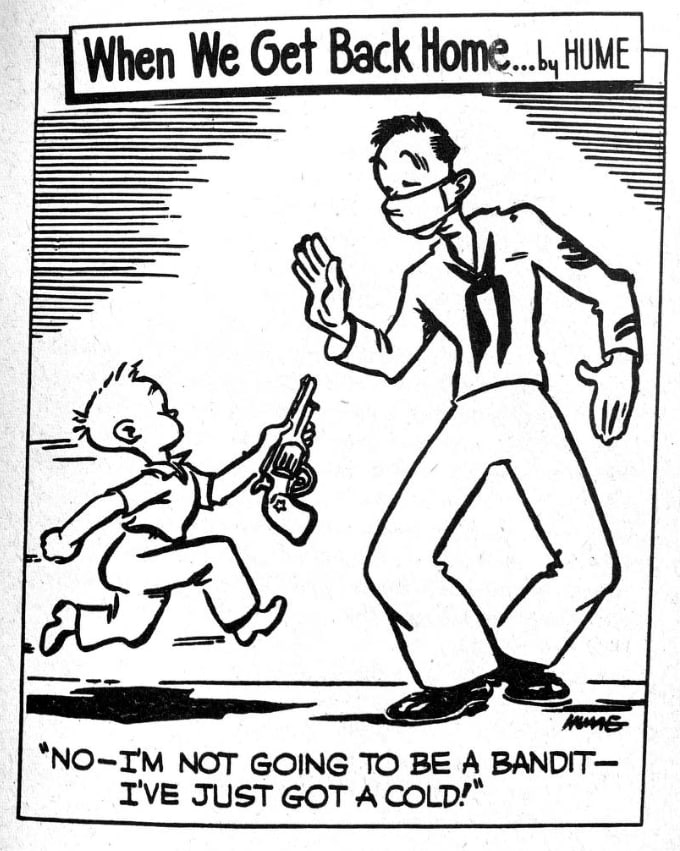
Masking is nothing new to the Japanese.
The Japanese habit of train mobbing was a thing then too.

Some GIs seem to appreciate the curious cockney of Japanese signage.

When calculation is required, it's time to reach for your soroban.

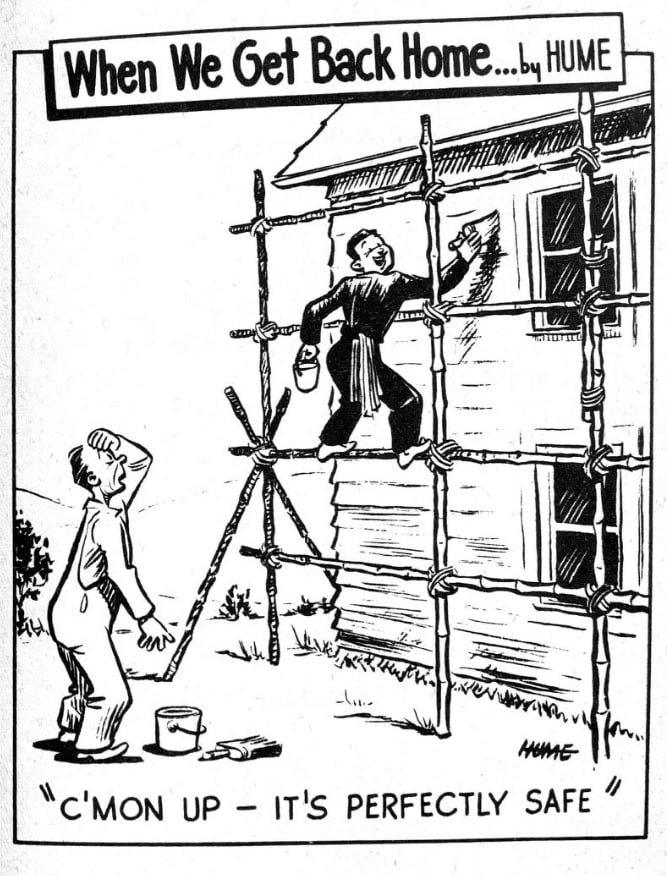
Japanese scaffolding looks a little haphazard.
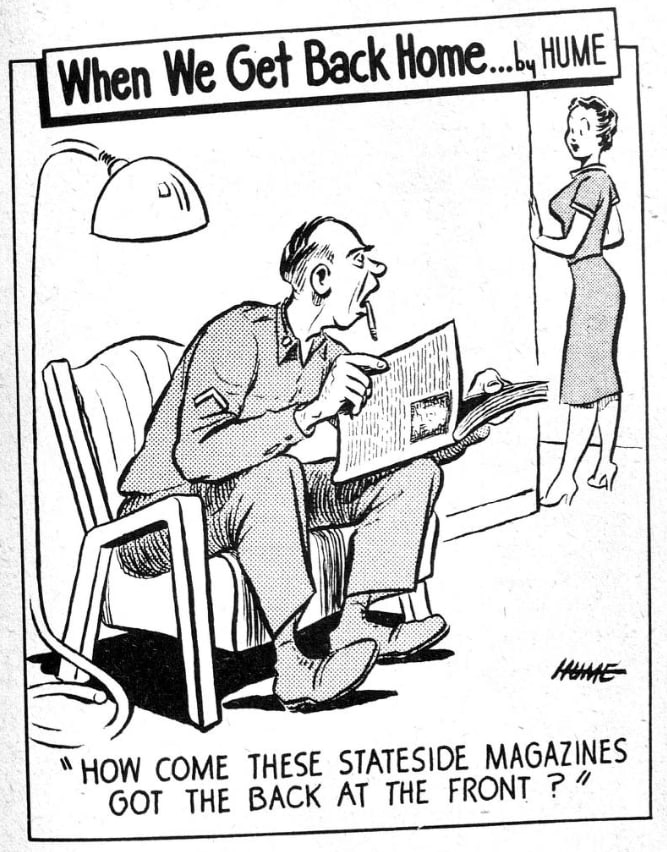
Left-to-right? No! Right-to-left.
When using the telephone, it's important to be polite: always two "moshis", never one.

If you're looking for more occupation-era cartoons, I can recommend Babysan, although it is much more crass and its focus is a lot more lurid. https://t.co/GcQne4xrfItwitter.com/i/web/status/1…

• • •
Missing some Tweet in this thread? You can try to
force a refresh