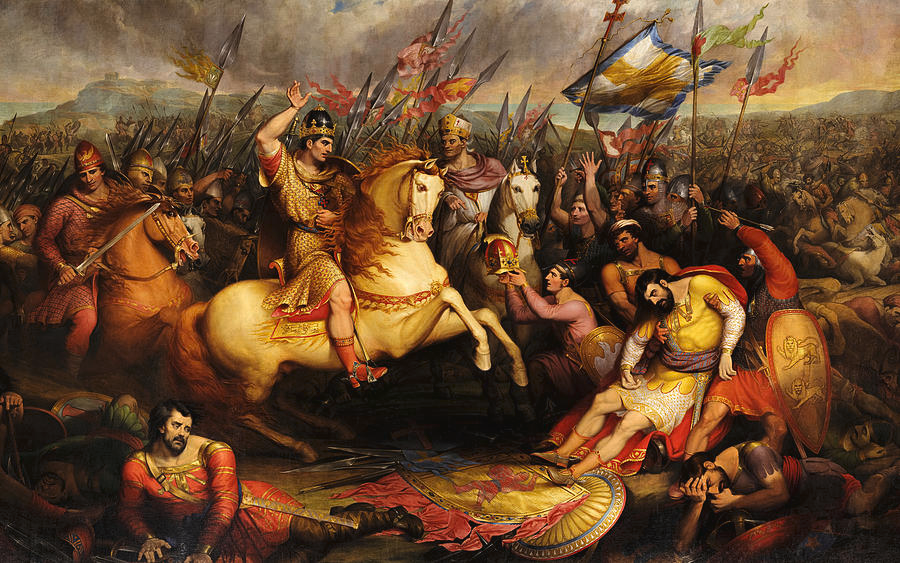
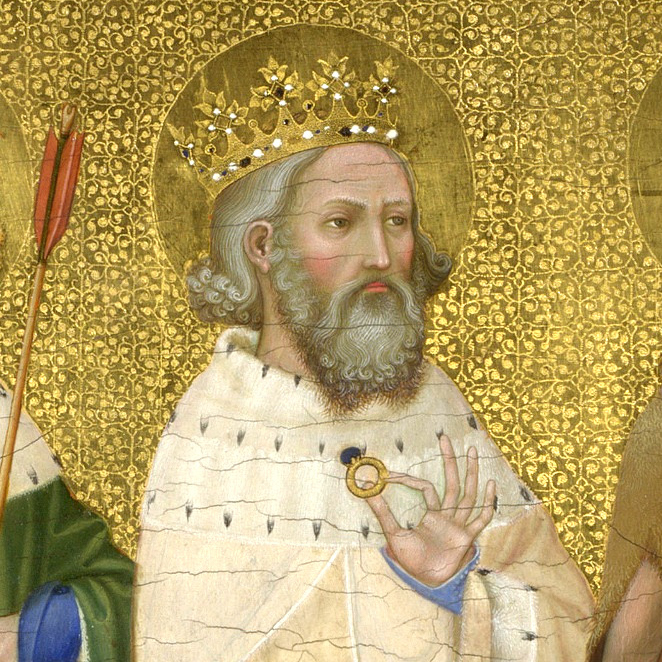
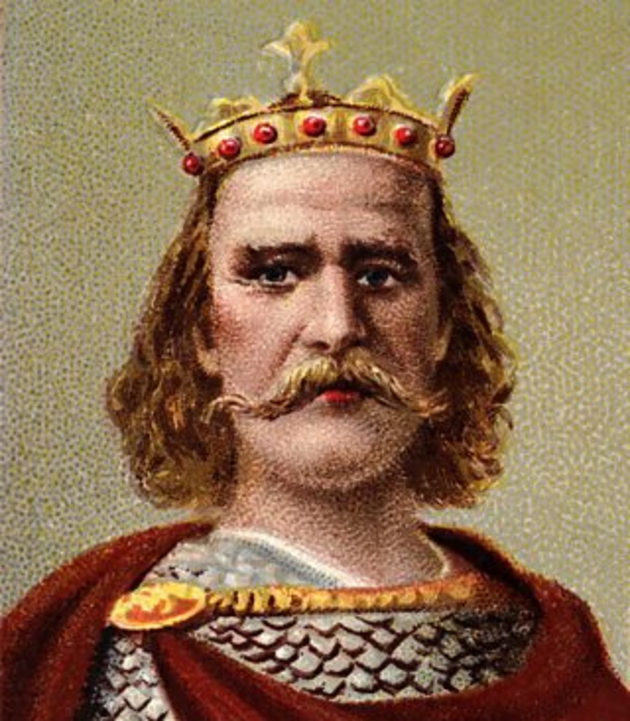
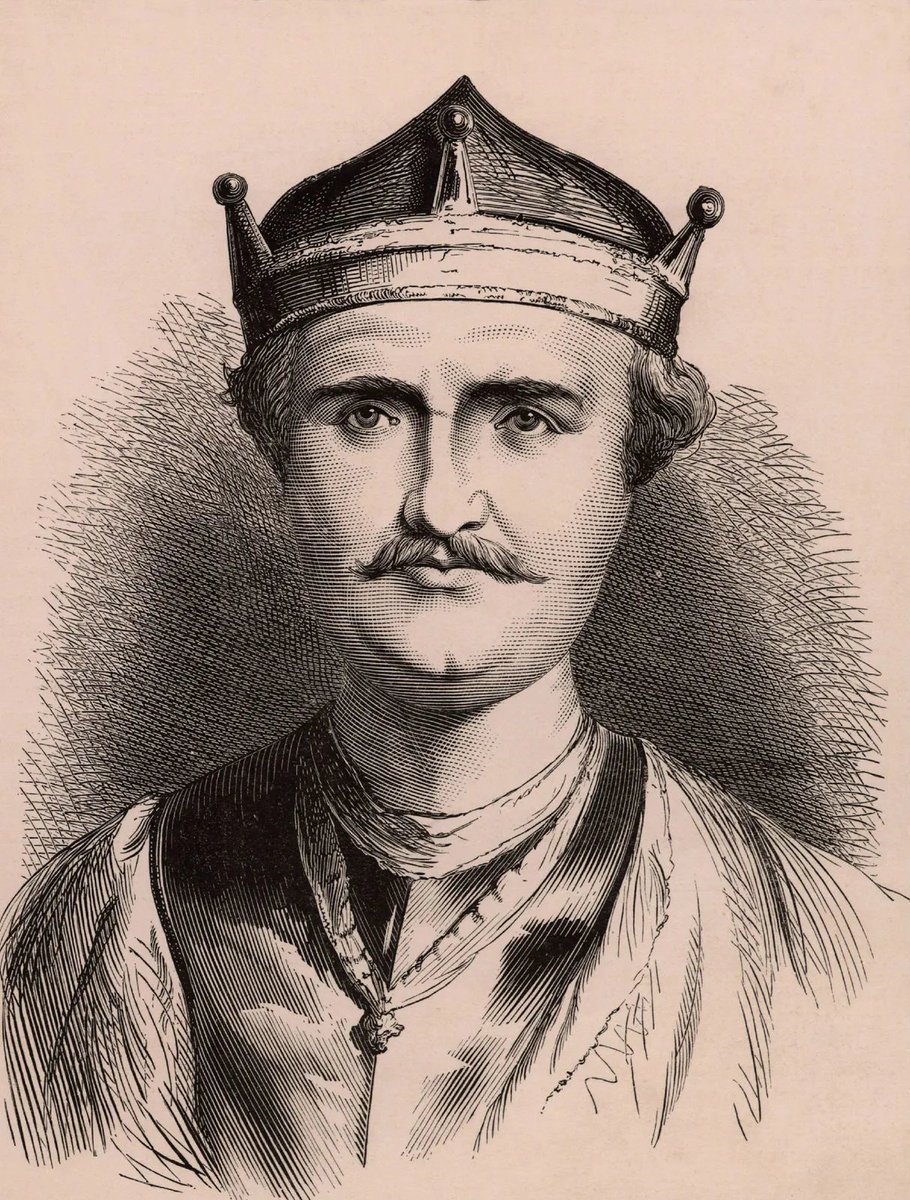
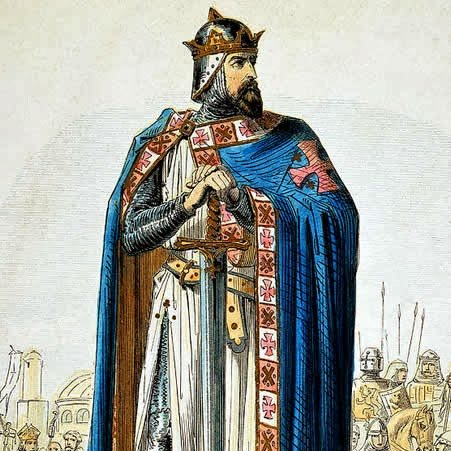
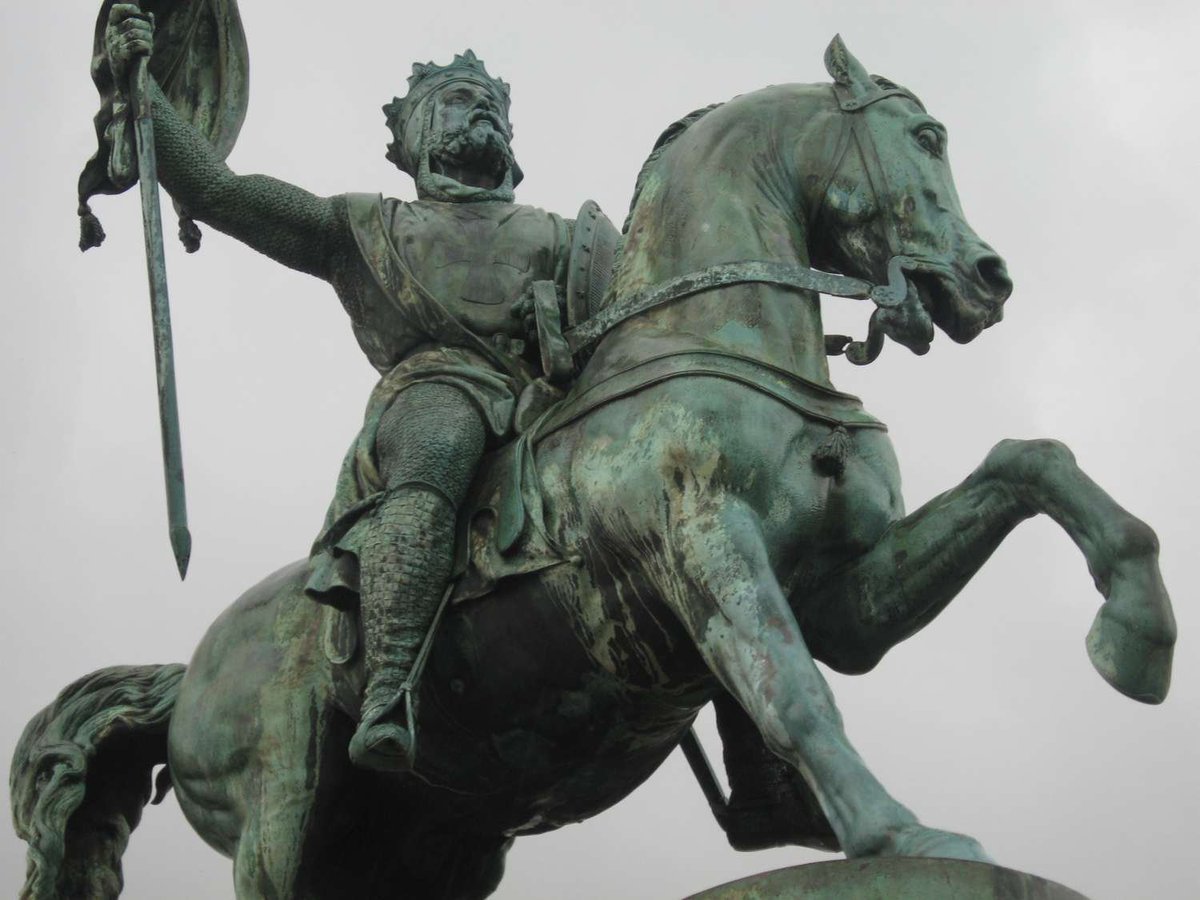
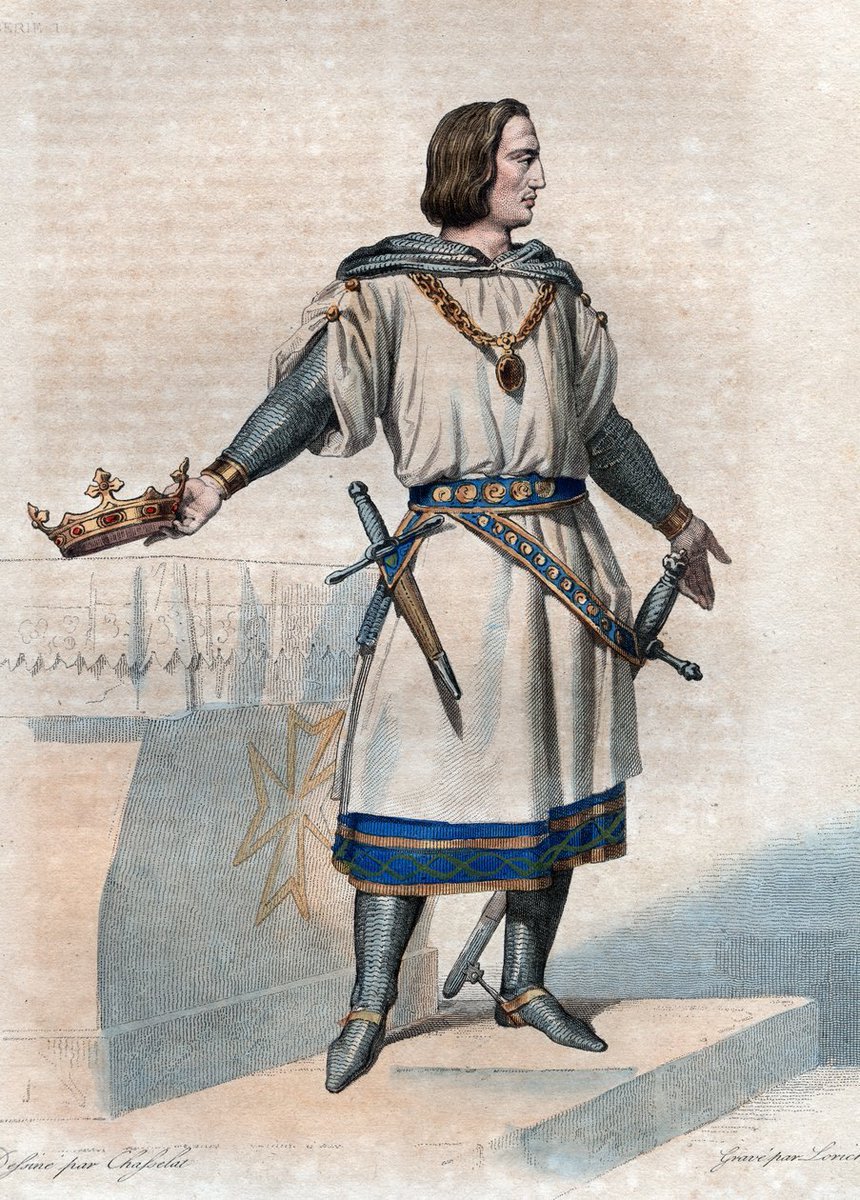
Today I will finally cover one of the most famous warrior kings of all time. King Richard the Lionheart of England.
A warrior, a tactician, a leader and a legend. 🧵 https://t.co/Lx7jm2DcRPtwitter.com/i/web/status/1…

A warrior, a tactician, a leader and a legend. 🧵 https://t.co/Lx7jm2DcRPtwitter.com/i/web/status/1…
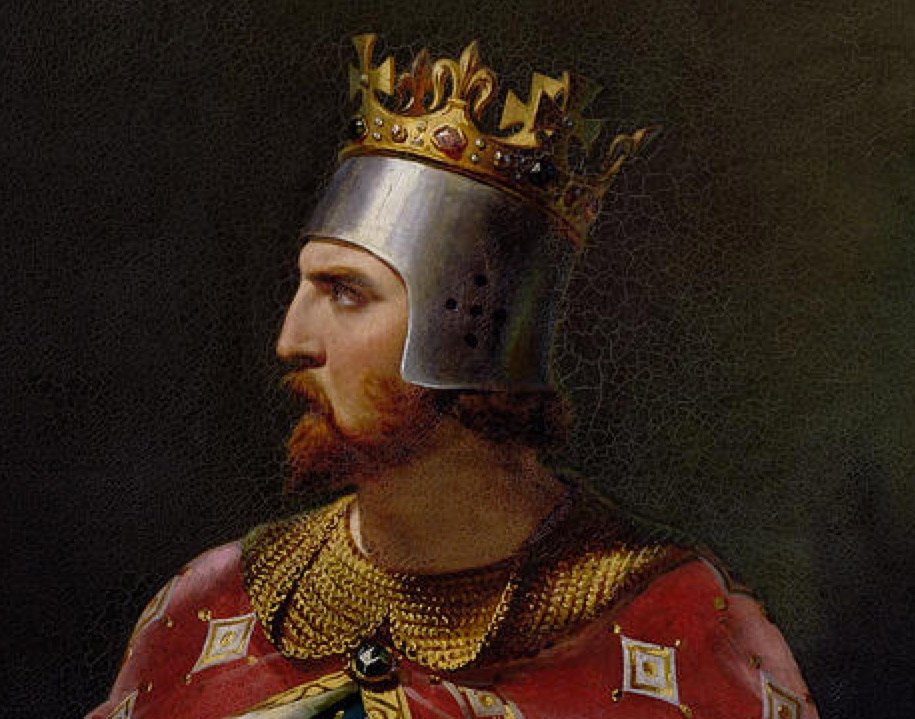
Richard was born in England, on September the 8th, 1157, the fourth son to King Henry II and his wife Eleanor of Aquitaine. He was born at Beaumont Palace in Oxford.

While growing up, Richard was educated in the studies of chivalric literature, and he also had a fascination with poetry. Richard even authored his own poetry in French.

When Richard was twelve, his father Henry II, declared his love for Rosamund Clifford, and began an affair. This deeply hurt Eleanor, who later returned to the Duchy of Aquitaine, her homeland and she brought her son Richard with her.

Eleanor established her own court in Aquitaine, and named Richard her heir. Richard and his brothers turned against their father Henry, which resulted in battling in France. Young Richard had an alliance with newly King of France, Philip II.

After being defeated in battle. King Henry surrendered the throne, and Richard became King of England, as well as Duke of Normandy and Count of Anjou.

Richard was crowned King of England on September 3rd, 1189 at Westminster Abbey. During the ceremony it is said that a bat was seen flying near the King's head. Many believed it to be a bad omen of things to come.

In the same year, hearing the news of Jerusalem falling into the hands of Muslim control. Pope Gregory the 8th called for a crusade, which would be known as the Third Crusade. Richard immediately took his vows to defend the holy land, along with his friend King Philip II.

To fund his military campaign in the holy land. Richard emptied the English coffers, and even went as far as trading feudal autonomy to William I of Scotland, for even more funds.

In 1191, Richard and his Christian forces arrived at the city of Acre. It is said that Richard's reputation was so great, that the defending Muslim forces handed the city over back to the Christians on July 11th.
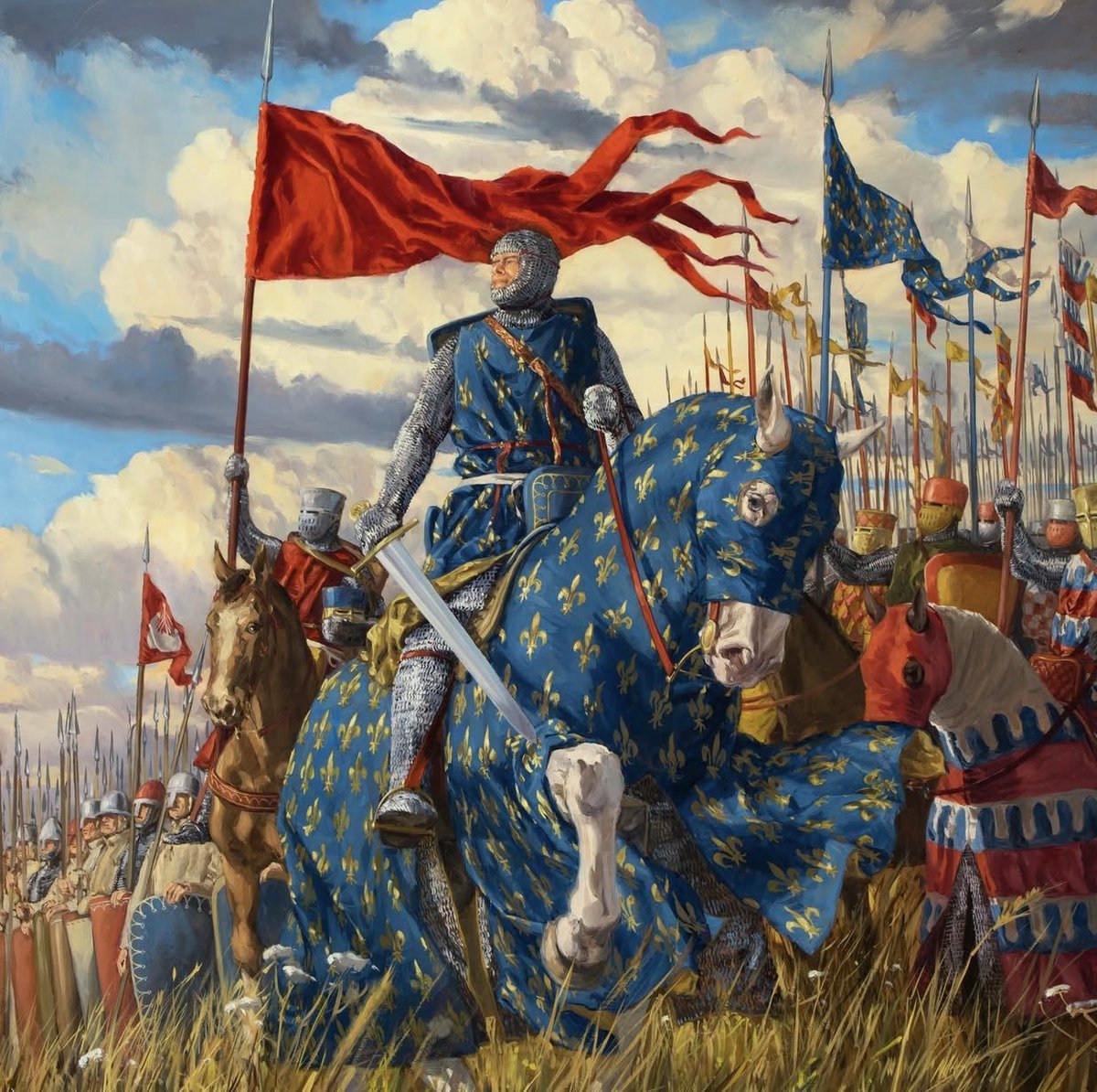
(Art by Dan Escott)
(Art by Dan Escott)

The Christians began rebuilding Acre, during this time, Saladin took longer than Richard would have liked to pay ransom for his soldiers back, and because of his impatience, Richard executed 2,700 Muslim prisoners.

This event enraged Saladin, who subsequently executed all Christian prisoners in his camp. This tragic event is known as the Massacre at Ayyadieh.

Following this, the Christian army marched south, and Saladin and his men pursued. They met on September 7th 1191 and the Battle of Arsuf commenced.

The battle took place near the village of Arsuf, located along the Mediterranean coast in present-day Israel. Saladin's forces, numbering around 30,000 soldiers, launched a fierce assault on the Crusader army, which consisted of approximately 20,000 soldiers.

The Crusaders, relying on their heavy cavalry, pushed back Saladin's forces. Richard's tactical brilliance and the discipline of his troops played a crucial role in their success. Despite facing resistance, the Crusaders maintained a steady advance, inflicting heavy casualties.

By the end of the battle, the Crusaders had managed to secure a decisive victory. Saladin's forces were forced to retreat, and Richard's army successfully reached the safety of Jaffa. The Battle of Arsuf was a turning point in the Third Crusade.

Although the Crusaders did not immediately proceed to Jerusalem after the battle, the victory at Arsuf set the stage for negotiations between Richard and Saladin. Ultimately, a truce known as the Treaty of Jaffa was signed in 1192.

This treaty allowed the safe passage of unarmed pilgrims into Jerusalem, while still allowing the city to be under Muslim control. This effectively ended the Third Crusade, on October 9th 1192.

While sailing back to England, Richard's ship sank and he was taken prisoner by Leopold of Austria, the man who he had insulted at Acre. Richard was held prisoner in Austria until England paid a large ransom for his release.

Upon being set free by the Austrians. Richard was transferred over to Henry VI, of the Holy Roman Empire. Where he was once again held prisoner until February of 1194.

While he was prisoner. Richard's brother John conspired with King Philip II of France to usurp the throne, which ultimately failed. This caused a war between the brothers, who engaged in siege warfare for key locations such as Windsor Castle.

John apologized to Richard. Richard forgave his brother and even named him as his successor for when he ultimately passes away.
After his time in England, Richard returned to France to embark on a string of military campaigns defending his lands against Philip II.
After his time in England, Richard returned to France to embark on a string of military campaigns defending his lands against Philip II.

In March 1199, Richard was in Limousin, France attempting to suppress a revolt by Viscount Aimar V of Limoges. Richard sieged Châlus-Chabrol when tragedy struck, on March 26th Richard was struck by a crossbow in his shoulder.

In the heat of battle, Richard attempted to remove the arrow from his shoulder, causing it to break and expose the wound, which would become infected with gangrene.
Richard the Lionheart would die on April 6th, 1199 at the age of 41 in the arms of his mother.
Richard the Lionheart would die on April 6th, 1199 at the age of 41 in the arms of his mother.

Richard's bravery, chivalry, and military prowess have made him a legendary figure in history.
He would be remembered as a defender of Christianity, a poet and the staple example of a medieval knight. Continuing to inspire people today.
He would be remembered as a defender of Christianity, a poet and the staple example of a medieval knight. Continuing to inspire people today.

• • •
Missing some Tweet in this thread? You can try to
force a refresh