Kingdom Come Deliverance is a 2018 RPG developed by Warhorse Studios. Set in the early years of the 15th century Holy Roman Empire.
Let's dive in. 🧵
Let's dive in. 🧵

It is worth noting that the game does have fictional elements for the sake of an original story, characters like Henry, the main character of course did not actually exist, it draws heavily from the historical context of the time.

The game is not based on a specific conflict that happened, but is primarily using a backdrop of the Hussite Wars which took place from the years of 1419 to 1434.
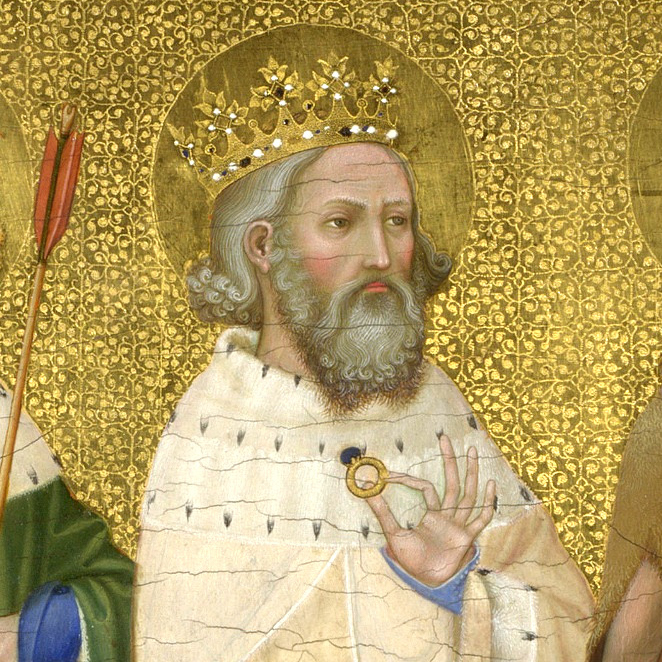
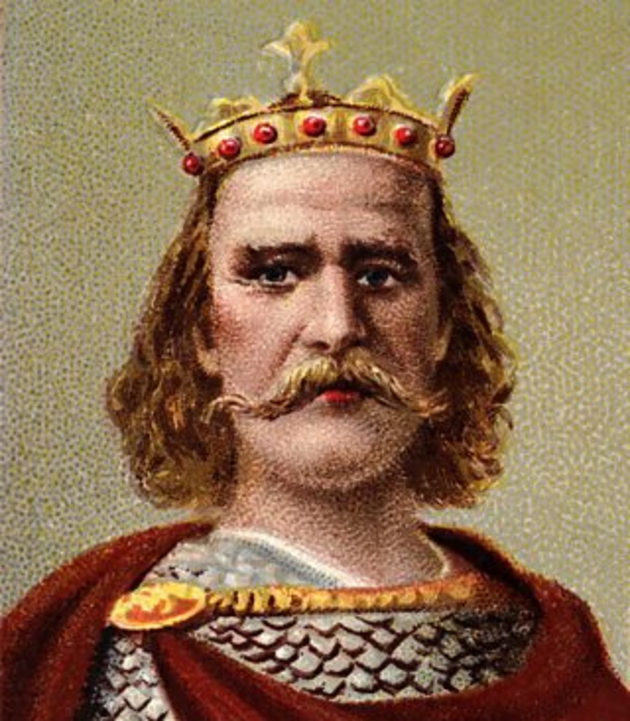
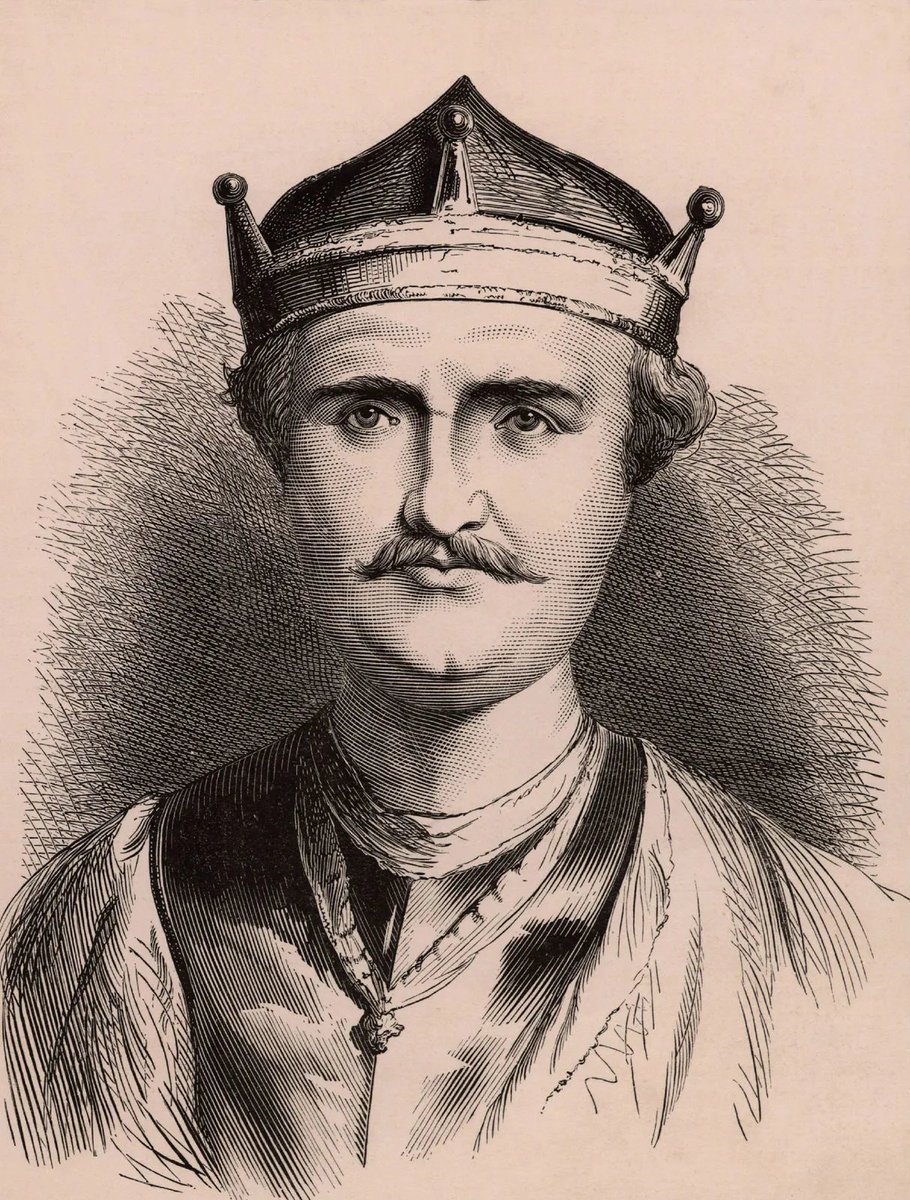
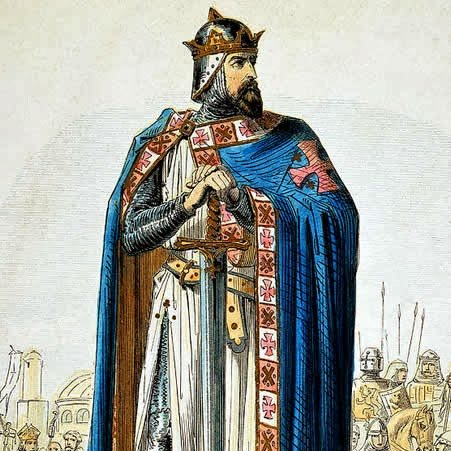
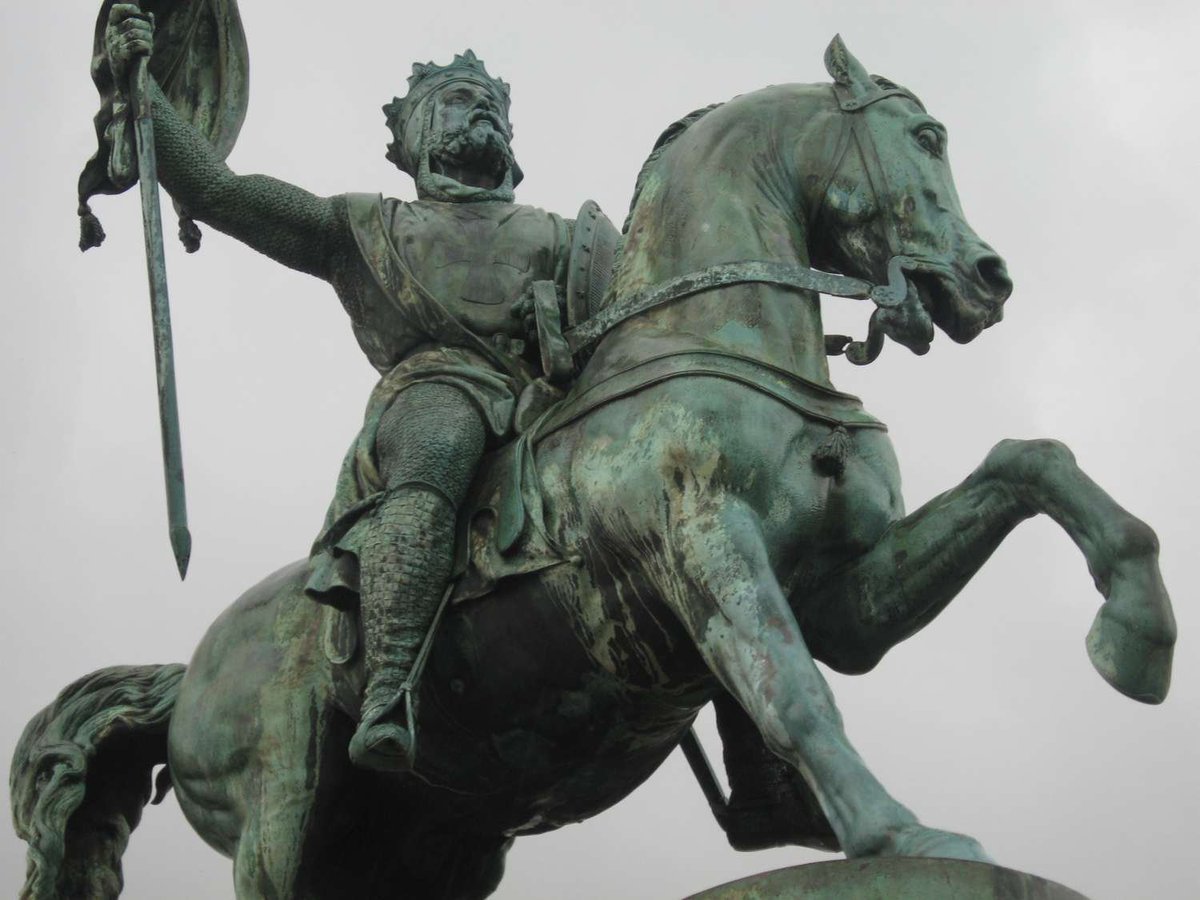
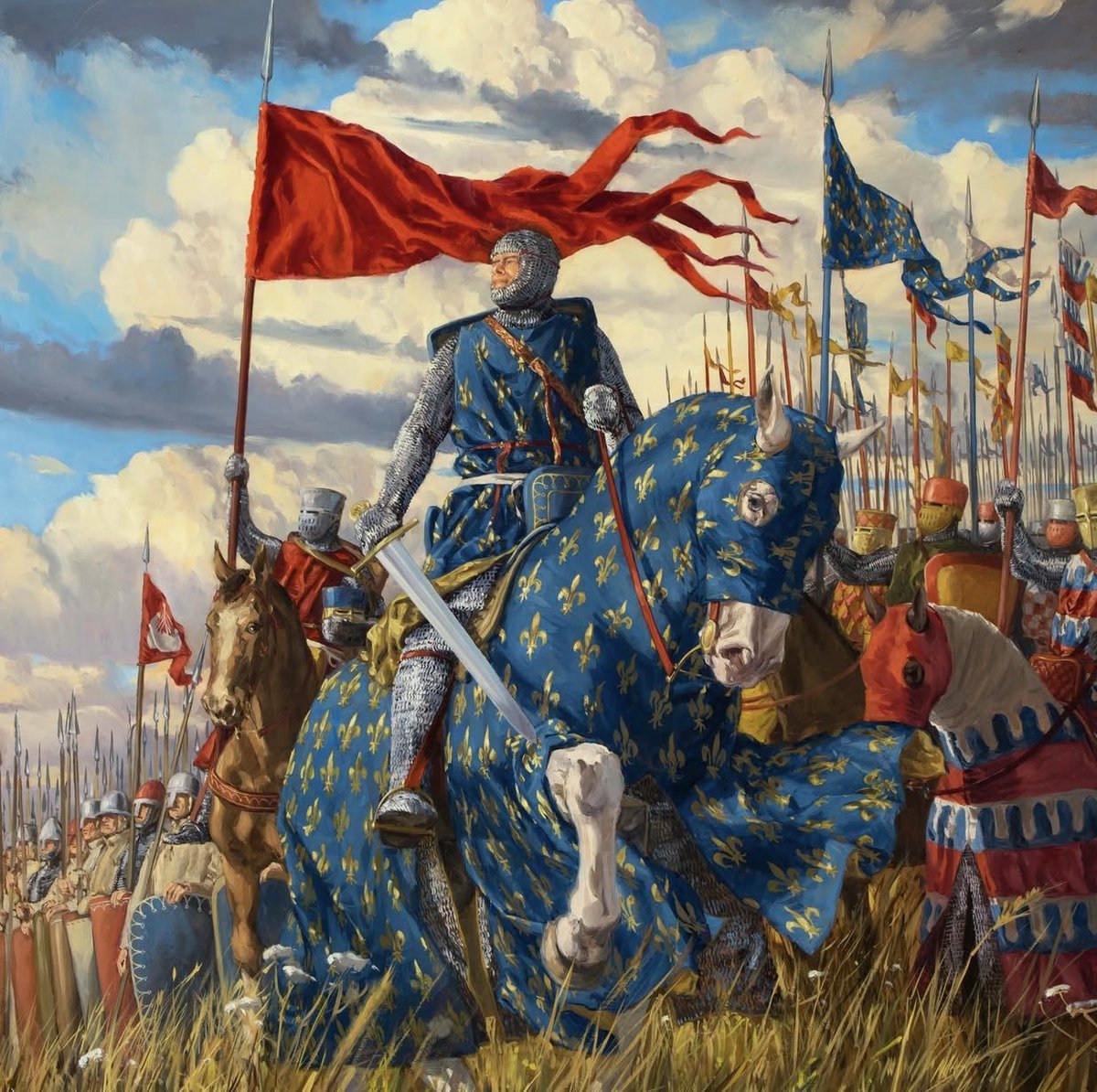
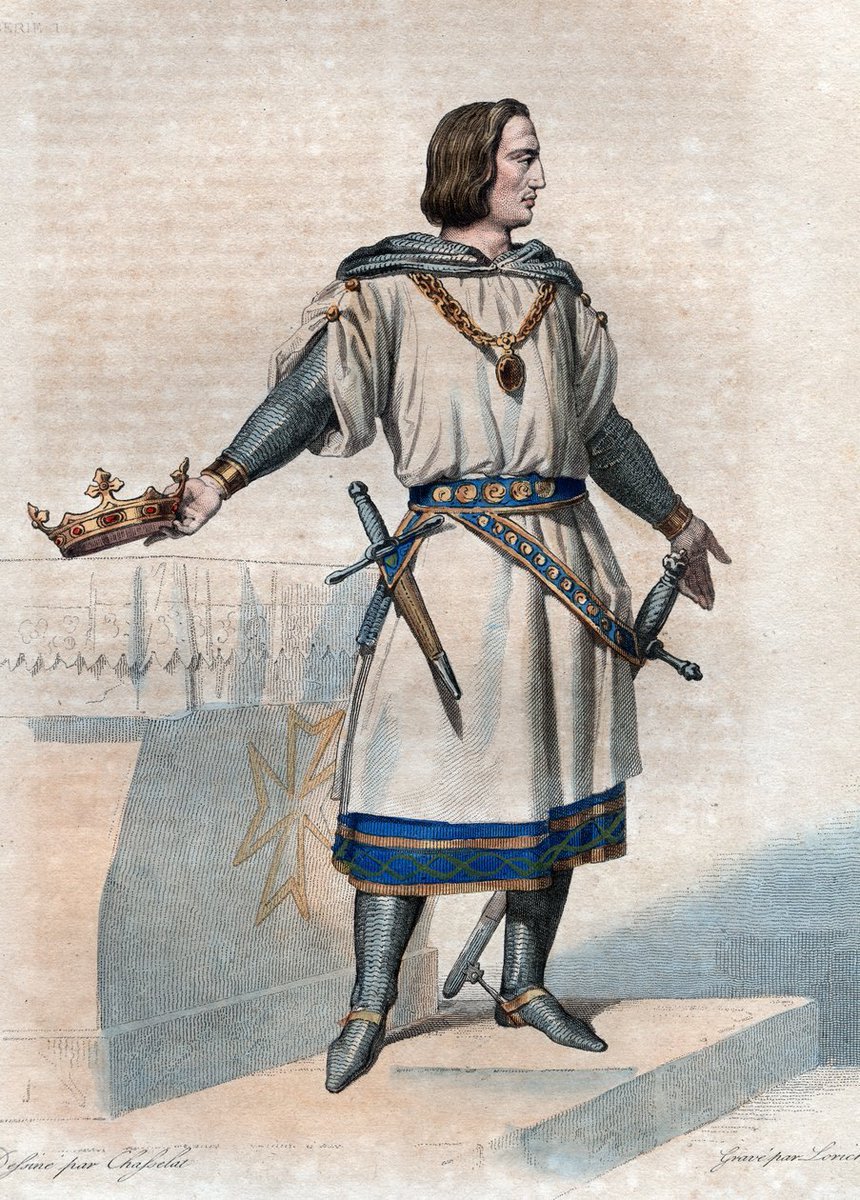
There are three primary figures we must cover before we can cover the Hussite Wars. These people are (pictured in order)
Emperor Charles IV of the Holy Roman Empire
Sigismund, son of Charles IV and future Holy Roman Emperor
and Wenceslas IV, King of Bohemia.
Emperor Charles IV of the Holy Roman Empire
Sigismund, son of Charles IV and future Holy Roman Emperor
and Wenceslas IV, King of Bohemia.


Emperor Charles IV, was the first King of Bohemia to become Holy Roman Emperor.
He was the eldest son of King John of Bohemia, Count of Luxembourg. He inherited the title of Count of Luxembourg after his father died at the Battle of Crecy in 1346.
He was the eldest son of King John of Bohemia, Count of Luxembourg. He inherited the title of Count of Luxembourg after his father died at the Battle of Crecy in 1346.

Charles would be elected King of Bohemia, and would be crowned King on September 2nd, 1347.
On 11 July 1346, the prince-electors chose him as King of the Romans, making him the opposition to Louis IV, the current Holy Roman Emperor.
On 11 July 1346, the prince-electors chose him as King of the Romans, making him the opposition to Louis IV, the current Holy Roman Emperor.

In 1355, Charles became King of Italy, and Holy Roman Emperor.
In 1365, he would be crowned King of Burgundy and be the personal ruler of all kingdoms in the Empire.
In 1365, he would be crowned King of Burgundy and be the personal ruler of all kingdoms in the Empire.

Charles IV would die in 1378 on November 29th. Before he died he named his son Wenceslas IV as his successor to the throne of Bohemia.

Sigismund, half-brother of Wenceslas would receive the margraviate of Brandenburg. Upon the death of Charles IV, Sigismund would go to the Hungarian court and marry Maria, the daughter of King Louis I of Hungary and Poland.

When Maria's father the King, died in 1382, Maria became Queen of Hungary and Sigismund would later become king consort in 1387.

In 1396, Sigismund would be a leader of the Crusade of Nicopolis. In response to the Ottoman threat, a Crusade was organized by European Christian powers, including the Kingdom of Hungary, the Kingdom of France, the Holy Roman Empire, and various other smaller states.

In September 1396, the crusader army, numbering around 20,000 to 30,000 troops, marched towards the fortress of Nicopolis, located in modern-day Bulgaria. Sultan Bayezid I assembled his forces, which were estimated to be around 15,000 to 20,000 soldiers.

The ensuing Battle of Nicopolis turned out to be a disaster for the Christian forces. Despite the larger number of crusaders, they were poorly coordinated and lacked unity due to the presence of various leaders with conflicting interests and ambitions.

Sigismund also founded the Order of the Dragon.
The order's primary purpose was to defend the Christian kingdoms in Europe from the expansion of the Ottoman Empire and to uphold Christianity in the region.
The order's primary purpose was to defend the Christian kingdoms in Europe from the expansion of the Ottoman Empire and to uphold Christianity in the region.

One of the most notable members of the Order of the Dragon was Vlad II Dracul, the ruler of Wallachia and father of Vlad III, commonly known as Vlad the Impaler. But this is a story for another time.

Sigismund would be at the forefront of the Council of Constance which would result in the end of the Papal Schism, which would later be one of many causes of the Hussite Wars.

Wenceslas IV, would prove to be an incompetent leader, a peace loving ruler who was unable to quell wars within his realm of Germany between princes and town leagues. Ultimately becoming deposed by the nobility.

In 1394 Wenceslas was imprisoned as a result of a revolt led by Jobst, his cousin and margrave of Moravia. He'd be released but would be stripped of all his power in 1396. Being forced to appoint Jobst as governor.

In 1402, Wenceslas would be deposed once more by his half-brother, Sigismund. Within the next few years he would later restore himself, but the royal council would possess the majority of power.

There was calls for religious reform in Bohemia at the time, the people following behind a man named Jan Hus. Wenceslas would initially support their cause, however he would do nothing to stop Jan Hus from being executed in 1415 by the church as a heretic.

King Wenceslas had ambitions of becoming Holy Roman Emperor, as a result he would suppress the religion of the Hussites, the followers of Jan Hus. Causing more unrest. Leading to the Hussite Wars in 1419.

This story is very extensive, and I will continue it in a part 2 where I will cover the Hussite Wars! I will tweet it out when I am done, I hope you enjoy this for now!
Part 2 which covers Bohemias invasion by Sigismund, and the later Hussite Wars which plagued his rule.
https://twitter.com/MedievalScholar/status/1682520136027107331
• • •
Missing some Tweet in this thread? You can try to
force a refresh