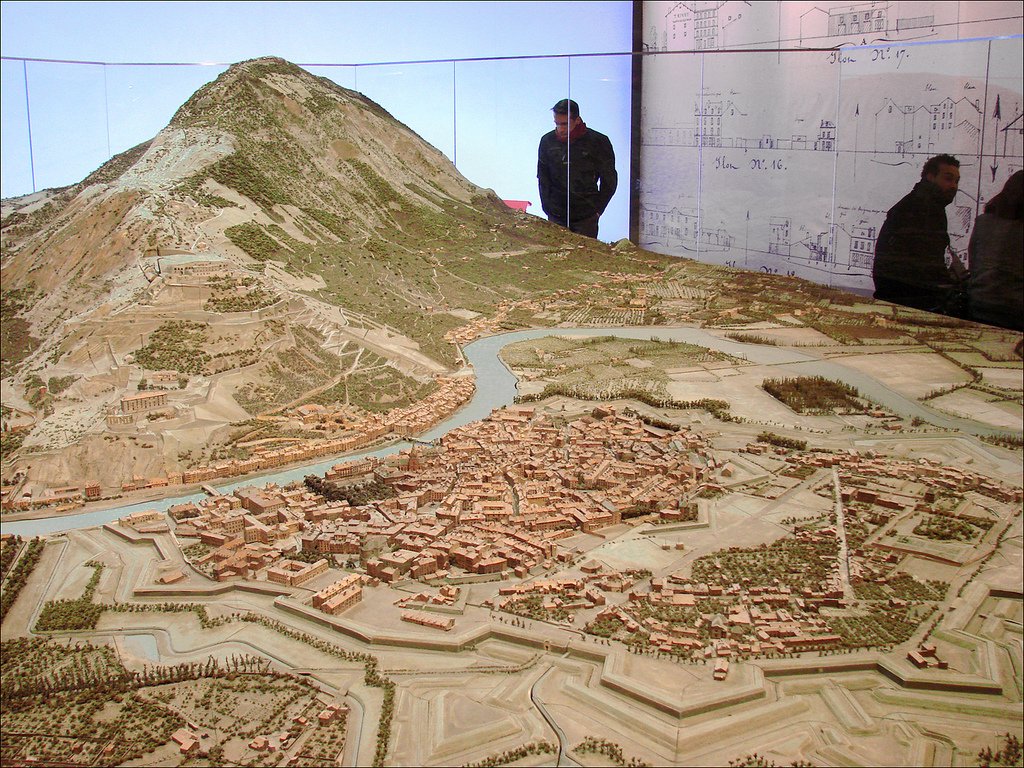
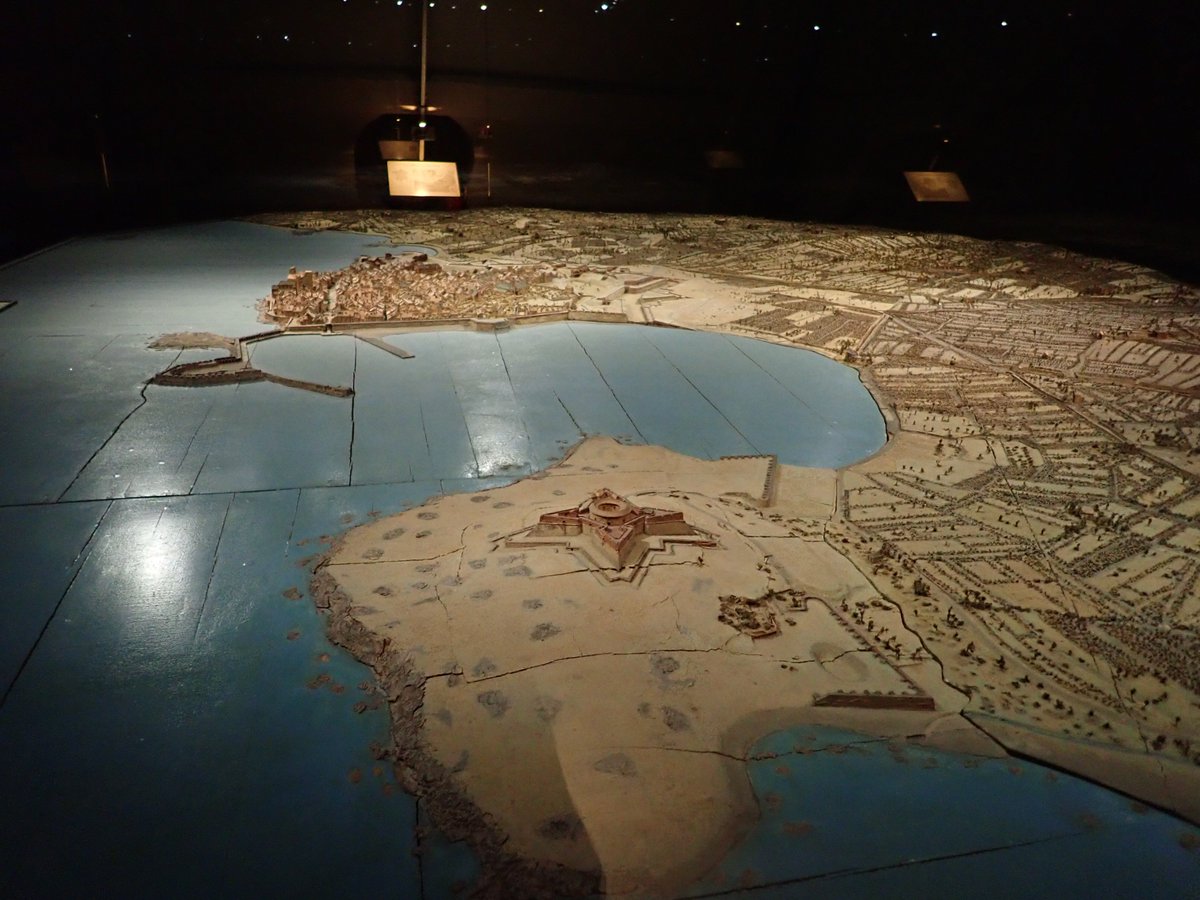
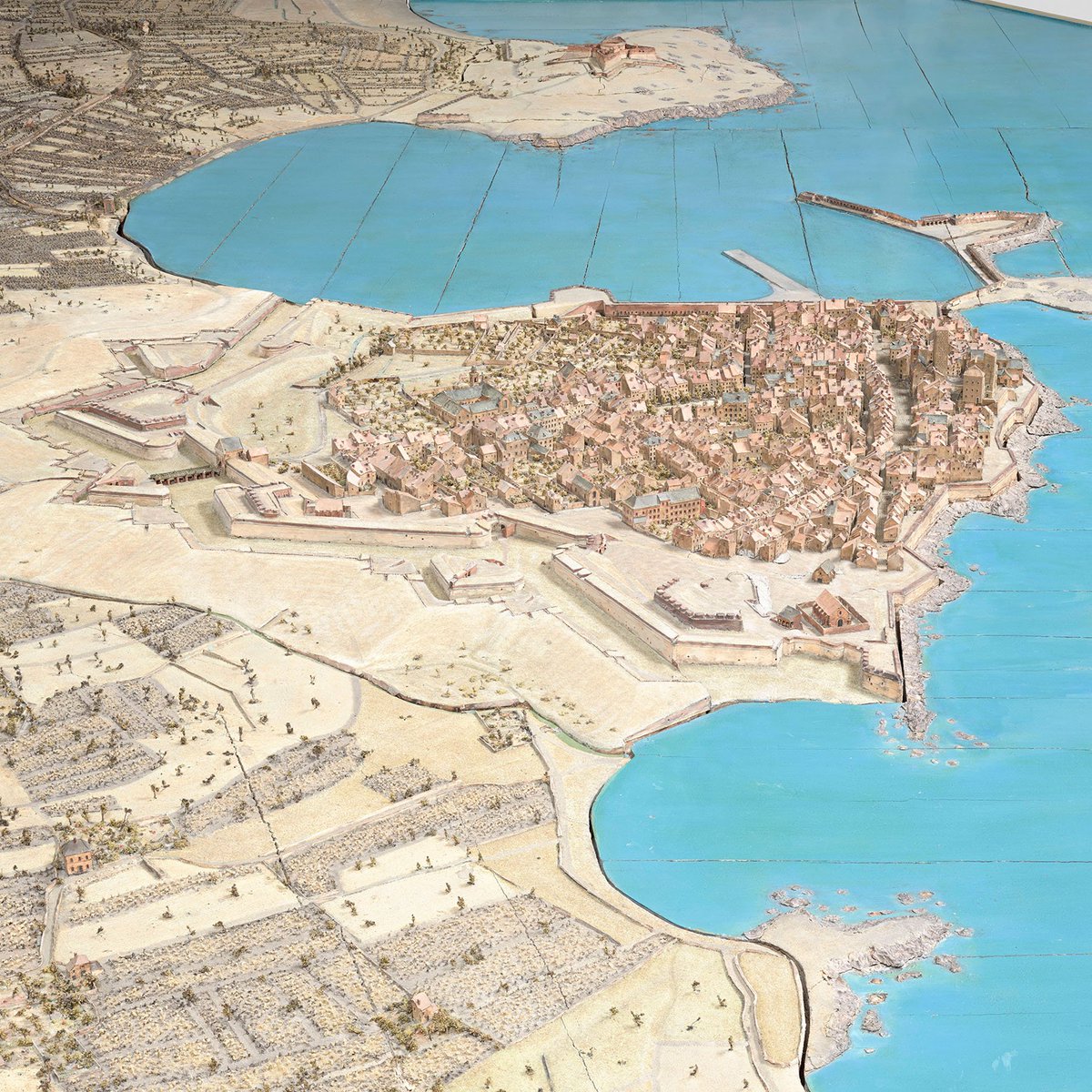
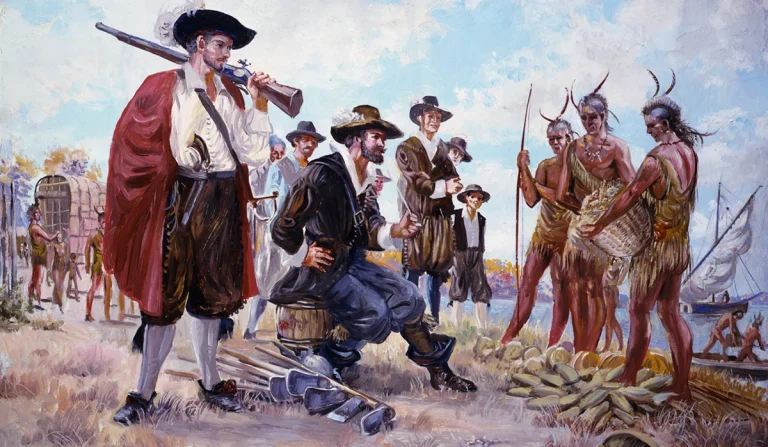
The Siege of Candia was one of the longest sieges in history.
It lasted for 21 years from 1648 to 1669.
The Ottomans besieged and ultimately conquered this Venetian stronghold on Crete.
But at one point the Venetians planned an attack on besiegers with biological weapons! 🧵

It lasted for 21 years from 1648 to 1669.
The Ottomans besieged and ultimately conquered this Venetian stronghold on Crete.
But at one point the Venetians planned an attack on besiegers with biological weapons! 🧵


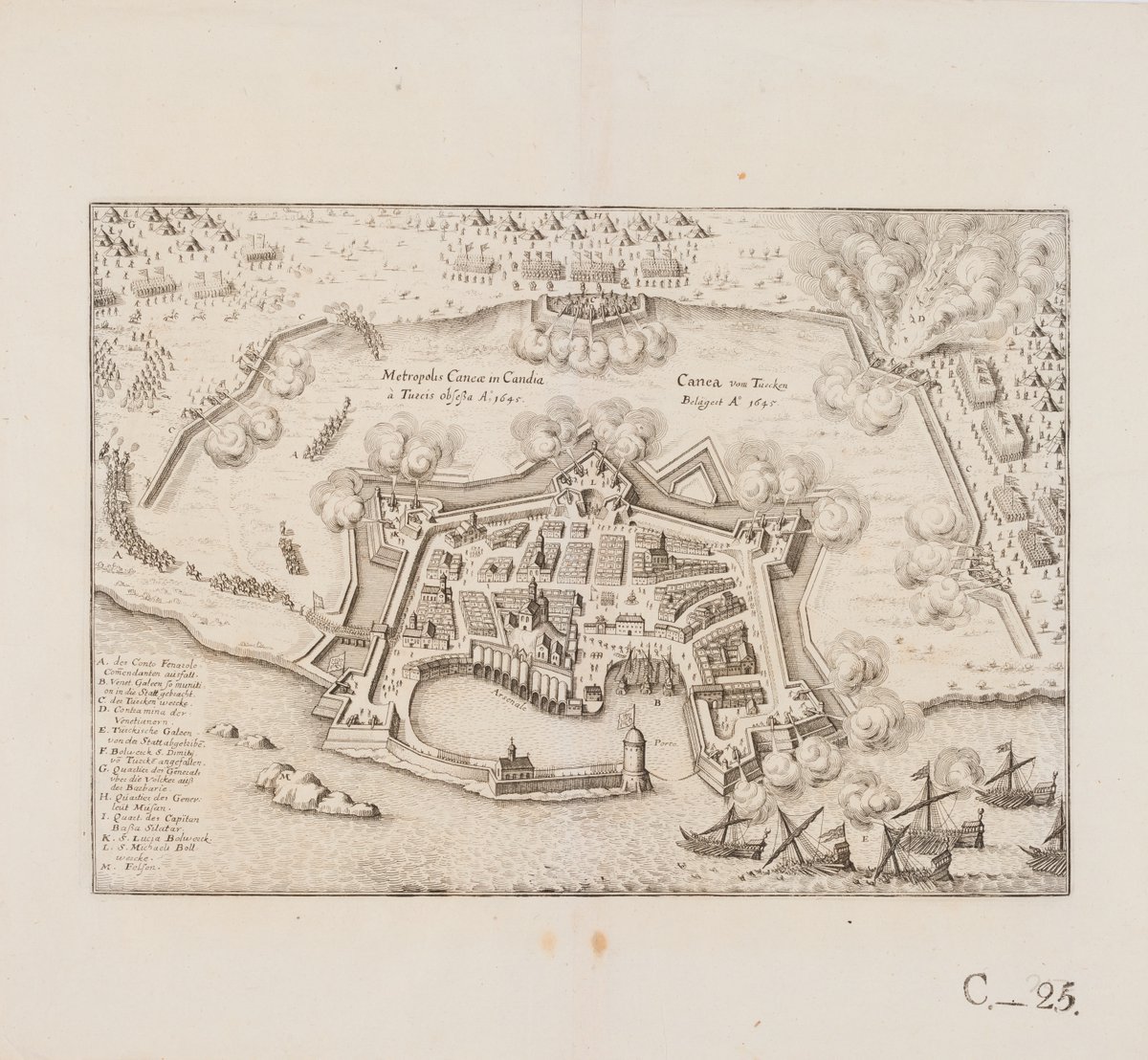
The siege happened during the Cretan War which had started in 1645 as the Ottomans invaded the Venetian island of Crete.
It's also known as the Fifth Ottoman-Venetian War as it was part of the series of conflicts between these two powers over control of eastern Mediterranean.
It's also known as the Fifth Ottoman-Venetian War as it was part of the series of conflicts between these two powers over control of eastern Mediterranean.
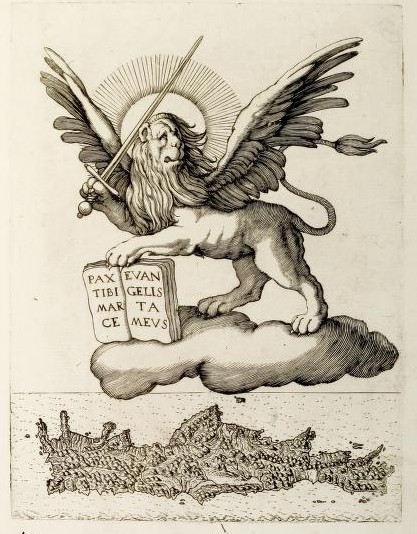

The previous Ottoman-Venetian wars happened in 1463-1479, 1499-1503, 1537-1540 and 1570-1573. The latter being famous for the Battle of Lepanto in 1571.
The fifth one happened after a relatively long period of peace as the Venetians tried their best not to provoke the Ottomans.
The fifth one happened after a relatively long period of peace as the Venetians tried their best not to provoke the Ottomans.

By that time the Republic of Venice was in a period of slow but steady decline.
Trade declined with opening of Atlantic routes and the loss of German markets due to the ongoing Thirty Years' War.
There was also the outbreak of devastating plague in northern Italy in 1629-1631.
Trade declined with opening of Atlantic routes and the loss of German markets due to the ongoing Thirty Years' War.
There was also the outbreak of devastating plague in northern Italy in 1629-1631.

However Venice would eventually be unwillingly dragged into war with Ottomans due to the actions of Knights Hospitallers from Malta who in 1644 attacked and captured an Ottoman convoy near Rhodes in a pirate attack.
They stopped at Crete on their way back home to Malta.
They stopped at Crete on their way back home to Malta.

The Ottoman Sultan Ibrahim was extremely angered by this action as the ships captured by the Knights of Malta transported prominent pilgrims bound for Mecca, including a woman who was allegedly the Sultan's wife and her son.
Meanwhile Christian Europeans celebrated this attack.
Meanwhile Christian Europeans celebrated this attack.


The Sultan directed his anger at Venice for harboring these pirate knights at Crete.
This was considered a breach of Venetian neutrality and gave him a justification for war.
The Ottomans sailed in 1645 to conquer Crete with a large army and an imposing fleet.
This was considered a breach of Venetian neutrality and gave him a justification for war.
The Ottomans sailed in 1645 to conquer Crete with a large army and an imposing fleet.

The Venetians were not ready for this attack and the defense of the island was poor.
The Ottomans conquered all of Crete by 1648 except for the fortress of Candia and few other strongholds.
The Venetians were determined to defend Candia.
And this is how the long siege began.
The Ottomans conquered all of Crete by 1648 except for the fortress of Candia and few other strongholds.
The Venetians were determined to defend Candia.
And this is how the long siege began.

Candia was well fortified and built to withstand a long siege.
The building of improved defenses began in 1462 and took over a century to be completed.
The fortifications were built by the finest Italian engineers and further strengthened in anticipation of Ottoman onslaught.
The building of improved defenses began in 1462 and took over a century to be completed.
The fortifications were built by the finest Italian engineers and further strengthened in anticipation of Ottoman onslaught.

The Ottomans tried to use miners to blow up the defenses, exploding over 70 mines, but failed to break through.
It soon became obvious to them that Candia won't be taken easily and they began preparing for a long siege.
It soon became obvious to them that Candia won't be taken easily and they began preparing for a long siege.

This led to a stalemate as the Ottomans couldn't take the fortress of Candia and the Venetians were not strong enough to retake Crete with a land army.
Because of this the Cretan War was mostly fought on sea as the Venetians tried to cut the besieging Ottoman army from supplies.
Because of this the Cretan War was mostly fought on sea as the Venetians tried to cut the besieging Ottoman army from supplies.

The Venetians were quite successful in warfare as they scored a number of impressive naval victories against the large but archaic Ottoman navy such as at Battle of Focchies in 1649 and Battle of Dardanelles in 1656.
However they failed to capitalize on their victories.
However they failed to capitalize on their victories.


The Venetian plan of trying to blockade the Dardanelles and Ottoman harbors to stop the flow of supplies to the Ottoman army on Crete proved to be too ambitious.
The Ottoman Empire, with its huge resources, was able to rebuild its fleets and ultimately break the blockades.
The Ottoman Empire, with its huge resources, was able to rebuild its fleets and ultimately break the blockades.

The Venetians also had resources as they were aided by several Christian states in their war efforts.
This prolonged the war and the siege of Candia.
The Venetians also benefited from the fact that there was infighting and chaos on the Ottoman court for considerable time.
This prolonged the war and the siege of Candia.
The Venetians also benefited from the fact that there was infighting and chaos on the Ottoman court for considerable time.

However in 1664, 16 years into the siege, the Ottomans were preparing to finish what they started.
They had just freed their forces after the Peace of Vasvár with the Habsburgs and were ready to unleash them on Crete led by the energetic Grand Vizier from the Köprülü family.
They had just freed their forces after the Peace of Vasvár with the Habsburgs and were ready to unleash them on Crete led by the energetic Grand Vizier from the Köprülü family.
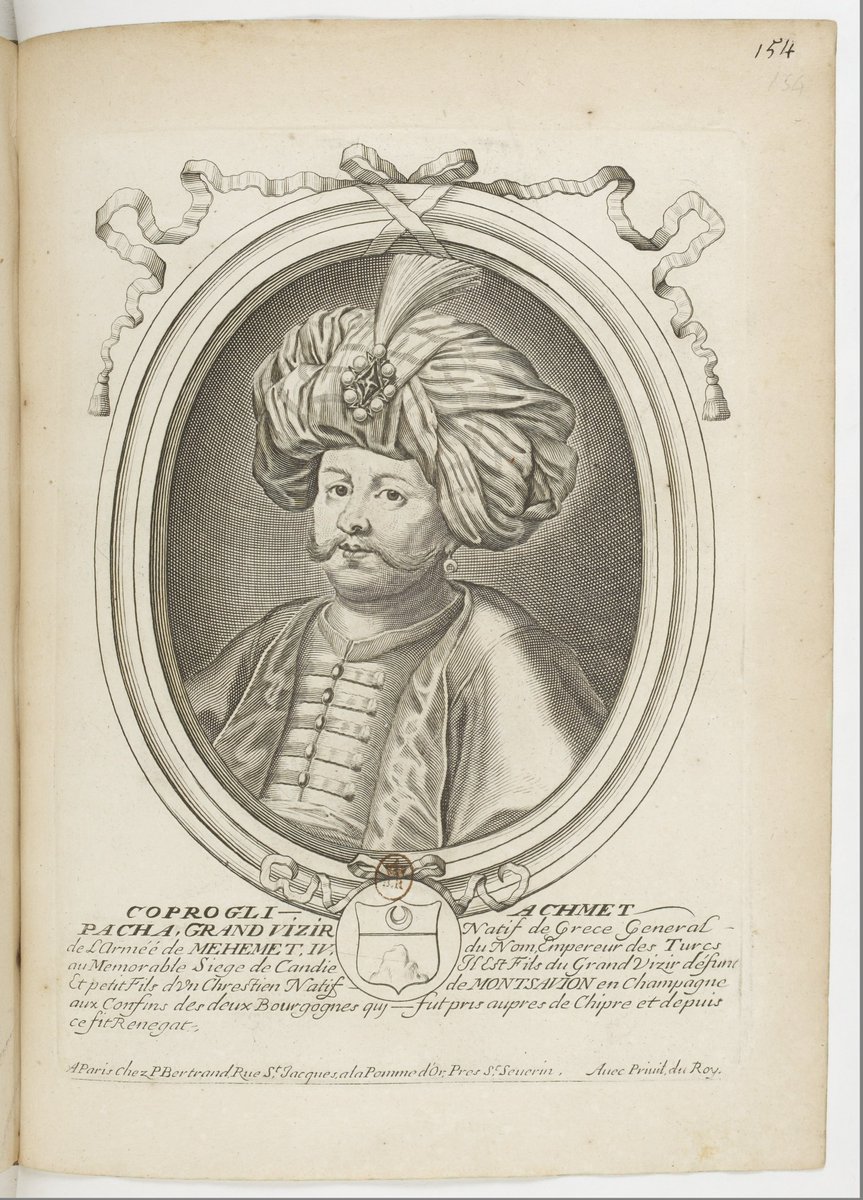
The final Ottoman expedition was launched in 1666 to strengthen the besieging army and break the will of the defenders.
They had a force of around 60,000 soldiers compared to the garrison of few thousand Venetian soldiers.
They had a force of around 60,000 soldiers compared to the garrison of few thousand Venetian soldiers.

The only hope for Venetians were reinforcements and aid they received from Christian Europe. Attempts were made to help the Venetians in Candia with relief armies.
The best attempt was made by the French in 1669 with the land and sea expedition led by Francois de Beaufort.
The best attempt was made by the French in 1669 with the land and sea expedition led by Francois de Beaufort.

However despite firing around 15,000 cannonballs at the Ottomans, the French expedition failed.
The Ottomans were well protected by earthworks and able to resist attacks and bombardments.
The French also made a daring land assault but were pushed back by Ottoman counter-attack.
The Ottomans were well protected by earthworks and able to resist attacks and bombardments.
The French also made a daring land assault but were pushed back by Ottoman counter-attack.

The French commander was killed during one of such attacks.
The fate of the French expedition was sealed when the flagship La Thérèse was lost due to an accidental explosion.
The French returned home and left the demoralized Venetian defenders alone.
The fate of the French expedition was sealed when the flagship La Thérèse was lost due to an accidental explosion.
The French returned home and left the demoralized Venetian defenders alone.


The commander of the Venetian defenders Francesco Morosini decided to negotiate peaceful surrender with the Ottomans that same year, evacuating the garrison of Candia and its Christian population.
The Siege of Candia was over after 21 years and with it the Cretan War.
The Siege of Candia was over after 21 years and with it the Cretan War.
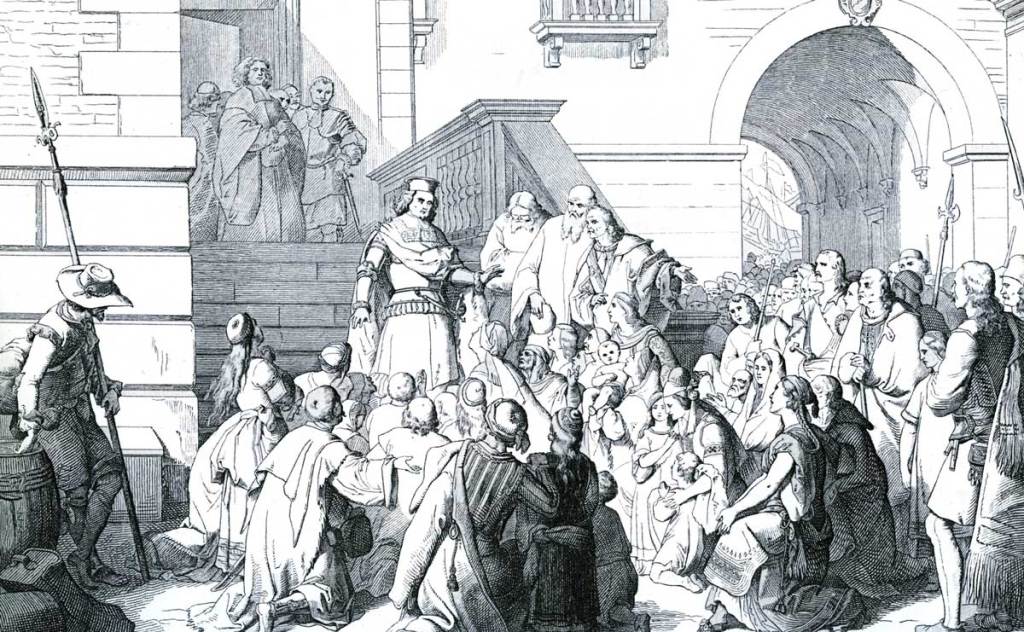
While the Ottomans gained Crete following their victory in this war, they were also an empire in decline and this would be the peak of their expansion.
Both the Venetians and the Ottomans exhausted themselves in this war which accelerated their fall.
Both the Venetians and the Ottomans exhausted themselves in this war which accelerated their fall.

But there are still some unsolved mysteries regarding the Siege of Candia.
In modern times it was discovered from reading the archives of the Venetian state that at some point during this long and excruciating siege, the Venetians tried to use biological weapons.
In modern times it was discovered from reading the archives of the Venetian state that at some point during this long and excruciating siege, the Venetians tried to use biological weapons.

It was uncovered that a plan was in place from 1649 to 1651 to purposely infect the Ottoman besiegers with plague.
This was to be done by the method of using liquid made from the spleens and buboes of plague victims and smuggling it into Ottoman camp.
This was to be done by the method of using liquid made from the spleens and buboes of plague victims and smuggling it into Ottoman camp.

The plan was connected to the Venetian secret service which was a powerful organization by that time.
In 1649 the Inquisitors of the State of Venice who headed the secret service received a letter from Zara from commander Leonardo Foscolo who proposed this idea.
In 1649 the Inquisitors of the State of Venice who headed the secret service received a letter from Zara from commander Leonardo Foscolo who proposed this idea.

Part of the plan was to spread the plague among Ottomans in numerous different places on Crete so that it would be seen as a natural outbreak.
This would not be suspicious since plague was regular on Crete with 20 outbreaks from 1348 to 1645.
This would not be suspicious since plague was regular on Crete with 20 outbreaks from 1348 to 1645.

The making of the dangerous mix that would infect the Ottomans with plague was entrusted to doctor Michiel Angelo Salamon who made the deadly liquid from the spleens, the buboes, and carbuncles of the victims of a plague outbreak in Dalmatia.
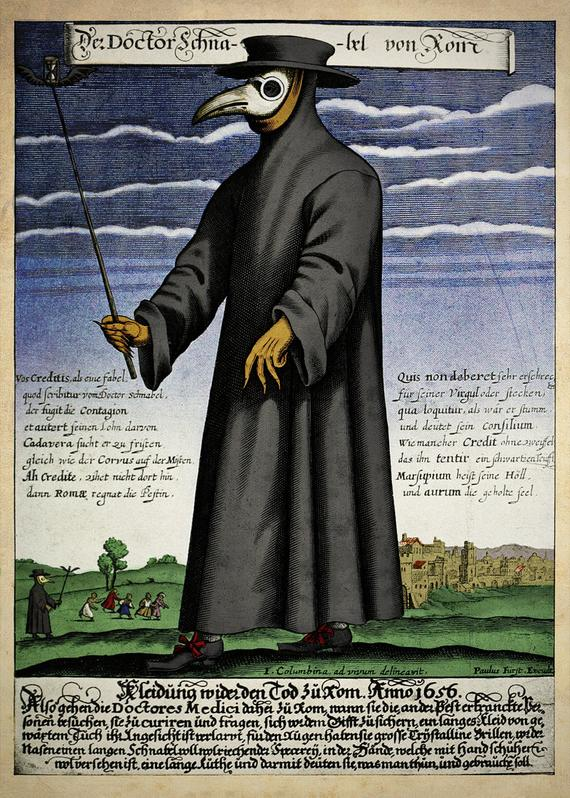
Salamon made the liquid was ordered to deliver this "quintessence of plague" to Foscolo which he did that same year in 1649.
However it was winter and Foscolo had already moved his ships to naval bases and was unable to sail to Crete.
The operation was delayed.
However it was winter and Foscolo had already moved his ships to naval bases and was unable to sail to Crete.
The operation was delayed.

The next year Foscolo demanded the plague liquid from Salamon again as he prepared to sail to Candia with a fleet.
The plan was to infect the cloth transported on ships and let it purposely fall into Ottoman hands who would loot it and get infected with plague.
The plan was to infect the cloth transported on ships and let it purposely fall into Ottoman hands who would loot it and get infected with plague.
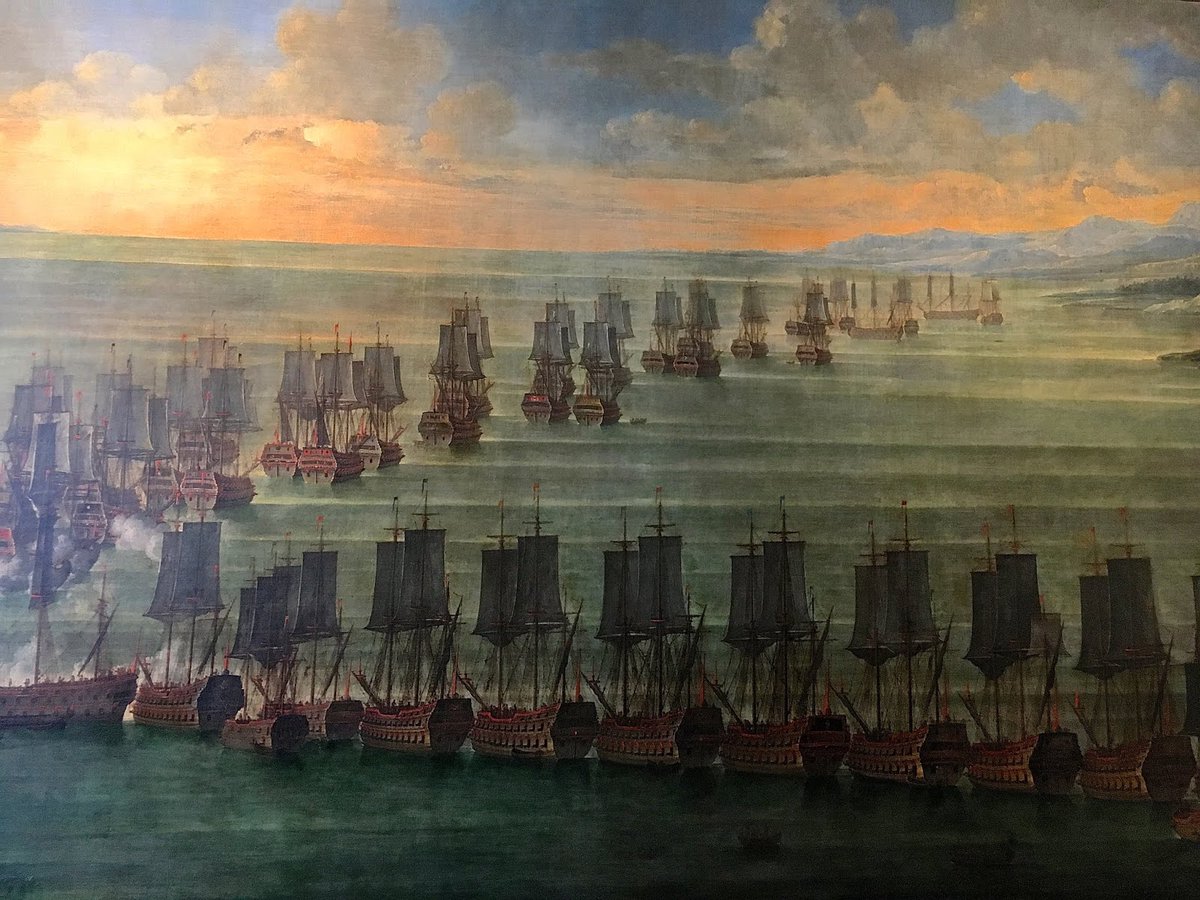
However this planned biological attack was never carried out.
It was last mentioned in 1651 and from then on there is no trace anymore as it is not mentioned in any letters anymore.
The reasons for why they postponed and ultimately abandoned the plan are unknown.
It was last mentioned in 1651 and from then on there is no trace anymore as it is not mentioned in any letters anymore.
The reasons for why they postponed and ultimately abandoned the plan are unknown.

There are different possible explanations for why the Venetians abandoned the plan.
They might have been afraid that it would backfire.
But it could also be that recent military successes such as the recently won Battle of Focchies convinced them they could win conventionally.
They might have been afraid that it would backfire.
But it could also be that recent military successes such as the recently won Battle of Focchies convinced them they could win conventionally.

The people who coined this plan were also aware that it was morally dubious for their time.
Foscolo himself described his proposition as "a violent course, unusual, and perhaps not admitted by public morality."
However he justified it with necessity.
Foscolo himself described his proposition as "a violent course, unusual, and perhaps not admitted by public morality."
However he justified it with necessity.

Some things will remain shrouded in mystery as there is only so much that has been uncovered in the archive through various letters that have survived.
It is unlikely further information will be found.
It is unlikely further information will be found.

Source:
Eleni Thalassinou, "Biological Warfare Plan in the 17th Century: the Siege of Candia" in Emerging Infectious Diseases Vol 21 No 12, 2148-2153. twitter.com/i/web/status/1…
Eleni Thalassinou, "Biological Warfare Plan in the 17th Century: the Siege of Candia" in Emerging Infectious Diseases Vol 21 No 12, 2148-2153. twitter.com/i/web/status/1…
Here is the full letter of Leonardo Foscolo to the Inquisitors of the State written in 1649 where he detailed his plan to spread plague among Ottomans besieging Candia.
"To the most Illustrious and most Honored Lords my Masters
My incessant occupation in the discharge of this… twitter.com/i/web/status/1…
"To the most Illustrious and most Honored Lords my Masters
My incessant occupation in the discharge of this… twitter.com/i/web/status/1…
• • •
Missing some Tweet in this thread? You can try to
force a refresh