The evolution of SARS-CoV-2 has stunned the virologists & evolutionary biologists all over the world. It has even surpassed the hyper-mutability of the influenza’s H3N2 strain too!
In a new preprint, the evolution of the SARS2 Spike between Dec’23 & Feb’23 is analysed... 1/
To summarize the major lineages of SARS-CoV-2 & their Spike evolution during this period, a phylogenetic tree & median-joining network were reconstructed.
By the end of 2022, new variants such as BQ.1.1.10, BA.4.6.3, XBB, & CH.1.1, emerged with higher fitness than BA.5. 2/
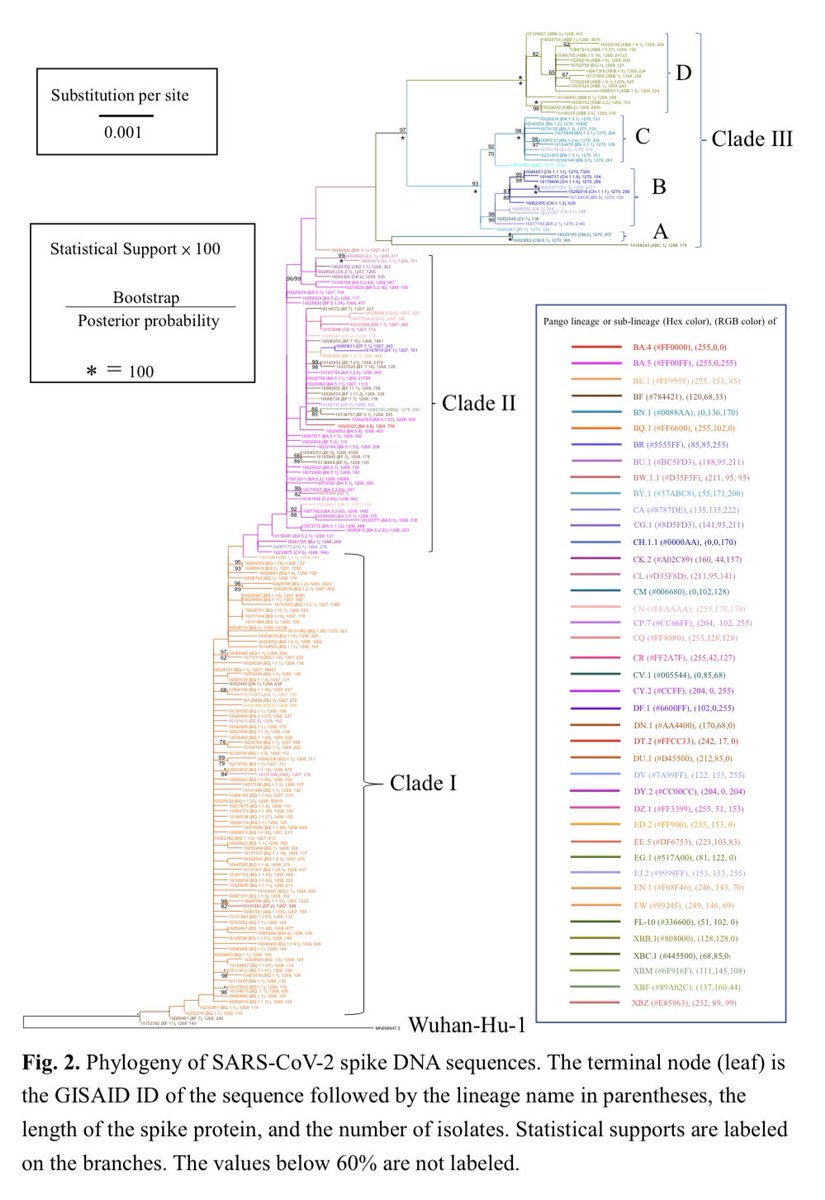
The phylogenetic tree of the spike DNA sequences revealed that the majority of variants belonged to three major lineages: BA.2 (BA.1.1.529.2), BA.5 (BA.1.1.529.5), and XBB. The median network showed that these lineages had at least six major diversifying centers. 3/
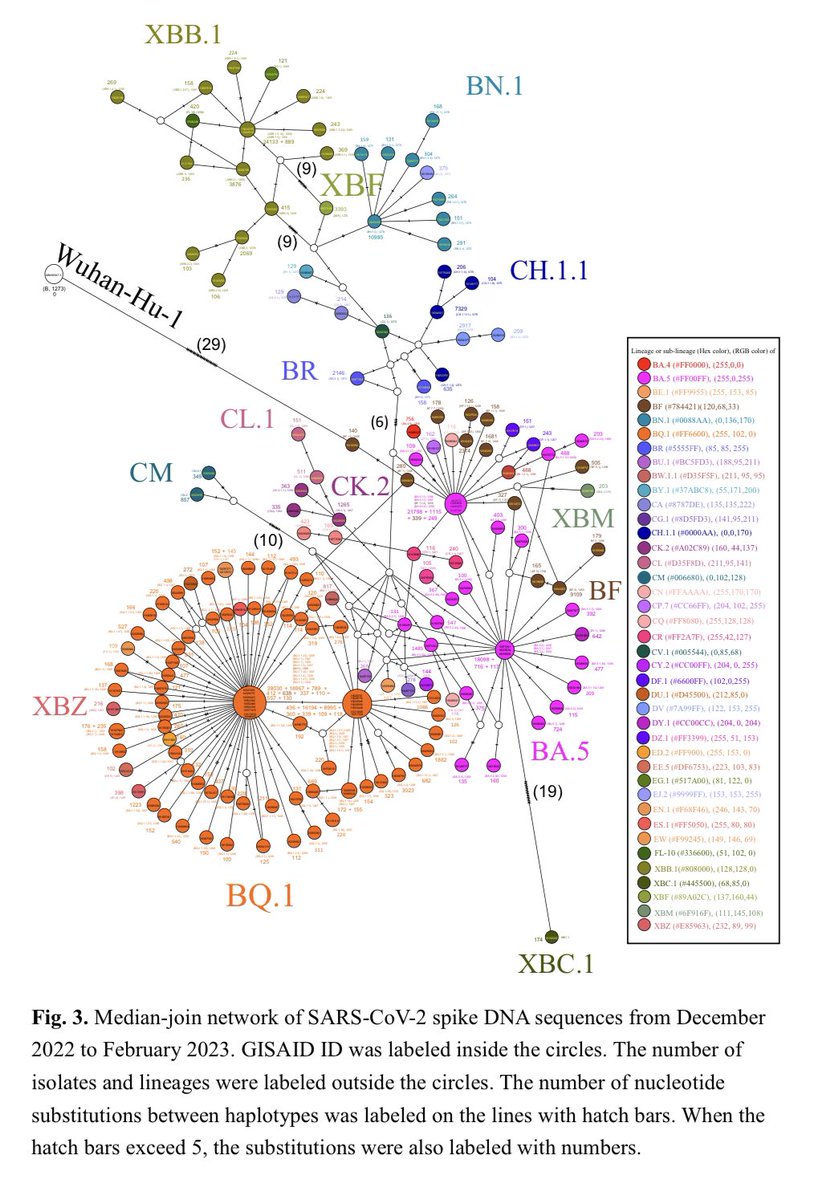
The spike DNA sequences of these diversifying centers had the representative accession IDs (EPI_ISL_) of 16040256 (BN.1.2), 15970311 (BA.5), 16028739 (BA.5.11), 16028774 (BQ.1), 16027638 (BQ.1.1.23), and 16044705 (XBB.1.5). 4/
Selection analyses revealed 26 amino-acid sites under positive selection.
Cortical thickness is altered in the brain structure of #LongCOVID patients with cognitive impairment!
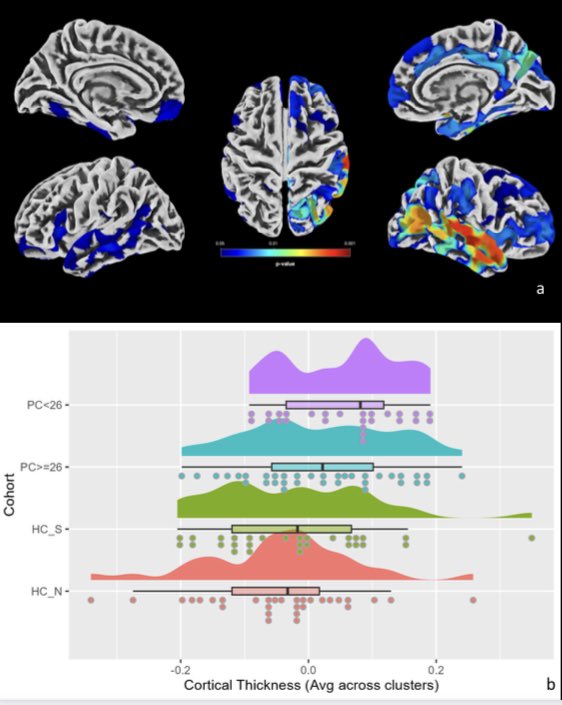
A new study from Germany analyzed differences in cortical thickness between clinical subgroups based on 3T-MRI scans & signature inflammatory markers in n=120 participants 1/
They studied 4 groups comprising healthy never-infected controls, healthy COVID survivors, & subgroups of long-COVID patients with and without cognitive impairment
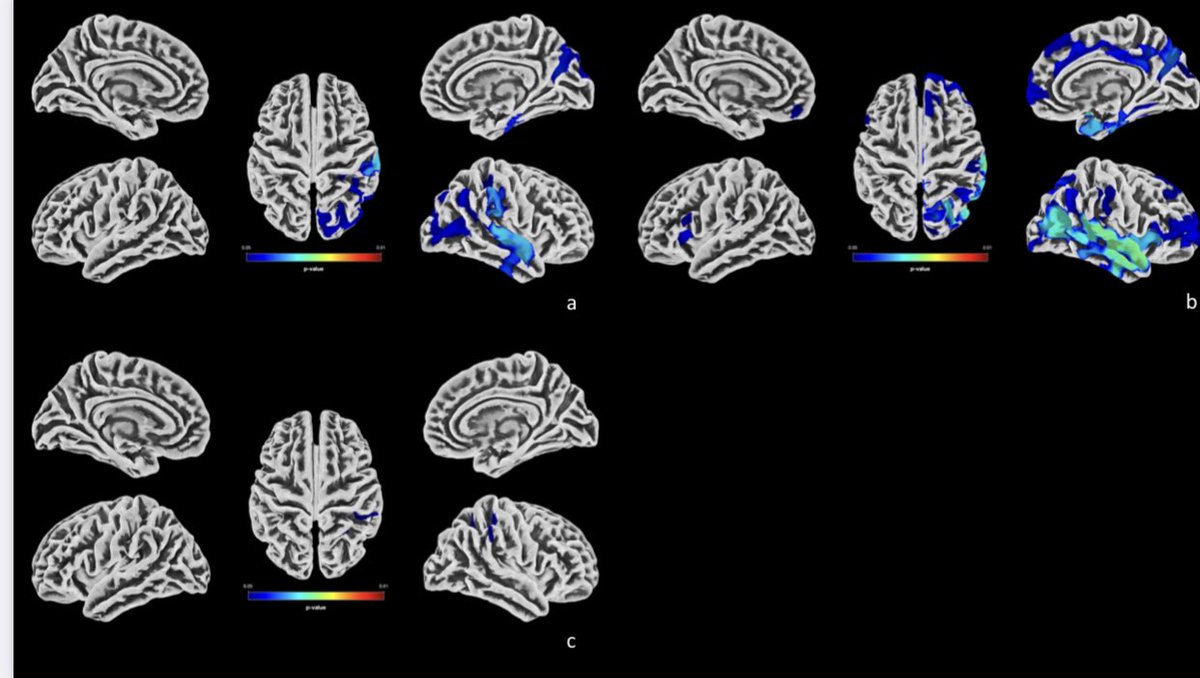
Whole-brain comparison of cortical thickness between the 4 groups was conducted by surface-based morphometry. 2/
They identified distinct cortical areas w/ a progressive increase in thickness across diff groups, starting from healthy who had never been infected w/ COVID, followed by healthy COVID survivors, long-COVID patients w/out cognitive deficits & long-COVID w/ cognitive deficits. 3/
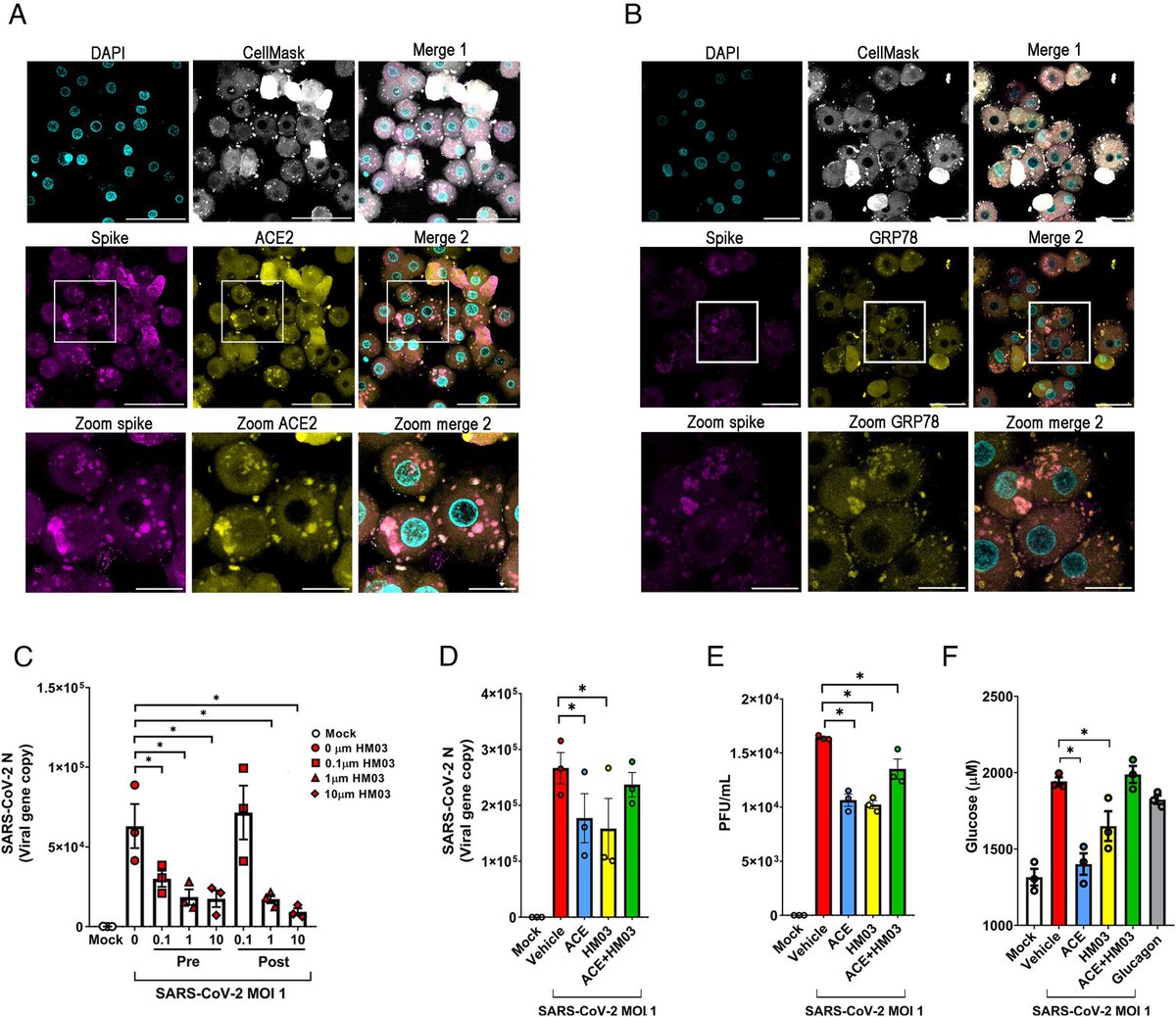
A recent study from Brazil shows that SARS-CoV-2 can infect liver cells i.e. hepatocytes, stimulating glucose production & leading to hyperglycemia in hospitalized patients, even if their blood sugar level was normal before they were admitted to hospital. 1/
The viral entry into liver cells is partially mediated by cooperation between the proteins GRP78 & ACE2. The latter, known to permit cell invasion by the virus throughout the body, is present on the surface of human liver cells in a LMW isoform instead of the regular one. 2/
This is one of the researchers' novel findings. Previous studies suggested liver cells did not express ACE2. Hyperglycemia is a prevalent complication in hospitalized COVID patients that occurs regardless of their diabetes history & is associated with a worse clinical outcome 3/
What’s going on in the brains of COVID-19 patients?
There is a long list of issues : cognitive decline, changes in brain size & structure, depression, suicidal thinking, tremors, seizures, memory loss, & new dementia have all been linked to previous SARS2 infections. 1/
In some cases, these long-term problems occur even in patients w/ relatively mild COVID-19
But, the key issue that’s still unresolved is whether the SARS-CoV-2 was entering the brain & causing damage directly, or triggering an immune response that led to brain changes? 2/
Early in the pandemic, researchers didn’t find the SARS-CoV-2 virus in the brains—but they did find significant damage to their blood vessels, which were coated with antibodies. 3/
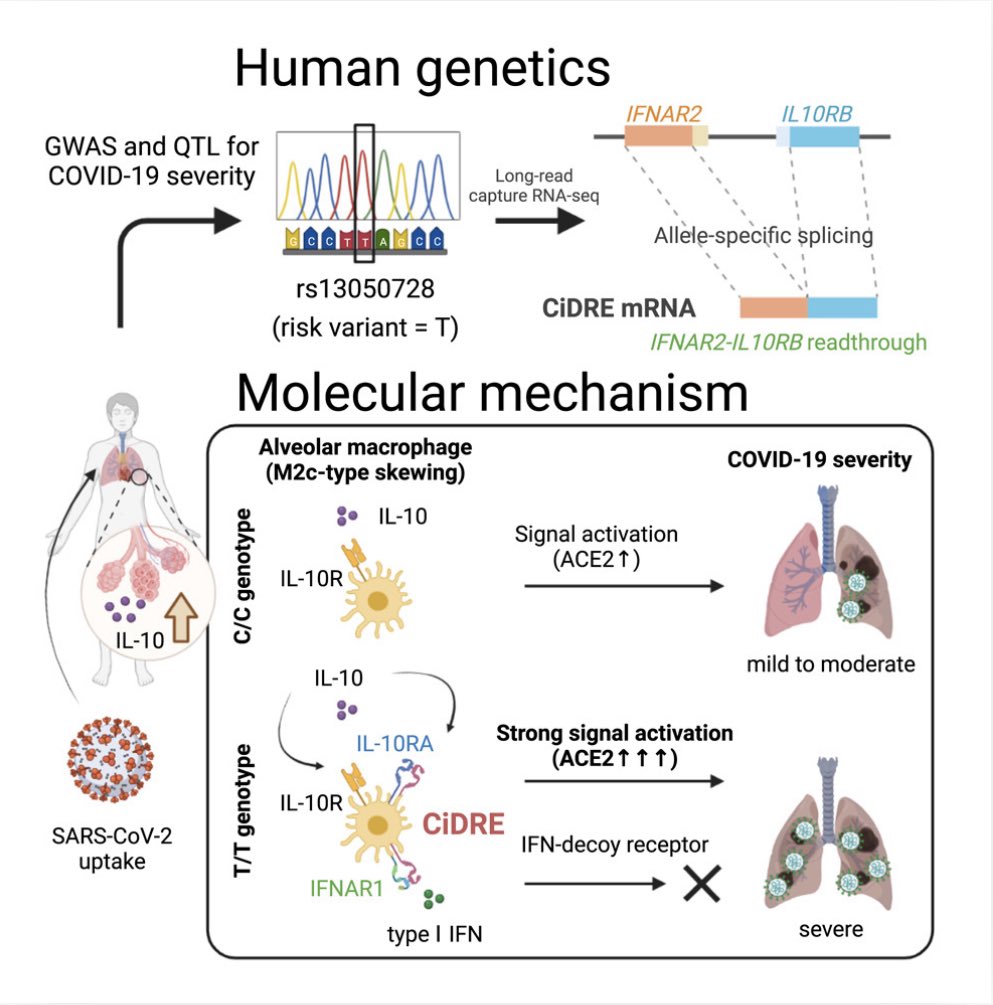
The precise mechanisms involved in severe COVID-19 pneumonia are unknown. A new study showed that interleukin-10 (IL-10) induced the expression of ACE2 in normal alveolar macrophages, causing them to become vectors for SARS-CoV-2. 1/
The inhibition of this system in hamster models attenuated SARS-CoV-2 pathogenicity.
They identified a IFNAR2-IL10RB readthrough transcript, COVID-19 infectivity-enhancing dual receptor (CiDRE), which was highly expressed in patients w/ COVID risk variants at IFNAR2 locus 2/
CiDRE exerted synergistic effects via the IL-10-ACE2 axis in alveolar macrophages and functioned as a decoy receptor for type I interferons. 3/
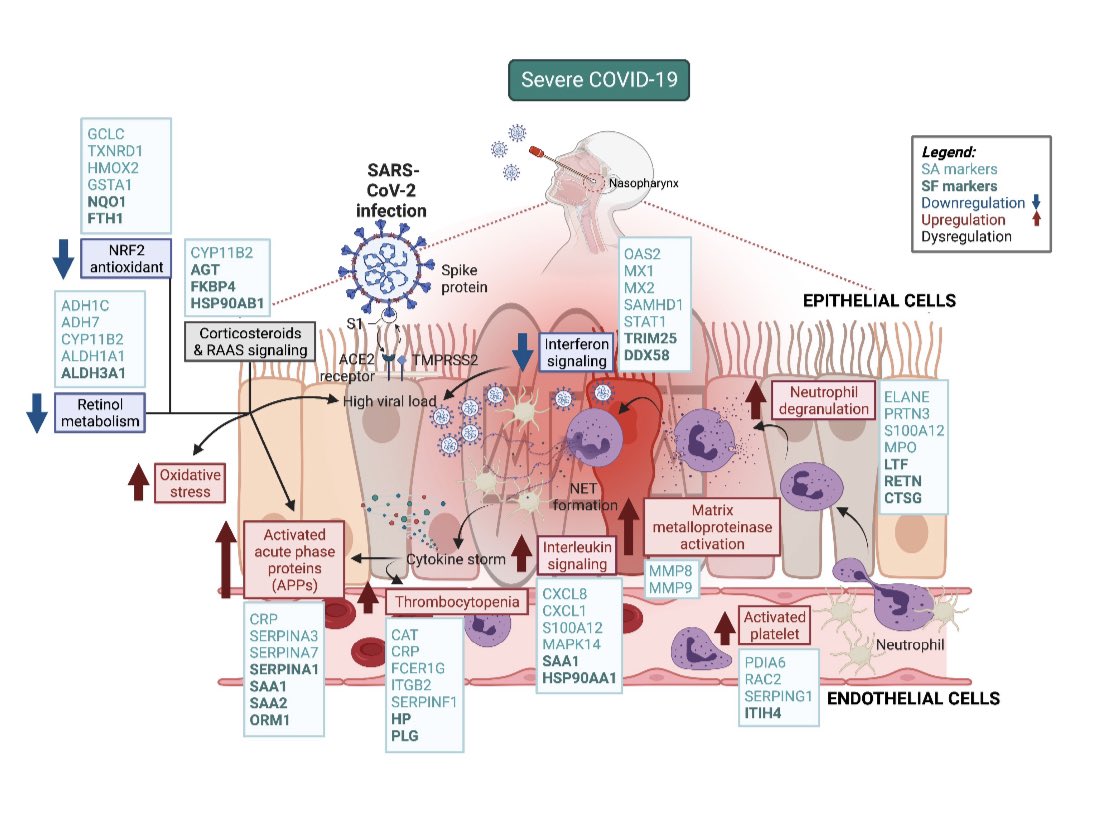
A new study demonstrates the host response to COVID-19 infection in the nasopharynx, highlighting that severe COVID-19 is a double-defect disease, requiring first a defective early control of the virus mainly through the two mechanisms…….1/
1) IFN-I depletion via aberrant STAT1 signaling, retinol metabolism, NRF2 antioxidant system, and dysregulated glucocorticoid and RAAS signaling 2/
2) an impaired ability to control proinflammatory responses by hyperactivating the host innate immunological pathways through neutrophil activation and degranulation, interleukin production and platelet aggregation. 3/
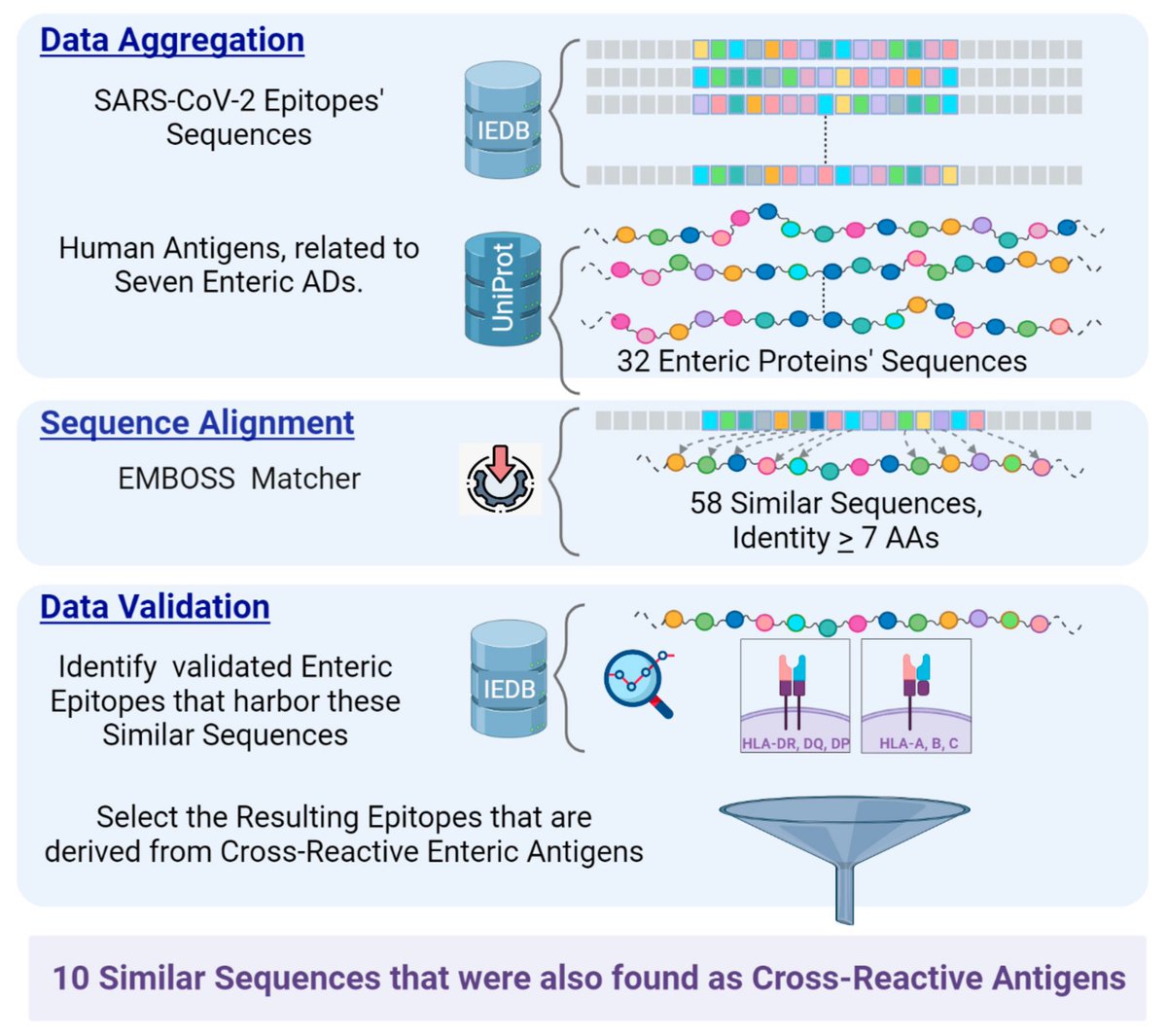
The gastrointestinal tract can be heavily infected by SARS-CoV-2. Being an auto-immunogenic virus, SARS2 represents an environmental factor that might play a role in gut-associated autoimmune diseases (ADs). 1/
However, molecular mimicry between the virus and the intestinal epitopes is under-investigated. 2/
A new study elucidated sequence similarity between viral antigens & human enteric sequences, based on known cross-reactivity. SARS2 epitopes that cross-react w/ human gut antigens were explored & sequence alignment was performed against self-antigens implicated in enteric ADs 3/