Read on Twitter
“The only way to stop this,” Ukraine's military intelligence told us, “is the immediate withdrawal of Russian occupation troops from Ukraine.” Our latest visual investigation into Kyiv's growing fleet of homegrown kamikaze drones that have hit Moscow: nyti.ms/455tphc
Public glimpses of Ukraine's long-range kamikaze drone program are rare. The first came in December, when influencer @igorlachenkov got an unexpected phone call from GUR, Ukraine's military intelligence. They needed money, and fast, for a “drone that can fly very far.”
@igorlachenkov Lachenkov, who had been raising money for the war effort, asked his million followers on Telegram for donations. 20 million hryvnia, or about half a million dollars, was needed to fund five Bobers — Ukraine's equivalent of the Iranian-made Shaheds used by Russia. 

Five months later, and just a week after the brazen May 3 drone attack on the Kremlin, @igorlachenkov thanked his followers and posted three photos of the previously unseen Bober which, he said, “already conflicted heavy losses” on Russia.

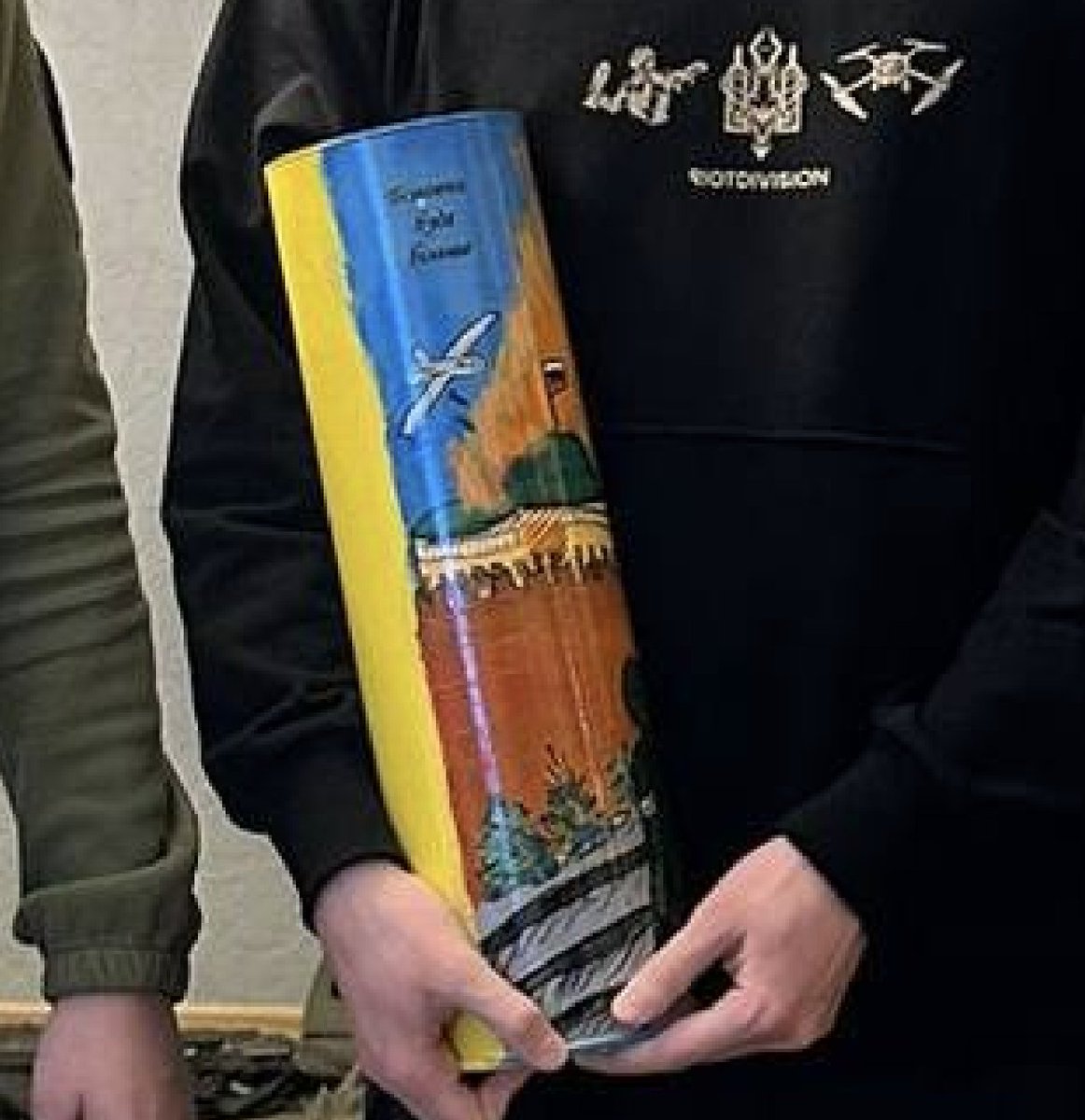
In a fourth photo, @igorlachenkov is standing with Kyrylo Budanov, head of GUR. In his hands, a gift from Budanov: a painted artillery shell showing a drone dropping two bombs of the Kremlin (with striking resemblance to the infamous images from the May 3 attack).

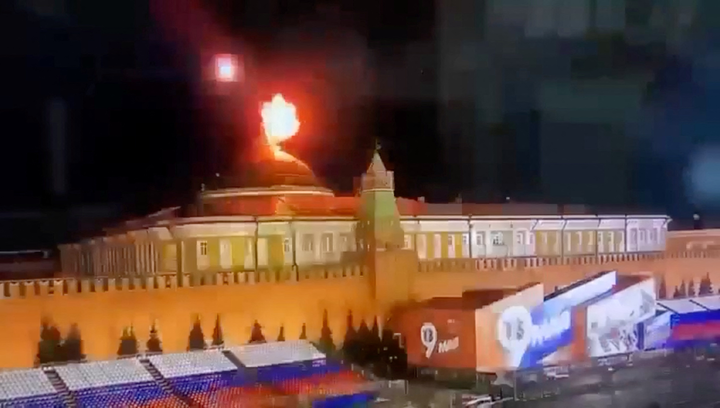
Since the Kremlin attack, there have been 6 more drone strikes on Moscow alone. The total of kamikaze drones flown into Russia between May-July was double the total for all of 2022. At least three different Ukrainian-made drones have been used: Bober, UJ-22 and an unnamed model.
Here's the Bober in flight above Ilyinski, near Moscow, on May 30. It's a bit boxier (less fancy aesthetics, basically). To the naked eye, it seems to be flying backward due to its “push” airframe: canard in the front and propellor in the back.
This type of design could provide certain benefits for long-range attacks, @sambendett told us. The push design may make for better sensor packages, while also reducing drag — making it easier to fly against resistance like wind.
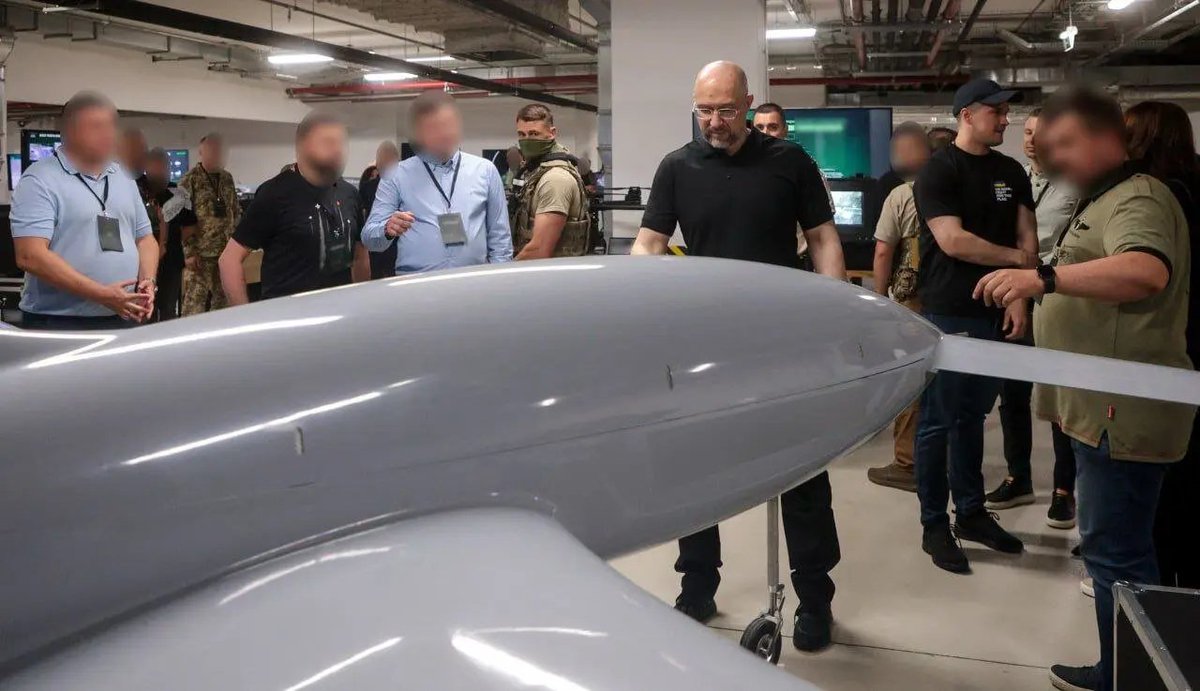
Last week, @Denys_Shmyhal announced Ukraine would increase its investment in drone technology tenfold — from $108 million last year to over $1 billion this year. There was no mention of long-range UAVs, but promotional images showed the Bober without naming the kamikaze drone.
@Denys_Shmyhal Besides the Bober and the more well-known UJ-22, this video shows the catapult launch of a third, unnamed Ukrainian-made kamikaze drone. We matched this UAV to visuals of wreckages at at least four attack locations inside Russia, including Moscow.
Video was posted by @serhiyprytula, who says his foundation has raised around $6.8 million dollars to fund longer-range kamikaze drones. You can see resemblance of the photo he posted with wreckage found in Russia. https://t.co/HNQXZZGF9T
https://twitter.com/UAWeapons/status/1663531974391111680

Ukraine's goal in urban areas, so far, appears more about instilling fear than causing bloodshed or large-scale destruction. This is footage of the most recent drone attack on Moscow, yesterday. We believe at least one Bober was used in this attack.
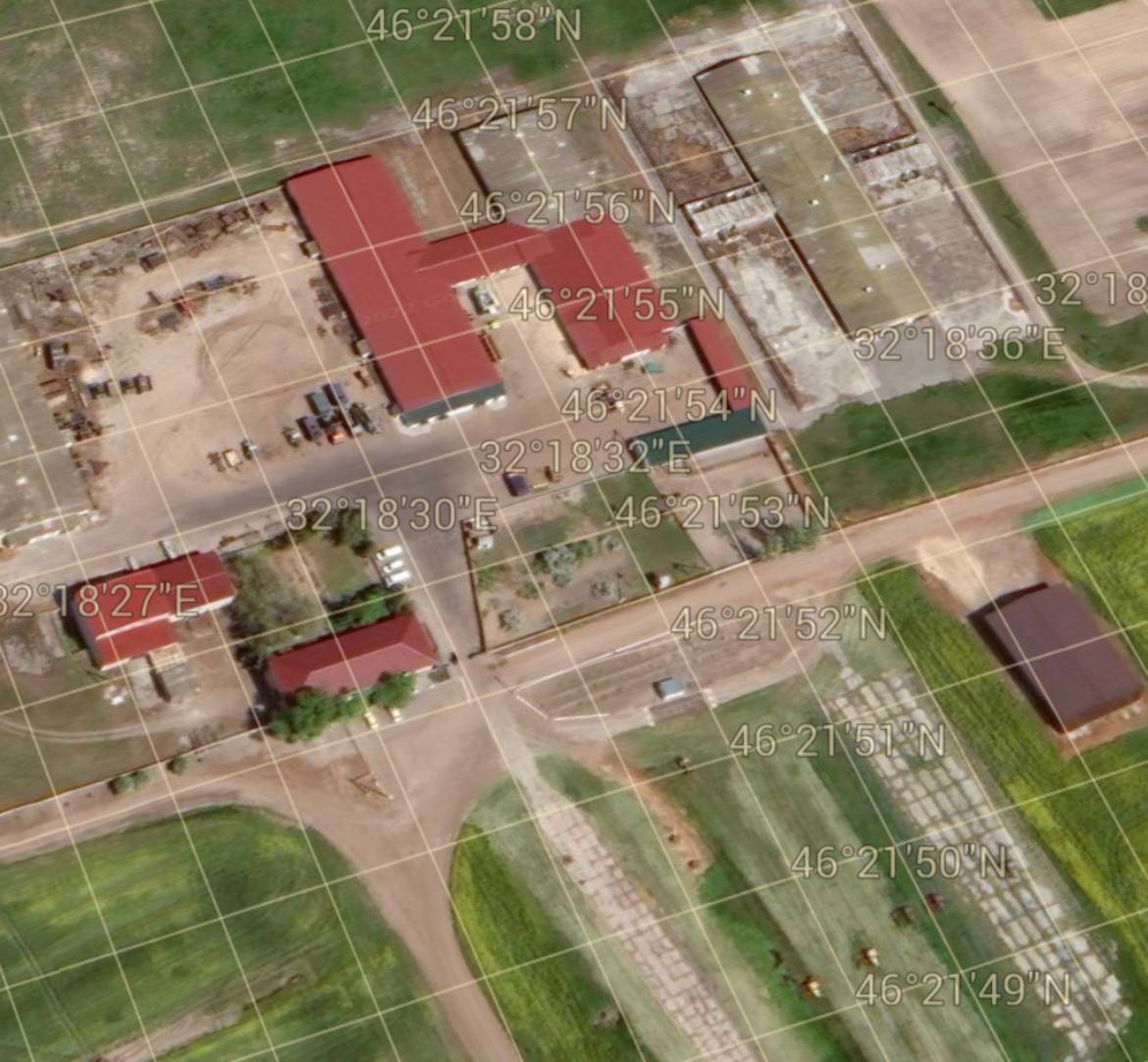
In the aftermath of the attack, Prytula taunted Muscovites: shudder from the air raid alarm, go to the bomb shelters, etc. Attached, several images of Bober drones at an undisclosed location in Ukraine. Written on one: “From Ukraine without love.”
https://twitter.com/serhiyprytula/status/1685627444089311234
While several buildings, including at least one related to Russia's military apparatus, have been damaged in Moscow, several other attacks have hit strategic locations such as oil depots.
Ukrainian drone attacks on Russian soil, including Moscow, are likely to continue. And they're likely to increase in frequency, too. Read our full article, “Ukraine’s Other Counteroffensive: Drone Attacks on Russian Soil,” here (gift link, no paywall): nyti.ms/47fENc8
We'll continue to the war in Ukraine, and as always, feel free to reach out with question, tips, suggestions, etc. This article was, as always, a team effort, with @heytherehaley, @LisaKovtun94, @markscheffler, @hanaansarhan, @ajcardia and @riley_mellen.
This is great work by @PAXforpeace. For those following the (kamikaze) drone industry closely, our reporting suggests that the per-unit price of a Bober is around 20 million hryvnia (~$100K).
https://twitter.com/wammezz/status/1686114765590888448
• • •
Missing some Tweet in this thread? You can try to
force a refresh