I was lucky enough to be offered @visible_health's VisiblePlus+ early access program, for better monitoring #LongCovid #MEcfs #POTS.
Here's what I know:
• Polar Verity Sense arm band.
• UK only initially, US next.
• £65 buy in includes 1 month subscription at £15.
🧵 1/n
Here's what I know:
• Polar Verity Sense arm band.
• UK only initially, US next.
• £65 buy in includes 1 month subscription at £15.
🧵 1/n

Harry's introductory video gives an overview of the new service:
• High accuracy HR data all day (not in sleep).
• Better morning stability readings.
• Real time alerts.
• Pace points to budget activity.
• In development: UpTime & OI HR changes.
2/n
• High accuracy HR data all day (not in sleep).
• Better morning stability readings.
• Real time alerts.
• Pace points to budget activity.
• In development: UpTime & OI HR changes.
2/n


The Polar Verity Sense device on manufacture's site:
• 5 gram puck.
• Clips into provided armband.
• Polar sell swimming goggle clip, so it'll work on various sites.
• Optical sensor, like watches (not ECG), but less movement noise away from wrist.
3/n polar.com/uk-en/products…
• 5 gram puck.
• Clips into provided armband.
• Polar sell swimming goggle clip, so it'll work on various sites.
• Optical sensor, like watches (not ECG), but less movement noise away from wrist.
3/n polar.com/uk-en/products…
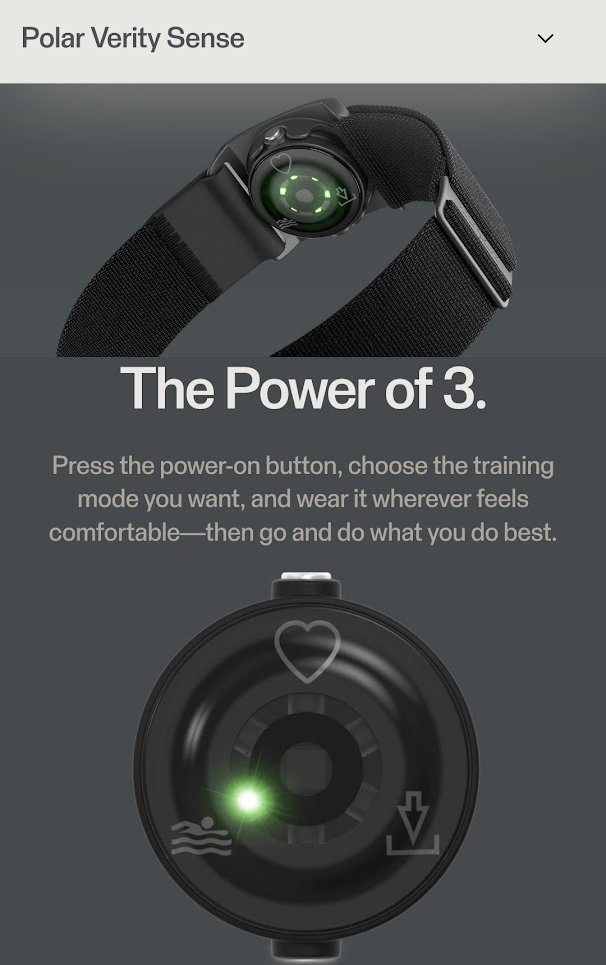
• May need charging every day.
• Long range (to phone), or logging data without it.
• Polar explicitly offer an API and SDK for 3rd party developers (like Visible), so a handy choice, I guess.
4/n
• Long range (to phone), or logging data without it.
• Polar explicitly offer an API and SDK for 3rd party developers (like Visible), so a handy choice, I guess.
4/n
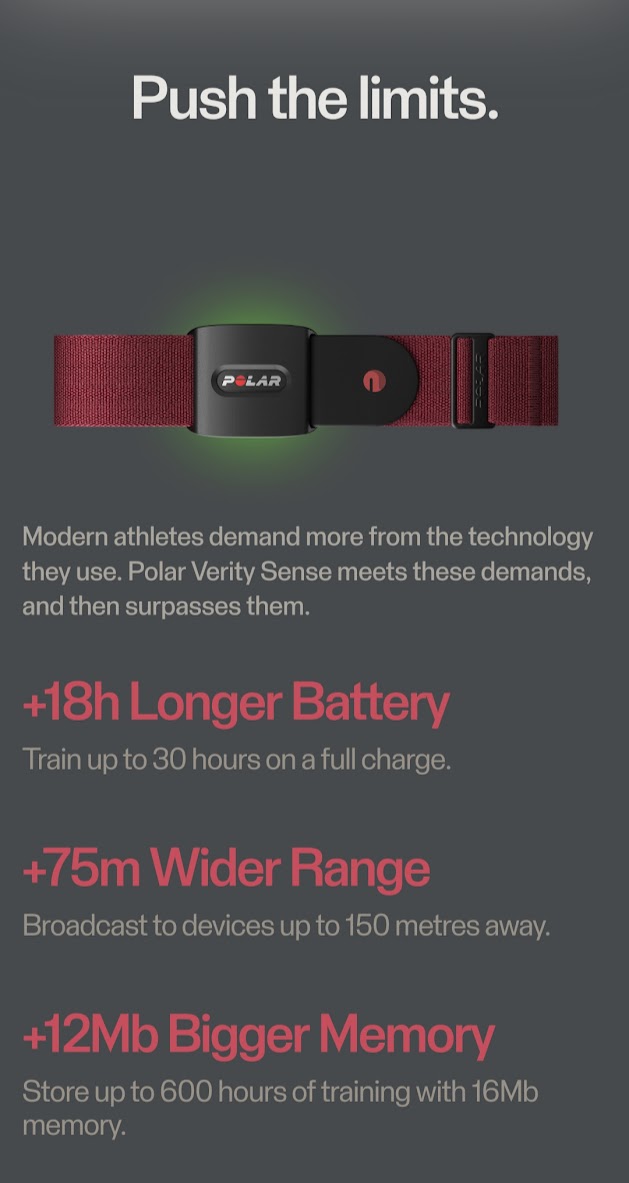
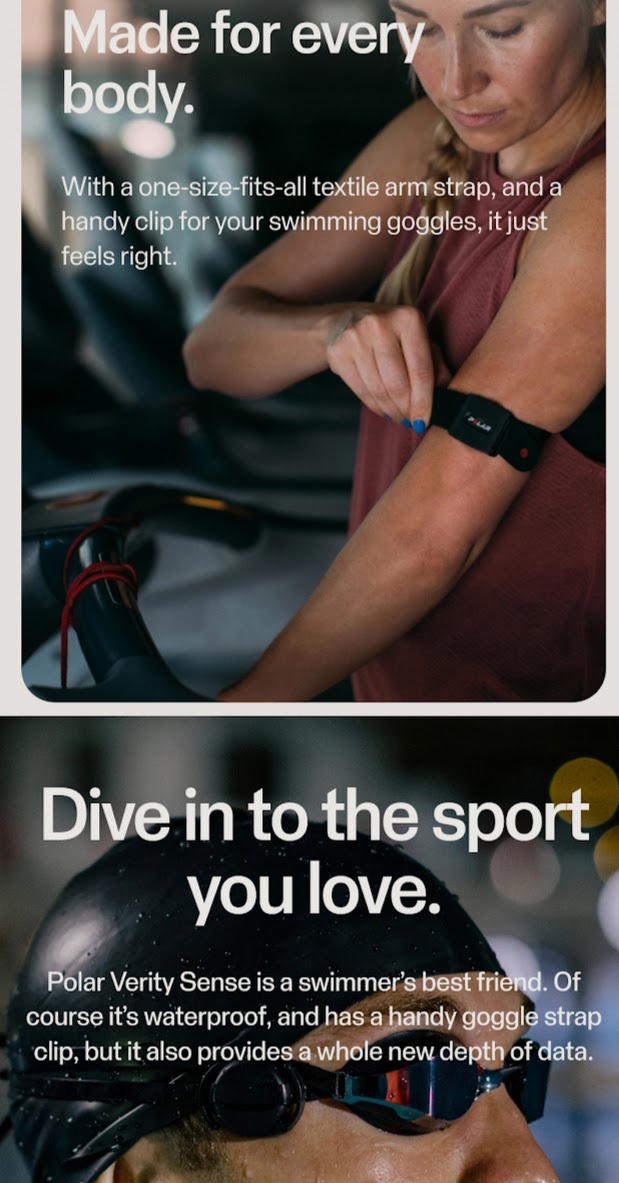

The @QuantifiedRob Scientist reviewed it 2 years ago:
It seemed to have good heart rate accuracy. Close to his benchmark device: a Polar ECG chest strap.
So I'm hoping that it will do far better than my Fitbit Luxe, which misses sudden peaks/drops.
5/n
It seemed to have good heart rate accuracy. Close to his benchmark device: a Polar ECG chest strap.
So I'm hoping that it will do far better than my Fitbit Luxe, which misses sudden peaks/drops.
5/n
I'm a Visible noob, only tracking my morning stability for 4 weeks. Manually copying values to my spreadsheet (no export).
I like the powerfully simple design, compared to eg Welltory's clutter. But that maybe takes more reliable camera readings & insightful extra metrics.
6/n
I like the powerfully simple design, compared to eg Welltory's clutter. But that maybe takes more reliable camera readings & insightful extra metrics.
6/n

So springing for offer was a bit impulsive. And I'm not keen on such an expensive (£15/mth) subscription, unless it provides very big value.
But if it doesn't suit me, I can cancel after a couple months and still have an fully working £86 device for cheaper than retail.🤷
7/n
But if it doesn't suit me, I can cancel after a couple months and still have an fully working £86 device for cheaper than retail.🤷
7/n

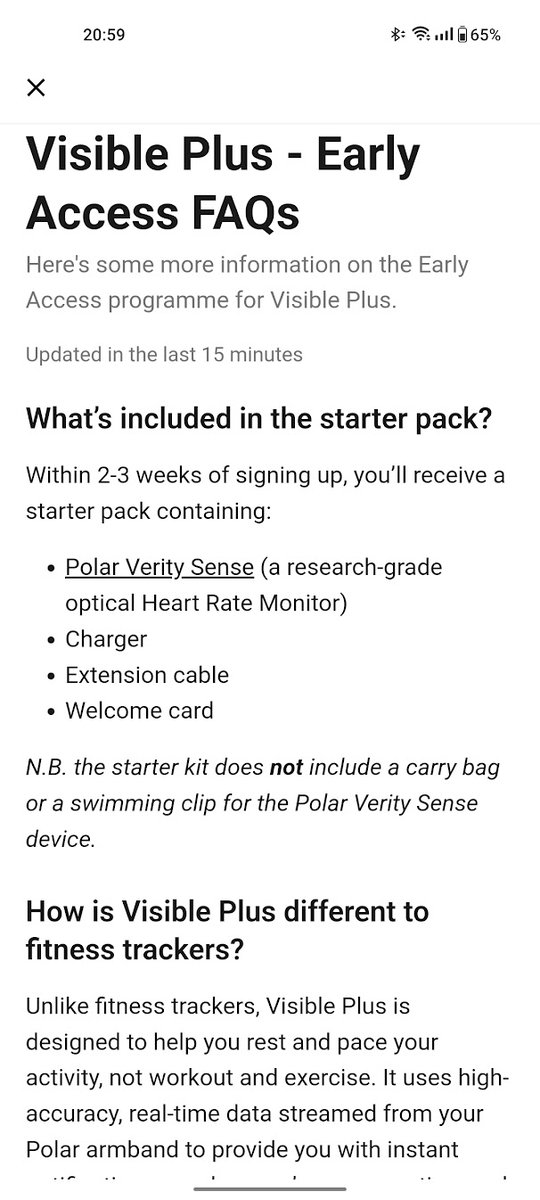
I wanted to hop aboard the Garmin or Oura band wagons. But I think I'd find their devices uncomfortable. Other issues too.
Visible is explicitly tailoring its product to our illness needs and has an exciting energy. And the team were very responsive, even over the weekend.🙂
8/n
Visible is explicitly tailoring its product to our illness needs and has an exciting energy. And the team were very responsive, even over the weekend.🙂
8/n
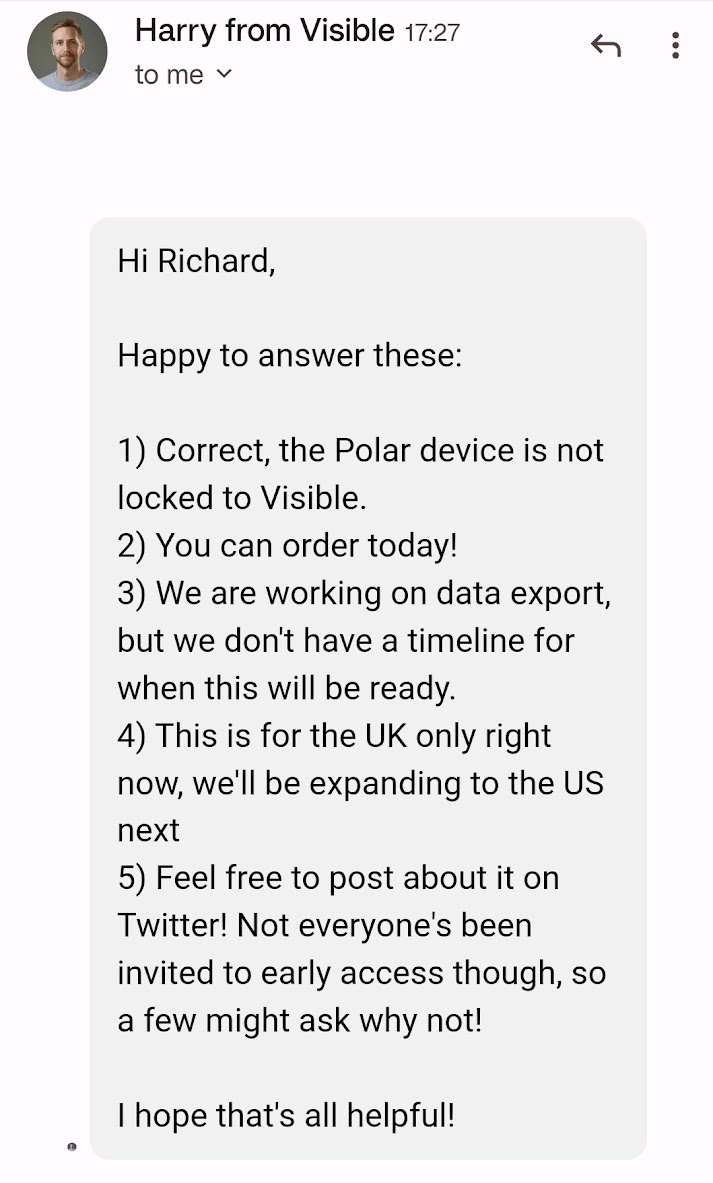
No official blog about this yet, by the way:
And I'm expecting a 2-3 week (or so) wait for my device. But the app is already offering to use it, heh.
Those more experienced users, or who've been following development, what do ya think..?🙂
9/n makevisible.com/blog
And I'm expecting a 2-3 week (or so) wait for my device. But the app is already offering to use it, heh.
Those more experienced users, or who've been following development, what do ya think..?🙂
9/n makevisible.com/blog
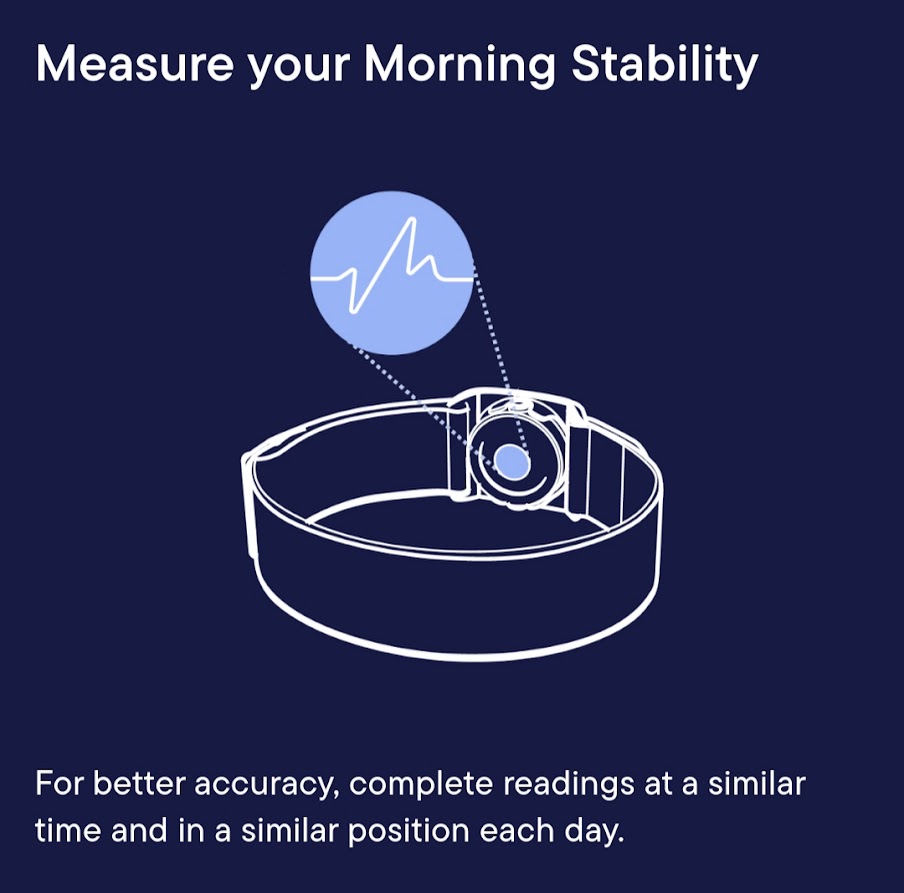
I'd not realised that some patients (also in the UK) have been trying this out for many months!
Good post here about using the band and pace points system to see excess exertion from showering:
10/n
Good post here about using the band and pace points system to see excess exertion from showering:
10/n
https://twitter.com/JulesAHouston/status/1687888325653258240?t=oYTHXj4HgxxivOnPb2GVeA&s=19
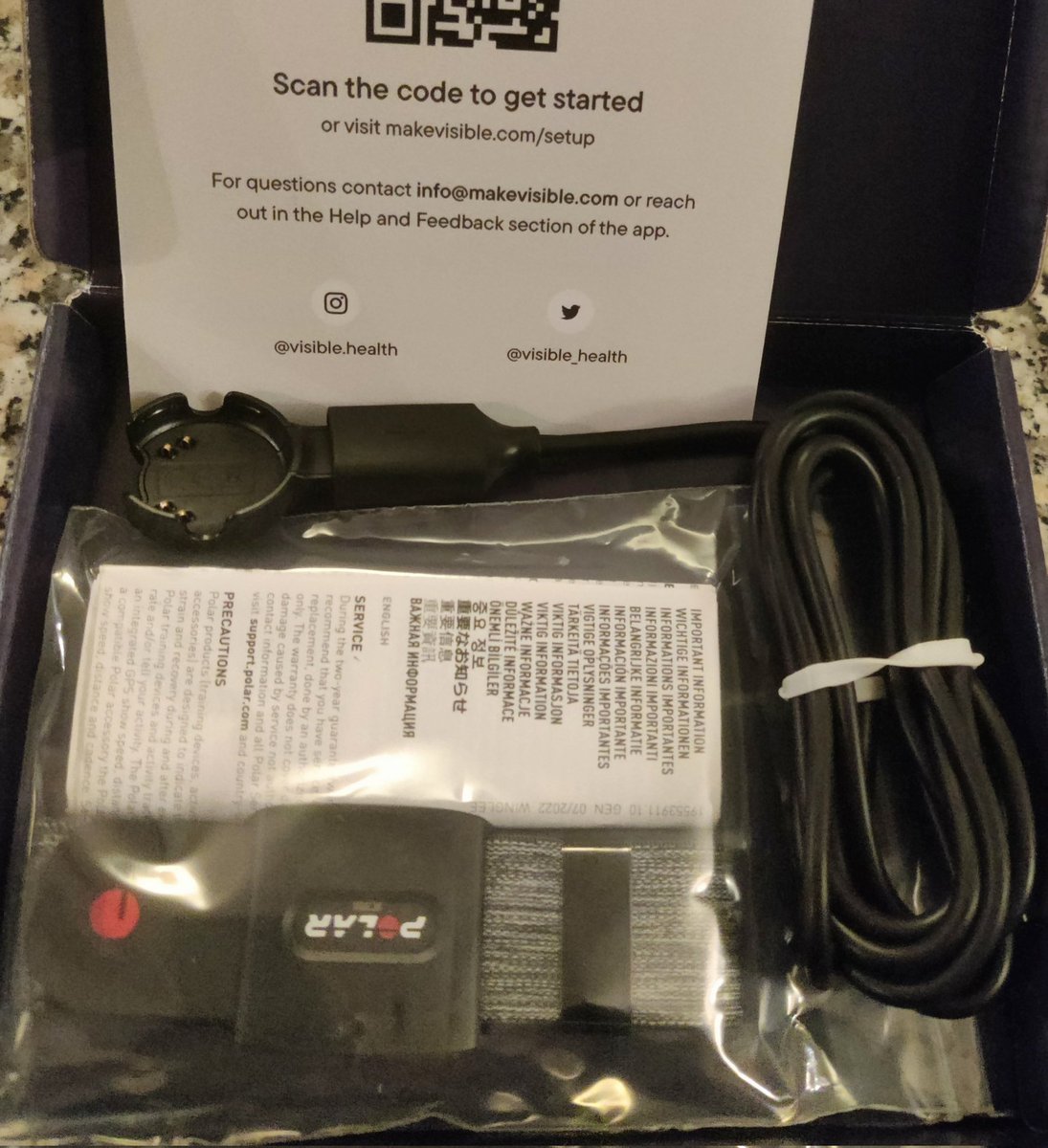
My arm band kit came in the post yesterday, as I was told; free month started same day.
Sensor small and feels very light. Could prob attach with a plaster.🤔 1h to charge, ~50% at my bed time. Easy setup.
Band slightly noticeable when flexing bicep.😅 Slipped down twice.
11/n
Sensor small and feels very light. Could prob attach with a plaster.🤔 1h to charge, ~50% at my bed time. Easy setup.
Band slightly noticeable when flexing bicep.😅 Slipped down twice.
11/n


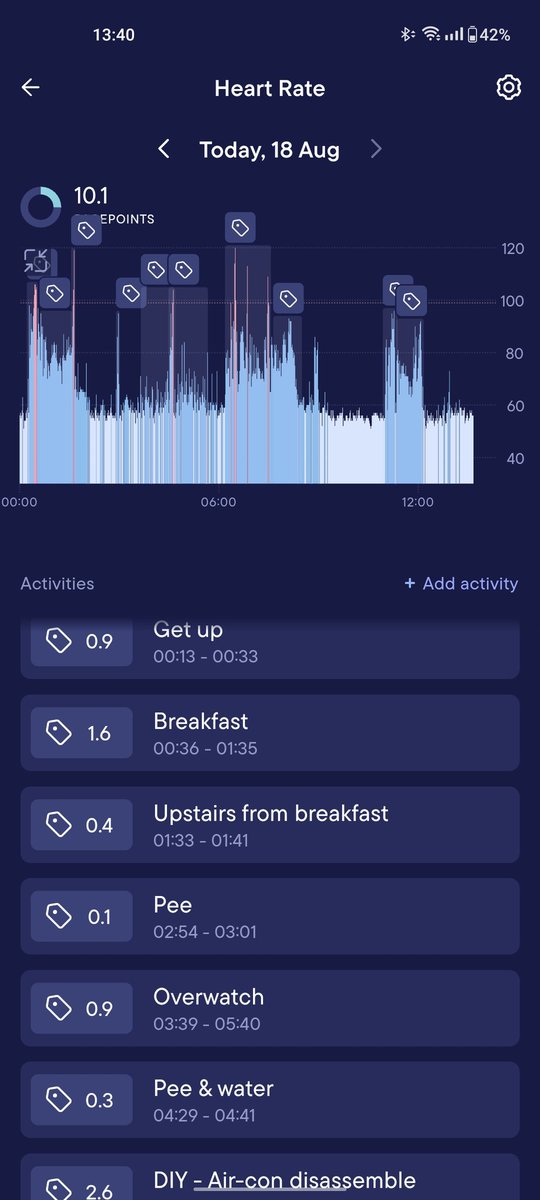
I've left all settings on default, for now. <60bpm resting, <99 exertion, >99 over-exertion.
(I'd been targeting 65 & 80, previously.)
4 days of data before I can set pace points budget.
Already useful to see length & height of activities. (Doing too much today.)
12/n
(I'd been targeting 65 & 80, previously.)
4 days of data before I can set pace points budget.
Already useful to see length & height of activities. (Doing too much today.)
12/n
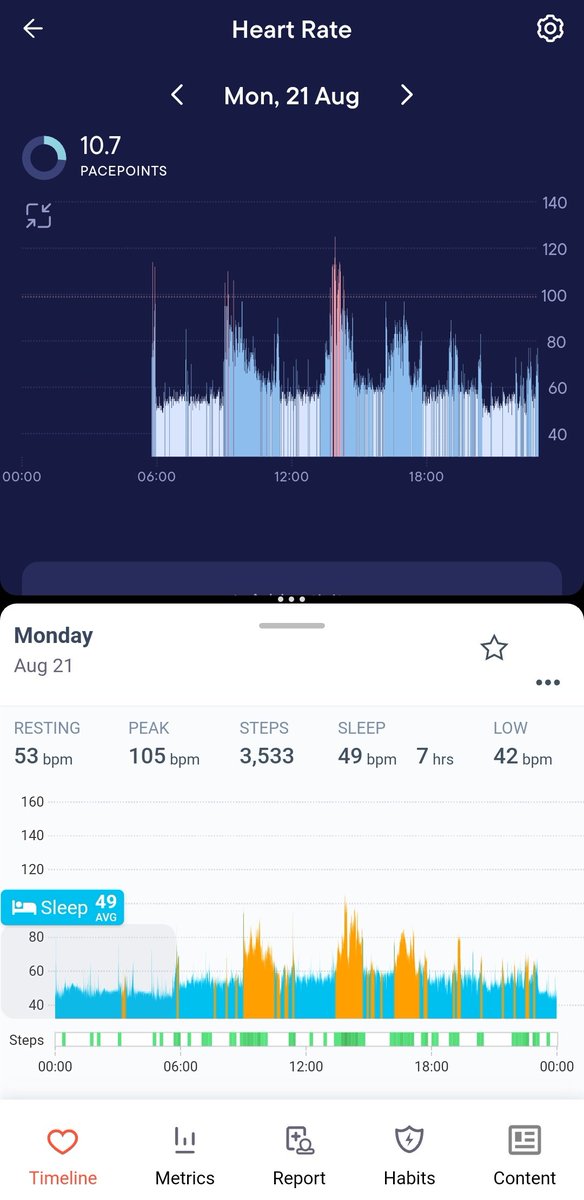
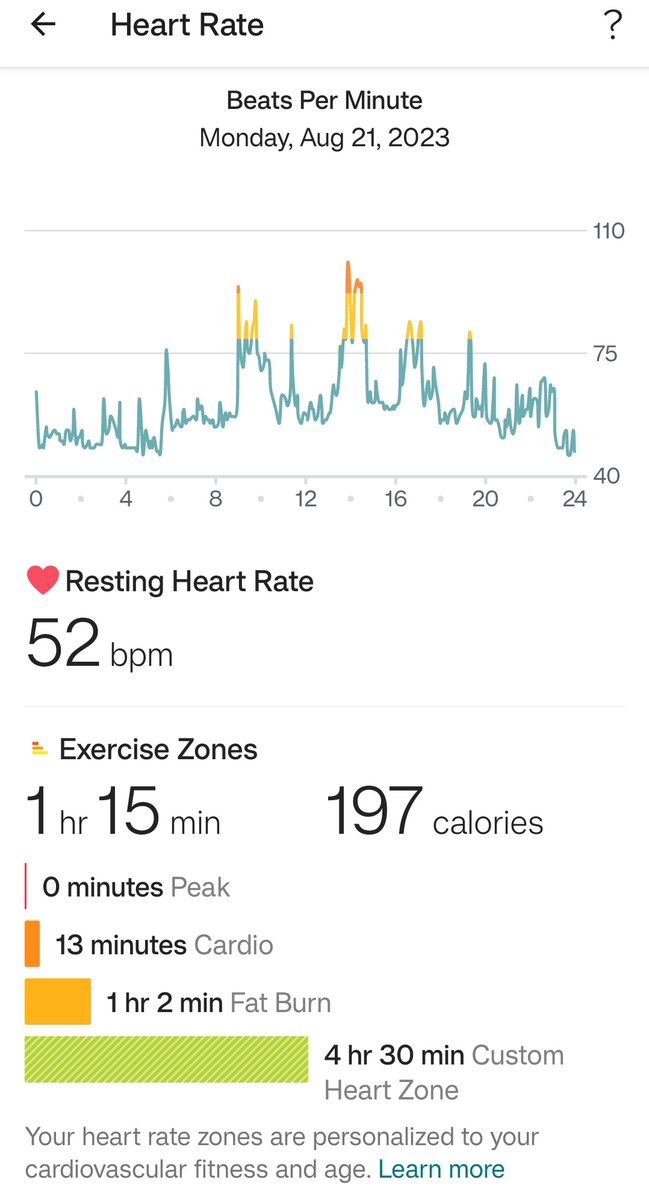
Quick side-by-side of Visible's (in app) Polar Verity Sense sense heart rate data (top), for me yesterday...
Verses my Fitbit Luxe (displayed in Cardiogram, bottom).
You can see the Fitbit is often clipping ~20bpm or so off the peaks. Visible much closer to true.🙂
13/n
Verses my Fitbit Luxe (displayed in Cardiogram, bottom).
You can see the Fitbit is often clipping ~20bpm or so off the peaks. Visible much closer to true.🙂
13/n
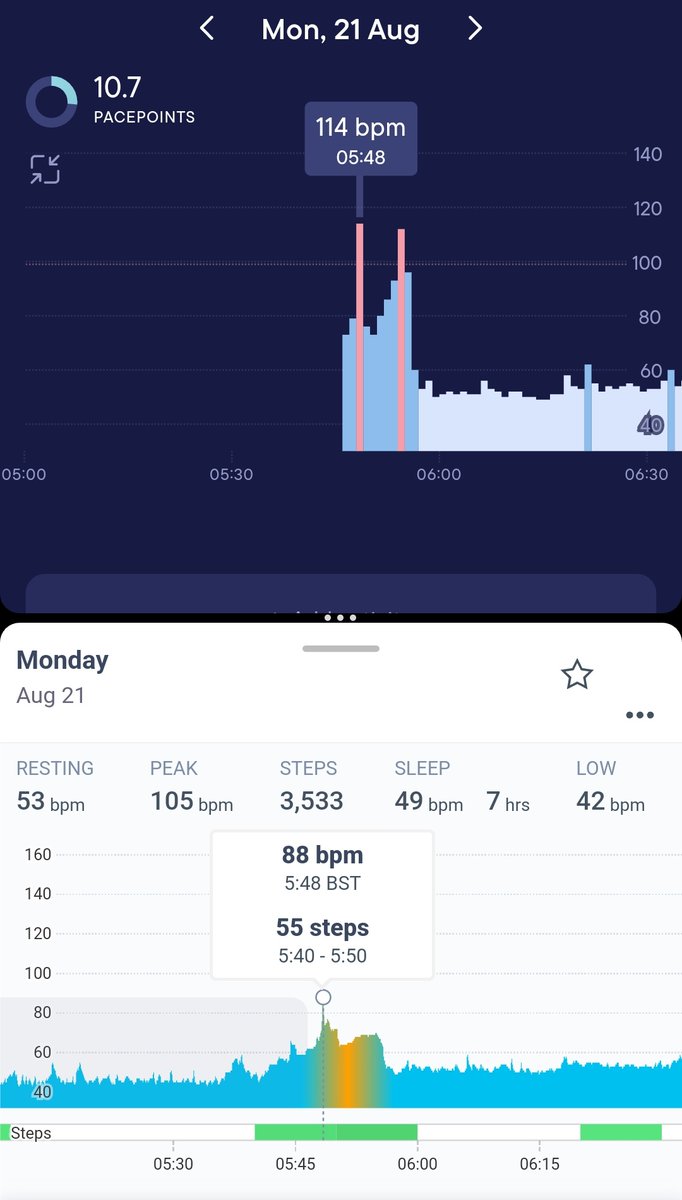
Zooming in on my first quick pop out of bed, we see it's not a lack of temporal resolution, on the Fitbit. That's ~5 seconds, natively.
Visible bins into neat 1 minute intervals. I'm guessing each shows the max HR reading in that minute..?
Fitbit app (image 2) has no zoom.
14/n
Visible bins into neat 1 minute intervals. I'm guessing each shows the max HR reading in that minute..?
Fitbit app (image 2) has no zoom.
14/n
Comparing the @visible_health band to my cheap oximeter, I think it's roughly comparable.
But Visible has a 5 to 10 second delay (see video).
Maybe that buffering period is software processing or the Polar device only sends data in intermittent bursts, to save power..? 🤔
15/n
But Visible has a 5 to 10 second delay (see video).
Maybe that buffering period is software processing or the Polar device only sends data in intermittent bursts, to save power..? 🤔
15/n
▶️ Update: I failed to add to this thread or make a further one, but have been posting a lot of graph screenshots for various reasons (search link):
16/nx.com/search?q=from%…
16/nx.com/search?q=from%…
I've just posted a quick review thread of the new FUNCAP27 monthly assessment feature (doesn't need subscription):
17/n
17/n
https://x.com/Z3R0Gravitas/status/1763666001005097378?s=20
Overall, I'd been intending to cancel my VisiblePlus subscription, because £15/month is steep for:
• Not much use of pacing alarms.
• 'Stability' seems to mean little for my function that day.
• Can't think of a major useful data insight.🤔 Although many curiosities.
18/n.
• Not much use of pacing alarms.
• 'Stability' seems to mean little for my function that day.
• Can't think of a major useful data insight.🤔 Although many curiosities.
18/n.

But I don't know if free Polar (band) app will give useful HR tracking utility & I like:
• Arm band's so comfortable I forget to take it off.
• Contributing input/support.
• Still spend time daily annotating activities, seeing idiosyncrasies, eg:
19/n
• Arm band's so comfortable I forget to take it off.
• Contributing input/support.
• Still spend time daily annotating activities, seeing idiosyncrasies, eg:
19/n
https://x.com/Z3R0Gravitas/status/1733344554101756003?s=20
• Initial morning HR peak (and general manual graph inspection) give good idea of (POTS-ish) HR behaviour to pace day.
• Maybe new features will make it more personally useful.
• Addicted to having the long baseline data (just over 6 months so far).
20/n
• Maybe new features will make it more personally useful.
• Addicted to having the long baseline data (just over 6 months so far).
20/n


@threadreaderapp unroll
• • •
Missing some Tweet in this thread? You can try to
force a refresh