"In two separate cases in the Southern and Central Districts of California, two U.S. Navy servicemembers were arrested for transmitting sensitive military information to the People’s Republic of China". justice.gov/opa/pr/two-us-…
"A U.S. Navy sailor, Jinchao Wei, aka Patrick Wei, was arrested yesterday on espionage charges as he arrived for work at Naval Base San Diego, the homeport of the Pacific Fleet. He was indicted for conspiracy to send national defense information to an intelligence officer".
"A U.S. Navy servicemember, Petty Officer Wenheng Zhao, aka Thomas Zhao, 26 ... was arrested following an indictment by a federal grand jury, charging him with receiving bribes in exchange for transmitting sensitive U.S. military information to an individual".
• • •
Missing some Tweet in this thread? You can try to
force a refresh

📚 Reading about Sir Michael Quinlan's observations on intelligence. In 1994, Quinlan - retired as PUS @DefenceHQ - took on a review of secret intelligence. Why did we need secret intelligence when the Soviets had gone? His argument holds true against those who push OSINT now.
Quinlan's point was that the post Cold War world was "more complex and interdependent, less certain and less stable, with a wider and shifting range of conflict risk". Secret intelligence was needed more than ever in this climate.
Secret intelligence, Quinlan later said, "seeks – whether by unearthing specific nuggets of information, or by building up patterns of understanding to help to help our ability to interpret what we observe – to offset gaps, uncertainties and distortions in what we can find ...
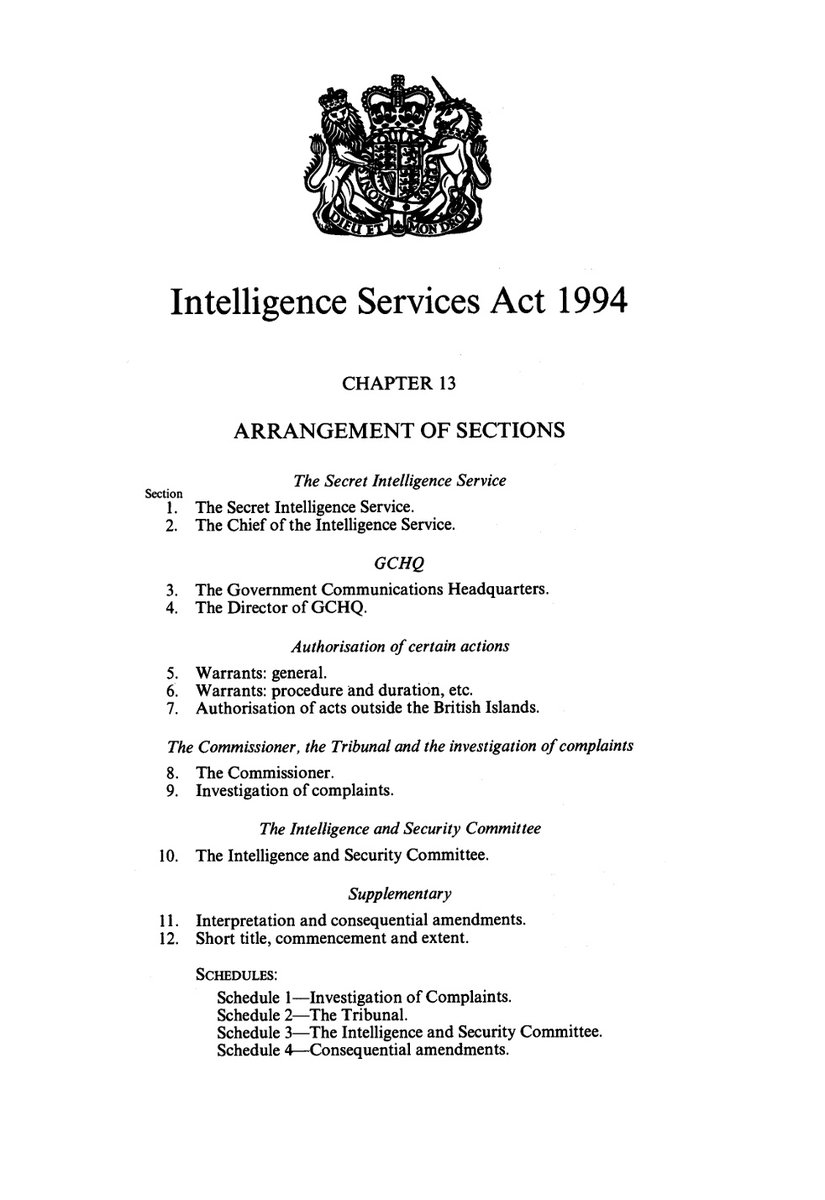
The Secret Intelligence Service has had numerous names over the years, famously referred to as #MI6.
But what other names have there been? A thread🧵
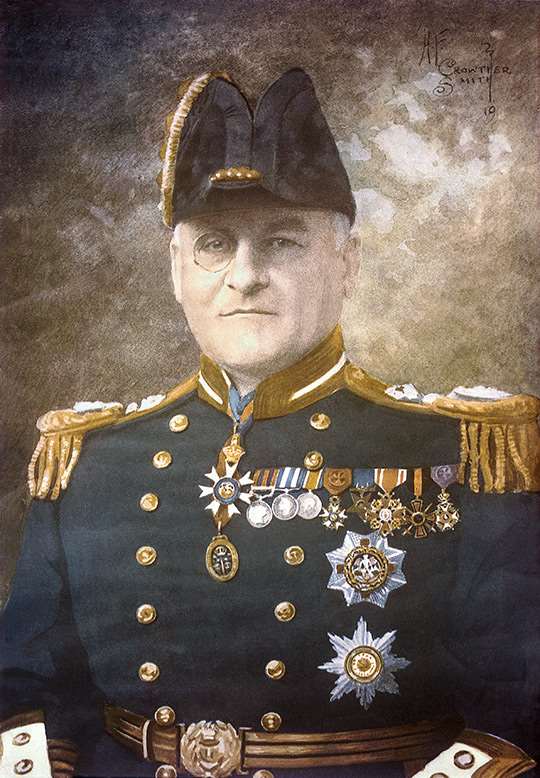
👀 SIS emerges from the Secret Service Bureau, formed in July 1909. Initially seen as covering domestic and overseas intelligence, the SSB soon splits into Home and Foreign sections. In 1916, the Foreign section takes the name MI1(c).
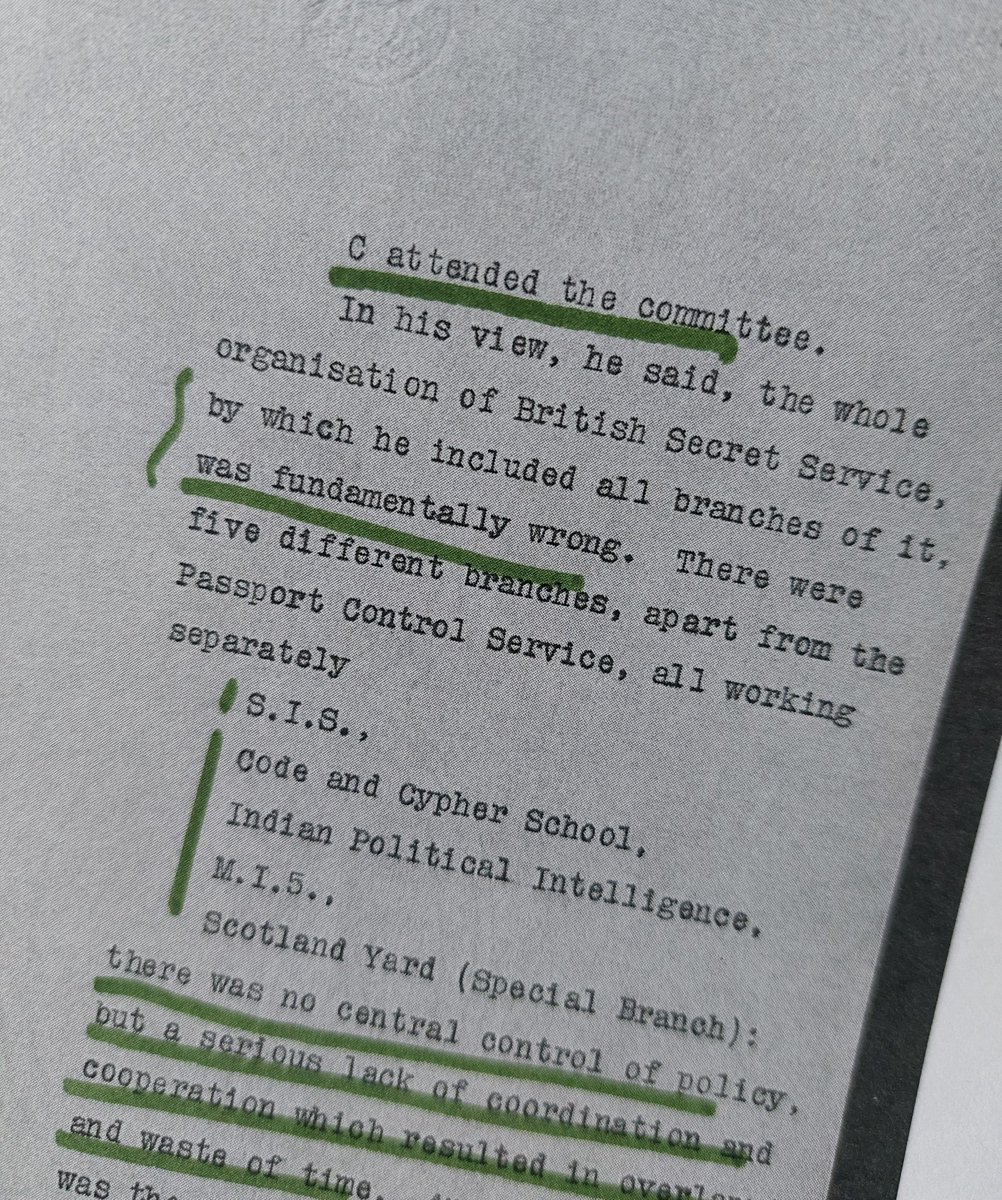
Yet there seemed to be confusion over the actual name. SIS is adopted in early 1920, but "Special" and "Secret" was used at several points. The "Foreign Office service" - a reflection of the FO's control - appears, and "C's organisation" - a reference to "Chief" - is also used.