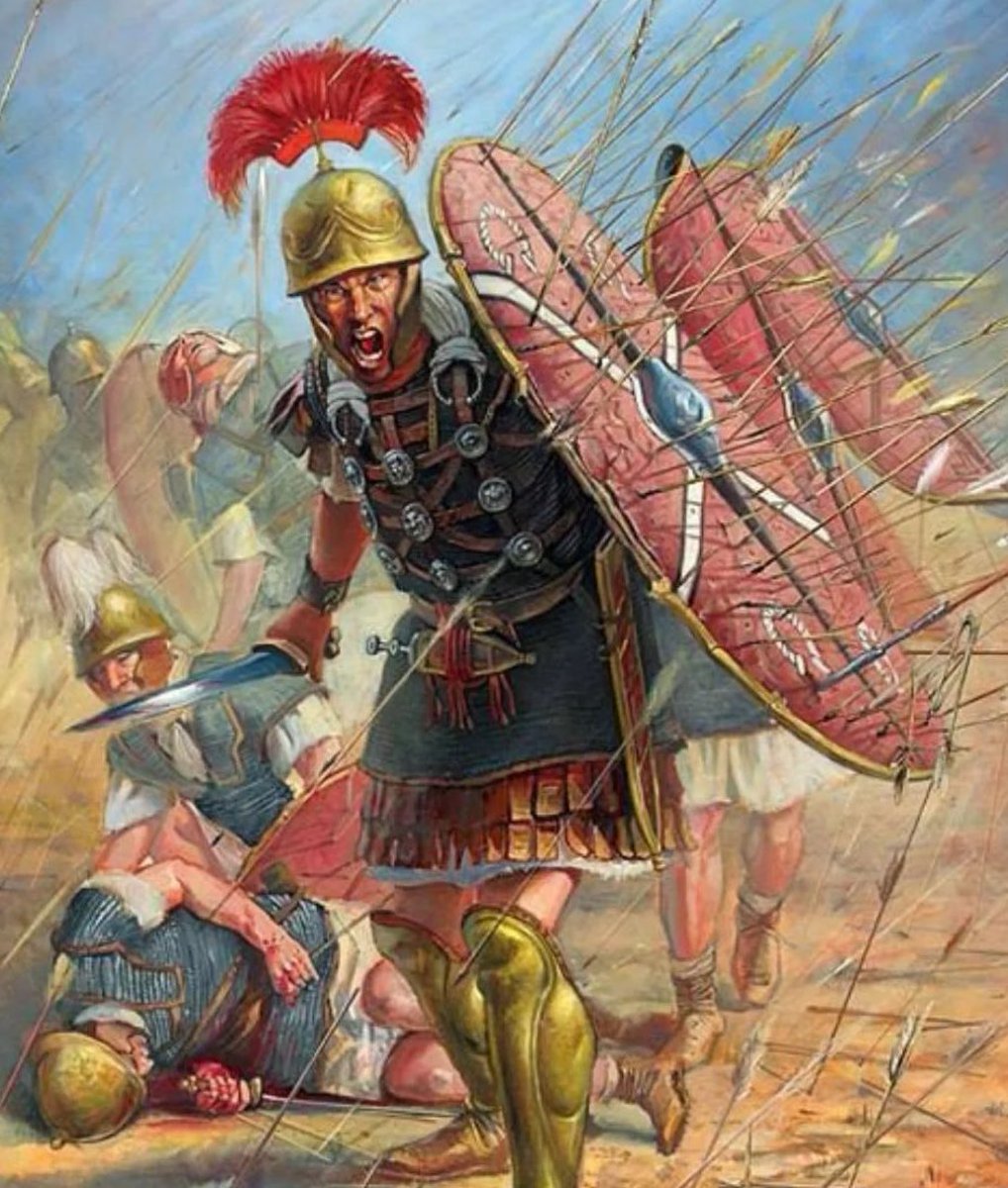
Today in AD 1265:

Simon de Montfort was hunted down and butchered by a medieval death squad at the Battle of Evesham.

This is how he met such a grizzly end 🧡 Image
Misrule by the inept & inconsistent Henry III led to widespread discontent and eventually rebellion by many of the major barons in England.

This culminated in the Battle of Lewes. Image
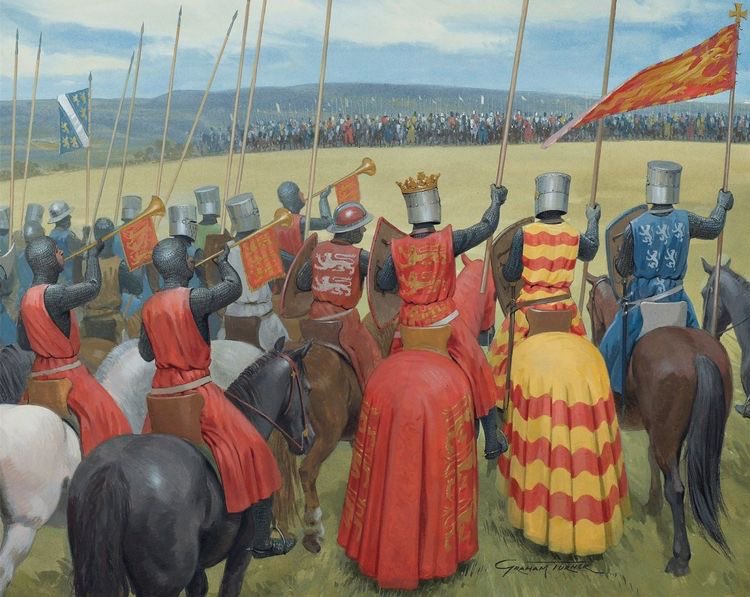
Simon de Montfort led his rebel faction to a decisive victory in which the King, Prince Edward, and the King’s Brother Richard, who held the title King of the Romans, were all captured. Image
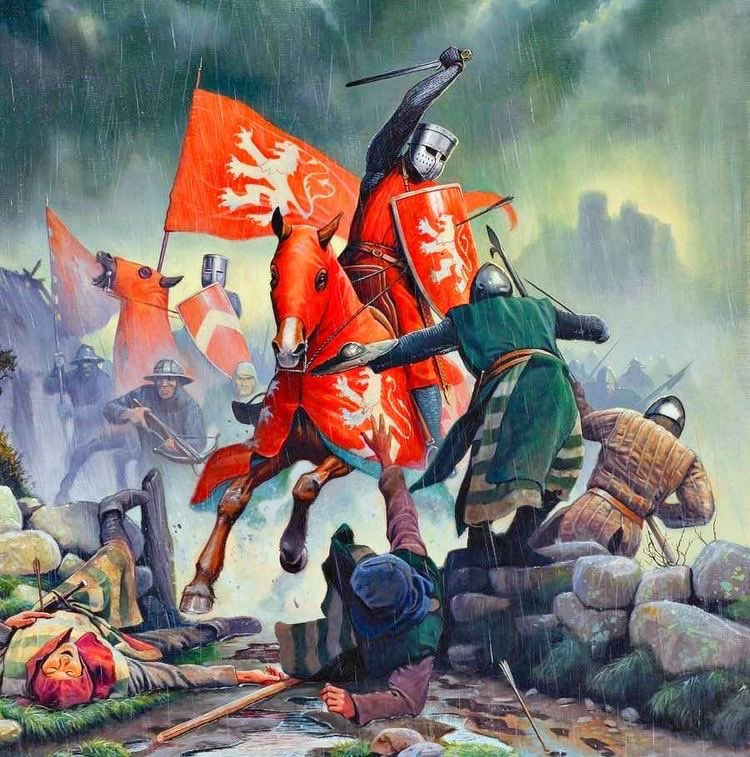
However, Montfort’s control over the state turned out also be deeply unpopular. In 1264 he held a parliament in the king’s name and for the first time two knights were summoned from each county, chosen by the county court, and were allowed to comment on general matters of state. Image
Montfort’s position became increasingly unstable as he was unable to cement his victory at Lewes. Ultimately, English society expected that rule was for the king, and not one disproportionately powerful baron.

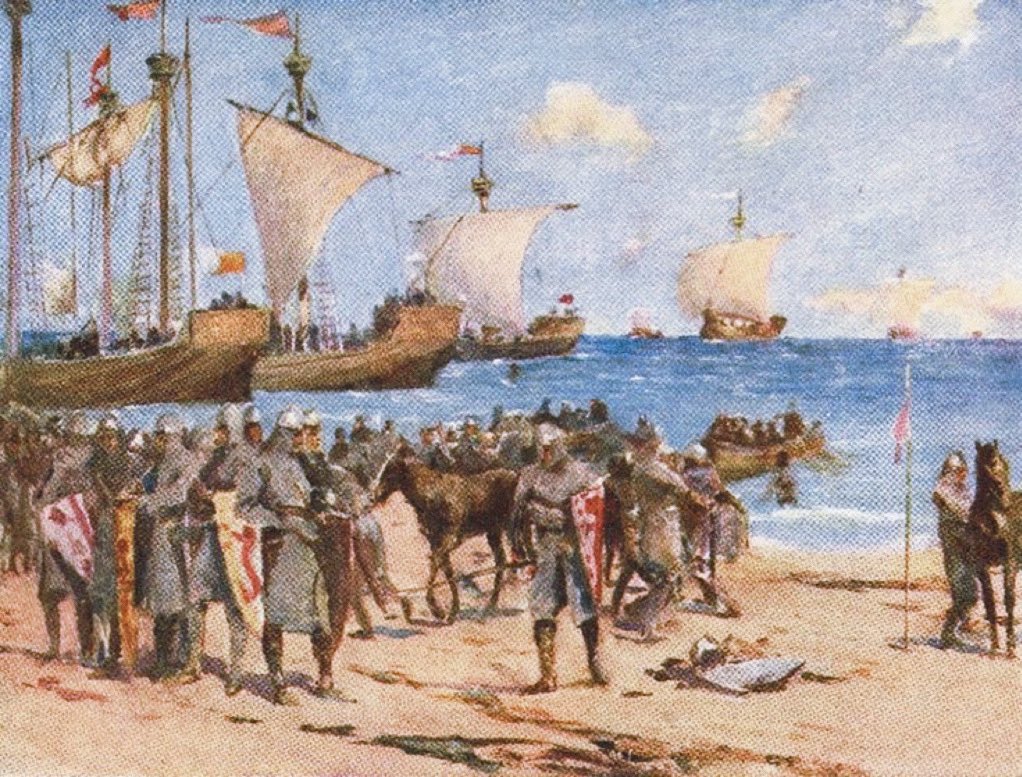
Matters came to ahead when Prince Edward escaped from captivity Image
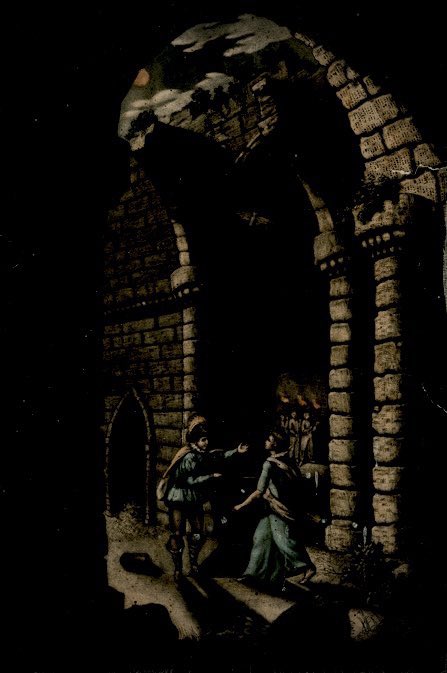
Prince Edward was able to rally the Welsh marcher lords to his side while Montfort’s most powerful ally, Gilbert de Clare, defected.

Edward attacked and managed to capture the forces of Montfort’s son Simon. Image
Expecting to rendezvous with Simon the Younger at Evesham, Simon de Montfort & his eldest son Henry were ambushed by Prince Edward flying the Montfort banner.

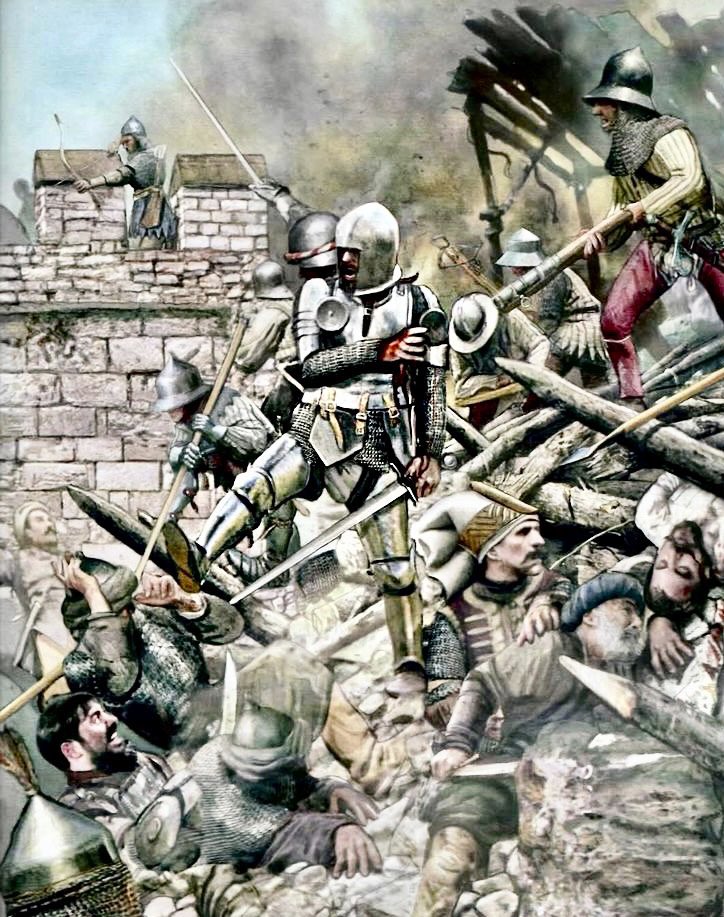
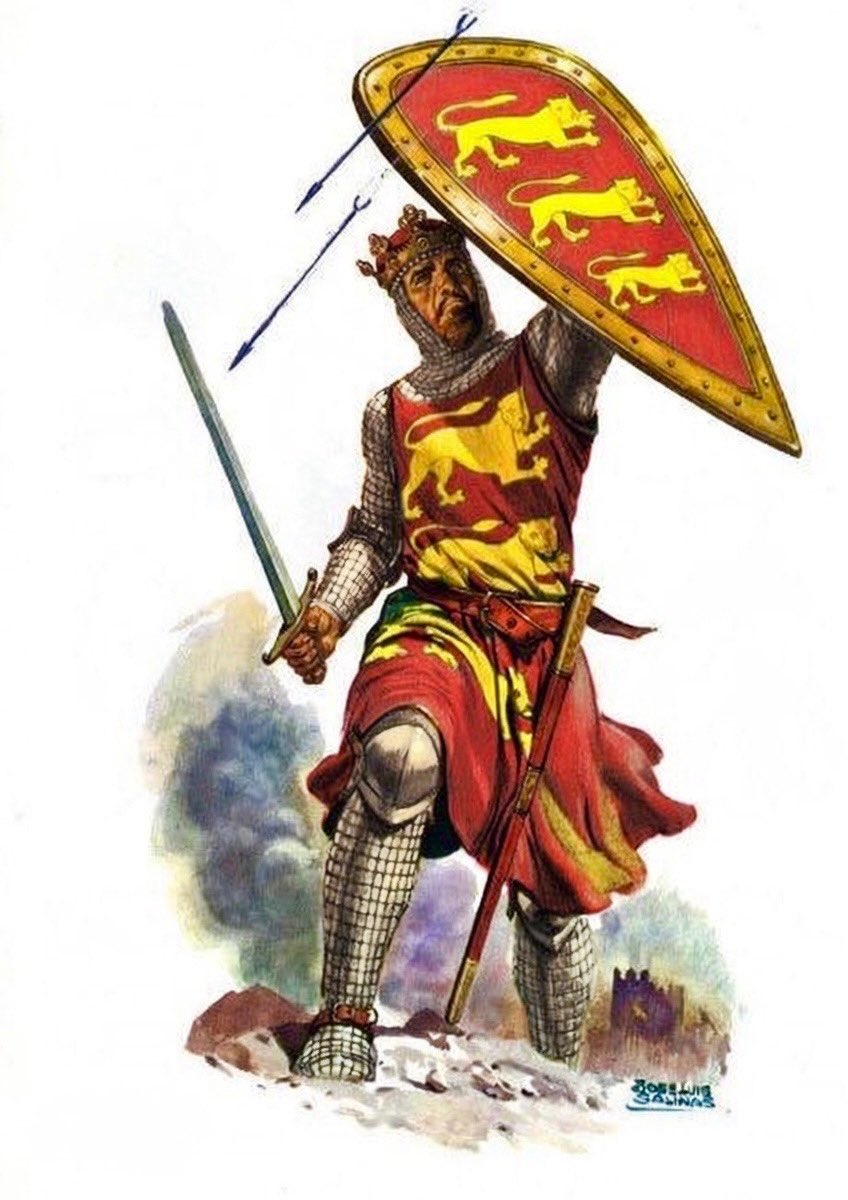
Edward, breaking with the tradition of capturing noblemen, ordered a squad of men to hunt & kill Simon de Montfort Image
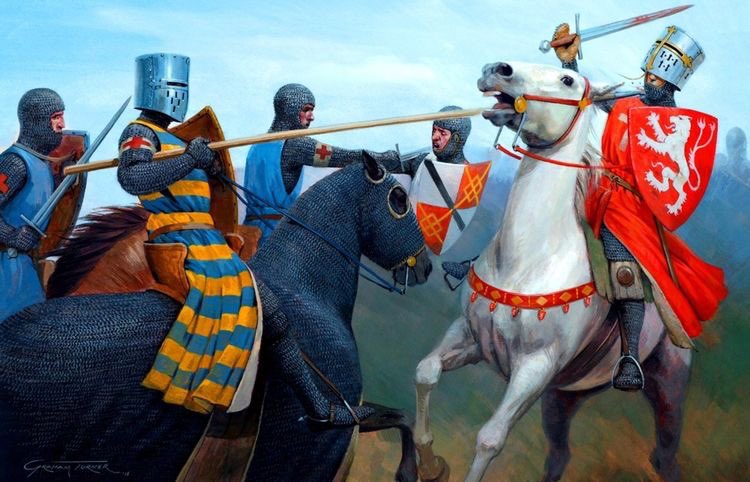
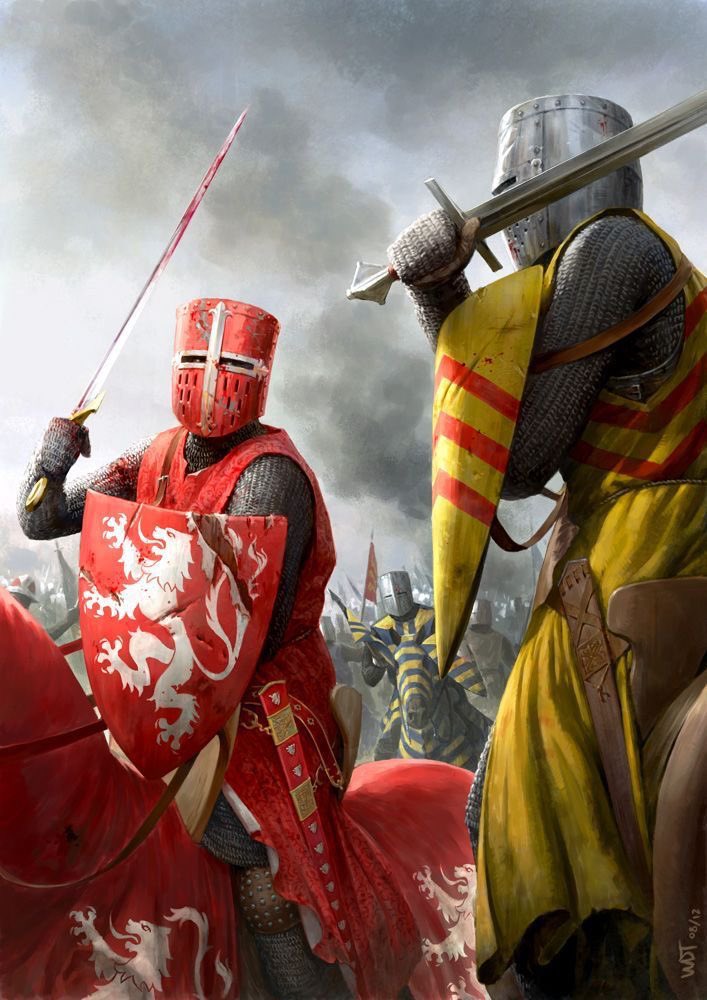
Montfort led his army on an desperate uphill charge against Edward’s much larger army. The fighting was gruesome. Knowing that he was doomed and upon hearing that his eldest son Henry had been killed, he was recorded to have said;

β€˜Then it is time to die’ Image
The men Edward sent to kill Simon de Montfort found him & Roger Mortimer stabbed him in the neck with his lance.

His last words were said to have been β€˜Thank God…’ Image
In the heat of the battle his body was mutilated. His head was cut off & his testicles were hung on his nose while his hands and feet were cut off and later sent to different corners of the land.

4000 of his 5000 strong force were butchered by Edward’s 10,000 men. Image
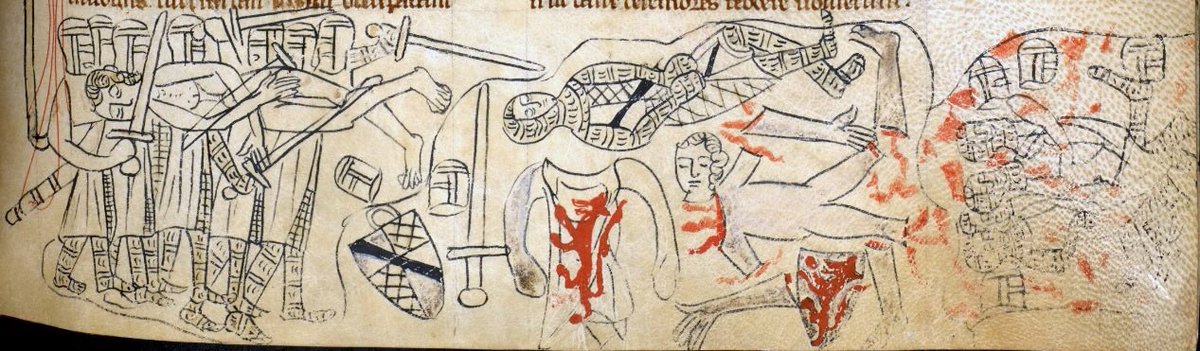
The fighting was so fierce and slaughter so great that the King himself, taken along to the battle by Montfort was only barely rescued by Roger de Leybourne.

Evesham was described as β€˜an episode of noble bloodletting unprecedented since the Conquest’ Image
Royal authority was restored and Prince Edward would go on to become on of the strongest Kings of England.

The battle was eventually described by the contemporary historian Robert of Gloucester as the "murder of Evesham, for battle it was none". Image

@villagrippa

β€’ β€’ β€’

Missing some Tweet in this thread? You can try to force a refresh

γ€€

Keep Current with πŸ› π’π­πžπ―πžπ§ πŸ›

πŸ› π’π­πžπ―πžπ§ πŸ› Profile picture

Stay in touch and get notified when new unrolls are available from this author!

Read all threads

This Thread may be Removed Anytime!

PDF

Twitter may remove this content at anytime! Save it as PDF for later use!

Try unrolling a thread yourself!

how to unroll video
  1. Follow @ThreadReaderApp to mention us!

  2. From a Twitter thread mention us with a keyword "unroll"
@threadreaderapp unroll

Practice here first or read more on our help page!

More from @nonregemesse

Apr 5
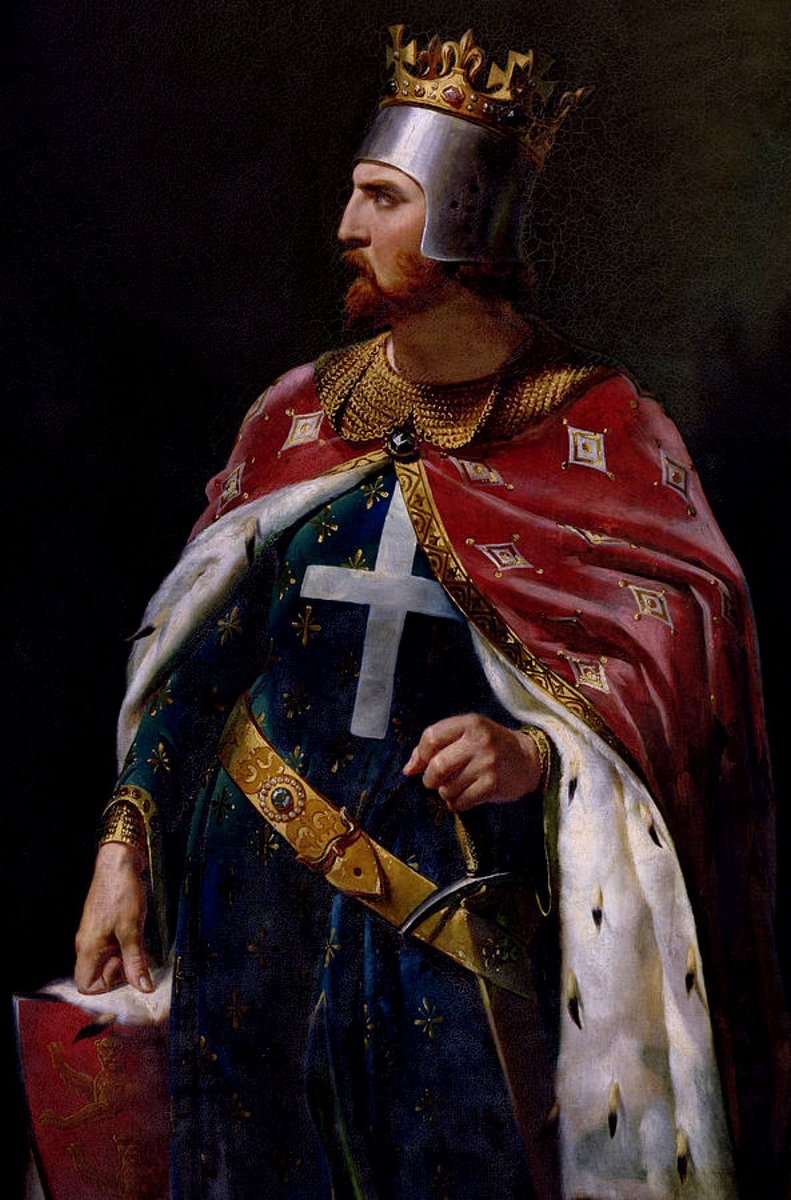
Richard the Lionheart famously had no legitimate son and was succeeded by the bad King John.

But he did have one illegitimate son: 𝐏𝐑𝐒π₯𝐒𝐩 𝐅𝐒𝐭𝐳𝐑𝐨𝐲!

The royal bastard who leapt into the annals of history to avenge his father!

[Thread]🧡 Image
Lamentably, little is known of the only known child of the mighty King Richard the Lionheart.

Philip is thought to have been born in the 1180s, before Richard was king, to a mother whose name has not survived.

In the 1180s Richard had become embroiled in the turmoil among his family.

This was encouraged by the kings of France, ever concerned with the power of King Henry of England who was also the Duke of Normandy and Aquitaine and the count of Anjou.

Richard was just as powerful as Henry and he married his son Philip to the heiress Amelie de Cognac, giving him the status and land he lacked.Image
However, when Amelie died childless, Richard transferred her lands to his seneschal. It is not known what provisions he made for his son at this point and Philip again falls from the focus of chroniclers.

It is notable that Richard never rose his son to great heights the way that his predecessors had done. Even Richard had arranged a marriage for his own illegitimate brother William to the countess of Salisbury, making him Earl of Salisbury and a major figure in English politics.

It was within Richard’s power to make his son a great lord, yet he didn’t.Image
Read 12 tweets
Apr 4
In AD 1399:

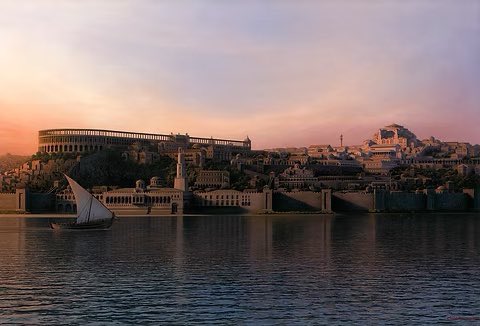
Constantinople was five years into an Ottoman blockade. The crusade of Nicopolis had just been massacred.

The Empire of the Romans stood alone.

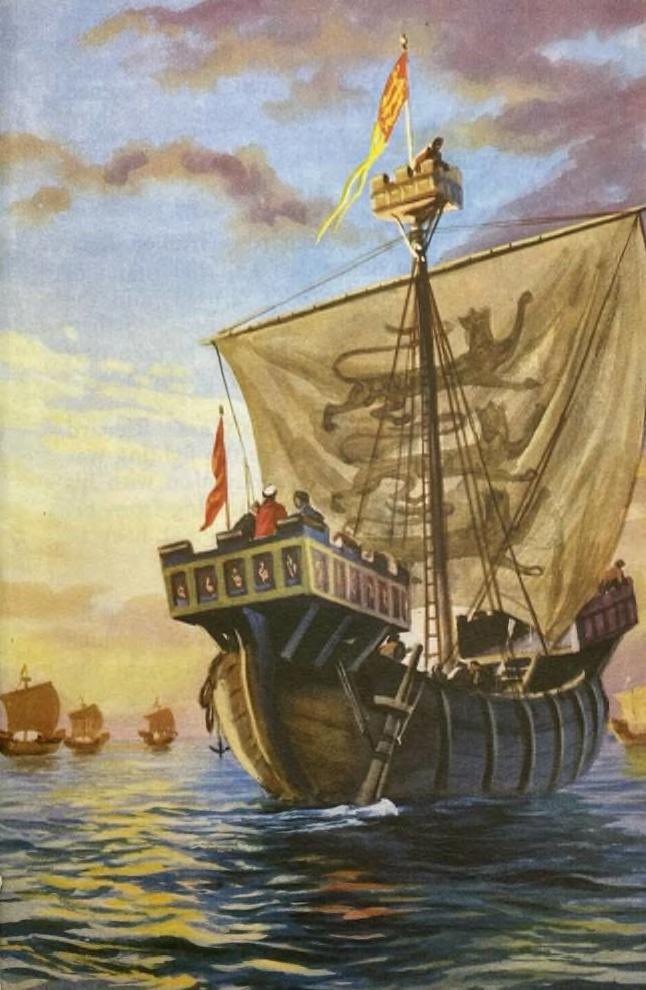
Then, unsummoned and unlooked for, Boucicaut, the legendary Marshal of France, set sail for Constantinople!

[Thread]🧡 Image
The ever rapacious Ottomans had made their first foray into Europe in the late 14th century.

Their progress through the Balkans alarmed the great powers in Europe. Then the Ottoman Sultan Bayezid blockaded Constantinople in the 1390s.

In response to the Ottoman threat, a crusade was arranged and supported by a he Kingdoms of Hungary and France and many other nations.

So large was the amassed force that the king of Hungary predicted it couldn’t possibly be defeated.Image
It was crushed at Nicopolis in 1396 and three thousand of the captive crusade troops were executed one by one as their leaders were forced to watch.

Among those awaiting execution was Jean II Le Maingre, known as Boucicaut like his father before him. Boucicaut was only spared when one of the other spared captives recognised him and pleaded for his release.Image
Read 14 tweets
Feb 6
Bohemond of Antioch was one of the most charismatic figures in the Middle-Ages!

He was a disinherited son, a bold warrior, and a crusading legend.

This is a timeline of his life and deeds!

[Thread]🧡 Image
β€’ c. AD 1054:

Birth of Bohemond, whose baptismal name was Mark, to Robert Guiscard, the Norman conqueror of Southern Italy, and Alberada of Buonalbergo, in Italy.

β€’ AD 1058:

- Robert Guiscard repudiated Bohemond’s mother when their marriage was annulled due to new rules on the degrees of kinship allowed in married.

- Guiscard marries Sikelgaita. Bohemond is now technically a bastard.

β€’ AD 1073:

Robert Guiscard falls ill and Sikelgaita holds a council and persuades Robert’s vassals that her son Roger Borsa and not Bohemond, should be his heir.Image
β€’ AD 1079:

Bohemond fights alongside his father against rebel barons in Italy.

β€’ AD 1081:

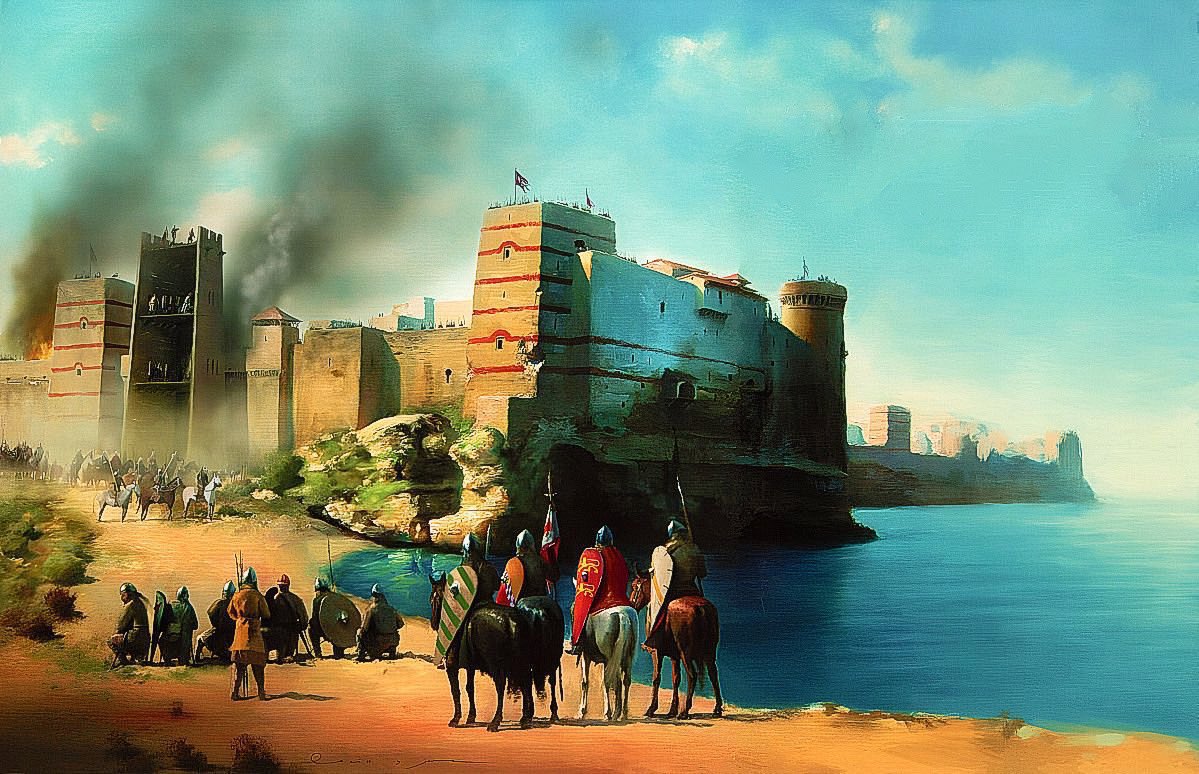
Bohemond invades the Balkan territory of the Roman Empire and fights at the battle of Dyrrachium where the emperor Alexios Komnenos was severely defeated.

β€’ AD 1082:

- Capture of Ioannina.

- Alexios Komnenos induces the Germans to attack Robert Guiscard’s territory in Italy and he returns and leaves Bohemond in charge.

- Bohemond captures Ioannina.

- Bohemond defeats Alexios outside of Ioannina.

β€’ Bohemond besieged Arta and defeats Alexios in battle again.Image
Read 13 tweets
Jan 30
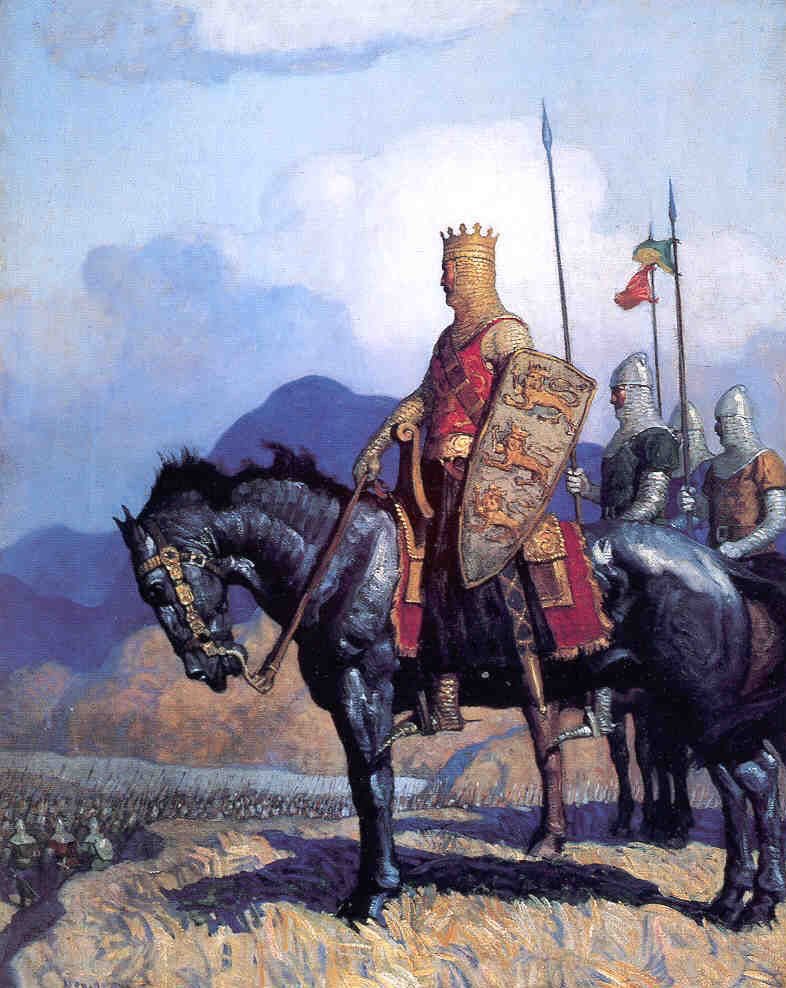
One of the greatest adventures of the Middle Ages was the crusade led by Prince Edward Longshanks!

Outnumbered and hoping against hope to rescue the Holy Land from the Muslims, he befriended the Mongols and faced off against assassins and Mamluk warriors!

[Thread]🧡 Image
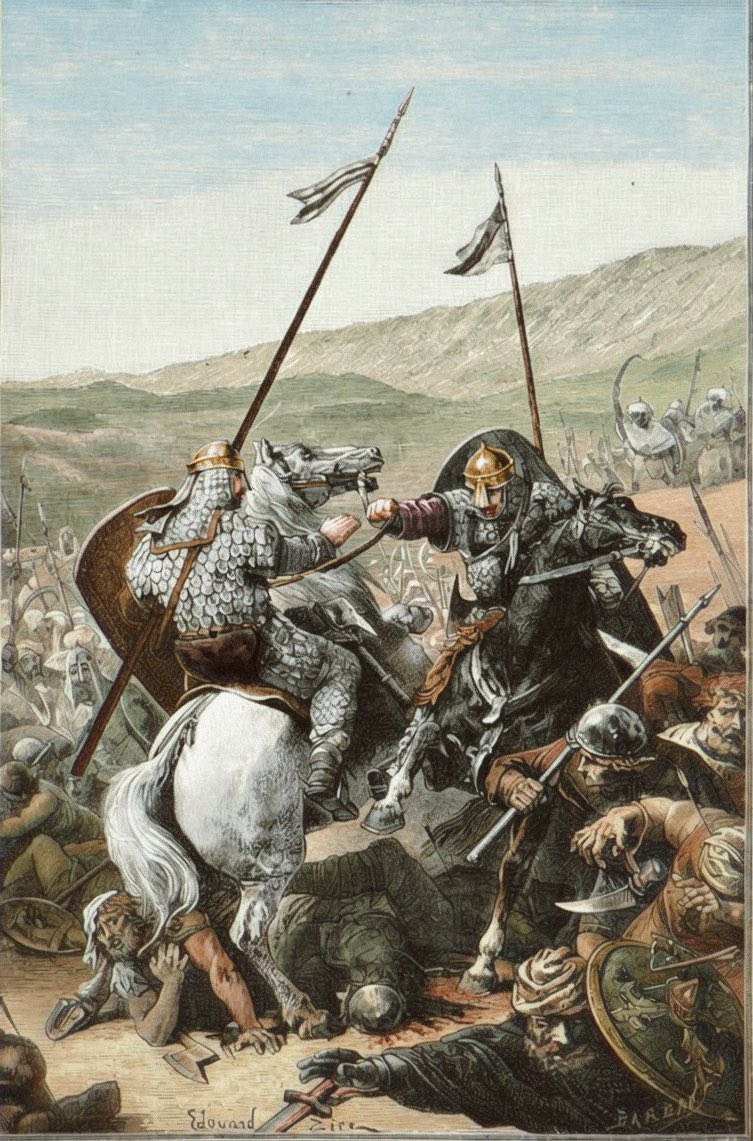
In 1260 the Mamluks won a startling victory over the invading Mongols and the Mamluk general Baibars seized power and began conquering the Christian cities of the Holy Land.

In 1268 he captured Antioch and a crusade was called in response. This was to be the Eighth Crusade led by Louis IX of France who diverted it to Tunis.Image
The Eighth Crusade to Tunis was an unmitigated disaster. Louis IX died in Tunis, as did his son John Tristam who was born in Damietta during the seventh crusade.

Prince Edward of England, also called Edward Longshanks, was supposed to join the crusade with his brother Edmund but they arrived after the crusade already failed.Image
Read 8 tweets
Jan 24
Alexander the Great was the mightiest ruler of all time.

No one before him had ever conquered so much and no one since has ever rivalled him in greatness.

This is a chronology of his life.

[Thread]🧡 Image
β€’ 357 BC:

Birth of Alexander

β€’ 338 BC:

Philip II of Macedon defeats Thebes, Athens, and their allies at Chaeronea.

β€’ 337 BC:

Philip is appointed leader in the planned war against Persia.

β€’ 336 BC:

Assassination of Philip. The reign of Alexander III, now called the Great, begins.

β€’ 335 BC:

- Alexander campaigns against the Thracians and Illyrians and wins a battle at Mount Haemus.

- Thebes declares war and is crushed by Alexander at the Battle of Thebes. Alexander also victorious at the siege of Pelium.Image
β€’ 334 BC:

- Alexander crosses into Asia Minor, defeats local Persian satraps led by Memnon of Rhodes at the Battle of Granicus, and captures Miletus.

- Alexander was also vicious at the siege of Halicarnassus Image
Read 12 tweets
Jan 22
Cicero is a famed Roman politician, writer, and orator.

But what about Cicero the general?

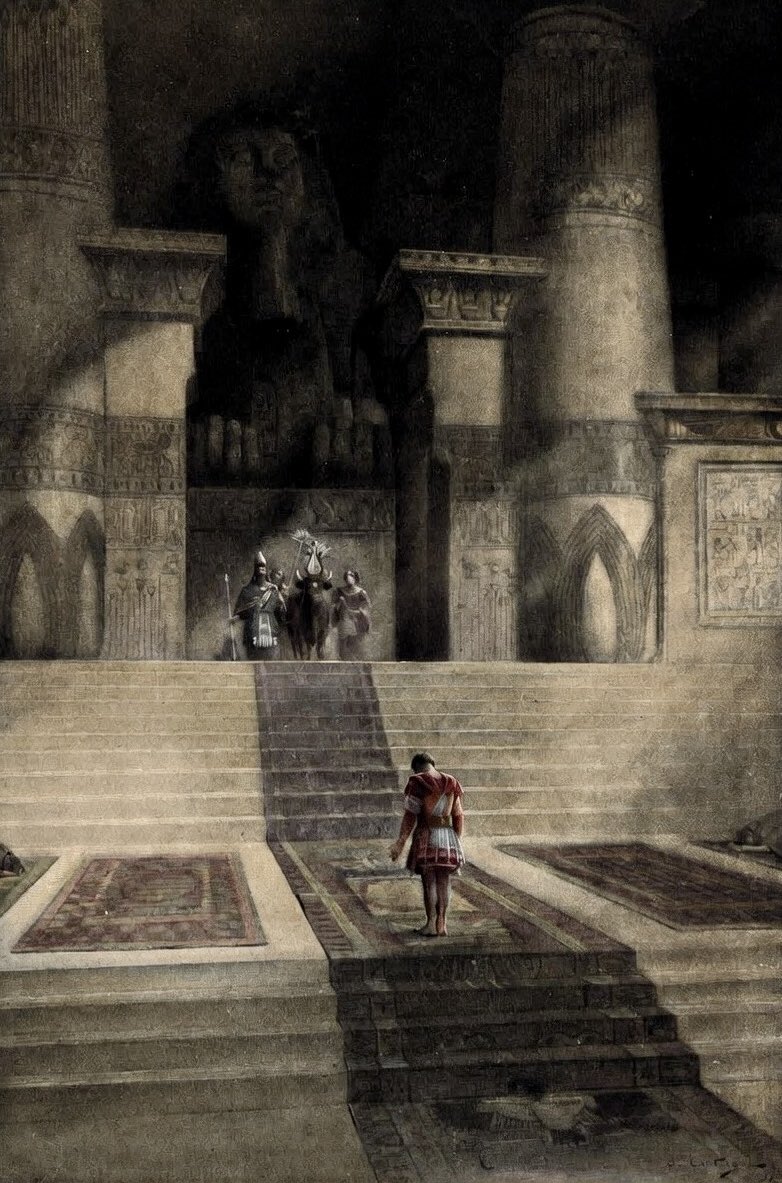
This is the tale of Cicero’s Cilician adventure when was hailed as imperator by his troops!

[Thread]🧡 Image
When he was consul in 63 BC, Cicero famously foiled a conspiracy by Lucius Sergius Catilina to seize power in Rome.

When he discovered the plot, he put on armour and made his way to the senate to deliver a series of speeches against Cataline. The conspiracy was thwarted but Cicero remained unpopular with some for having some of the conspirators executed.

Cicero was eventually exiled when his enemies gained power in Rome. During this exile, and thanks to certain legislative requirements, he was made governor of Cilicia in 51 BC. It was not a position he wanted.Image
In 53 BC, Crassus led his doomed expedition against the Parthians. He was enticed into a trap and his exhausted army was savaged by Parthians horse archers at the battle of Carrhae.

Crassus died and Cassius led what was left of the army back to safety.

But then Pacorus, son of the Shah Orodes, invaded Roman territory and besieged Cassius in Antioch.Image
Read 8 tweets

Did Thread Reader help you today?

Support us! We are indie developers!


This site is made by just two indie developers on a laptop doing marketing, support and development! Read more about the story.

Become a Premium Member ($3/month or $30/year) and get exclusive features!

Become Premium

Don't want to be a Premium member but still want to support us?

Make a small donation by buying us coffee ($5) or help with server cost ($10)

Donate via Paypal

Or Donate anonymously using crypto!

Ethereum

0xfe58350B80634f60Fa6Dc149a72b4DFbc17D341E copy

Bitcoin

3ATGMxNzCUFzxpMCHL5sWSt4DVtS8UqXpi copy

Thank you for your support!

Follow Us!

:(