Jeff Bezos is worth $162 billion.
He shared all of his core principles in 24 letters to shareholders.
I've read them all.
Here are 12 powerful lesson everyone in business should memorize:
He shared all of his core principles in 24 letters to shareholders.
I've read them all.
Here are 12 powerful lesson everyone in business should memorize:

• One way doors vs Two way doors
One-way doors: Decisions that can't be reversed.
Make these decisions slowly and carefully.
Two-way doors: Decisions that are reversible.
Make these decisions quickly.
Confuse the two and your organization will move far too slowly.
One-way doors: Decisions that can't be reversed.
Make these decisions slowly and carefully.
Two-way doors: Decisions that are reversible.
Make these decisions quickly.
Confuse the two and your organization will move far too slowly.

• Wandering vs efficiency
Efficiency can be great. But, it makes you fragile.
Without a counterbalance, there’s a world of missed opportunities.
The solution: encourage wandering
Efficiency can be great. But, it makes you fragile.
Without a counterbalance, there’s a world of missed opportunities.
The solution: encourage wandering

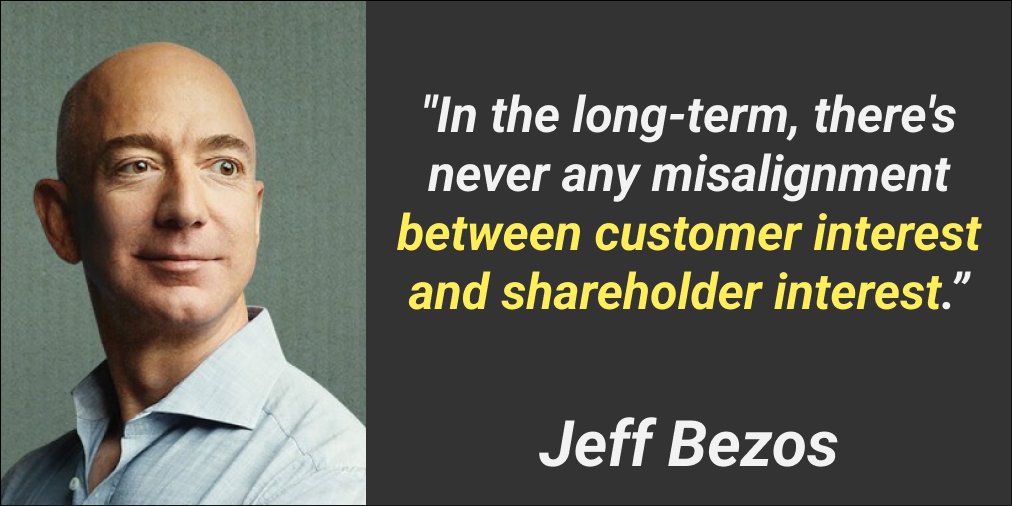
• Customers, not competition
Obsess over your customers. Focus on offering value and efficiency.
Work backwards from customer needs to know what to build next.
Obsess over your customers. Focus on offering value and efficiency.
Work backwards from customer needs to know what to build next.
• Dreamy Businesses
Bezos looks for dreamy business has four characteristics:
• customers love it
• it can grow to a large size
• it has strong returns on capital
• it can endure long-term - decades
When you find these, go all-in.
Bezos looks for dreamy business has four characteristics:
• customers love it
• it can grow to a large size
• it has strong returns on capital
• it can endure long-term - decades
When you find these, go all-in.
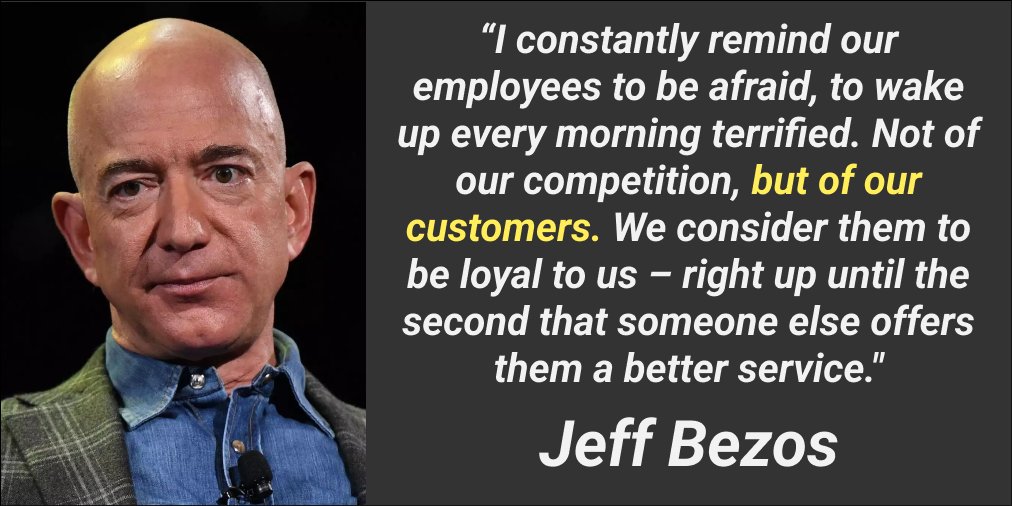
• Be afraid
Not of your competition, of your customers.
Not of your competition, of your customers.
• Only hire the best
Ask yourself these 3 questions:
1) Will you admire this person?
2) Will this person raise the average level of effectiveness of the group they're entering?
3) Along what dimension might this person be a superstar?
Hire people that raise the bar.
Ask yourself these 3 questions:
1) Will you admire this person?
2) Will this person raise the average level of effectiveness of the group they're entering?
3) Along what dimension might this person be a superstar?
Hire people that raise the bar.
• Pay to Quit
You want people on the team who WANT to be on the team.
If they don't want to be on the team, encourage them to leave.
Amazon pays up to $5,000 to get people to quit.
This removes people who don't want to be there.
You want people on the team who WANT to be on the team.
If they don't want to be on the team, encourage them to leave.
Amazon pays up to $5,000 to get people to quit.
This removes people who don't want to be there.
• Standards are contagious
Bring a new person to a high standards team and they quickly adapt.
The opposite is also true.
The longer low standards survive, the deeper the infection.
Bring a new person to a high standards team and they quickly adapt.
The opposite is also true.
The longer low standards survive, the deeper the infection.
• Disagree and Commit
If you have conviction with no consensus, ask:
"I know we disagree on this but will you gamble with me on it? Disagree and commit?"
This gets you to a 'Yes' and keeps decision velocity high.
If you have conviction with no consensus, ask:
"I know we disagree on this but will you gamble with me on it? Disagree and commit?"
This gets you to a 'Yes' and keeps decision velocity high.
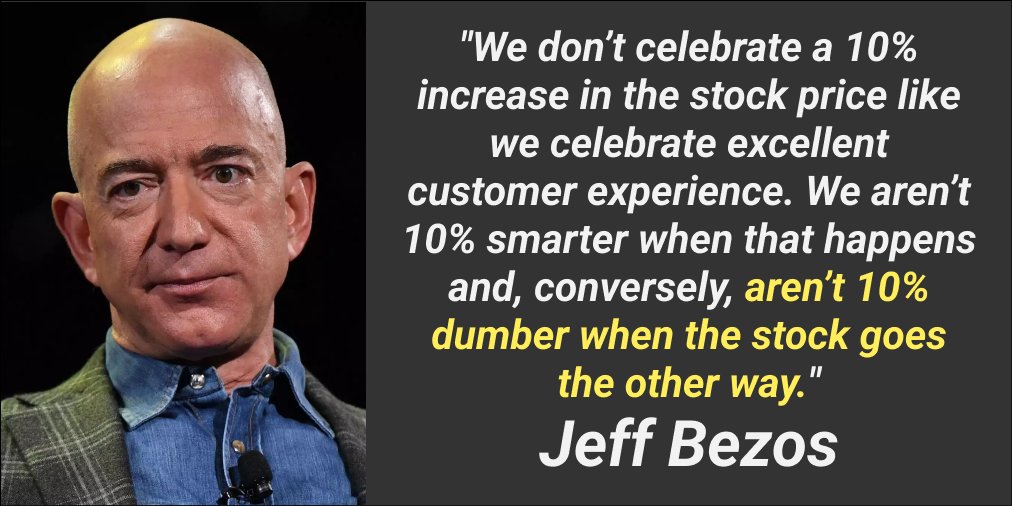
• Think long term
Your success will be measured over the long term.
The longer your horizon, the better the decision you will make.
Don’t get fixated on short-term numbers
Your success will be measured over the long term.
The longer your horizon, the better the decision you will make.
Don’t get fixated on short-term numbers
• Plant seeds and wait
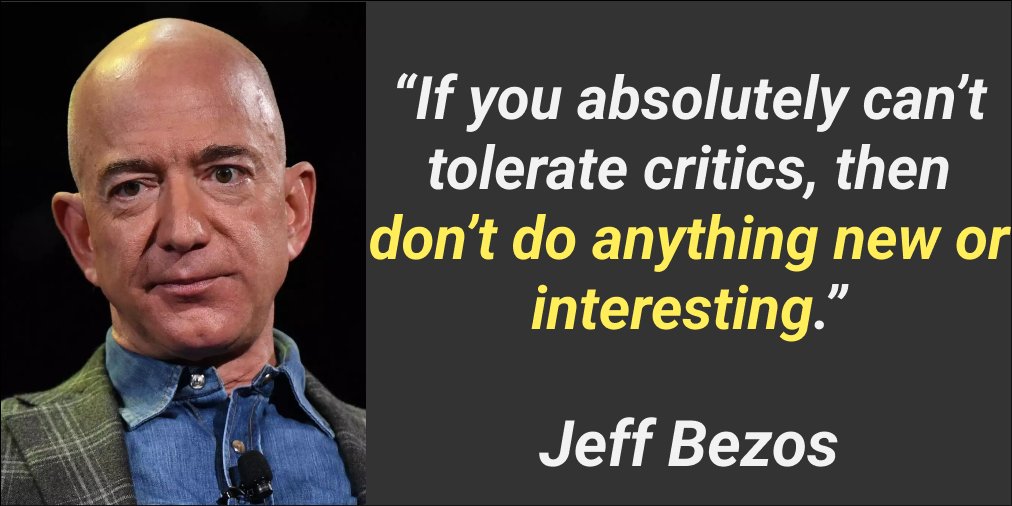
Make a lot of small bets that could grow into meaningful new businesses.
It takes discipline, patience, and a willingness to look stupid, but the long-term rewards can be huge.
Make a lot of small bets that could grow into meaningful new businesses.
It takes discipline, patience, and a willingness to look stupid, but the long-term rewards can be huge.
• Always Day 1
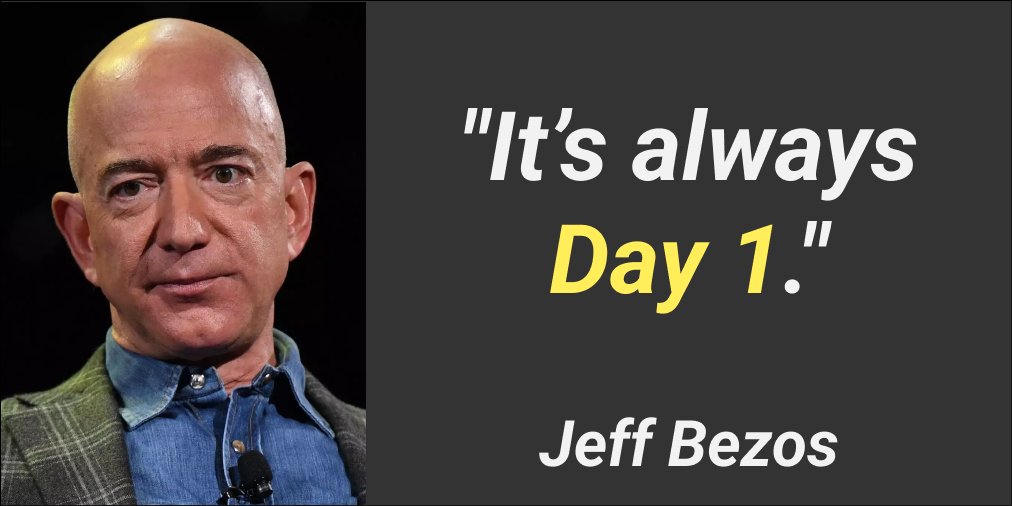
A Day 1 mindset is always about growth & progress.
A Day 2 mindset allows stasis, irrelevance, decline, and ultimately death.
A Day 1 mindset is always about growth & progress.
A Day 2 mindset allows stasis, irrelevance, decline, and ultimately death.
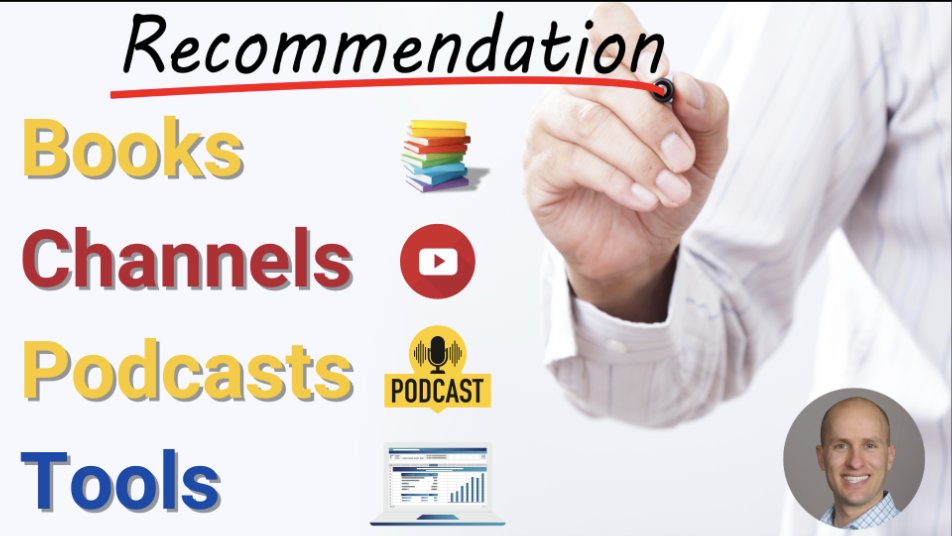
I keep a Google Sheet that links to the best books, tools, shareholder letters, podcasts, and youtube channels I've ever found.
Want to access it (for free)?
Check it out here:
https://t.co/Z106cfXFWibrianferoldi.com/resources
Want to access it (for free)?
Check it out here:
https://t.co/Z106cfXFWibrianferoldi.com/resources
Like this thread? Follow me @BrianFeroldi.
I demystify the stock market with daily tweets and weekly threads like this.
To share this thread with your audience, ♻️ retweet the first tweet below.
I demystify the stock market with daily tweets and weekly threads like this.
To share this thread with your audience, ♻️ retweet the first tweet below.
https://twitter.com/61558281/status/1689251405503090688
If you liked this post, you'll love my free ebook.
I organized 50 of the most powerful investing images I've ever seen.
Want a free copy? Get it here:
brianferoldi.com/50visuals
I organized 50 of the most powerful investing images I've ever seen.
Want a free copy? Get it here:
brianferoldi.com/50visuals
• • •
Missing some Tweet in this thread? You can try to
force a refresh