Read on Twitter
16th century Anglo-Scottish border was plagued with terrible violence.
Bands of border reivers pillaged the land and engaged in feuds with other reiving clans.
No one was safe from these marauders!
These guys gave English language the word "blackmail". 🧵

Bands of border reivers pillaged the land and engaged in feuds with other reiving clans.
No one was safe from these marauders!
These guys gave English language the word "blackmail". 🧵


This ancient frontier of great military importance was for centuries a bitter battleground between the two warring kingdoms of England and Scotland.
This led to an emergence of a violent society.
By 16th century the Borders became a dangerous thorn in the side of both realms.
This led to an emergence of a violent society.
By 16th century the Borders became a dangerous thorn in the side of both realms.

It was not always like this.
There used to be a time of peace and prosperity.
But it all changed after Scotland's king Alexander III died in 1286, causing a succession crisis which ultimately led to a continuous Anglo-Scottish border war that lasted until 1603.
There used to be a time of peace and prosperity.
But it all changed after Scotland's king Alexander III died in 1286, causing a succession crisis which ultimately led to a continuous Anglo-Scottish border war that lasted until 1603.
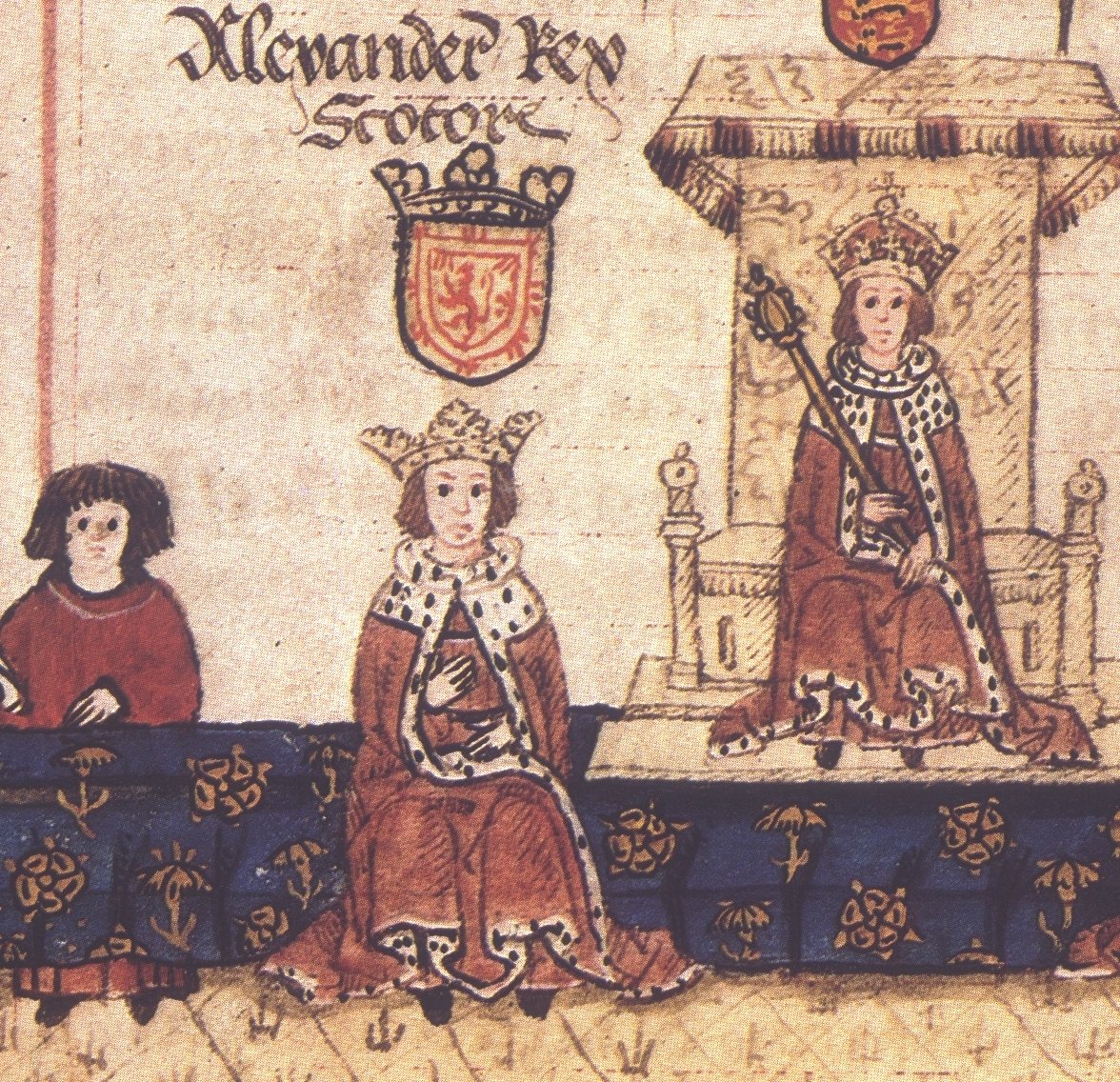

And just like this, the Borders fell into three centuries of darkness.
These harsh lands with inhospitable climate became a battleground between the two powerful crowns.
Both kingdoms encouraged their Borderers to stage raids into enemy territory and defend their own border.
These harsh lands with inhospitable climate became a battleground between the two powerful crowns.
Both kingdoms encouraged their Borderers to stage raids into enemy territory and defend their own border.
But things became complicated as in reality, neither crown had much authority in these accursed borderlands.
Bands of border reivers and the great riding families began taking law into their own hands!
Allegiance to the clan became more important than allegiance to the crown.
Bands of border reivers and the great riding families began taking law into their own hands!
Allegiance to the clan became more important than allegiance to the crown.
The truth was that people from both sides of the border actually had much in common.
Alliances with clans on the other side of the border happened, and border reivers would often plunder their own country.
Terrible chaos and lawlessness emerged, leading to a violent society.
Alliances with clans on the other side of the border happened, and border reivers would often plunder their own country.
Terrible chaos and lawlessness emerged, leading to a violent society.
The name reiving comes from an old word for raiding and raiding was indeed very common in the Borders.
Theft became endemic and livestock was regularly stolen by various border reivers.
Reiving was a seasonal business, the prime time usually being from late August to February.
Theft became endemic and livestock was regularly stolen by various border reivers.
Reiving was a seasonal business, the prime time usually being from late August to February.

Centuries of warfare and maurading border reivers turned the 16th century borderlands into a into a charred and impoverished wasteland.
No man, woman, child, beast or building was safe from the marauding bands of riders who swept down from the hills to murder, burn and steal!
No man, woman, child, beast or building was safe from the marauding bands of riders who swept down from the hills to murder, burn and steal!
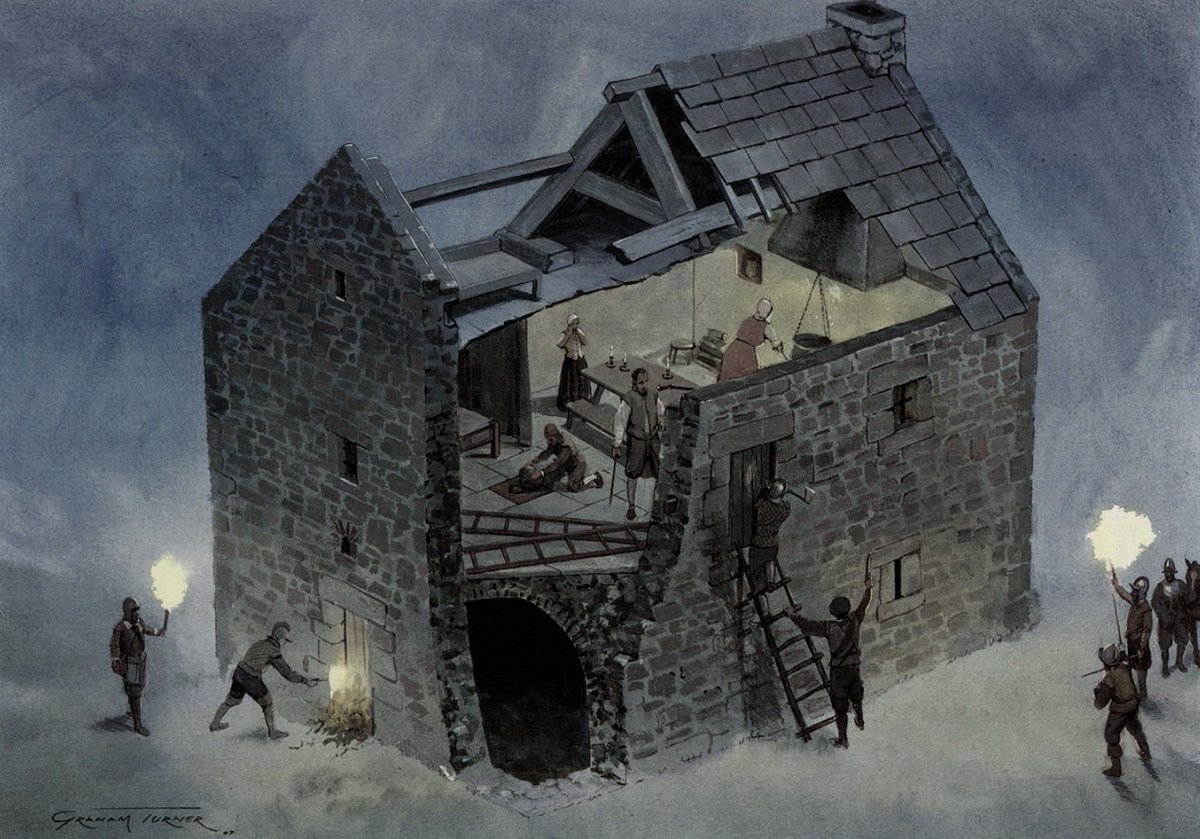
While 16th century south of England was experiencing stability and prosperity, the borderland was still engaging in medieval warfare.
A traveler noted in 1547 that "there were many outlaws and strong thieves, for much of their living standeth by stealing and robbing."
A traveler noted in 1547 that "there were many outlaws and strong thieves, for much of their living standeth by stealing and robbing."

The reiving clans would also engage in bitter feuds against each other.
"They expect no lawe but bang it out bravely, one and his kindred against the other and his; they will subject themselves to no justice, but in an inhumane and barbarous manner fight and kill one another."
"They expect no lawe but bang it out bravely, one and his kindred against the other and his; they will subject themselves to no justice, but in an inhumane and barbarous manner fight and kill one another."
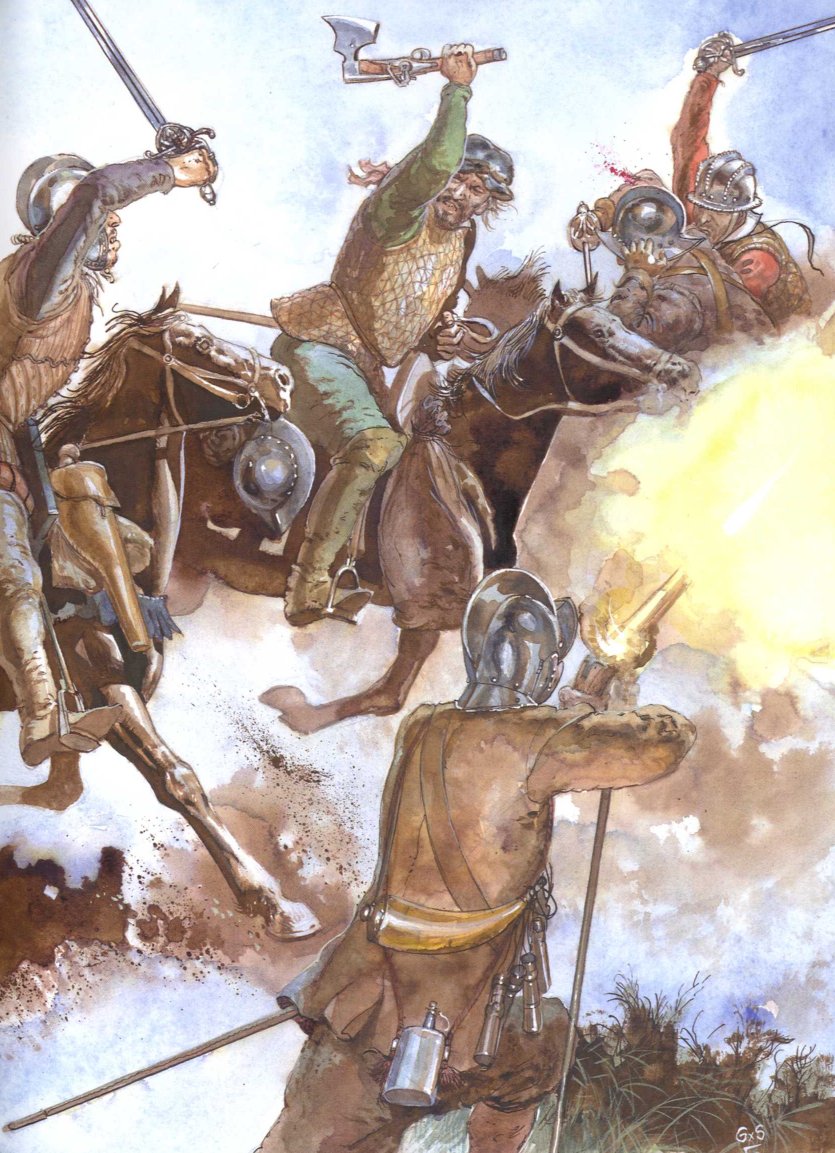
"They run together in clangs as they term it, or names. This fighting they call Feides, or deadley Feides."
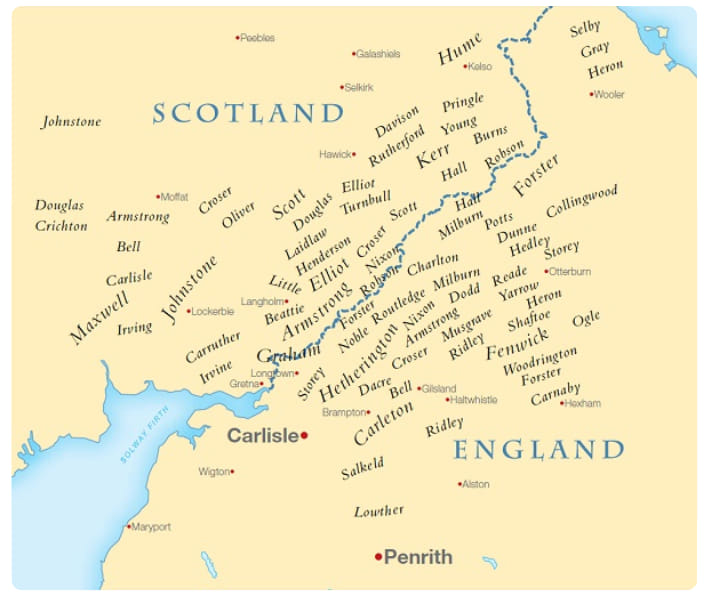
As you can see from this detailed map of the reiving families on both sides of the borders, there was quite a lot of them!
This situation was extremely problematic.
As you can see from this detailed map of the reiving families on both sides of the borders, there was quite a lot of them!
This situation was extremely problematic.

The reivers would later become romanticized as brave riders who wore "steill bonnets" and "rode with the moonlight".
But in reality these were violent and very dangerous men!
They also participated in extortion, giving birth to the word "blackmail".
But in reality these were violent and very dangerous men!
They also participated in extortion, giving birth to the word "blackmail".
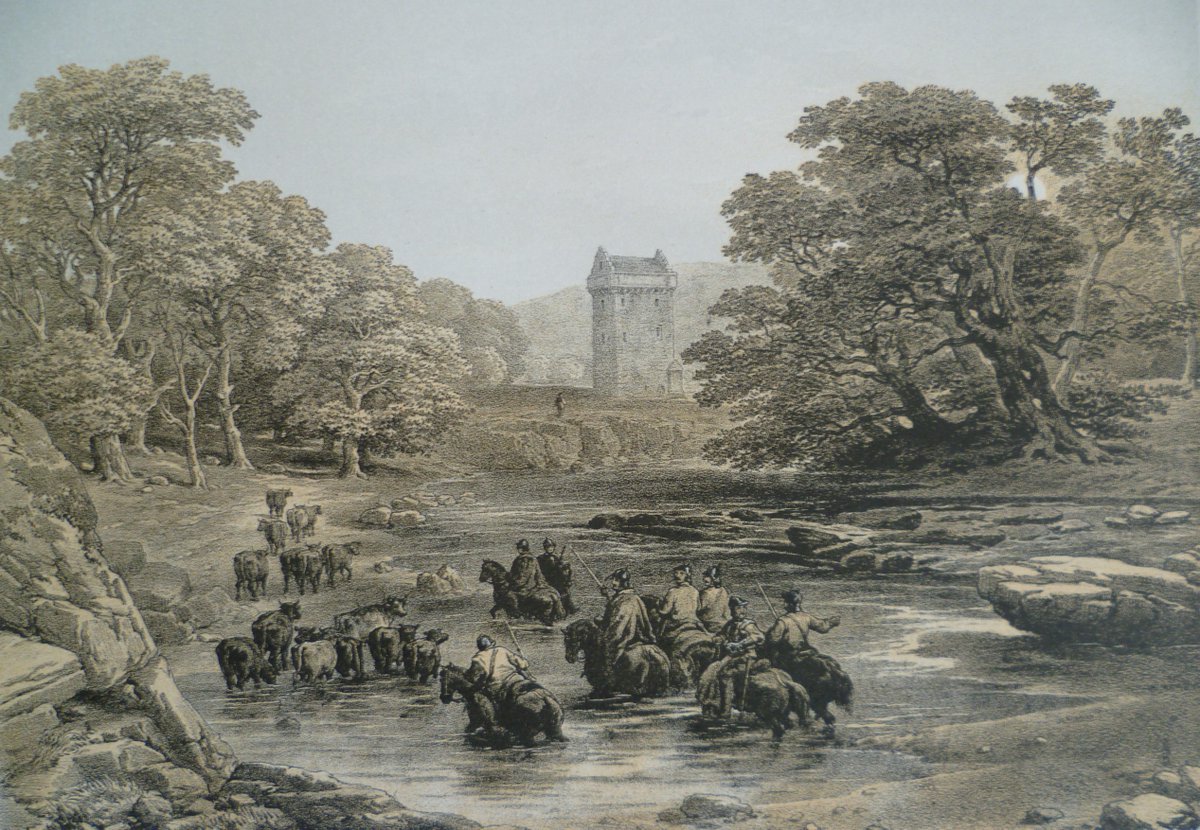
The word "mail" meant tribute from Middle English word "male".
"Blackmail" was used specifically as payment for protection, as opposed to the regular "greenmail" payment for rent.
The terrified population had no choice but to pay these dangerous reivers what they asked for!
"Blackmail" was used specifically as payment for protection, as opposed to the regular "greenmail" payment for rent.
The terrified population had no choice but to pay these dangerous reivers what they asked for!
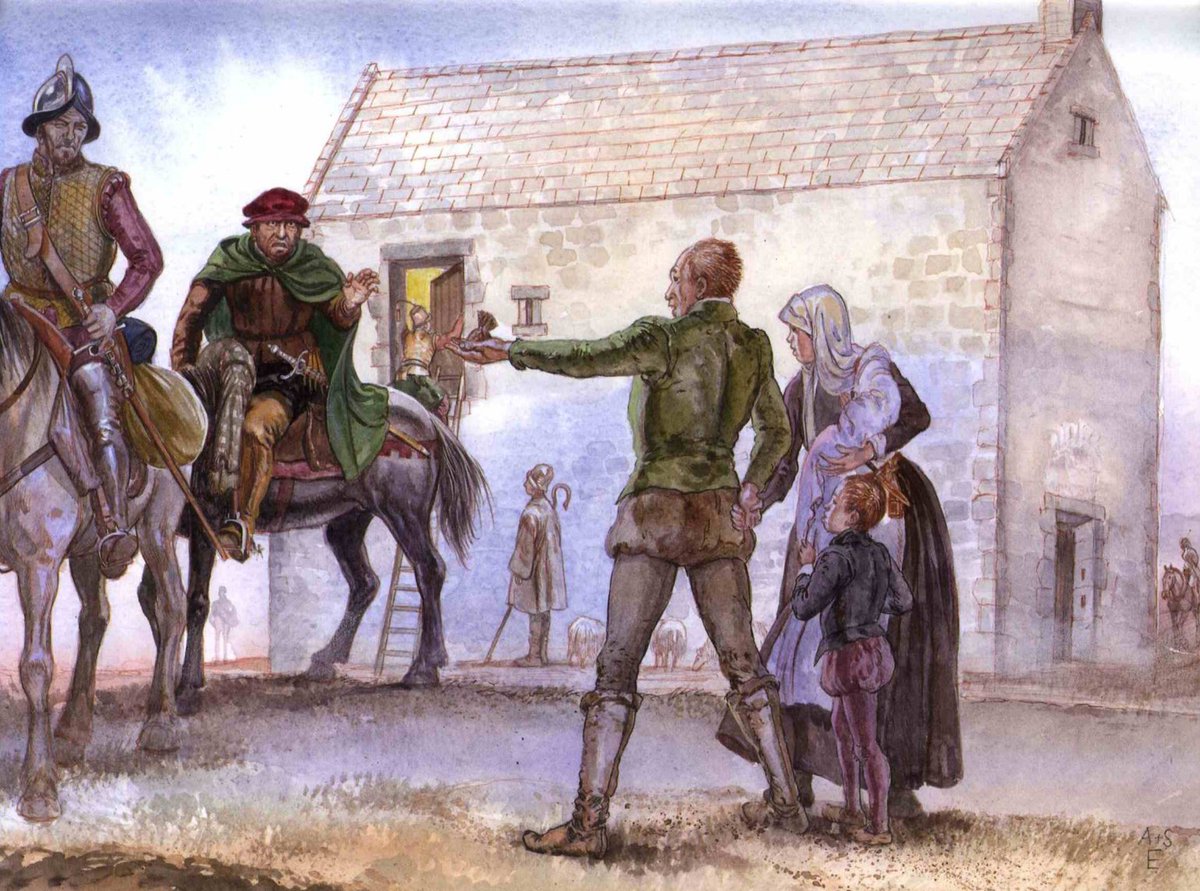
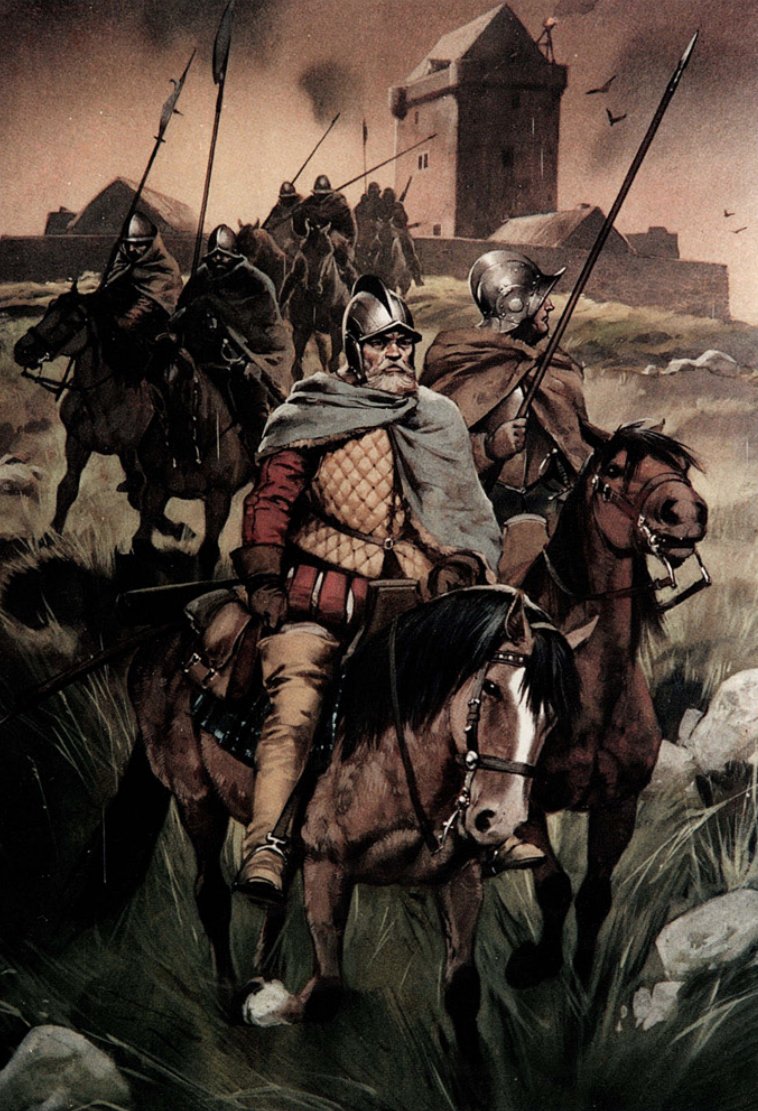
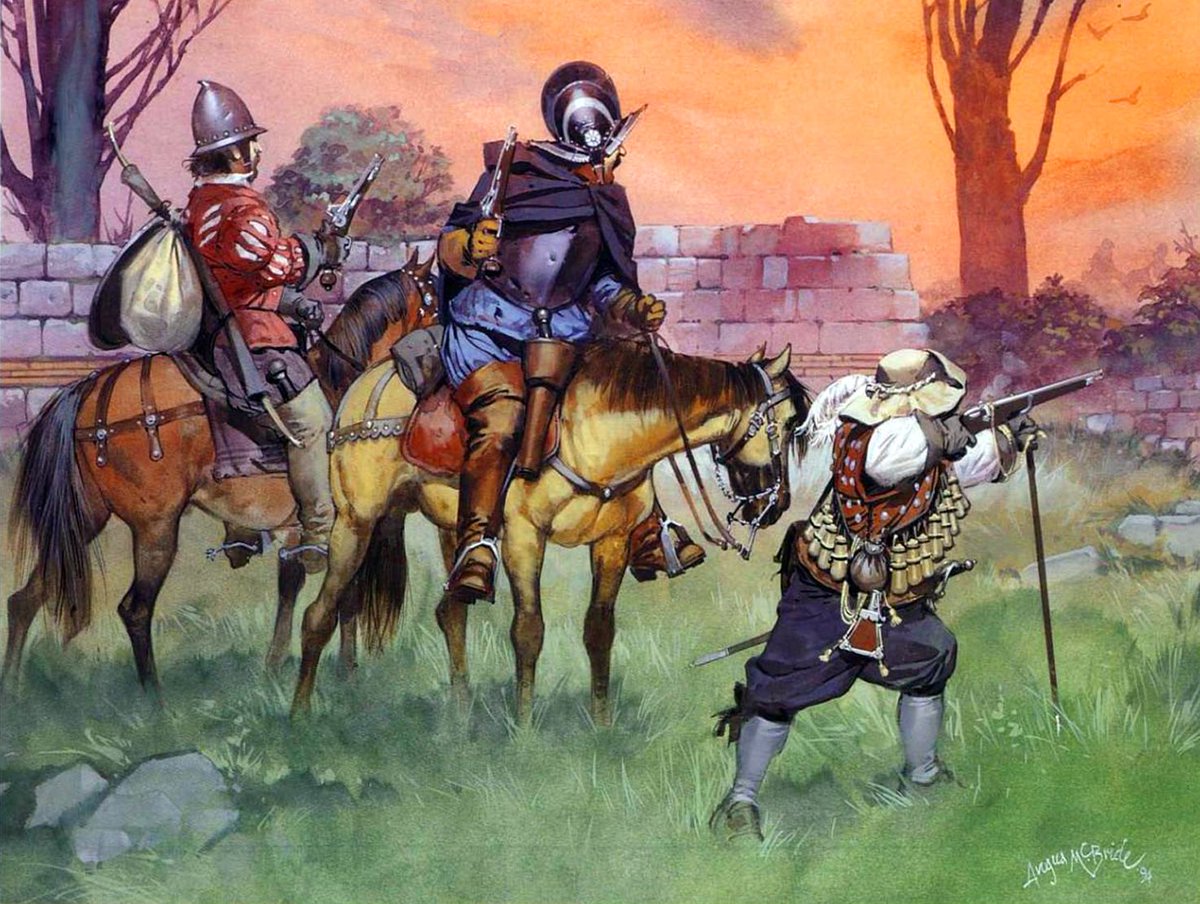
The border reivers were excellent light cavalrymen who were able to move swiftly and use mobility to conduct raids deep into foreign territory.
Their martial valor was widely renowned.
They preferred light horses with agility and stamina to carry them over difficult terrain.
Their martial valor was widely renowned.
They preferred light horses with agility and stamina to carry them over difficult terrain.
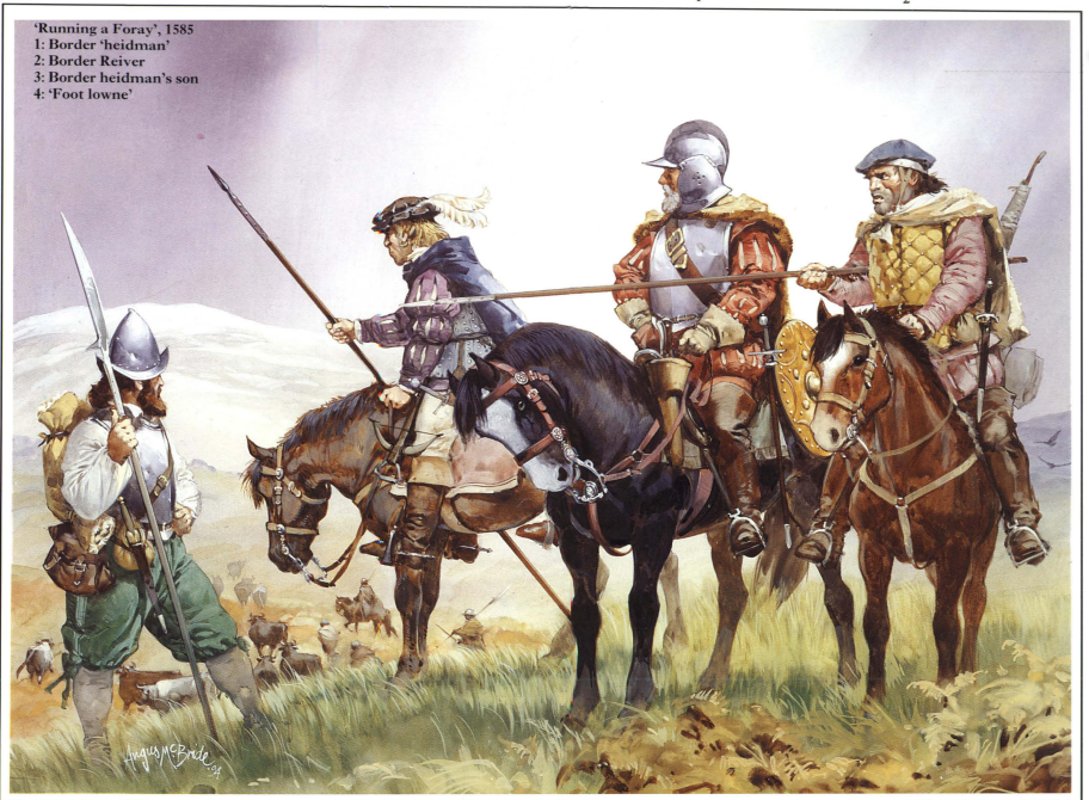
These violent marauders obviously became problematic for both Scotland and England.
So how did the authorities tried to impose order in their borderlands?
Both sides of the border were organized into three marches ruled by a Warden who was supposed to impose Border Laws.
So how did the authorities tried to impose order in their borderlands?
Both sides of the border were organized into three marches ruled by a Warden who was supposed to impose Border Laws.
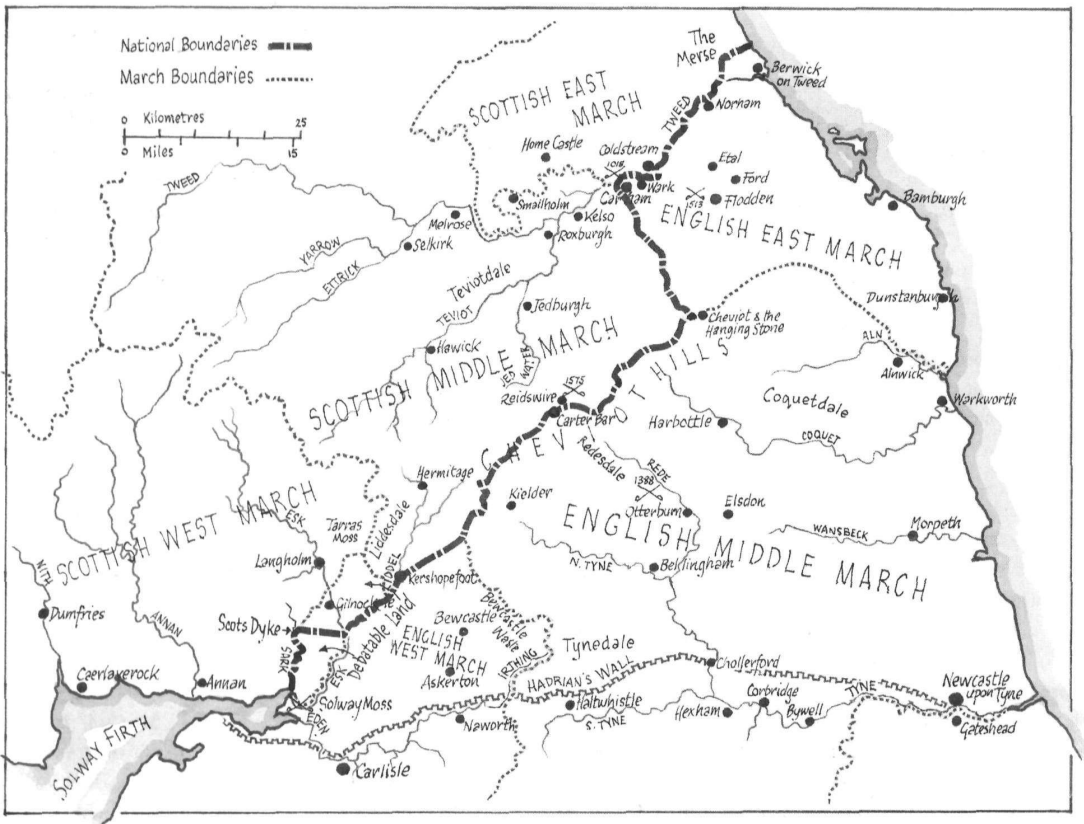
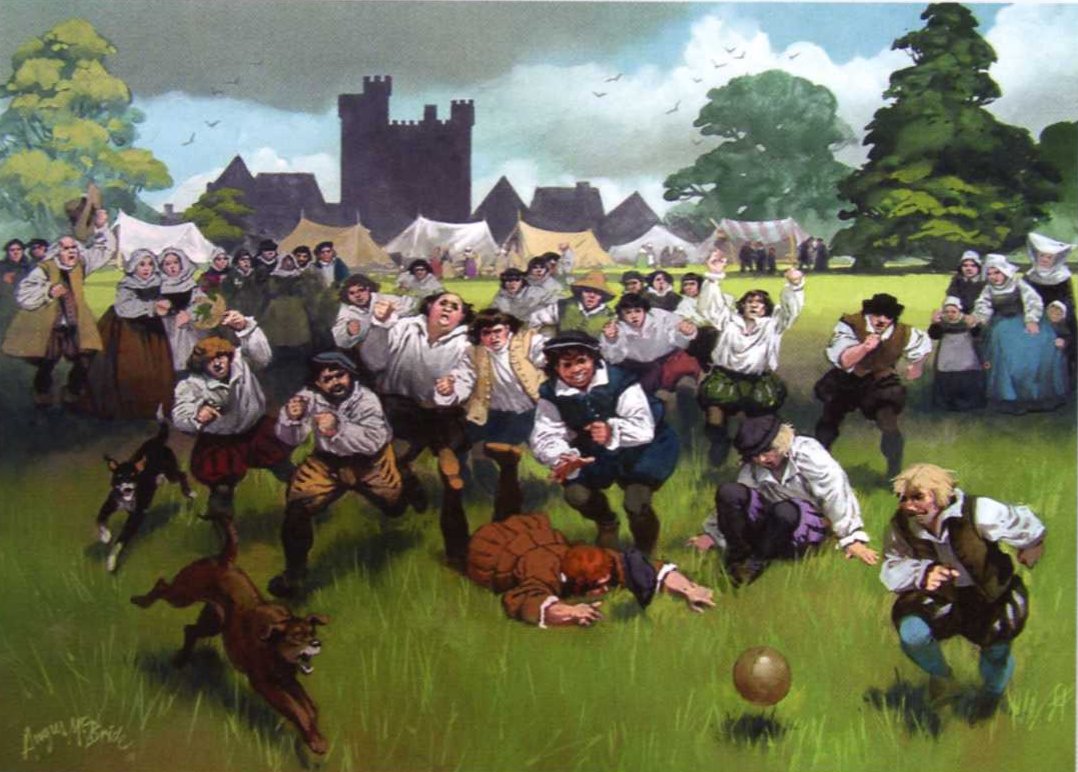
The Wardens from both sides met on Truce Days to "keep the wild people of the three Marches in order" and to make sure the Border Laws were enforced!
People could report their grievances. Prisoners were exchanged and people from both sides could trade with each other.
People could report their grievances. Prisoners were exchanged and people from both sides could trade with each other.

However these Truce Days often ended in drunken brawls with casualties.
There was also terrible corruption and the institution of Warden itself was often compromised.
In some cases Wardens were connected with specific reiving clans. They were poorly paid and could be bribed.
There was also terrible corruption and the institution of Warden itself was often compromised.
In some cases Wardens were connected with specific reiving clans. They were poorly paid and could be bribed.
There was also the problem of the Debatable Lands, the disputed land where neither crown had authority and which became safe haven for powerful reiver clans like the Armstrongs to stage their marauding activities from there, pillaging both sides of the border!

The problem of dubious loyalties of Borderers also greatly troubled the Wardens.
"They are people that will be Scottishe when they will and English at their pleasure."
The inhabitants of the Borders were seen as "ane great company of thieves and traitors."
"They are people that will be Scottishe when they will and English at their pleasure."
The inhabitants of the Borders were seen as "ane great company of thieves and traitors."
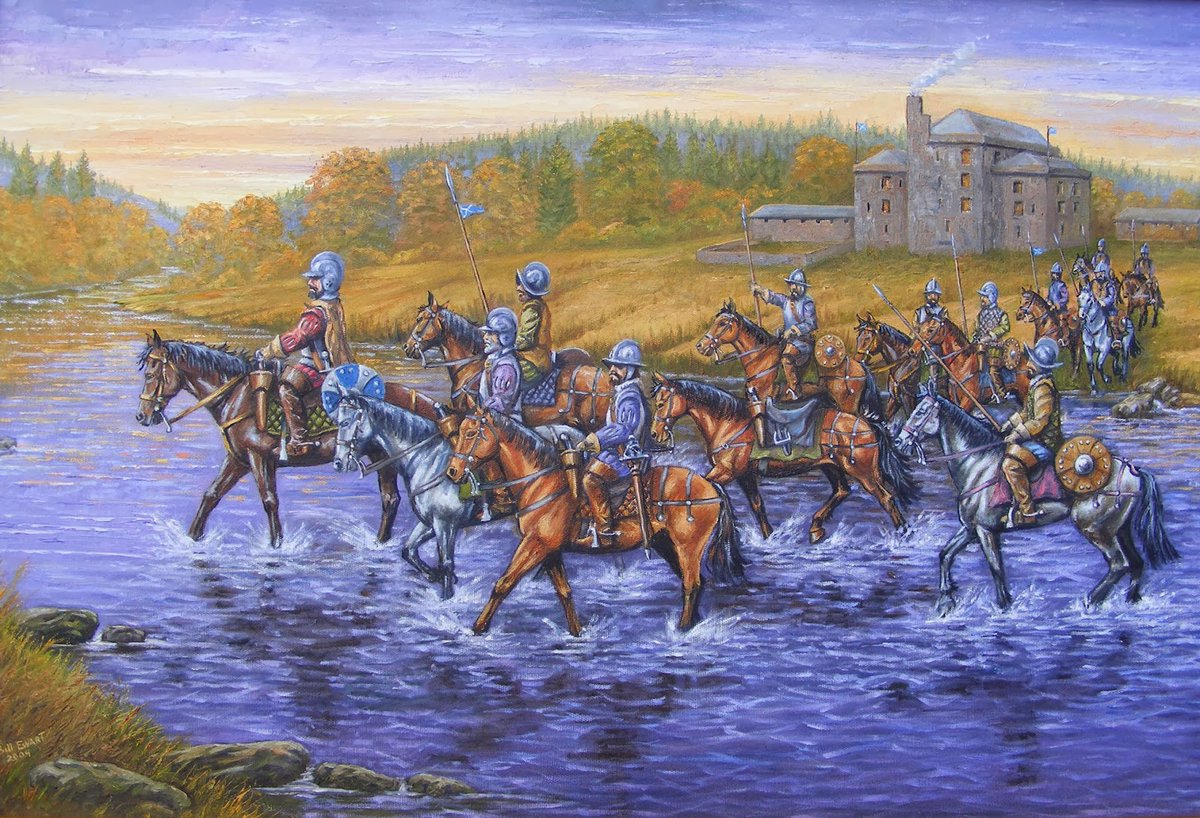
In circumstances like this, defense from reivers had to be taken into the hands of the Borderers themselves.
There was the practice of "Hot Trod" which allowed those who had their livestock stolen to mount a pursuit within six days of the incident to recover what was stolen.
There was the practice of "Hot Trod" which allowed those who had their livestock stolen to mount a pursuit within six days of the incident to recover what was stolen.
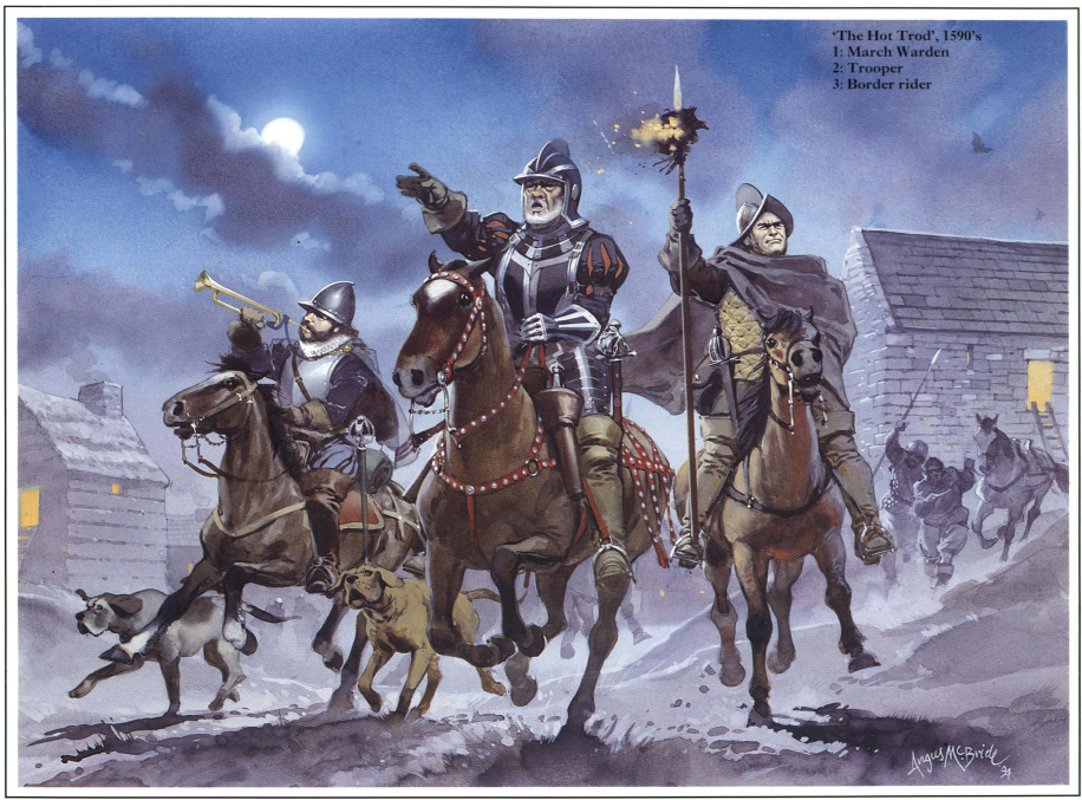
According to the Border Laws, it was the duty of all neighbors aged between 16 and 60 to join this "freshe pursuit" and "follow the fray".
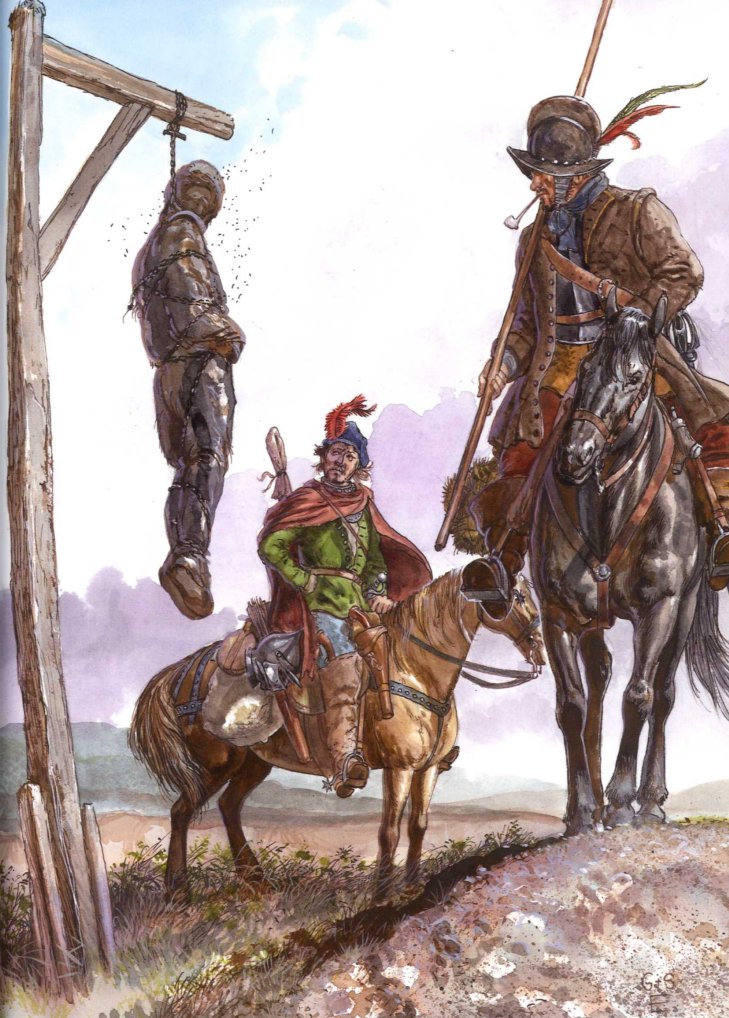
Any reiver who was "caught at the rede hand" during stealing or committing other crimes was immediately executed on spot.
Any reiver who was "caught at the rede hand" during stealing or committing other crimes was immediately executed on spot.
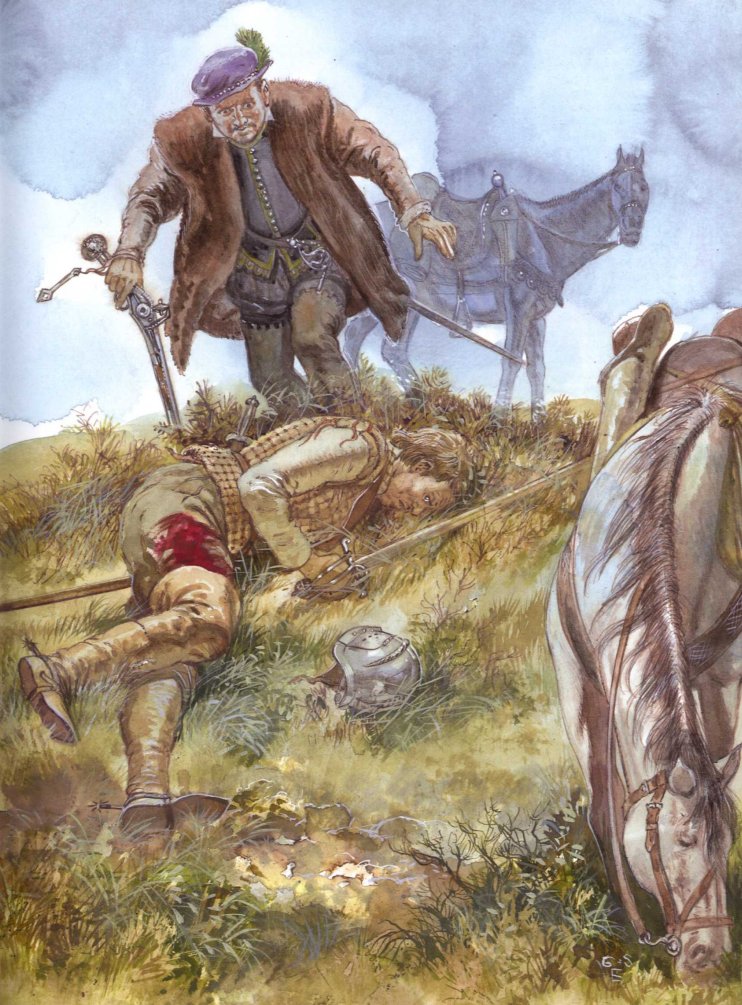
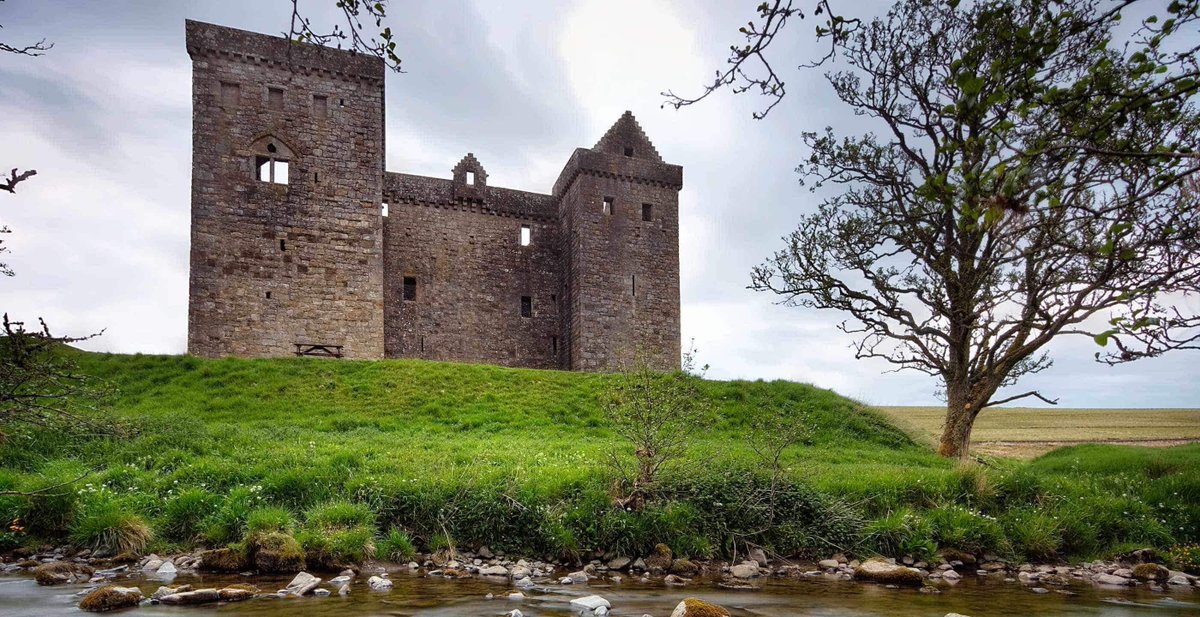
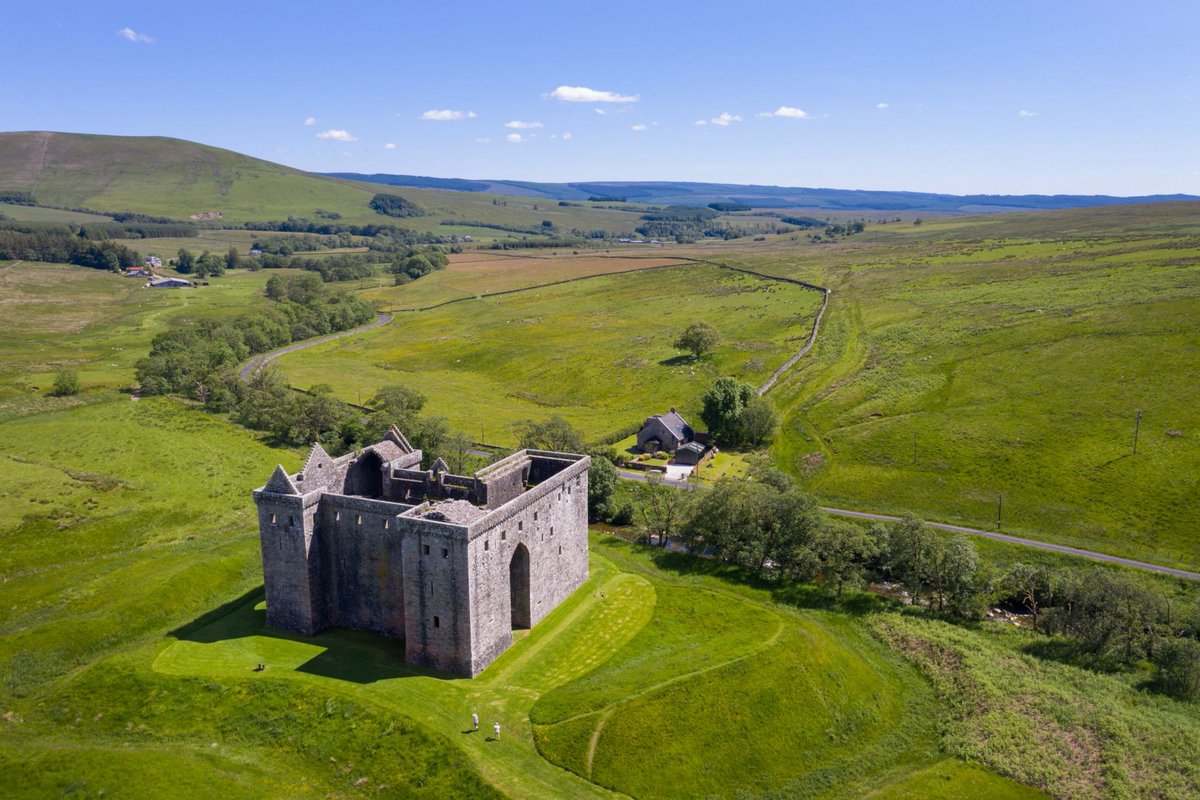
A large number of tower houses and "bastles" were also built in the Borders for protection.
The tower houses were homes of wealthy borderland lords while more humble farmers built "bastell houses".
Some interesting examples of such buildings have survived to this day.
The tower houses were homes of wealthy borderland lords while more humble farmers built "bastell houses".
Some interesting examples of such buildings have survived to this day.


Despite the problems they caused, border reivers had excellent reputation as horsemen and were recruited by both armies during wars.
In the English army they were called "Bands of Northern Horsemen" or "Border Horse" and were seen as some of the best light cavalrymen in Europe.
In the English army they were called "Bands of Northern Horsemen" or "Border Horse" and were seen as some of the best light cavalrymen in Europe.
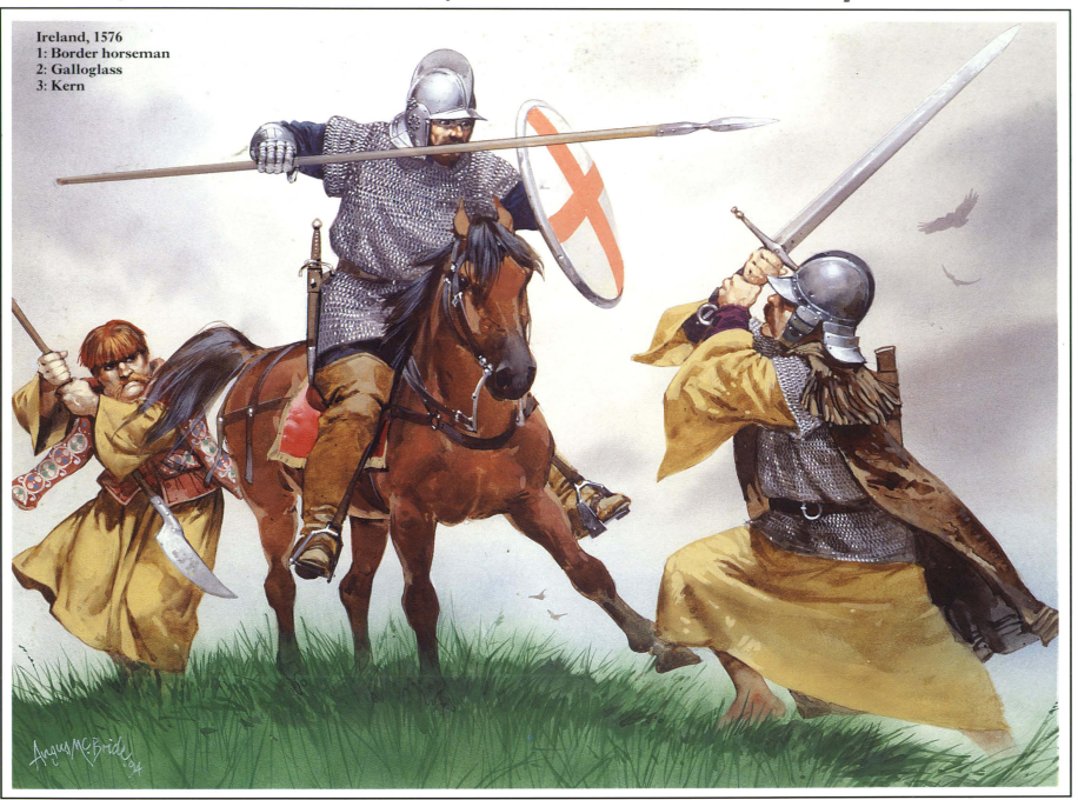
However despite their skills, there was the problem of their suspect loyalty. They were difficult to control and could end up pillaging their own soldiers, even switching allegiances between battles.
They were also sometimes reluctant to fight other border clans in battles.
They were also sometimes reluctant to fight other border clans in battles.

But they did prove themselves at the battle of Solway Moss in 1542 where light cavalry from the Borders fighting on the English side was crucial in inflicting a devastating defeat to the Scots.
Many Scottish infantrymen drowned in the treacherous marshland of Solway Moss.
Many Scottish infantrymen drowned in the treacherous marshland of Solway Moss.

The reign of terror of the border reivers would ultimately end in the 17th century following the Union of the Crowns in 1603 when James VI cracked down on them with the help of increased state power.
The days of lawless reiving eventually came to an end.
The days of lawless reiving eventually came to an end.
Sources:
Keith Durham, The Border Reivers (London: Osprey Publishing, 1995).
George MacDonald Fraser, The Steel Bonnets: The Story of the Anglo-Scottish Border Reivers (New York: Skyhorse Publishing, 2008).
Eith Durham, Border Reiver 1513-1603 (London: Osprey Publishing, 2011). twitter.com/i/web/status/1…
Keith Durham, The Border Reivers (London: Osprey Publishing, 1995).
George MacDonald Fraser, The Steel Bonnets: The Story of the Anglo-Scottish Border Reivers (New York: Skyhorse Publishing, 2008).
Eith Durham, Border Reiver 1513-1603 (London: Osprey Publishing, 2011). twitter.com/i/web/status/1…
If you like this thread about border reivers you should follow me as I intend to post much more about their adventures in the following days, including how they rescued Kinmont Willie!

• • •
Missing some Tweet in this thread? You can try to
force a refresh