Ukrainian troops I spoke to say that russia's Lancet kamikaze drones are currently the biggest problem they face on the battlefield... and that they have no solution to the problem yet.
First: No (!) NATO army has a solution to this problem, as all NATO armies lack a system
1/17
First: No (!) NATO army has a solution to this problem, as all NATO armies lack a system
1/17

like i.e. the Skyranger capable to shoot down kamikaze drones... and the ridiculously low numbers of systems being ordered aren't gonna do any good.
If NATO militaries would have taken the drone threat serious, 60+ Skyranger would come of the production lines monthly now.
2/n
If NATO militaries would have taken the drone threat serious, 60+ Skyranger would come of the production lines monthly now.
2/n

Only the US Army has gone on an emergency shopping spree to buy Stryker M-SHORAD vehicles, but 12x batteries of 12x vehicles is far too little.
So how can we help Ukraine? There are four ways:
1) Taurus
2) Harop
3) 🚀tech transfer
4) get off our asses and start building 60+
3/n
So how can we help Ukraine? There are four ways:
1) Taurus
2) Harop
3) 🚀tech transfer
4) get off our asses and start building 60+
3/n

Skyranger a month. As 4 isn't gonna happen... let's look at the other three solutions.
Taurus is a German air-launched cruise missile with a range of 500+ km. Lancet drones have to be trucked to the front, which means that destroying the russian lines of communication, like
4/n
Taurus is a German air-launched cruise missile with a range of 500+ km. Lancet drones have to be trucked to the front, which means that destroying the russian lines of communication, like
4/n

the Kerch bridge, will result in less and less Lancets reaching the front. Naturally also less and less ammo, fuel, and other materiel will reach the front - so Taurus deliveries are a MUST. Right now Ukraine uses British/French Storm Shadows/SCALP EG cruise missiles for this
5/n
5/n

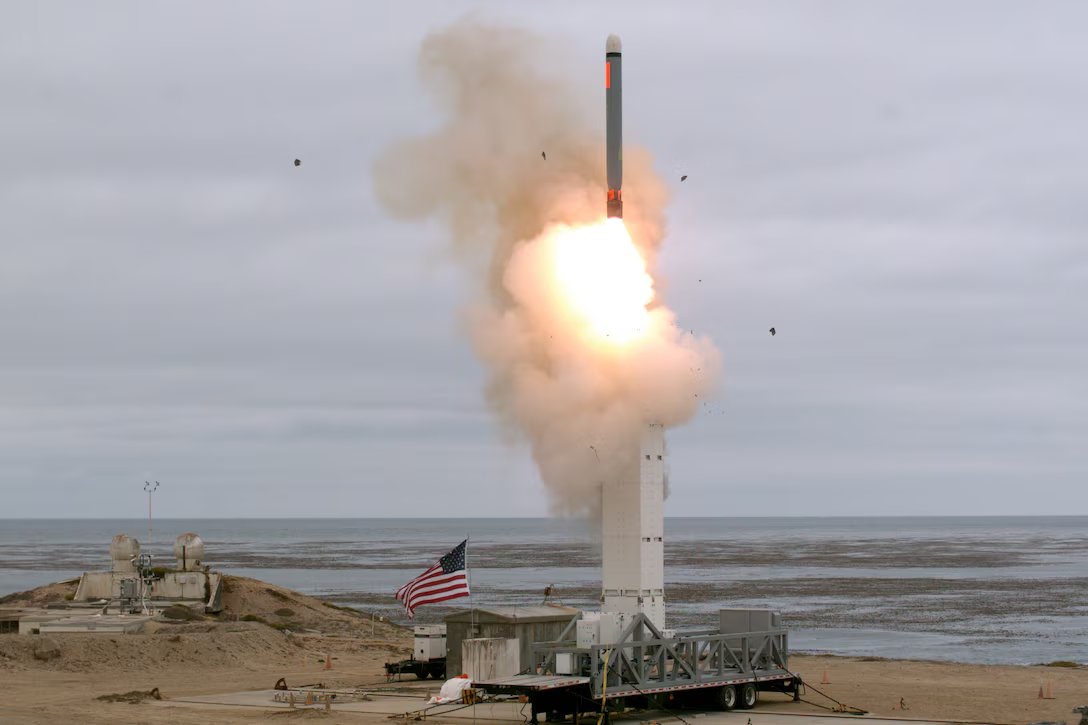
task, but the more sophisticated penetrator warhead of the Taurus (being loaded into the missile in this photo) and its extended range would give Ukraine the ability to strike russian depots and bridges more efficiently and much further away.
Still, a much better solution
6/n
Still, a much better solution
6/n

would be to finally deliver IAI Harop kamikaze drones to Ukraine. The Lancet is technologically trash - cheap optics, 50km range, 1x hour loitering time, small warhead... while the IAI Harop is a beast: 200km range, 6+ hour loitering time, 5x heavier warhead than the Lancet.
7/n
7/n

Harops won't stop all Lancet strikes, but they will help to devastate russian vehicles all along the front. And if nothing can drive near the front, it will be difficult for the russian to bring up the Lancets and their launch catapults... but of course Harops will also
8/n
8/n
exterminate all other russian vehicles. They are just that good. If you don't have a NATO-style airforce, 1,000s of Harops can be the decisive factor in a war, as Armenia had to experience in the lost 2020 Karabakh war.
That Israel still refuses to
9/n
That Israel still refuses to
9/n
transfer Harop drones to Ukraine is a scandal and disgusting and vile!
Taurus and Harop would alleviate the Lancet problem... but the real cure is to attack and annihilate russia's Lancet production lines, which is EXACTLY what NATO would do: tomahawk the Lancets out of
10/n
Taurus and Harop would alleviate the Lancet problem... but the real cure is to attack and annihilate russia's Lancet production lines, which is EXACTLY what NATO would do: tomahawk the Lancets out of
10/n

existence with half a dozen Tomahawk cruise missiles.
Ukraine doesn't have cruise missiles with the necessary range (yet) and the US is not willing to transfer a missile that can strike targets 1600+ km (1000+ miles) deep inside russia... but as time is of the essence, the
11/n
Ukraine doesn't have cruise missiles with the necessary range (yet) and the US is not willing to transfer a missile that can strike targets 1600+ km (1000+ miles) deep inside russia... but as time is of the essence, the
11/n
transfer of off-the-shelf missile parts for a Ukrainian designed and built cruise missile would be the ideal solution to give Ukraine the ability to strike the Lancet factories ASAP.
A Western rocket engine, a guidance section, etc. paired with a Ukrainian warhead and hull,
12/n
A Western rocket engine, a guidance section, etc. paired with a Ukrainian warhead and hull,
12/n

and soon Ukraine would be able to eliminate the Lancet factories once and for all.
All these options aren't ideal: Taurus and Harop are ready to go, but would only alleviate the problem; a Ukrainian cruise missile would solve it, but would take time to become operational...
13/n
All these options aren't ideal: Taurus and Harop are ready to go, but would only alleviate the problem; a Ukrainian cruise missile would solve it, but would take time to become operational...
13/n

The reason we're here is because the West hasn't bothered developing and producing counter-drone systems, after the 2020 Karabakh war showed the dangers of drone swarms, and we're here because the West is only reacting to developments on the battlefield in Ukraine, instead
14/n
14/n
of actively preparing for things that will happen - like renewed massive attacks on Ukraine's infrastructure this winter, for which the West is neither preparing the needed air defense systems, nor the spare parts to repair the damaged heating and electricity systems, nor
15/n
15/n
helping Ukraine establish deterrence by helping Ukraine produce its own long range cruise missiles to strike at russian electricity and heating plants.
In short: Ukrainians are fighting for us, but politicians in "old Europe" and the White House, still haven't grasped the
16/n
In short: Ukrainians are fighting for us, but politicians in "old Europe" and the White House, still haven't grasped the
16/n
severity of the situation and are dropping the ball on most of pressing issues... especially on increasing military production in Europe and helping Ukraine produce the weapons it needs to destroy russian production facilities for drones and missiles.
17/end
17/end
• • •
Missing some Tweet in this thread? You can try to
force a refresh