Michael Duitsman Profile picture
Aug 21 19 tweets 7 min read Twitter logo Read on Twitter
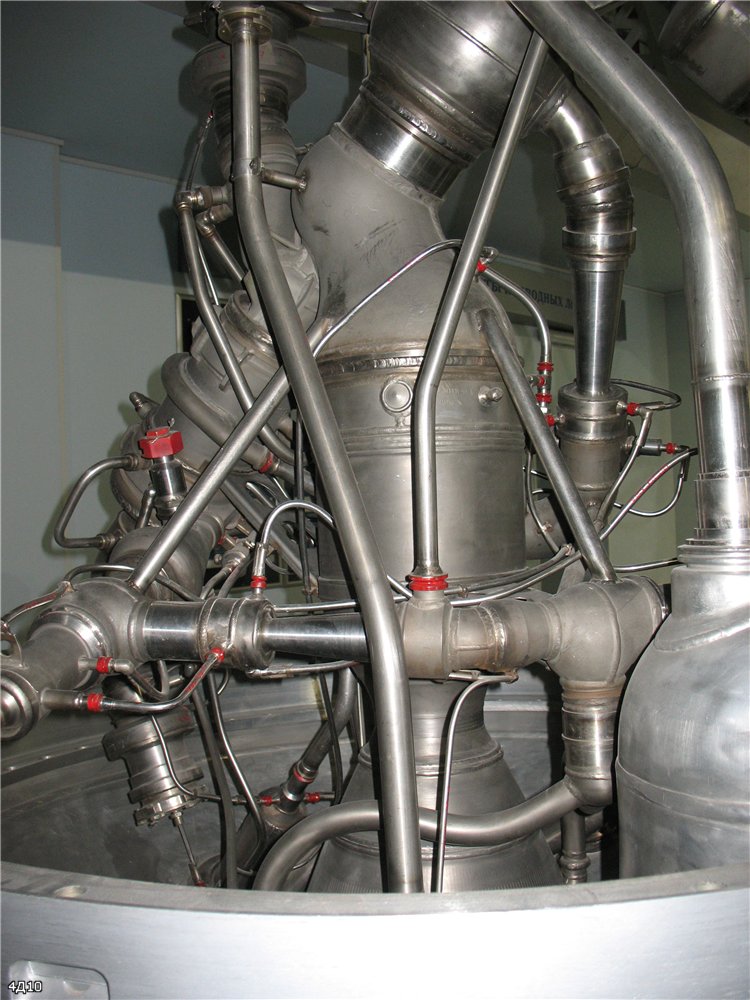
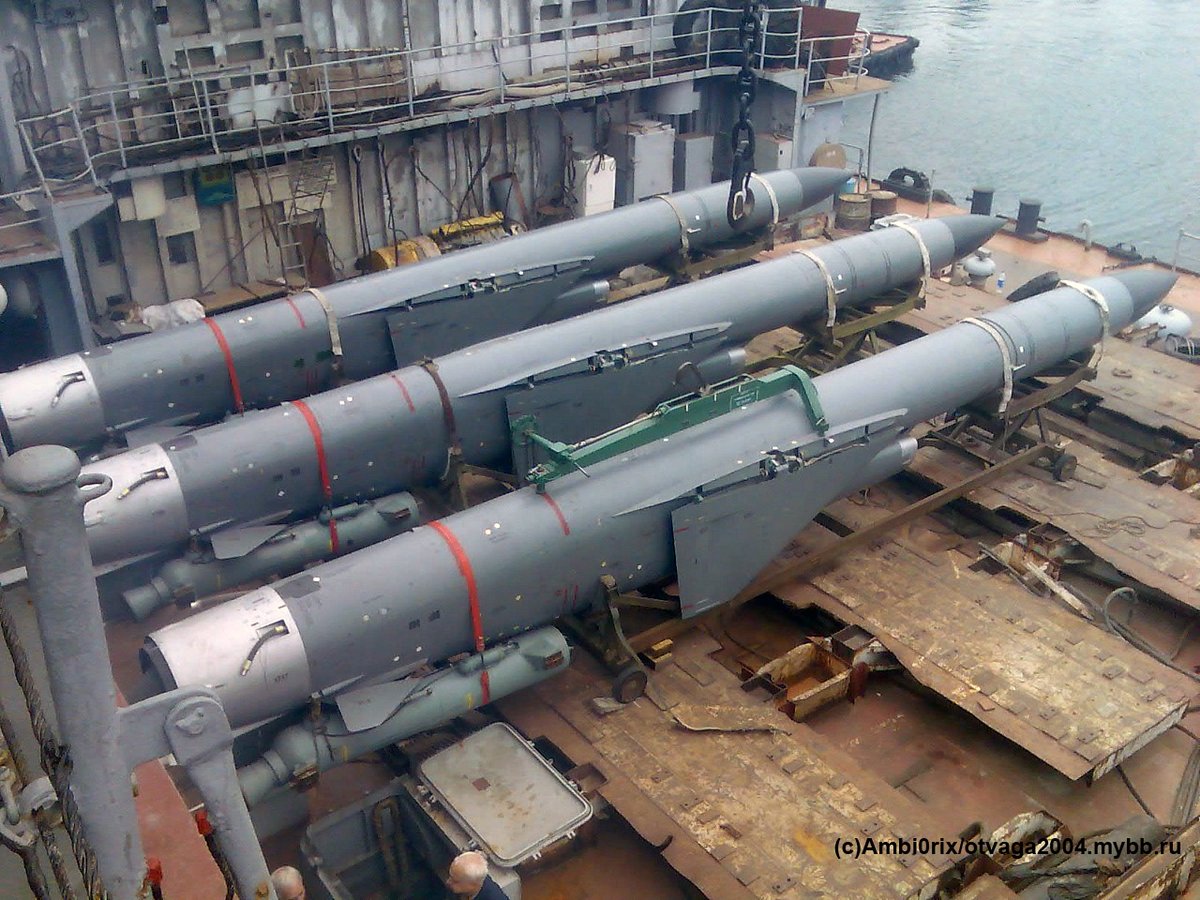
Someone mentioned the 4D10 (the rocket engine in the R-27/SS-N-6) on Twitter.

The 4D10 is one of the reasons I got into rocket propulsion. It's also a ridiculously complex engine.

(I put this together in a hurry, so it's a bit short of pictures.)
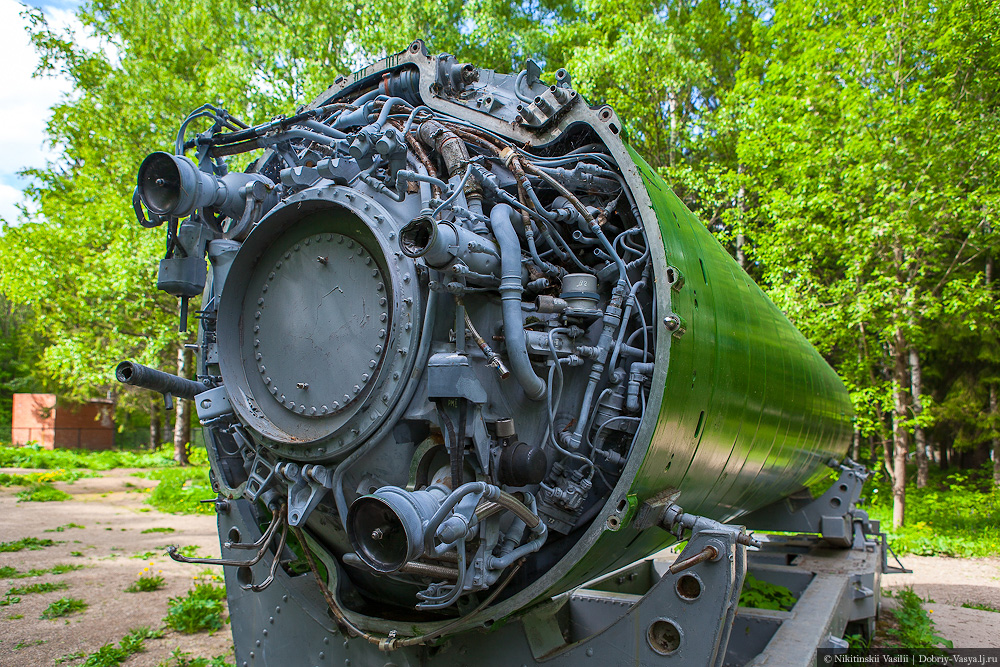
2/18 As Dr. Postol mentioned, the 4D10 is a submerged engine. On the vast majority of liquid-propellant missiles and rockets, the engine(s) are mounted below the propellant tanks.

Image
Image
Image
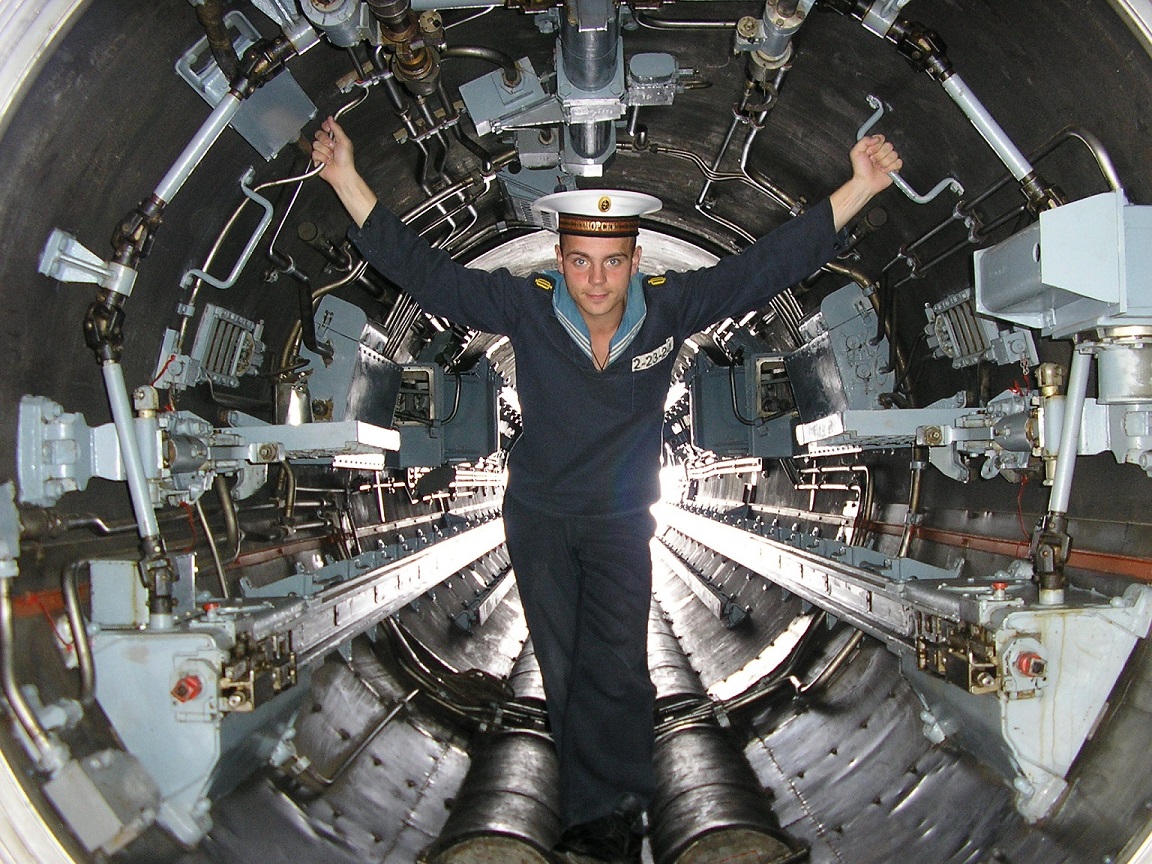
3/18 But as a submarine-launched ballistic missile (SLBM), the R-27 needed to be very compact, with the largest possible propellant tanks to maximize range. Thus, the 4D10 was submerged in the R-27's fuel tank, with only the tip of the nozzle protruding from the missile's bottom.
Image
Image
4/18 This required several technological innovations. Since Postol impugned on the CNS team's technical skill, I will now describe two of them.
5/18 Firstly, because the engine is submerged in fuel, it must be completely leak-proof. Every single connection in the engine was either welded or brazed (the opposite of US practice at the time). New quality control methods were also developed to ensure the welds were perfect.
Image
Image
6/18 Secondly, the engine was attached to the airframe at the nozzle. However, the nozzle was made of steel (12Kh18N10T), while the airframe was aluminum (AMg6 alloy). Fusion welding could not produce an acceptable join between the two metals...

(This is a training mock-up) Image
7/18 So a method to produce a bi- (actually tri-) metallic bushing was developed. 12Kh18N10T and AMg6 were (presumably hot-) rolled, with a layer of AD1 aluminum between them for ductility. The resulting part could be welded to aluminum on one side, and steel on the other.
8/18 (The 4D10 is actually two engines. The main engine is submerged, while another, smaller, simpler engine powers 2 small nozzles for steering. The turbopump for this engine is not submerged, being in a capsule protruding up into the fuel tank. That's beside the point, though) Image
9/18 As Dr. Postol notes, the complexity of the 4D10 contributed significantly to the failure of the Hwasong-10 program. This complexity did not, however, prevent North Korea from planning a series of missiles based on this engine.
10/18 On March 9, 2016, a North Korean press release included an image of Kim Jong Un and a KN-08. The first stage appeared to be powered by two 4D10s submerged in its base. Image
11/18 Experts thought the idea was technically outlandish - Rocket nozzles vibrate, and submerged engines are rigidly mounted in the airframe by their nozzles. The vibrations from two nozzles, both rigidly mounted in the airframe, could tear the missile apart.
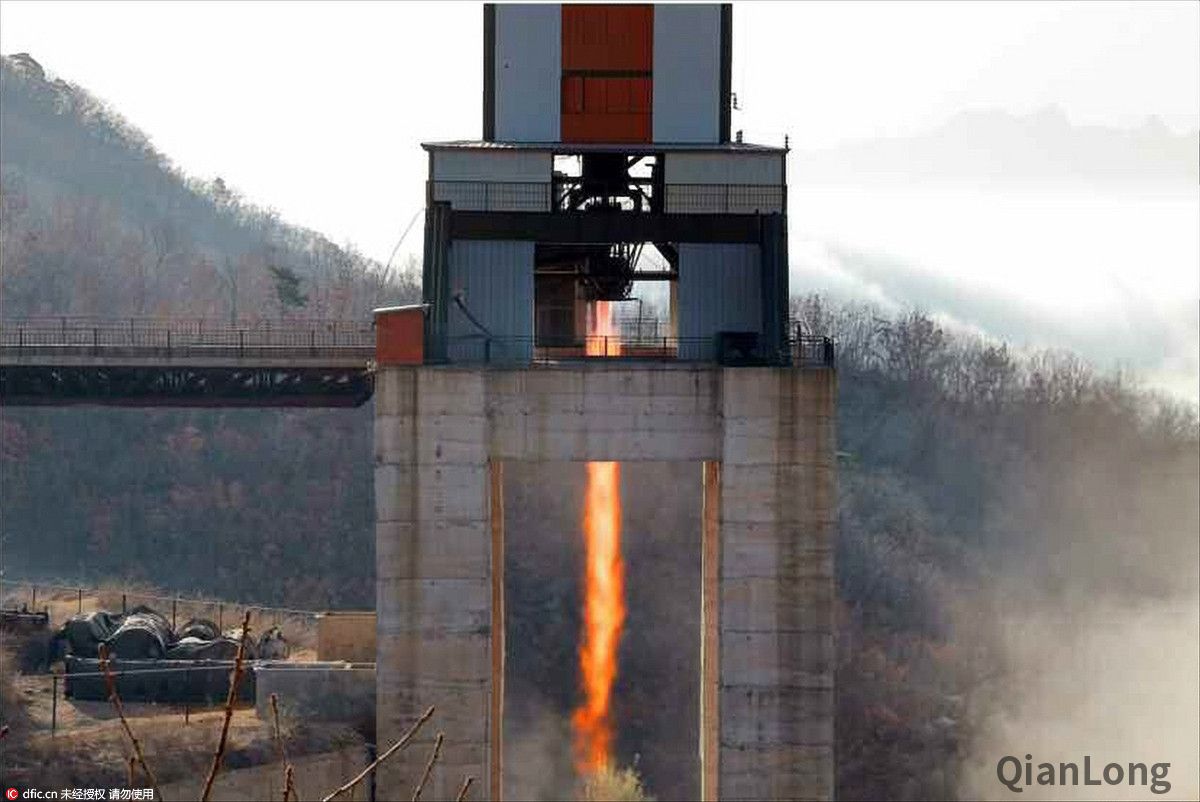
12/18 One month later, in April 2016, North Korea released photographs of a rocket engine test showing what seemed to be that very same engine - a twin 4D10.
Image
Image
13/18 @Armscontrolwonk wrote a blog post about it at the time: armscontrolwonk.com/archive/120127…
14/18 This is the only test of this engine that we were ever shown, and it was made obsolete a year later when North Korea showed us its (probably RD-250-derived) March 18th engine.

Kim was so excited by the March 18th success that he started giving out piggy back rides. Image

15/18 Still, even though the paraded missiles appeared to be mock-ups, North Korea gave us good reason to believe that the KN-08 and KN-14 were active development programs intended to produce a long-range ballistic missile.
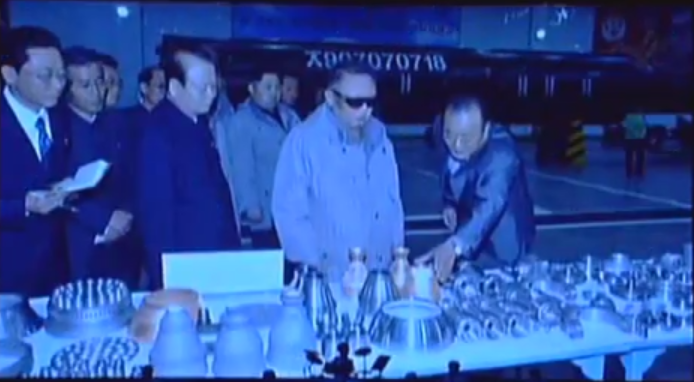
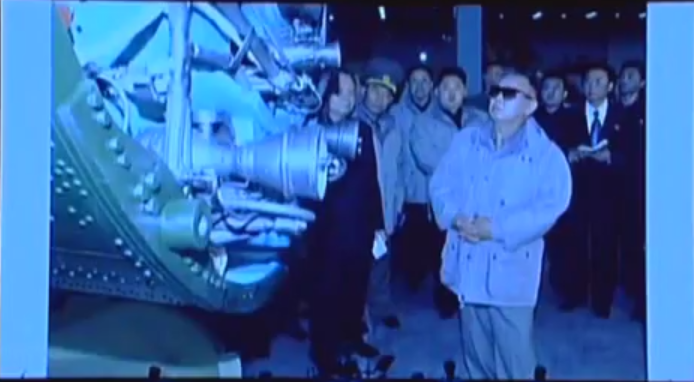
16/18 This point was reinforced by pictures displayed at the celebration for the first successful Hwasong-14 ICBM launch. North Korea viewed the KN-08 and KN-14 as critical steps in their ICBM program. The missiles were not a deception. They were just suboptimal.
Image
Image
Image
17/18 All of this is to say that, while technical expertise is valuable for missile analysis, it must be accompanied by domain expertise to explain the technical, bureaucratic, and political reasons that different design decisions were taken in the creation of a specific missile.
18/18 In his criticism of Jeffrey's analysis, Dr. Postol demonstrates that he either lacks or has forgotten the necessary domain knowledge to understand the KN-08's and KN-14's role in the North Korean ballistic missile program.
George adds some valuable context to the story of analyzing the Hwasong-10 (Musudan) and KN-08/14.

• • •

Missing some Tweet in this thread? You can try to force a refresh

 

Keep Current with Michael Duitsman

Michael Duitsman Profile picture

Stay in touch and get notified when new unrolls are available from this author!

Read all threads

This Thread may be Removed Anytime!

PDF

Twitter may remove this content at anytime! Save it as PDF for later use!

Try unrolling a thread yourself!

how to unroll video
  1. Follow @ThreadReaderApp to mention us!

  2. From a Twitter thread mention us with a keyword "unroll"
@threadreaderapp unroll

Practice here first or read more on our help page!

More from @DuitsmanMS

Apr 16, 2022
I think it's very unlikely that Moskva was carrying nuclear warheads.

However, if it was carrying nuclear warheads, two is probably the right number. 1/4
In his 2012 paper, Igor Sutyagin estimates that the Slava-class cruisers had 4 warheads assigned to them - 2 nuclear-armed SS-N-12 anti-ship missiles, 1 nuclear-armed SA-N-6 surface-to-air missile, and 1 nuclear depth bomb for the ship's helicopter. europeanleadershipnetwork.org/commentary/ato…
I'm not sure the nuclear SA-N-6s still exist (if they ever did), and removing a depth bomb from the magazine is probably an easy task. I suspect the SS-N-12s, however, are a pain to move around, and can understand the crew avoiding switching out missiles whenever possible.
Read 4 tweets
Mar 15, 2022
I had initially filed these under "huh, that's interesting." In retrospect, I'm really embarrassed that we didn't follow this more closely. 1/7
2/7 For the longest time, we'd wondered what these circular caps on bottom of the missile were for. Now we know: they're covers for penetration aid tubes.

During the terminal part of its flight, the Iskander-M can poop out up to six penetration aids. But what are they?
3/7 Generally speaking, penetration aids (PENAIDs) can work three different ways: physically, as a decoy, using its radar return; thermally, using a flare to spoof heat-seeking weapons, and electronically, spoofing or jamming radars and electronics.
Read 7 tweets
Feb 25, 2022
The Russian encampment is at 46.7627° N, 33.3847° E. The column of vehicles was headed southeast (away from the Kakhovka hydroelectric dam) on the R-47.

#OSINTatMIIS #Ukraine
Another vehicle, this time alone. Moving rather fast (for a truck) with its emergency flashers on.
They've started turning back some - but not all - vehicles. Also, there is something very much on fire in the far distance on the left.
Read 30 tweets
Feb 8, 2022
1/17 I agree with this assessment. Nonetheless, since I am apparently a masochist, I geolocated all of the nuclear weapons storage sites active in Belarus during the 1980s.

I'm pretty sure there were 22 of them, though I am open to corrections.
2/17 First, a few notes: In Russian and Soviet service, nuclear weapons (except those attached to deployed strategic missiles) are under the control of the 12th Main/Chief Directorate (12 GUMO), a separate branch of the military directly subordinate to the Ministry of Defense. Image
3/17 Thus, while a 12 GUMO unit might be attached to a nuclear-capable unit, the chains of command are separate.

Also, outside of the Strategic Rocket Forces (RVSN), 12 GUMO bases are rarely co-located with the units responsible for delivering the nuclear weapons in wartime.
Read 17 tweets
Jan 14, 2022
Yesterday's launch was rail-mobile. Presumably the KN-23-like missile they tested last September?
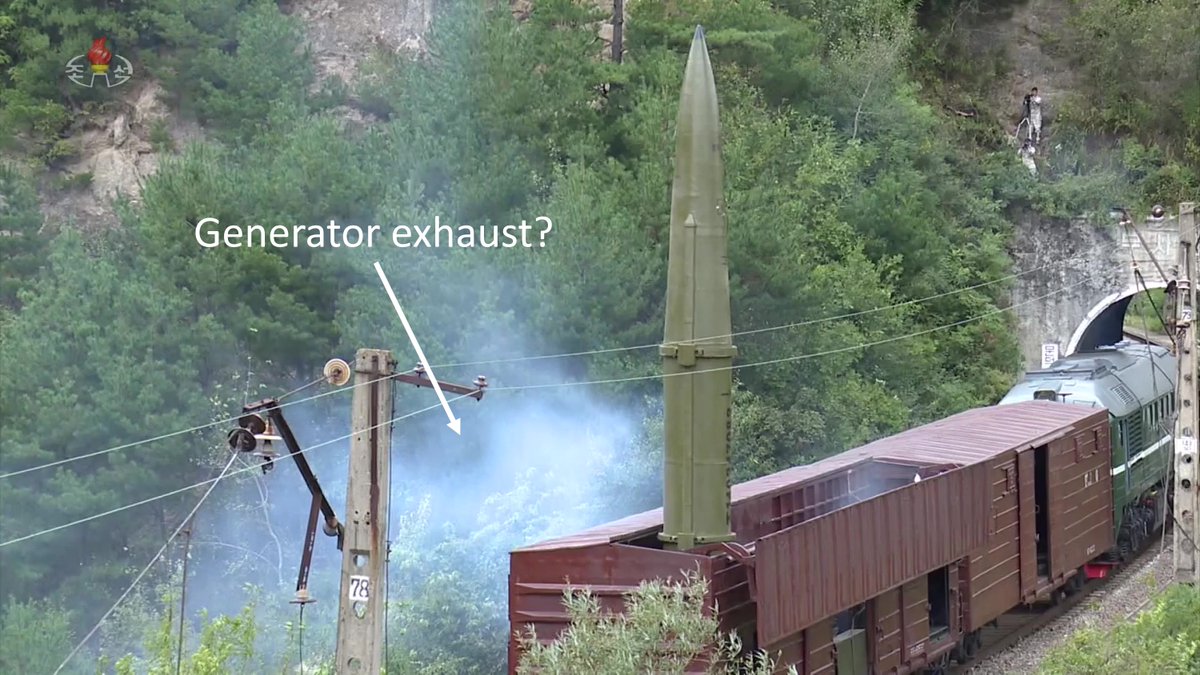
Oh, that's interesting. They uncoupled the locomotive prior to launch. So the 2-car set for the missiles is a self-contained unit and (similar to the Soviet RT-23) doesn't need to draw power from the locomotive.
Of the two cars, one obviously carries the missiles (and, based on the September launch, the generator), and the other (let's call it the support systems car) presumably carries electronics, tools, and whatnot.
Read 4 tweets
Sep 29, 2021
I see the ghost of the R-27 has returned to haunt us again.

"Ampulization," referring to the fueling & hermetically sealing of a ballistic missile at the factory, was a Soviet innovation, developed by the Makeev bureau & first used in the R-27 SLBM. 1/12
2/12 For the Soviets, ampulization required the development of several technological advances. While no longer on the cutting edge, North Korea's potential use of ampulization has implications for where certain parts of the DPRK program are, technologically speaking.
3/ Makeyev described the technologies necessary for ampulization. Many of these can be seen in videos of R-27 missile production. This video is especially useful; I should do a separate thread later explaining other aspects of the manufacturing process:

net-film.ru/found-page-1/?…
Read 12 tweets

Did Thread Reader help you today?

Support us! We are indie developers!


This site is made by just two indie developers on a laptop doing marketing, support and development! Read more about the story.

Become a Premium Member ($3/month or $30/year) and get exclusive features!

Become Premium

Don't want to be a Premium member but still want to support us?

Make a small donation by buying us coffee ($5) or help with server cost ($10)

Donate via Paypal

Or Donate anonymously using crypto!

Ethereum

0xfe58350B80634f60Fa6Dc149a72b4DFbc17D341E copy

Bitcoin

3ATGMxNzCUFzxpMCHL5sWSt4DVtS8UqXpi copy

Thank you for your support!

Follow Us on Twitter!

:(