Hermahai Profile picture
Aug 21, 2023 12 tweets 5 min read Read on X
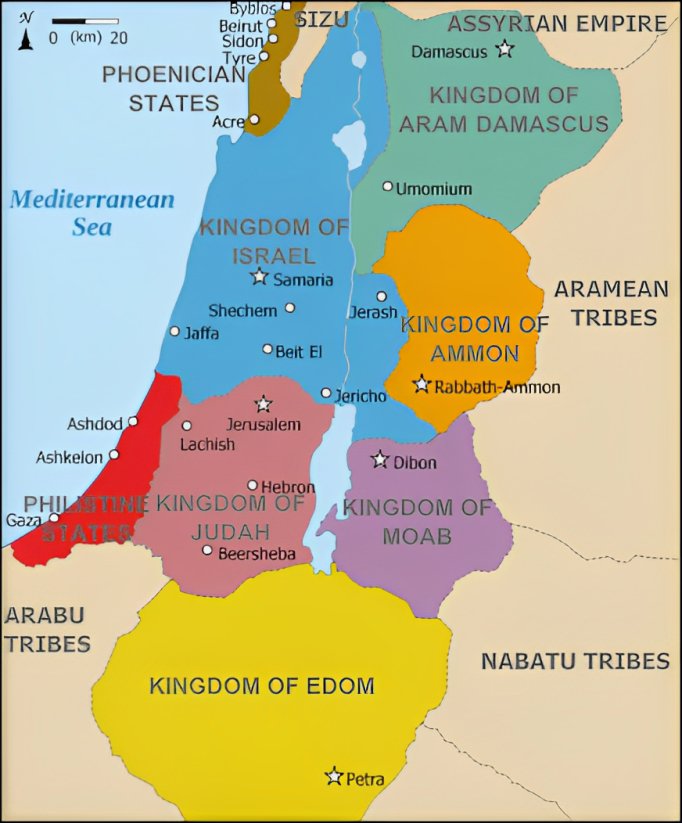
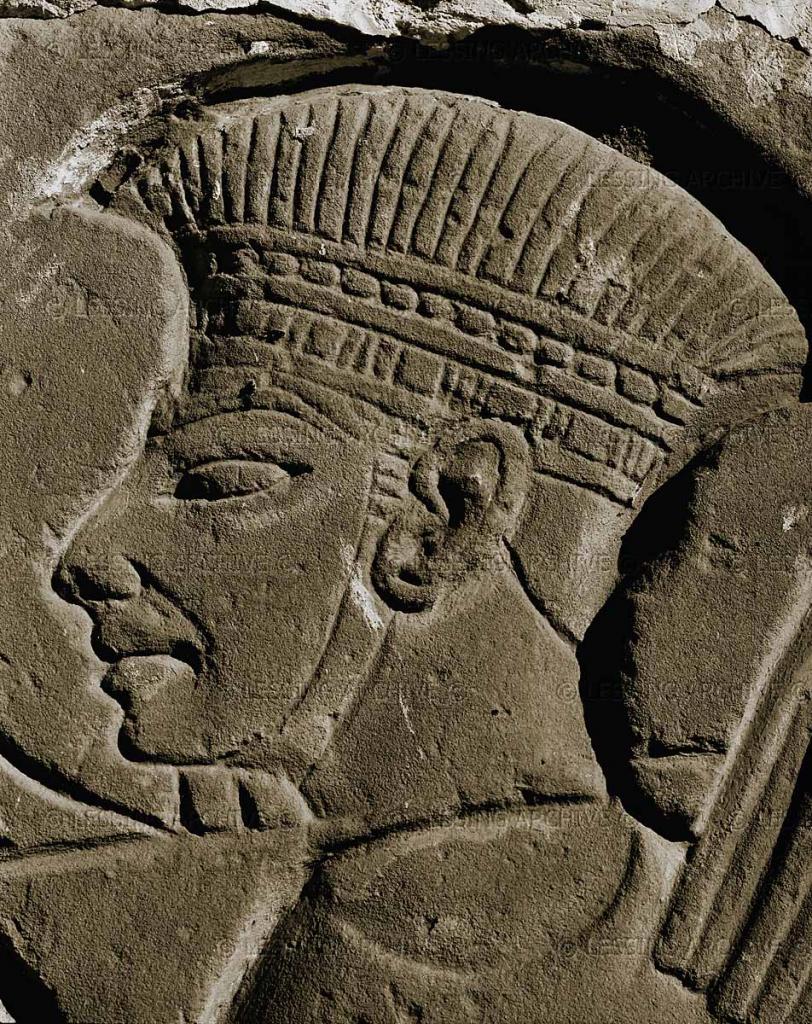
1/ The Philistines were not native to Canaan, but instead came from distant foreign lands, being a product of the turbulent period of the Late Bronze Age Collapse and having distinctly Aegean features that emphasized their difference from the other peoples of the region. Image
2/ The Philistines came to the southern coast of Canaan, looking for a new homeland to settle and had a warlike political - social character as a result of the climate of insecurity that prevailed in the Eastern Mediterranean during the 12th century BC and favored such standards. Image
3/ While the majority of them must have come from the Aegean, mainly Crete, in their ranks there must also have been population groups from Cyprus and Anatolia, while a part of the local Canaanite population accepted the his inclusion in the Philistine cultural group. Image
4/ A significant role in the process of creating a new people made up of diverse ethnic groups seems to have been played by their foreign origin within a distinct and homogeneous environment (Israelites), as well as the common reasons and paths that led them to the foreign land. Image
5/Thus they created a new common social identity through which they acted towards the other neighboring peoples,with main elements of this effort of distinction,the adoption of Aegean-inspired pottery and the consumption of large quantities of pork, which local societies avoided. Image
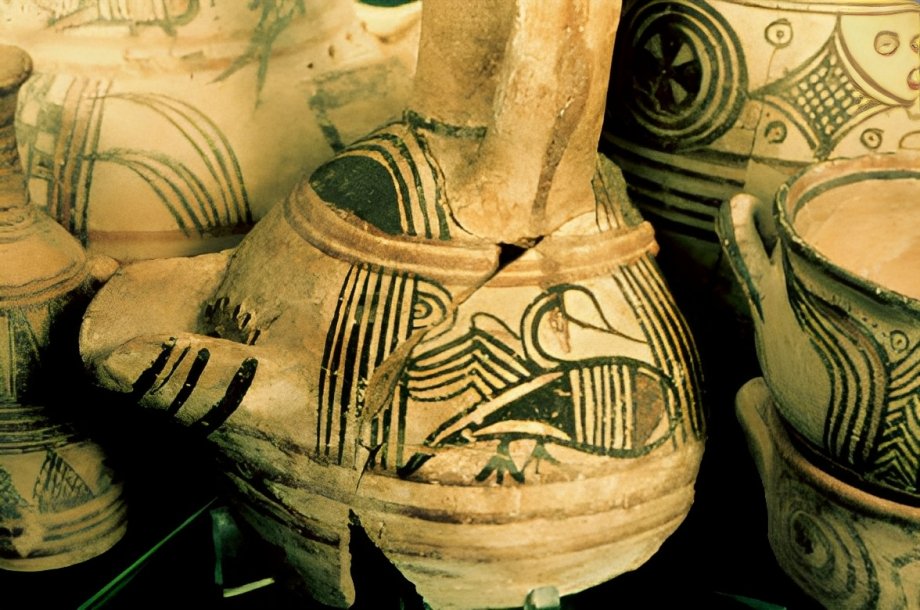
6/ Over time, the social and religious feasts of the Philistines, where these characteristics were displayed, became a crucial factor in strengthening the social cohesion of the Philistines,but also in the attraction - integration of local populations into the Philistine society. Image
7/ Thus the pre-existing populations of southern coastal Canaan (Philistia) gradually adopted the new dominant social identity, participating in Philistine feasts, using Aegean-inspired pottery and consuming significant amounts of pork. Image
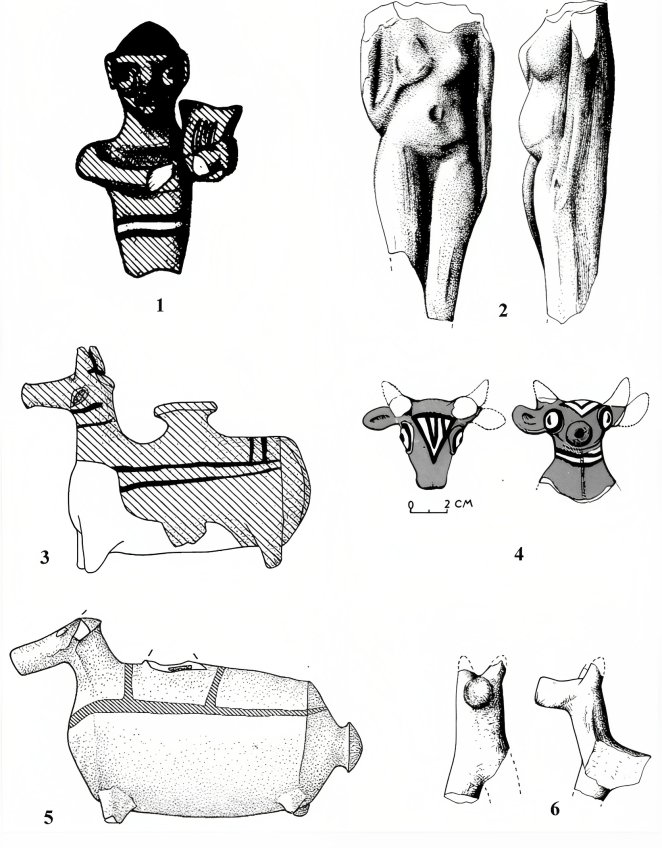
8/The result of this process was the beginning of the adoption of Canaanite elements in pottery, figurines, etc.,which seemed familiar to the Philistines of local origin, and however without this fact discouraging them from differentiating themselves from the other local peoples. Image
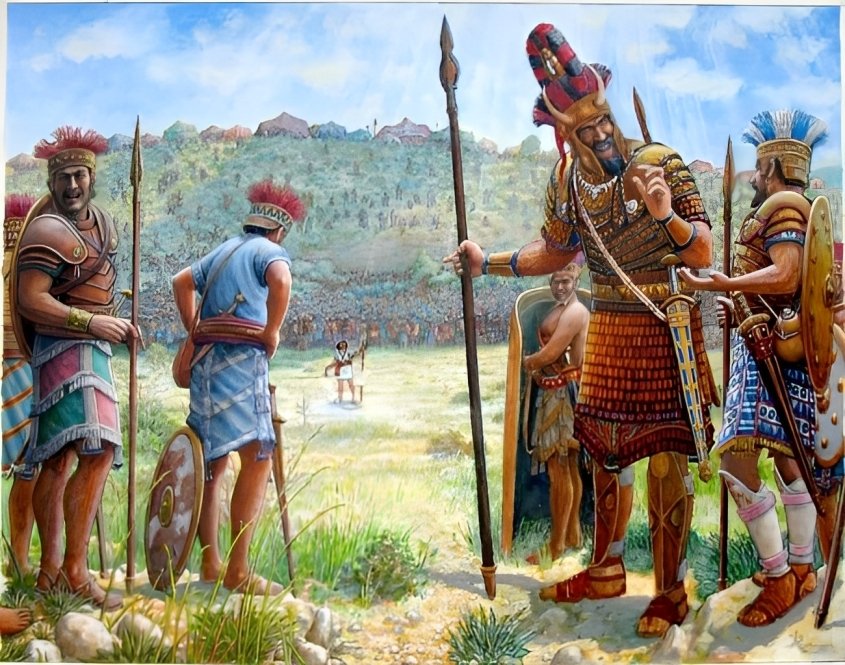
9/ An important role in the consolidation of the Philistine culture in Philistia was also played by the strongly expansionist policy of the war-like Philistine elite, which competed militarily with its neighboring peoples for the claim of hegemony in the region. Image
10/ However, during the 9th century BC, Philistine political and military power had been reduced, a consequence of the changes Philistine society itself had undergone. The Philistines decided based on economic motives to join the Phoenician political and economic 👉 Image
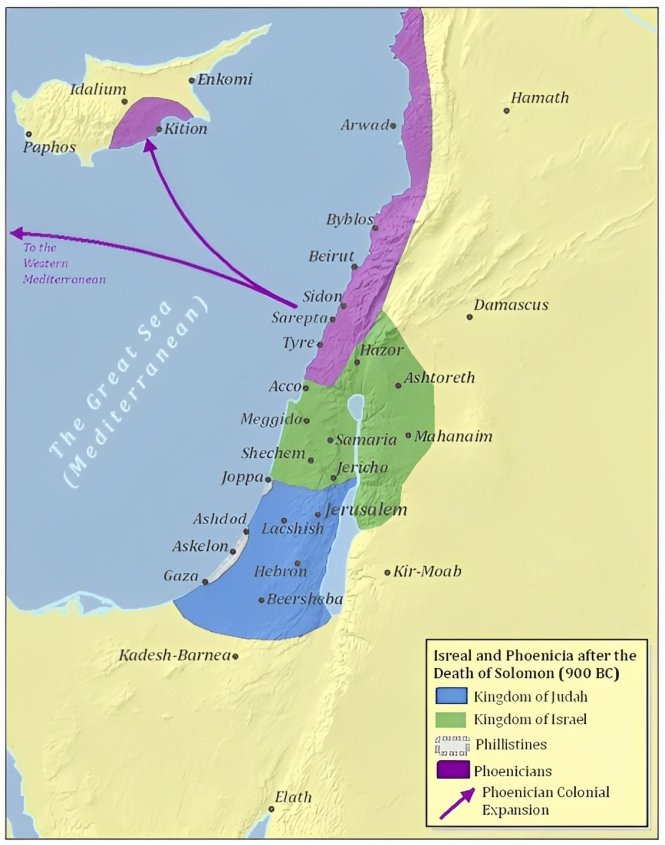
👉 sphere of influence consequently while the Philistines maintained a distinct identity, many older cultural elements had already been lost. The Aegean-inspired pottery and consumption of pork declined markedly. Image
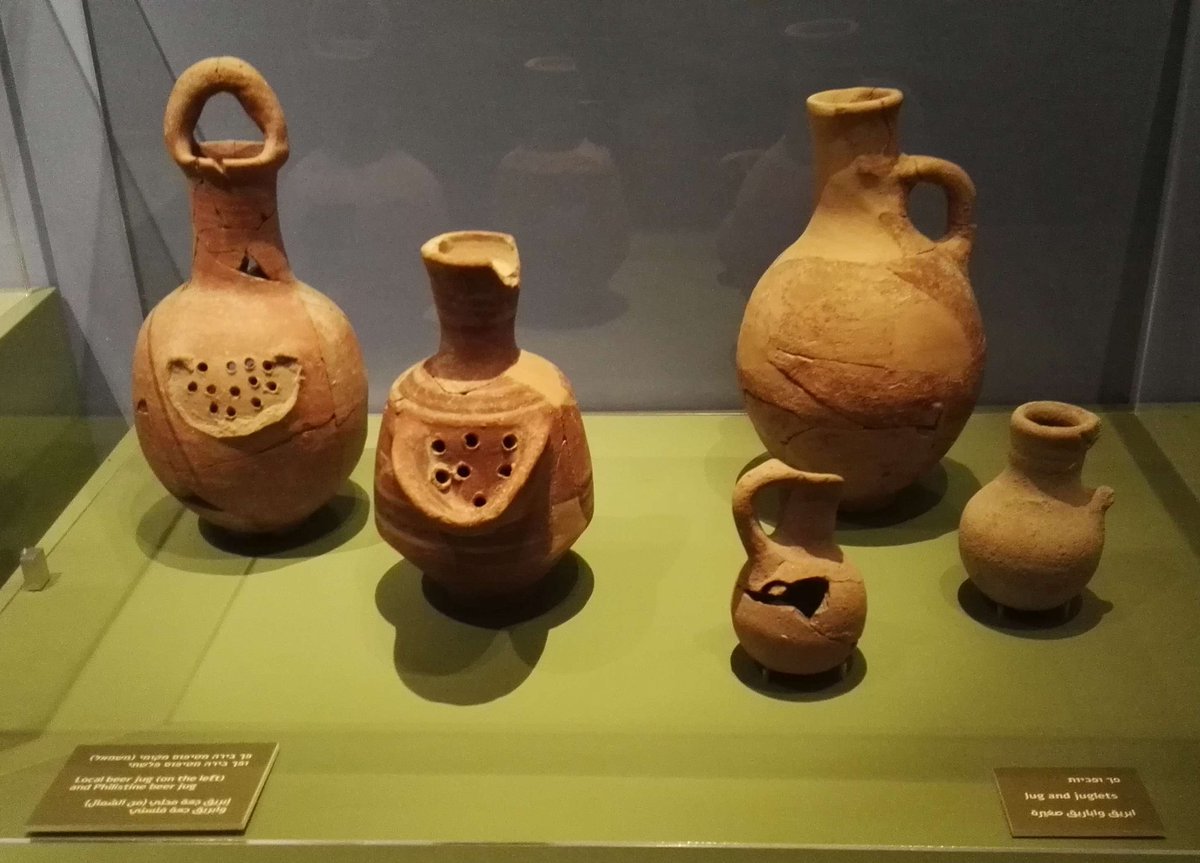
11/The newly formed situation is reflected through the appearance of a new pottery style, Ashdod Ware, which bears strong Phoenician characteristics,marking the decline of the Philistine civilization and the transformation of the Philistines as a simple local people of the region Image
• • •

Missing some Tweet in this thread? You can try to force a refresh

 

Keep Current with Hermahai

Hermahai Profile picture

Stay in touch and get notified when new unrolls are available from this author!

Read all threads

This Thread may be Removed Anytime!

PDF

Twitter may remove this content at anytime! Save it as PDF for later use!

Try unrolling a thread yourself!

how to unroll video
  1. Follow @ThreadReaderApp to mention us!

  2. From a Twitter thread mention us with a keyword "unroll"
@threadreaderapp unroll

Practice here first or read more on our help page!

More from @hermahai

May 1
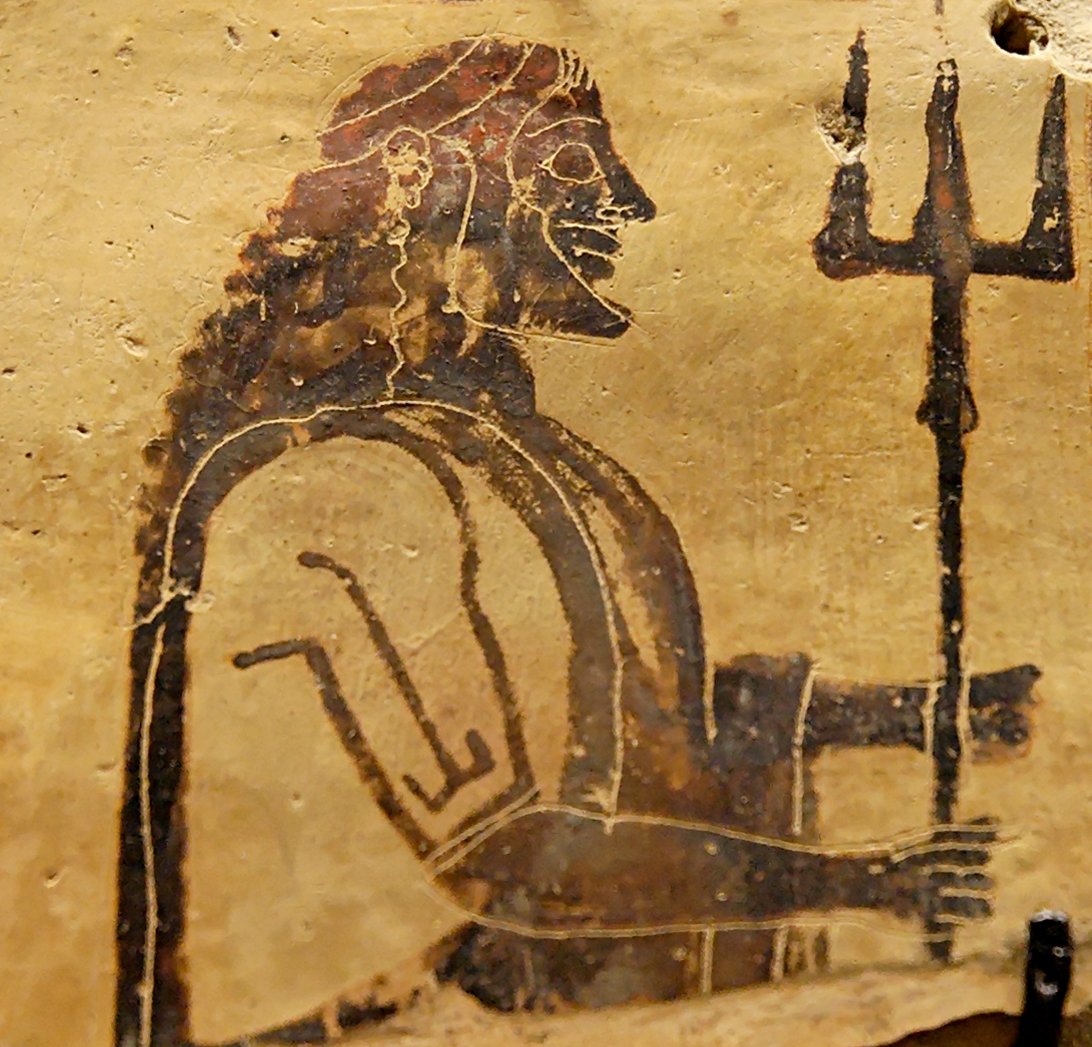
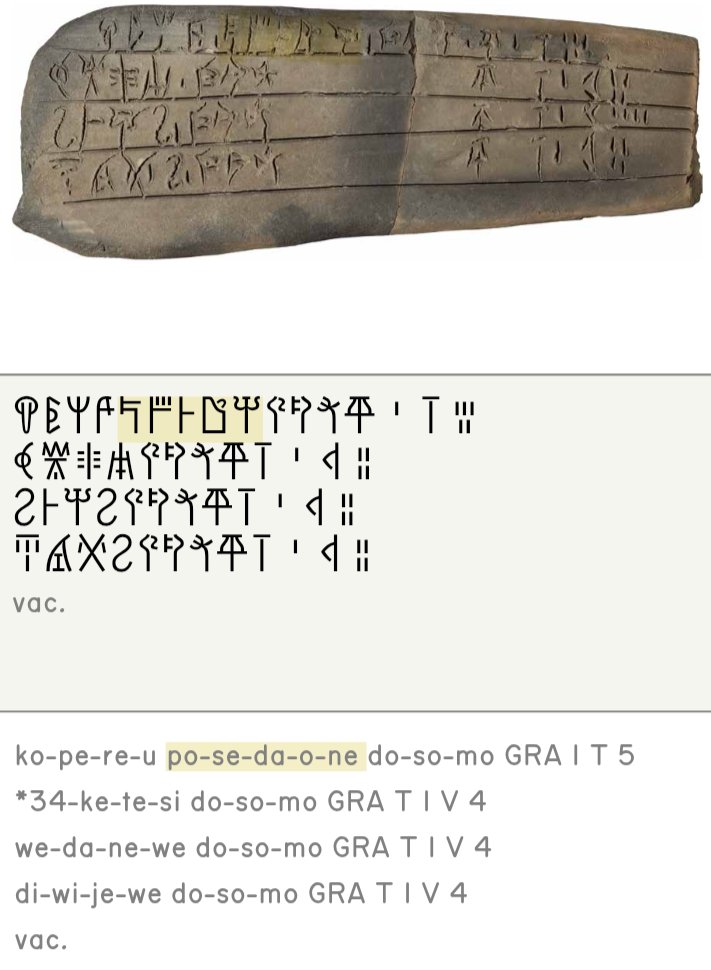
1/ According to the Linear B' tablets found in the Palace of Pylos, Poseidon appears to have held the central position in the religious pantheon, surpassing Zeus in importance. He was the patron of the royal house and the city at large, as well as the main recipient of offerings. Image
2/ Poseidon as the patron god of Pylos constituted the cornerstone of the organisation of the kingdom. The Pylian wanax derived the right to rule as a descendant of Poseidon. According to mythology, the founder of the royal dynasty of Pylos, Neleus, was the son of Poseidon. Image
3/ At the same time, the tablets of Pylos demonstrate the main role played by the worship of Poseidon in the economic activity of the kingdom, as the palace managed large areas of land belonging to the god (sacred lands). These areas of land were called ktoines and 👉 Image
Read 11 tweets
Apr 29
1/ Recent excavations at the site of Yassitepe Höyük (Bornova, Smyrna) have demonstrated a strong Mycenaean cultural influence, testifying that this particular settlement was an important center of trade and cultural contact between the Mycenaean Aegean and Western Anatolia. Image
2/ Specifically, Myc palatial pottery (pithoi and amphorae) was found, which was considered a luxury item for the time, as well as cist tombs and burials in pithoi that show clear Myc funerary influences. The Myc artifacts were found together with indigenous Anatolian products. Image
Image
3/ These findings suggest that the region of Smyrna Gulf was part of a wider contact zone between the Mycenaeans (Ahhiyawans) and Anatolia (Hittite vassal kingdoms). It is likely that some Mycenaean merchants or artisans had settled at Yassitepe Höyük, 👉 Image
Read 11 tweets
Apr 24
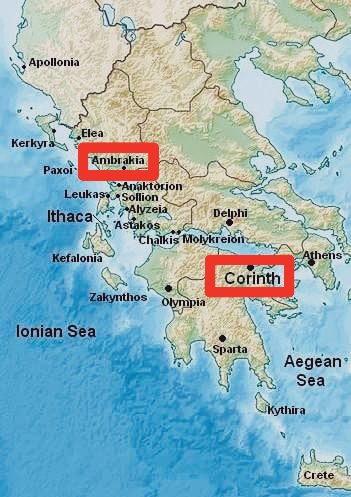
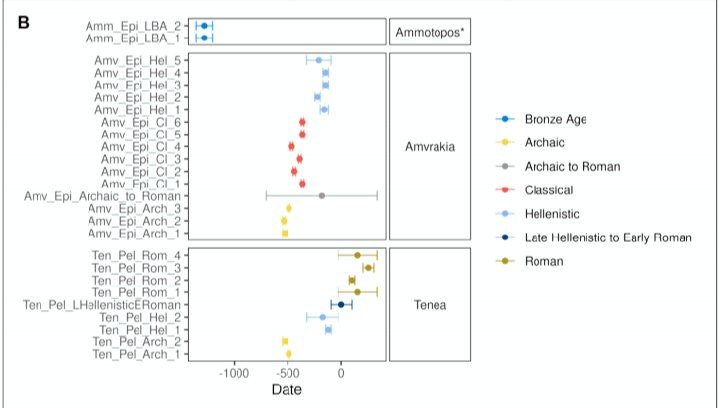
1/ In the 7th century BC, the strong city-state of Corinth founded the colony of Ambracia in an effort to consolidate its trade presence in the West and to relieve various internal social tensions. A recent genetic study illuminates some important aspects of this colonial effort. Image
2/ The genetic data support that the colonists came from the rural area of Tenea and that the colonial undertaking took the form of an organized movement of families and populations, with the result that Amvrakia was not simply a Corinthian trading post, 👉 Image
👉 but a community with strong biological and cultural ties to the metropolis. The intermixing with the local Epirotic populations took place gradually over the centuries, but during the Archaic era it was almost non-existent (South - Helladic gene flow). Image
Read 17 tweets
Apr 12
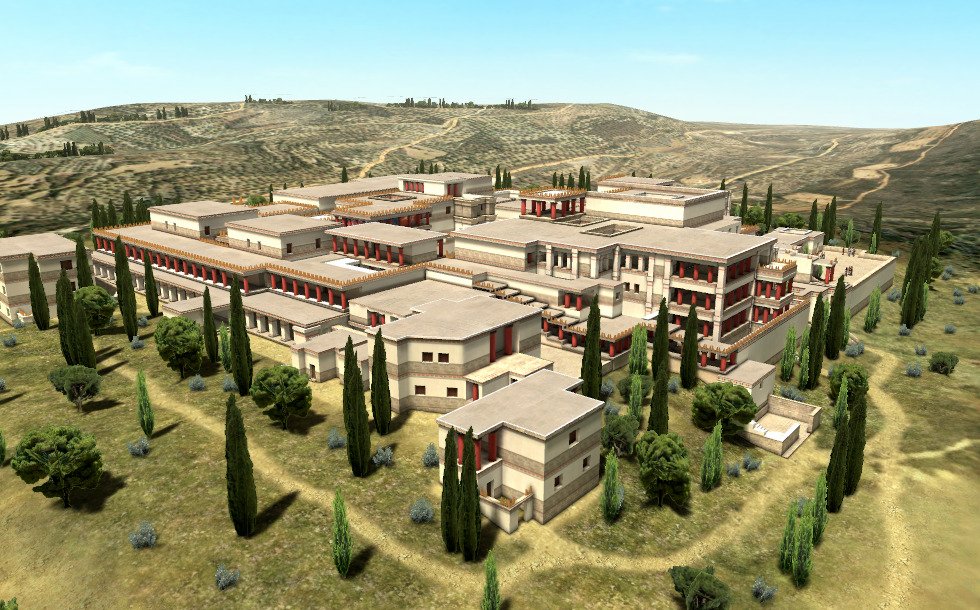
Who are responsible for the destruction of Knossos in 1370 BC?

SCENARIO TWO:

The Mycenaean Knossos acquired such great power that it eventually became a major threat to the Mycenaean rulers of the mainland, who eventually turned it into a pile of ruins.
#Mycenaeans #Minoans Image
1/ During the first half of the 15th century BC, Crete found itself in the throes of intense internal political and social instability, which resulted in the weakening of its strategic power to such an extent that it became easy prey for the Mycenaean warlords. Image
2/ The Mycenaeans, who had dramatically increased their power, took advantage of a multi-level opportunity: the Minoan fleet had suffered heavy damage from the Minoan Eruption to ships and naval bases, the Minoan cities were essentially unfortified, they were superior in 👉 Image
Read 23 tweets
Apr 10
Who are responsible for the destruction of Knossos in 1370 BC?

SCENARIO ONE:

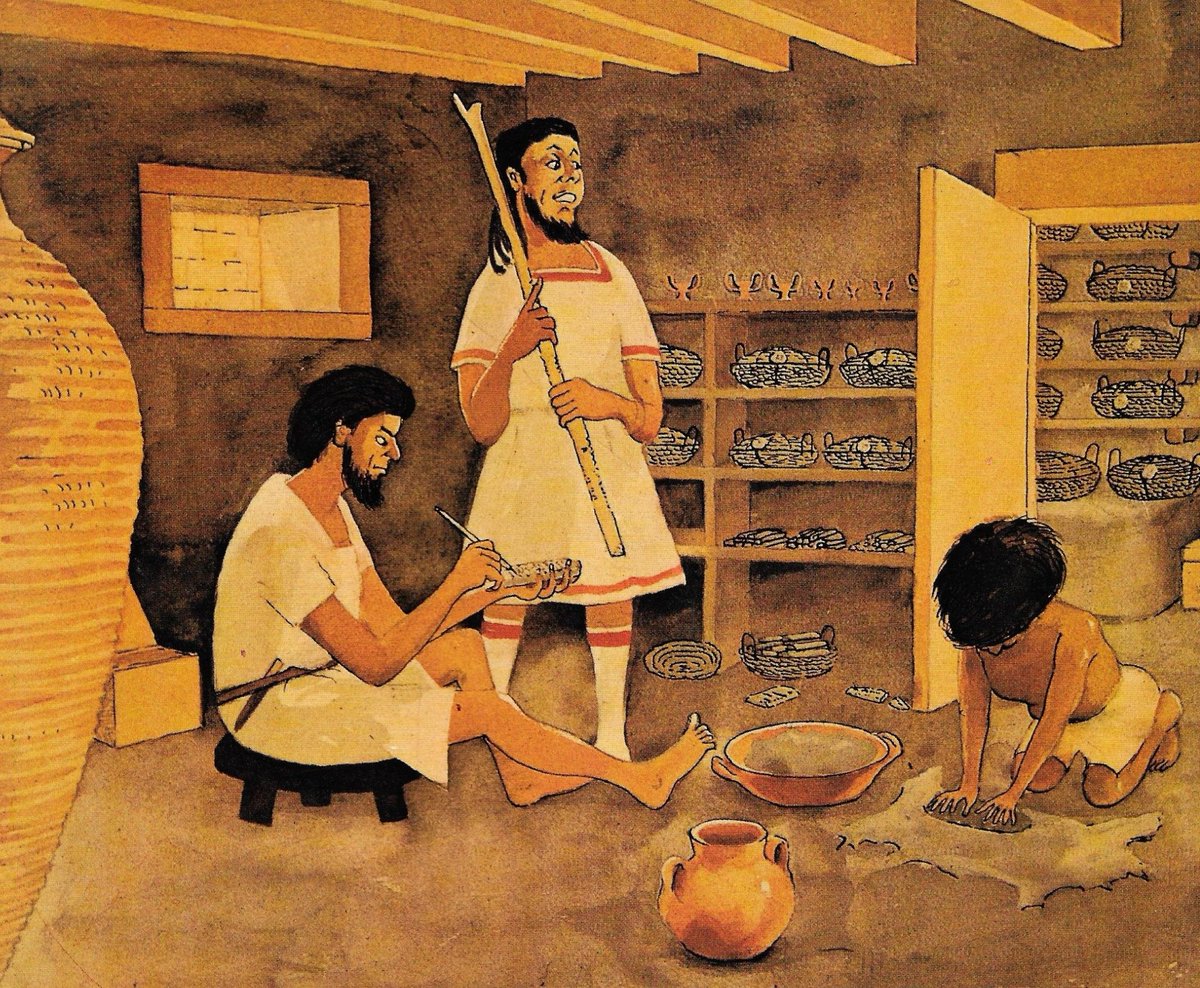
A despotic Mycenaean palatial elite based in Knossos oppresses the local Minoan population, who eventually revolt.
#Mycenaeans #Minoans Image
1/ Around 1450 BC a Mycenaean ruling elite settled in Knossos, imposing its domination over most of Crete through force of arms and a robust palatial bureaucracy whose the main task was the detailed control over every activity. Image
2/ Particular importance was given to recording all productive activities in order to tax everything with strict accuracy, while at the same time a detailed record was made of the owners of land or herds and what obligations they had towards the elite of Knossos. Image
Read 21 tweets
Mar 8
1/ Around 1900 BC, the old Minoan palaces were founded in Crete and the foundation stone of the first European civilization was laid, which was based on a pioneering model of political and economic organization whose main axes were maritime dominance and economic penetration. Image
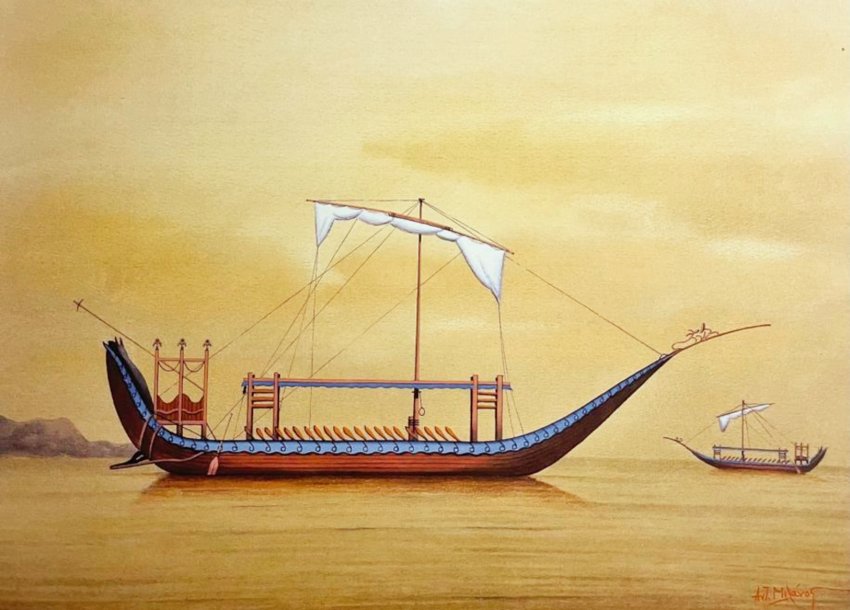
2/ The Minoans,having realized the strategic geographical position of their island in the middle of important maritime trade routes that connected the western lands with the Near East, transformed Crete into the main commercial hub of the Mediterranean, building a powerful fleet. Image
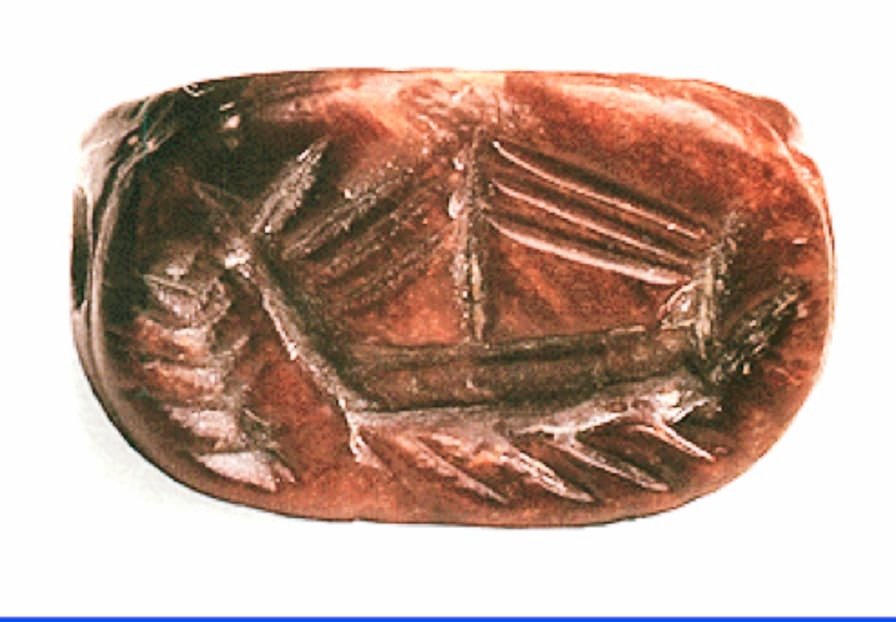
3/ The Minoan ships brought important innovations for the time in order to cross the open sea: They were made of cypress trunks, had a keel for stability and a narrow, aerodynamic shape to develop speed, had large square sails and multiple rows of oars, and were waterproofed 👉 Image
Read 12 tweets

Did Thread Reader help you today?

Support us! We are indie developers!


This site is made by just two indie developers on a laptop doing marketing, support and development! Read more about the story.

Become a Premium Member ($3/month or $30/year) and get exclusive features!

Become Premium

Don't want to be a Premium member but still want to support us?

Make a small donation by buying us coffee ($5) or help with server cost ($10)

Donate via Paypal

Or Donate anonymously using crypto!

Ethereum

0xfe58350B80634f60Fa6Dc149a72b4DFbc17D341E copy

Bitcoin

3ATGMxNzCUFzxpMCHL5sWSt4DVtS8UqXpi copy

Thank you for your support!

Follow Us!

:(