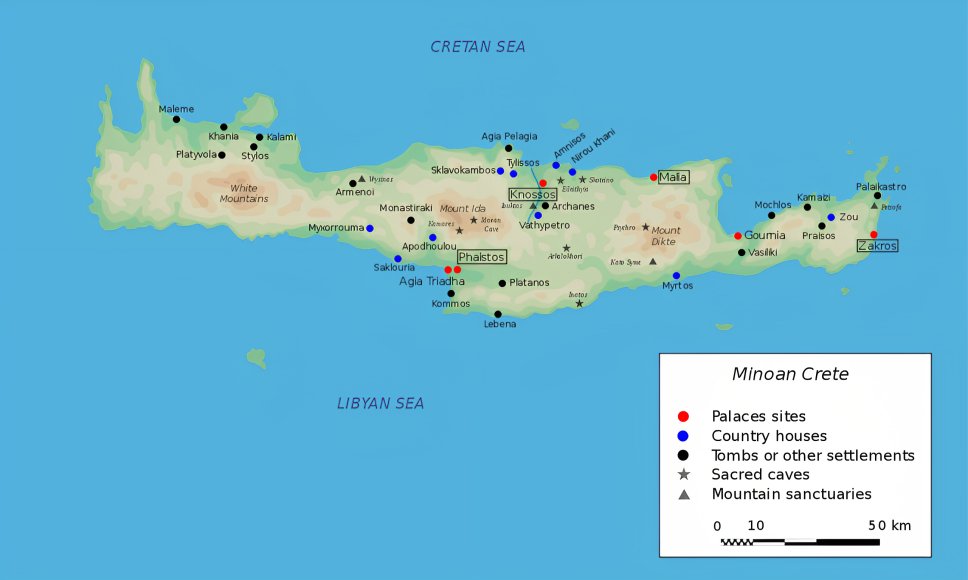
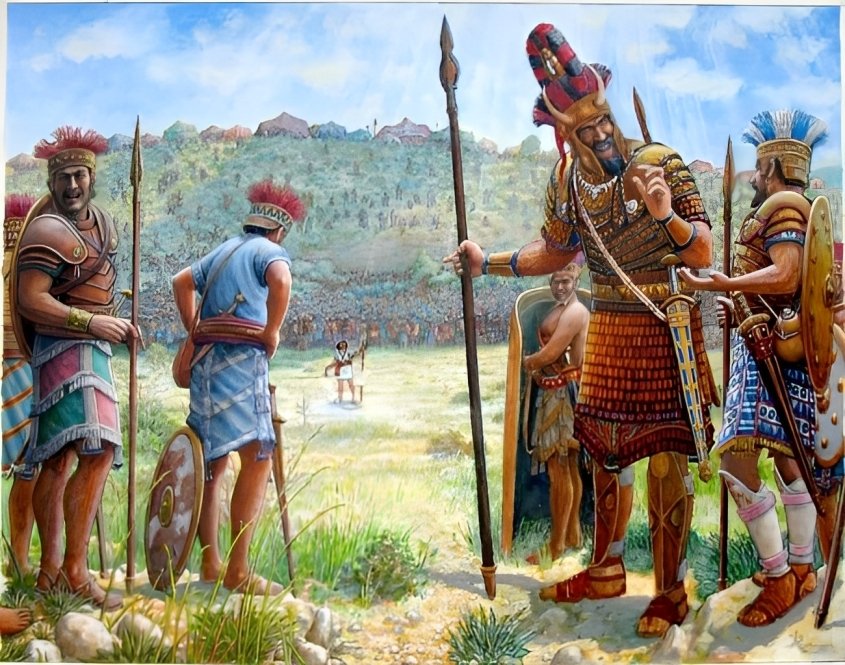
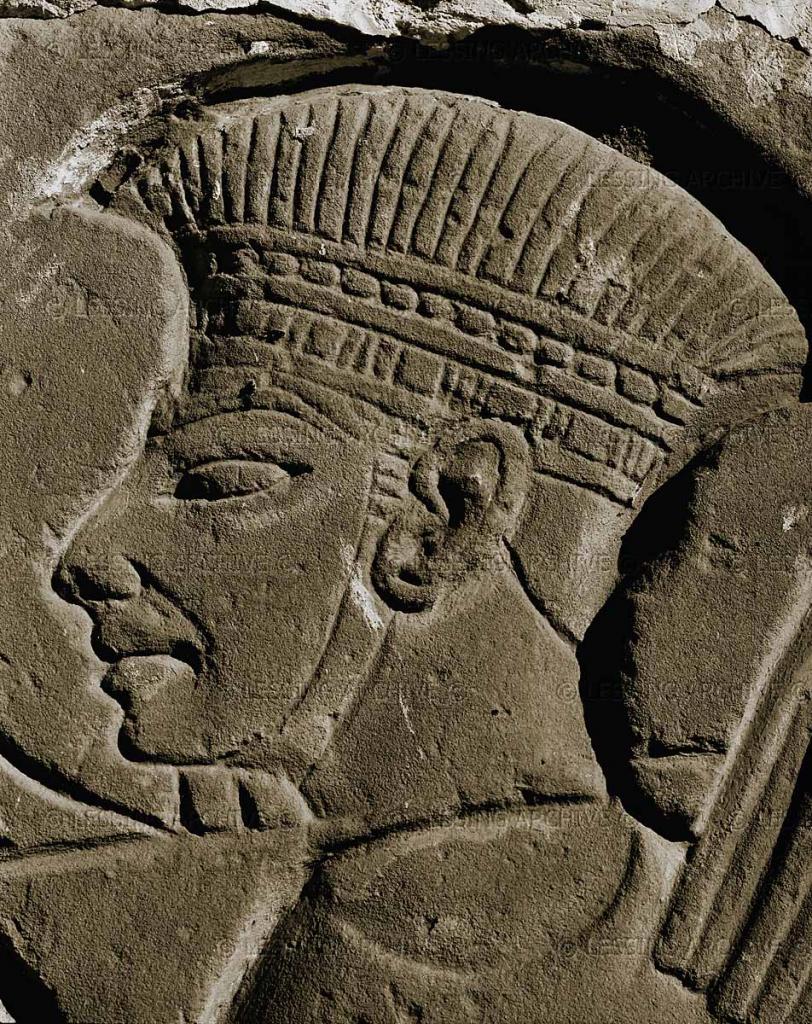
1/ The Philistines were not native to Canaan, but instead came from distant foreign lands, being a product of the turbulent period of the Late Bronze Age Collapse and having distinctly Aegean features that emphasized their difference from the other peoples of the region.
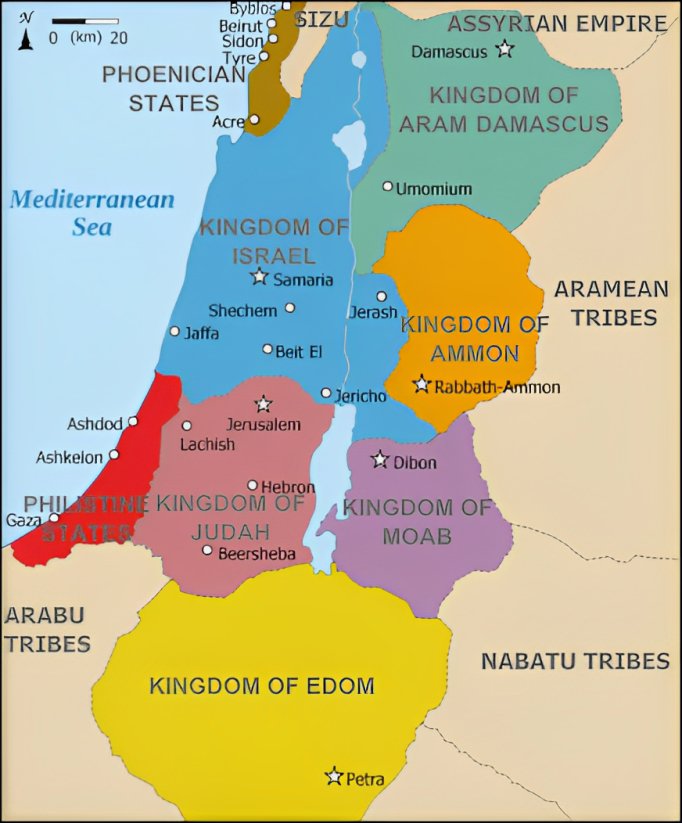
2/ The Philistines came to the southern coast of Canaan, looking for a new homeland to settle and had a warlike political - social character as a result of the climate of insecurity that prevailed in the Eastern Mediterranean during the 12th century BC and favored such standards.
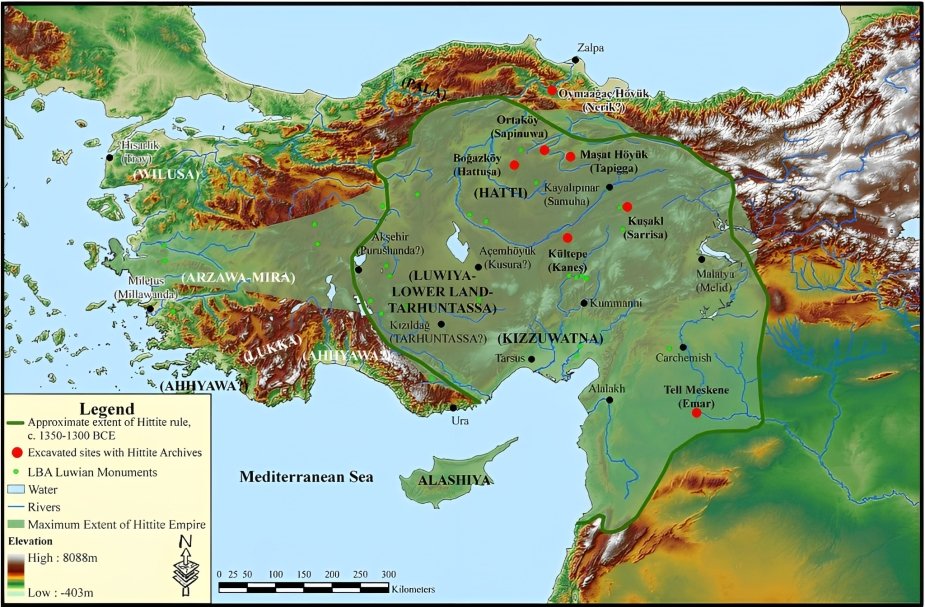
3/ While the majority of them must have come from the Aegean, mainly Crete, in their ranks there must also have been population groups from Cyprus and Anatolia, while a part of the local Canaanite population accepted the his inclusion in the Philistine cultural group.
4/ A significant role in the process of creating a new people made up of diverse ethnic groups seems to have been played by their foreign origin within a distinct and homogeneous environment (Israelites), as well as the common reasons and paths that led them to the foreign land.
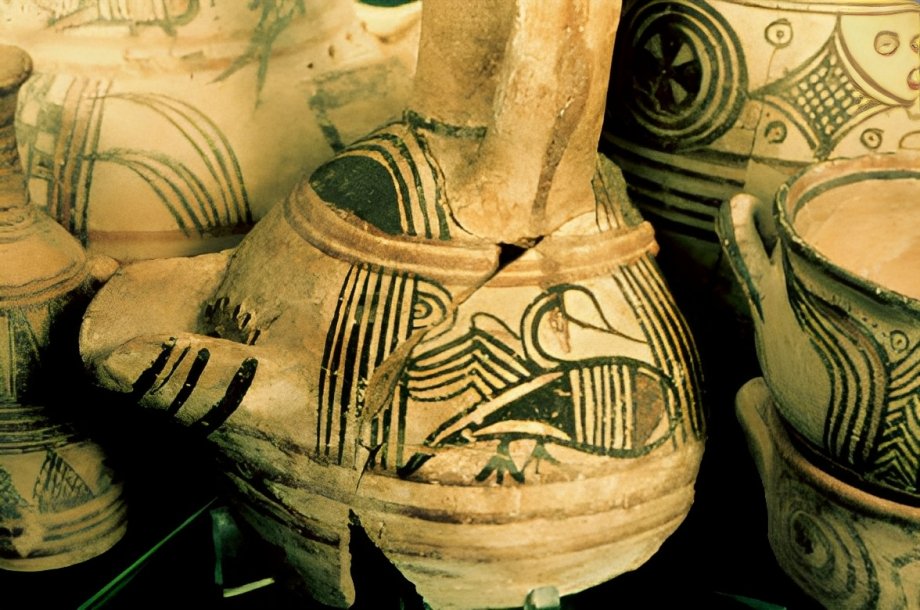
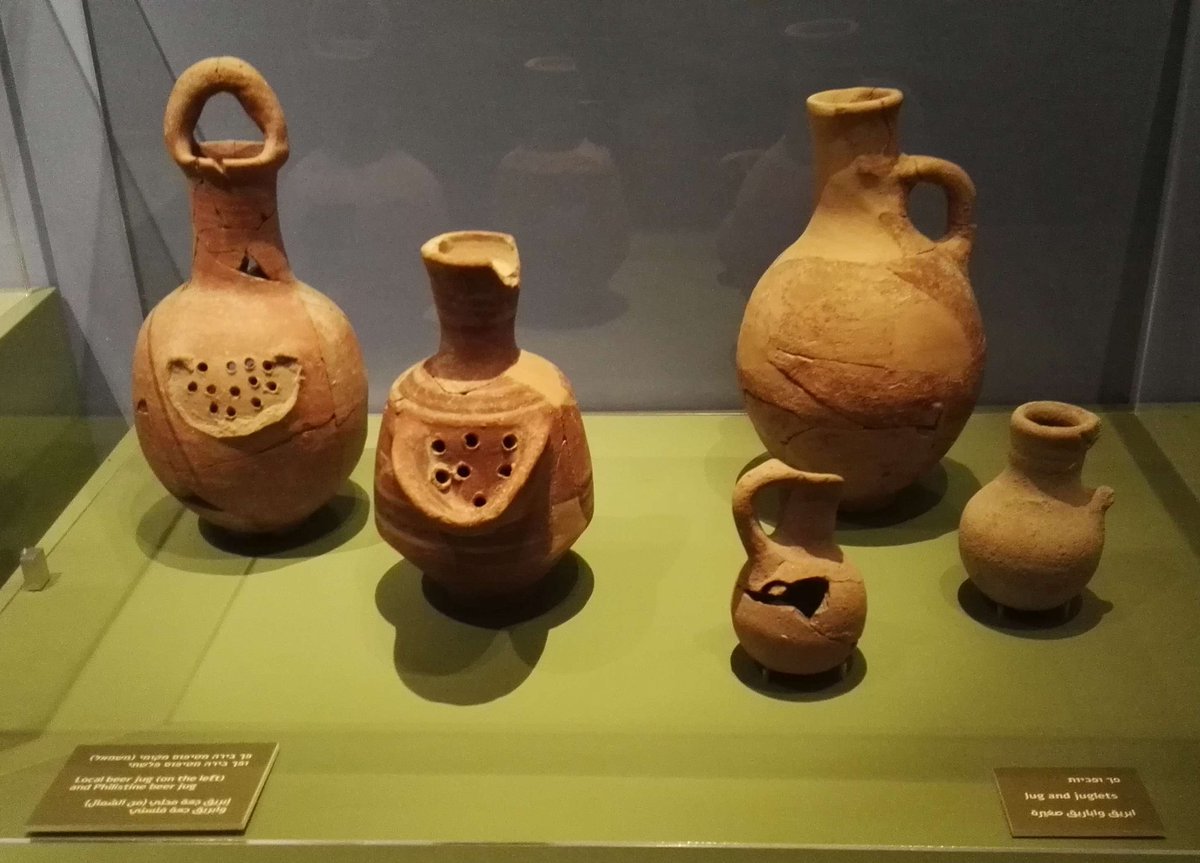
5/Thus they created a new common social identity through which they acted towards the other neighboring peoples,with main elements of this effort of distinction,the adoption of Aegean-inspired pottery and the consumption of large quantities of pork, which local societies avoided.
6/ Over time, the social and religious feasts of the Philistines, where these characteristics were displayed, became a crucial factor in strengthening the social cohesion of the Philistines,but also in the attraction - integration of local populations into the Philistine society.
7/ Thus the pre-existing populations of southern coastal Canaan (Philistia) gradually adopted the new dominant social identity, participating in Philistine feasts, using Aegean-inspired pottery and consuming significant amounts of pork.
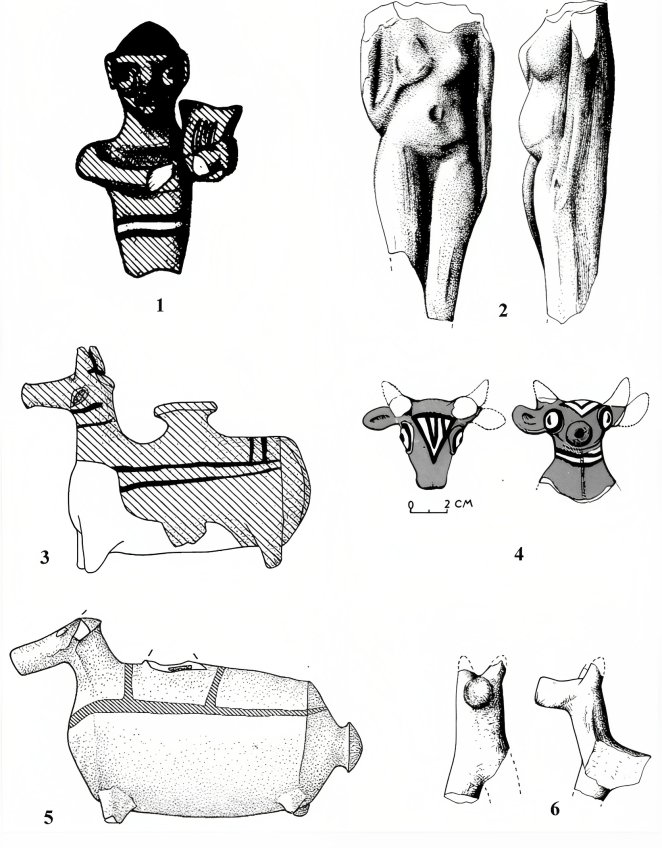
8/The result of this process was the beginning of the adoption of Canaanite elements in pottery, figurines, etc.,which seemed familiar to the Philistines of local origin, and however without this fact discouraging them from differentiating themselves from the other local peoples.
9/ An important role in the consolidation of the Philistine culture in Philistia was also played by the strongly expansionist policy of the war-like Philistine elite, which competed militarily with its neighboring peoples for the claim of hegemony in the region.
10/ However, during the 9th century BC, Philistine political and military power had been reduced, a consequence of the changes Philistine society itself had undergone. The Philistines decided based on economic motives to join the Phoenician political and economic 👉
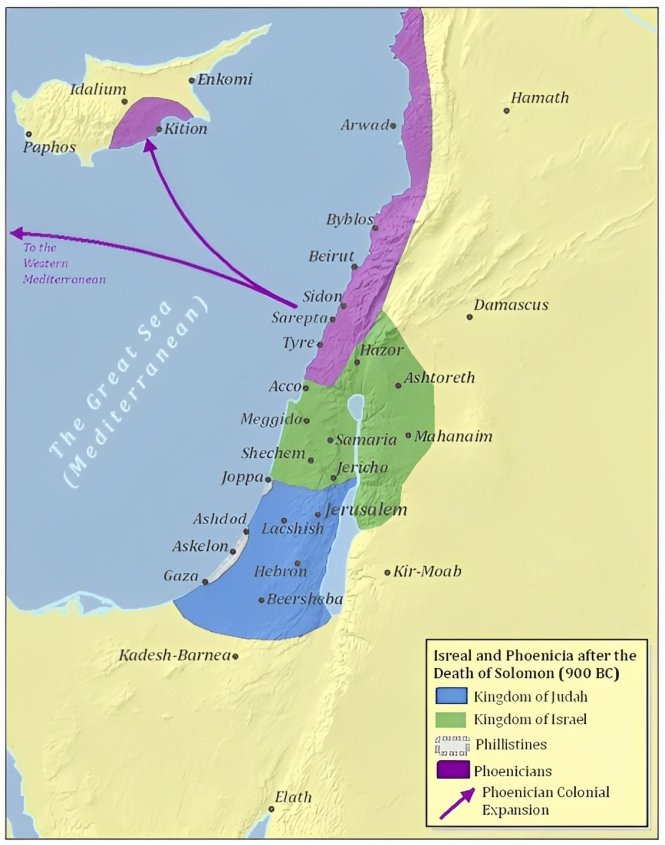
👉 sphere of influence consequently while the Philistines maintained a distinct identity, many older cultural elements had already been lost. The Aegean-inspired pottery and consumption of pork declined markedly.
11/The newly formed situation is reflected through the appearance of a new pottery style, Ashdod Ware, which bears strong Phoenician characteristics,marking the decline of the Philistine civilization and the transformation of the Philistines as a simple local people of the region
• • •
Missing some Tweet in this thread? You can try to
force a refresh

1/ Samothrace: a primeval island that walks the line between myth and history,located at the NE end of the Aegean,very close to the Thracian coast and the wider area of the Straits. A place with rich natural resources,capable of attracting human attention since the Neolithic era.
2/Thus,the Minoans arrived in Samothrace already from the early palatial period and settled in the settlement of Mikro Vouni on the SW coast of the island,where an uninterrupted continuity of habitation is observed from the EBA to at least the early LBA and very likely even later
3/ There it seems that an important Minoan trading post (colony) had developed, as demonstrated by the finding of Minoan administrative documents, written both in Cretan hieroglyphs and in Linear A', which are unique and demonstrate the great scope of Minoan expansion.
1/ When we refer to the term Minoan Thalassocracy, the words of Thucydides come to mind:
"And the first person known to us by tradition as having established a navy is Minos. He made himself master of what is now called the Hellenic sea, and ruled over the Cyclades, 👉
👉 into most of which he sent the first colonies, expelling the Carians and appointing his own sons governors; and thus did his best to put down piracy in those waters, a necessary step to secure the revenues for his own use."
Thucydides, The Peloponnesian War. 1.4
2/ Although his narrative is quite pompous in terms of Minoan dominance in the Aegean, it seems to hide some real historical context which is coming to be clarified by archaeological research, assessing the Minoan presence on various islands and coastal areas of the Aegean.
1/ In 1450 BC Knossos, the most important center of Minoan Crete, comes under Mycenaean control, and the fate of the entire island changes. But what was the nature of the Mycenaean occupation until the final destruction of the palace of Knossos in 1350 BC?
#Knossos #Mycenaeans
2/ First of all, it seems that the Mycenaean elite of Knossos controlled the breeding of 110,000 sheep (mainly rams) in the area of central and western Crete with the aim of producing fine quality wool. 👉
👉 Through this large quantity of wool they were produced numerous textiles, including exquisite colorful garments, most of which were exported to the markets of Near East and Egypt.
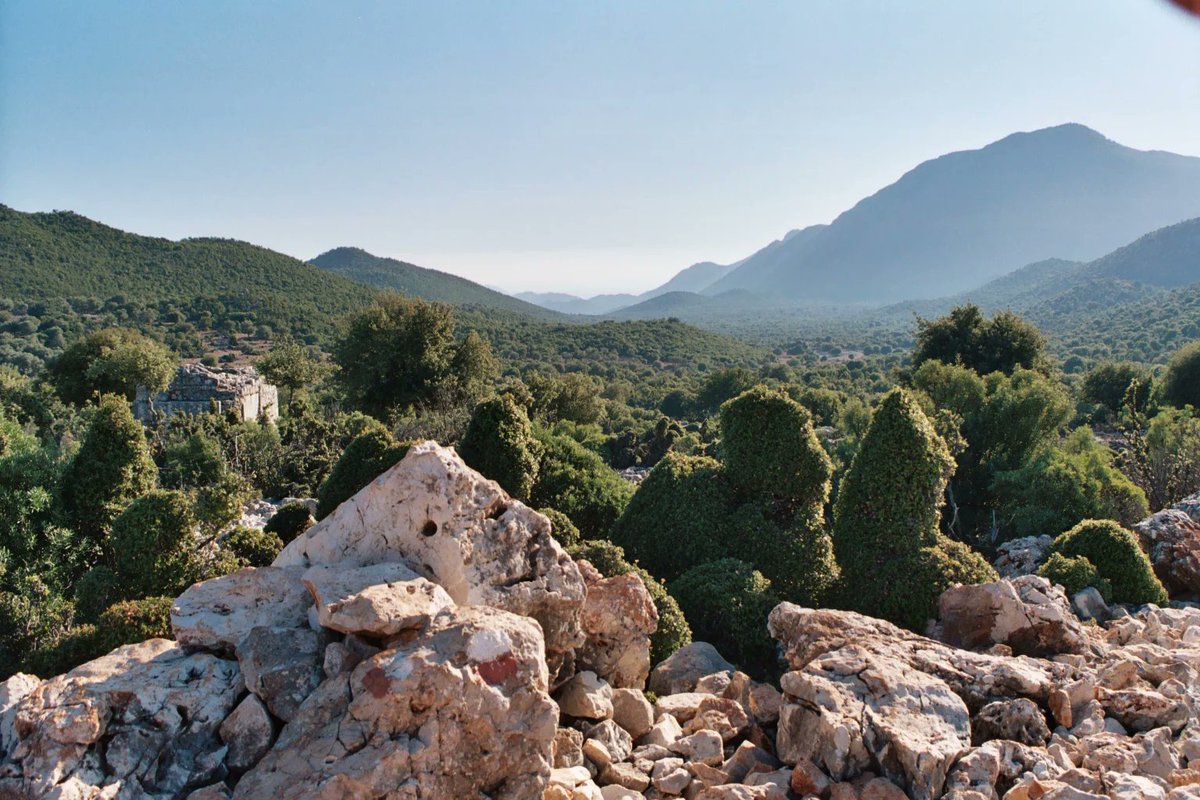
1/ Lycia: rugged with hard-to-reach mountain masses, which form fertile valleys and with a steep coastline that nevertheless has several sheltered bays. The morphology of the land gave its inhabitants a wildness and isolation, offering them an escape of survival towards the sea.
2/ Ideal homeland for the infamous Lukka. An impenetrable mountain defense wall that was deterring foreign threats and was surrounding the lairs of the most famous pirates of the ancient world. But who were actually the Lukka and what is their relationship with the Lycians?
3/Archaeological,linguistic and epigraphic evidence demonstrate that the Lukka appear in SW Anatolia at the beginning of the 2nd mil BC, probably forming a loose confederation of local tribes without any central political authority (no ruler of the Lukka Lands is ever mentioned).
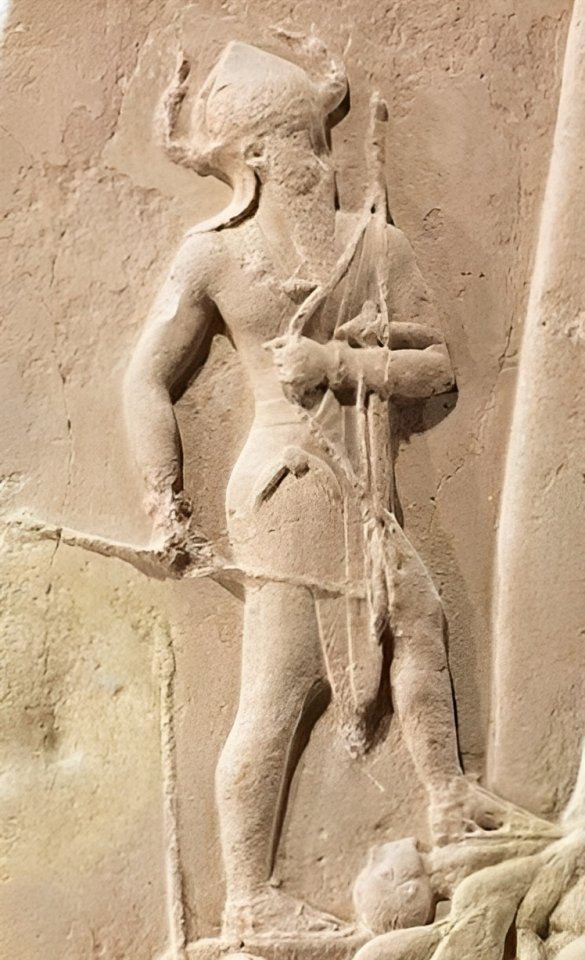
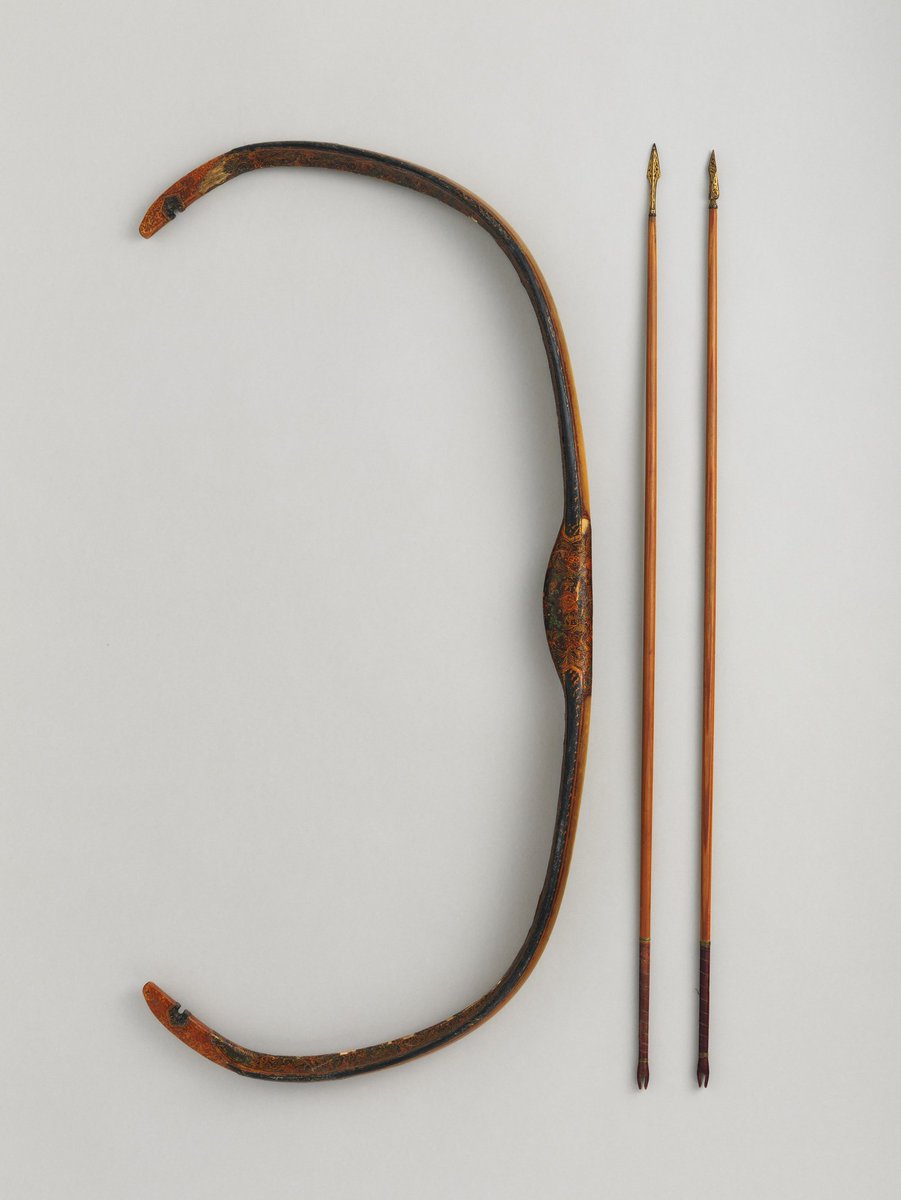
1/ During the EBA a major innovation in the technology of individual weaponry is observed with the appearance of the composite bow, affecting many aspects of warfare. The earliest depiction of a composite bow appears on the Victory Stele of Naram-Sin of Akkad (23rd century BC).
2/ The new bows provided, due to their smaller size and their new aerodynamic construction, more power, a much longer range and above all more mobility to their user than the previous self-bows.
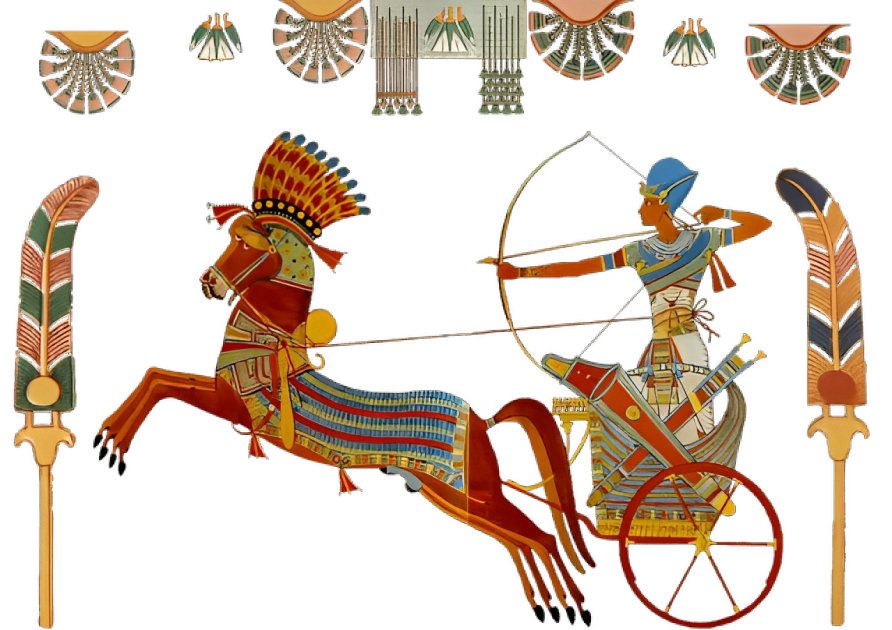
3/ The composite bows were introduced to Egypt by the Hyksos in the 18th century BC and they became over time a crucial weapon for the Egyptian army. Egypt seems to have been the region from which the composite bow was introduced into the Aegean.
1/ In the summer of 1765 BC the king of Mari, Zimri-Lim, accompanied by a large retinue, paid a month-long official visit to the Mediterranean coast of Syria, being guest of the ruler of Ugarit.
#Minoan_Crete #Mari #Zimri_Lim
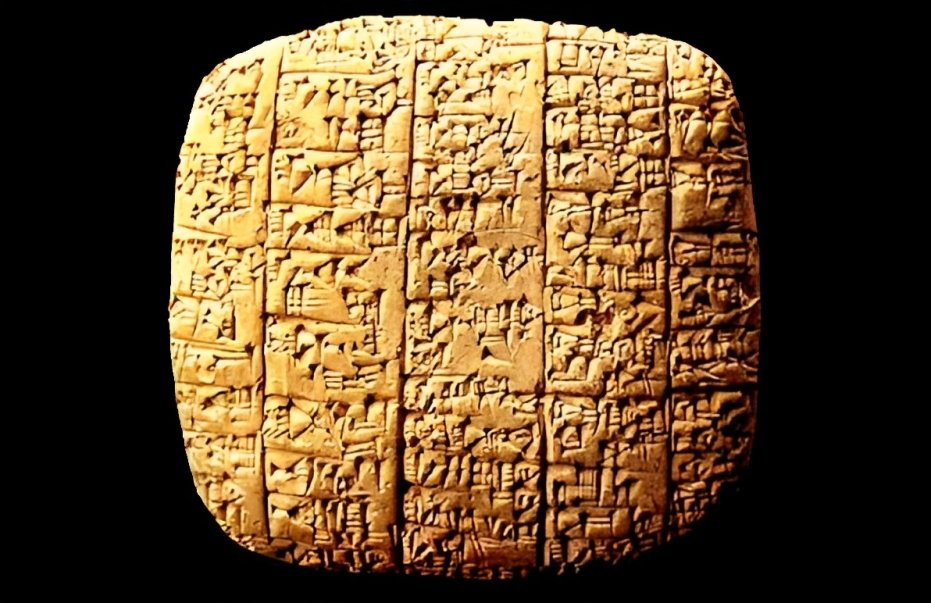
2/ All the details of this journey are described in the large archive of cuneiform tablets found in the magnificent palace of Zimri-Lim with its 260 rooms. Of particular interest is the record of diplomatic and trade relations with Minoan Crete, which is referred to as Captara.
3/At this particular period (18th cent BC) Crete was a powerful trading power, ruled by the local elites of the Old Palaces,exporting the famous ceramics of the Kamares ware throughout the Eastern Mediterranean and having adapted the Linear A' script on its administrative system.