Quick overview of the Russian "wunderwaffe" mine known as "PTKM-1R" - an AT mine designed to engage vehicles through the top. In this thread, I will talk about this touted by russians mine, discussing its effectiveness and purported widespread use. 🧵Thread:
2/ Although the the mine's mechanism is quite complex, the activation process is comparably straightforward: through its sensors, the mine detects, discerns, and trails a target, subsequently deploying submunition into the air, targeting a vehicle's vulnerable roof section.
3/ From the recently surfaced video, it's clear that the mine is notably large, requiring a substantial amount of time for deployment, which must be done manually. Furthermore, the mine's functionality depends on sensors powered by batteries.
4/ The Russian AT guide recommends installing these mines on the periphery of towns, towards the anticipated path of vehicles. The mine fuse setup allows the targeting of the 3rd to 4th vehicles in the convoy, blocking the column and setting right conditions for artillery fire.
5/ The mine is marketed as a cost-effective solution , utilized by the Russians in this war. This naturally leads to follow-up questions: How common are these mines? How extensive is the damage caused by them? Have any documented losses been attributed to this mine?
6/ In my effort to address these questions, I read reports, reached out to multiple people, checked captured documents related to minefields. Apparently, there have been only a few isolated instances where these mines were found inactive or were captured before their deployment.
7/ Considering the full year and a half of the largest post-World War II war in Europe – one would expect to encounter a multitude of videos showcasing the use of these mines. However, in reality, what we seem to witness is another instance of the "Armata" myth weapon scenario.
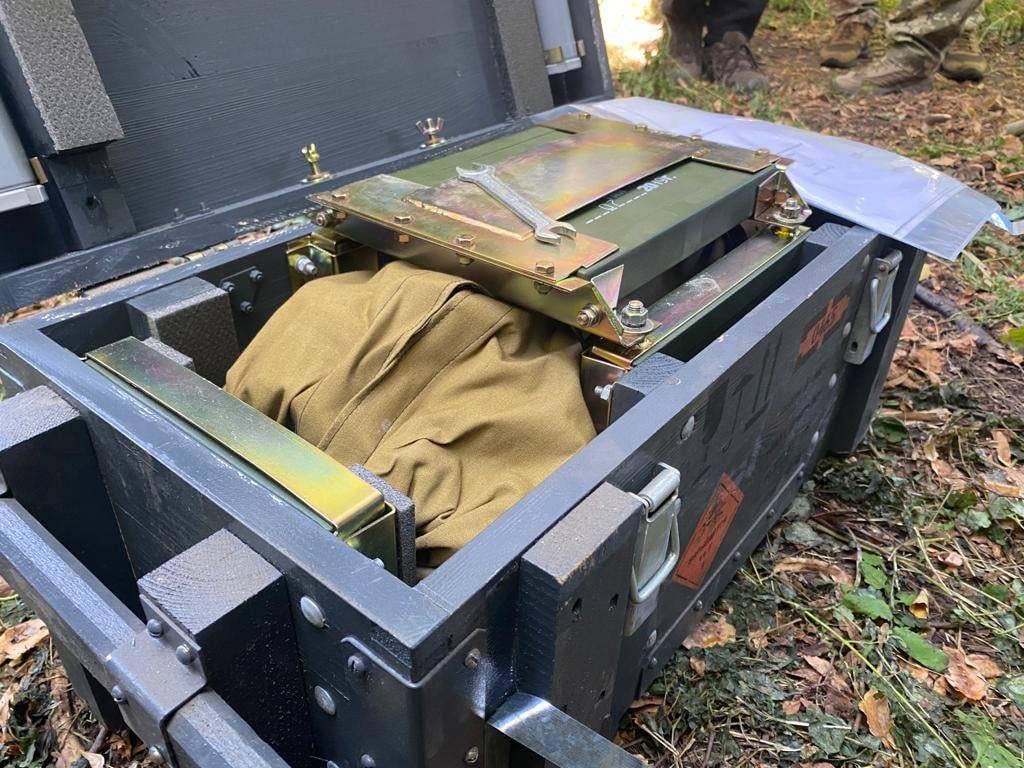
8/ While I aim not to downplay the lethality of a weapon, the fact that it's noticeably absent from the frontline implies substantial issues, be it related to production, performance, cost-effectiveness, or perhaps a combination of these factors.
• • •
Missing some Tweet in this thread? You can try to
force a refresh

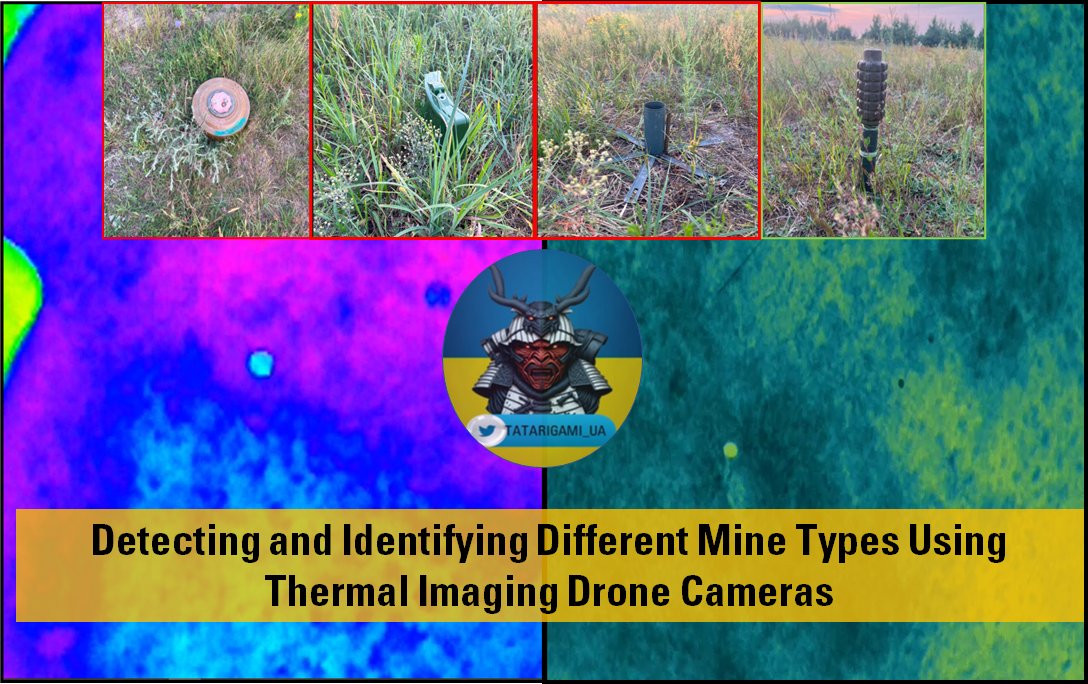
Expanding upon the ongoing dialogue about utilizing drones for mine detection, questions have emerged regarding the practicality of employing thermal imaging. In this thread, I will discuss this matter by referencing a specialized manual dedicated to this topic.🧵Thread:
2/ To begin, it's essential to consider a few key aspects. Mines aren't always placed on a top of soil - some remain hidden, making them invisible to drones. This distinction is important, emphasizing the need to refrain from regarding this method as panacea
3/ The parameters for this presentation are outlined as follows:
Temperature: Range of +18 to +20°C (64.4 to 68°F)
Vegetation: Moderate level
Time: 21:00 (9 PM) local time
Altitude: Varied and indicated for each scenario in the image.
Drone: DJI Mavic 3T
Deployment time: 11 AM
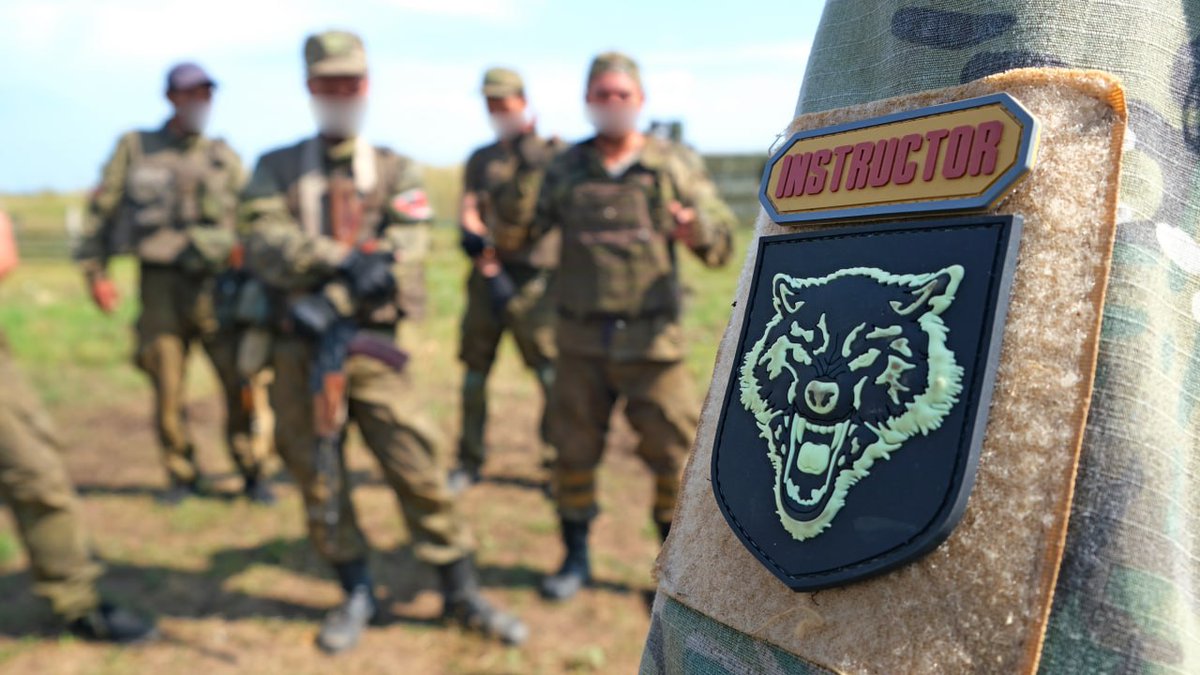
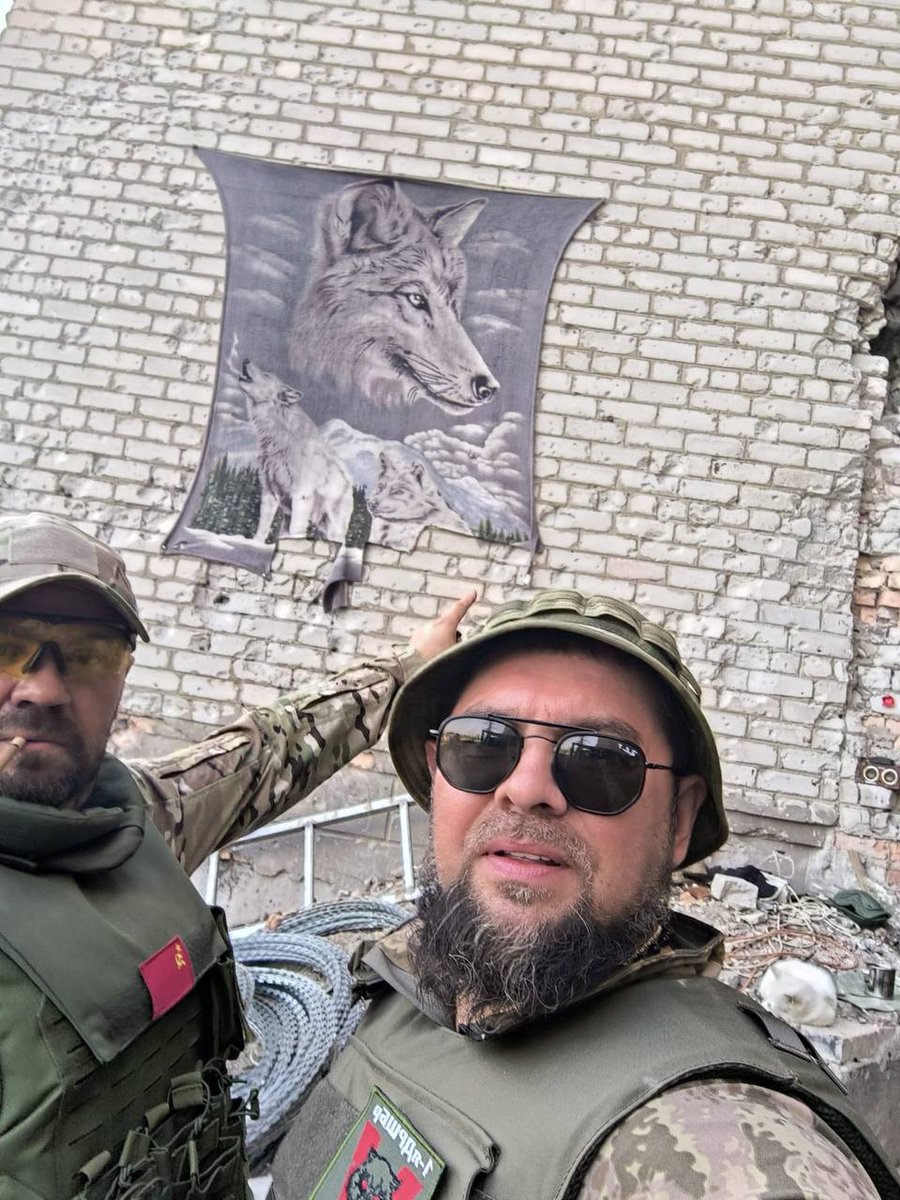
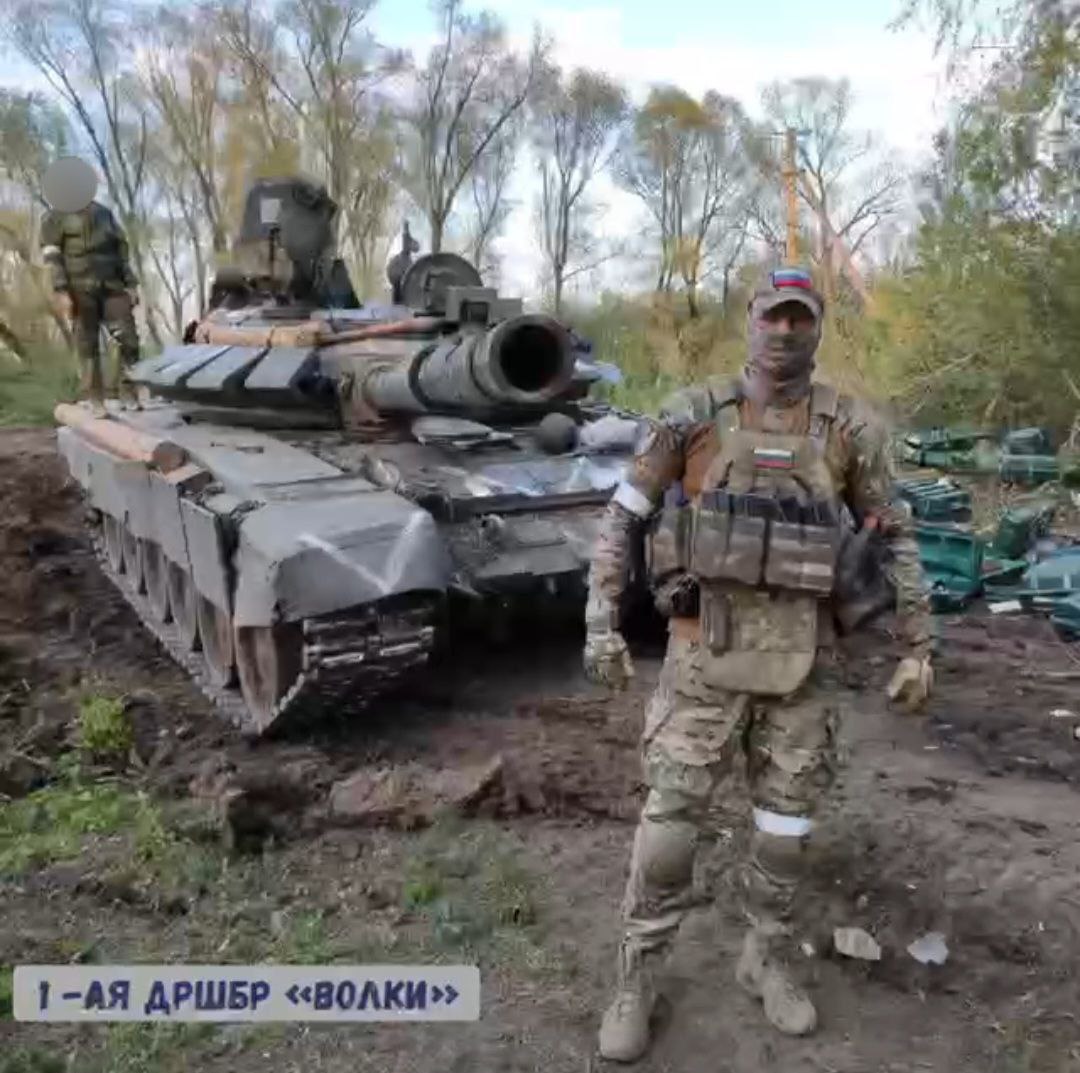
In my earlier thread in April, I detailed the emergence of a unit named "PMC" Wolves, comprised of mobilized soldiers. Presently recognized as the 1st Volunteer Reconnaissance Assault Brigade "Wolves," this unit has undergone several transformations. More details in the 🧵Thread:
2/ While soldiers and instructors inside of the Wolves brigade identify it as a PMC, their operational contracts remain under the MoD. Despite possessing a certain degree of autonomy and additional financial backing, their status and activities are channeled through MoD.
3/ The label "PMC" might be somewhat misleading, as combat assignments are determined by the MoD. Though supplementary private sponsors contribute to their support in addition to the MoD, the execution of combat tasks and overall coordination resides within the MoD's purview.
During times of war, determining the enemy's production capacity, often shrouded in secrecy, is a challenging task. As promised, today's focus involves employing satellite imagery analysis and OSINT to approximate production numbers at BTRZ-103 (Armored Repair Plant). 🧵Thread:
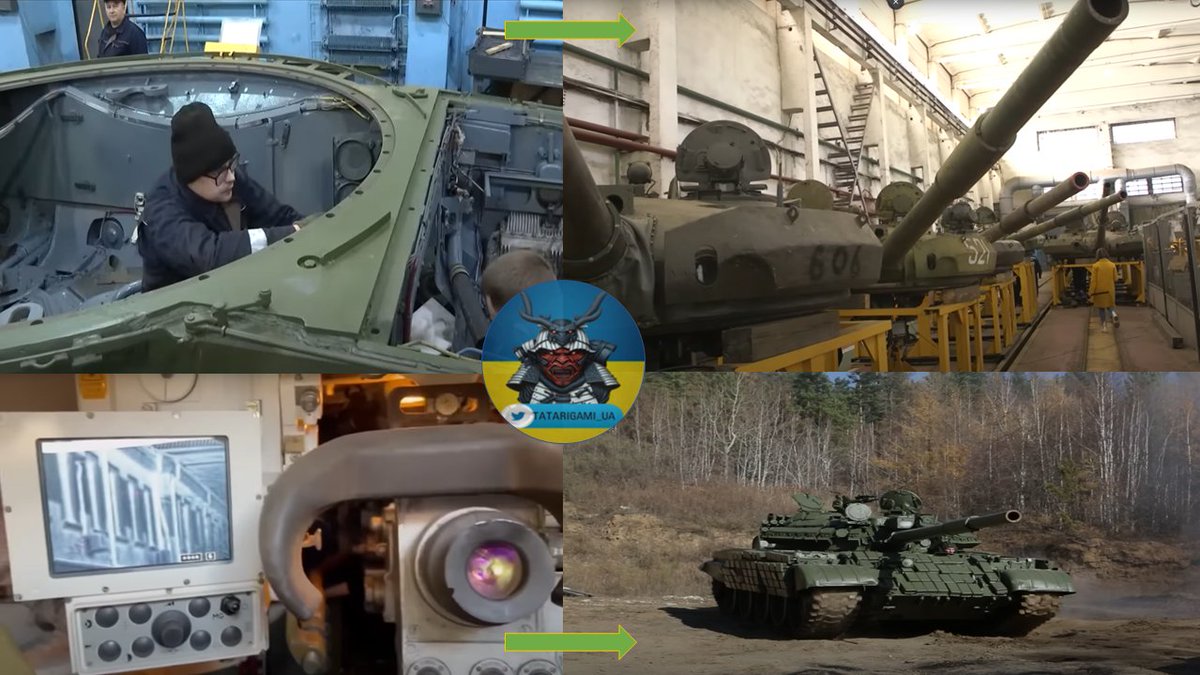
2/ Before delving into specifics, let's clarify the role of BTRZ-103. Situated near Chita in Russia's East, this plant specializes in repairing and modernizing vehicles. The facility's current emphasis centers on T-62, BRDM, and BMP vehicle modernizations.
3/ T-62 tanks undergo complete disassembly, with engine replacements, rust removal, installation of new wiring, fire control, sight systems, and upgraded armor with ERA blocks. A contract was awarded to BTRZ-103 for the modernization of 800 T-62 tanks over a 3-year span.
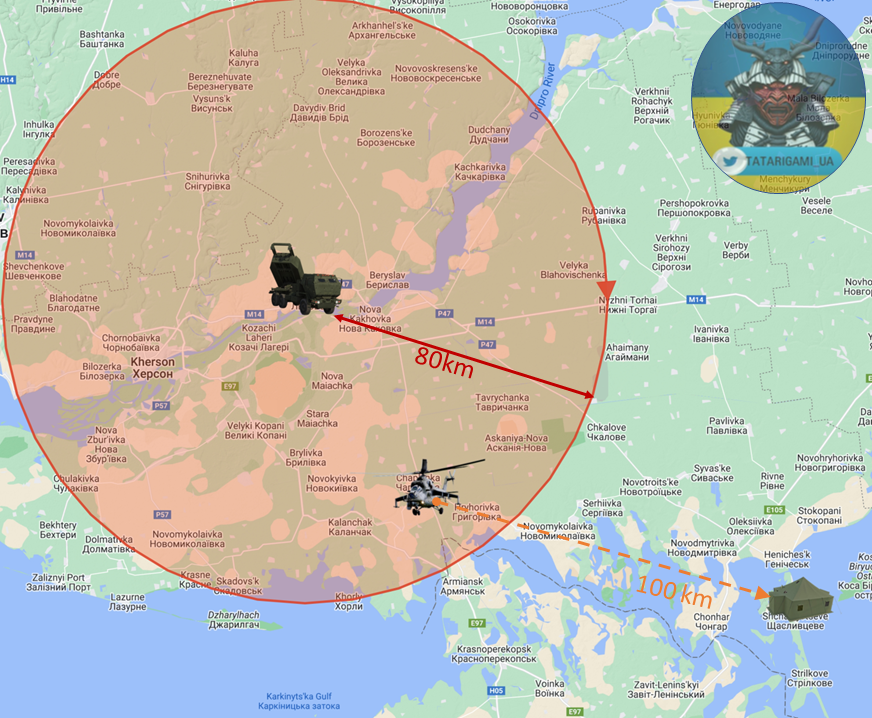
When our troops liberated Kherson and advanced to the Dnipro River, the russians dispersed and relocated their equipment, helicopters, and C2 to various bases beyond the reach of HIMARS. Why is this significant, and what can be learned from this situation?
🧵Thread
2/ In this instance, compiled satellite imagery reveals the establishment of a new base to the south of Henichesk. Its construction commenced around November, aligning with our troops' liberation of Kherson and the departure of russian forces from Chaplynka.
3/ Their decision was correct - shortly after our forces secured Kherson, Chaplynka base experienced several strikes. Nevertheless, most of the equipment, the command and control center, and the helicopters had been relocated. Only minimal logistical operations were still there.
Given the current focus on minefields and mines due to the ongoing counter-offensive, I decided to illustrate a representative minefield layout. While I am unable to share the actual document, I made a comparable graphical representation to convey the specifics.
🧵Thread:
2/ In this case, the positioning of minefields is tied to surface features, including bodies of water, roadways, and settlements. It is important to note that there are two categories of minefields: "groups of mines" and controlled minefields (can be managed remotely).
3/ Minefields commonly consist of an array of distinct mines, namely the OZM-72 Bounding fragmentation anti-personnel mine, the PMN anti-personnel pressure mine, the MON Directional Anti-personnel Mine, the TM-62 Anti-tank blast mine, and the YaRM anti-landing mine.
In light of recent developments in Western Africa and the confirmed interest of Wagner Group in Niger, it is imperative to gain an accurate understanding of Wagner's actual capabilities and their strategic approach. 🧵Thread:
2/ While Wagner Group does present a genuine security concern in Africa, supporting military juntas and involving itself in genocidal practices, its military capabilities are notably limited.
3/ While Wagner was known to numerous military and political analysts, its true international fame came during the Bakhmut assault, which was a personal ambition of Prigozhin to demonstrate to Putin that his private force was more effective than the Russian Ministry of Defense.